

Whispers of the Tropic Wind: Exploring the Pueblos Mágicos of Mexico’s Southeast by Scott Paton - HTML preview
Download the book in PDF, ePub, Kindle for a complete version.
Chapter 8: Puebla
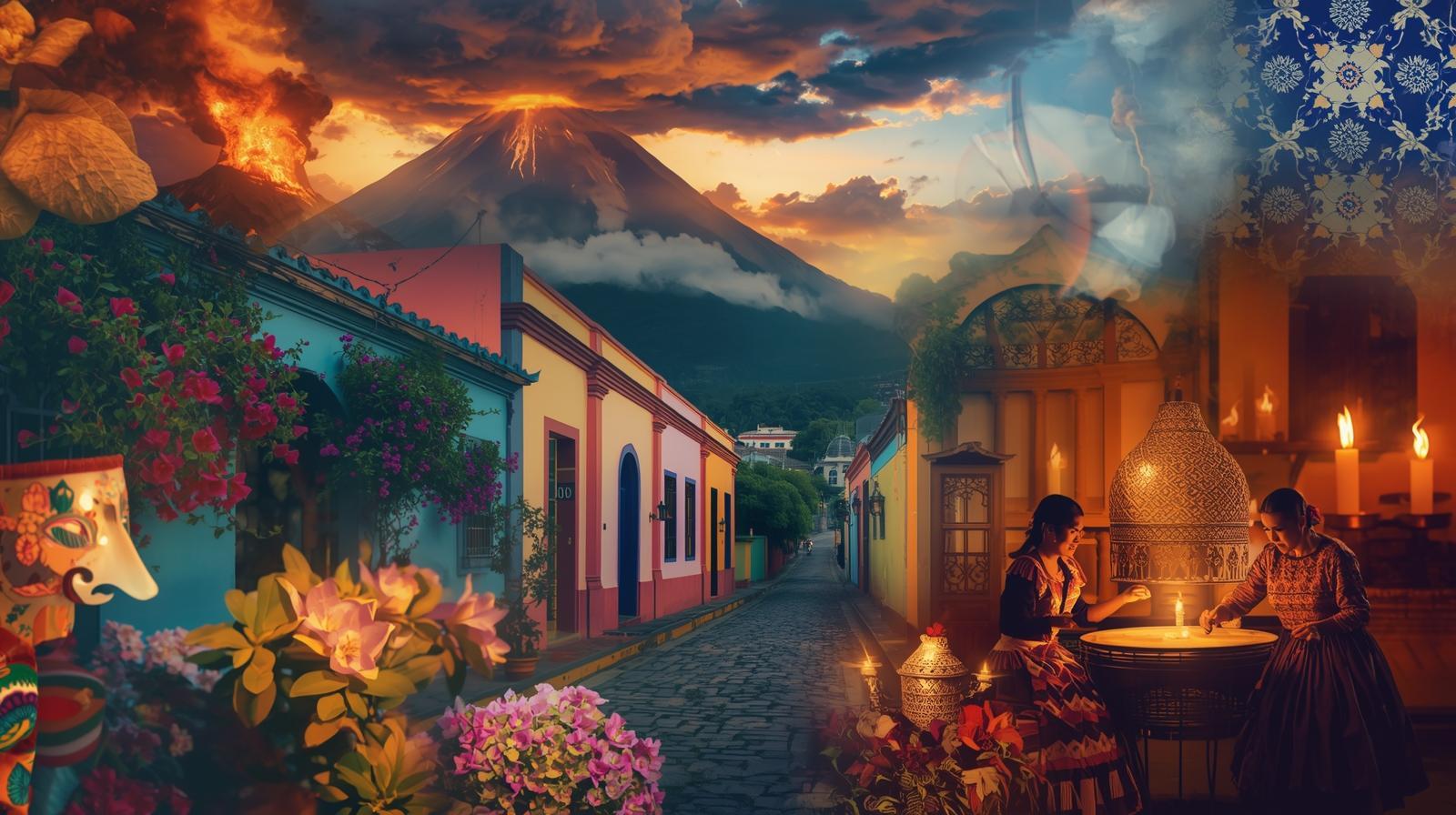
You think you know Puebla. The talavera tiles, the mole, the cathedrals—it’s all so polished, so postcard-perfect. But step outside the capital and something unexpected happens. The streets stop whispering Spanish and start humming in Nahuatl. Churches rise from ancient pyramids. And behind the quiet charm of cobblestone alleys, you can feel something older, something wild, still breathing beneath the surface.
Here, magic doesn’t sparkle—it waits. In the sulfur mist of a volcano, in a festival where masked dancers chase away devils, in the way a grandmother presses masa like it’s a prayer. Puebla’s Pueblos Mágicos aren’t just beautiful; they’re unsettlingly alive. They make you question whether you’re visiting history—or if history is visiting you.
Ever wonder what happens when the past refuses to stay buried?
Mexico’s Southeast Pueblos Mágicos © 2026 All Rights Reserved. Scott Paton Trust
139
Cuetzalan del Progreso, Puebla — The Town That
Whispers to the Clouds
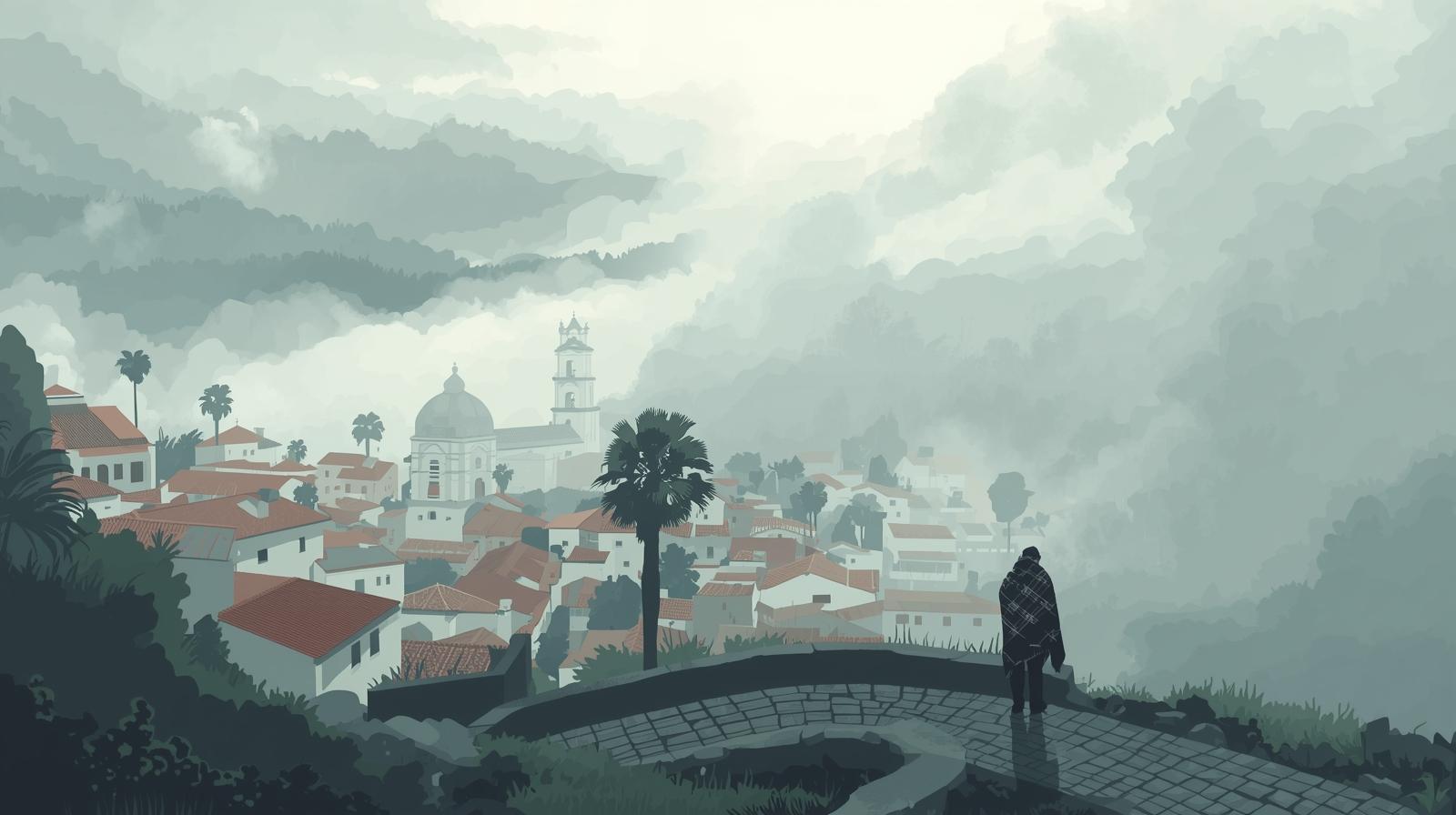
There’s a moment, right before you reach Cuetzalan, when the world starts to fade into mist. The road curves and climbs through the Sierra Norte de Puebla, and suddenly, it feels like you’re driving into the clouds themselves. The air turns cool and wet, thick with the scent of coffee leaves and damp stone. Then the town appears — a vision of white walls, red roofs, and cobblestone streets clinging to the mountainside. It’s not just picturesque; it’s otherworldly. You can’t help but wonder — what kind of stories does a town this mystical hold?
History & Culture
Cuetzalan’s history feels alive in its stones. Founded in pre-Hispanic times by Nahua settlers, the town’s name comes from “Cuetzalan,” meaning “place where the quetzal birds abound.” And indeed, if you listen carefully on a quiet morning, you might just hear the distant call of one of these sacred birds echoing through the forests that blanket the hills.
The Spanish arrived in the 1500s, and with them came the baroque churches and colonial architecture that still shape the town today. Yet Cuetzalan resisted losing its indigenous soul. Nahuatl remains widely spoken, and traditional festivals — like the Ritual de los Voladores — are not staged performances but living traditions. Watching the voladores spiral gracefully from
Mexico’s Southeast Pueblos Mágicos © 2026 All Rights Reserved. Scott Paton Trust
140 the top of a towering pole is more than a spectacle; it’s a spiritual act that connects heaven and earth.
This duality — Catholic bells ringing over pre-Hispanic chants — defines Cuetzalan’s rhythm. It’s a town where the old gods never truly left and the new faith learned to coexist.
Getting There
Cuetzalan is about 180 kilometers north of Puebla City and roughly 250 kilometers from Mexico City. The drive takes around five to six hours, depending on your starting point and your comfort with winding mountain roads.
● By Car: Take Highway 129 toward Zacapoaxtla, then follow the signs to Cuetzalan. The
journey is scenic — lush forests, waterfalls, and roadside coffee stalls.
● By Bus: From Puebla City’s CAPU terminal, regular buses (AU or ADO lines) head to
Cuetzalan daily. The trip takes about six hours.
● By Taxi or Shuttle: Shared vans (colectivos) connect Cuetzalan with neighboring towns
like Zacapoaxtla and Xochitlán.
Bring motion sickness tablets if winding roads get to you — the route is serpentine but worth every turn.
Where to Stay
Cuetzalan has the kind of accommodations that make you feel like you’re living inside a storybook.
● Posada La Plazuela – Right on the main square, with balconies overlooking the church
of San Francisco de Asís. Perfect for morning coffee with a view of mist-covered roofs.
● Hotel Taselotzin – A women-run cooperative that offers comfortable rooms and
handmade crafts. Staying here supports local artisans and indigenous culture.
● Casa Campestre Cozoltic – A little outside the center, surrounded by nature and
silence. Ideal for travelers who want to wake up to birdsong and the smell of rain.
Mexico’s Southeast Pueblos Mágicos © 2026 All Rights Reserved. Scott Paton Trust
141
Everywhere you stay, expect rustic charm — polished wood, clay floors, and the ever-present hum of the Sierra.
What to See and Do
1. The Main Plaza and Church of San Francisco de Asís At the heart of Cuetzalan lies its iconic church, with a tall bell tower that pierces the mist. The plaza in front is always alive — vendors selling coffee, children playing, locals chatting in Nahuatl. Sundays are especially lively with the tianguis (market), where indigenous women sell handmade textiles and fresh produce from nearby villages.
2. The Underground Caves (Grutas de Cuetzalan)
Cuetzalan sits atop a vast network of limestone caves. The Gruta de Atepolihui and Gruta de los Corales are two of the most accessible. You’ll need a guide — and a flashlight — but descending into the cool darkness feels like entering the earth’s own cathedral.
3. The Waterfalls (Cascadas de las Brisas, Corazón del Bosque, El Salto) Each cascade is wrapped in dense jungle and mist. You can hike, swim, or simply sit on a rock and let the roar of falling water wash the world away. Local guides often share legends of spirits said to guard these waterfalls.
4. The Voladores Ceremony
Few things are as breathtaking as watching the Voladores de Papantla perform. Four men spin gracefully from a 30-meter pole while a fifth plays a flute atop it, honoring the gods of fertility and rain. It’s hypnotic, ancient, and utterly unforgettable.
5. Coffee Plantations
Cuetzalan is coffee country. Visit local fincas like Reserva Azul or Tosepan Titataniske, where you can learn about organic cultivation and taste freshly roasted beans — smooth, earthy, with hints of chocolate and smoke.
Food to Try
Food in Cuetzalan is comfort wrapped in tradition.
● Café de olla – Brewed with cinnamon and raw sugar, served in clay cups that stay warm
in the cool mountain air.
● Tlayoyos – Thick corn patties stuffed with beans or chicharrón, cooked on a comal.
Mexico’s Southeast Pueblos Mágicos © 2026 All Rights Reserved. Scott Paton Trust
142
● Mole poblano – Yes, Puebla’s most famous dish tastes even better here, rich and
smoky.
● Yolixpa – A local herbal liqueur made with over 20 mountain herbs — part medicine,
part legend.
● Pan de elote – Sweet corn bread often sold in small bakeries or by abuelas during the
evening stroll.
Eat slow, savor everything, and don’t be afraid to ask locals where their favorite fondita is — the best meals are usually the ones without menus.
Practical Tips
● Best Time to Visit: October to March. The rains ease, and the town hosts several
festivals, including the Festival del Café y del Huipil in October.
● Weather: Cool and misty year-round; bring a light jacket and comfortable walking shoes
with grip — the cobblestones can be slippery.
● Souvenirs: Handwoven huipiles, embroidered blouses, clay pottery, and local coffee are
all authentic keepsakes.
● Language: Many locals speak Nahuatl first, Spanish second. A smile and a few kind
words go a long way.
Closing Reflection
Cuetzalan del Progreso isn’t just a place you visit — it’s a place that lingers. The mist clings to your clothes, the sound of drums and flutes echoes in your memory, and somewhere deep inside, you feel a quiet reverence for its balance of earth and spirit. Here, time bends around tradition. The people still dance for the rain, weave stories into their textiles, and live in harmony with the mountains that cradle them.
Leaving Cuetzalan feels like waking from a dream. But if you listen closely as you descend the winding road, you might still hear the whisper of the quetzal — calling you back.
Mexico’s Southeast Pueblos Mágicos © 2026 All Rights Reserved. Scott Paton Trust
143
Zacatlán, Puebla — Where Time Stands Still Among
Clouds and Apples
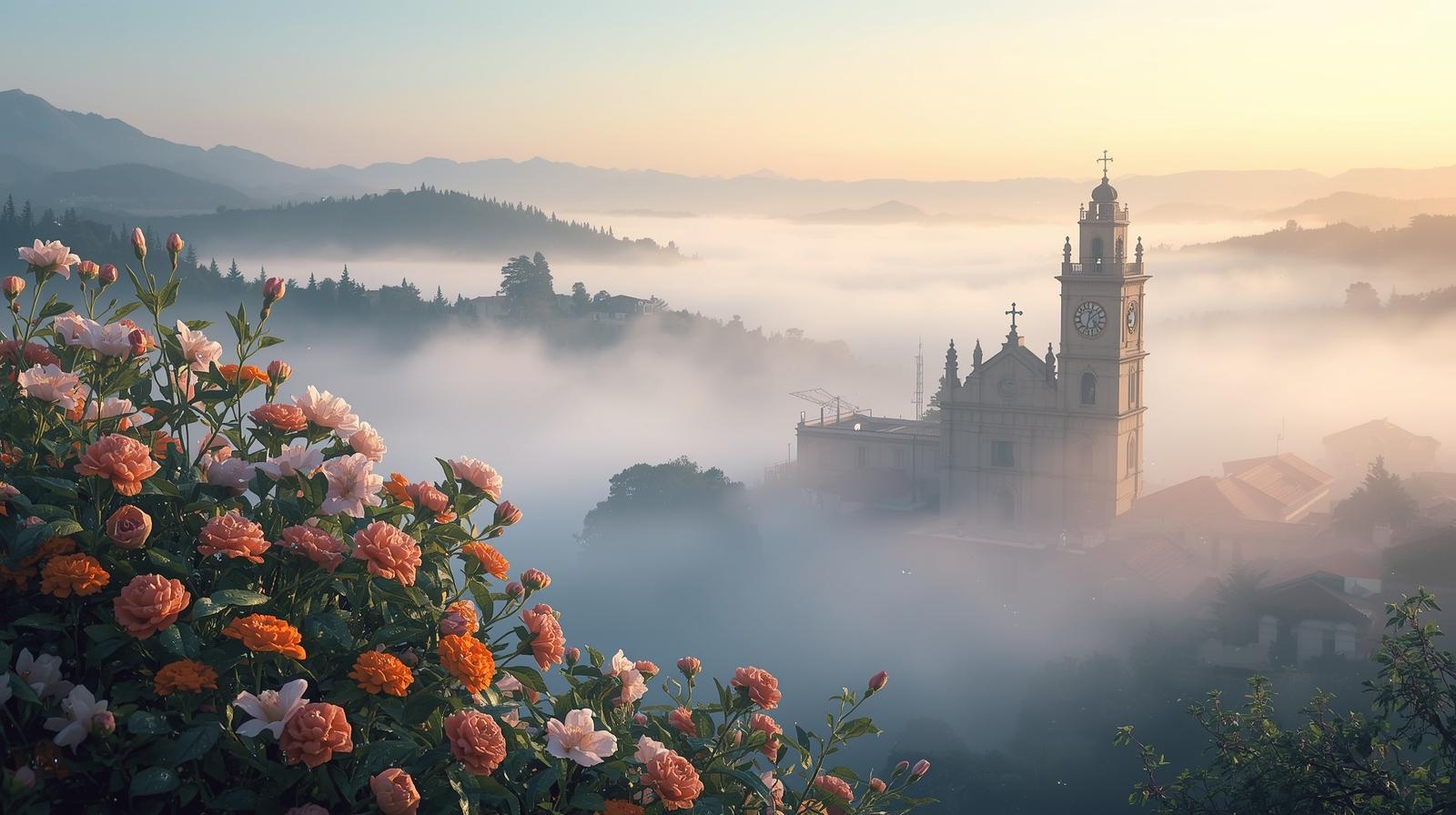
There’s something almost unreal about Zacatlán. One moment, you’re winding through pine-covered mountains, and the next, the clouds swallow you whole. Then—just like that—they part, revealing a town that looks painted in mist and memory. The scent of apples hangs in the air, sweet and earthy, mingling with the smoke from wood-fired kitchens. People here move at a different rhythm—slower, softer—as if time itself decided to linger. And maybe it did. Because in Zacatlán, the ticking of clocks is not just background noise—it’s heritage.
History & Culture
Zacatlán de las Manzanas, the “Land of Apples,” carries centuries of stories within its cobblestone streets. Founded in 1562, it’s one of the oldest towns in Puebla and one of the most symbolic of the Sierra Norte region. Its Nahua roots run deep—“Zacatlán” comes from zacatl, meaning grass, and tlan, meaning place: “place of grass.” But the real pulse of the town began when Spanish settlers brought apple trees to these fertile hills, forever shaping its destiny.
By the 19th century, Zacatlán became famous not just for fruit but for something far more precise—its clocks. The Centenario Clock Factory, founded by Alberto Olvera Hernández in 1918, still operates today as a proud monument to Mexican ingenuity. Step inside, and you’ll
Mexico’s Southeast Pueblos Mágicos © 2026 All Rights Reserved. Scott Paton Trust
144 hear the echo of ticking mechanisms layered over soft music, a rhythm that somehow matches the heartbeat of the town itself.
Zacatlán’s people carry their heritage lightly yet proudly. They celebrate the annual Feria de la Manzana (Apple Fair) every August with parades, dances, and markets overflowing with cider, pastries, and—yes—apple wine. It’s not just a festival; it’s a celebration of identity, resilience, and the sweetness of life that thrives even in the mountain chill.
Getting There
Zacatlán is about 2.5 to 3 hours from Puebla City and roughly the same from Mexico City, depending on traffic. Buses leave regularly from both cities—look for the Estrella Roja or AU lines. For those who love scenic drives, renting a car is a rewarding option; the highway winds through pine forests and small mountain villages, each more photogenic than the last. Just remember: fog can roll in suddenly, so drive with patience (and a bit of wonder).
Where to Stay
Zacatlán’s charm extends to its accommodations, where rustic meets romantic.
● Hotel y Cabañas La Cascada: Nestled near the waterfalls, this spot offers cozy cabins
with panoramic forest views—perfect for foggy mornings and hot chocolate.
● Posada Don Ramón: A colonial-style inn right in the heart of downtown, ideal for those
who want to wake up steps away from the plaza.
● Casa San Miguel: A boutique choice blending vintage charm with modern comforts,
known for its handmade breakfasts featuring local fruit jams.
Budget travelers will find small family-run inns around the central market, where hosts often share local stories over coffee made from beans grown just down the road.
What to See and Do
Zacatlán is a place that invites wandering. Start with the Main Plaza, where the floral clock—a masterpiece of engineering and horticulture—keeps time amid blooming patterns that change with the seasons. Across the square stands the Ex-Convento Franciscano, a 16th-century monastery with frescoes faded like ancient whispers.
A short walk away, you’ll find the Glass Bridge of Zacatlán (Puente de Cristal), perched on the cliffside of the Barranca de los Jilgueros. Step onto the transparent platform if you dare—the
Mexico’s Southeast Pueblos Mágicos © 2026 All Rights Reserved. Scott Paton Trust
145 view drops hundreds of meters down into a canyon carpeted in mist and forest. It’s breathtaking in every sense of the word.
For a taste of nostalgia, visit the Museo del Reloj to see handcrafted timepieces from the early 1900s. Then head to the Mural de los Zacatecos, an enormous mosaic depicting the region’s history, crafted entirely from colored tiles. Each section tells a story—from indigenous roots to the colonial era to modern-day life.
Outdoor lovers can take day trips to Valle de Piedras Encimadas, a natural park of surreal stone formations that look sculpted by giants. Bring hiking shoes, a jacket, and your imagination—it feels like walking through an open-air art gallery shaped by time and wind.
Food to Try
Let’s be honest: you can’t visit Zacatlán without tasting its apples in every possible form. Start with sidra artesanal, a sparkling cider that’s slightly tart, slightly sweet, and perfect with any meal. Try the empanadas de manzana (apple turnovers) at the local market—flaky, golden, and warm enough to melt away the morning fog.
At lunch, stop by a fondita for mole poblano or chile en nogada, Puebla’s culinary crown jewels. But for something more local, seek out mixiotes—tender meat marinated in spices and slow-cooked in maguey leaves—or tlacoyos, thick blue-corn patties stuffed with beans or cheese, topped with nopales and salsa. Finish with pan de queso, a cheesy bread so addictive you’ll want to take some home for the road.
Practical Tips
● Weather: Zacatlán’s mountain climate means cool days and chilly nights year-round.
Pack layers and a rain jacket—fog and drizzle are part of the town’s magic.
● Footwear: Comfortable shoes are a must; the cobblestones are charming but uneven.
● Souvenirs: Take home apple wine, handmade clocks, and local jam (mermelada
artesanal).
● Best Time to Visit: Late summer during the Apple Fair (August) is lively, but spring
offers quieter, clearer days ideal for photography.
Closing Reflection
There’s a phrase locals love: Zacatlán no se visita, se siente—Zacatlán isn’t just visited, it’s felt. And they’re right. The way the mist curls around the bell towers, the warmth of people offering a
Mexico’s Southeast Pueblos Mágicos © 2026 All Rights Reserved. Scott Paton Trust
146 glass of cider “para el frío,” the sound of clocks ticking softly in shop windows—it all lingers with you long after you’ve left.
Zacatlán is a reminder that not all magic sparkles. Some of it hums quietly in the mountains, hidden in the rhythm of rain and time.
Mexico’s Southeast Pueblos Mágicos © 2026 All Rights Reserved. Scott Paton Trust
147
Pahuatlán, Puebla — The Hidden Soul of the Sierra
Norte
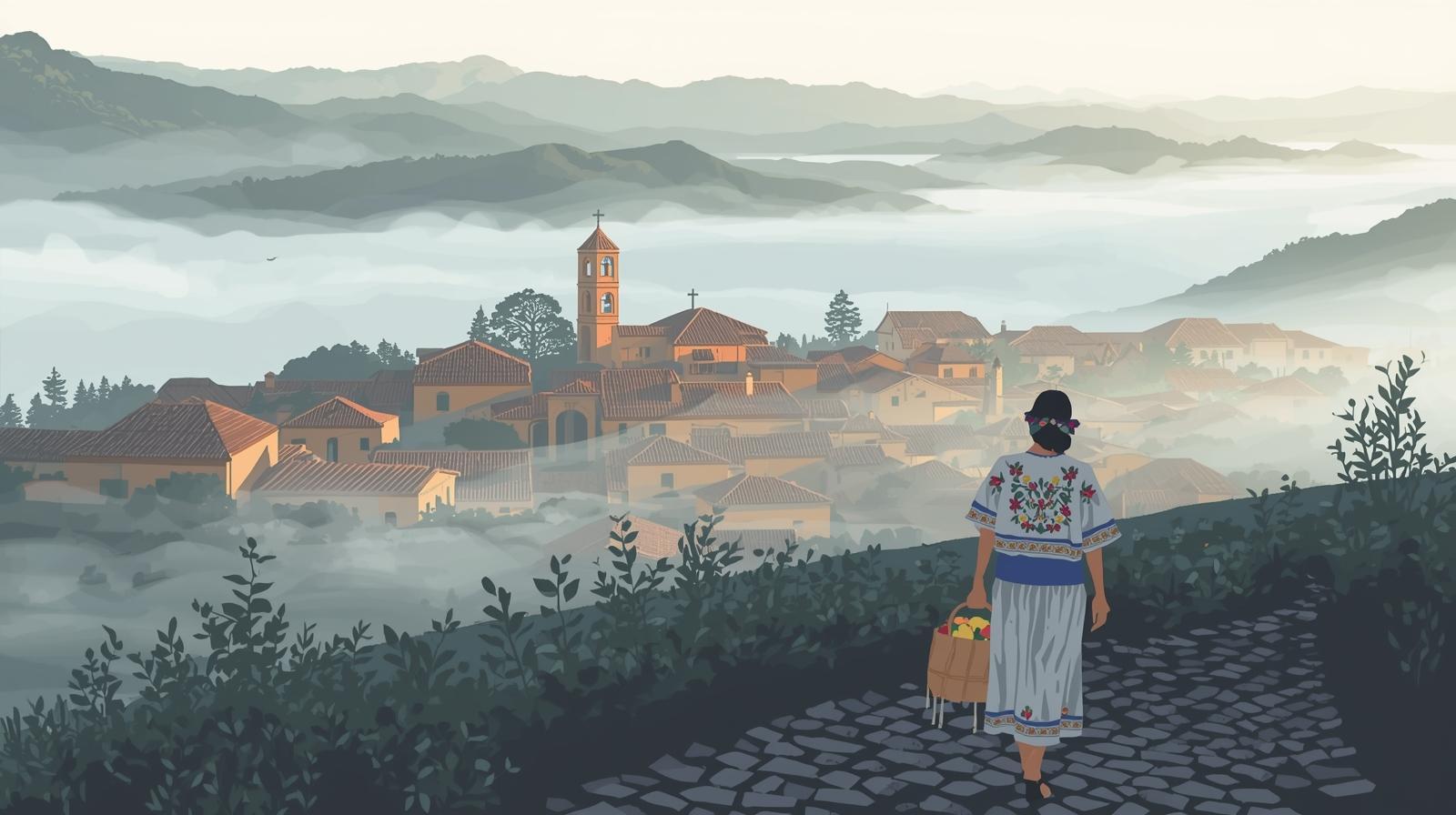
High in the Sierra Norte of Puebla, where the clouds drift lazily across pine-covered ridges, lies a town that feels suspended in time. Pahuatlán doesn’t shout its beauty—it whispers it. Cobbled streets twist between ochre houses, and in the mornings, a mist rolls through like a slow-moving dream. There’s something profoundly human here, as if every corner still remembers laughter from generations past. Maybe that’s why travelers who arrive “just for the weekend” often find themselves staying much longer. What is it about this mountain town that holds you so tightly once you’ve arrived?
History & Culture
Pahuatlán’s roots dig deep into Totonac and Nahua traditions long before the Spanish ever saw these mountains. Its name means “Place of the Fruits,” a fitting nod to the fertile land that once supplied entire valleys. When the Franciscan missionaries arrived in the 16th century, they brought with them Christianity and baroque architecture—but the people never lost their connection to the earth and the spirits of the mountains.
Walk through the central plaza and you’ll see how that dual heritage still lives side by side. Women in embroidered huipiles sell handwoven papel amate—the bark paper used by ancient Aztecs for codices—while church bells echo from the 16th-century San Agustín Parish. On
Mexico’s Southeast Pueblos Mágicos © 2026 All Rights Reserved. Scott Paton Trust
148
Sundays, the plaza bursts with color: dancers wearing feathered headdresses move in rhythm to drums and flutes, performing ancient rites now woven into Catholic celebrations. It’s not folklore for tourists—it’s identity, still alive and breathing.
There’s pride here too. Pahuatlán was a refuge for indigenous communities who resisted outside domination. Its artisans preserved the technique of amate paper when it vanished elsewhere. Every sheet tells a story—a mythology pressed into bark and sun. Watching an elder scrape, boil, and pound the fibers feels almost sacred, a ritual of memory and endurance.
Getting There
Reaching Pahuatlán is a journey through Mexico’s heart. From Mexico City, take the highway toward Tulancingo and continue through winding mountain roads for about five hours. From Puebla City, the route is shorter—around four hours—but equally dramatic, with cliffs, waterfalls, and endless green valleys. Buses run daily from Tulancingo and Huauchinango, but the most rewarding way to arrive is by car. Roll the windows down and let the cool pine air remind you you’re leaving the noise of the world behind.
Where to Stay
Accommodations in Pahuatlán are intimate and personal, just like the town itself. You won’t find sprawling resorts here—only small inns, eco-lodges, and family-run guesthouses that open their kitchens and hearts.
● Posada Rivera sits a few steps from the main plaza, with colorful Talavera tiles and
balconies overlooking the mountains.
● Casa de la Mora is tucked down a cobbled lane, offering rustic wooden rooms and a
roaring fireplace perfect for foggy evenings.
● For something a little more adventurous, Cabañas El Bosque Encantado sits just
outside town, surrounded by pine forest and the distant hum of cicadas.
Each place has its own rhythm, but they share one thing—a sense that you’re part of something small, warm, and genuine.
What to See and Do
Start your exploration at the Plaza Principal, where time slows to the pace of conversation. Locals gather around the kiosk with tamales and coffee as children chase pigeons under the watchful eyes of abuelos. From here, wander to the Parroquia del Señor Santiago Apóstol, a stone church with a façade that glows golden at sunset.
Mexico’s Southeast Pueblos Mágicos © 2026 All Rights Reserved. Scott Paton Trust
149
Then, seek out the Amate Paper Workshops in San Pablito, a nearby community famous across Mexico for preserving this pre-Hispanic craft. You’ll see artisans creating sheets from fig tree bark—beaten, soaked, and dried under the sun—then painted with birds, jaguars, and gods from indigenous mythology. Buy directly from them; every purchase helps keep the tradition alive.
Adventure lovers can hike down to the Puente de Pahuatlán, a 60-meter suspension bridge spanning the Río Pahuatitla. The view from the center is breathtaking—mountains unfolding in every direction, mist rising from the valley below. For photographers, sunrise here is pure gold.
If you visit in March or April, don’t miss the Fiesta del Señor del Calvario, the town’s most vibrant celebration. Streets fill with marigolds, dancers, and music that doesn’t stop until dawn. It’s both a spiritual and social experience—a fusion of devotion and joy that defines Pahuatlán’s heart.
Food to Try
Food here feels like an embrace. In the market, women stir bubbling cazuelas of mole poblano, its aroma heavy with chocolate and spice. Try cecina (thinly sliced, salted beef) served with handmade tortillas and salsa verde, or tamales canarios, sweet tamales made with rice flour and raisins. And don’t leave without tasting the café de olla, brewed with cinnamon and piloncillo, often served in clay mugs that warm your hands and your soul.
For dessert, ask for pan de burro—a local sweet bread once carried on muleback from bakery to village—or sip a shot of aguardiente de caña, sugarcane liquor that burns and soothes in equal measure.
Practical Tips
● Best Time to Visit: March to May for clear skies and fiestas; November for misty,
cinematic mornings.
● Weather: Cool mountain climate; pack light layers and a rain jacket.
● Footwear: Bring good walking shoes—those cobblestones have character.
● Souvenirs: Handcrafted amate paper, embroidered textiles, and organic coffee beans
roasted locally.
● Language: Spanish is spoken everywhere, but Nahuatl still echoes in the
mountains—listen closely.
Mexico’s Southeast Pueblos Mágicos © 2026 All Rights Reserved. Scott Paton Trust
150
Closing Reflection
Pahuatlán isn’t a destination you check off a list. It’s a conversation between past and present—a place where the air itself feels alive with stories. You come here expecting views and photos, but you leave with something subtler: a quiet appreciation for the endurance of beauty, for traditions that outlast empires, for people who still greet strangers as friends. As you drive away, the mist closes behind you like a curtain. And maybe, just maybe, a part of you will wish it never lifts.
Mexico’s Southeast Pueblos Mágicos © 2026 All Rights Reserved. Scott Paton Trust
151
Chignahuapan, Puebla — Where Lights Reflect on
Sacred Waters

There’s something dreamlike about arriving in Chignahuapan. Maybe it’s the way the mist curls down from the Sierra Norte, wrapping the colorful houses like a secret whispered by the mountains. Or maybe it’s the glimmer of a million Christmas spheres catching the morning sun. Whatever it is, Chignahuapan doesn’t just sit quietly in Puebla’s highlands—it shimmers. Travelers often say they come here for the magic, but what they really find is a place where light, water, and faith dance together. Have you ever been somewhere that felt like a painting you could walk into?
History & Culture
Chignahuapan’s story begins long before the Spanish ever set eyes on its green valleys. The Nahua people called it “Place of the Nine Waters”, a name that perfectly describes its natural springs and waterfalls. When the Franciscans arrived in the 16th century, they built temples and taught European art techniques to local artisans, sparking a creative fusion that still defines the town’s soul.
Walking through its cobblestone streets, you can feel that duality—indigenous spirituality and Catholic devotion intertwined. The centerpiece is the Basilica of the Immaculate Conception,
Mexico’s Southeast Pueblos Mágicos © 2026 All Rights Reserved. Scott Paton Trust
152 home to Latin America’s largest image of the Virgin Mary. She’s massive—over 12 meters tall—carved from cedar wood by artist José Luis Silva. Whether you’re religious or not, standing before her feels like being wrapped in stillness.
Then there’s the annual Festival of Light and Life, when thousands gather around the lagoon with candles to honor their departed. Imagine hundreds of tiny flames drifting over water while the night hums with flute and drum—it’s hauntingly beautiful, a reminder that memory itself glows.
Getting There
Chignahuapan sits about two and a half hours from Puebla City and roughly three hours from Mexico City. The drive winds through pine forests and misty valleys, offering glimpses of rural life—cornfields, small chapels, and wooden roadside stands selling hot atole. If you don’t have a car, ADO buses run daily from both cities. From Puebla’s CAPU terminal, look for direct routes labeled Chignahuapan/Zacatlán. Once in town, most places are walkable, though taxis and mototaxis buzz around for short hops.
Where to Stay
For a cozy stay, Hotel 9 Manantiales is a favorite—right beside the lagoon, it offers warm wood interiors and a view that glows gold at sunrise. Travelers looking for something more rustic might try a cabaña in the surrounding forest, where mornings begin with birdsong and fog drifting through the pines.
If you prefer to be close to the plaza, Hotel Márquez provides comfort without losing that small-town charm—think wrought-iron balconies and thick blankets for the cool nights.
What to See and Do
Start at the main plaza, anchored by a colonial kiosk and the Parroquia de Santiago Apóstol, whose Mudejar-style façade is a mosaic of red brick and colorful tiles. Each pattern feels like a whisper from centuries past.
A short walk leads to the Laguna de Chignahuapan, the town’s spiritual mirror. Rent a paddleboat, watch fishermen cast their nets, or simply sit by the shore with a cup of ponche and breathe.
Mexico’s Southeast Pueblos Mágicos © 2026 All Rights Reserved. Scott Paton Trust
153
Artisans here are known for their Christmas ornaments, a craft that turned the town into Mexico’s “Factory of Light.” Over 200 workshops paint, blow, and polish delicate glass spheres year-round. Stop by one of the talleres and watch the magic unfold—molten glass puffed into life by a single breath.
For nature lovers, the Salto de Quetzalapan Waterfall thunders 200 feet into a canyon fringed with ferns and orchids. You can hike down for a closer look, or ride a zipline across the gorge for a heart-pounding view.
Don’t miss the Thermal Baths of Chignahuapan, fed by sulfurous springs believed to heal aches and calm the soul. After a day exploring, sinking into warm mineral water beneath the stars feels like time itself slows.
Food to Try
Chignahuapan’s cuisine is hearty, mountain fare with a touch of indulgence. Start your morning with tlacoyos stuffed with beans and cheese, hot off the comal. For lunch, try trucha al mojo de ajo (garlic trout) from the lagoon, paired with pulque or local fruit wine.
The town is famous for its ponche de frutas, especially during the chilly season. Vendors serve it steaming from clay pots—spiced with cinnamon, packed with guava, apple, and tejocote. And if you have a sweet tooth, hunt for muéganos (crispy honeyed clusters) at the plaza market—they’re impossible to eat neatly, but worth every sticky finger.
Practical Tips
● Weather: Expect cool days and colder nights, especially from November to February.
Bring layers.
● Best time to visit: Late October to early November for the Festival of Light and Life, or
December when the Christmas ornament industry is in full sparkle.
● Footwear: Comfortable walking shoes—the cobblestones can be slippery when damp.
● Souvenirs: Hand-painted glass spheres, ponche bottles, embroidered shawls. Many
workshops personalize your ornaments on the spot.
Mexico’s Southeast Pueblos Mágicos © 2026 All Rights Reserved. Scott Paton Trust
154
Closing Reflection
There’s a quiet poetry to Chignahuapan. It’s not a place that shouts its beauty—it hums it, softly, like a lullaby of light over water. Between the clang of church bells, the laughter from a ponche stand, and the glow of candles floating on the lagoon, you realize something rare: the town doesn’t try to impress; it simply invites you to feel.
And long after you leave, when you unpack that delicate glass ornament at home, you’ll find a bit of that mountain light still trapped inside—proof that some magic, once seen, never fades.
Mexico’s Southeast Pueblos Mágicos © 2026 All Rights Reserved. Scott Paton Trust
155
San Pedro y San Andrés Cholula, Puebla – The Twin
Magic of Time
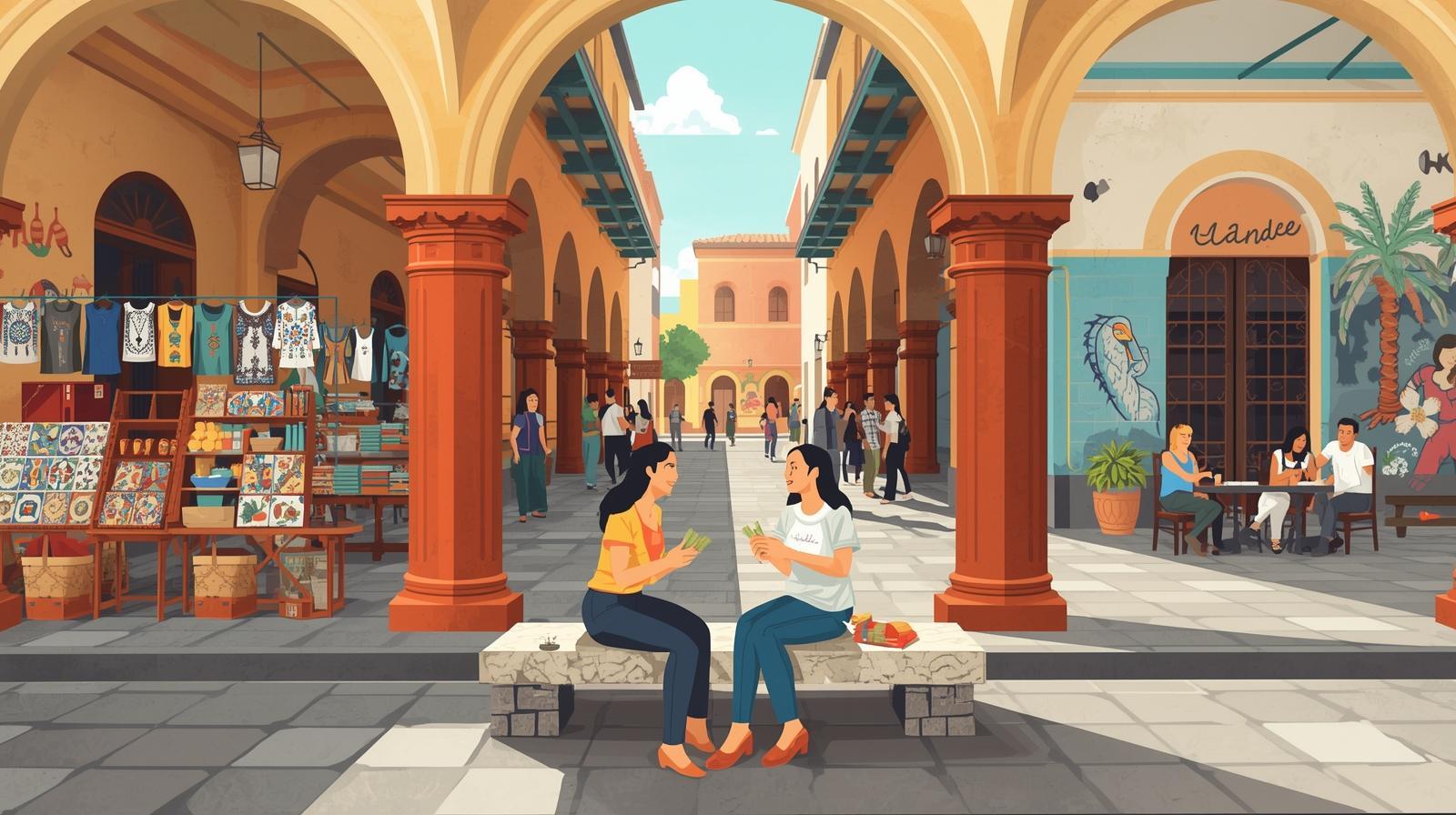
There’s something spellbinding about Cholula. Not just its skyline, where the golden dome of the Church of Nuestra Señora de los Remedios seems to float above a grassy pyramid, but the way time itself feels layered here—Aztec, colonial, and modern Puebla life coexisting like old friends at the same café. Imagine walking through streets where every cobblestone holds both a whisper of incense from ancient temples and the laughter of university students sipping mezcal. How many places can make the past feel so alive that it breathes beside you?
History & Culture
Cholula isn’t a single town—it’s two: San Pedro Cholula and San Andrés Cholula, twin Pueblos Mágicos sharing one spirit but two hearts. Together they form the oldest continuously inhabited city in the Americas, older than Mexico City itself. The Great Pyramid, Tlachihualtépetl, is their foundation—literally and symbolically. Beneath its massive mound lies a pre-Hispanic temple dedicated to Quetzalcóatl, the feathered serpent god; above it stands a Spanish church, built by conquistadors to declare their triumph. The result? A visual metaphor for Mexican identity—indigenous roots holding up colonial faith.
Walk through San Pedro and you’ll sense its deep mestizo heartbeat. Baroque churches line the horizon, each more ornate than the last. Locals still celebrate La Feria de Cholula, an explosion
Mexico’s Southeast Pueblos Mágicos © 2026 All Rights Reserved. Scott Paton Trust
156 of fireworks, food, and faith honoring the Virgin of Remedies. Meanwhile, across the invisible border in San Andrés, the energy shifts—more youthful, bohemian, and academic, thanks to the nearby Universidad de las Américas Puebla. Here, murals bloom on walls, mezcalerías buzz after dusk, and music spills into the streets. Two towns, one pulse—past and present intertwined.
Getting There
Cholula lies just 15 kilometers west of Puebla City—close enough for a day trip, but enchanting enough to make you stay. From Puebla’s CAPU bus terminal, you can take direct minibuses (about 30 minutes). If you’re coming from Mexico City, frequent buses head to Puebla first (around 2 hours), then a short local ride or taxi gets you to Cholula. Taxis and Uber rides between Puebla and Cholula are inexpensive and convenient. For those driving, the Autopista México–Puebla (MEX 150D) offers an easy route—just watch for signs to Cholula before reaching Puebla’s center.
Where to Stay
Cholula’s charm extends to its accommodations. In San Pedro, you’ll find colonial-style hotels like Estrella de Belem, with rooftop pools overlooking the church-crowned pyramid. For something boutique and artsy, La Quinta Luna, a restored 17th-century mansion, wraps you in quiet elegance. Over in San Andrés, trendy travelers often stay at Casareyna Suites or Hotel Villas Arqueológicas, closer to nightlife and archaeological sites. Budget explorers can rest comfortably in hostels around Calle 14 Oriente, where breakfast often includes fresh tamales and friendly conversation.
What to See and Do
Start with the Great Pyramid of Cholula—not for the climb (though that’s part of it), but for the feeling. From the top, you’ll see the Popocatépetl volcano framed behind the church—smoke plumes curling like ancient prayers. Beneath the pyramid, explore the labyrinthine tunnels that reveal the layers of construction beneath centuries of soil. It’s like walking through the veins of history itself.
Next, head to San Pedro’s Plaza de la Concordia, one of the largest zócalos in Mexico. The arcades burst with color—vendors selling talavera pottery, embroidered blouses, and sweet camotes. Don’t miss Templo de San Gabriel, a Franciscan complex so massive it feels like a fortress of faith.
Cross into San Andrés, and the atmosphere lightens. Visit the Museo Regional de Cholula, housed in the old convent of San Gabriel, or lose yourself in the open-air art markets. In the evenings, join locals at Container City, a collection of colorful shipping containers turned into cafés, bars, and galleries—a playful symbol of modern Cholula’s creativity.
Mexico’s Southeast Pueblos Mágicos © 2026 All Rights Reserved. Scott Paton Trust
157
And if you’re lucky enough to visit during Quema de los Toritos, brace yourself for the fireworks—hundreds of handmade bull effigies lit with explosives parading through the streets in a joyous, chaotic dance of sparks.
Food to Try
Cholula tastes like Puebla’s soul. Start with mole poblano, rich with chocolate, almonds, and over 20 spices—best enjoyed at Fonda de Santa Clara or La Lunita. Try cemitas, a sesame-seed sandwich layered with avocado, chipotle, and stringy quesillo. For street food, follow the smoke to taco stands where tacos árabes—spit-grilled pork wrapped in pita-like bread—are the local favorite. Sweet tooth? Grab muéganos, crunchy caramelized clusters of joy sold in paper cones.
Don’t leave without sipping pasita, a raisin liqueur that locals swear “cures everything but heartbreak.” And if mezcal calls your name, La Monarca and Mezcalería Don Goyo are perfect for an evening toast under fairy lights.
Practical Tips
Cholula’s weather is mild year-round, but mornings and evenings can get chilly—bring a light jacket. Comfortable shoes are non-negotiable; the cobblestones and pyramid steps will test your soles. The best time to visit? Between September and November, when festivals bloom and skies are clear. Souvenir hunters should look for hand-painted talavera tiles, volcanic-stone jewelry, and traditional huipiles. Sundays are market days—bargain gently, smile often.
Closing Reflection
What makes Cholula unforgettable isn’t just its pyramid or its churches—it’s the harmony between opposites. Ancient and modern, sacred and festive, colonial and indigenous—all coexist here without losing their essence. You can spend a morning in a 1,000-year-old tunnel and an evening sipping mezcal in a neon-lit bar. And somewhere between those moments, you realize that Cholula isn’t a town frozen in time—it’s time itself, unfolding in color and laughter and light.
When you finally leave, you’ll look back at that hill—the church shimmering above the pyramid—and understand why people say Cholula doesn’t just enchant you. It adopts you.
Mexico’s Southeast Pueblos Mágicos © 2026 All Rights Reserved. Scott Paton Trust
158
Atlixco, Puebla – The City of Eternal Spring
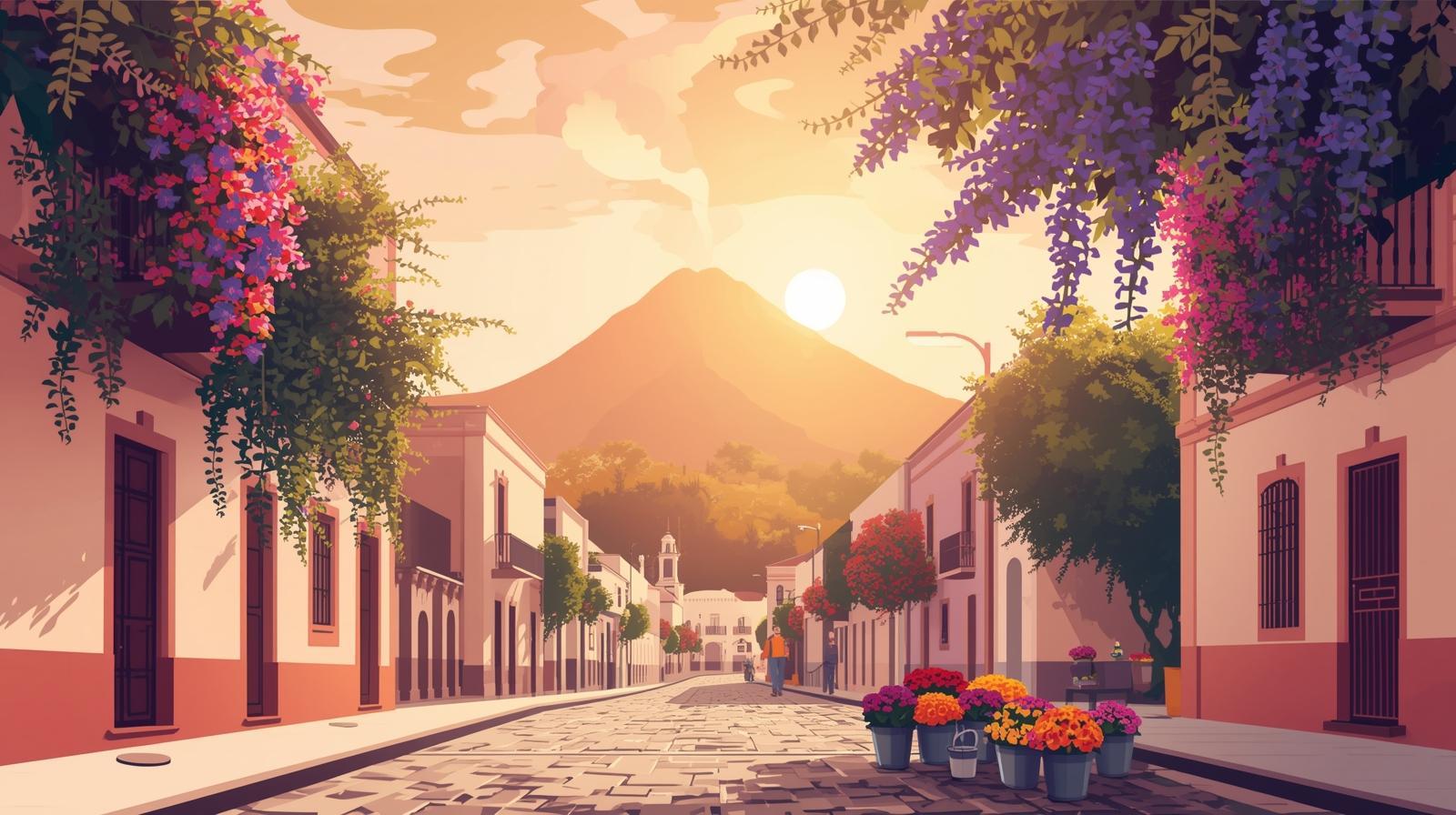
Nestled at the foot of the Popocatépetl volcano, Atlixco greets you like a painter’s dream come to life. The air smells faintly of flowers, the streets shimmer under a soft golden light, and bougainvilleas climb over centuries-old walls as if they’ve always belonged there. Known as “La Ciudad de las Flores,” this Pueblo Mágico feels like a place that never quite left spring behind. Even locals joke that Atlixco’s seasons are “warm, warmer, and flower-filled.” But what gives this small town its magic—beyond its endless blooms? Let’s wander through its colors, stories, and quiet surprises to find out.
History & Culture
Atlixco’s story begins long before the Spanish arrived. The Nahua people called it Quauhquechollan, meaning “place of the eagle’s quetzal feathers.” That name alone hints at its beauty—a land sacred to both the sky and the earth. When the Spanish conquistadors settled here in the 16th century, they built grand churches and monasteries that still dominate the skyline. The most stunning of them all, the Ex-Convento del Carmen, is a stone masterpiece whispering of centuries past.
But Atlixco isn’t just about colonial charm. It’s also home to one of Mexico’s most vibrant cultural festivals—the Huey Atlixcáyotl, celebrated every September at the Cerro de San Miguel. Imagine this: hundreds of dancers in embroidered costumes, drums echoing through the hills,
Mexico’s Southeast Pueblos Mágicos © 2026 All Rights Reserved. Scott Paton Trust
159 and the scent of roasted corn drifting through the crowd. It’s not just a performance—it’s a living preservation of indigenous traditions, a celebration of Puebla’s identity that refuses to fade.
Getting There
Reaching Atlixco is refreshingly easy. From Puebla City, it’s just a 40-minute drive southwest via Highway 190 or the modern Autopista Atlixco. If you’re coming from Mexico City, expect around two and a half hours by car—long enough to escape the chaos, short enough for a weekend retreat. Buses depart regularly from Puebla’s CAPU terminal, dropping you right in the heart of Atlixco’s zócalo. From there, everything—markets, plazas, gardens—is within walking distance or a quick taxi ride away.
Where to Stay
Atlixco offers an inviting mix of boutique charm and local comfort.
● Hotel Las Calandrias feels like a countryside dream, with its blooming courtyards and
mountain views.
● Riviera del Río sits by a gentle stream and makes a perfect base for exploring.
● For budget travelers, Casa de las Flores Hostel is colorful, social, and right in the
center of town.
Wherever you stay, expect warmth that feels more like visiting family than booking a room.
What to See and Do
Start at the Zócalo, Atlixco’s lively central square where time seems to slow down. Cafés spill onto the sidewalks, musicians play under jacaranda trees, and the scent of tamales lingers in the air. From here, stroll to the Parroquia de Santa María de la Natividad, a 17th-century baroque church whose tiled façade catches the afternoon light like stained glass.
If you’re visiting during the holidays, don’t miss Villa Iluminada—a festival of lights that turns the entire town into a glowing wonderland each December. Every corner glitters with lanterns, arches, and figures made entirely of lights—think Christmas meets fairytale.
Mexico’s Southeast Pueblos Mágicos © 2026 All Rights Reserved. Scott Paton Trust
160
For a more tranquil experience, head up to Cerro de San Miguel, crowned by a small chapel and offering panoramic views of the valley and volcano beyond. It’s a climb, yes, but one that rewards every step with fresh mountain air and quiet reflection.
Plant lovers will be in heaven at Atlixco’s viveros (plant nurseries), where you can walk among thousands of flowers and succulents. The town’s flower-growing tradition runs deep—locals even decorate entire streets with petals during festivals, creating temporary carpets of color.
And if you’re there on a weekend, the Tianguis de Atlixco is a must. It’s not your typical tourist market—it’s where farmers, artisans, and food vendors gather to trade, gossip, and share the best of the region. Try bartering for handmade ceramics or pick up a woven rebozo as a keepsake.
Food to Try
Puebla is famous for its cuisine, and Atlixco holds its own proudly. Start with cecina atlixquense, a sun-dried beef dish grilled over charcoal and served with avocado and tortillas. Then there’s tlacoyos—blue corn pockets stuffed with beans and topped with cactus salad and fresh cheese. Sweet tooth? You’re in luck. Try helado de rosa, an ice cream flavored with rose petals, or the rich pan de fiesta, a sweet bread baked for special occasions.
If you love coffee, pop into Café de los Volcanes, where the beans are locally roasted and the view of Popocatépetl feels almost cinematic. And don’t leave without sipping ponche de granada, a refreshing pomegranate punch that locals swear tastes better here than anywhere else in Mexico.
Practical Tips
● Weather: Atlixco enjoys a mild climate year-round, averaging 22°C (72°F). Mornings can
be cool, afternoons warm—pack light layers.
● Best Time to Visit: March through May for flower season, or December for Villa
Iluminada.
● Footwear: Comfortable shoes are essential—the cobblestone streets are charming but
unforgiving.
● Souvenirs: Locally grown plants, hand-painted Talavera-style ceramics, and textiles
from nearby Hueyapan.
Mexico’s Southeast Pueblos Mágicos © 2026 All Rights Reserved. Scott Paton Trust
161
● Language: Spanish is predominant, but many locals in the tourism sector speak some
English and are eager to help.
Closing Reflection
Atlixco is the kind of place that sneaks up on you—not with grandeur, but with grace. It doesn’t try to impress; it just is. You’ll remember the way the volcano looks at sunset, the laughter spilling out of the zócalo, the kindness of a vendor offering you a taste “just because.” In a country brimming with magic towns, Atlixco’s magic feels quieter—woven into daily life, perfumed by flowers, and carried by the mountain breeze. And when you leave, part of you will wonder if eternal spring was ever meant to end at all.
Mexico’s Southeast Pueblos Mágicos © 2026 All Rights Reserved. Scott Paton Trust
162
Huauchinango, Puebla – The Town That Blooms in the
Mist

There’s a moment, just before dawn, when the mist rolls through Huauchinango and everything feels suspended in silver light. The air smells like pine, wet stone, and the faint sweetness of azaleas. Roosters crow, church bells echo through the valley, and the town begins to stir beneath the mountains. This is not the kind of place that tries to impress you with grandeur—it wins you over quietly, like a song you can’t forget.
Huauchinango is Puebla’s gateway to the Sierra Norte, a mountain town where flowers, rain, and faith weave into daily life. People here still greet strangers like old friends. Every corner blooms, literally—the locals have turned gardening into art. And as you wander through its cobbled streets, one question lingers: what happens to a town that lives inside a perpetual garden of clouds?
History & Culture
Huauchinango’s roots reach deep—first to the Nahua people who named it Cuauhxīnānco, meaning “place surrounded by trees.” Later came the Spanish, whose arrival left baroque churches, tiled facades, and a swirl of colonial influence still seen today. But history here doesn’t feel trapped in museums—it’s alive in processions, festivals, and music
Mexico’s Southeast Pueblos Mágicos © 2026 All Rights Reserved. Scott Paton Trust
163 that spills from balconies. During Holy Week, the air fills with the scent of incense and fresh flowers as locals build monumental floral carpets for the Festival de las Flores, an event that’s both spiritual and spectacular.
There’s a rhythm to Huauchinango that feels timeless. It’s in the way people still use natural dyes for textiles, how they gather at the Plaza de Armas to gossip under jacarandas, or how children race through the market with baskets of orchids. The town has survived centuries of change but kept its soul intact—rooted, humble, fragrant.
Getting There
Huauchinango sits about 150 kilometers north of Puebla City and roughly the same distance from Mexico City. The drive, especially along Highway 132D, is a visual feast—mountains cloaked in mist, rivers glinting in the distance, and sudden drops that make your heart skip. From Puebla City, regular buses leave from CAPU station, taking around three hours. From Mexico City, buses depart from the North Terminal, a scenic four-hour journey that winds through pine forests. Taxis and colectivos connect the bus terminal with the historic center, which is compact and walkable.
Where to Stay
Huauchinango’s accommodations echo its character—cozy, traditional, and surrounded by greenery.
● Hotel Colonial Huauchinango – Right by the main square, this small hotel feels like
stepping into a 19th-century home with creaky wooden floors and balconies overlooking the plaza.
● Posada Don Ramón – A favorite among travelers who crave quiet. Set amid gardens,
it’s perfect for sipping coffee while the fog rolls in.
● Eco Cabañas Xicotepec Route – For those who want a rustic escape near waterfalls
and trails. Expect stone fireplaces, thick blankets, and the sound of rain on the roof.
Everywhere you stay, you’ll find the same warm hospitality—fresh tamales for breakfast, strong coffee, and someone ready to tell you where the best view of the valley hides.
Mexico’s Southeast Pueblos Mágicos © 2026 All Rights Reserved. Scott Paton Trust
164
What to See and Do
Huauchinango’s magic unfolds slowly, one vista and scent at a time.
● Plaza de Armas & Iglesia de la Asunción – The heart of town. The church’s white
tower pierces the mist, and on weekends, mariachis fill the air with songs that mix joy and longing.
● Laguna de Necaxa – A tranquil lake just 10 minutes away, surrounded by pine-covered
hills. Ideal for boating, fishing, or simply watching the clouds mirror themselves on the water.
● Cascadas de Totolapa & Tenango – A short drive reveals roaring waterfalls hidden in
lush canyons. Bring hiking shoes and a camera—the views are cinematic.
● Cerro de Zempoala – The lookout point that feels like touching the sky. Early morning
visits reward you with surreal views of fog rolling through the valleys.
● Festival de las Flores (March) – Huauchinango’s claim to fame. Streets transform into
a living art exhibit made entirely of petals. Locals compete to create intricate floral mosaics—each one more breathtaking than the last.
For those who love immersive travel, join a local family workshop in flower arranging or learn how to prepare traditional chilatl, a local drink made from cacao and maize.
Food to Try
Food here is comfort in its purest form—warm, fragrant, and tied to the land.
Start your morning with tamales de frijol con salsa verde and steaming atole de avena. For lunch, the market beckons with cecina enchilada, mole poblano, and barbacoa de hoyo cooked in underground pits. Don’t skip truchas al mojo de ajo (garlic trout) from the nearby lakes—it’s as fresh as it gets.
If you have a sweet tooth, hunt down jamoncillos (milk fudge) or pan de fiesta, a soft bread baked during festivals. And when the rain begins to fall, find a café, order café de olla, and let the cinnamon and piloncillo warm your soul.
Practical Tips
Mexico’s Southeast Pueblos Mágicos © 2026 All Rights Reserved. Scott Paton Trust
165
● Weather: Expect cool, misty mornings and sudden showers year-round. Pack a light
jacket, umbrella, and good walking shoes.
● Best Time to Visit: Late February to early March for the Flower Festival, or during the
rainy season (June–September) when the landscape turns emerald green.
● Souvenirs: Floral crafts, embroidered textiles, and hand-painted pottery. Don’t miss the
Mercado Municipal, where artisans sell everything from orchids to woodcarvings.
● Language: Spanish dominates, but locals appreciate a friendly buenos días or
gracias—it opens hearts instantly.
Closing Reflection
Huauchinango doesn’t dazzle with extravagance—it enchants through stillness. It’s a place where you remember that beauty doesn’t need to shout; it can whisper through rain-soaked leaves, candlelit processions, or the smile of a flower seller at dawn. When you leave, you carry a bit of that mist with you—the kind that lingers in memory, soft and unhurried. Huauchinango isn’t just a stop on a map. It’s a feeling, a fragrance, a rhythm that stays long after you’ve gone.
Mexico’s Southeast Pueblos Mágicos © 2026 All Rights Reserved. Scott Paton Trust
166
Teziutlán, Puebla: The City Among Clouds

They call it La Perla de la Sierra — the Pearl of the Sierra. But when you arrive in Teziutlán, it feels less like a gem and more like a secret kept by the clouds. Mornings here unfold in soft mist, wrapping the colorful houses and cobblestone streets in a dreamlike hush. It’s the kind of place where time slows, where you can hear the echoes of bells from the old cathedral mixing with the laughter of vendors in the plaza.
And yet, beneath that peaceful charm lies a town that has seen revolutions, legends, and storms — both natural and human. Teziutlán isn’t just beautiful; it’s resilient. The question is, will you come just to admire its scenery, or will you let its stories pull you in?
History & Culture
Teziutlán’s name comes from Náhuatl — Teziuh-tlán, “place of hail.” It’s an oddly poetic name for a mountain town that has learned to dance with the elements. Founded in 1552 by Spanish settlers, the town blossomed between coffee fields and cloud forests. Its altitude kept it cool and fertile — perfect for crops and ideas alike.
The people of Teziutlán are proud, and for good reason. This is the birthplace of two Mexican presidents — Manuel Ávila Camacho and Vicente Lombardo Toledano — but also of countless poets, musicians, and artisans. Politics may have shaped its history, but art has given it a soul.
Mexico’s Southeast Pueblos Mágicos © 2026 All Rights Reserved. Scott Paton Trust
167
Walk through the historic center and you’ll feel that old-world dignity in every corner. The Parroquia de Nuestra Señora de la Asunción, with its twin towers piercing the mist, stands as the town’s heart. On Sundays, families stroll through Parque Hidalgo, greeting each other like old friends. There’s a rhythm here — slow, kind, and deeply human.
Yet Teziutlán’s culture isn’t trapped in nostalgia. Festivals burst with color: the Feria de Teziutlán in August is a fusion of tradition and youth, where mariachi bands and carnival rides coexist under rain clouds. Locals still tell stories of the “Great Flood of 1999,” when torrential rains tested the town’s spirit — and the people rebuilt, together.
Getting There
Teziutlán sits about 190 kilometers northeast of Puebla City and roughly 280 kilometers from Mexico City. The drive is a scenic adventure — winding mountain roads lined with pine trees, small villages, and sudden openings revealing breathtaking valleys.
By bus, the AU and ADO lines run daily from Puebla’s CAPU terminal, with a journey time of about 3.5 hours. From Mexico City’s TAPO terminal, expect closer to five hours, depending on weather and stops. Once you arrive, local taxis and colectivos make it easy to explore both the town and surrounding villages like Chignautla or Hueytamalco.
Where to Stay
Teziutlán’s accommodations mirror its charm — small, warm, and full of character.
● Hotel Colonial – Right in the historic center, offering colonial architecture and views of
the cathedral square. Perfect for those who love a sense of place.
● Hotel Plaza Marsella – Modern amenities but still cozy, ideal for families or longer stays.
● Cabañas Los Pinos – Nestled on the outskirts, surrounded by pines and fog. Perfect for
travelers who want to wake up with the sound of nature instead of traffic.
Wherever you stay, expect genuine hospitality. Teziutecos are known for treating visitors like family — you might even be invited for homemade mole before you check out.
Mexico’s Southeast Pueblos Mágicos © 2026 All Rights Reserved. Scott Paton Trust
168
What to See and Do
Start at the Main Plaza, a living postcard of Teziutlán’s colonial past. From there, you can explore a network of cultural and natural treasures.
● Parroquia de Nuestra Señora de la Asunción – A masterpiece of neoclassical
architecture, especially stunning when sunlight filters through the clouds onto its façade.
● Museo de Teziutlán – A small but fascinating collection of local artifacts and historical
photos that trace the town’s evolution from pre-Hispanic roots to modern life.
● Cerro de Chignautla – A short drive away, offering panoramic views and hiking trails
shrouded in misty pine forest.
● Cascada de Puxtla (La Gloria) – Just outside town, this waterfall feels like a secret —
accessible by a scenic trail and perfect for picnics.
● Mercado Victoria – The town’s bustling market, where you can sample everything from
fresh fruit to hand-embroidered blouses and clay crafts.
And if you visit in August, don’t miss the Feria de Teziutlán — a celebration filled with parades, music, local food, and fireworks bursting through the foggy night sky.
Food to Try
Teziutlán’s cuisine is hearty, comforting, and deeply regional. You’ll find familiar Pueblan favorites here — but with mountain flair.
● Cecina serrana – Thinly sliced, salted beef grilled over open flame, often served with
local cheese and avocado.
● Tlayoyos – Corn masa pockets stuffed with beans or cheese, toasted on a comal and
topped with green or red salsa.
● Atole de maíz azul – A thick, warming drink made from blue corn — perfect for chilly
mornings.
● Pan de queso Teziuteco – A soft, cheesy bread unique to the area, best enjoyed fresh
from the bakery with coffee.
Mexico’s Southeast Pueblos Mágicos © 2026 All Rights Reserved. Scott Paton Trust
169
For dessert, look for jamoncillos de leche (milk fudge) and dulces de camote (sweet potato candies). Every flavor feels like a story passed down from abuela to grandchild.
Practical Tips
● Weather: Teziutlán’s nickname “City in the Clouds” is well-earned — expect mist,
drizzle, and cool air year-round. Pack layers and a light rain jacket.
● Best time to visit: August (for the Feria) or November to February for crisp mountain air
and less rainfall.
● Footwear: Bring comfortable shoes — the cobblestones and slopes can be tricky when
wet.
● Souvenirs: Handwoven textiles, local ceramics, and coffee grown in nearby hills make
perfect keepsakes.
● Language: Most locals speak Spanish, but smiles and gestures go a long way here.
Closing Reflection
Teziutlán is the kind of place that doesn’t try to impress you — it just is. It’s the laughter echoing through the fog, the old man sweeping his doorstep at dawn, the church bells melting into mountain air. You don’t come here for luxury or nightlife; you come to remember what slow living feels like.
As you leave, the clouds seem to follow you for a while — as if the town itself refuses to say goodbye. And maybe, in a way, it never really does.
Mexico’s Southeast Pueblos Mágicos © 2026 All Rights Reserved. Scott Paton Trust
170
Pinal de Amoles, Puebla – The Mountain Heart of the
Sierra Gorda

There’s a hush that falls over you as you ascend the winding mountain roads of the Sierra Gorda. One minute, you’re surrounded by dry scrubland, and the next, you’re enveloped in mist, the air turning crisp and alive with pine. Pinal de Amoles isn’t the kind of place you stumble upon — it’s the kind of place that calls you in quietly, as if whispering, “Stay a while, and listen to the mountains breathe.”
It’s not a large town, but what it lacks in size, it makes up for in sheer magic — the kind that lingers long after you’ve left. Have you ever been somewhere that feels like the world slows down just for you?
History & Culture
Founded in the 17th century as a mining outpost, Pinal de Amoles once glittered with silver dreams. The mountains that now hold secrets of mist and moss once echoed with the clang of picks and the hum of mule caravans. Its colonial past is still visible in the stone façades and narrow cobblestone streets, where time seems reluctant to move forward. But beneath the colonial skin beats an older heart — that of the Chichimeca and Otomí peoples, who once walked these slopes long before the Spaniards. Their influence remains in local legends, crafts, and the deep respect for nature that defines life here. Festivals are modest but deeply felt, often blending Catholic devotion with ancient reverence for the earth.
Mexico’s Southeast Pueblos Mágicos © 2026 All Rights Reserved. Scott Paton Trust
171
Walk through the main plaza and you’ll feel it — the quiet pride of a mountain people who have preserved their traditions without spectacle. Maybe it’s the way old men sit under the arches of the municipal building sharing stories, or how every passerby greets you with a simple, genuine “buenos días.”
Getting There
Pinal de Amoles lies about 150 kilometers north of Querétaro City — roughly a three-hour drive if you’re not distracted by the breathtaking views along Highway 120. And trust me, you will be. The road climbs through one of the most beautiful mountain corridors in central Mexico, twisting through cloud forests and plunging canyons.
For travelers without a car, daily buses run from Querétaro and Jalpan de Serra. If you’re up for an adventure, consider renting a small car — you’ll want the flexibility to stop at scenic overlooks and roadside stands selling gorditas and steaming atole.
Where to Stay
Accommodations in Pinal de Amoles are simple but charming, much like the town itself.
● Cabañas El Encino: Nestled among pine trees, perfect for waking up to birdsong and
morning fog.
● Hotel Villa Los Arcos: A family-run inn near the plaza offering rustic rooms with warm
hospitality.
● Eco-Cabañas Río Escanela: For those who prefer to stay closer to nature, these cabins
near Puente de Dios offer a serene escape surrounded by waterfalls and jungle.
Don’t expect luxury resorts here — the real luxury is waking up to the sound of rain tapping on tin roofs and the scent of wet earth.
What to See and Do
This is where Pinal de Amoles truly unfolds its magic.
Start with a stroll through the main plaza, framed by the Parroquia de San José, whose ochre tones glow softly against the ever-changing mountain light. Then venture out — because the true essence of this Pueblo Mágico lies beyond the town’s cobblestones.
● Puente de Dios (Bridge of God): Just a short drive away, this natural stone bridge
arches over turquoise water surrounded by ferns and moss. The descent can be steep, but every step is rewarded by the view — a hidden paradise carved by centuries of water
Mexico’s Southeast Pueblos Mágicos © 2026 All Rights Reserved. Scott Paton Trust
172
and time.
● Cascada del Chuveje: One of Mexico’s most beautiful waterfalls. The 30-meter
cascade tumbles into a crystalline pool, surrounded by tall pines and soft mist.
● Cuatro Palos Viewpoint: If you go at sunrise, you’ll see the clouds rolling below you like
a sea of cotton. It’s a view that silences even the most talkative traveler.
● El Infiernillo Canyon: A raw, less-visited spot for those who crave wild nature.
● Local Handicrafts: Visit the small cooperatives selling woven palm hats, embroidered
blouses, and carved wooden figurines — each piece carrying a whisper of the Sierra.
And if you’re lucky to visit during Semana Santa, you’ll witness processions and dances that blend indigenous rhythm with Spanish devotion — a cultural thread that ties the town’s soul together.
Food to Try
Mountain food is comfort food. In Pinal de Amoles, the flavors are simple, hearty, and born from the land.
Try enchiladas serranas, made with handmade tortillas and fresh cheese. Sip atole de maíz thickened to perfection on chilly mornings. And don’t miss nopalitos con huevo, or the famous cecina, thinly sliced beef dried in the sun and cooked over open flame. Local sweets like cajeta de leche de cabra and jamoncillo (a creamy fudge) make perfect souvenirs — if they last the drive home.
Practical Tips
● Best time to visit: From November to March, the mornings are cool and foggy, creating
that signature mystical atmosphere.
● Clothing: Layers are essential — mornings can be chilly, but afternoons warm. Bring a
rain jacket if visiting in the rainy season.
● Shoes: Comfortable walking or hiking shoes are a must for exploring the rugged trails.
● Souvenirs: Handwoven palm crafts, local jams, and pottery.
● Connectivity: Don’t expect perfect Wi-Fi everywhere — and that’s part of the charm.
Disconnect to reconnect.
Mexico’s Southeast Pueblos Mágicos © 2026 All Rights Reserved. Scott Paton Trust
173
Closing Reflection
Pinal de Amoles is not a place that shouts for your attention — it’s a whisper that seeps into your memory. Here, time slows, clouds kiss mountaintops, and the earth feels alive in ways the city makes you forget.
It’s not the kind of magic that dazzles — it’s the kind that heals. When you leave, you won’t just remember what you saw, but how it made you feel: small, grateful, and utterly human.
Mexico’s Southeast Pueblos Mágicos © 2026 All Rights Reserved. Scott Paton Trust
174
San Carlos, Puebla — Where Rivers Whisper and
Mountains Remember
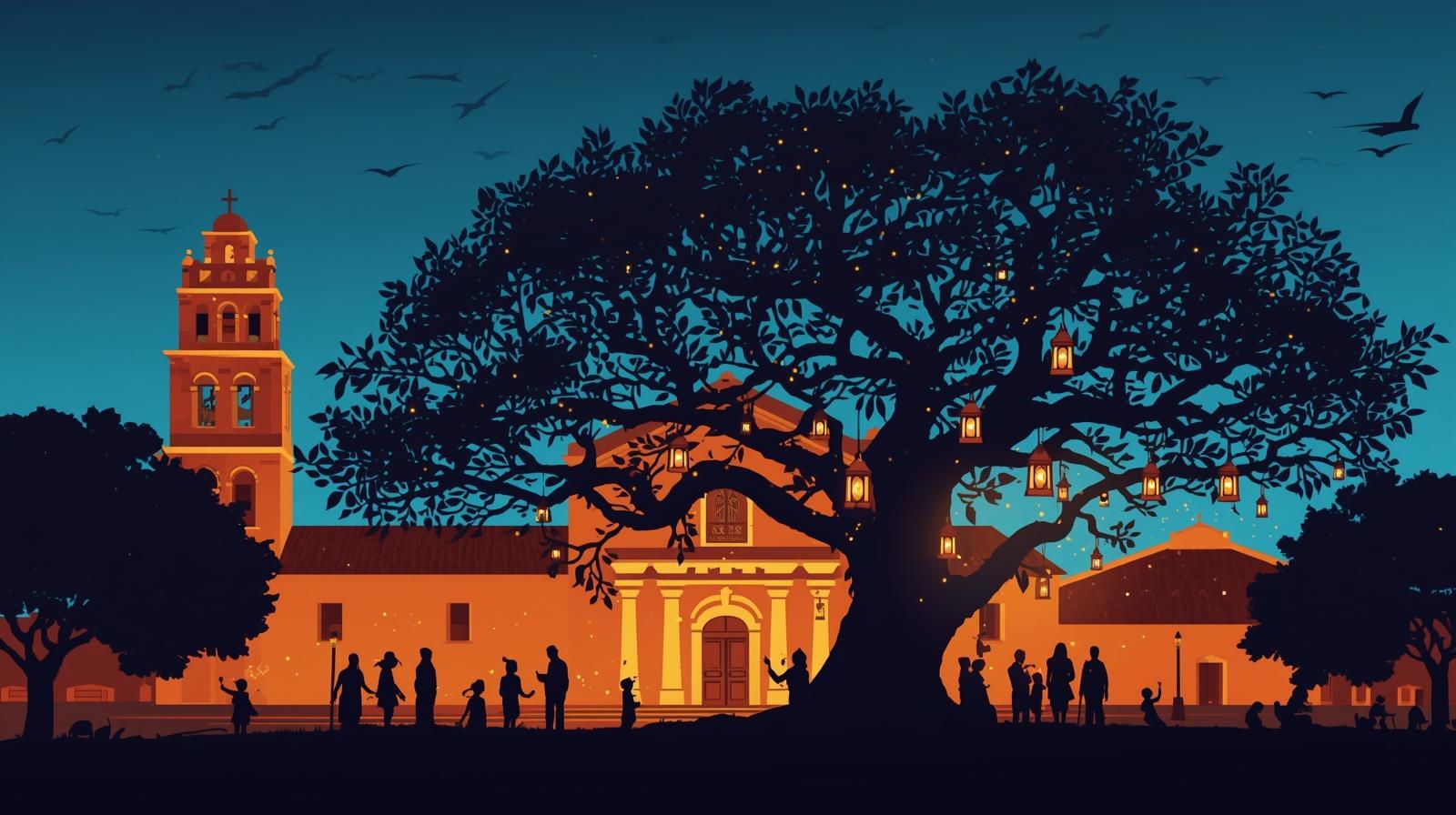
There are places that seem to breathe alongside you—San Carlos is one of them. Nestled between rolling green hills and sun-tinted stone houses, this Pueblo Mágico feels like a secret whispered by the Sierra Norte itself. The air smells faintly of wet earth and orange blossoms, and every corner hums with stories older than the cobblestones beneath your feet. Visitors don’t rush here; they linger, letting time stretch into gentle moments. Could it be that the true magic of San Carlos lies not in what you see, but in how slowly you begin to see it?
History & Culture
San Carlos traces its roots to pre-Hispanic Totonac settlements that once worshipped river spirits along the Río Apulco. When the Spaniards arrived in the 16th century, they built a Franciscan mission, blending indigenous spirituality with Catholic ritual. The result is a town that wears its dual heritage proudly—stone arches beside painted altars, Nahuatl proverbs whispered during processions.
Local life still orbits around tradition. Every August, the Fiesta de San Carlos Borromeo fills the main plaza with fireworks, marigolds, and brass bands that echo through the mountains. Families cook mole poblano by the pot, and artisans carve wooden saints that somehow all have the same gentle smile. There’s pride here—not loud or boastful, but steady, like the rhythm of a hand weaving a huipil.
Mexico’s Southeast Pueblos Mágicos © 2026 All Rights Reserved. Scott Paton Trust
175
Getting There
San Carlos is about two and a half hours from Puebla City by car. The drive along Highway 129 offers breathtaking views of fog-kissed valleys and terraced farms. Buses also depart from Puebla’s CAPU terminal toward Zacapoaxtla or Cuetzalan, with drop-offs near San Carlos; from there, a short taxi or colectivo ride finishes the journey. The road twists and turns—but that’s part of the charm. Every curve reveals another postcard view.
Where to Stay
Accommodations in San Carlos are delightfully small-scale—think family-run guesthouses where the owner greets you with cinnamon coffee and fresh pan dulce.
● Casa del Río: rustic wooden cabins overlooking the Apulco River; perfect for
early-morning birdwatching.
● Hotel La Casona Azul: restored colonial home near the plaza, decorated with talavera
tiles and antique furniture.
● Budget travelers will find eco-hostels and homestays that double as cultural exchange
spots—expect evening storytelling around the fire.
What to See and Do
Start at the Plaza Principal, where a centuries-old ceiba tree spreads its roots like open arms. The Templo de San Carlos Borromeo stands at its heart—a quiet church whose hand-painted ceiling depicts angels with indigenous features, a rare and beautiful reminder of syncretism.
For the adventurous, hike up to the Mirador del Cerro Encantado, a lookout offering panoramic views of misty hills and coffee plantations. Locals say that at dawn, if you stay silent long enough, you can hear the mountains exhale.
Nature lovers shouldn’t miss the Cascada del Silencio, a hidden waterfall an hour’s trek from town. The path winds through fern forests and hummingbird-haunted clearings; the reward is a curtain of water plunging into an emerald pool.
Those drawn to culture will adore the Sunday market, where women in embroidered blouses sell blue-corn tortillas, handmade pottery, and baskets dyed with indigo. Stop to chat; every item has a story, and locals love to share it.
Food to Try
Food in San Carlos tastes like home—simple, soulful, unforgettable. Order a plate of mole de hongos, a mushroom-based version of the famous Puebla dish, earthy and aromatic. Try
Mexico’s Southeast Pueblos Mágicos © 2026 All Rights Reserved. Scott Paton Trust
176 tamales de quelite (wild greens) wrapped in banana leaves, and wash it down with atole de maíz morado, a thick purple corn drink that feels like a hug in a cup.
Sweet tooth? Visit Doña Estela’s Dulcería near the plaza for jamoncillos de piñón (pine-nut fudge) and cajeta de café. Her recipes have been passed down for four generations.
Practical Tips
● Best time to visit: March to June for clear skies, or November for festival season.
● What to pack: light layers, a rain jacket, and good walking shoes—the cobblestones are
charming but tricky.
● Weather: mild days, cool evenings, and occasional mist that makes mornings cinematic.
● Souvenirs: hand-woven rebozos, coffee from nearby cooperatives, and pottery glazed
in deep cobalt blue.
● Connectivity: limited Wi-Fi in rural inns—consider it an invitation to unplug.
Closing Reflection
San Carlos doesn’t shout its beauty—it hums it softly. The kind of beauty that sneaks up on you between conversations with locals or while watching sunlight drift across the river. It’s a town that teaches patience, gratitude, and presence. When you finally leave, you’ll find a part of you still there—lingering in the scent of wood smoke and the echo of church bells at dusk.
Maybe that’s the real enchantment of this Pueblo Mágico: once San Carlos welcomes you, it never really lets you go.
Mexico’s Southeast Pueblos Mágicos © 2026 All Rights Reserved. Scott Paton Trust
177