

Whispers of the Tropic Wind: Exploring the Pueblos Mágicos of Mexico’s Southeast by Scott Paton - HTML preview
Download the book in PDF, ePub, Kindle for a complete version.
Chapter 7:Oaxaca

Some places make you gasp because they’re beautiful. Oaxaca makes you gasp because it’s alive. Every color here feels turned up too high — the red earth that stains your shoes, the indigo smoke rising from clay stoves, the golden marigolds that bloom like tiny suns. But behind the beauty lies something unsettling: a pulse, a whisper, a sense that the land remembers more than people do.
Oaxaca doesn’t just welcome you; it tests you. It invites you to taste mezcal distilled with stories older than Christianity, to walk roads where saints and spirits share the same route. It’s a place where celebrations look like riots of color — and yet, beneath the fireworks and fiestas, you can feel the quiet grief of ancestors watching through candlelight.
Every Pueblo Mágico here — from the mountains of Capulálpam to the windswept coasts of Mazunte — carries a kind of electricity. The kind that makes your skin prickle and your heart wonder:
What if magic was never lost here… only waiting for us to believe again?
Mexico’s Southeast Pueblos Mágicos © 2026 All Rights Reserved. Scott Paton Trust
118
Capulálpam de Méndez, Oaxaca — Where the Forest
Breathes with History
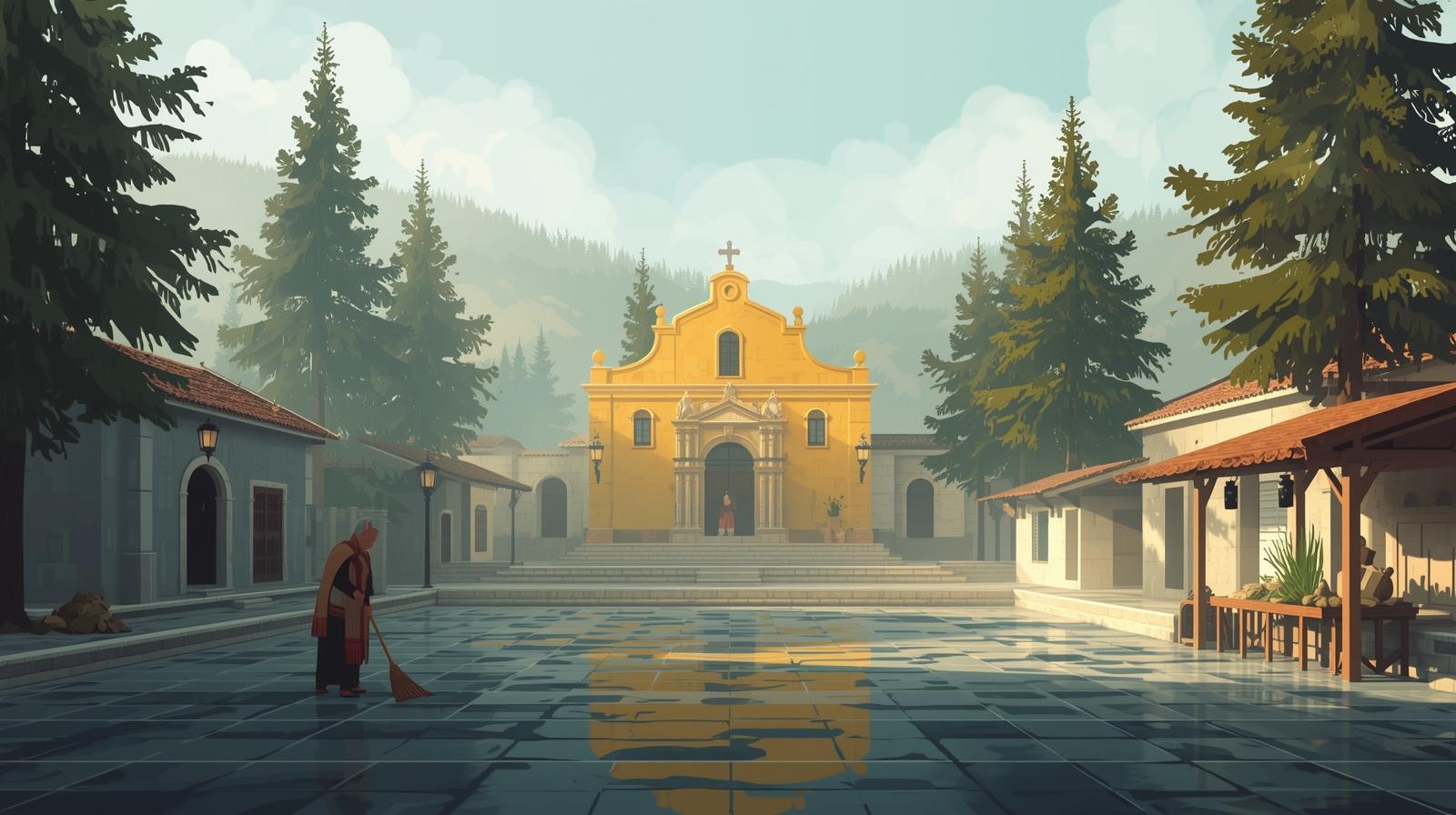
Nestled high in the Sierra Norte, where clouds drift low and pine needles whisper ancient secrets, lies Capulálpam de Méndez — a Pueblo Mágico that feels more like a living prayer than a town. Here, time moves with the rhythm of a mountain stream: unhurried, deliberate, cleansing. The air itself seems enchanted, thick with the scent of damp wood and wild herbs, as if the forest insists on healing every traveler who enters. Maybe that’s why people say Capulálpam doesn’t just welcome you — it renews you.
So, what makes this remote village so magnetic that visitors find themselves lingering long after the itinerary says “move on”?
History & Culture
Capulálpam’s story stretches back to the Zapotec civilization, long before Spanish colonizers carved roads through the Sierra Norte. Its name comes from the Nahuatl capolalpan, meaning “land of the medicinal herbs” — a clue to its ancient role as a center of traditional healing.
When the Spaniards arrived in the 16th century, Capulálpam became part of the vast Dominican route that spread Christianity across Oaxaca. The Church of San Mateo Apostol, built with
Mexico’s Southeast Pueblos Mágicos © 2026 All Rights Reserved. Scott Paton Trust
119 thick adobe walls and golden altarpieces, still stands proudly at the town’s heart. Its baroque façade gleams under the mountain sun — a tangible reminder of how faith, art, and resilience intertwined through centuries of upheaval.
Yet, what makes Capulálpam remarkable isn’t only its past, but its preservation. Unlike many towns overtaken by modernization, the locals here, mostly of Zapotec descent, practice community forestry — managing their surrounding forest collectively, replanting what they cut, and protecting the biodiversity that sustains them. It’s an ecological success story born from indigenous wisdom rather than corporate greenwashing. The people call it tequio — communal labor for the common good — and you can feel that ethos in every smile, every clean cobblestone street, every pine-scented breeze.
Getting There
Reaching Capulálpam feels like ascending into another world. From Oaxaca City, it’s about 70 kilometers northeast — roughly a two-hour drive along curving mountain roads. Buses and colectivos depart daily from the Central de Abasto terminal toward Ixtlán de Juárez; from there, a short taxi or shared ride completes the journey.
The climb through the Sierra Norte is half the experience — mist curling through pines, sudden glimpses of deep valleys, the air growing crisper with every kilometer. Bring motion-sickness tablets if winding roads aren’t your friend, but also keep your camera handy. Every turn feels like a postcard waiting to happen.
Where to Stay
Capulálpam doesn’t have luxury resorts, and that’s exactly the point. Its charm lies in simplicity and authenticity.
● Cabañas Comunitarias de Capulálpam: Rustic wooden cabins run by the local
community. Think wood-burning fireplaces, wool blankets, and panoramic views of pine-draped mountains.
● Posada Don Mati: A cozy inn near the main plaza with friendly hosts who make you feel
like long-lost family.
● Hotel La Galera: Slightly more modern but still rooted in local architecture, featuring
hand-woven textiles and local artwork.
Mexico’s Southeast Pueblos Mágicos © 2026 All Rights Reserved. Scott Paton Trust
120
Staying here supports community tourism — every peso helps fund reforestation, cultural programs, and local schools. You’re not just booking a room; you’re investing in a living ecosystem.
What to See and Do
Capulálpam rewards curiosity. Start at the main plaza, where the Iglesia de San Mateo Apostol towers over manicured gardens. Step inside and breathe in centuries of devotion; the gilded altar glows even in dim light.
Then wander the cobblestone streets lined with adobe houses and red-tile roofs. Visit the Centro de Medicina Tradicional, where healers practice ancient Zapotec herbal medicine — from temazcal steam baths to herbal tinctures brewed from mountain plants. Don’t be surprised if you leave lighter, both in spirit and body.
Nature lovers can hike the Sierra Norte trails leading to Los Molinos waterfall or La Cueva del Cruz, a cave wrapped in local legend. Guided eco-tours teach you about local flora, birdwatching, and sustainable forestry practices. If you’re lucky, you might join a community reforestation day — a humbling reminder that even travelers can leave something good behind.
And if you happen to visit in March, prepare for the Fiesta de San José Patrono, a burst of music, fireworks, and communal dance that lasts for days. It’s the kind of celebration that blurs the line between visitor and villager — you dance, eat, laugh, and suddenly you belong.
Food to Try
The cuisine here tastes like the forest itself — earthy, aromatic, and generous.
Start with mushroom soup (sopa de hongos) made from freshly foraged fungi, followed by mole negro simmered over wood fire. Try tlayudas, quesillo, and memelas topped with spicy salsa. For drinks, don’t skip atole de granillo, a thick corn-based beverage served steaming hot on chilly evenings.
Capulálpam also has its share of artisanal treats — mountain honey, herbal teas, and mezcal distilled in nearby San Pablo Yaganiza. If you’re lucky, a local grandmother might hand you a bag of pan de yema still warm from the oven. It’s that kind of town.
Mexico’s Southeast Pueblos Mágicos © 2026 All Rights Reserved. Scott Paton Trust
121
Practical Tips
● Weather: Cool and misty year-round; bring layers, especially for nights when
temperatures dip near 10 °C.
● Shoes: Comfortable walking shoes are essential — the streets are steep and paved with
cobblestones.
● Best time to visit: March to May offers clear skies, lush greenery, and festival season.
● Souvenirs: Herbal remedies, handmade wooden crafts, textiles woven by Zapotec
artisans, and local coffee make meaningful keepsakes.
● Connectivity: Don’t expect fast Wi-Fi everywhere. Instead, enjoy the rare gift of digital
silence — the mountains reward presence.
Closing Reflection
Capulálpam de Méndez isn’t the kind of place you “check off” a list. It’s a pause — a deep inhale after months of rushing through life. Standing at a lookout point as mist curls between pines, you realize this town isn’t performing for tourists. It’s simply being — rooted, serene, ancient, alive.
In a world that moves too fast, Capulálpam teaches the radical beauty of slowing down. It reminds you that community, balance, and reverence for nature aren’t luxuries — they’re ways of surviving with grace.
And when you finally descend the winding road back to Oaxaca City, the scent of pine will cling to your clothes for days — a quiet reminder that somewhere in the mountains, the forest is still breathing your name.
Mexico’s Southeast Pueblos Mágicos © 2026 All Rights Reserved. Scott Paton Trust
122
Huautla de Jiménez, Oaxaca — The Mystical Heart of
the Clouds
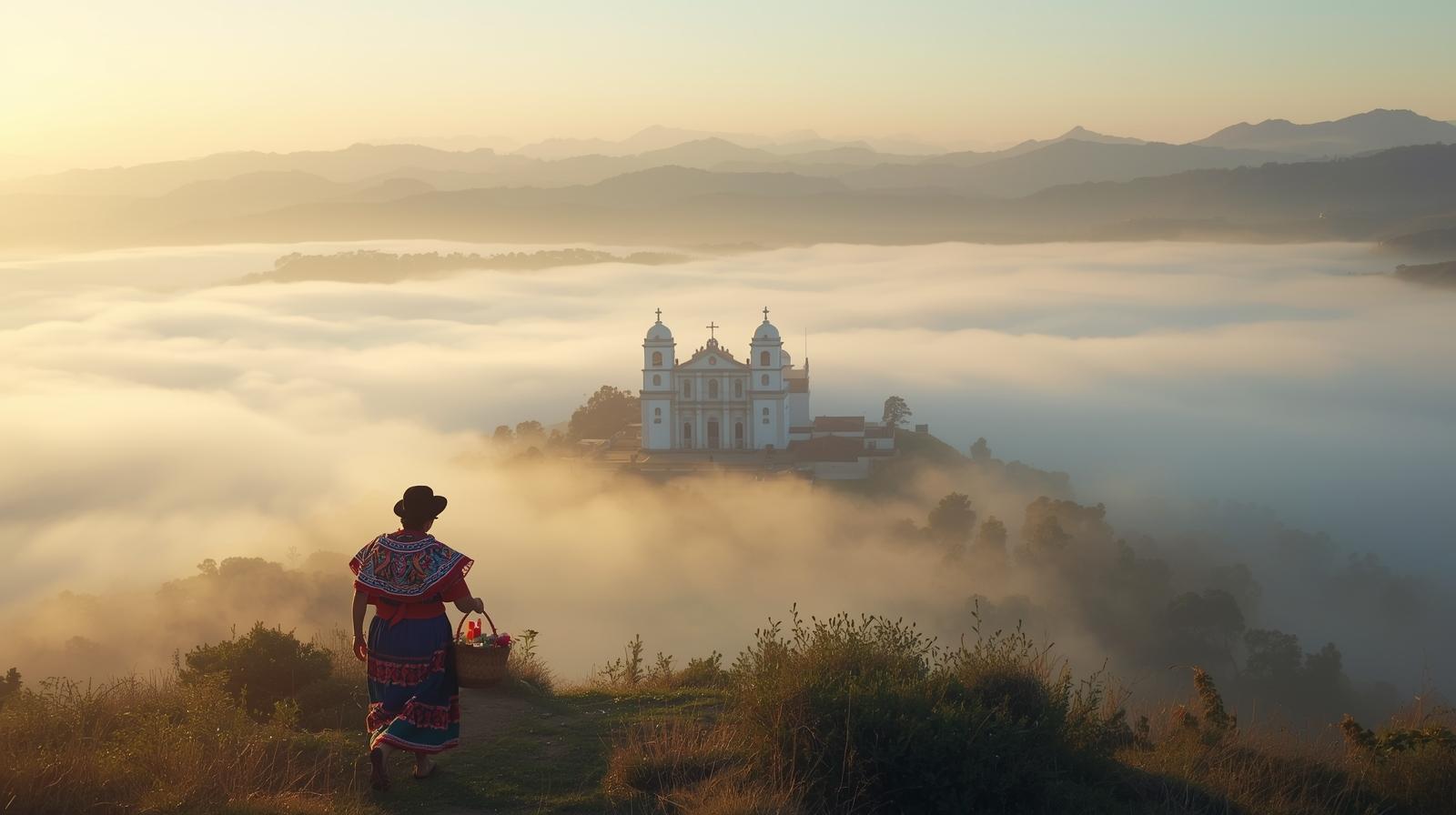
Some places don’t just exist—they breathe mystery. Huautla de Jiménez is one of those towns you don’t visit just to sightsee—you come here to feel something. Perched high in the Sierra Mazateca, this Pueblo Mágico floats between clouds, legends, and whispers of ancient rituals. The streets are steep, the air smells of wet earth and copal, and every corner seems to hum with unseen energy. You can almost hear the echo of María Sabina’s chants—those ancient words that once drew poets, rock stars, and seekers from across the world. Could it be that Huautla’s magic isn’t a myth, but a living spirit still watching over its mountains?
History & Culture
Huautla de Jiménez has always been more than a remote mountain town. It’s the spiritual heartland of the Mazatec people, who have lived among these mist-covered hills for centuries. Their traditions run deep—rooted in nature, music, and a profound respect for the unseen world.
The town rose to global fame in the 1950s when María Sabina, a humble Mazatec healer, introduced the world to the sacred “niños santos” — psilocybin mushrooms used in ancient healing ceremonies. Artists like John Lennon, Aldous Huxley, and Bob Dylan whispered about her, and suddenly, this quiet village became a crossroads between the spiritual and the psychedelic.
Mexico’s Southeast Pueblos Mágicos © 2026 All Rights Reserved. Scott Paton Trust
123
But beyond the outsider fascination, Huautla remains deeply indigenous. The Mazatec language fills the air alongside Spanish, and the people still celebrate La Fiesta de los Muertos with songs, candles, and offerings that turn the night into a shimmering memory. Life here is guided by cosmovisión—a worldview that sees spirit in every leaf, river, and gust of mountain wind.
Getting There
Reaching Huautla is part of the adventure. From Oaxaca City, it’s about 240 kilometers—roughly a 6 to 7-hour drive through serpentine mountain roads that twist like ribbons through the mist.
For the more intrepid, buses and colectivos (shared taxis) leave from Teotitlán de Flores Magón, the nearest transportation hub. The roads are narrow, yes, but every curve reveals breathtaking views—waterfalls tumbling down cliffs, clouds rolling like waves across pine forests.
If you prefer comfort, consider hiring a local driver who knows the mountain routes well. Just remember: in Huautla, the journey is as enchanting as the destination.
Where to Stay
Huautla isn’t about luxury; it’s about authenticity. Most accommodations are small, family-run posadas and guesthouses, where the hosts treat you like old friends.
● Posada Doña María Sabina – A charming lodge honoring the legacy of the legendary
curandera. Expect simple rooms, fresh tortillas in the morning, and stories that linger long after checkout.
● Hotel Santa Julia – Perched on a hill with panoramic views of the cloud forest, this spot
offers basic comfort and a front-row seat to Huautla’s breathtaking sunsets.
● Eco-cabins near Río Santiago – Perfect for travelers seeking a closer connection to
nature. Wake up to birdsong and the smell of damp pinewood.
In Huautla, the best accommodation isn’t defined by thread count—it’s defined by the warmth of your hosts and the mountain silence that wraps around you at night.
What to See and Do
Mexico’s Southeast Pueblos Mágicos © 2026 All Rights Reserved. Scott Paton Trust
124
Huautla’s magic isn’t hidden—it’s felt. Here’s what you shouldn’t miss:
1. Visit the Home of María Sabina
A pilgrimage site for many, her humble house now serves as a small museum. You’ll find photos, personal artifacts, and even her temazcal (sweat lodge). The energy there is unmistakable—a quiet reverence that words can’t capture.
2. Explore the Caves of San Agustín
These are among the deepest in the Americas, plunging thousands of meters underground. Adventurers come from around the world to explore their mysterious depths. Bring a guide—this is no ordinary cave.
3. The Church of San Juan Evangelista
Standing proudly in the main plaza, this 16th-century church blends colonial charm with indigenous spirit. Step inside and you’ll find candles flickering beside woven flowers and handwritten prayers.
4. Mirador Peña de la Reina
At sunrise, the view is otherworldly. Clouds swirl below like a sea of silver, and the town slowly appears like an island floating above the mist. It’s pure poetry.
5. Participate in a Mazatec Ceremony
If invited, consider attending a traditional velada—a sacred ceremony led by a local curandero or curandera. It’s not tourism; it’s an encounter with something ancient and real. Always approach with respect.
Food to Try
Huautla’s cuisine reflects the richness of its soil and spirit. You’ll find dishes infused with mountain herbs, maize, and ancestral recipes.
● Tlayudas and mole mazateco—Oaxaca’s classics, but with a mountain twist.
● Té de hongo—a mushroom tea used not recreationally, but spiritually.
● Tamales de frijol con hoja de aguacate—steamed in avocado leaves for a smoky
flavor you’ll never forget.
● Café de olla—sweetened with cinnamon and piloncillo, best enjoyed at dawn when the
fog is still kissing the rooftops.
And if you’re lucky, you might be invited to a family meal, where recipes are handed down like sacred songs.
Mexico’s Southeast Pueblos Mágicos © 2026 All Rights Reserved. Scott Paton Trust
125
Practical Tips
● Weather: Cool year-round with frequent mist; pack a light jacket and waterproof shoes.
● Best time to visit: Between March and May, when the skies are clearest—but Día de
los Muertos (late October–early November) is unmissable.
● What to bring: Cash (ATMs are limited), comfortable walking shoes, and an open heart.
● Souvenirs: Handwoven textiles, embroidered huipiles, and Mazatec herbal remedies
crafted by local women.
Pro tip: Learn a few phrases in Mazatec—locals will smile in surprise, and you’ll earn a deeper connection to the community.
Closing Reflection
Huautla de Jiménez isn’t just a place—it’s an initiation. You arrive as a visitor, but you leave as someone who’s glimpsed another layer of existence. Between the clouds and the chants, something inside you shifts. Maybe it’s the altitude. Maybe it’s the history. Or maybe it’s the town’s quiet invitation to slow down, listen, and remember that the world still holds places where magic hasn’t yet been tamed.
Mexico’s Southeast Pueblos Mágicos © 2026 All Rights Reserved. Scott Paton Trust
126
Mazunte, Oaxaca – The Soul of the Pacific

Mazunte feels like time took a deep breath and decided to rest. The scent of salt and copal drifts through the air as waves crash rhythmically on golden sand. Here, barefoot travelers sip coconut water beside yogis meditating to the sound of cicadas. It’s a village that hums with peace yet beats with life—a rare balance only Mexico’s Pacific coast seems to understand. You don’t come to Mazunte to escape the world; you come here to remember how to live in it.
History & Culture
Once a humble fishing community, Mazunte’s name comes from the Nahuatl word maxotetia, meaning “please deposit eggs here,” referring to the olive ridley sea turtles that have nested along its shores for centuries. For generations, locals depended on turtle hunting for survival—until conservation efforts in the 1990s turned everything around.
Today, Mazunte stands as a shining example of environmental rebirth. The Mexican Turtle Center (Centro Mexicano de la Tortuga) is both a museum and sanctuary, teaching visitors how the community transformed from hunters to protectors. Around town, murals of turtles and ocean life tell this redemption story better than any textbook could.
Yet Mazunte’s magic extends beyond conservation. It’s also a cultural haven—a magnet for artists, healers, and wanderers. Its festivals, like the International Jazz Festival, fill the palm-lined streets with music, art, and energy that contrasts beautifully with the village’s laid-back rhythm.
Mexico’s Southeast Pueblos Mágicos © 2026 All Rights Reserved. Scott Paton Trust
127
Getting There
Mazunte lies along the Oaxaca coast, roughly 8 kilometers west of San Agustinillo and 10 kilometers from Zipolite. The nearest airport is in Huatulco (HUX), about a 1½-hour drive away, or Puerto Escondido Airport (PXM), two hours west. From either city, travelers can catch a colectivo, shared taxi, or rent a car. The winding coastal highway 175 rewards patience with sweeping ocean views.
If you’re traveling by bus from Oaxaca City, expect a 10- to 12-hour overnight ride through the mountains—a journey that’s as breathtaking as it is curvy. Bring motion-sickness tablets and your sense of adventure.
Where to Stay
Mazunte doesn’t do luxury in the traditional sense—it offers soul comfort.
● Budget: Posada del Arquitecto sits right on the beach, with open-air palapas and
hammocks that sway to the rhythm of the surf.
● Mid-Range: Zoa Hotel provides eco-friendly elegance with infinity-pool views of the
Pacific and locally sourced cuisine.
● Boutique: Casa Pan de Miel is a favorite for couples seeking privacy, sunrise
breakfasts, and views of Punta Cometa from their balconies.
Many lodgings are solar-powered, and most owners emphasize sustainability—proof that comfort and conscience can coexist beautifully.
What to See and Do
Punta Cometa: The southernmost point of Oaxaca is a natural observatory where cliffs meet the sea. Sunrise here feels sacred; sunset, transcendental. Locals call it an energy vortex—believe it or not, you’ll feel something powerful as the sky ignites in gold and coral hues.
Mexican Turtle Center: A must-visit for learning about the region’s marine life. You can even witness turtle releases during nesting season (usually July – December).
Mazunte Beach: Perfect for swimming and surfing, though currents can be strong. The calmest waters are near the east end.
San Agustinillo and Zipolite: Both are short mototaxi rides away, offering different vibes—family-friendly tranquility in one, bohemian freedom in the other.
Mexico’s Southeast Pueblos Mágicos © 2026 All Rights Reserved. Scott Paton Trust
128
Yoga & Wellness: Mazunte’s spiritual undercurrent runs deep. The Hridaya Yoga Center and Cocolia Retreat attract seekers from around the world for meditation, breathwork, and silence retreats.
Shopping: Stroll along Calle Rinconcito, where local artisans sell handmade textiles, natural cosmetics, and organic cacao. Each product feels like a love letter to the earth.
Food to Try
Mazunte’s culinary scene is small but soulful. Expect handmade tortillas, fresh seafood, and organic ingredients grown nearby.
● Tlayudas – Oaxaca’s signature giant tortilla topped with beans, cheese, and avocado.
● Ceviche de Camarón – Shrimp marinated in lime with cilantro and tomato, best eaten
beachside.
● Café Mazunte – Don’t miss the local coffee, rich and earthy, often brewed in clay pots.
● Mezcal tasting – Small bars and co-ops like La Empanada Bar and La Mezcaleria
Mazunte offer smoky sips of handcrafted spirits from the Sierra Sur.
Practical Tips
● Best time to visit: November to April for sunny days and calm seas.
● Weather: Warm year-round, but May – October brings heavy rain and lush greenery.
● What to pack: Light cotton clothes, sandals, sunscreen, and a reusable water bottle.
Leave plastic behind—Mazunte is proudly eco-conscious.
● Money: Cash is king. ATMs are scarce, so withdraw enough in Huatulco or Puerto
Escondido.
● Local etiquette: Respect quiet spaces, especially around yoga centers. A smile and
“buenos días” go a long way.
Closing Reflection
Mazunte isn’t just a beach—it’s a state of being. A place where travelers slow down enough to notice the tide’s heartbeat, where stars replace streetlights, and where community and conservation coexist naturally. Every conversation, every sunset, every turtle hatchling reminds visitors of life’s delicate balance.
Mexico’s Southeast Pueblos Mágicos © 2026 All Rights Reserved. Scott Paton Trust
129
Leaving Mazunte feels like waking from a beautiful dream—but the kind that lingers, reshaping how you see the world long after your footprints wash away.
Mexico’s Southeast Pueblos Mágicos © 2026 All Rights Reserved. Scott Paton Trust
130
Mitla, Oaxaca — The Gateway Between Worlds
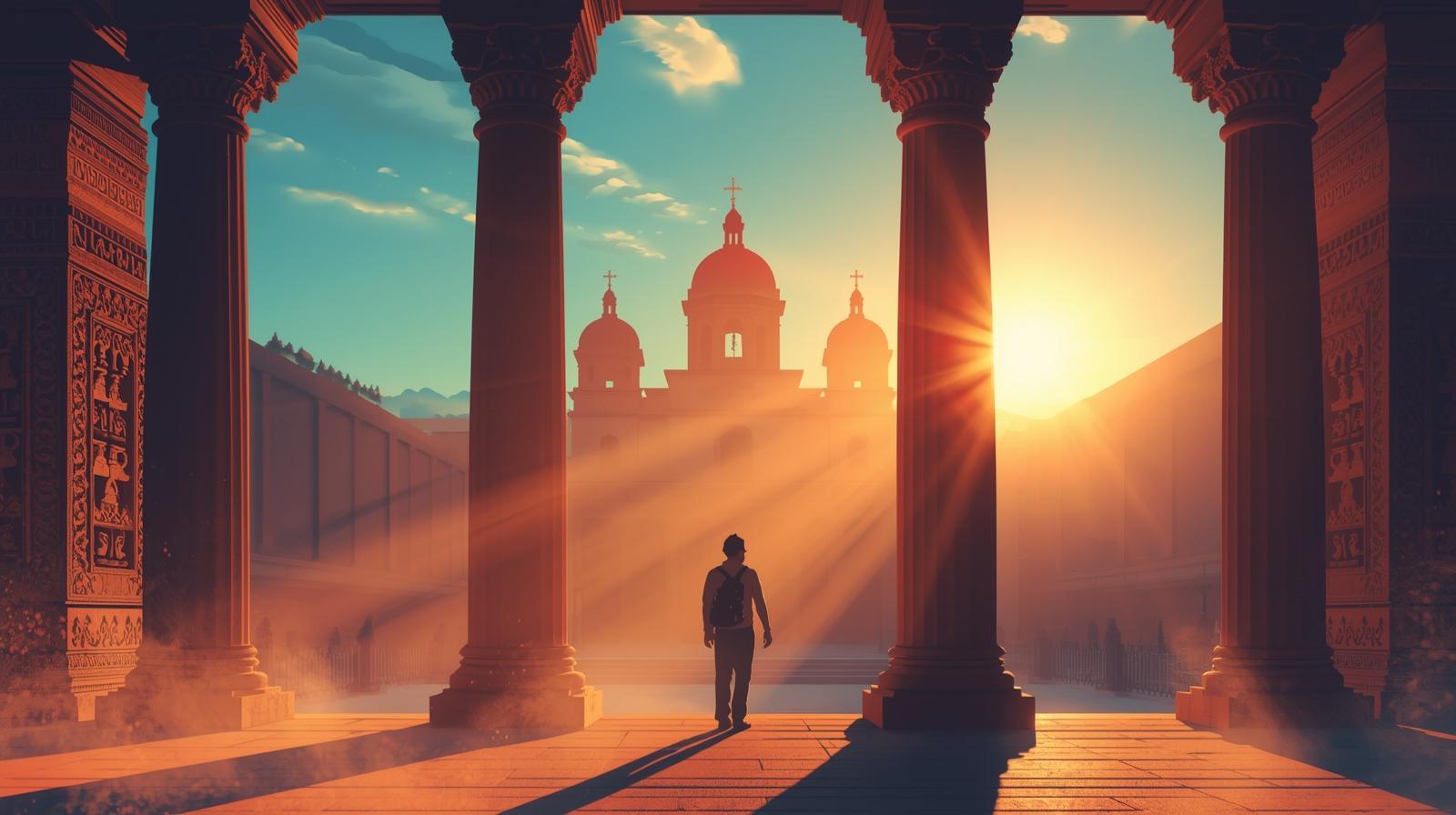
There’s something quietly electrifying about arriving in Mitla. The air feels older here—heavier, like it remembers things most places forget. Sunlight doesn’t just shine; it glows, bouncing off ancient stones carved with geometric perfection. Travelers often say they came for the ruins but stayed for the rhythm—the way Mitla hums softly between the sacred and the everyday. It’s a place where the dead are never far away, not in a morbid way, but in that gentle Oaxacan way where memory and celebration live side by side.
And really, how many places can say they were built to bridge the living and the afterlife?
History & Culture
Mitla’s story begins long before the Spanish ever set foot in the valley. The Zapotecs called it Lyobaa—“Place of the Dead.” To them, it wasn’t a tomb but a threshold, a spiritual crossroads where ancestors and gods conversed in quiet dignity. Later, the Mixtecs came, layering their artistry upon Zapotec foundations. When the Spaniards arrived, they did what colonizers often do—they built a church (San Pablo) right on top of sacred ground, trying to overwrite the story.
But Mitla refused to be silenced. Its walls, etched with endless patterns, spoke louder than sermons. Unlike most Mesoamerican sites, Mitla’s artistry isn’t about grandeur or height—it’s
Mexico’s Southeast Pueblos Mágicos © 2026 All Rights Reserved. Scott Paton Trust
131 about intimacy and precision. Every greca (that mesmerizing step-fret motif) tells a mathematical prayer, carved in perfect alignment without mortar. Some say they’re cosmic codes. Others, symbols of eternity.
Wander the ruins at sunset and you’ll see it—the stones seem to drink the light, turning gold before fading into dusk. It’s impossible not to feel a little awe, and maybe a whisper of something ancient brushing past you.
Getting There
Mitla is just 44 kilometers southeast of Oaxaca City, making it one of the most accessible Pueblos Mágicos in the region.
● By Car: Take Highway 190 (Carretera Internacional). It’s about a 45–60 minute drive
through the scenic Tlacolula Valley, dotted with agave fields and roadside mezcal stands.
● By Bus: Frequent second-class buses and colectivos leave from the Central de
Abastos in Oaxaca City.
● By Tour: Many day tours combine Mitla with Hierve el Agua and a mezcal distillery
stop—perfect if you’re short on time.
Pro tip? Go early in the morning before the tour groups arrive, when the site is quiet enough to hear your own footsteps echo through history.
Where to Stay
Mitla isn’t about luxury—it’s about connection. That said, there are cozy stays that blend comfort with character.
● Casa Lyobaa: A family-run inn where the owner might tell you local legends over coffee.
● Hotel Don Cenobio: The classic pick in town—colonial architecture, a courtyard pool,
and rooms that open to views of the valley.
● EcoLodge Mitla: For travelers seeking peace, adobe-style rooms surrounded by cactus
gardens and hummingbirds.
Mexico’s Southeast Pueblos Mágicos © 2026 All Rights Reserved. Scott Paton Trust
132
If you prefer to base yourself in Oaxaca City, you can easily make Mitla a day trip while enjoying the culinary and nightlife scene in the capital.
What to See and Do
Mitla may be small, but it’s packed with meaning.
● The Archaeological Site: The crown jewel. Explore the Columns Group and Church
Group, where each stone fits like a puzzle piece in divine geometry. Step into the Palace of the Columns—its monolithic pillars were once portals to the underworld in Zapotec belief.
● Church of San Pablo: Built in the 16th century, the church sits atop pre-Hispanic
foundations, its red domes glowing against the Oaxacan sky. It’s a striking reminder of both loss and resilience.
● Market of Mitla: Visit on Sunday mornings when the local market comes alive. You’ll
find embroidered huipiles, woven rugs from Teotitlán del Valle, and mezcal sold straight from reused Coca-Cola bottles.
● Hierve el Agua: A short drive away, these petrified waterfalls and mineral pools are
otherworldly at sunrise. Bring a swimsuit—you’ll want to soak under the open sky.
● Mezcal Route: Mitla lies at the heart of mezcal country. Visit palenques (mezcal
distilleries) like El Rey de Matatlán or Fandango to see how agave turns into liquid fire and poetry.
Food to Try
Oaxacan cuisine is a religion—and Mitla serves communion in every dish.
Start with mole negro, that rich, smoky sauce that takes days to prepare. Try tlayudas, crispy tortillas piled high with refried beans, cheese, and carne asada. Don’t miss pan de yema, the slightly sweet bread perfect with hot chocolate.
Street vendors sell nieves (Oaxacan ice cream) in flavors like tuna roja (cactus fruit) or mezcal con maracuyá—yes, mezcal ice cream is a thing, and yes, it’s divine.
Mexico’s Southeast Pueblos Mágicos © 2026 All Rights Reserved. Scott Paton Trust
133
If you can, visit during Día de los Muertos. The air fills with copal smoke, marigolds, and the scent of chocolate atole. The whole town becomes a living altar.
Practical Tips
● Best Time to Visit: October to February offers pleasant weather and vibrant cultural
festivals.
● What to Wear: Light clothes for the day, a jacket for cool evenings, and comfortable
shoes for exploring ruins.
● Souvenirs: Handwoven textiles, mezcal, and miniature stone carvings inspired by
Mitla’s patterns.
● Language: Spanish and Zapotec are spoken. A few words of courtesy—“buenos días,”
“gracias”—go a long way.
● Photography Tip: Arrive at dawn or golden hour. The light makes the red domes and
carved walls look like they’re glowing from within.
Closing Reflection
Mitla isn’t loud about its magic. It doesn’t need to be. It’s the kind of place that speaks in quiet, geometric poetry—etched into stone, whispered through wind, remembered in every candle lit for the departed.
It reminds travelers that magic doesn’t always shout—it sometimes waits patiently in silence, beneath your feet, between your breaths. And once you’ve walked its pathways, seen the way sunlight dances across its sacred walls, you realize something beautiful: Mitla doesn’t just connect the living and the dead. It connects everyone who’s ever wondered what lies between the two.
Mexico’s Southeast Pueblos Mágicos © 2026 All Rights Reserved. Scott Paton Trust
134
Teposcolula, Oaxaca — Where Time Whispers in
Stone
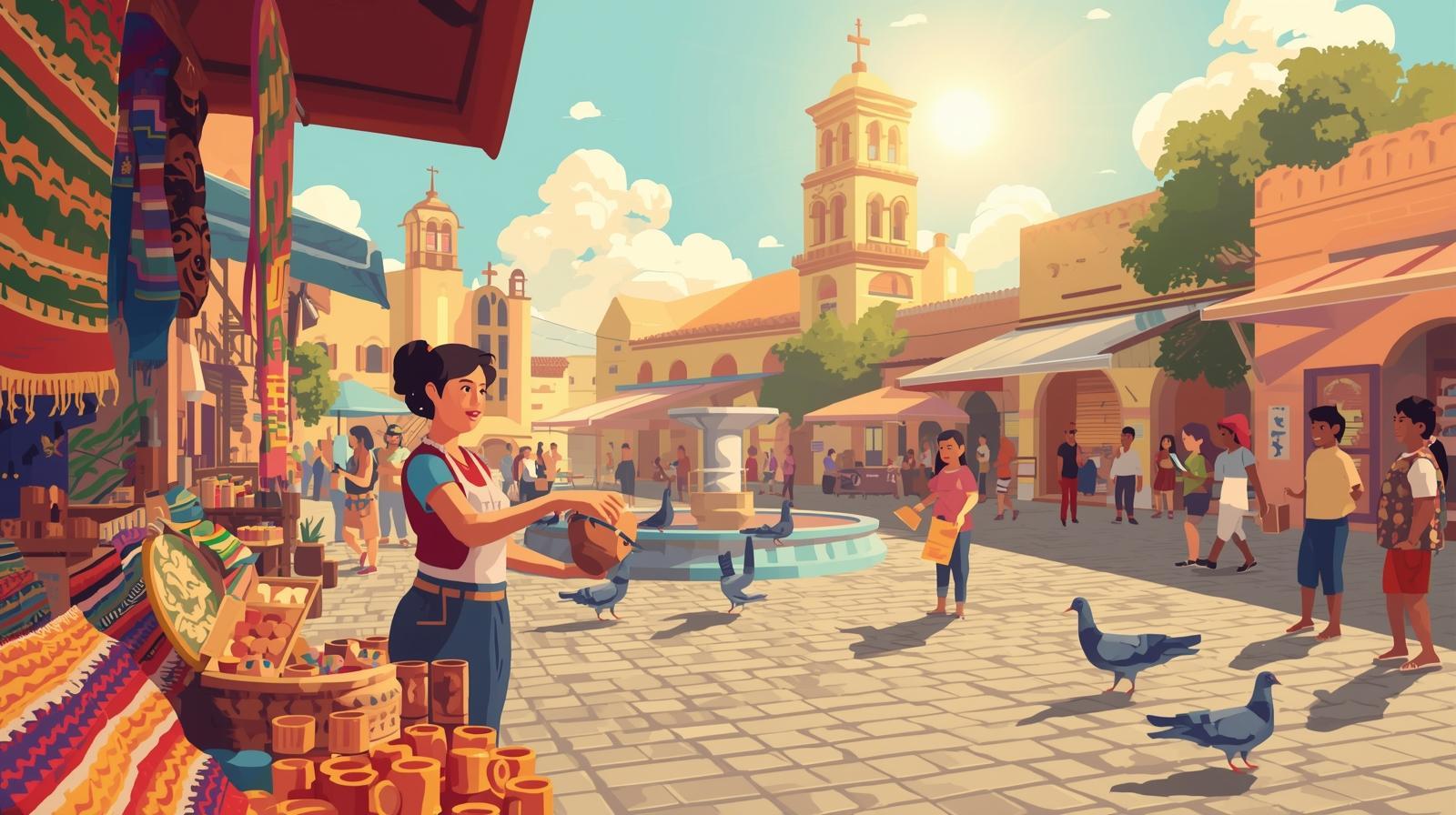
Nestled among the green folds of the Mixteca Alta, Teposcolula doesn’t shout its beauty—it hums it. The cobblestone streets seem to exhale centuries of stories, from Dominican friars to Mixtec artisans whose hands still weave memory into fabric. It’s one of those towns where the air feels thicker, denser somehow, with history. When you arrive, you don’t just see Teposcolula—you feel it wrap around you like a woven rebozo. And the real magic? It’s not in grand gestures. It’s in the quiet. The echo of church bells across the plaza, the whisper of wind over ancient stone, and the scent of fresh tortillas drifting through narrow lanes. Have you ever been to a place that seems to remember you before you even arrive?
History & Culture
Teposcolula’s roots reach deep into the heart of Mixtec civilization. Before the Spanish ever arrived, this region was known as Yucundaa, “Hill of the Birds,” a thriving pre-Columbian settlement where traders and nobles once gathered. The Mixtecs here built intricate codices—painted histories on deerskin—that chronicled dynasties long before paper touched these lands.
Mexico’s Southeast Pueblos Mágicos © 2026 All Rights Reserved. Scott Paton Trust
135
When Dominican friars arrived in the 16th century, they built what remains one of the finest examples of colonial architecture in Oaxaca—the Ex-Convento de San Pedro y San Pablo. Its open chapel, or capilla abierta, is a masterpiece of stone and faith, where indigenous and European worlds fused under an open sky. Walk beneath its arches and you’ll sense it—a strange serenity that lingers between shadow and sunlight.
Unlike other Pueblos Mágicos that cater to mass tourism, Teposcolula feels untouched, preserved by time and pride. Locals still speak Mixtec alongside Spanish. The women wear embroidered blouses echoing ancient patterns, and the town’s fiestas still pulse with pre-Hispanic rhythm beneath Catholic iconography. That’s Oaxaca for you—a mosaic of contradictions that somehow makes perfect sense.
Getting There
Teposcolula lies about two and a half hours northwest of Oaxaca City, deep in the Mixteca region. The drive itself feels like a pilgrimage—winding mountain roads, dusty valleys, and the occasional donkey caravan.
If you’re driving, take Highway 190 toward Tlaxiaco, then branch off toward Teposcolula. For those without a car, daily buses and colectivos depart from Oaxaca City’s second-class terminal (Central de Autobuses de Segunda Clase). The ride is scenic, so sit by the window and watch as the Sierra Madre slowly unfolds.
Once in town, you can walk almost everywhere. The streets are steep but rewarding, with each corner revealing a piece of old Oaxaca that refuses to fade.
Where to Stay
While Teposcolula doesn’t overflow with boutique hotels, it compensates with charm.
● Hotel del Convento – Right beside the former monastery, it offers colonial-style rooms
with courtyards fragrant from night-blooming jasmine.
● Posada Yucundaa – A cozy, family-run inn where breakfast means handmade tamales
and coffee grown just miles away.
● Casa Mixteca – Perfect for travelers who want something intimate, with hand-painted
tiles and sweeping mountain views.
Mexico’s Southeast Pueblos Mágicos © 2026 All Rights Reserved. Scott Paton Trust
136
For a more rustic experience, some local families open their homes to visitors—simple rooms, warm smiles, and stories you won’t find in any guidebook.
What to See and Do
Start at the Ex-Convento de San Pedro y San Pablo, the town’s soul. The stone façade, intricate columns, and open courtyard are breathtaking—each detail a testament to the blend of Dominican vision and Mixtec craftsmanship. Inside, soft light filters through ancient windows, illuminating frescoes that whisper faith and endurance.
Step outside into the Main Plaza, where time seems suspended. On Sundays, it fills with vendors selling nieves, pan de yema, and handwoven textiles dyed in shades of indigo and cochineal red. A short walk leads to the Casa de la Cacica, a colonial gem built for a Mixtec noblewoman—a reminder that indigenous power didn’t simply vanish with conquest.
For nature lovers, the surrounding hills hide prehistoric caves and lookout points that reveal endless waves of mountains. Hike early, when the mist still clings to the valleys. You’ll feel as if you’ve stumbled into a forgotten poem.
And if your visit coincides with a fiesta—especially Semana Santa or the Feast of San Pedro—prepare to dance, eat, and lose yourself in the swirl of music and fireworks that light up the old streets.
Food to Try
The Mixteca region is Oaxaca’s hidden culinary vault. In Teposcolula, you’ll find food that tastes of earth and memory.
● Chileajo – A tangy-spicy stew of pork simmered in red chiles, vinegar, and spices—a
local favorite.
● Tlayudas Mixtecas – The Oaxacan pizza, crisp and smoky, often topped with local
cheese and avocado.
● Atoles and tejate – Traditional drinks made from corn, cacao, and flor de cacao—thick,
rich, and surprisingly refreshing.
● Pan de yema – Sweet bread baked daily, perfect with a cup of local coffee as church
bells echo across the plaza.
Mexico’s Southeast Pueblos Mágicos © 2026 All Rights Reserved. Scott Paton Trust
137
Every bite feels like a conversation with history, like the flavors themselves are retelling the town’s story.
Practical Tips
● Best Time to Visit: From November to March, when the weather is dry and cool. Avoid
peak rainy months (June–September) if you plan to explore the surrounding mountains.
● What to Pack: Comfortable walking shoes (those cobblestones can be tricky), light
layers, and a hat. The Mixteca sun is generous.
● Souvenirs: Handwoven textiles, wooden masks, and clay figurines made by local
artisans—each piece a work of living heritage.
● Connectivity: Limited Wi-Fi and cell service in some areas—perfect for unplugging and
tuning into something timeless.
Closing Reflection
Teposcolula isn’t the kind of place you “do.” It’s a place you feel. It’s in the stillness of its convent walls, the rhythm of Mixtec language carried by the breeze, the patient hands of artisans who refuse to let their past disappear.
You’ll leave with more questions than answers—about time, faith, and resilience—but that’s the beauty of it. Because the real magic of Teposcolula isn’t just in its stones or stories—it’s in the way it quietly changes you.
And when you return home, far from Oaxaca’s highlands, you’ll find yourself remembering the way the light fell on old stone at dusk—and you’ll realize a part of you stayed behind.
Mexico’s Southeast Pueblos Mágicos © 2026 All Rights Reserved. Scott Paton Trust
138