

Whispers of the Tropic Wind: Exploring the Pueblos Mágicos of Mexico’s Southeast by Scott Paton - HTML preview
Download the book in PDF, ePub, Kindle for a complete version.
Chapter 6: Chiapas
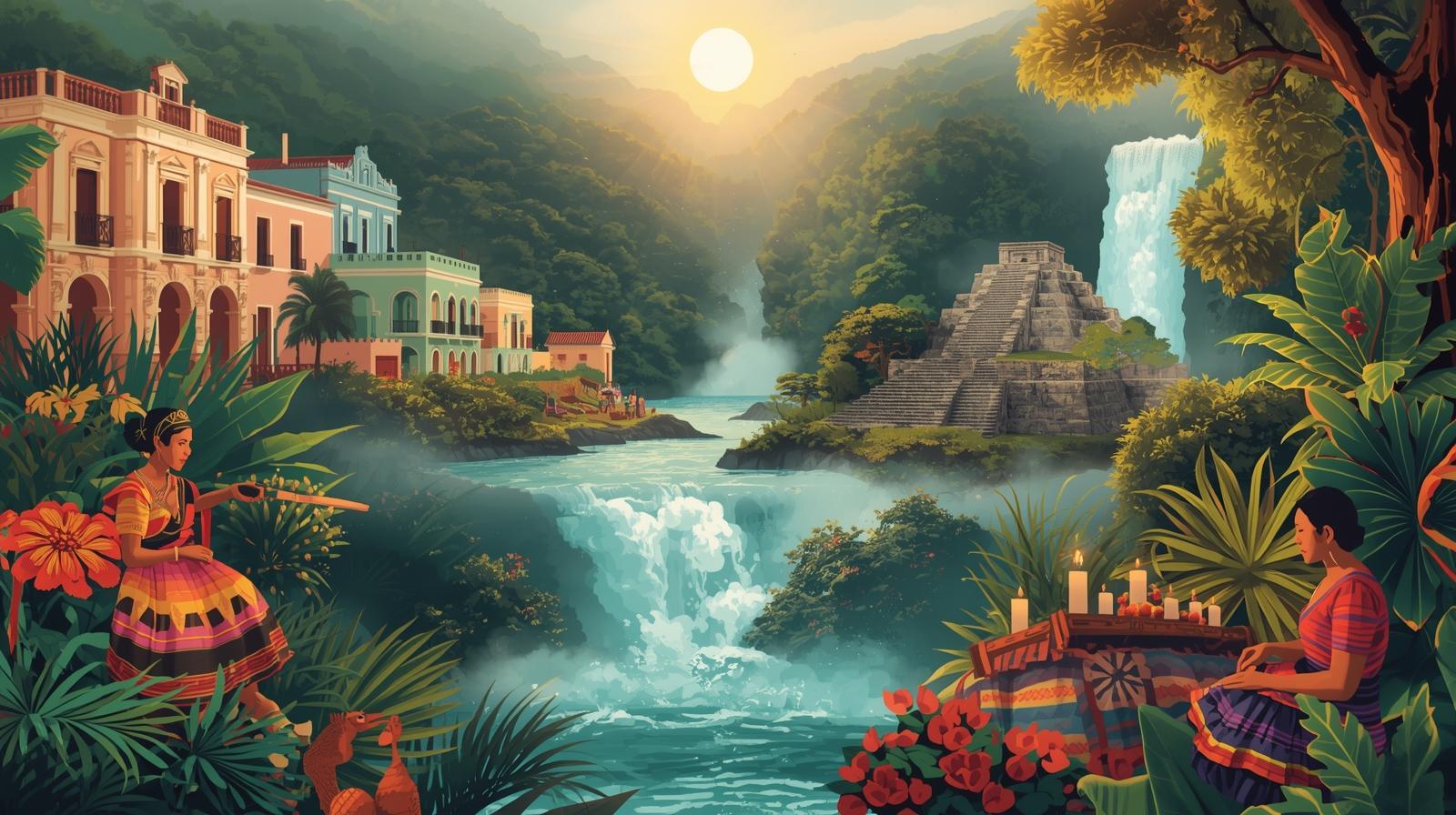
Chiapas doesn’t whisper. It roars. Beneath its waterfalls that thunder like angry gods and jungles that breathe mist and mystery, this southern state hides a wild, almost rebellious magic. It’s the kind of place that makes you question what “Mexico” even means—because down here, the land feels alive, ancient, and a little defiant. One moment you’re sipping coffee in a pastel colonial plaza, and the next, you’re standing before a canyon so deep it looks like the Earth has been split open by divine hands.
And the people? They don’t just live here—they guard something sacred. Every woven thread, every market chant, every step up a cobbled street feels like part of a centuries-old heartbeat that never forgot its rhythm.
So ask yourself: are you ready to fall for a place that’s as breathtaking as it is untamed—where every corner dares you to believe in magic again?
Mexico’s Southeast Pueblos Mágicos © 2026 All Rights Reserved. Scott Paton Trust
93
Chiapa de Corzo, Chiapas – Where Time Dances in
Color
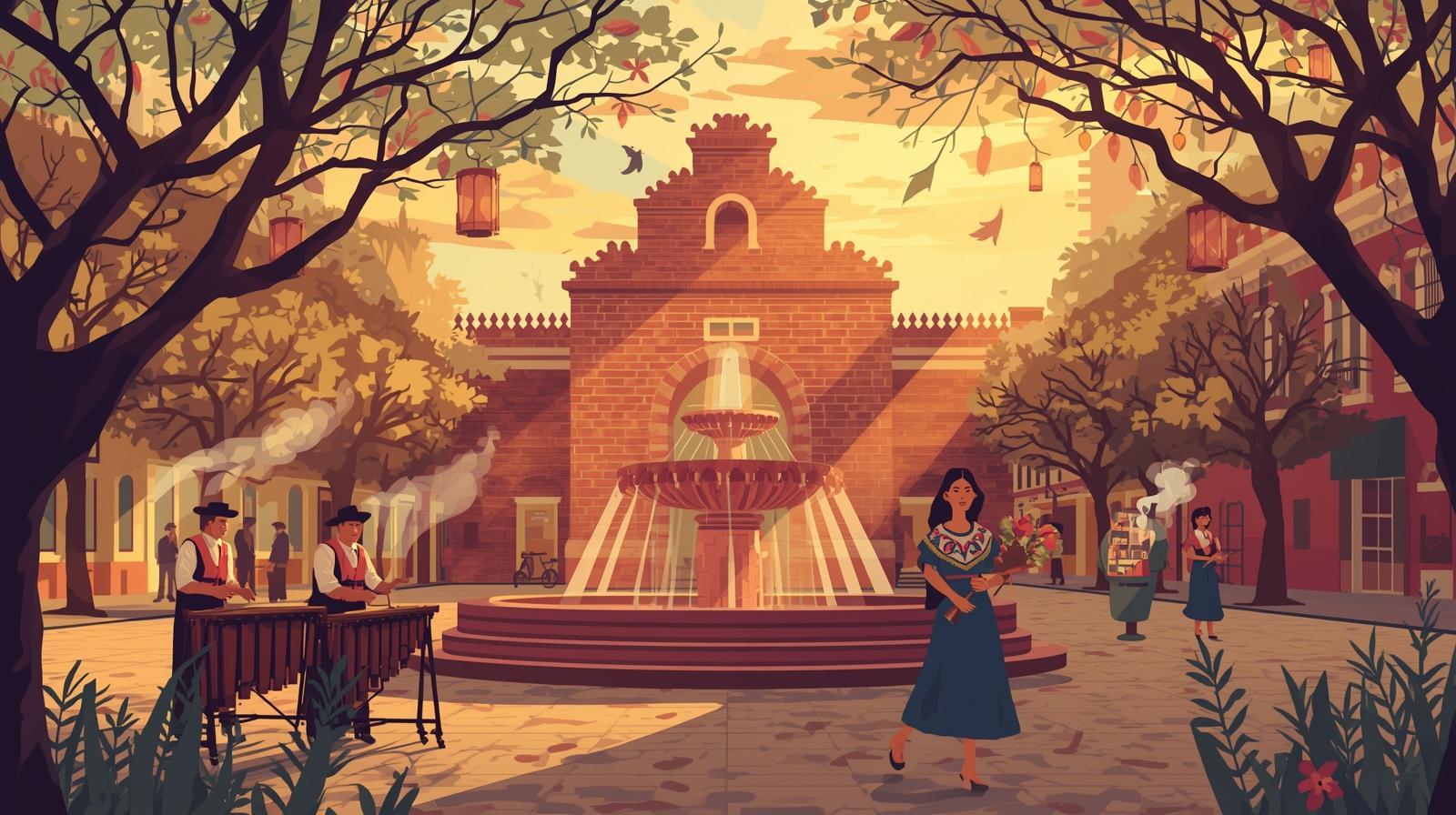
There are towns that whisper their history, and there are towns that sing it out loud—Chiapa de Corzo does both. Nestled on the banks of the Grijalva River, this Pueblo Mágico greets visitors with a burst of color, the sound of marimbas, and the swirling skirts of traditional dancers. You feel it the moment you step into the main plaza: time slows down, but the town vibrates with energy. Lanterns sway above cobbled streets, and the scent of tamales de chipilín drifts through the air. How can one place feel so ancient yet so alive?
History & Culture
Chiapa de Corzo is one of the oldest towns in Chiapas, tracing its roots back to pre-Hispanic times when it was inhabited by the Zoque people. Later, it became one of the first Spanish settlements in the region. Its famous brick fountain, La Pila, built in 1562, stands proudly in the heart of the plaza—a crown-shaped Mudéjar masterpiece symbolizing both colonial artistry and local pride.
But what truly brings the town to life is its people and their traditions. The Fiesta Grande de Enero—held each January—is not just a celebration; it’s a cultural heartbeat. Locals don the colorful Parachico masks and dance through the streets to marimba rhythms, honoring San Sebastián while inviting everyone to join in. It’s joy wrapped in history, a living performance of gratitude and identity.
Mexico’s Southeast Pueblos Mágicos © 2026 All Rights Reserved. Scott Paton Trust
94
Beyond the festivals, Chiapa de Corzo preserves its soul through craftsmanship. Lacquerware bowls gleam with intricate designs, and handwoven textiles in earthy tones line the market stalls. Each piece tells a story, passed from one artisan generation to the next—heritage you can hold in your hands.
Getting There
Chiapa de Corzo lies just 15 kilometers from Tuxtla Gutiérrez, the capital of Chiapas. From the Tuxtla airport, it’s a short 20-minute taxi ride or a 30-minute local bus journey. Many visitors pair their trip with a stop at the nearby Sumidero Canyon, so tours often include transport between both destinations. If you’re coming from San Cristóbal de las Casas, expect about an hour’s drive downhill—a scenic route where the mountains give way to the lush lowlands.
Where to Stay
You don’t come to Chiapa de Corzo for five-star opulence—you come for charm.
● Hotel La Ceiba: A beloved local gem set around a tranquil garden with a pool shaded by
palm trees.
● Parador San José: Colonial architecture meets cozy hospitality, right near the plaza.
● Casa Kuxtal: Perfect for travelers who crave authenticity and a touch of bohemian flair.
Budget-friendly posadas and guesthouses also dot the center, where you can wake up to the sounds of church bells and marimba practice from the plaza below.
What to See and Do
Start where everything begins: the Plaza de Armas, dominated by La Pila. Sit under the massive ceiba tree (the sacred tree of the Maya) and watch daily life unfold—vendors selling pozol drinks, children chasing pigeons, and musicians warming up for the evening.
Take a short walk to the Ex-Convento de Santo Domingo, a 16th-century Dominican monastery now home to the Regional Museum of Chiapas. Inside, archaeological treasures tell stories of the Zoque and Chiapaneca civilizations, while the arched corridors invite quiet reflection.
Then comes the adventure. Hop on a motorboat at the river pier for a journey through the Cañón del Sumidero, one of Mexico’s most stunning natural wonders. Sheer limestone walls rise over a thousand meters high, and if you’re lucky, you’ll spot crocodiles sunbathing on the banks or spider monkeys swinging from above. The view from the water feels humbling—nature reminding you who’s truly in charge.
Mexico’s Southeast Pueblos Mágicos © 2026 All Rights Reserved. Scott Paton Trust
95
Back in town, explore the handicraft market for lacquerware, embroidered textiles, and the playful wooden Parachico masks. Don’t forget to stop by a marimba workshop; the music here isn’t just background—it’s identity carved in wood.
Food to Try
Chiapa de Corzo’s cuisine is a delicious blend of Spanish, Zoque, and regional Chiapaneco influences. Try the cochito horneado, a marinated and oven-roasted pork dish that’s the star of any local feast. For something lighter, the tamales de chipilín—flavored with a local herb—offer a comforting bite of home-style tradition. And don’t leave without sipping pozol, a refreshing drink made of corn and cacao, served cold and slightly thick.
Sweet lovers will find paradise in suspiros, sugar-dusted meringue cookies, and melcochas, sticky ribbons of handmade candy sold by smiling grandmothers near the plaza.
Practical Tips
● Weather: Warm year-round, with dry months from November to April—perfect for
wandering without the heat overwhelming you.
● Clothing: Light and breathable during the day, but bring a shawl or light sweater for the
evening breeze.
● Footwear: Comfortable sandals or walking shoes for cobblestone streets.
● Souvenirs: Handcrafted lacquer bowls, wooden masks, and embroidered shawls make
meaningful keepsakes.
● Best Time to Visit: January for the Fiesta Grande—but book early, as the town fills with
visitors and dancers alike.
Closing Reflection
Chiapa de Corzo is not a place you just visit; it’s one you feel. It lingers in your senses—the echo of drums in the plaza, the flicker of candles during a procession, the laughter over shared tamales. It’s where Mexico’s ancestral spirit meets living color, and where history still dances in the streets.
You leave not just with photos, but with rhythm in your step and a reminder that some traditions aren’t meant to be remembered—they’re meant to be lived.
Mexico’s Southeast Pueblos Mágicos © 2026 All Rights Reserved. Scott Paton Trust
96
Comitán de Domínguez, Chiapas – Where Time Slows
and Color Breathes
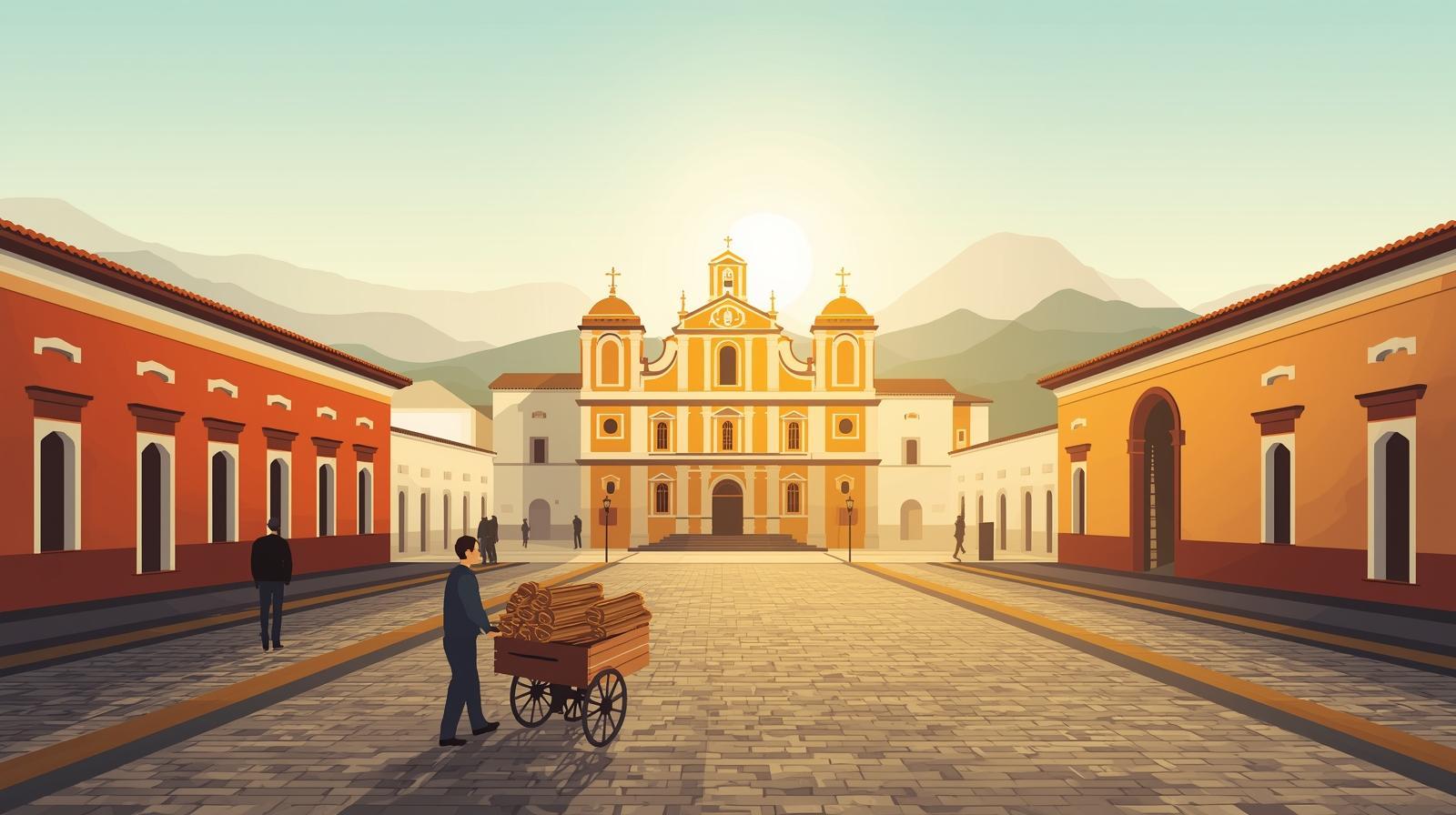
There’s something about Comitán that immediately softens you. Maybe it’s the way the cobblestones echo underfoot as the late afternoon light slides over the ochre facades, or how every passerby greets you with a gentle nod, as if you’ve been part of this town forever. Comitán doesn’t rush you. It invites you to breathe, to linger, to sit in its sun-drenched plazas and let the rhythm of Chiapas seep in.
If you’ve ever longed for that moment when Mexico feels both intimate and infinite, where colonial charm meets highland freshness, Comitán might just be that place. Isn’t it strange how some towns seem to remember you even before you’ve arrived?
History & Culture
Comitán de Domínguez, one of Chiapas’ oldest cities, carries centuries of layered stories in its quiet streets. Originally called Balún Canán—meaning “Nine Stars” in the Tzeltal language—it was a sacred Maya-Tojolabal settlement long before the Spanish arrived. The conquistadors renamed it Comitán, but its indigenous soul never truly faded. You can feel it in the textiles, the prayers whispered in Tzotzil during market days, and the solemn cadence of local festivals.
Mexico’s Southeast Pueblos Mágicos © 2026 All Rights Reserved. Scott Paton Trust
97
In 1914, the town added de Domínguez to honor Dr. Belisario Domínguez, a local hero who dared to speak against dictatorship and paid with his life. His courage shaped the Mexican conscience, and his name became a synonym for moral bravery. Today, his home—Casa Museo Belisario Domínguez—still hums with that quiet defiance, its stone walls preserving the echoes of his speeches.
Culturally, Comitán is a blend of devotion and artistry. Its colonial churches stand like guardians of faith: Templo de Santo Domingo with its sun-baked Baroque façade, San Caralampio with its bright red towers and crowds of devotees during February’s fiestas, and San Sebastián—the oldest church in the region—where you can still hear bells that have rung for centuries.
Artisans in the surrounding villages—such as Amatenango del Valle—carry forward ancestral pottery and weaving techniques. Their works, earthy and vibrant, tell stories of fertility, mountains, and jaguars. You’ll find them in markets or drying under the sun beside humble adobe homes, living proof that heritage here isn’t preserved in museums—it’s worn, used, and loved daily.
Getting There
Comitán lies about 150 kilometers from Tuxtla Gutiérrez, the capital of Chiapas. The journey itself is part of the adventure. If you’re driving, the trip takes roughly three hours along the scenic Pan-American Highway, winding through pine forests and rolling hills that open into vast highland vistas.
Buses leave regularly from Tuxtla and San Cristóbal de las Casas—comfortable ADO or OCC services that deliver you straight into the heart of Comitán. For the more spontaneous traveler, shared colectivos run between nearby towns. Taxis are abundant once you arrive, but truthfully, Comitán is best explored on foot. Everything worth seeing unfolds within a walkable radius—just bring comfortable shoes and curiosity.
Where to Stay
Comitán may be small, but its accommodations are big on charm.
For a boutique experience, Hotel Nak’An Secreto Maya offers modern comfort infused with indigenous textures—handwoven bedspreads, soft clay lamps, and balconies that open to the crisp mountain air.
Those drawn to history might prefer Hotel Hacienda de los Ángeles, where colonial arches, antique furniture, and leafy courtyards recreate the atmosphere of an old casona.
Mexico’s Southeast Pueblos Mágicos © 2026 All Rights Reserved. Scott Paton Trust
98
Traveling on a budget? Hotel Real Colonial and Hostal Jardín provide cozy rooms just steps from the central plaza—perfect for those who want to wake to the sound of morning church bells and street vendors calling out tamales de chipilín!
Wherever you stay, you’ll find that hospitality here isn’t a service—it’s second nature.
What to See and Do
Comitán is not about rushing from one attraction to another. It’s about meandering, discovering, pausing. Still, there’s no shortage of wonders to fill your days.
1. The Central Plaza and Santo Domingo Church
Start at the Plaza de Armas, the heart of town. Locals call it simply “el parque.” Around it, old buildings with carved balconies and pastel colors frame the scene like a painting. Sit by the kiosk, order a nieve artesanal, and watch the rhythm of daily life unfold—children chasing pigeons, couples strolling, musicians playing soft marimba tunes. Across the plaza rises Templo de Santo Domingo, a masterpiece of colonial architecture glowing golden under the late sun.
2. Casa Museo Belisario Domínguez
History lovers shouldn’t miss this museum dedicated to the town’s most famous son. Beyond documents and relics, it offers a window into the moral backbone of Chiapas—a reminder that small towns can shape great destinies.
3. Pueblo Surroundings and Natural Escapes
Comitán serves as a gateway to some of southern Mexico’s most stunning landscapes. A short drive away lies Lagos de Montebello National Park, a dreamscape of 59 lakes shimmering in shades of turquoise, emerald, and sapphire. Rent a wooden raft or simply sit by the water—each lake reflects a different mood of the sky.
On the way, stop at Las Nubes, where the Santo Domingo River roars through limestone canyons wrapped in mist. And if you crave mystery, the Chinkultic Archaeological Site offers sweeping views of the valley and ancient pyramids barely reclaimed from the jungle. Standing atop its main temple, you can feel the same wind that once brushed the faces of the ancient Maya.
4. Artisan Villages
Nearby Amatenango del Valle is famous for its clay jaguars and doves—symbols of power and peace. Watch women shape figures from raw earth with nothing but intuition and inherited skill.
Mexico’s Southeast Pueblos Mágicos © 2026 All Rights Reserved. Scott Paton Trust
99
In Tzimol, artisans carve wooden masks for traditional dances; in La Trinitaria, embroidery blooms on every cloth like a field of flowers.
Food to Try
Comitán’s cuisine is hearty, honest, and full of regional pride. Start your morning with a steaming bowl of atol agrio, a fermented corn drink that wakes the senses with its tangy aroma. Pair it with tamales de chipilín—corn dough seasoned with a fragrant local herb—and you’ll understand why breakfast here feels sacred.
For lunch, seek out cochito horneado, slow-roasted pork marinated in achiote and orange juice, traditionally cooked for fiestas. Street stalls around the plaza serve it with rice and pickled vegetables, its smoky aroma impossible to resist.
Craving comfort? Try sopa de pan, a tomato-based bread soup unique to Comitán, often served during Holy Week but available year-round. It’s the kind of dish that feels like a hug.
And for dessert—dulce de leche cortada or camotes enmielados, best enjoyed with a cup of local coffee grown in the nearby highlands of La Trinitaria. The beans carry hints of chocolate and citrus, a taste of Chiapas itself.
Practical Tips
● Weather: Comitán sits at 1,600 meters above sea level, so expect mild days and cool
nights. Bring a light jacket, even in summer.
● Best Time to Visit: February brings the colorful Fiesta de San Caralampio, while
September fills the streets with patriotic parades. For quieter trips, aim for March–May when the countryside bursts into bloom.
● Getting Around: The town is compact—walk or rent a bicycle. Local taxis are
inexpensive for short distances.
● Souvenirs: Take home handwoven shawls, Amatenango pottery, or small wooden saints
from local markets. Each piece carries the soul of the highlands.
● Language Note: Spanish is widely spoken, but you’ll often hear Tzeltal and
Tojolabal—beautiful reminders of the region’s indigenous roots.
Mexico’s Southeast Pueblos Mágicos © 2026 All Rights Reserved. Scott Paton Trust
100
Closing Reflection
Comitán doesn’t overwhelm; it whispers. It doesn’t dazzle with grandeur but charms with sincerity. In a world that often rushes past its own beauty, this Pueblo Mágico teaches you the art of slowing down—of noticing the soft rustle of pine leaves, the laughter echoing across cobblestones, the taste of sweet coffee at dawn.
As you leave town, you’ll catch yourself glancing back—at the church towers, the plaza, the mountains beyond—and realize that Comitán isn’t just a destination. It’s a feeling that follows you home, patient and unforgettable.
Because some magic, once found, refuses to fade.
Mexico’s Southeast Pueblos Mágicos © 2026 All Rights Reserved. Scott Paton Trust
101
Copainalá, Chiapas: Where the Wind Whispers in
Zoque
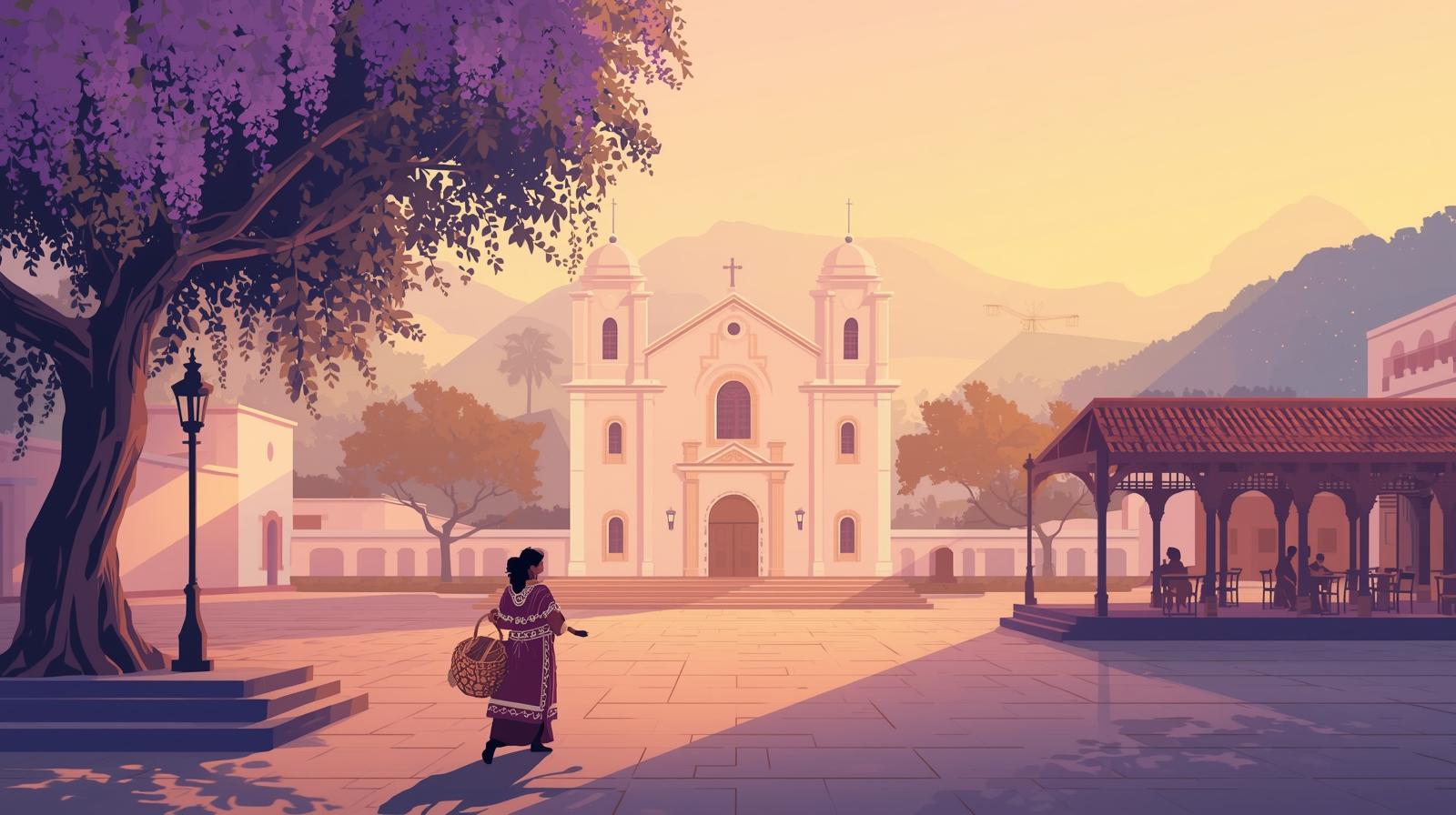
There are towns that greet you with music, and others that speak through silence. Copainalá does both. Nestled between mountains brushed with clouds, this Pueblo Mágico in Chiapas hums with a rhythm that feels ancient yet alive. You can almost hear the whispers of the Zoque language in the breeze that curls through its cobbled streets. The first thing visitors notice isn’t grandeur—it’s warmth. The smiles. The smell of corn toasting. The sound of a marimba floating from the plaza at dusk. Ever wonder what it feels like to walk through a living poem? Welcome to Copainalá.
History & Culture
Copainalá’s story begins long before its official founding. This land was once the heartland of the Zoque people, descendants of the great Olmec civilization. Their language, still spoken by many locals, carries fragments of one of Mesoamerica’s oldest voices. When the Spanish arrived in the 16th century, they built churches and introduced new traditions, but the Zoque spirit never disappeared—it adapted.
Today, you’ll find this blend everywhere: in the embroidered huipiles women wear on market days, in the festivals that honor both saints and ancestral deities, and in the everyday rhythm of
Mexico’s Southeast Pueblos Mágicos © 2026 All Rights Reserved. Scott Paton Trust
102 town life. Locals celebrate San Vicente Ferrer with processions, fireworks, and music that stretches deep into the night. Tradition here isn’t a museum piece—it’s a living heartbeat.
One of Copainalá’s proudest cultural treasures is its handwoven textiles, especially the intricate rebozos dyed with natural indigo and cochineal. Each piece tells a story of continuity, passed down from grandmother to granddaughter on wooden looms that creak with history.
Getting There
Reaching Copainalá is part of the adventure. From Tuxtla Gutiérrez, the state capital, it’s about a two-hour drive northwest—roughly 80 kilometers. Buses and colectivos depart regularly from Tuxtla’s central terminal, winding through lush hills and valleys until you reach the town’s welcoming archway.
If you’re driving, take Highway 190 toward Chiapa de Corzo, then follow the signs to Copainalá via Chicoasén. The road narrows as you climb, revealing sweeping views of the Grijalva River Canyon—a fitting prelude to the town’s serene beauty.
Where to Stay
Copainalá offers modest but charming accommodations. Don’t expect luxury resorts; expect warmth and authenticity instead.
● Posada Zoqueñita – A small family-run inn near the plaza, with hand-painted tiles and
rooms that open to a flowering courtyard.
● Hotel Copainalá Centro – Clean, comfortable, and close to the market—perfect for
early risers who want to catch the morning bustle.
● Eco-Cabañas El Grijalva – For those who crave quiet, this rustic option just outside
town offers hammocks with views of the mountains and star-filled nights.
What to See and Do
Start your day in the main plaza, where locals gather under jacaranda trees and the aroma of fresh tamales fills the air. The Parroquia de San Vicente Ferrer, built in the 16th century, stands proudly with its pale façade and bell tower—a testament to both faith and endurance.
Mexico’s Southeast Pueblos Mágicos © 2026 All Rights Reserved. Scott Paton Trust
103
Just a short walk away, visit the Museo Zoque, a small but meaningful space that celebrates the language, crafts, and oral traditions of the Zoque people. Artifacts, traditional garments, and even recordings of elders telling folktales remind visitors that Copainalá is not just a town—it’s a guardian of heritage.
If you’re a nature lover, take a detour to the Cerro de la Culebra lookout. From there, the world opens wide: valleys, rivers, and faraway villages stitched together by mist. The hike is gentle, and the view at sunset is breathtaking—worth every step.
And if you visit in April, prepare for the Fiesta de San Vicente Ferrer—Copainalá’s biggest celebration. Expect parades, marimba bands, and the hypnotic swirl of dancers wearing embroidered Zoque attire. It’s loud, joyful, and absolutely unforgettable.
Food to Try
Chiapas’ cuisine is a revelation, and Copainalá offers its own delicious chapter.
Start with tamales de bola, filled with pork and wrapped in banana leaves, or tamales de chipilín, made with a local herb that gives them an earthy flavor. Then there’s pejelagarto, a grilled river fish served with lime and salsa—a delicacy from the Grijalva region.
Don’t miss pozol, the traditional drink made of corn dough and cacao, often served cool in clay mugs. On market mornings, you’ll find women stirring it slowly, chatting in Zoque as they pour it for neighbors. Dessert? Try cajeta de mango or dulce de papaya—sweet, simple, and made with love.
Practical Tips
● Weather: Warm and humid most of the year, with cooler evenings between November
and February.
● Clothing: Light, breathable fabrics by day; a sweater for mountain breezes at night.
● Footwear: Comfortable walking shoes—the streets are cobblestone and hilly.
● Best Time to Visit: April for the patron saint festivities, or late November when the
landscape glows golden after the rains.
● Souvenirs: Handwoven rebozos, clay pottery, and traditional embroidered blouses
make meaningful mementos.
Mexico’s Southeast Pueblos Mágicos © 2026 All Rights Reserved. Scott Paton Trust
104
Closing Reflection
There’s a quiet kind of magic in Copainalá—the kind that doesn’t shout for attention but lingers long after you’ve gone. It’s in the rhythm of the marimba, the soft cadence of the Zoque language, and the pride of people who’ve preserved their roots through centuries of change. Travelers often come here by chance, but they leave with something unexpected—a sense of belonging to a story older than themselves.
Maybe that’s what makes Copainalá truly magical. Not its size or fame, but its soul.
Mexico’s Southeast Pueblos Mágicos © 2026 All Rights Reserved. Scott Paton Trust
105
Ocozocoautla de Espinosa, Chiapas – The Gateway to
the Zoque Heartland
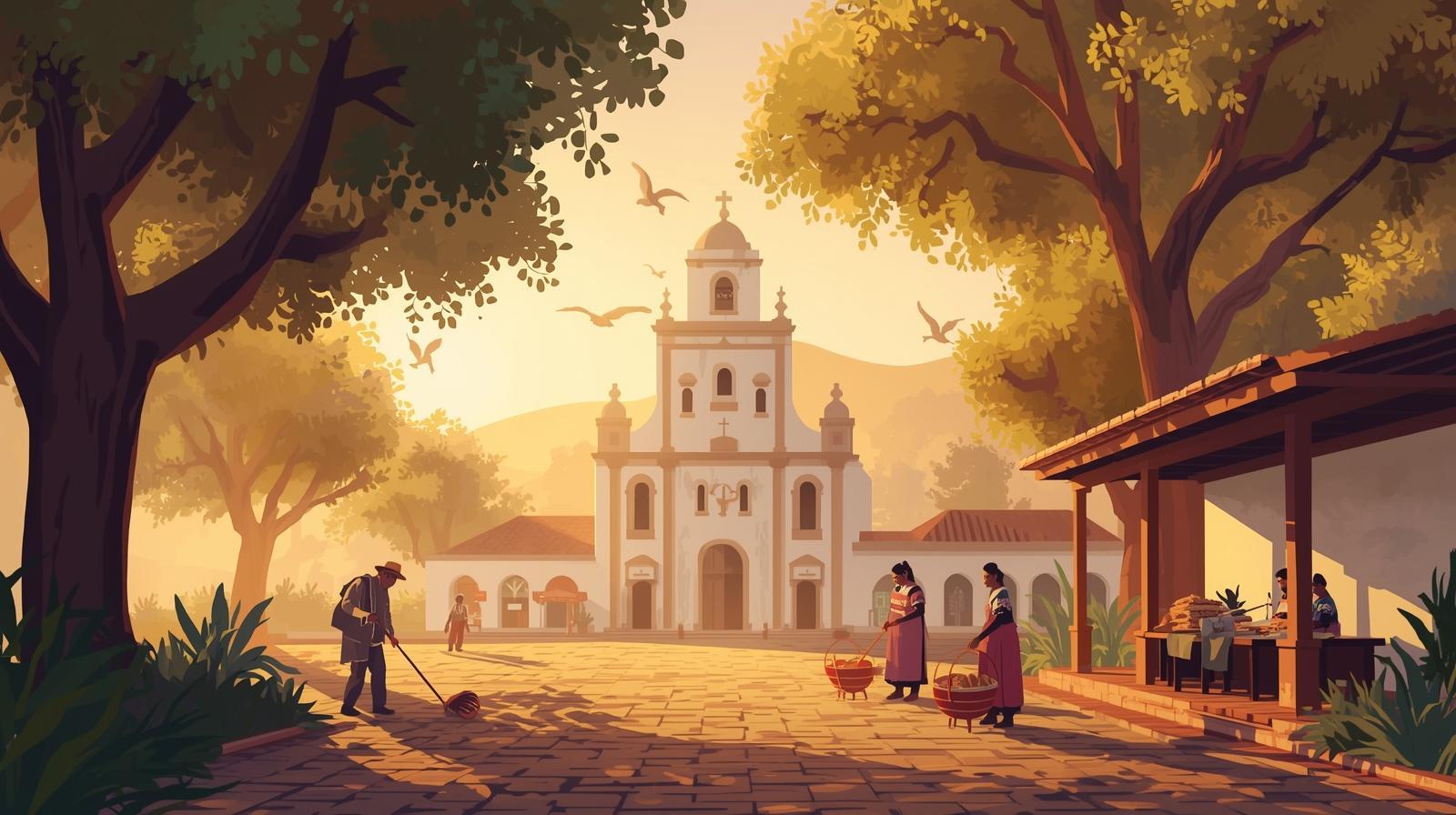
There’s something quietly magnetic about Ocozocoautla de Espinosa. Maybe it’s the way the afternoon sun filters through the ceiba trees, painting gold streaks across the cobblestone streets. Or maybe it’s the hum of tradition that still lingers in the air — the Zoque language whispered in markets, the sound of marimbas spilling from hidden courtyards. Whatever it is, “Coita,” as locals fondly call it, is not a place you just pass through; it’s a town that pulls you in, asking you to slow down, listen, and look closer.
Tucked in the central valleys of Chiapas, just west of Tuxtla Gutiérrez, Ocozocoautla isn’t about grand facades or flashy tourism. It’s about roots — deep, indigenous, and beautifully alive. Have you ever visited a town that feels like it’s remembering you, not the other way around? That’s Coita.
History & Culture
Ocozocoautla’s story begins long before the Spanish ever arrived. The town stands on ancient Zoque lands — descendants of the great Olmec civilization — and you can still feel their presence in every festival and ritual. The Zoques were here first, cultivating maize, worshipping nature, and weaving spiritual meaning into daily life.
Mexico’s Southeast Pueblos Mágicos © 2026 All Rights Reserved. Scott Paton Trust
106
When the Spanish came in the 16th century, they built churches and plazas, reshaping the landscape but never erasing what came before. The result today is a living mosaic — a town where colonial architecture coexists with pre-Hispanic identity. Every January, this fusion erupts into color during the Fiesta del Carnaval Zoque Coiteco, one of the most spirited celebrations in southern Mexico.
Masks of jaguars and monkeys dance through the streets, representing the eternal battle between good and evil. Incense fills the air, drums echo off the walls, and locals honor San Juan Bautista, their patron saint, in a blend of Catholic devotion and ancient Zoque spirituality. It’s not just a festival; it’s a declaration — that heritage here is not a relic but a rhythm still beating strong.
Getting There
Reaching Ocozocoautla de Espinosa is surprisingly simple, yet it feels worlds away from urban rush.
From Tuxtla Gutiérrez, the capital of Chiapas, it’s only a 25-kilometer drive — roughly 30 minutes west via Federal Highway 190. Buses and colectivos (shared vans) leave regularly from Tuxtla’s main terminal, making it accessible for travelers without cars.
If you’re coming from San Cristóbal de las Casas, expect a scenic 1.5-hour journey descending through pine-forested mountains into warm tropical plains. Car rentals and guided tours are available, though part of Coita’s charm lies in arriving on your own and getting a little lost among its winding streets.
Where to Stay
While Ocozocoautla is modest in size, it offers a few cozy stays that capture its soul.
● Hotel Coita Colonial – A charming inn near the main plaza with terracotta tiles,
hammocks, and garden courtyards where you can sip Chiapaneco coffee as the church bells ring.
● Casa Zoque Boutique Hotel – A newer option that fuses traditional Zoque motifs with
modern comfort. Expect hand-woven textiles, soft lighting, and breakfast served with homemade tamales.
Mexico’s Southeast Pueblos Mágicos © 2026 All Rights Reserved. Scott Paton Trust
107
● Eco-Posada Cerro Negro – For those seeking immersion in nature, this rustic
eco-lodge sits just outside town, surrounded by birdsong and lush greenery.
Many visitors also stay in Tuxtla Gutiérrez for more options and take day trips to Ocozocoautla and the surrounding ecological parks.
What to See and Do
The beauty of Coita is in its details — the way locals greet you on the street, the smell of roasted coffee, the laughter from open windows. But if you’re building your itinerary, here are the must-see experiences:
● Main Plaza and Church of San Juan Bautista – The heart of the town. This
16th-century church stands proudly with whitewashed walls and a simple bell tower. Inside, its quiet elegance invites reflection.
● Sumidero Canyon National Park (Entrance from Coita side) – Just beyond the town
lies the less crowded western access to one of Mexico’s most spectacular natural wonders. Towering cliffs rise over the Grijalva River, and you might spot crocodiles sunning along the banks.
● Reserva Ecológica El Ocote – A UNESCO biosphere reserve with caves, waterfalls,
and endemic wildlife. Perfect for hikers, photographers, and anyone craving silence broken only by cicadas.
● Museo Zoque de Coita – Small but powerful, this museum preserves the artifacts,
textiles, and oral histories of the Zoque people. It’s a must for understanding the deep cultural layers of the region.
● Carnaval Zoque Coiteco – If you can, time your visit in late January or early February
to witness this legendary festival. Between the music, masks, and dances, you’ll feel the pulse of an ancient culture still very much alive.
Food to Try
Chiapas has a cuisine unlike anywhere else in Mexico, and Coita adds its own rural magic to the mix.
Mexico’s Southeast Pueblos Mágicos © 2026 All Rights Reserved. Scott Paton Trust
108
Start your morning with tamales de chipilín, made with local herbs that give a subtle, earthy flavor. Pair that with a cup of café coiteco, grown in nearby hills. For lunch, try cochito horneado — marinated pork roasted to perfection — or Chinculguaje, a traditional Zoque dish of corn dough filled with beans and herbs, grilled on a comal.
Sweet lovers should look for Cocadas (chewy coconut candies) and Nanches en miel, local fruit preserved in syrup. And don’t leave without trying Pozol, a refreshing drink made of ground corn and cacao — an ancient beverage that sustained generations of Zoques long before Starbucks ever existed.
Practical Tips
● Weather: Warm most of the year (average highs around 28°C / 82°F). Pack light
clothing, a hat, and sunscreen.
● Best Time to Visit: January to March for the festival season or November for mild, dry
weather.
● Shoes: Comfortable walking shoes or sandals; the cobblestone streets can be uneven.
● Language: Spanish is dominant, but you’ll still hear Zoque spoken among elders.
● Souvenirs: Look for handwoven rebozos, ceramic masks, and local honey — each
infused with a touch of Coita’s identity.
Closing Reflection
Ocozocoautla de Espinosa isn’t a town that shouts for attention. It doesn’t need to. Its charm lies in the quiet persistence of culture — in the way the past and present dance together without friction.
As dusk settles, and marimba notes ripple through the plaza, it’s easy to forget where the music ends and the town begins. That’s the spell of Coita. It reminds travelers that the truest kind of magic isn’t found in glittering resorts or grand cathedrals — it’s in the heartbeat of places that have never forgotten who they are.
And maybe that’s why, long after you’ve left, a part of you keeps wandering back — to the laughter, the drums, the jungle breeze, and that ineffable sense of belonging that only a Pueblo Mágico like Ocozocoautla can give.
Mexico’s Southeast Pueblos Mágicos © 2026 All Rights Reserved. Scott Paton Trust
109
Palenque, Chiapas — The Jungle That Whispers in
Stone
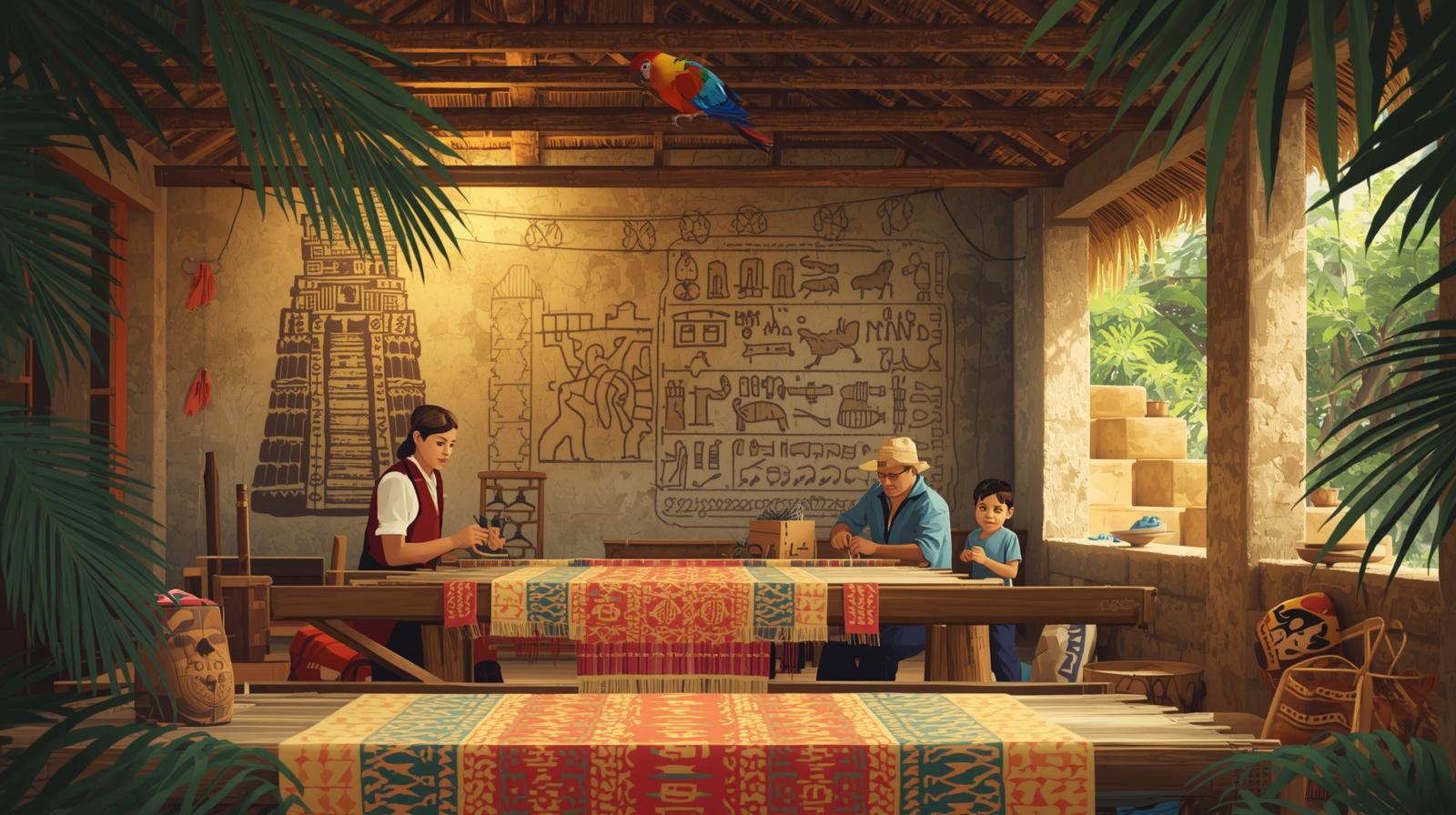
There are places in Mexico that don’t just invite you—they pull you in, whispering through the trees. Palenque is one of them. Hidden deep in the humid jungle of northern Chiapas, this ancient city seems to breathe. Mist hangs over crumbling temples, howler monkeys echo across the canopy, and for a moment, you could swear time stopped. You don’t just visit Palenque—you encounter it.
Have you ever stood somewhere and felt the pulse of centuries beneath your feet?
History & Culture
Long before the Spanish arrived, Palenque was already a powerhouse of the Classic Maya world. Known as Lakamha’ (“Big Water”), it thrived between 600 and 800 A.D., when its rulers—most famously Pakal the Great—turned the city into an artistic and architectural wonder. Every carving tells a story of kings, gods, and the eternal dance between life and death.
What’s fascinating is how the jungle both hides and protects this history. For centuries, Palenque slept under a blanket of green until explorers and archaeologists began to wake it up again in the 18th century. Even now, only a fraction of the site has been uncovered—perhaps 10%—the rest swallowed by roots and time. It’s humbling to realize that the earth is still keeping its secrets.
Mexico’s Southeast Pueblos Mágicos © 2026 All Rights Reserved. Scott Paton Trust
110
Culturally, the nearby town of Palenque keeps that ancient energy alive. Craftspeople weave traditional Chiapaneco textiles, and Mayan languages like Chol and Tzeltal still echo in the markets. It’s not just a ruin—it’s a living bridge between past and present.
Getting There
Reaching Palenque is easier than it looks on the map. From Tuxtla Gutiérrez, it’s about a 5–6 hour drive through lush highlands and twisting mountain roads—scenic if you take your time. Many travelers arrive via Villahermosa, Tabasco, which is closer—roughly two hours by bus or car. Buses from ADO or OCC lines run daily and drop you right into town. If you prefer freedom and detours, rent a car. The route winds through waterfalls, coffee farms, and endless jungle vistas.
Where to Stay
Palenque offers everything from shoestring hostels to jungle-chic eco-lodges.
● Budget: Yaxkin Hostel or Casa Janaab, perfect for backpackers who want to meet
fellow travelers over a cold beer and map out waterfall hunts.
● Mid-range: Hotel Chablis Palenque in the town center offers comfort and a pool to
escape the tropical heat.
● Boutique/Eco-luxury: Chan-Kah Resort Village is a dream—private cabanas
surrounded by jungle sounds, and a pool that feels more like a lagoon.
Staying near the archaeological zone immerses you in nature, while the town offers nightlife, restaurants, and easier access to transport.
What to See and Do
Let’s start with the obvious: the Palenque Archaeological Zone. It’s impossible to overstate how breathtaking it is. The Temple of the Inscriptions—Pakal’s tomb—stands as one of the most important discoveries in Mayan archaeology. Climb the Temple of the Cross for panoramic jungle views, and you’ll understand why early explorers thought they’d stumbled into a lost world.
But Palenque is more than ruins. The region around it overflows with natural beauty.
● Agua Azul Waterfalls: A turquoise cascade system that looks unreal even in person.
The water glows blue against the jungle green.
Mexico’s Southeast Pueblos Mágicos © 2026 All Rights Reserved. Scott Paton Trust
111
● Misol-Ha Waterfall: A single, dramatic drop where you can walk behind the curtain of
water.
● Aluxes Ecopark: A sanctuary for rescued wildlife, from scarlet macaws to crocodiles,
and a great introduction to Chiapas’ biodiversity.
If you have time, join a day trip to Bonampak and Yaxchilán, two remote jungle ruins accessible only by boat. The murals at Bonampak—depicting Mayan rituals, war, and ceremony—will leave you speechless.
Food to Try
Chiapas’ cuisine has its own identity, rooted in Mayan tradition and jungle ingredients. In Palenque, you’ll find it in small Fondas and family-run spots. Try tamales de chipilín, flavored with a local herb that tastes slightly earthy and floral. Pair it with cochito al horno (spiced roast pork) or pollo en mole Chiapaneco, thicker and sweeter than the central Mexican version. For dessert, don’t miss cajeta de coco (sweet coconut candy). And always, always have a cup of Chiapas coffee—dark, rich, and grown in the highlands.
In the evenings, wander to La Selva or Don Muchos, a beloved restaurant-bar near the ruins. Expect live music, open-air vibes, and a mix of travelers swapping stories over wood-fired pizza and cold beer.
Practical Tips
● Weather: Palenque is hot and humid year-round, with rains from May to October. Bring
light clothing, a rain poncho, and breathable shoes.
● Best Time to Visit: November to April offers clearer skies and manageable humidity.
● Essentials: Insect repellent is your best friend. So is water—stay hydrated.
● Souvenirs: Local crafts include embroidered blouses, wooden jaguar masks, and
handmade amber jewelry from nearby Simojovel.
● Language Tip: Knowing a few words of Spanish—or even a “buenos días”—goes a long
way here.
Closing Reflection
Palenque is one of those rare places that makes you feel small—in the best possible way. Standing among temples wrapped in vines, you realize how fragile and temporary we are
Mexico’s Southeast Pueblos Mágicos © 2026 All Rights Reserved. Scott Paton Trust
112 compared to civilizations that shaped entire jungles. Yet there’s also comfort in that realization: the world goes on, beauty endures, and stories remain written in stone.
So when you finally leave, don’t rush. Take one last look at the mist curling over the Temple of the Inscriptions. Listen to the jungle breathe. That’s Palenque telling you its secret—it never really lets you go.
Mexico’s Southeast Pueblos Mágicos © 2026 All Rights Reserved. Scott Paton Trust
113
San Cristóbal de las Casas, Chiapas — The Soul of
the Highlands
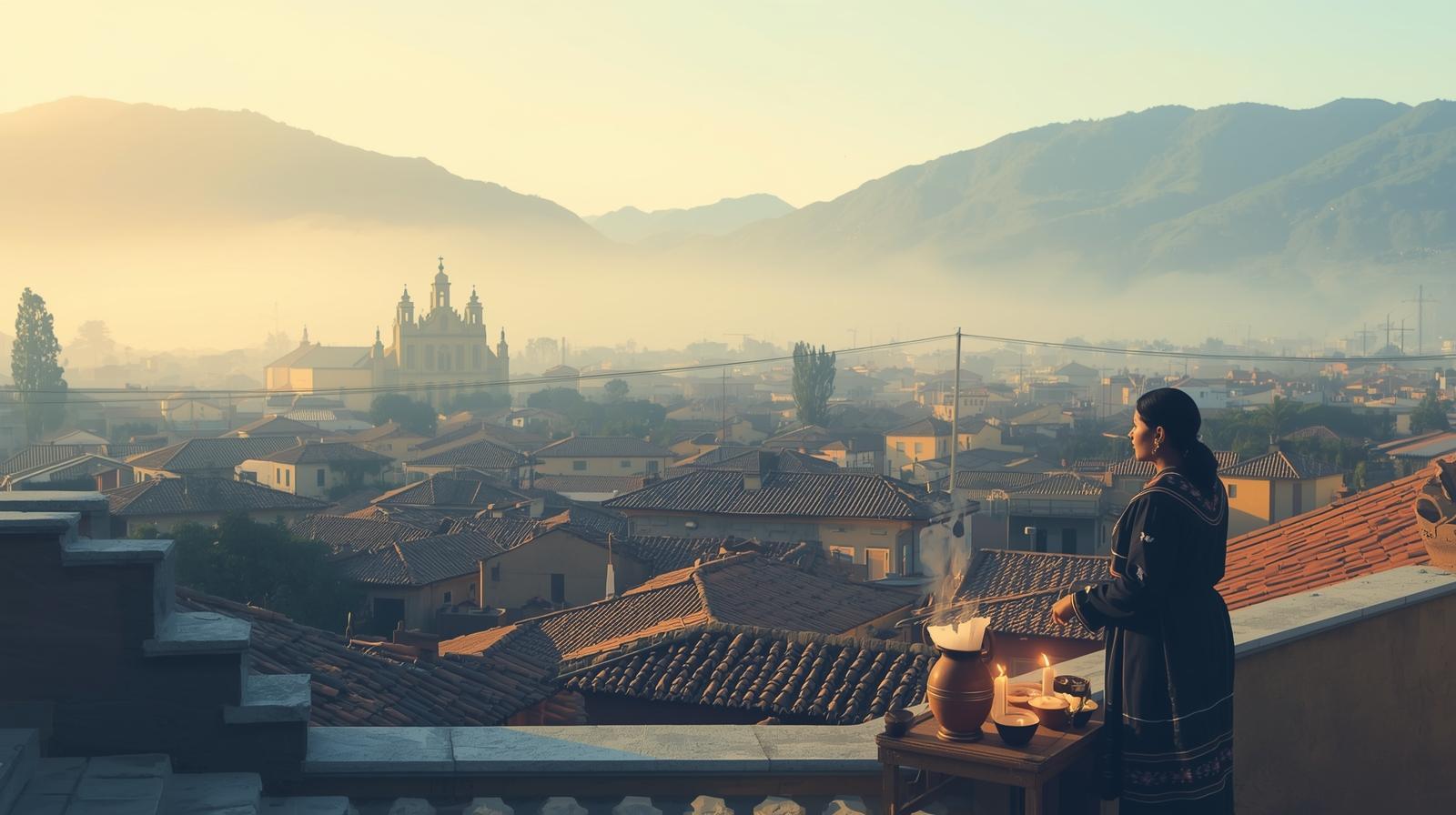
There’s something about San Cristóbal de las Casas that makes time feel elastic. The mornings arrive wrapped in mist, the cobblestones gleam like wet jade, and the smell of roasted coffee beans lingers in the cold mountain air. It’s a place where colonial churches stand shoulder to shoulder with Mayan weavers, and where every corner whispers stories of rebellion, spirituality, and art. Visitors don’t just arrive here — they descend into another rhythm of life. Maybe that’s why travelers who plan for a weekend often find themselves staying for months. What is it about this highland town that makes it so hard to leave?
History & Culture
Founded in 1528 by Spanish conquistadors, San Cristóbal has always been a crossroads — a meeting point of indigenous Tzotzil and Tzeltal Maya traditions with colonial influences. The town became the cultural heart of Chiapas, its streets echoing with church bells and protest chants alike. History here isn’t frozen in museums; it lives in the fabric of daily life.
Walk through the Plaza 31 de Marzo, and you’ll see centuries colliding — women in handwoven huipiles selling textiles beside young baristas serving lattes with latte art. The Cathedral of San
Mexico’s Southeast Pueblos Mágicos © 2026 All Rights Reserved. Scott Paton Trust
114
Cristóbal Mártir, with its mustard-yellow façade and baroque details, watches over it all like a patient guardian.
But this isn’t just a postcard-perfect town. It’s a place of deep identity and resistance. In 1994, San Cristóbal became the stage for the Zapatista uprising, a movement that demanded dignity and rights for Mexico’s indigenous people. That history still hums beneath the surface — in the murals, in the cooperatives, in the quiet pride of the artisans who sell their crafts at the market.
The city breathes a creative defiance — writers, painters, and dreamers are drawn here, sensing the electricity between its sacred traditions and bohemian energy.
Getting There
San Cristóbal de las Casas lies high in the Chiapas Highlands, about 2,200 meters above sea level. Most travelers arrive via Tuxtla Gutiérrez Airport, roughly 45 minutes away by car or shuttle. The scenic drive winds through green valleys and pine forests, each turn revealing glimpses of mountain villages.
Buses from Tuxtla, Palenque, and Oaxaca also connect regularly, offering budget-friendly rides (just bring a sweater — the air gets chilly fast). Once in town, walking is the best way to explore. The streets are narrow and cobbled, perfect for wandering but less ideal for driving.
Where to Stay
San Cristóbal offers every kind of stay, from backpacker hostels to romantic colonial mansions. If you love history with comfort, Hotel Casa Mexicana or Casa Lum blend local architecture with artisan details — think handwoven blankets, clay lamps, and garden courtyards. For a cozier, bohemian vibe, Posada El Paraiso or La Tozi Galería Hotel are filled with art, plants, and soft music echoing through old wooden halls. Budget travelers will find warmth at Hostal El Rincón de los Camellos, a cheerful spot popular with digital nomads and adventurers.
What to See and Do
Start at the Zócalo, the beating heart of San Cristóbal. From there, stroll down Andador Real de Guadalupe, a pedestrian street lined with galleries, coffee shops, and artisan stalls. Each doorway seems to invite you in — to taste, to touch, to linger.
Mexico’s Southeast Pueblos Mágicos © 2026 All Rights Reserved. Scott Paton Trust
115
Climb the Iglesia de Guadalupe steps at sunrise and watch the town glow below. The view is breathtaking, especially when morning fog still curls between the rooftops. Explore Na Bolom Museum, once home to explorers Frans and Gertrude Blom, who dedicated their lives to studying and protecting Maya culture. It’s a quiet sanctuary of photography, artifacts, and jungle lore.
Don’t miss Mercado de Santo Domingo, a sensory overload of colors and sounds — textiles, amber jewelry, spices, and hand-carved masks all competing for your attention. Bargain gently; every piece tells a story, and every vendor is a storyteller.
If you’re feeling adventurous, take a trip to the nearby indigenous villages of San Juan Chamula and Zinacantán. Chamula’s church is an experience unlike any other — pine needles on the floor, candles flickering, and prayers whispered in a mix of Catholic and Maya traditions. It’s sacred and surreal, a glimpse into faith without boundaries.
At night, San Cristóbal transforms. Street musicians fill the air with marimba and guitar, and cozy cafés like Carajillo Expendio or Frontera Artisan Food & Coffee become havens for long conversations. The rhythm slows, and suddenly you feel like part of the town’s gentle heartbeat.
Food to Try
Chiapas cuisine is a love letter to the land — earthy, aromatic, and deeply traditional. Start with tamales chiapanecos, wrapped in banana leaves and filled with savory meat and spices.
Try sopa de pan, a fragrant bread soup with vegetables, or mole chiapaneco, darker and spicier than its Oaxaca cousin.
Don’t miss the café de altura, locally grown highland coffee roasted to perfection — San Cristóbal’s cafés take their brew seriously. Pair it with a slice of dulce de calabaza or artisanal chocolate from Kakaw Museo del Cacao.
And if you’re feeling adventurous? Sip on posh, the local sugarcane liquor. It’s fiery, sweet, and often shared during festivals or after deep conversation.
Practical Tips
● Altitude: At over 2,000 meters, the air is thin and cool — pack a light jacket and drink
plenty of water.
Mexico’s Southeast Pueblos Mágicos © 2026 All Rights Reserved. Scott Paton Trust
116
● Weather: Mornings and nights are chilly year-round, even when days are sunny.
● Best Time to Visit: November to April offers clear skies and vibrant festivals.
● Shoes: Cobblestones demand sturdy walking shoes.
● Souvenirs: Look for handwoven textiles, amber jewelry, and Zapatista-themed art — all
symbols of San Cristóbal’s cultural pride.
Closing Reflection
San Cristóbal de las Casas isn’t just a destination — it’s a mood, a vibration, a slow-burning love affair between past and present. It invites you to slow down, to listen to the wind through the pines, to share stories over coffee with strangers who might just become friends.
You come here curious.
You leave a little transformed.
Because some places don’t just show you their beauty — they make you feel it.
Mexico’s Southeast Pueblos Mágicos © 2026 All Rights Reserved. Scott Paton Trust
117