

Whispers of the Tropic Wind: Exploring the Pueblos Mágicos of Mexico’s Southeast by Scott Paton - HTML preview
Download the book in PDF, ePub, Kindle for a complete version.
Chapter 9: Tlaxcala
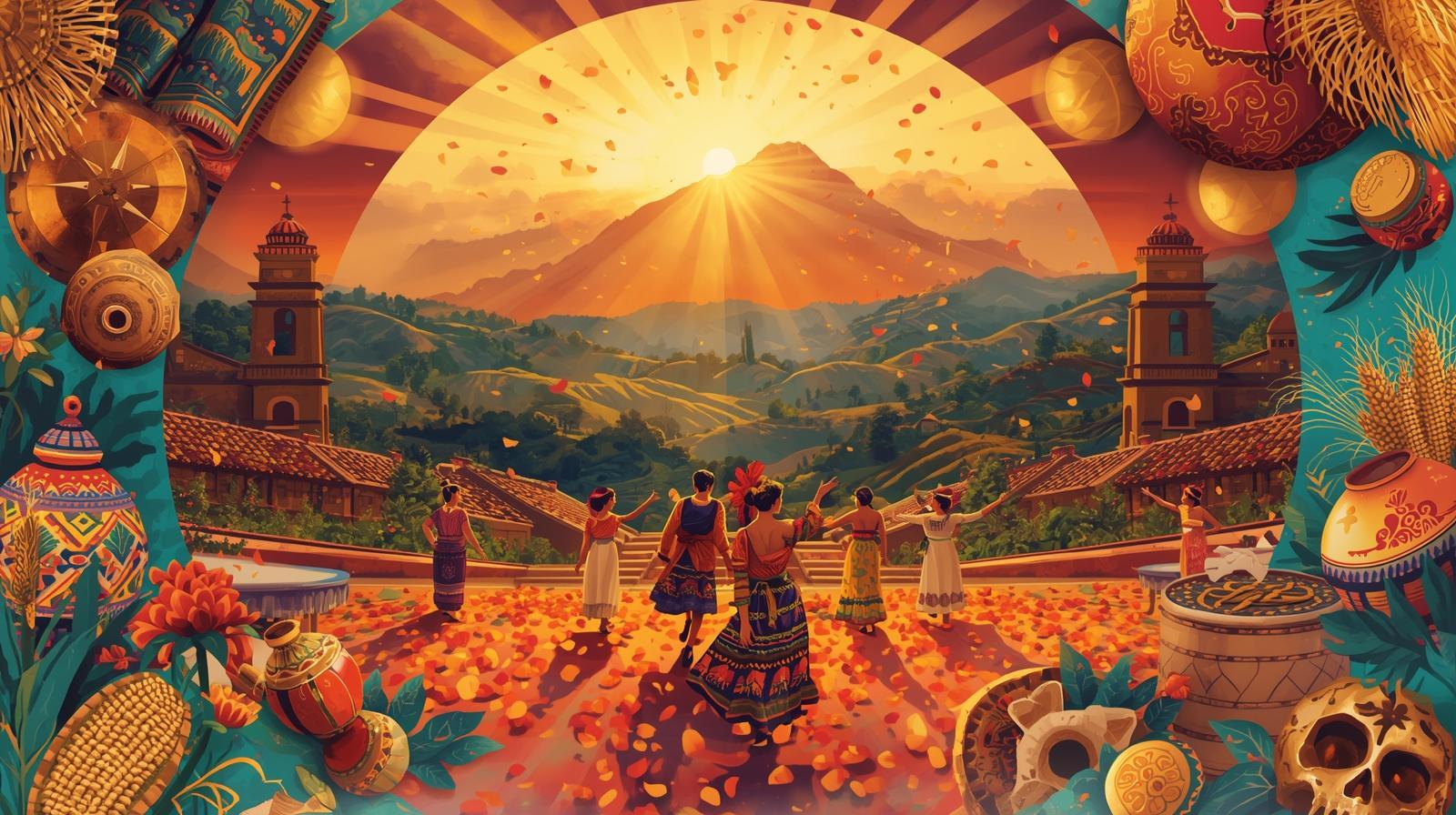
They say Tlaxcala doesn’t exist. That it’s a myth, a punchline, a state people forget to include on the map. But the joke dies the moment you arrive. Because here, beneath a sky that feels closer than anywhere else in Mexico, everything hums with an ancient pulse — the kind that once helped topple an empire.
Tlaxcala is small, yes, but it carries the weight of nations. It was the ally that changed history, the land that witnessed both betrayal and rebirth. Every cobblestone here remembers the footsteps of conquistadors and gods alike. Every church tower hides the echo of drums that refused to go silent.
This isn’t a place that begs for attention — it dares you to look deeper. To wander through towns where murals bleed history, where volcanoes watch like silent judges, and where festivals aren’t performed for tourists but for spirits that still demand respect.
And if you still believe Tlaxcala doesn’t exist — step inside one of its Pueblos Mágicos. You’ll realize the real illusion was thinking Mexico’s smallest state could ever be forgotten.
Mexico’s Southeast Pueblos Mágicos © 2026 All Rights Reserved. Scott Paton Trust
178
Huamantla, Tlaxcala: The Tapestry of Flowers and
Faith
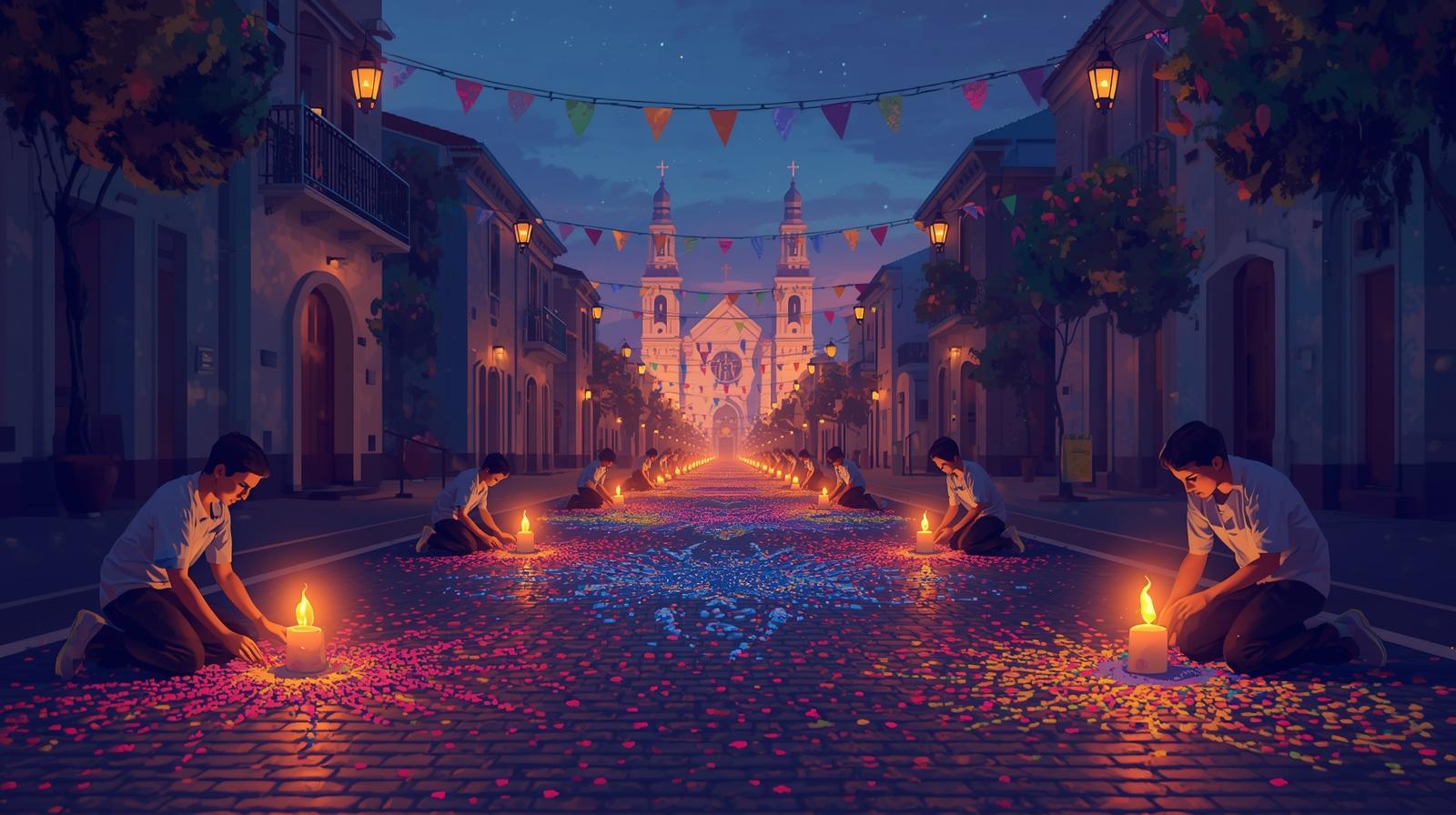
There’s something about Huamantla that makes you slow down. Maybe it’s the crisp mountain air that carries the scent of corn and freshly baked bread, or the way sunlight catches the intricate patterns of colored sawdust carpeting the streets. Either way, Huamantla doesn’t just invite you in—it embraces you like an old friend you didn’t know you missed. It’s one of those Pueblos Mágicos that feels both timeless and alive, as if history and festivity are constantly whispering to each other. And when night falls and the streets glow with lanterns, you can’t help but ask yourself—how can one town hold so much beauty, faith, and color all at once?
History & Culture
Founded in 1534, Huamantla was built at the crossroads of cultures. Long before Spanish settlers arrived, this region was home to the Otomí and Tlaxcalteca peoples, who saw the nearby La Malinche volcano not as a peak, but as a sacred being watching over them. The colonial layout of the town still preserves its 16th-century charm—wide streets, hidden courtyards, and churches with ornate facades that seem to tell stories in stone.
But the real heartbeat of Huamantla is faith—woven, quite literally, into the streets. Each August, during La Noche que Nadie Duerme (The Night When No One Sleeps), the town transforms into a living canvas. Residents create elaborate carpets of colored sawdust and flower petals
Mexico’s Southeast Pueblos Mágicos © 2026 All Rights Reserved. Scott Paton Trust
179 that stretch for kilometers, a devotional path for the Virgin of Charity. Imagine it: soft petals under candlelight, the scent of pine, the murmurs of prayer. It’s art, religion, and community fused into one surreal experience.
Huamantla is also synonymous with bullfighting tradition. While the practice stirs mixed emotions today, its presence in the town’s identity is undeniable. The Museo Nacional del Títere adds another layer of cultural whimsy—dedicated to puppetry, it’s a charming nod to Tlaxcala’s love for storytelling and performance.
Getting There
Reaching Huamantla is refreshingly simple. From Puebla City, it’s a two-hour drive via the Mexico 136D highway, passing through sweeping fields and glimpses of La Malinche’s slopes. From Mexico City, expect around three hours by car. For those relying on public transport, frequent buses depart from both cities, with drop-offs at the central terminal just a short walk from the main plaza. Taxis and mototaxis buzz through the cobblestone streets—ideal for exploring the town’s compact center.
Where to Stay
Huamantla offers a surprising range of stays for such a small town.
● Hacienda Soltepec: A restored 18th-century hacienda once featured in Mexican
cinema, perfect for travelers who want rustic charm with modern comfort.
● Hotel Azulejos: Boutique comfort near the main plaza, blending local art with minimalist
elegance.
● Posada Malinche: A cozy, budget-friendly option for backpackers and solo wanderers.
No matter where you stay, you’ll wake to the scent of pan dulce and church bells—a sensory postcard of small-town Mexico.
What to See and Do
The best way to experience Huamantla is on foot—every corner hides a surprise.
Mexico’s Southeast Pueblos Mágicos © 2026 All Rights Reserved. Scott Paton Trust
180
1. Plaza de Armas:
The heart of the town, surrounded by arcaded buildings and the impressive Parroquia de San Luis Obispo, whose twin towers dominate the skyline.
2. Museo Nacional del Títere (MUNATI):
A must-visit for art lovers and dreamers. Puppets from around the world share space with Mexican marionettes, proof that creativity knows no borders.
3. Ex-Convento de San Luis Obispo:
A peaceful refuge where thick adobe walls and fading frescoes whisper centuries of devotion.
4. La Malinche National Park:
Just outside town, the park’s trails lead adventurers toward the volcano. Whether you hike halfway or summit, the views are worth every step.
5. Annual Feria de Huamantla:
August brings the town to life with music, dance, and the famous sawdust carpets. If you visit only once, make it during this festival—there’s nothing quite like watching the streets bloom under your feet.
Food to Try
Huamantla’s cuisine is a love letter to Tlaxcalan tradition. Start with mole prieto, a dark, smoky sauce rich with local chiles and cacao. Then there’s tlacoyos—thick blue-corn patties filled with beans or cheese, often topped with salsa verde. On market mornings, try atole de maíz azul, a warm corn drink that tastes like comfort itself.
For dessert, seek out muéganos huamantlecos—crispy honeyed squares of fried dough, a local delicacy that travels well (if you don’t eat them all first).
Practical Tips
● Best time to visit: August, for the Feria de Huamantla and the famous night-long
procession.
● Weather: Mild year-round, but evenings can get chilly—bring a light jacket.
● Shoes: Cobblestone streets demand comfortable walking shoes.
Mexico’s Southeast Pueblos Mágicos © 2026 All Rights Reserved. Scott Paton Trust
181
● Souvenirs: Handwoven textiles, sawdust art replicas, and local sweets make thoughtful
keepsakes.
● Language tip: While Spanish is universal here, locals appreciate a friendly “buenos
días” and a smile—it opens doors faster than any phrasebook.
Closing Reflection
Huamantla isn’t a place you just visit—it’s a place that imprints itself on you. The sound of laughter from a family decorating their street, the way the volcano blushes pink at dawn, the lingering sweetness of honeyed muéganos on your tongue—it all weaves into memory like one of the town’s intricate carpets.
You leave Huamantla carrying more than photos. You leave with color in your heart, rhythm in your step, and the quiet understanding that magic, here, is not an illusion—it’s a way of life.
Mexico’s Southeast Pueblos Mágicos © 2026 All Rights Reserved. Scott Paton Trust
182
Tlaxco, Tlaxcala — The Quiet Heart of Craft and Cloud
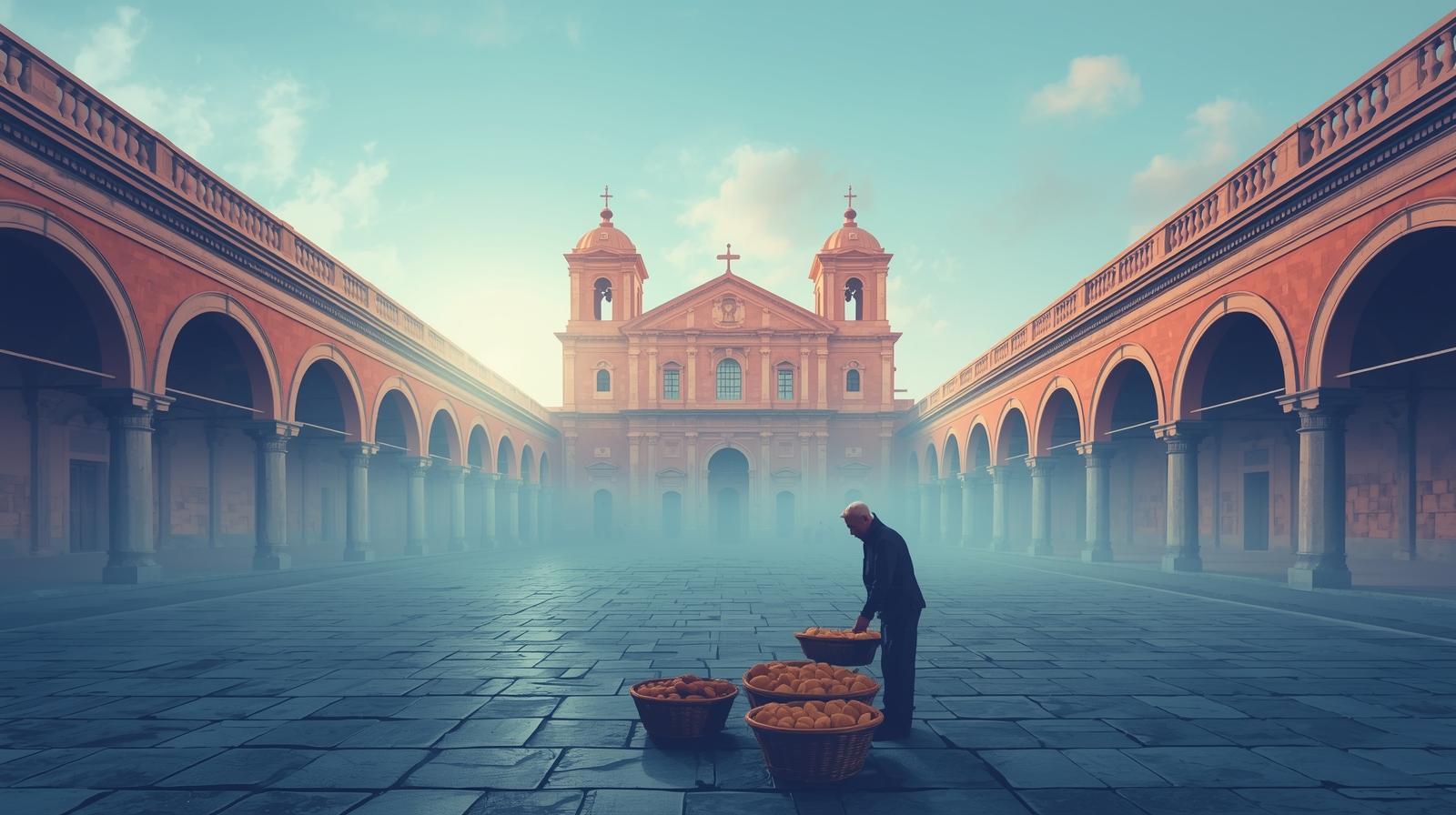
There are towns in Mexico that seem to whisper rather than shout — and Tlaxco is one of them. Cradled in the highlands of Tlaxcala, this Pueblo Mágico doesn’t flaunt its charm. It lets you discover it slowly, like the way dawn creeps over its cobblestone streets and pink-hued façades. You don’t stumble upon Tlaxco by accident — you arrive here on purpose, seeking calm, authenticity, and a taste of old Mexico that still feels alive. And once you do, you’ll find yourself wondering: how did this quiet little town manage to keep its magic so intact?
History & Culture
Tlaxco’s roots stretch back to the pre-Hispanic era, when Otomí and Nahua communities thrived amid pine forests and fertile valleys. Later, Spanish settlers left behind colonial architecture, baroque churches, and a layout centered around the Plaza de la Constitución. But what makes Tlaxco’s history special isn’t just what you can see — it’s what the people remember. Old families still tell stories about the haciendas that fueled the town’s prosperity in the 18th century, when wool and livestock made Tlaxco an economic hub. Some of those grand estates, like Hacienda Tepetzala and Hacienda Xochuca, still stand — weathered, majestic, and slightly melancholic.
The town’s cultural identity is proudly artisanal. Local silversmiths, woodworkers, and cheese makers carry on traditions that have survived centuries. It’s not uncommon to walk into a
Mexico’s Southeast Pueblos Mágicos © 2026 All Rights Reserved. Scott Paton Trust
183 family-run shop and see three generations working together — the grandfather shaping a piece of wood, the daughter polishing a silver pendant, the grandson arranging fresh cheese wheels on display. That continuity, that devotion to craft, is what makes Tlaxco pulse with quiet dignity.
Getting There
Getting to Tlaxco is surprisingly easy yet wonderfully scenic. The town sits about 40 minutes north of Tlaxcala City and roughly two hours from Mexico City. By car, take Highway 119 — the drive winds through rolling hills and pine forests, with views that make you slow down just to take them in.
If you’re arriving by bus, frequent routes connect from Apizaco or Tlaxcala City directly to Tlaxco’s main terminal. Taxis and colectivos are available for short rides between towns, but the best way to experience Tlaxco? Walk. Every corner reveals a mural, a market stall, or a smile worth remembering.
Where to Stay
Tlaxco offers a blend of cozy, rustic, and charmingly unexpected.
● Hacienda Santa María Xalostoc – A beautifully restored estate surrounded by gardens
and ancient trees. Staying here feels like stepping into a living museum of Tlaxcalan history.
● Cabañas Malinche – Ideal for travelers craving pine-scented air and mountain views,
these cabins sit near La Malinche National Park, about 20 minutes away.
● Casa Maguey Tlaxco – A boutique guesthouse in the town center that blends minimalist
design with local art. Breakfast here includes homemade cheese and locally roasted coffee — a small luxury you’ll miss when you leave.
What to See and Do
Tlaxco invites exploration at a human pace. Begin at the Plaza de la Constitución, framed by the Parroquia de San Agustín, a striking 17th-century church with pink cantera stone. Its interior is humble yet filled with a soft, golden light that makes it feel timeless.
Wander into the Museo de Tlaxco, a small but lovingly curated museum that traces the town’s evolution through artifacts, crafts, and local photography.
Mexico’s Southeast Pueblos Mágicos © 2026 All Rights Reserved. Scott Paton Trust
184
If you’re up for a little adventure, head to La Peña del Rosario, an enormous volcanic rock that towers over the valley. Climb it in the late afternoon for a panoramic view of pine forests, haciendas, and distant volcanoes — it’s like standing on the edge of a dream.
Nature lovers can explore the nearby Bosque de Tlaxco, a protected area perfect for horseback riding or hiking. And for a glimpse into rural life, visit one of the local cheese haciendas, where you can watch the process and sample varieties aged in traditional cellars.
Before the day ends, wander into one of the artisan shops along Calle Hidalgo. There you’ll find silver jewelry, hand-carved furniture, and embroidered garments that carry the town’s quiet elegance.
Food to Try
Tlaxco’s cuisine is simple, hearty, and full of local pride. You can’t leave without trying queso de rancho — a semi-aged cheese often paired with honey or cactus jam.
Visit Quesería Lácteos Xochuca or Quesería Tlaxco for tastings, where owners will happily tell you about their aging techniques and family recipes.
Other regional dishes worth savoring include:
● Mixiotes de carnero – tender lamb wrapped in maguey leaves, slow-cooked to
perfection.
● Barbacoa de hoyo – cooked underground in the traditional pit, smoky and rich.
● Pulque – the ancestral fermented agave drink that’s making a comeback among
younger locals.
● Tlaxcalan sweets – particularly muéganos and turrones de nuez, best enjoyed with a
cup of café de olla.
Eating here feels like participating in centuries of culinary tradition — nothing rushed, nothing pretentious, everything genuine.
Practical Tips
● Weather: Tlaxco sits over 2,400 meters above sea level, so expect cool mornings and
crisp evenings. Bring a jacket year-round.
Mexico’s Southeast Pueblos Mágicos © 2026 All Rights Reserved. Scott Paton Trust
185
● Best Time to Visit: April to October offers lush greenery and vibrant festivals, including
the Feria del Queso, el Vino y el Pan, a must for food lovers.
● What to Pack: Comfortable walking shoes for cobblestone streets, a hat for midday sun,
and curiosity — because locals love sharing their stories.
● Souvenirs: Artisanal cheeses, handmade silver jewelry, and wool blankets make
thoughtful keepsakes.
Closing Reflection
Tlaxco isn’t a place you simply visit — it’s a town that happens to you. Its rhythm seeps into your bones: the clang of the church bell, the laughter from the market, the hush of pine trees in the afternoon breeze.
There’s a humility here, a sense that life still unfolds by hand and heart, not by hurry. And maybe that’s the real magic of Tlaxco — it reminds you that stillness is also a form of beauty.
Mexico’s Southeast Pueblos Mágicos © 2026 All Rights Reserved. Scott Paton Trust
186
Ixtenco, Tlaxcala: Where Corn Remembers Its Origins
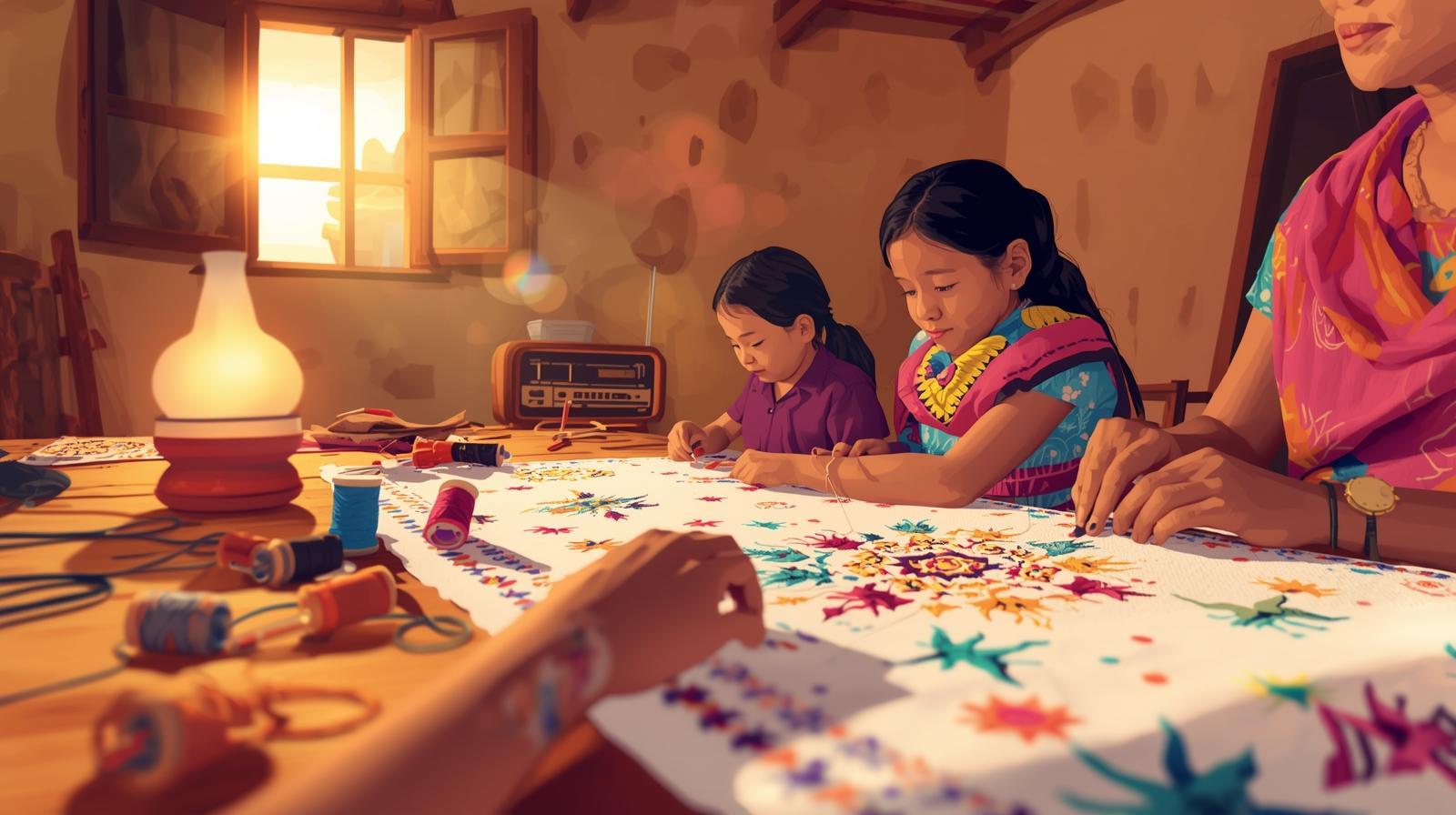
There’s a kind of hush that falls over Ixtenco in the early morning—the sound of wind moving through the fields, the rustle of maize leaves, and the faint chime of church bells echoing across the valley. This is not a town that shouts its magic; it hums it. You feel it in the way elders greet you in Otomí, in the colorful embroidery that tells stories of ancestors, and in the scent of roasted corn that drifts through narrow cobblestone streets. Ixtenco is more than a Pueblo Mágico—it’s a living memory of maize itself.
Ever wondered where corn, that sacred grain of Mexico, still whispers its secrets to those who listen?
History & Culture
Ixtenco is the heart of the Otomí culture in Tlaxcala, one of the few places where this ancient lineage continues to thrive with fierce pride. Long before the Spanish arrived, the Otomí people cultivated the fertile slopes of La Malinche volcano, developing an intimate relationship with maize that would later define Mesoamerican identity.
When the Spaniards came, they brought Catholicism, new architecture, and a veneer of European order—but Ixtenco quietly kept its soul. You can see this duality in the Church of San Juan Bautista, where colonial facades meet indigenous motifs, and in festivals where
Mexico’s Southeast Pueblos Mágicos © 2026 All Rights Reserved. Scott Paton Trust
187 pre-Hispanic dances mingle with Catholic processions. The town’s residents often say that Ixtenco didn’t adapt to time—time adapted to Ixtenco.
Every June, during the Festival del Maíz, locals celebrate not just harvests but heritage. Ancient maize varieties—deep red, black, yellow, and white—are paraded like sacred treasures. For the Otomí, corn isn’t merely food; it’s ancestry in edible form. Each kernel carries a story of endurance, a lesson in balance, and a prayer for rain.
Getting There
Reaching Ixtenco feels like uncovering a well-kept secret. It’s located about 45 kilometers east of Tlaxcala City and roughly two hours from Mexico City.
If you’re driving, take the Puebla–Huamantla route, following signs toward La Malinche National Park. The final stretch offers spectacular views of volcanic slopes and green valleys. For those traveling by bus, frequent routes run from Tlaxcala City to Huamantla, where you can catch a local taxi or colectivo straight into Ixtenco’s center.
And here’s a small tip: try to arrive by late afternoon. Watching the sunset over the fields of ancient corn, with La Malinche silhouetted against the sky, is pure magic.
Where to Stay
Though small, Ixtenco offers cozy lodging that mirrors its humble charm.
● Posada del Maíz – A family-run guesthouse near the plaza with colorful rooms and
homemade breakfast featuring local corn dishes.
● Cabañas La Malinche – Located on the slopes of the volcano, perfect for those seeking
tranquility, nature walks, and crisp mountain air.
● Hotel Huamantla Inn – Just a short drive away, this modern hotel is ideal for visitors
who prefer a few more comforts while exploring Ixtenco’s rural surroundings.
Many travelers opt to stay in nearby Huamantla or Tlaxcala City, using Ixtenco as a day-trip destination—but if you stay overnight, you’ll discover the town’s real rhythm after the tourists leave: the rhythm of laughter, firelight, and quiet stars.
Mexico’s Southeast Pueblos Mágicos © 2026 All Rights Reserved. Scott Paton Trust
188
What to See and Do
1. Church of San Juan Bautista
Dating back to the 16th century, this church is a stunning example of colonial architecture infused with indigenous artistry. Look closely at the altar carvings and you’ll see Otomí motifs hidden within the ornate Catholic designs—a subtle act of cultural resistance.
2. Museo Comunitario Otomí
Run by the community itself, this small but profound museum tells the story of Ixtenco’s people through textiles, tools, and ancestral seeds. The curators are locals—often artisans or teachers—who share personal stories that bring history to life.
3. Maize Fields and Milpa Tours
Walk among the ancient varieties of corn that made Ixtenco famous. Local guides will explain how the milpa system sustains biodiversity by planting maize, beans, and squash together—an ecological harmony perfected over centuries.
4. La Malinche National Park
Just a short drive away, this volcanic park offers hiking, biking, and breathtaking views. On clear days, you can see the Popocatépetl and Iztaccíhuatl volcanoes in the distance.
5. Artisan Workshops
Don’t miss the embroidery cooperatives. Otomí women create textiles that are more than decoration—they’re visual histories. Each pattern represents a story, a myth, or a dream. If you’re lucky, they’ll tell you which one is yours.
Food to Try
Ixtenco’s food is a symphony of color, earth, and history.
● Tlatlapas – A comforting bean soup thickened with masa and flavored with local herbs.
● Tamal de Espiga – Unique to Ixtenco, made with fresh corn husks and filled with tender
grains.
Mexico’s Southeast Pueblos Mágicos © 2026 All Rights Reserved. Scott Paton Trust
189
● Atoles de Colores – Sweet corn drinks tinted with natural dyes—pink from beetroot,
green from herbs, yellow from corn pollen.
● Blue Corn Tlacoyos – Griddled masa pockets stuffed with beans or cheese, served
with a salsa that hums with chili heat.
And don’t skip dessert: pan de maíz (corn bread) with local honey and pulque made from maguey sap—an ancestral drink that tastes like history itself.
Practical Tips
● Best Time to Visit: June and July, during the maize festival, when fields are lush and
the community celebrates its heritage.
● Weather: Cool and fresh year-round due to the altitude; bring a light jacket even in
summer.
● Clothing: Comfortable walking shoes for cobblestone streets; layers for mountain
evenings.
● Souvenirs: Hand-embroidered Otomí textiles, artisan seeds, and handcrafted corn dolls
make meaningful keepsakes.
A final tip—spend time talking to the locals. Many speak both Spanish and Otomí, and their hospitality is as genuine as it is warm.
Closing Reflection
Ixtenco doesn’t dazzle like some colonial towns—it doesn’t need to. Its beauty lies in continuity, in the way old rituals still breathe within modern lives. Standing in a maize field at dusk, with the scent of earth rising and fireflies flickering, you understand why this place endures. It reminds you that Mexico’s magic isn’t found only in churches or plazas—it’s in the humble grain that feeds a nation and in the people who keep its story alive.
Ixtenco is not just a Pueblo Mágico—it’s a heartbeat, steady and strong, pulsing beneath the golden waves of corn.
Mexico’s Southeast Pueblos Mágicos © 2026 All Rights Reserved. Scott Paton Trust
190
About the Author
In 2016, with his youngest son out of the house and a lifetime of responsibilities behind him, Scott Paton made a decision most people only dream about: he left. Not in anger. Not in haste. But in the quiet pursuit of something freer, deeper, and wilder.

He bought a one-way ticket to Morocco — and never really looked back.
For nearly a decade, Scott has lived as a global nomad. From the souks of Marrakesh to the highlands of Colombia, the quiet corners of Portugal, the humid coasts of Southeast Asia, and the rugged heart of Mexico,
he’s followed the unpaved path wherever it led. His story isn’t about running away — it’s about rediscovering what it means to feel alive without needing a fixed address.
A house-sitter by design and wanderer by heart, Alex has found family in the strangers and their pets that he’s cared for, culture in the homes he’s temporarily made his own, and perspective in every border crossing. He calls it: “Living A Life In A Month”.
Today, he calls Mexico home — though his feet still itch for new terrain. He’s a father to two sons, a proud grandfather of three, and a storyteller with a passport full of ink and a heart shaped by the world.
Escape to Mexico Now isn’t just a book — it’s an invitation to reconsider the stories we’re told about aging, freedom, and the meaning of “home.”
We can’t put everything into this book, so we made https://www.EscapeToMexicoNow.com. This is where you can keep up-to-date on all things Mexican.
Considering Residency in Mexico?
We can help. Contact Scott@EscapeToMexicoNow.com. We will set up a time to talk and see how we can support your move to Mexico.
Mexico’s Southeast Pueblos Mágicos © 2026 All Rights Reserved. Scott Paton Trust
191
Recommended Resources
A great way to travel around Mexico is House Sitting. As more and more people from North America retire to Mexico, the need for house sitters grows. Grandparents want to visit family and friends.
Our two favorite sites are
HouseSitMexico
Visit https://EscapeToMexicoNow.com/HSM
Use your personal coupon code to save 20%: scott6814ebcc66ca0
When you join using your unique coupon code, youy'll get 20% OFF* and we'll receive 2 free months added to our membership!
*(You'll pay just $63.20 USD for a one year membership. 2026 - may change in later years)

TrustedHouseSitters
THS is a very popular house Sitting site.

Mexico’s Southeast Pueblos Mágicos © 2026 All Rights Reserved. Scott Paton Trust
192
Mexico will never have as many house sitting opportunities as expensive countries.
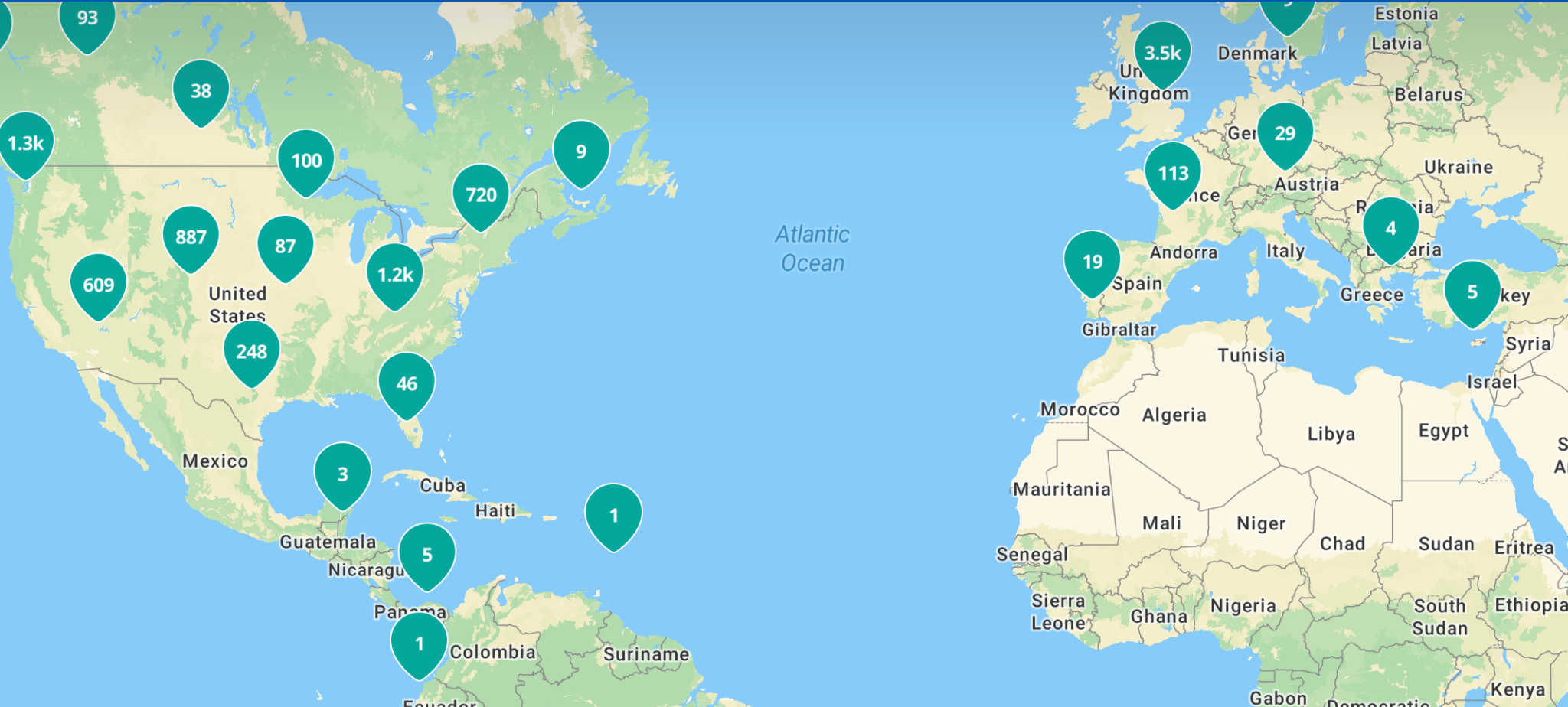
When a “Doggie hotel” can cost as much as your two week vacation, house sitting becomes an inexpensive option for home owners.
The house host does not pay the house sitter. The house sitter does not pay rent or utilities.
It is a good deal for all, and especially, if you want an experience closer to an ‘authentic’ stay in Mexico.
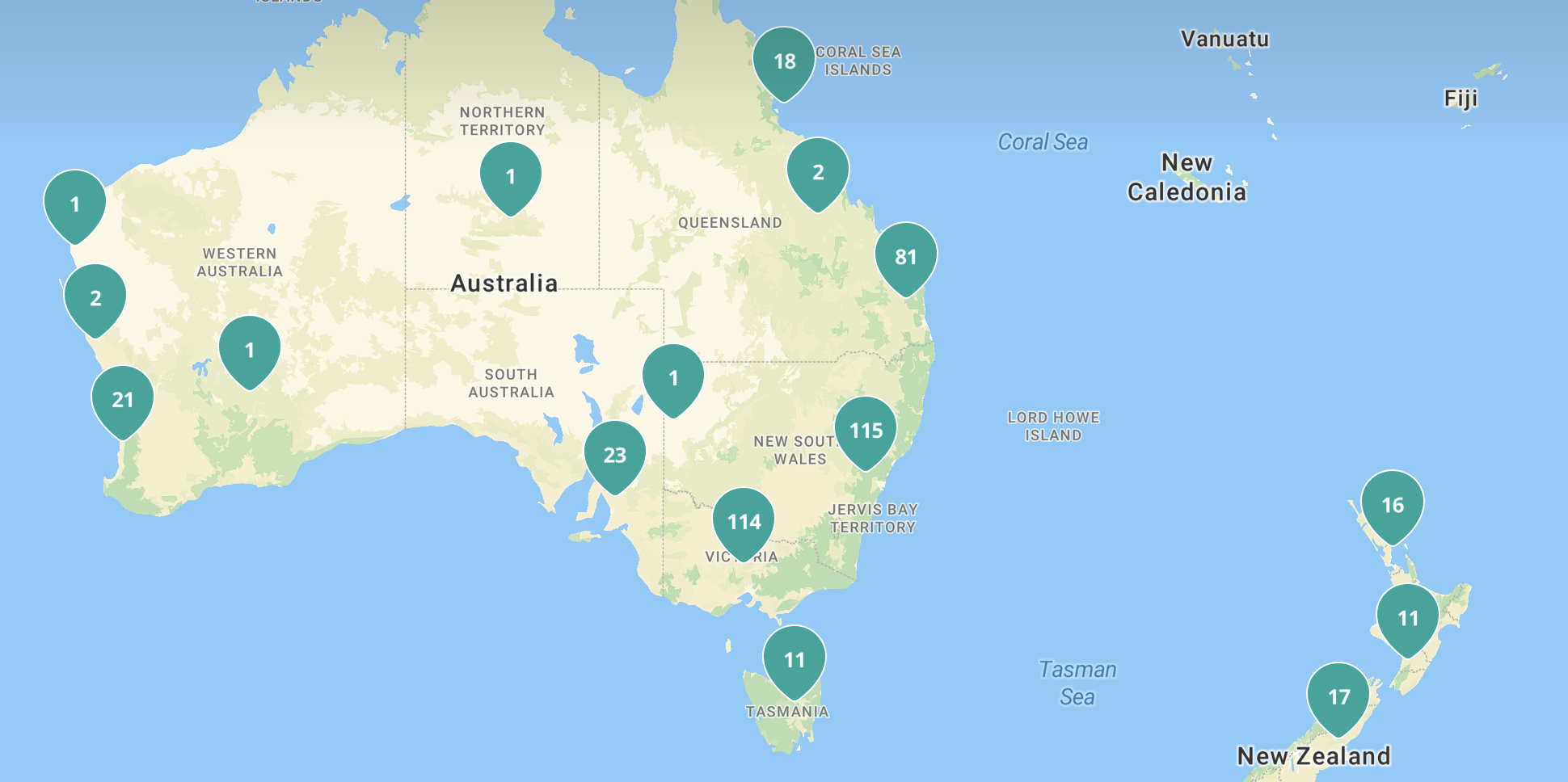
Trusted House Sitter: https://EscapeToMexicoNow.com/ths
Mexico’s Southeast Pueblos Mágicos © 2026 All Rights Reserved. Scott Paton Trust
193
Personal Development
Traveling to new places gets you out of your Comfort Zone. This can be unnerving.
We recommend Miind Ttrainer Pro to calm the mind, expand your horizons or just to deal with any issues stopping you from traveling stress free!
MindTrainer PRO™ helps you unlock peak mental performance, reduce stress, and boost productivity using proven neuroscience and proprietary audio-visual technology.
Backed by Research Trusted by Entrepreneurs, Athletes & High-Performers Easy to Use. Powerful Results.
Watch full video: https://youtu.be/n8NedOk9A44
Learn more about Brain Entrainment: https://escapetomexiconow.com/mindtrainerpro
Health
Travelling brings with it health issues from water and different foods.
I use their products every day. Many times i am sure a stomach ‘bug’ was dealt with before it was an issue by a Life Enthusiast product.
For Mexican visits, I recommend Body Biotics:
https://life-enthusiast.com/products/sbo-probiotics-consortia/?ref=scott
I also recommend Nano Soma:
https://life-enthusiast.com/products/nano-soma-liquid/?ref=scott
Coupon Code 5% off: SCOTTPATON165
In 2001 Life Enthusiast launched online. We now offer unique products in many categories made by manufacturers who are dedicated to delivering quality above cost, customer service above bottom line, and passion for life above the numbers on a spreadsheet.
Our Founder and CEO Martin Pytela, CMTA – that’s Certified Metabolic Typing Advisor – offers his Health Coach services based on Metabolic Typing, a method that helps determine which food and supplement combinations will be most appropriate for you, your Biological Individuality. You may already be aware that what heals one person may make another one worse… Martin is supported by a team experienced and dedicated associates that include a holistic nutritionist, a herbalist, and a fitness specialist. We understand humans, and also pets.
We make it our business to help people reverse chronic degenerative, metabolic conditions, the source of aging and pain that plague so many. Especially if you have been frustrated by the medical system, and its symptom-oriented approach, you will find us to be refreshingly
Mexico’s Southeast Pueblos Mágicos © 2026 All Rights Reserved. Scott Paton Trust
194 different. We believe that emergency room solutions so effective at saving a life are not appropriate for preventing or reversing conditions associated with aging or with system-wide break-downs.
https://life-enthusiast.com/?ref=scott
Coupon Code 5% off: SCOTTPATON165
Work and Income
I am often asked about remote working and building a “Laptop Lifestyle” business.
My friends at the No More 9 to 5 Club are experts at supporting your business and financial goals.
Discover how they can help at https://escapetomexiconow.com/no9-5
###############
NOTE: A few links in this ebook are affiliate links. If you click through and make a purchase, we may receive a small commission—without affecting the price you pay. We only recommend products we genuinely believe in.
###############
Amazon Description
There’s a version of Mexico’s southeast that most travelers miss.
Not the resort corridors. Not the “same three stops” itineraries.
The real southeast is humid air and jungle mist. It’s marimba echoing across a plaza at dusk. It’s cenotes hidden under thick canopy, cacao on your tongue, and ancient stone rising out of green silence.
In Whispers of the Tropic Wind, Scott Paton takes you through Mexico’s most soul-rich Pueblos Mágicos across Veracruz, Tabasco, Campeche, Yucatán, Quintana Roo, Chiapas, Oaxaca, Puebla, and Tlaxcala—places where history isn’t sealed behind glass. It’s lived, cooked, sung, and carried forward by the people who call these towns home.
You’ll wander coffee-scented mountain streets in Veracruz, trace vanilla traditions in Papantla, and feel the pull of Maya worlds in Palenque. You’ll drift beside Bacalar’s “Lagoon of Seven Colors,” step into the golden glow of Izamal, and explore colonial fortresses built to resist pirates and time. And along the way, you’ll find the quiet magic that doesn’t pose for photos—because it doesn’t have to.
This isn’t a rushed checklist guide.
Mexico’s Southeast Pueblos Mágicos © 2026 All Rights Reserved. Scott Paton Trust
195
Each chapter blends vivid storytelling with practical travel help—what to do, how to get there, where to stay, what to eat, and the small details that make a place stay with you long after you leave.
If you’re planning a trip, dreaming from home, or looking for a deeper way to understand Mexico beyond the obvious, this book is your invitation.
Step into the southeast—where the wind carries stories, and every town leaves an imprint.
Mexico’s Southeast Pueblos Mágicos © 2026 All Rights Reserved. Scott Paton Trust
196
You may also like...
-
Move to Mexico: A Guide For Families Travel by Scott PatonMove to Mexico: A Guide For Families
Reads:
41Pages:
74Published:
Oct 2026A relocation guide written specifically for families with school-age children who are considering a permanent or long-term move to Mexico, covering the cities...
Formats: PDF, Epub, Kindle, TXT
-
Beyond the Volcano’s Shadow: Journeys Through Mexico’s Southwest Pueblos Mágicos Travel by Scott PatonBeyond the Volcano’s Shadow: Journeys Through Mexico’s Southwest Pueblos Mágicos
Reads:
5Pages:
114Published:
Apr 2026There is a version of Mexico most travelers never see.Beyond the crowded resorts and polished itineraries lies a wilder, deeper rhythm — where volcanoes breat...
Formats: PDF, Epub, Kindle, TXT
-
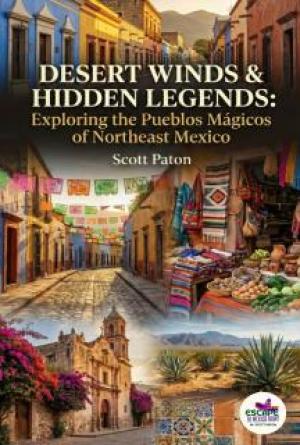
Desert Winds & Hidden Legends: Exploring the Pueblos Mágicos of Northeast Mexico Travel by Scott PatonDesert Winds & Hidden Legends: Exploring the Pueblos Mágicos of Northeast Mexico
Reads:
1Pages:
94Published:
Apr 2026Most people think Northeast Mexico is “just desert.”But deserts don’t stay empty for long when they’re packed with old missions, vineyard towns, mountain hide...
Formats: PDF, Epub, Kindle, TXT
-
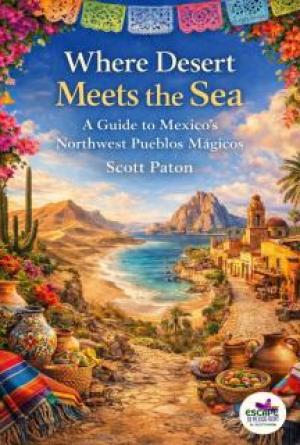
Where Desert Meets the Sea: A Guide to Mexico’s Northwest Pueblos Mágic Travel by Scott PatonWhere Desert Meets the Sea: A Guide to Mexico’s Northwest Pueblos Mágic
Reads:
6Pages:
113Published:
Apr 2026Most people come to Mexico’s northwest for the obvious: the coastline, the big-name beaches, the highway routes.But the real story lives in the in-between pla...
Formats: PDF, Epub, Kindle, TXT