

Whispers of the Tropic Wind: Exploring the Pueblos Mágicos of Mexico’s Southeast by Scott Paton - HTML preview
Download the book in PDF, ePub, Kindle for a complete version.
Chapter 3: Campeche
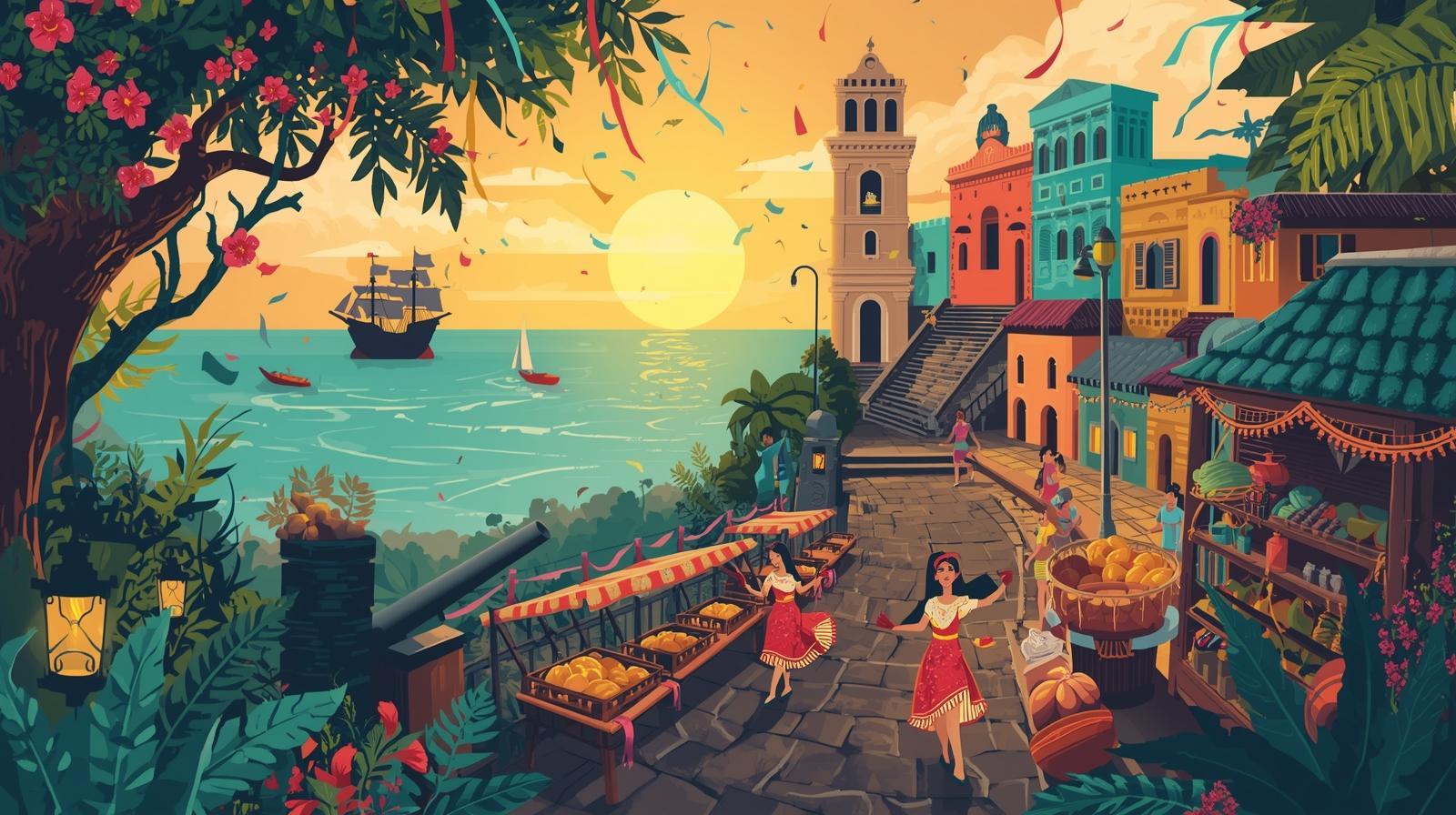
Most travelers think of the Yucatán Peninsula as beaches and cocktails. They have no idea that just beyond the highway—past the endless blur of palm trees—lies a world frozen in time, painted in colors that could blind heaven itself. Campeche doesn’t whisper its beauty; it guards it behind thick stone walls once meant to stop pirates, now keeping out the noise of the modern world.
This is the only state in Mexico where the ghosts wear lace and the streets smell of salt and rebellion. Here, colonial facades gleam like treasure chests at sunset, and every pueblo seems to carry a secret—of Mayan kings, of forgotten invasions, of magic that refuses to die.
If Yucatán is the postcard, Campeche is the plot twist. So, the question is: are you ready to walk through the gates and see what the pirates came for—but never truly found?
Mexico’s Southeast Pueblos Mágicos © 2026 All Rights Reserved. Scott Paton Trust
47
Candelaria, Campeche: Where the River Tells Its Own
Stories

There’s something magnetic about towns built beside rivers—the way water seems to remember, whispering the stories of those who once lived by its banks. Candelaria, tucked deep in the lush jungles of southern Campeche, is one of those places where time doesn’t move in a straight line. It meanders, like the river that gives the town its name. Visitors don’t just arrive here—they drift in, caught by the rhythm of birdsong and the hum of canoes cutting across jade-green water. It’s quiet, yes, but it’s the kind of quiet that’s alive. Have you ever been somewhere that felt like it was breathing alongside you?
History & Culture
Candelaria’s story begins not with colonization, but with the river itself—the Río Candelaria. Long before the Spanish ever mapped the Yucatán, the Mayas navigated these waters, trading jade, obsidian, and cacao between their great cities. The river was their highway, their source of life, and their link to the sacred underworld.
When the Spanish arrived in the 16th century, they brought missionaries and cattle, reshaping the landscape into ranches and missions. The town’s name, dedicated to the Virgin of Candlemas (La Virgen de la Candelaria), reflects that fusion of faiths—the Catholic light layered
Mexico’s Southeast Pueblos Mágicos © 2026 All Rights Reserved. Scott Paton Trust
48 upon Maya spirituality. Yet even now, traces of the old beliefs linger in the way locals bless their boats before a long journey or whisper prayers to the river before diving in.
Candelaria’s culture feels like a tapestry woven from patience and pride. Festivals like La Feria de la Candelaria fill the town with music, color, and devotion every February. Locals parade through streets decorated with palm fronds and paper flowers, honoring both the Virgin and the river that sustains them. It’s a spectacle that feels more heartfelt than grand—a town celebrating its soul, not its show.
Getting There
Getting to Candelaria is half the adventure. From Campeche City, take Highway 186 west toward Escárcega, then south along the route that hugs the river’s curve—about four hours by car. Buses run regularly from Escárcega, and private taxis or shared vans can take you the final stretch.
Travelers from Palenque, Chiapas, often cross through this route, making Candelaria a scenic stop on the way to the Caribbean coast. The roads are well-paved but narrow in parts, cutting through dense greenery that occasionally opens up to reveal grazing cattle or flocks of egrets. If you’re driving, bring good playlists—the scenery deserves its soundtrack.
Where to Stay
Accommodations in Candelaria are modest but full of character. You won’t find high-rise hotels here—just riverside guesthouses, eco-lodges, and family-run inns that treat guests like relatives.
● Hotel Río Candelaria – Right by the river, offering breezy balconies and hammocks for
afternoon siestas.
● Posada El Paraíso Verde – A charming, jungle-shaded stay near the waterfalls, perfect
for travelers craving quiet.
● Eco Cabañas Campamento “Los Pinos” – Rustic cabins surrounded by birdsong,
ideal for eco-tourists and kayakers.
If you’re the type who prefers waking to the sound of water rather than an alarm clock, this town was made for you.
Mexico’s Southeast Pueblos Mágicos © 2026 All Rights Reserved. Scott Paton Trust
49
What to See and Do
1. Navigate the Río Candelaria
The river isn’t just scenery—it’s the town’s beating heart. Rent a kayak or hire a local boatman for a sunrise trip. As mist lifts from the water, you’ll pass mangroves and limestone cliffs that glow gold in the morning light. Herons, kingfishers, and even the occasional crocodile share this natural corridor.
2. Visit the Cascadas de Reforma Waterfalls
A short drive from town, these multi-tiered waterfalls are a favorite local escape. The sound of tumbling water echoes through the jungle, and swimming here feels like entering a secret. Don’t forget to pack your sandals—the rocks can be slippery but worth the climb.
3. Explore the Cueva del Tigre
Legend says a Mayan jaguar spirit guards this cave. Inside, you’ll find ancient rock formations and faint traces of pre-Columbian carvings. Bring a guide; the cave’s history (and humidity) runs deep.
4. Local Life at Plaza Principal
In the evenings, the plaza fills with vendors selling pan dulce, children playing tag, and elders gossiping under the trees. It’s the perfect place to pause and people-watch—proof that the heart of a town beats strongest in its square.
5. Day Trips to Nearby Archaeological Sites
Candelaria is a gateway to lesser-known Maya ruins like El Tigre (Itzamkanac), believed to be where Hernán Cortés executed Cuauhtémoc, the last Aztec emperor. Standing among the overgrown temples, history feels both close and silent.
Food to Try
If Campeche cuisine is a song, Candelaria’s is its folk verse—simple, soulful, and deeply tied to the land. Try:
● Puchero Campechano – A rich meat-and-vegetable stew served with rice and
plantains.
● Tamal de Cazón – A tamal stuffed with shark meat, a coastal delicacy that found its way
inland.
● Pan de Candelaria – A lightly sweet bread baked during the town’s February festival.
● Pozol Frío – A chilled corn-and-cacao drink perfect for humid afternoons.
Mexico’s Southeast Pueblos Mágicos © 2026 All Rights Reserved. Scott Paton Trust
50
Don’t expect fancy plating—expect flavor. Meals are often served family-style, with laughter as the main side dish.
Practical Tips
● Weather: Hot and humid most of the year, with cooler evenings from November to
February.
● Best Time to Visit: Late January to early February for the town’s annual festival.
● Clothing: Light fabrics, sandals, a hat, and plenty of bug repellent.
● Money: Bring cash; ATMs are limited.
● Souvenirs: Handwoven hammocks and small wooden carvings of jaguars—each one
different, like the stories they come from.
Closing Reflection
Candelaria isn’t a town that tries to impress—it simply is. Its charm lies in its rhythm, its humility, and its devotion to both faith and nature. Here, mornings start with the splash of paddles and end with stars mirrored in the river’s slow current. Travelers come for a day and often stay longer, pulled in by something they can’t quite name. Maybe it’s the calm. Maybe it’s the kindness. Or maybe it’s the whispering voice of the river, reminding you that every journey worth taking moves at its own pace.
When you finally leave, you won’t just remember what you saw—you’ll remember how it felt to slow down and listen.
Mexico’s Southeast Pueblos Mágicos © 2026 All Rights Reserved. Scott Paton Trust
51
Isla Aguada, Campeche — The Island That Time
Forgot

There’s something about Isla Aguada that makes time feel slower—like the clocks here tick to a different rhythm. Maybe it’s the way the sunlight bounces off the Gulf waters, painting the wooden boats in liquid gold. Or maybe it’s the way pelicans glide lazily over the lagoon while fishermen haul in their morning catch, chatting about the tides as if nothing beyond the horizon matters. Isla Aguada doesn’t just ask you to visit—it invites you to pause. To breathe. To remember what tranquility feels like.
Have you ever stood somewhere so quiet that you could hear your own heartbeat blending with the sea breeze? That’s Isla Aguada for you.
History & Culture
Once a humble fishing village tucked between the Gulf of Mexico and the Laguna de Términos, Isla Aguada’s story is one of resilience and quiet transformation. Its name literally means “Watered Island,” a nod to the abundant fresh springs that once supplied passing sailors. In the colonial era, the island served as a strategic refueling and rest stop for ships sailing toward the bustling port of Campeche City. But with prosperity came danger—pirates roamed these coasts, forcing locals to fortify their communities and cling tightly to their traditions.
Mexico’s Southeast Pueblos Mágicos © 2026 All Rights Reserved. Scott Paton Trust
52
Over the centuries, Isla Aguada managed to keep its soul intact. You’ll still find pastel-colored wooden houses standing shoulder-to-shoulder along narrow streets, their chipped paint telling tales of hurricanes weathered and fiestas celebrated. The people here live at the intersection of sea and sky—fishermen, artisans, mothers weaving hammocks in doorways, children chasing crabs along the pier. They carry a deep pride in their heritage, one that’s evident in every smile, every “buenos días,” every plate of home-cooked seafood served without pretense.
When Isla Aguada received its Pueblo Mágico designation in 2020, it wasn’t just a recognition of its beauty—it was a promise to protect its identity. The magic isn’t in modern resorts or tourist traps; it’s in the way life unfolds slowly, beautifully, and unapologetically local.
Getting There
Reaching Isla Aguada feels like a small adventure—and that’s part of its charm. Most travelers begin in Ciudad del Carmen, the nearest major city, about 35 minutes away by car. You’ll cross the impressive Puente de la Unidad, a long bridge that stretches over turquoise waters, connecting the mainland to this quiet slice of paradise. Buses and colectivos (shared taxis) make daily runs between Carmen and Isla Aguada, or you can rent a car if you prefer to explore at your own pace.
If you’re coming from Campeche City, expect a scenic 3.5-hour drive along the coast—windows down, sea breeze in your hair, and mangroves lining the road. The journey itself feels like a transition from the busy mainland to a world that still remembers how to live slowly.
Where to Stay
Isla Aguada’s accommodations mirror its unpretentious charm—no mega resorts here, just cozy lodgings where hammocks sway lazily in the ocean breeze.
● Cabañas Laguna Azul – Rustic cabanas right by the lagoon, perfect for watching
sunrise over calm waters.
● Hotel La Huasteca – A small, family-run spot with friendly hosts and home-cooked
breakfasts.
● Villa Isla Aguada – Ideal for couples seeking tranquility, with modern comforts tucked
into traditional architecture.
Mexico’s Southeast Pueblos Mágicos © 2026 All Rights Reserved. Scott Paton Trust
53
If you crave something more intimate, consider staying in a local Airbnb or guesthouse. You’ll likely end up chatting with your host about fishing, folklore, or the town’s dolphin legends over a cup of strong coffee.
What to See and Do
Despite its size, Isla Aguada packs a surprising number of experiences for those willing to look beyond the surface.
● Dolphin Watching Tours: The stars of Isla Aguada’s lagoon are its resident dolphins.
Local guides offer early morning boat trips where you can spot them gliding gracefully alongside fishermen’s skiffs. It’s peaceful, intimate, and utterly magical.
● The Lighthouse and Maritime Museum: The island’s 19th-century lighthouse—painted
in cheerful white and red—now houses a small museum that tells the story of Isla Aguada’s maritime past, complete with old maps, anchors, and ship models.
● Malecon Walks: As the sun dips into the horizon, take a stroll along the waterfront
promenade. Vendors sell coconut water and fried plantains, children play soccer, and the air hums with the sound of laughter and seagulls.
● Laguna de Términos: This vast lagoon is a protected ecological reserve, home to
hundreds of bird species, manatees, and mangroves. Bring binoculars and curiosity—it’s a paradise for nature lovers.
If you’re lucky enough to visit during a local festival, like the Fiesta del Carmen, expect processions, live music, and nights filled with dancing under strings of colorful lights.
Food to Try
Here, the ocean decides the menu.
Start with pan de cazón, a layered tortilla dish filled with shark meat, beans, and tomato sauce—a coastal specialty. Don’t miss the ceviche de camarón, marinated in lime and bursting with freshness. For something heartier, locals recommend pescado frito, crispy fried fish served with rice and plantains.
Mexico’s Southeast Pueblos Mágicos © 2026 All Rights Reserved. Scott Paton Trust
54
Wash it down with a cold agua de coco or a locally brewed beer while watching the sunset. And for dessert? Try dulce de papaya or cocadas—sweet coconut confections sold by street vendors who’ve been perfecting the recipe for generations.
Every bite here tells a story of the sea, of patience, of recipes passed down through loving hands.
Practical Tips
● Best Time to Visit: November to April offers pleasant weather and calmer seas.
● Clothing: Light fabrics, sandals, and a wide-brimmed hat are your best friends.
● Connectivity: Internet is available but spotty—consider it part of the detox.
● Money: Bring cash; not every establishment accepts cards.
● Souvenirs: Handwoven hammocks, seashell crafts, and local honey make thoughtful
gifts.
Most importantly—slow down. Isla Aguada rewards those who linger.
Closing Reflection
Isla Aguada doesn’t shout for attention; it whispers. It’s not a place you visit for luxury, but for peace—for the feeling of belonging to something older, simpler, and more human. Standing on the pier at dusk, watching the horizon melt into indigo, you might realize that the island hasn’t changed much in centuries. And maybe, just maybe, that’s its greatest gift.
Because in Isla Aguada, the real magic isn’t in what you do—it’s in what you stop doing. You stop rushing. You stop worrying. You just… are.
Mexico’s Southeast Pueblos Mágicos © 2026 All Rights Reserved. Scott Paton Trust
55
Palizada, Campeche — The River Town That Glows
with French Charm
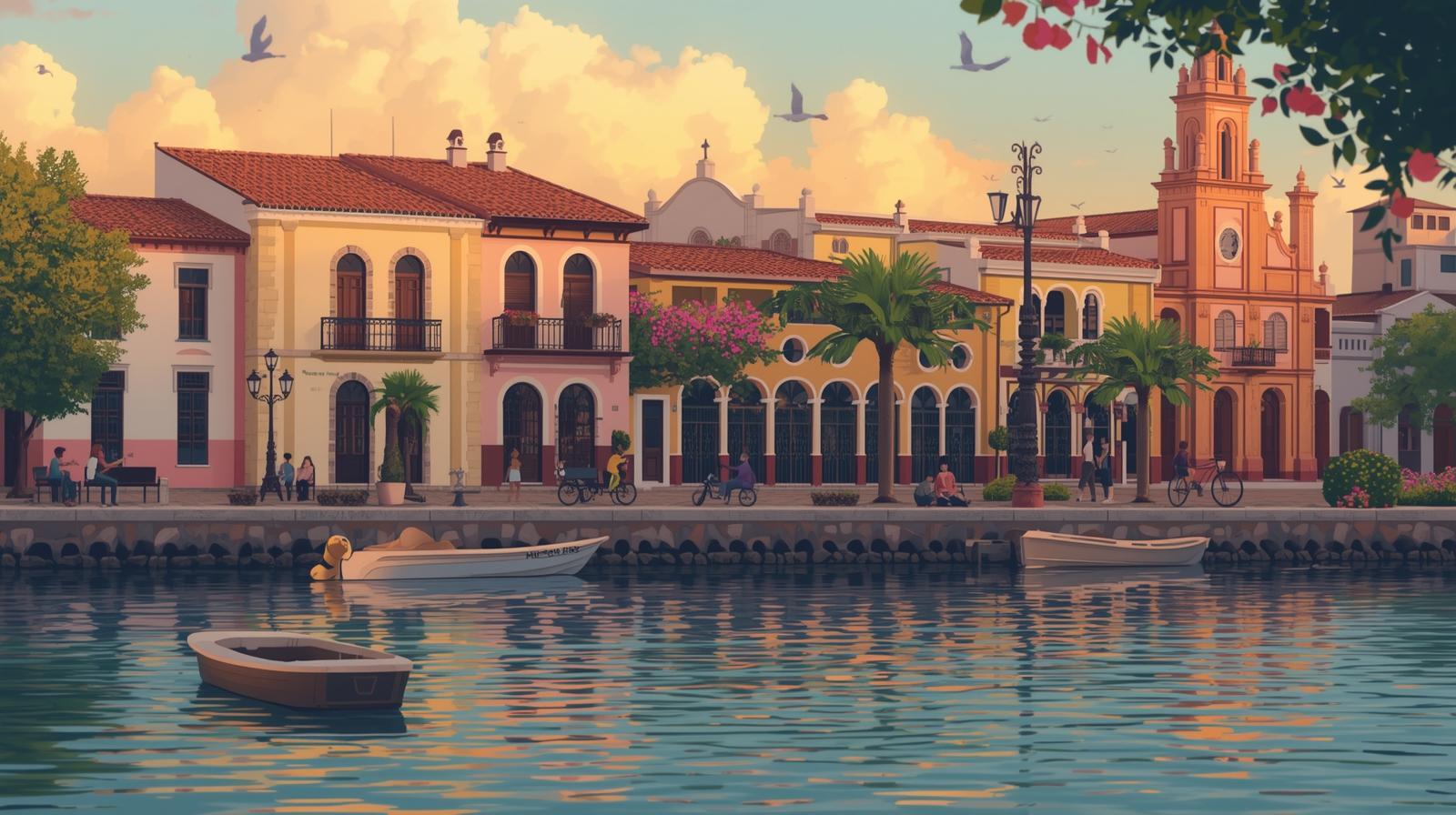
There’s something instantly disarming about Palizada. Maybe it’s the way the soft orange light bounces off the terracotta roofs at sunset, or how the river glides past the pastel-colored houses like an unhurried local. Palizada doesn’t try to impress — it simply exists in grace. Nestled along the banks of the Palizada River, this Pueblo Mágico seems to live in its own rhythm: slow, elegant, and a little nostalgic. Visitors often say it feels like time forgot to hurry here — and honestly, that might be the town’s greatest gift.
History & Culture
Founded in the 17th century, Palizada’s story flows much like its river — full of crossings, influences, and quiet strength. The town once served as a vital trading route between the Gulf of Mexico and the inland communities of Campeche and Tabasco. Its prosperity attracted European traders, especially the French, whose architectural imprint still lingers in the iron balconies and gabled windows you’ll see lining the streets.
There’s a curious blend of Campechano and French spirit here. Locals proudly preserve their colonial homes, painting them in hues of lilac, salmon, and turquoise — a painter’s dream against the deep green riverbanks. Walking through town feels like drifting through a watercolor painting, each corner revealing a new shade of tranquility.
Mexico’s Southeast Pueblos Mágicos © 2026 All Rights Reserved. Scott Paton Trust
56
At the heart of it all stands the Iglesia de San Joaquín, a graceful 18th-century church whose modest façade hides a luminous golden altar. Each September, during the Fiestas de San Joaquín, the whole town erupts into color — with processions, marimba music, and boats decorated in flowers that glide along the river at night like floating lanterns.
Getting There
Palizada may be remote, but that’s precisely what keeps it magical. The nearest major city is Ciudad del Carmen, about 150 kilometers away. From there, travelers can rent a car and follow the scenic route through lush wetlands and sleepy ranch towns — a two-hour drive that feels like an unfolding story.
Buses from Escárcega or Campeche City also serve Palizada daily, though slower, they offer a glimpse of rural life — cattle grazing in fields, herons wading through flooded meadows, and kids waving from wooden porches.
If you’re arriving from Tabasco, the road from Frontera is another charming approach, tracing the edges of the river that shares the town’s name.
Where to Stay
Palizada’s accommodations are small, personal, and steeped in charm. Forget high-rise hotels — here, you’ll find family-run inns with tiled courtyards and bougainvillea vines curling around hammocks.
● Hotel La Casona del Río – A restored colonial mansion overlooking the river. Wooden
shutters, creaky floors, and morning coffee served on a shaded veranda.
● Posada Doña Lilia – A budget-friendly stay just steps from the main plaza, offering
bright rooms and homemade breakfasts.
● Casa del Río Guesthouse – Perfect for travelers seeking quiet comfort, with a dock for
watching sunsets over the Palizada River.
What to See and Do
Palizada’s magic isn’t loud — it’s whispered in small details. Start at the Malecón, the scenic riverside promenade, where colorful houses line up like pastel toy blocks. Locals sit on benches chatting, fishermen mend their nets, and children race bicycles under the shade of almond trees.
At the center of town, the Plaza Principal draws you in with its French-inspired lampposts and wrought-iron gazebo. Nearby stands the famous statue of the Palizada Duck, a quirky symbol of the town’s identity — both playful and proud.
Mexico’s Southeast Pueblos Mágicos © 2026 All Rights Reserved. Scott Paton Trust
57
History buffs will enjoy the Museo de la Ciudad, where artifacts from the colonial period reveal Palizada’s trading past. But for pure magic, take a boat ride along the Palizada River at golden hour. The reflections of the houses shimmer on the water like melted amber, and if you’re lucky, you might spot herons or turtles gliding alongside your boat.
Don’t miss the wooden houses on stilts — remnants of 19th-century French design — and the Iglesia de San Joaquín, where locals often gather for evening mass, the bells echoing softly across the riverbanks.
For nature lovers, a short trip out of town leads to La Encrucijada Lagoon, a peaceful spot surrounded by mangroves and alive with bird calls. It’s ideal for kayaking, photography, or just breathing in the warm, humid air of the Campeche lowlands.
Food to Try
Palizada’s cuisine is humble yet rich, shaped by river, ranch, and tradition. Begin with Pejelagarto asado — grilled garfish seasoned with local herbs, served fresh from the river. Pair it with tortillas de maíz recién hechas and a side of chaya con huevo (eggs scrambled with local greens).
For a true local favorite, try puchero de res, a hearty beef stew with plantains and yuca, or tamalitos de chipilín, made with a regional herb that gives them a delicate, earthy flavor.
At dessert time, you can’t go wrong with dulce de papaya con queso or a scoop of coconut ice cream from a street cart by the plaza. And of course, order a café de olla, rich with cinnamon and piloncillo, to sip slowly as the river glows with evening light.
Practical Tips
● Best Time to Visit: November to March offers cooler weather and fewer mosquitoes.
Avoid the peak rainy season (June–September) when the river occasionally floods.
● What to Pack: Light clothing, comfortable sandals for walking, and a wide-brimmed hat
— Palizada’s sun can be fierce.
● Local Etiquette: Greet with a warm “buenos días” or “buenas tardes.” Small courtesies
go a long way in this friendly town.
● Souvenirs: Handcrafted wooden ducks, embroidered blouses, and locally produced
honey make perfect keepsakes.
Closing Reflection
Mexico’s Southeast Pueblos Mágicos © 2026 All Rights Reserved. Scott Paton Trust
58
Palizada isn’t about ticking off sights — it’s about feeling time slow to the rhythm of the river. There’s poetry in the way the houses lean toward the water, in the soft clatter of horse hooves on cobblestone, and in the laughter that carries across the plaza at dusk. This Pueblo Mágico holds the kind of serenity that makes you forget notifications, deadlines, and everything that demands haste.
In Palizada, you rediscover something beautifully simple — the joy of doing nothing in a place that has everything you didn’t know you needed: stillness, color, and quiet wonder.
Mexico’s Southeast Pueblos Mágicos © 2026 All Rights Reserved. Scott Paton Trust
59
Izamal, Yucatán — The Yellow City of Light
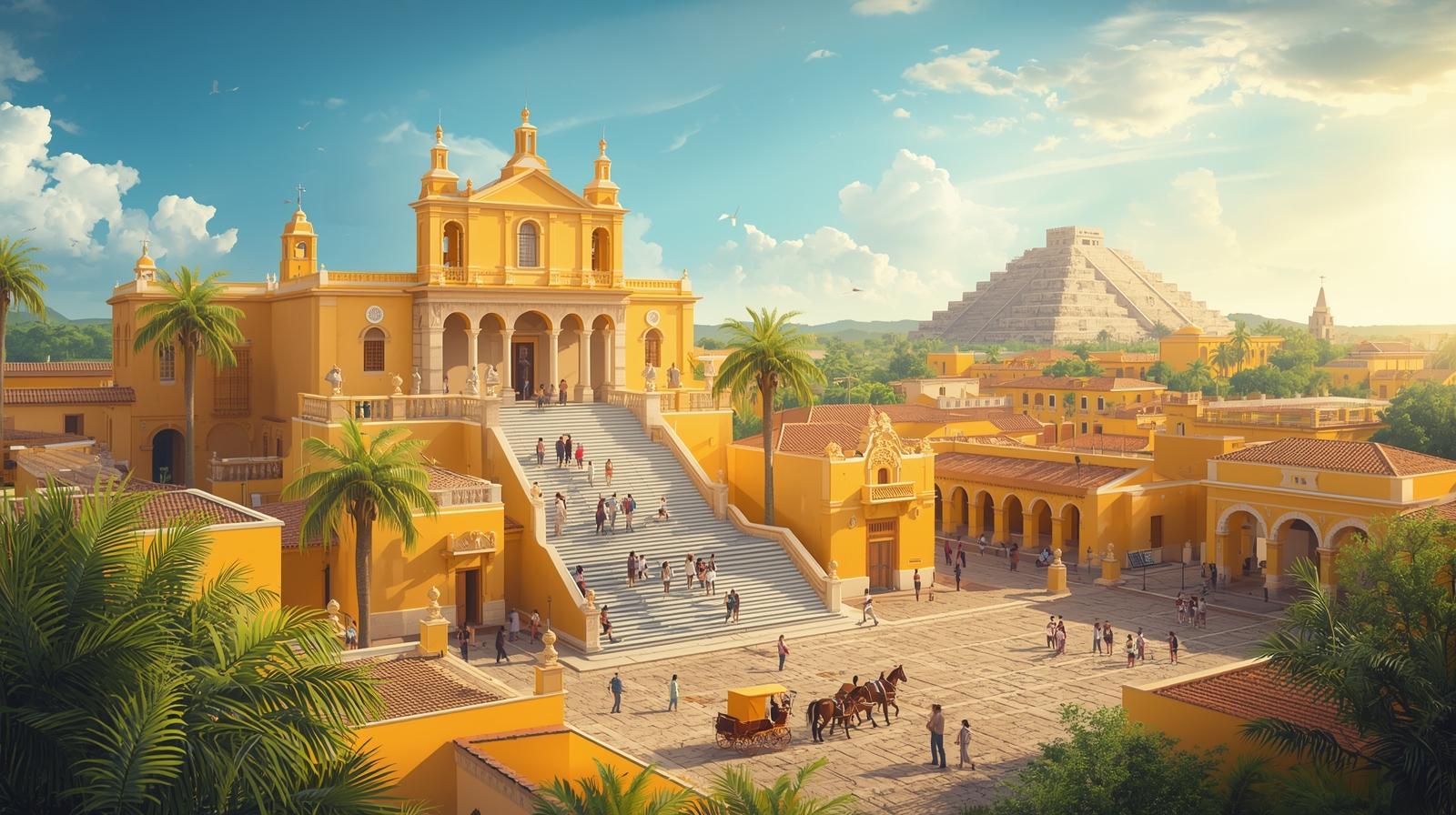
Imagine stepping into a town where everything glows gold. Not just the walls, but the very air seems to shimmer with sunlit reverence. Izamal—painted head to toe in warm, honeyed yellow—is one of those places that makes you stop, squint, and smile. It’s not just a color scheme; it’s a state of mind. Here, every cobblestone hums with centuries of devotion, every courtyard whispers of saints and gods long intertwined. It’s the kind of town that makes you wonder: how can a place so small hold so much light?
History & Culture
Long before the Spanish arrived, Izamal was a major Maya ceremonial center dedicated to the god Itzamná, lord of creation and wisdom. Its name itself—derived from Itzamná—suggests divine beginnings. The ancient city sprawled across massive pyramids, plazas, and temples, most of which still rest beneath the colonial town we walk through today.
Then came the Spaniards, who, like so many colonizers, saw both faith and opportunity in conquest. They built the Convento de San Antonio de Padua directly atop one of the Maya pyramids, a symbolic act of domination but also a merging of worlds. The convent remains Izamal’s glowing heart—its massive atrium second only to the Vatican’s. It’s surreal to stand there, feeling the stones of two civilizations beneath your feet.
The yellow paint? It’s said to commemorate Pope John Paul II’s visit in 1993, but locals will tell you the color predates that—representing both maize, sacred to the Maya, and light, sacred to
Mexico’s Southeast Pueblos Mágicos © 2026 All Rights Reserved. Scott Paton Trust
60 the Catholic faith. It’s that blend—of ancient and colonial, of gods and saints—that defines Izamal’s charm.
Walk the streets at dusk, when the sunlight softens into amber, and you’ll see grandmothers sweeping their stoops, children riding bikes past mustard-colored walls, and the faint sound of church bells drifting over cobbles. Izamal isn’t a museum—it’s a living painting.
Getting There
Izamal sits about 72 kilometers (45 miles) east of Mérida, making it a perfect day trip—or a peaceful overnight escape—from the Yucatán capital.
By car, take Highway 180 east; the drive takes about an hour. Buses and colectivos (shared vans) run regularly from Mérida’s Noreste terminal, dropping you near the main square. If you’re arriving from Valladolid, expect a two-hour journey through gently rolling countryside dotted with cenotes and small villages.
Once in town, walking is your best friend. Everything worth seeing lies within a few sunlit blocks, and the slow pace is part of the experience. Don’t rush—Izamal rewards those who linger.
Where to Stay
Despite its size, Izamal offers delightful options for every traveler:
● Budget: Hotel San Miguel Arcángel – Cozy rooms just off the plaza, perfect for those
who want simplicity and charm.
● Mid-range: Macan Ché Bed & Breakfast – A lush garden oasis with a pool and
home-cooked Yucatecan breakfasts served under palm trees.
● Boutique: Hotel Rinconada del Convento – Across from the convent, it offers colonial
arches, terracotta floors, and a rooftop view that glows golden at sunset.
Many travelers choose to stay one night and let the magic of evening settle in—when the day-trippers leave and the town sighs back into its rhythm.
What to See and Do
The Convento de San Antonio de Padua is non-negotiable. Climb the wide stone steps and enter a place that feels suspended in time. The view from the top sweeps across rooftops and pyramids poking through the trees—a panorama of history layered like pages in an old book.
Then, wander toward the Kinich Kakmó Pyramid, named for the Sun God. It’s one of the largest pyramids in Mexico by volume, yet often blissfully quiet. Climb to the summit, and you’ll
Mexico’s Southeast Pueblos Mágicos © 2026 All Rights Reserved. Scott Paton Trust
61 see why the Maya chose this spot—360 degrees of golden rooftops, palm trees, and endless sky.
Other gems include:
● Casa de los Hechizos (House of Witches) – Local legends abound; ask an abuela and
you’ll get at least three versions.
● Museo de la Comunidad – A small but insightful museum explaining how Maya life and
Catholic rituals coexist here.
● Horse-drawn calesas – A bit touristy, yes, but clip-clopping through yellow streets at
sunset feels cinematic.
If you visit in December, don’t miss the Festival of the Virgin of Izamal, when fireworks, processions, and traditional dances fill the plaza with life and devotion.
Food to Try
You can’t leave Izamal without tasting relleno negro—a rich turkey stew simmered in charred chile sauce, earthy and unforgettable. For a lighter bite, try panuchos and salbutes—crispy or fluffy tortillas topped with shredded turkey, avocado, and pickled onions.
Locals swear by Kinich Restaurant, a thatched-roof gem where everything tastes like it came straight from someone’s abuela’s kitchen. Order the sopa de lima and a horchata on the side, then linger for dessert—papaya en almíbar, slow-cooked papaya in syrup, sweet enough to stop time.
And if you’re lucky enough to find a vendor selling marquesitas (crispy rolled crepes with cheese and Nutella), don’t hesitate. They’re the Yucatán’s love letter to your sweet tooth.
Practical Tips
● Best Time to Visit: November to March brings pleasant, cooler weather. April to June
can be hot; July through October may bring afternoon rains.
● What to Wear: Light, breathable clothes, a hat, and walking sandals. Izamal’s
cobblestones and heat can surprise you.
● Souvenirs: Look for hand-embroidered huipiles, henequén hammocks, and
beeswax candles made in local workshops.
Mexico’s Southeast Pueblos Mágicos © 2026 All Rights Reserved. Scott Paton Trust
62
● Connectivity: Wi-Fi is common in hotels but spotty in the streets—embrace the digital
detox.
Pro tip: Stay past twilight. When the lamps flicker on and the yellow façades deepen into amber, Izamal becomes otherworldly.
Closing Reflection
Izamal isn’t just another colonial town—it’s a conversation between worlds. Between the Maya who built pyramids to touch the heavens, and the friars who crowned them with churches. Between the quiet rhythms of modern life and the echo of ancient prayers.
Every corner feels touched by light, by reverence, by some invisible harmony that refuses to fade. You come here expecting to see color—and you do—but you leave realizing that Izamal’s real magic isn’t its paint. It’s its peace.
Maybe that’s what makes it unforgettable: in a world that moves too fast, Izamal still glows at its own sacred pace.
Mexico’s Southeast Pueblos Mágicos © 2026 All Rights Reserved. Scott Paton Trust
63
Valladolid, Yucatán — The Soul of the East
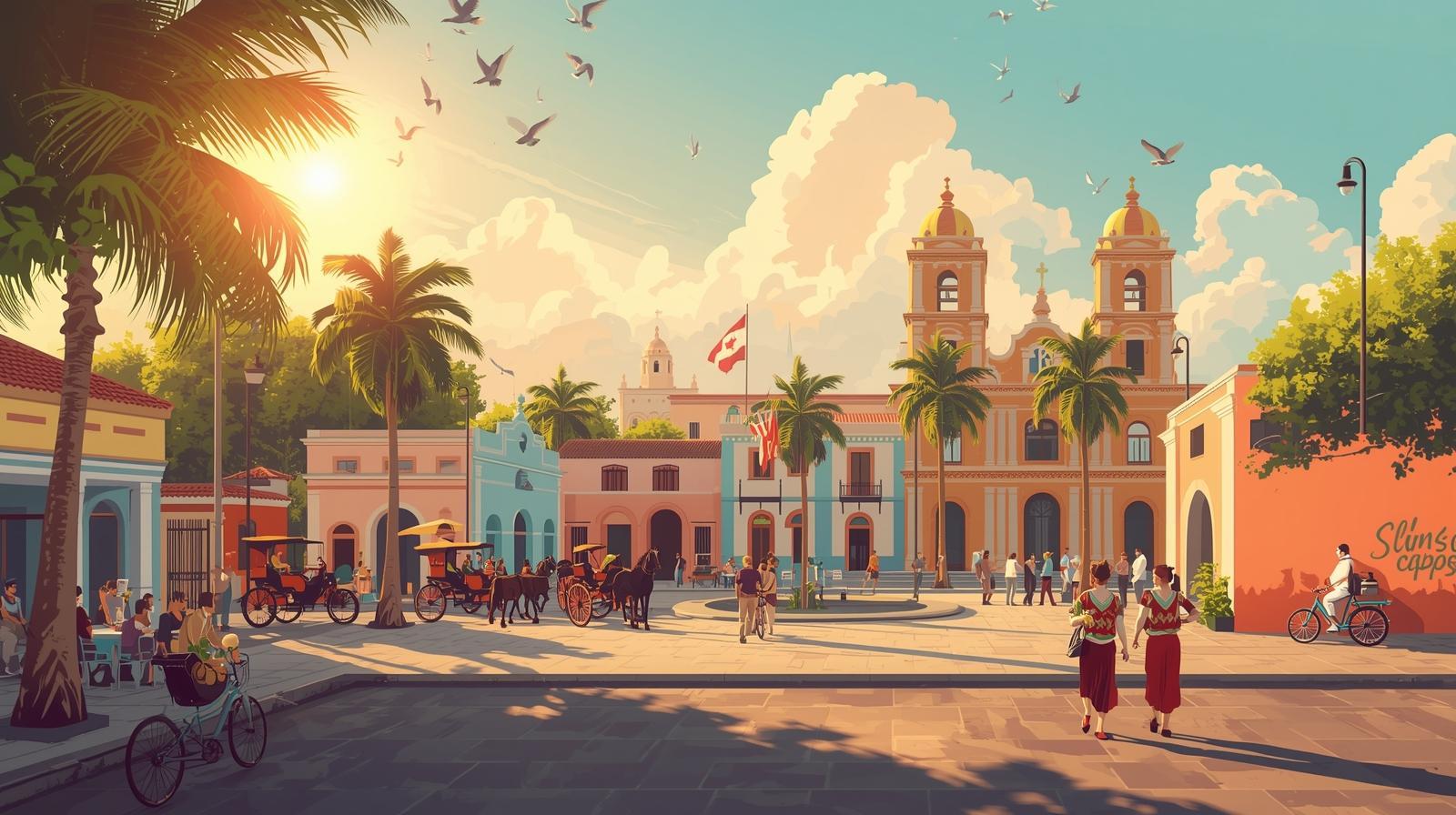
There’s something in the air the moment you step into Valladolid — a fragrance of tamarind, the echo of colonial bells, and the slow rhythm of a town that seems to exist in a softer century. You can’t rush Valladolid. It won’t let you. The pastel façades seem to whisper stories from the 1500s, while the chatter from corner taquerías reminds you that this is still a living, breathing heart of Yucatán. Some call it “La Sultana del Oriente” — the Sultaness of the East. But really, Valladolid is more like a poem written in sunlight and shade.
History & Culture
Founded in 1543 by Spanish conquistadors on the remains of the Mayan city of Zací, Valladolid has always been a city of dual identities — part Maya, part Spanish, forever intertwined. The town has seen revolts, revolutions, and rebirths. The 1847 Caste War began here — an uprising that shook the entire peninsula and remains embedded in its collective memory.
Today, that history lingers in every cobblestone and courtyard. You’ll see it in the quiet dignity of women wearing huipiles embroidered with flowers, and in the proud gaze of artisans selling hammocks woven by generations of their family. Valladolid isn’t just preserved history — it’s living culture.
Mexico’s Southeast Pueblos Mágicos © 2026 All Rights Reserved. Scott Paton Trust
64
Wander around the Convent of San Bernardino de Siena, one of the oldest in the Americas, and you’ll feel time bend. The stone walls still hum with monastic quiet, while at night, projection shows illuminate its façade with stories of Mayan legends and colonial faith.
Getting There
Valladolid sits right in the heart of the Yucatán Peninsula, roughly halfway between Mérida and Cancún.
● By car: Take Highway 180D — it’s about a two-hour drive from either city.
● By bus: ADO buses connect Valladolid to major cities several times a day. The terminal
is just a few blocks from the main square.
● By colectivo: From Tulum or Playa del Carmen, shared taxis (colectivos) offer a
budget-friendly way to arrive while mingling with locals.
Once you’re in town, everything is delightfully walkable. For cenotes and nearby ruins, hire a taxi or rent a bicycle — the Yucatecan sun will make every pedal worth it.
Where to Stay
Valladolid’s accommodations mirror its soul — small, colorful, and unpretentious.
● Budget: Hostal Tunich Naj offers hammocks, garden patios, and fellow travelers who
swap stories over cold cervezas.
● Mid-range: Casa San Roque Valladolid blends colonial arches with a refreshing
courtyard pool.
● Boutique: Le Muuch Hotel feels like stepping into a private oasis — vibrant tiles, leafy
courtyards, and gourmet breakfast under the bougainvillea.
Each stay feels intimate, as if the town itself is whispering “bienvenido” in your ear.
What to See and Do
Start your day at Parque Francisco Cantón Rosado, the beating heart of the town. It’s surrounded by pastel-colored mansions, ice cream carts, and the stunning Iglesia de San Servacio, whose twin bell towers rise like guardians of time.
Mexico’s Southeast Pueblos Mágicos © 2026 All Rights Reserved. Scott Paton Trust
65
Don’t rush. Sit. Watch life unfold — the slow bicycles, the laughter of schoolchildren, the elderly couples sharing marquesitas (crispy crepes filled with cheese and caramel).
A few must-do experiences:
● Swim in Cenote Zací: Right in the middle of town, this semi-open cenote is a turquoise
surprise beneath the earth.
● Visit Convento de San Bernardino de Siena: By day, it’s serene; by night, it
transforms into a living light show of history.
● Explore Casa de los Venados: A private home-turned-museum with one of Mexico’s
largest collections of folk art — more than 3,000 pieces!
● Day Trip to Chichén Itzá or Ek’ Balam: Both are less than an hour away. Ek’ Balam’s
climbable pyramid offers a panoramic view of the jungle that feels straight out of myth.
Food to Try
Valladolid is a paradise for food lovers — bold, smoky, and deeply traditional.
● Lomitos de Valladolid: Tender pork in a tomato sauce with boiled eggs — simple, yet
unforgettable.
● Longaniza de Valladolid: A local sausage infused with achiote and garlic, best enjoyed
grilled with a squeeze of lime.
● Papadzules: Corn tortillas stuffed with boiled eggs and bathed in pumpkin seed sauce.
● Helado de coco or tamarindo: For dessert, find a vendor near the plaza. It tastes like
sunshine and nostalgia.
And don’t miss Yerbabuena del Sisal, a slow-food café tucked behind a convent wall. Its organic juices and local ingredients are a quiet nod to Valladolid’s culinary renaissance.
Practical Tips
● Weather: Hot and dry most of the year — pack light cotton clothes, a hat, and a refillable
water bottle.
● Shoes: Cobblestones abound — wear comfortable sandals or sneakers.
Mexico’s Southeast Pueblos Mágicos © 2026 All Rights Reserved. Scott Paton Trust
66
● Best time to visit: November to March offers cooler evenings and vibrant festivals.
● Souvenirs: Look for embroidered huipiles, hammocks, and hand-carved wooden saints
from local artisans.
● Cash: Some cenotes and small eateries only accept pesos — ATMs are available near
the main square.
Closing Reflection
Valladolid isn’t about ticking off a checklist — it’s about slowing down until your heartbeat matches the town’s. It’s the laughter echoing across the plaza, the scent of tortillas wafting from hidden kitchens, the murmur of water in cenotes older than memory.
Every traveler leaves with something different — a photo, a taste, a feeling — but all carry the same quiet realization: that magic doesn’t always roar. Sometimes, it hums softly in the streets of a Yucatecan town where the past and present still hold hands.
Mexico’s Southeast Pueblos Mágicos © 2026 All Rights Reserved. Scott Paton Trust
67
Espita, Yucatán — The Whispering Heart of the East
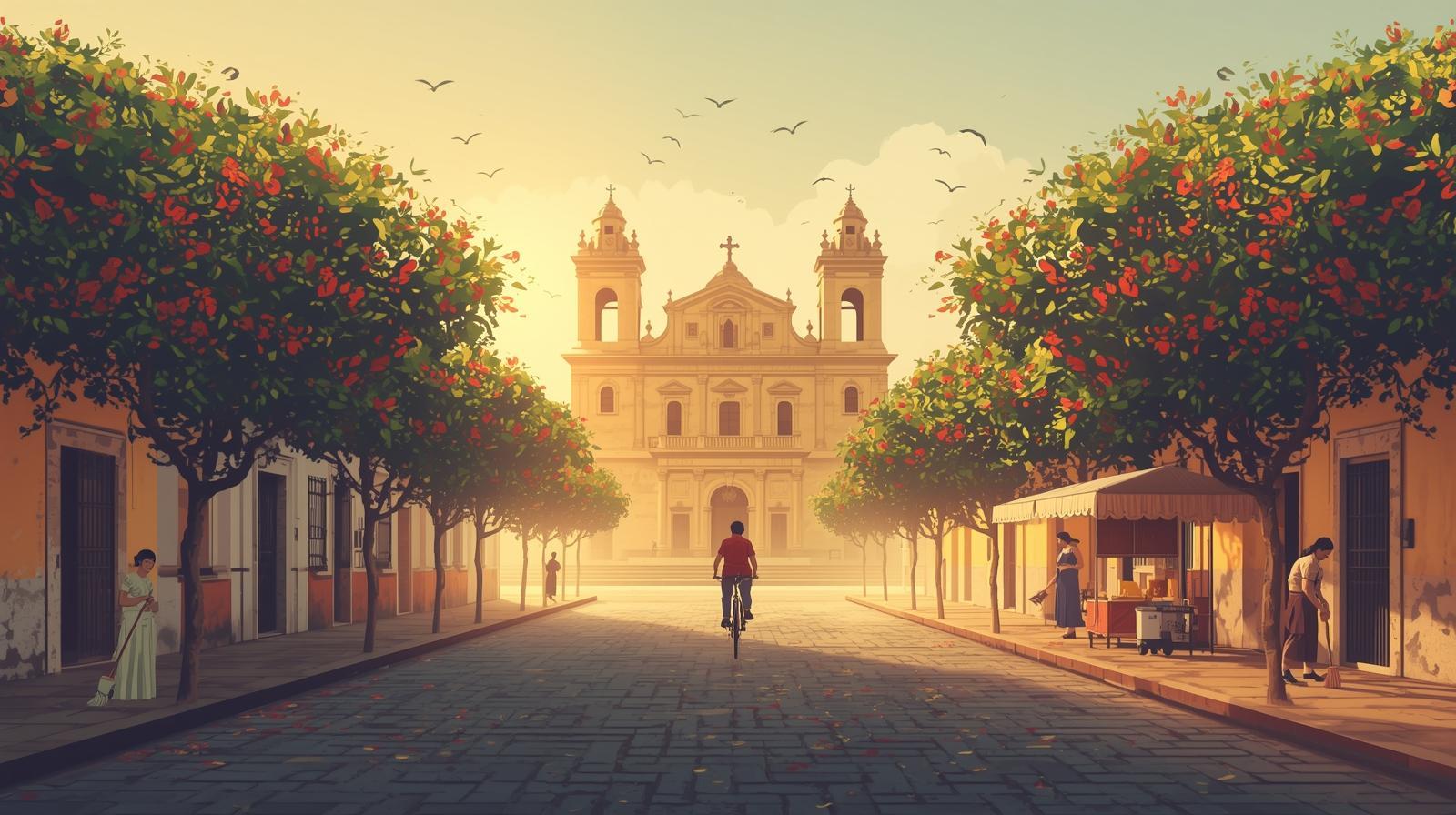
Espita doesn’t announce itself with grand arches or loud festivals—it greets you softly. The first thing you’ll notice is the hush. The kind that wraps around narrow cobblestone streets, broken only by a bicycle’s bell or the laughter of children playing beneath centuries-old trees. This is the kind of town that whispers rather than shouts, but if you listen long enough, it tells stories older than Yucatán itself.
In Espita, every faded façade, every crumbling stone, feels alive with memory. It’s a place where the colonial meets the Maya, where time doesn’t rush—it lingers. Have you ever stood somewhere and felt like the air itself remembers? That’s Espita.
History & Culture
Espita’s roots dig deep into the Maya world. Before the Spaniards arrived, it was known as Izpita, part of the powerful Cupules province. Later, it became a strategic colonial outpost—a town of artisans, thinkers, and rebellion. During the 19th century, Espita was called “La Atenas de Yucatán” (the Athens of Yucatán) for its cultural brilliance. Imagine a small town with poets debating under the arcades and musicians filling the air with serenades long before radio ever arrived.
Mexico’s Southeast Pueblos Mágicos © 2026 All Rights Reserved. Scott Paton Trust
68
The colonial grid still holds strong: pastel houses, wrought-iron balconies, and the majestic Church of San José. Step inside and you’ll see centuries of devotion—the cool scent of candle wax and limestone mingling in the air. On the plaza, old men still gather to talk politics, the way their grandfathers did, while the women exchange gossip about the latest fiesta patronal.
Yet, there’s a quiet pride here. The people of Espita carry the dual heritage of Maya endurance and Spanish legacy. Festivals are less touristy, more heartfelt. During the town’s December celebrations, streets fill with traditional music, vaquerías, and a swirl of embroidered huipiles. It’s not a performance—it’s identity on display.
Getting There
Espita sits peacefully in the eastern region of Yucatán, about 170 kilometers from Mérida and just 40 minutes from Valladolid. The easiest route is by car—highway 180 takes you through charming villages like Tizimín and Calotmul.
If you’re traveling by public transport, second-class ADO and Oriente buses connect Valladolid to Espita several times a day. From Mérida, it’s a longer but scenic ride—perfect for those who don’t mind a few bumps and stops along the way. Taxis and colectivos also run between neighboring towns, and renting a scooter once you arrive is an easy way to explore like a local.
Where to Stay
You won’t find international chains here—and that’s the point. Espita offers character over luxury, charm over flash.
● Casa K’áax, a lovingly restored colonial house, is perfect for travelers who crave
authenticity. Expect hammocks, tile floors, and early morning birdsong from the courtyard.
● Posada Atenas offers cozy rooms a few steps from the main square—ideal if you plan
to wander by foot.
● For the more adventurous, eco-lodges and cabins around the outskirts offer stays
among nature, complete with fireflies at night and the distant call of howler monkeys.
Whatever you choose, the warmth of Yucatecan hospitality will follow. People greet you like they’ve known you forever.
Mexico’s Southeast Pueblos Mágicos © 2026 All Rights Reserved. Scott Paton Trust
69
What to See and Do
Espita invites you to slow down. This isn’t a checklist town—it’s a feeling. Still, there are treasures tucked into every corner.
Start at the Plaza Principal, shaded by flamboyant trees, where life unfolds in slow motion. The Church of San José, with its yellow stone façade and twin bell towers, dominates the skyline. Inside, flickering candles and cool air transport you back centuries.
Walk down Calle 23 and admire the colonial mansions, their pastel walls hiding courtyards filled with bougainvillea. Don’t miss the Casa de la Cultura, a hub for music and art that still pulses with the same intellectual spirit that once earned Espita its nickname.
A few kilometers out, nature awaits. The cenotes near Espita, like Cenote Kambesah or Cenote X-Canché (just outside the town limits), offer crystal-clear water for a refreshing dip. Early morning visits reward you with solitude and sunlight slicing through turquoise depths.
If you’re lucky, your visit will coincide with the Fiesta de San José in December—eight days of music, jarana dancing, and fireworks that light up the night sky.
Food to Try
Espita’s kitchens tell their own story—one of smoke, corn, and family recipes passed through generations.
Try relleno negro, a rich black turkey stew made with burnt chiles and spices—a dish that looks intimidating but tastes heavenly. Escabeche oriental, another Yucatecan specialty, blends tangy and savory in perfect balance.
In the mornings, grab panuchos or salbutes from a local market stall, dripping with avocado and pickled onions. Wash them down with agua de chaya or horchata de coco. And for dessert? Dulce de papaya slow-cooked in honey, because in Espita, even sweets carry the memory of old kitchens and wooden spoons.
Practical Tips
● Best time to visit: November to March offers cooler weather and vibrant festivals.
Mexico’s Southeast Pueblos Mágicos © 2026 All Rights Reserved. Scott Paton Trust
70
● Clothing: Light, breathable fabrics are essential; bring a hat and sandals for daytime
and a light jacket for breezy nights.
● Language: Most residents speak Spanish, though older locals may sprinkle in Maya
phrases—smile, greet them with “buenos días,” and they’ll respond with warmth.
● Souvenirs: Handwoven hammocks, embroidered huipiles, and local honey are the best
keepsakes—each made with pride by local artisans.
Closing Reflection
Espita doesn’t demand your attention—it earns it. It’s one of those rare places where nothing spectacular needs to happen for you to feel something. Maybe it’s the soft light that turns the plaza gold at dusk. Or the way an old woman’s laughter floats through a doorway. Or the quiet dignity of a town that has seen centuries pass and still stands graceful, unhurried, whole.
When you leave Espita, it feels less like saying goodbye to a place and more like parting from a memory that decided to stay behind. Because that’s the magic of Espita—it doesn’t just show you beauty; it lets you feel time itself exhale.
Mexico’s Southeast Pueblos Mágicos © 2026 All Rights Reserved. Scott Paton Trust
71
Motul, Yucatán – The Heartbeat of the Henequén Land
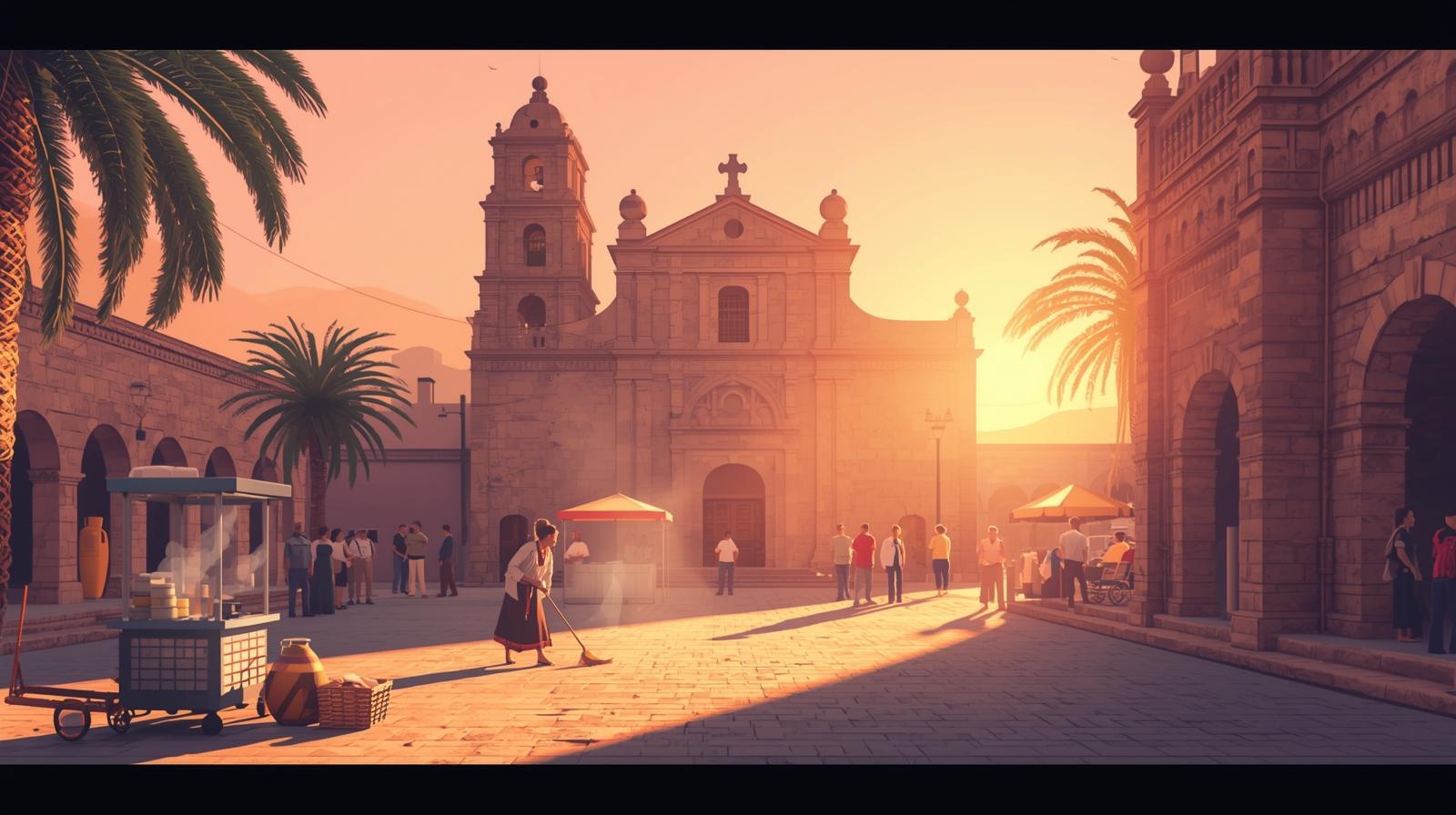
There’s a certain hush that falls over Motul just before sunrise. The air still carries the faint chill of night, and from the plaza, you can hear the first clatter of pots in a fonda preparing the town’s legendary huevos motuleños. It’s in these quiet, everyday moments that you feel the pulse of a true Pueblo Mágico—alive, unpretentious, and deeply connected to its roots. Motul doesn’t try to impress; it invites you in, lets you sit awhile, and then gently reveals its layers of history and charm.
Nestled in the heart of Yucatán, this colonial town blends the old and the new in ways that feel effortlessly human. It’s a place where conversations with locals flow easily, where a visit to the market feels like time travel, and where history still lingers in the cobblestones. What makes Motul magical isn’t just its past—it’s the way its people keep that past alive in every dish, every mural, and every story they tell.
History & Culture
Motul’s story begins long before the Spanish arrived. The original settlement, Motul de los Mayas, was an important Maya hub in the 11th century, ruled by the Pech dynasty. When the Spanish arrived in the 1500s, they built the Franciscan convent of San Juan Bautista, a massive
Mexico’s Southeast Pueblos Mágicos © 2026 All Rights Reserved. Scott Paton Trust
72 complex that still dominates the town’s skyline. The convent became both a religious and social center, its thick stone walls holding centuries of devotion, rebellion, and rebirth.
But Motul’s claim to fame extends beyond colonial grandeur. It was here that Felipe Carrillo Puerto, the “Apostle of the Mayas,” was born—a revolutionary leader who fought for social justice and indigenous rights during the early 20th century. His legacy remains etched into the town’s identity, visible in street names, statues, and the fierce pride of its people.
To walk through Motul is to trace the arc of Yucatán’s evolution—from its Maya foundations, through the henequén boom of the 19th century, to the cultural renaissance of today. The old haciendas nearby, with their towering smokestacks and faded grandeur, tell stories of both prosperity and struggle. Many have been restored into museums or guesthouses, preserving a tangible connection to the region’s “green gold” era.
Getting There
Motul is conveniently located about 44 kilometers northeast of Mérida, making it an easy day trip or a perfect stop on a Yucatán road adventure.
● By Car: Take the Mérida–Tizimín highway (Highway 176). The drive is about 45
minutes.
● By Bus: Second-class buses leave regularly from Mérida’s Noreste terminal and take
roughly an hour.
● By Taxi or Colectivo: Shared vans and taxis are available for a small fare from Mérida
and neighboring towns like Tixkokob or Cacalchén.
The roads are in excellent condition, and you’ll pass through charming small towns where daily life unfolds slowly—farmers tending milpas, children playing near pastel-colored chapels, and women weaving hammocks on shaded porches.
Where to Stay
Motul’s accommodations lean toward small, family-run inns and heritage stays rather than large resorts—fitting for a town that values authenticity over flash.
Mexico’s Southeast Pueblos Mágicos © 2026 All Rights Reserved. Scott Paton Trust
73
● Hotel Puerta del Sol – A cozy colonial-style inn near the main square, perfect for
travelers seeking comfort and quiet.
● Hacienda Tepich Casa Vargas – About 20 minutes outside town, this restored hacienda
offers a deeper immersion into Yucatán’s henequén past.
● Eco Cabañas San Pedro – For those craving simplicity, this eco-lodge on the outskirts
offers rustic charm surrounded by nature.
Most visitors stay in Mérida and visit Motul as a day trip—but staying overnight rewards you with peaceful evenings, when the plaza glows under golden streetlights and locals gather for slow, easy conversation.
What to See and Do
Motul is small enough to explore on foot but rich enough to keep you wandering for hours.
Plaza Principal & San Juan Bautista Convent
Start your day at the Plaza Principal, where life unfolds in gentle rhythm. The Convent of San Juan Bautista, built in the 16th century, towers above the square. Step inside and feel the cool stillness of its stone corridors—a space that has witnessed over 400 years of prayers, fiestas, and revolutions.
Museo Felipe Carrillo Puerto
Just off the plaza, this museum honors one of Yucatán’s most beloved sons. Through photos, personal items, and archival documents, it narrates Carrillo Puerto’s mission to bring education and equality to the Maya people.
Local Market
A few blocks away, the Municipal Market bursts with color and aromas. Vendors call out prices in Yucatec Maya and Spanish, fresh fruit piles glisten, and the scent of refried beans and plantains lures you to the food stalls.
Nearby Haciendas
If you have time, venture out to Hacienda Kancabchén or Hacienda Tepich, both offering glimpses into the once-thriving henequén industry. Many still feature their original machinery, and some offer guided tours.
Mexico’s Southeast Pueblos Mágicos © 2026 All Rights Reserved. Scott Paton Trust
74
Food to Try
You can’t talk about Motul without talking about huevos motuleños. This iconic breakfast dish—eggs served on tortillas with black beans, ham, peas, plantains, cheese, and salsa—is the pride of the town. Legend has it that it was created right here in the 1920s for Governor Felipe Carrillo Puerto himself.
Grab a plate at Doña Evelia’s, the town’s most famous eatery for the dish. Locals swear no one makes it better. And while you’re there, order a fresh juice or agua de chaya to complete the experience.
Other dishes worth trying include:
● Sopa de Lima – Chicken soup with a citrus twist.
● Cochinita Pibil – Slow-roasted pork marinated in achiote, wrapped in banana leaves.
● Panuchos and Salbutes – Street snacks that balance crunch, spice, and freshness in
every bite.
Practical Tips
● Best Time to Visit: November to March offers the most pleasant weather, with cool
evenings perfect for strolling.
● What to Wear: Light clothing, a hat, and comfortable sandals. Motul’s streets are easy
to walk but can get hot in midday sun.
● Language: Spanish is predominant, but many locals still speak Yucatec Maya—learning
a few words like ma’alob k’iin (good day) will earn smiles.
● Souvenirs: Look for handwoven hammocks, embroidered huipiles, and local honey.
● Festivities: Plan your visit around June 24, the Feast of San Juan Bautista, when the
town comes alive with dances, processions, and fireworks.
Mexico’s Southeast Pueblos Mágicos © 2026 All Rights Reserved. Scott Paton Trust
75
Closing Reflection
Motul is the kind of town that doesn’t shout its beauty—it whispers it. You find it in the steam rising from a plate of huevos motuleños, in the echo of church bells over the plaza, in the smile of an old vendor telling you stories about “Don Felipe.”
Travelers who come here expecting grandeur may leave surprised by what they find instead—quiet dignity, resilience, and an unbroken thread between past and present. In a world that moves too fast, Motul reminds us that the most magical places are the ones that take their time.
It’s not just a Pueblo Mágico—it’s a living memory of Yucatán itself.
Mexico’s Southeast Pueblos Mágicos © 2026 All Rights Reserved. Scott Paton Trust
76
Tekax, Yucatán — The Hidden Heart of the Maya South

There’s a special kind of silence in Tekax — the kind that doesn’t feel empty, but alive. It’s the hush of wind brushing through ceiba trees, the distant echo of birds circling the jungle hills, and the hum of a town that still moves to the rhythm of its ancestors. Few travelers venture this far south in Yucatán, and maybe that’s what makes Tekax magical. It isn’t a polished resort or a picture-perfect postcard; it’s something wilder, truer — a living, breathing piece of Maya heritage that dares you to explore.
Have you ever felt like you stumbled into a secret the world forgot to keep? That’s Tekax.
History & Culture
Tekax, often called “La Sultana de la Sierra” (The Sultaness of the Mountains), sits tucked amid Yucatán’s rolling Puuc hills — a rare sight in a peninsula famous for being flat. The name “Tekax” comes from the Maya phrase “place of the forests”, and that’s no exaggeration. Even the streets seem to end in green walls of trees.
Long before the Spaniards arrived, Tekax was a bustling Maya settlement that thrived on agriculture, trade, and sacred rituals. The region later became a battleground during the Caste War of Yucatán — a brutal conflict that defined the 19th century. The old stone church of San Juan Bautista, standing solemnly in the town’s center, carries scars from those days, its walls whispering stories of resistance and renewal.
Mexico’s Southeast Pueblos Mágicos © 2026 All Rights Reserved. Scott Paton Trust
77
Modern Tekax is a fascinating blend of eras — colonial architecture set against jungle horizons, Maya traditions that coexist with Catholic processions, and elders still speaking Yucatec Maya on shaded park benches. Locals are proud but soft-spoken; their warmth isn’t flashy, it’s steady.
Getting There
Reaching Tekax feels like a small adventure, the kind that rewards the journey itself. From Mérida, it’s about a two-hour drive (around 130 km) south via Highway 184. Buses and colectivos (shared vans) depart regularly from Mérida’s TAME terminal, passing through Ticul and Oxkutzcab before reaching Tekax.
For those driving, the route weaves through citrus groves and sleepy villages — the kind of road trip where you roll down the window just to breathe in the sweet, sun-warmed air. If you’re coming from Campeche or Quintana Roo, Tekax makes a perfect midpoint before heading deeper into the Puuc region.
Where to Stay
Tekax isn’t overflowing with hotels, and that’s part of its charm. Here, stays are personal — more casa de amigos than corporate.
● Posada El Sultán – A cozy colonial inn near the main plaza with bright tiled rooms and
homemade breakfast served in a leafy courtyard.
● Hotel Puuc – Simple, clean, and affordable — perfect for travelers on the move.
● Eco-Ranch Tekax Aventuras – For nature lovers, this lodge outside town offers cabins
surrounded by forest trails, ideal for early morning birdwatching.
If you crave authenticity, consider staying in a family-run posada where hosts might invite you to a backyard dinner or share stories about the town’s legends.
What to See and Do
Tekax’s real treasures aren’t behind museum glass — they’re out there, hidden among caves, hills, and ruins.
Mexico’s Southeast Pueblos Mágicos © 2026 All Rights Reserved. Scott Paton Trust
78
1. Cuevas de Tekax (Tekax Caves):
Just outside town, a labyrinth of caverns snakes beneath the hills. The most famous, Grutas Chocantes, lives up to its name — “The Shocking Caves.” Some chambers glow with mineral light, others echo with water drops that sound almost musical. You’ll need a guide, and trust me — you’ll be glad you have one. Locals like Don Manuel know stories about spirits and warriors said to guard these caves.
2. Cerro de la Cruz Viewpoint:
A steep climb (or a short ATV ride) takes you to this panoramic spot overlooking the town and the endless green sea of the Puuc mountains. At sunset, the view burns gold, and the air smells faintly of earth and citrus.
3. San Juan Bautista Church:
One of the oldest churches in Yucatán, its thick limestone walls and faded murals feel like pages from another century. Stand in the doorway and imagine the town’s festivals — drums, candles, and laughter echoing against ancient stone.
4. Eco-Adventure Parks:
Tekax has become a quiet hub for ecotourism. At Tekax Aventura, you can rappel down cliffs, zipline through jungle canopies, or ride mountain bikes through old hacienda trails. It’s raw, fun, and far from the tourist crowds.
5. The Local Market:
In the mornings, the market fills with color — woven hammocks, embroidered huipiles, and the scent of roasted longaniza. This is where Tekax wakes up.
Food to Try
Yucatán’s food is famously distinctive, but Tekax brings its own southern flair.
Try the relleno negro, a smoky turkey stew made with roasted chilies and served with handmade tortillas. Or the poc chuc, grilled pork marinated in sour orange juice — a dish so simple and perfect, it could only be born in the tropics. Don’t miss dulce de papaya (candied papaya) sold by abuelas at the plaza, or the cool sweetness of pozol, a traditional corn and cacao drink that’s both refreshing and ancient.
If you’re lucky enough to visit during the town’s festival for San Juan Bautista in late June, you’ll find food stalls overflowing with panuchos, salbutes, and cochinita pibil — slow-cooked underground, smoky and tender beyond belief.
Practical Tips
Mexico’s Southeast Pueblos Mágicos © 2026 All Rights Reserved. Scott Paton Trust
79
● Best Time to Visit: November to March offers pleasant weather and clear skies.
Summers can be humid but are great for jungle adventures.
● What to Pack: Light clothes, sturdy walking shoes (especially for cave exploring), insect
repellent, and a wide-brimmed hat.
● Local Etiquette: Always greet with a “Buenos días” or “Ma’alob k’iin” (in Maya). Respect
local traditions — especially at churches or during festivals.
● Souvenirs: Handwoven hammocks, embroidered huipiles, honey from local
beekeepers, and small clay figures from nearby villages.
Closing Reflection
Tekax isn’t the kind of Pueblo Mágico that dazzles you at first glance. It whispers instead. It’s a slow burn — the kind of place that stays with you long after you’ve left, when you catch yourself remembering the smell of rain on limestone or the sound of laughter echoing through a cave.
What makes Tekax magical isn’t its perfection — it’s its honesty. It’s the way the jungle reclaims the edges of town, how the people still live close to the land, and how, if you stand still long enough, you can almost hear the Maya heart beating beneath your feet.
Because Tekax doesn’t just welcome travelers. It reminds them what it means to truly arrive.
Mexico’s Southeast Pueblos Mágicos © 2026 All Rights Reserved. Scott Paton Trust
80