

Whispers of the Tropic Wind: Exploring the Pueblos Mágicos of Mexico’s Southeast by Scott Paton - HTML preview
Download the book in PDF, ePub, Kindle for a complete version.
Chapter 2: Tabasco
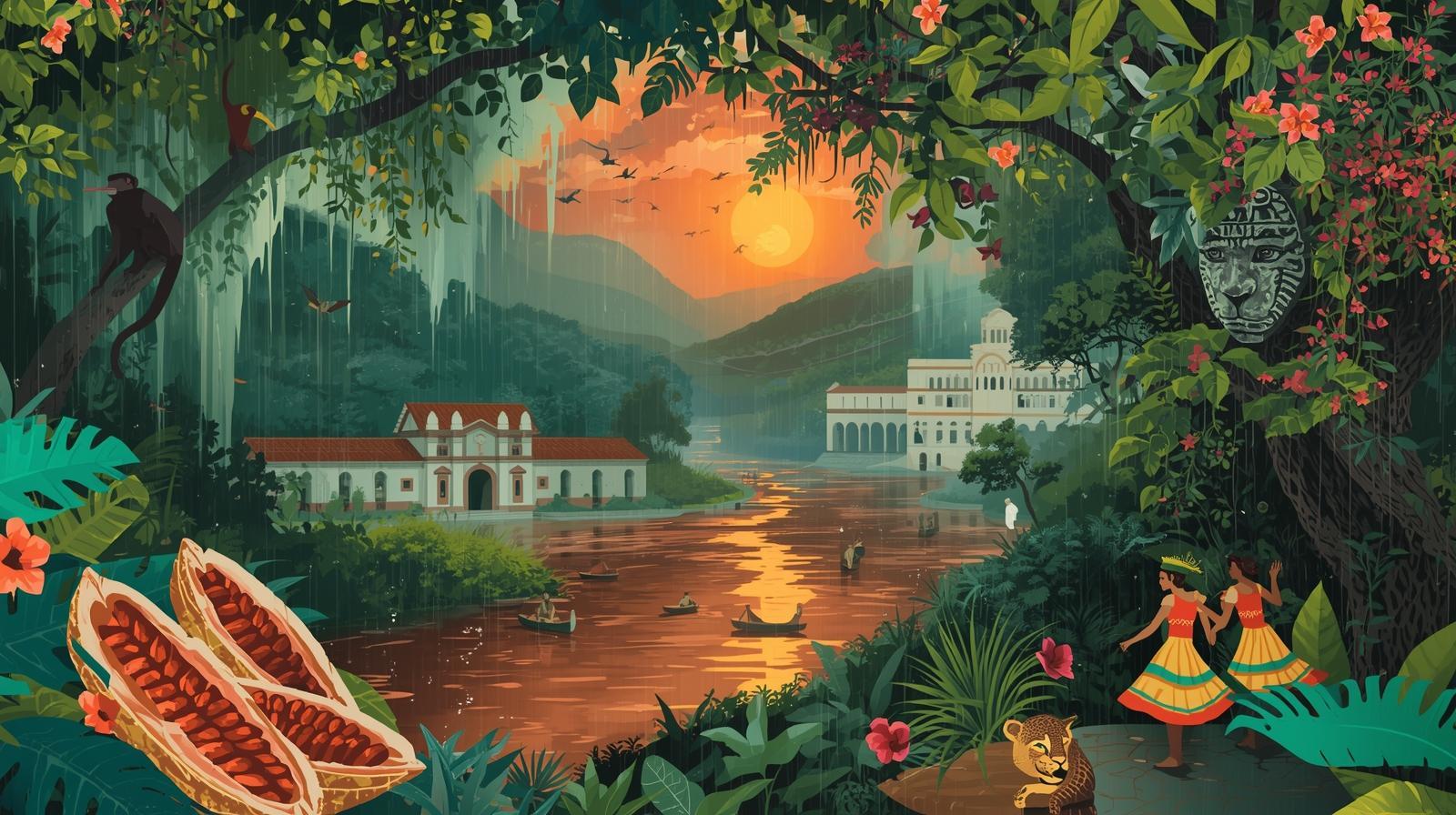
Forget everything you think you know about Tabasco. This isn’t just the land that gave the world a hot sauce—it’s where rivers roar louder than highways, and jungles breathe like living things. It’s a place where howler monkeys are your morning alarm, cacao beans still whisper the secrets of the gods, and the earth itself seems to steam with restless energy.
Tabasco doesn’t ease you in—it overwhelms you. The heat, the color, the sound—it’s all turned up to eleven. One moment you’re standing in a colonial plaza shaded by ceiba trees, and the next, you’re on a canoe sliding through a lagoon that feels older than time.
Here, magic doesn’t hide in quaint cobblestone streets—it drips from the air, heavy and humid, intoxicating and untamed.
Ever wondered what happens when nature refuses to play nice and decides to show off instead? Welcome to Tabasco’s Pueblos Mágicos.
Mexico’s Southeast Pueblos Mágicos © 2026 All Rights Reserved. Scott Paton Trust
34
Tapijulapa, Tabasco – Where Rivers Whisper and Time
Slows Down
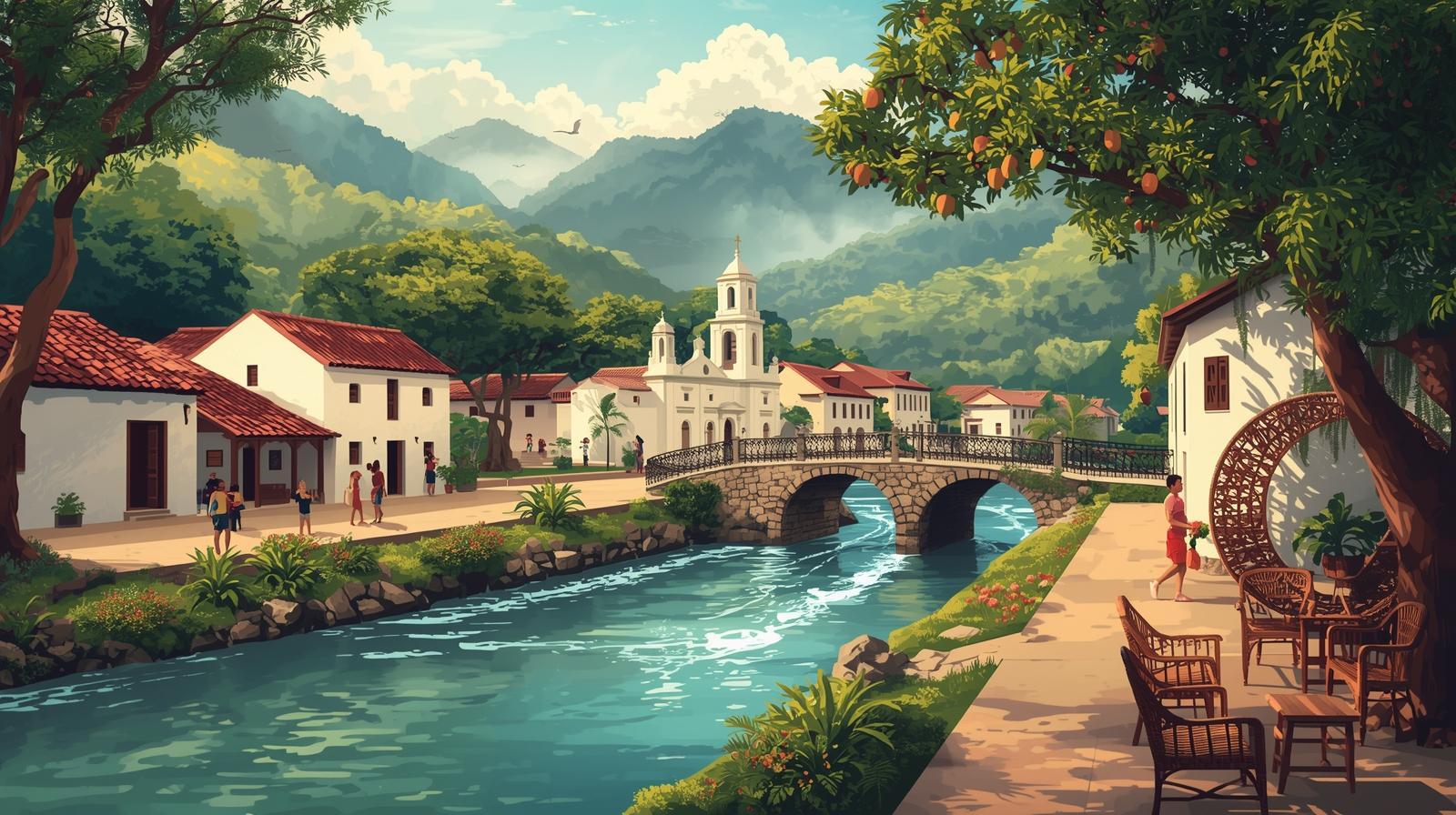
There are towns that hum with life, and then there’s Tapijulapa — a place that breathes it. Nestled in the lush mountains of the Sierra de Tabasco, this Pueblo Mágico feels like stepping into a watercolor painting — whitewashed houses with red-tiled roofs, narrow cobblestone streets, and the scent of rain lingering in the air. It’s the kind of place that makes you slow down, listen, and rediscover stillness. Ever wondered what it feels like when nature, history, and simplicity coexist in perfect balance? Tapijulapa holds the answer.
History & Culture
Tapijulapa’s name comes from the Nahuatl words “tapexco” (thread) and “jolapan” (river), roughly translating to “place where rivers meet.” And that’s no poetic exaggeration — the Oxolotán and Amatán rivers literally embrace the town, shaping both its geography and identity.
This small community traces its roots to the Zoque people, who once inhabited these fertile valleys long before the Spanish arrived. When the Franciscans came in the 16th century, they built temples and introduced European architecture that blended seamlessly with indigenous artistry. You’ll feel that fusion in every handmade wicker chair, every mural depicting myths of the forest, and every smile that greets you in the plaza.
Mexico’s Southeast Pueblos Mágicos © 2026 All Rights Reserved. Scott Paton Trust
35
Tapijulapa isn’t a place that rushes toward modernity. Instead, it preserves the slow rhythm of communal living — artisans weaving wicker furniture by hand, elders chatting under mango trees, children swimming in the rivers. There’s a humility in its charm, a lesson in its pace.
Getting There
Reaching Tapijulapa is an adventure in itself. From Villahermosa, the capital of Tabasco, it’s about a two-and-a-half-hour drive (approximately 90 kilometers). Buses and colectivos depart regularly to Tacotalpa, and from there, local taxis or vans continue the final 17-kilometer stretch through winding mountain roads that open up to breathtaking views.
If you’re driving, take Highway 195 toward Chiapas — the journey itself feels cinematic, with dense jungle on both sides and flashes of turquoise rivers below. Just make sure to fuel up in Villahermosa; gas stations become sparse as you ascend into the Sierra.
Where to Stay
Tapijulapa may be small, but its hospitality is immense. You won’t find sprawling resorts here — instead, expect eco-lodges, family-run inns, and cabins that open right into the forest.
● Cabañas Los Cedros – Perfect for nature lovers; rustic charm meets panoramic jungle
views.
● Posada Luz del Río – A cozy inn near the main plaza, with friendly hosts and traditional
breakfasts.
● Ecohotel Villa Luz – Just outside town, nestled near waterfalls, offering comfort with a
conscience.
Waking up here means hearing birds instead of alarms — and that’s exactly the kind of magic travelers come for.
What to See and Do
Start your exploration at Plaza de la Constitución, the heart of Tapijulapa. Its white chapel, San José Church, stands as a symbol of enduring faith, built in the 18th century with colonial charm intact.
Mexico’s Southeast Pueblos Mágicos © 2026 All Rights Reserved. Scott Paton Trust
36
Just beyond the town, a short trail leads to Villa Luz Ecological Park, one of Tabasco’s hidden gems. Imagine cascading waterfalls, sulfur springs said to have healing properties, and tropical flora so lush it feels alive. There’s also a small Museum of Carlos Pellicer Cámara, honoring the poet who immortalized Tabasco’s landscapes in his writings.
Adventurers can trek to Cueva de las Sardinas Ciegas — a cave home to blind sardines found nowhere else on Earth. Every Holy Week, locals perform a ritual here, symbolically washing sins in the waters and welcoming renewal. It’s haunting, beautiful, and deeply spiritual.
And don’t skip the artisan workshops — Tapijulapa is famous for its wickerwork (muebles de mimbre). Watching an artisan weave a chair from vines harvested nearby is like witnessing an ancient language spoken through hands.
Food to Try
Tabasco’s cuisine bursts with tropical richness, and Tapijulapa adds its own flavor twist. Be sure to try:
● Pishul, a corn-based dish flavored with local herbs.
● Tamal de chipilín, a soft tamale infused with chipilín leaves.
● Pejelagarto asado, grilled fish found in the region’s rivers — smoky, tender, and
unforgettable.
● Wash it all down with pozol, a traditional drink made from cacao and corn, best enjoyed
cold on a humid afternoon.
At Doña Nena’s comedor by the plaza, you can eat while listening to river sounds — a perfect sensory memory to take home.
Practical Tips
● Best time to visit: November to April (dry season). The town glows after light rains, but
heavy downpours can make the roads tricky.
● Bring: Lightweight clothing, hiking shoes, insect repellent, and a reusable water bottle.
Mexico’s Southeast Pueblos Mágicos © 2026 All Rights Reserved. Scott Paton Trust
37
● Souvenirs: Wicker baskets, handwoven hammocks, and small wooden carvings of
jaguars and toucans — all made by local artisans.
● Connectivity: Wi-Fi is limited — and that’s a gift. Tapijulapa invites you to disconnect so
you can reconnect with what matters.
Closing Reflection
Tapijulapa is not just another stop on the map — it’s a reminder that magic still exists in places untouched by haste. Here, rivers murmur secrets, the air smells of earth and citrus, and life moves at the speed of gratitude. As you leave, you might find yourself glancing back — not just at the town, but at the slower, gentler version of yourself it awakened.
Because once you’ve felt Tapijulapa’s rhythm, it never quite leaves you.
Mexico’s Southeast Pueblos Mágicos © 2026 All Rights Reserved. Scott Paton Trust
38
Frontera, Tabasco – Where the Rivers Meet the Sea
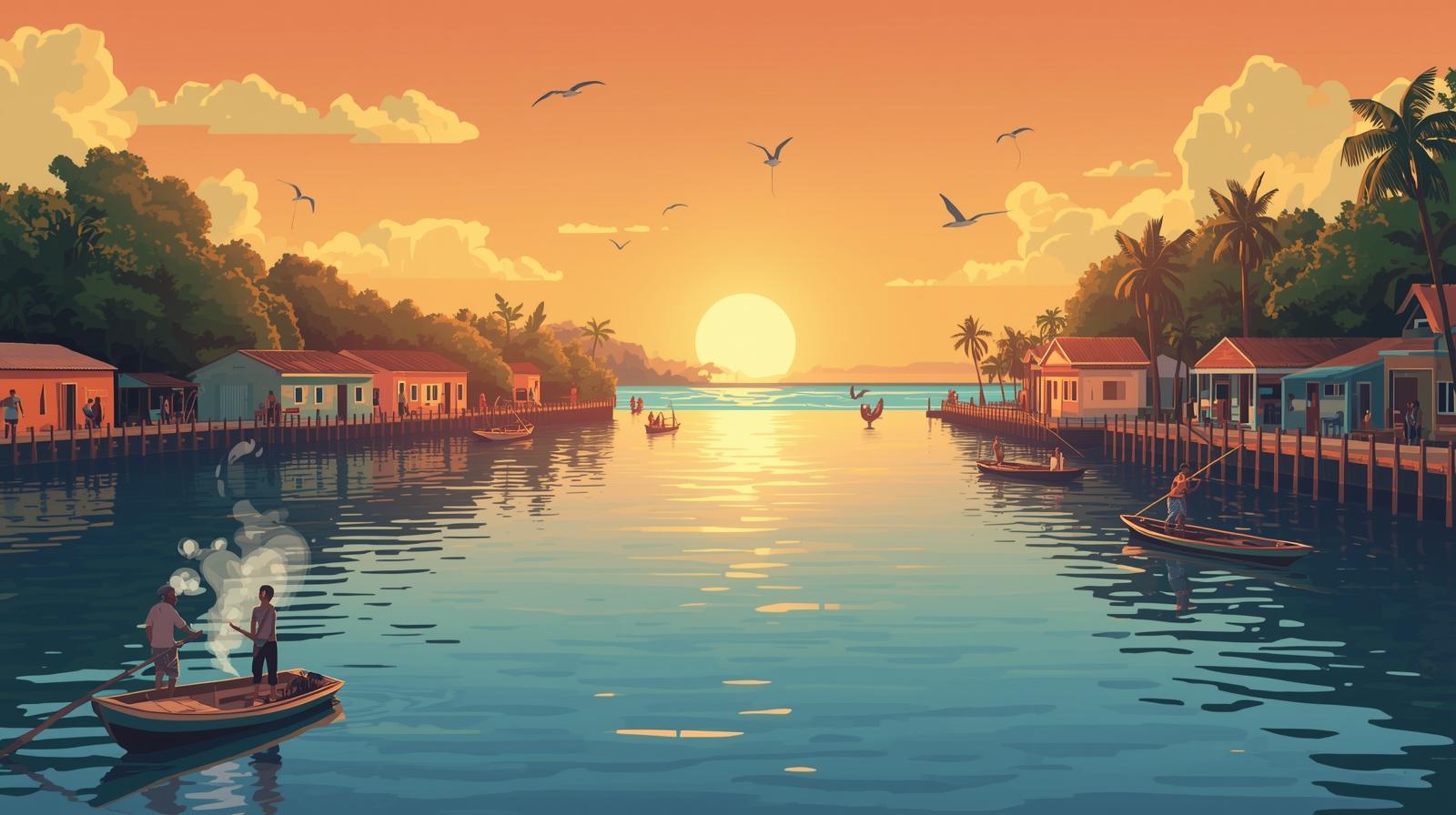
There’s something poetic about a place called Frontera — the frontier, the meeting point, the edge between worlds. Here in Tabasco, that name feels especially fitting. This is where rivers kiss the Gulf of Mexico, where fishermen rise before dawn, and where the scent of salt, mangroves, and smoked fish lingers in the air. Frontera isn’t trying to impress you — it’s authentic, working-class, and quietly magical. You’ll feel it in the rhythm of the waves, the laughter from the malecón, and the warm nods of locals who’ve seen generations of travelers pass through. Have you ever stood somewhere and felt history and nature breathe in unison?
History & Culture
Founded in the 16th century as Villa de la Frontera de Tabasco, this river port became the doorway between the inland jungles and the Caribbean world. The Spanish saw it as a strategic site; locals saw it as a way of life. Centuries later, it’s still both.
The town sits at the confluence of the Grijalva and Usumacinta rivers — two of Mexico’s mightiest waterways. These rivers carried cacao, wood, and stories long before colonizers arrived. In fact, the Olmecs and Mayans once traded along these same currents, leaving behind whispers of their presence in nearby archaeological sites. You can almost imagine canoes gliding silently under a copper sky, the jungle murmuring secrets on the wind.
Mexico’s Southeast Pueblos Mágicos © 2026 All Rights Reserved. Scott Paton Trust
39
Culturally, Frontera is a blend of Tabasco’s rural resilience and coastal vitality. Festivals here are loud, colorful, and full of pride. During La Feria del Mar, locals celebrate fishing traditions with music, dancing, and processions of boats decked in ribbons and palm leaves. There’s a sense that everyone belongs — whether you’re a fisherman’s child or a curious traveler discovering Tabasco for the first time.
Getting There
Frontera is around 80 kilometers northeast of Villahermosa, the capital of Tabasco. From Villahermosa, buses and colectivos leave regularly toward Centla or Frontera — the ride takes about 1.5 to 2 hours. If you’re driving, take Federal Highway 180, a scenic coastal route flanked by palm groves and glimpses of the river delta.
Taxis and motorcycle tricycles are easy to find once you arrive — locals use them to hop between the malecón, markets, and nearby beaches. It’s the kind of small town where you can explore at your own pace, with a sense of calm rather than hurry.
Where to Stay
Frontera doesn’t have luxury resorts, and that’s part of its charm. Instead, you’ll find modest guesthouses, riverfront inns, and eco-lodges that offer comfort with a local touch.
● Hotel El Paraíso del Río – Overlooks the Grijalva River, perfect for sunset views.
● Hostal Centla Verde – Budget-friendly, popular with backpackers and ecotourists
heading into the biosphere reserve.
● Casa del Pescador – A family-run inn with hammocks, local meals, and stories from
generations of fishermen.
If you prefer more amenities, stay in Villahermosa and make Frontera a rewarding day trip — but truly, spending the night here lets you hear the river’s lullaby.
What to See and Do
Frontera may seem small, but it unfolds layer by layer.
Mexico’s Southeast Pueblos Mágicos © 2026 All Rights Reserved. Scott Paton Trust
40
Explore the Malecón:
Walk along the river promenade, where locals fish with handlines and kids chase kites. At sunset, everything glows — the water, the palms, even the pastel houses.
Visit the Barra de Frontera:
A short boat ride takes you to this sandy spit where the river meets the Gulf. It’s raw, untamed beauty — pelicans diving for fish, the surf whispering against mangroves. You can rent a small boat (lancha) with a local guide and see where fresh and salt water dance together.
Laguna de Mecoacán:
Part of the Reserva de la Biósfera Pantanos de Centla, this lagoon is heaven for birdwatchers and eco-travelers. Herons, crocodiles, and even manatees inhabit the area. Bring binoculars, a hat, and patience — nature reveals itself slowly here.
Casa de la Cultura de Frontera:
A small but lively cultural center that hosts art exhibits, folkloric dance, and music events. It’s a great way to understand Tabasco’s creative soul beyond its cuisine and scenery.
Museo José Narciso Rovirosa:
Dedicated to the local naturalist who studied Tabasco’s flora and fauna. Simple but insightful — perfect for those who like context with their exploration.
Food to Try
Frontera’s cuisine is an ocean-meets-river affair — briny, spicy, and full of soul.
● Pejelagarto asado: The region’s signature dish. This prehistoric-looking fish, grilled over
charcoal and served with green sauce, is pure Tabasco flavor.
● Tamal de chipilín: A soft, herby tamal made with local greens — perfect with a cup of
atole.
● Camarones al mojo de ajo: River shrimp cooked in butter and garlic, best eaten
overlooking the water.
● Torta de pejelagarto: A street-food twist on the local favorite — messy, smoky,
unforgettable.
● Pozol frío: A refreshing cocoa-and-corn drink that’s been around since the Mayans —
thick, slightly sweet, and wonderfully ancient.
Eating in Frontera isn’t just a meal. It’s a conversation between river, sea, and earth.
Mexico’s Southeast Pueblos Mágicos © 2026 All Rights Reserved. Scott Paton Trust
41
Practical Tips
● Best time to visit: November to March — cooler, less humid, and ideal for exploring the
wetlands.
● What to wear: Light, breathable clothing; sandals or sneakers; and always a hat. The
sun here doesn’t play around.
● Bring: Insect repellent, cash (ATMs can be scarce), and a reusable water bottle.
● Souvenirs: Handwoven palm hats, dried Pejelagarto jerky, or local pottery from nearby
Centla artisans.
● Connectivity: Wi-Fi is patchy, but maybe that’s the point — this is a place to disconnect
and listen.
Closing Reflection
Frontera isn’t a postcard town — it’s a living, breathing landscape where river and sea whisper their eternal duet. It doesn’t dazzle; it seeps under your skin. You’ll remember the taste of smoke from grilled fish, the call of herons at dusk, and the quiet dignity of a place that’s never forgotten its roots. Maybe magic doesn’t always sparkle — sometimes, it hums softly beneath the ripples of a muddy river.
Mexico’s Southeast Pueblos Mágicos © 2026 All Rights Reserved. Scott Paton Trust
42
Teapa, Tabasco — The Emerald Heart of the Sierra
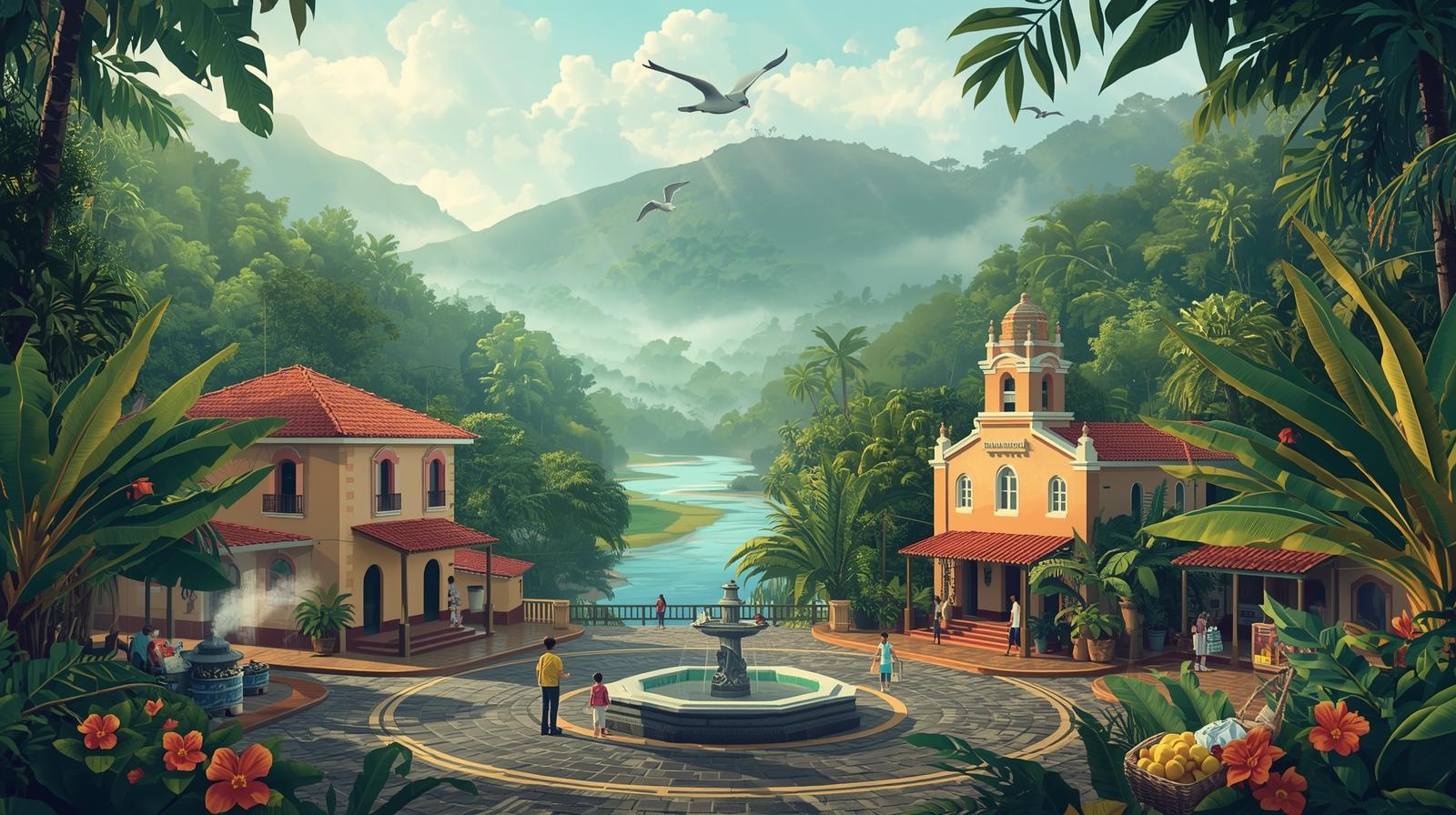
Nestled at the foot of the Sierra Madre del Sur, Teapa is the kind of town that seems to breathe in green and exhale calm. It’s the “Pearl of the Sierra,” a name that feels earned the moment you catch the scent of damp earth after rain or hear the laughter of children echoing off cobblestone streets. This Pueblo Mágico doesn’t flaunt its magic—it hums it quietly through the rustle of banana leaves, the rhythm of river water, and the generosity of its people. Visitors often come here thinking they’ll stay a day. They end up lingering longer, pulled in by something they can’t quite name. Maybe it’s the honesty of small-town life. Maybe it’s the whisper of the mountains saying, “slow down.”
History & Culture
Teapa’s story begins long before the Spanish ever set foot in Tabasco. The name itself comes from the Nahuatl “Teapan,” meaning “river over stones,” a fitting tribute to the rolling Grijalva and Pichucalco Rivers that cradle the town. Pre-Hispanic communities flourished here, drawn by fertile lands and the abundance of water. When the Spanish arrived, they built a settlement that blended indigenous traditions with colonial architecture—a mix still visible today in Teapa’s elegant churches and modest pastel houses.
The town is deeply tied to the rhythms of nature. Locals celebrate their identity through festivals that feel more like family reunions than formal events. During the Fiesta de San José, for instance, the town’s patron saint is honored with dances, food, and music that spill from the church steps into every nearby street. The blend of faith, food, and fellowship gives Teapa its enduring warmth. It’s not just culture—it’s connection.
Mexico’s Southeast Pueblos Mágicos © 2026 All Rights Reserved. Scott Paton Trust
43
Getting There
Reaching Teapa is a journey through Tabasco’s lush countryside. The nearest major hub is Villahermosa, the state capital, located about 90 kilometers (56 miles) north. From there, regular buses and colectivos head south toward Teapa, winding through tropical landscapes that make the drive itself a visual feast. Travelers with cars will enjoy the scenic route along Federal Highway 195, which snakes through plantations of cacao, plantain, and mango.
If you prefer local color, hop on a public minibus or taxi once you arrive—Teapa’s compact size makes getting around easy and inexpensive. Just be ready for friendly drivers who might strike up a conversation about the best tamales or the weather (always warm, always humid).
Where to Stay
Teapa’s accommodations reflect its charm—simple, cozy, and sincere. Don’t expect five-star resorts; expect five-star smiles.
● Hotel Real del Sur: Comfortable rooms with balconies overlooking the Sierra, perfect for
early-morning coffee.
● Posada Teapaneca: A family-run inn with rustic décor, lush gardens, and homemade
breakfasts featuring local fruit.
● Eco Cabañas Río Frío: For travelers craving immersion, these riverside cabins
surrounded by jungle offer quiet mornings and star-filled nights.
Each place seems to echo the same sentiment: rest, recharge, reconnect.
What to See and Do
Teapa may be small, but its surroundings burst with life and adventure.
● Grutas de Coconá (Coconá Caves): A natural wonder just outside town. Inside,
stalactites and stalagmites form fantastical shapes, and the cool air contrasts beautifully with the tropical heat outside. The caves are lit for visitors, making them accessible yet still mysterious.
● Río Teapa: The river is the lifeblood of the town—ideal for picnics, swimming, or a lazy
afternoon under the trees.
● Parroquia de San José: Built during the colonial period, this church stands as a quiet
testament to Teapa’s faith and resilience.
Mexico’s Southeast Pueblos Mágicos © 2026 All Rights Reserved. Scott Paton Trust
44
● Museo de Historia Natural José Narciso Rovirosa: Named after a beloved local
naturalist, this museum celebrates the biodiversity of Tabasco with exhibits on flora, fauna, and geology.
● Cerro de Cocona Viewpoint: For panoramic views of Teapa and the Sierra, take the
short hike up this hill—best at sunrise or sunset when the light turns everything gold.
Everywhere you turn, there’s something alive—birds darting between trees, the chatter of market stalls, the hum of life moving at a gentler pace.
Food to Try
If you visit Teapa and don’t eat like a local, you’re missing half the experience. This is cacao country—Tabasco’s chocolate roots run deep, and you’ll find it in every form, from hot drinks to handmade bars.
Start with Pejelagarto asado, the local delicacy: roasted gar fish, crunchy on the outside and tender inside, often served with spicy tomato sauce. Then, try tamales de chipilín, infused with an aromatic herb that gives them a distinct earthy flavor. Don’t skip the puchero tabasqueño, a hearty stew filled with meat, plantains, and vegetables—it’s comfort in a bowl.
For dessert, sip Pozol, a refreshing pre-Hispanic drink made from ground corn and cacao, perfect after a day of exploring. Locals say it cools both the body and the spirit.
Practical Tips
● Weather: Teapa is tropical year-round—expect heat, humidity, and sudden bursts of
rain. Lightweight, breathable clothing is essential.
● Footwear: Pack sturdy sandals or sneakers for walking uneven cobblestones and
exploring natural sites.
● Best Time to Visit: November to March offers cooler temperatures and fewer rain
showers.
● Souvenirs: Pick up locally made cacao, handwoven baskets, and ceramic crafts from
the market—authentic pieces that carry Teapa’s spirit home with you.
Bring mosquito repellent, patience for the rain, and an open heart. You’ll need all three.
Closing Reflection
Mexico’s Southeast Pueblos Mágicos © 2026 All Rights Reserved. Scott Paton Trust
45
Teapa doesn’t shout its beauty; it reveals it slowly, like sunlight breaking through mist. Travelers often say the magic of this Pueblo Mágico lies in its landscapes—but it’s really in its people. It’s in the smile of the woman selling tamales at dawn, in the children playing barefoot by the river, in the quiet strength of a town that still believes in kindness as a way of life.
If you ever find yourself yearning for something real and unspoiled—somewhere that feels like a pause in the rush of the world—Teapa is waiting, patient and green, at the heart of the Sierra.
Mexico’s Southeast Pueblos Mágicos © 2026 All Rights Reserved. Scott Paton Trust
46