

Whispers of the Tropic Wind: Exploring the Pueblos Mágicos of Mexico’s Southeast by Scott Paton - HTML preview
Download the book in PDF, ePub, Kindle for a complete version.
Chapter 1: Veracruz
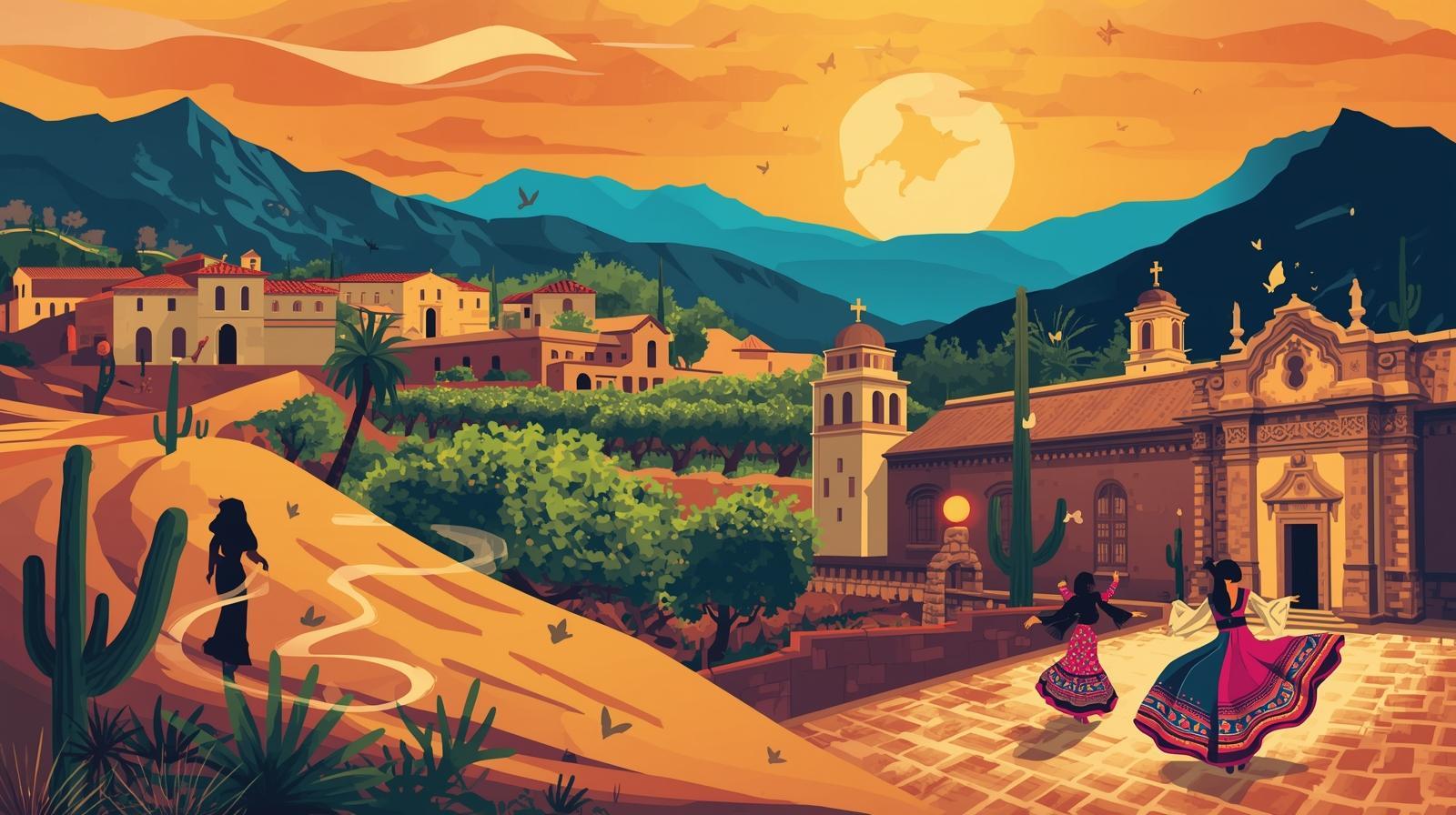
There are places in Mexico where time merely lingers—and then there’s Veracruz, where time erupts. You don’t just visit this state; you feel it under your skin. The air hums with the ghosts of pirates and poets, the scent of coffee and sea salt mingling in a way that shouldn’t make sense—but does. Veracruz isn’t polite magic. It’s raw, storm-tossed, and restless. Every Pueblo Mágico here carries a secret that doesn’t whisper—it screams in color, rhythm, and ritual.
One moment, you’re standing in a misty mountain village where the church bells sound like ancient spells. The next, you’re by the Gulf, watching fishermen mend their nets as marimbas play tunes older than memory itself. Veracruz isn’t a postcard—it’s a pulse. And if you listen closely enough, it might just change the way you see Mexico forever.
Mexico’s Southeast Pueblos Mágicos © 2026 All Rights Reserved. Scott Paton Trust 3 Coatepec, Veracruz — The Coffee-Scented Heart of
the Mountains
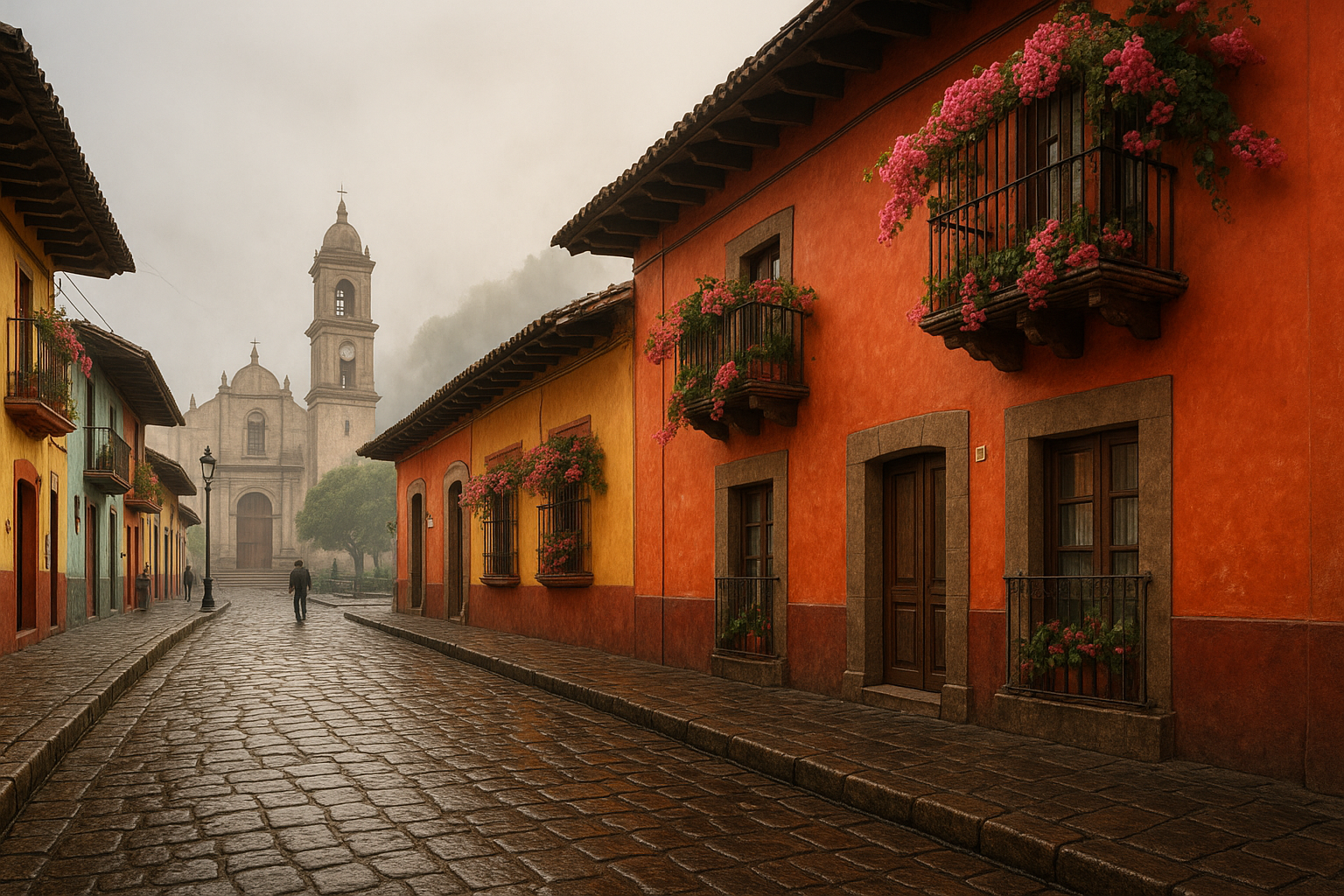
There’s something instantly comforting about Coatepec — maybe it’s the soft mist that rolls through the streets at dawn, or the faint aroma of roasted coffee beans that never really leaves the air. Nestled in the lush mountains of Veracruz, Coatepec isn’t just a Pueblo Mágico; it’s a place where time seems to slow down, letting you breathe in life’s simple pleasures. Cobblestone streets lead to pastel-colored facades, wrought-iron balconies overflow with bougainvillea, and every corner feels like it’s hiding a story you’re about to stumble into. The first thing travelers often ask is, “Why does it smell like coffee everywhere?” The locals smile — because in Coatepec, coffee isn’t just a drink; it’s a way of life.
History & Culture
Coatepec’s story begins long before the arrival of the Spanish. Its name comes from Nahuatl: Coatl (snake) and Tepetl (hill) — “Hill of the Snake.” Indigenous Totonac and Nahua groups cultivated the fertile land here, blessed by the temperate climate and rich volcanic soil. But it
Mexico’s Southeast Pueblos Mágicos © 2026 All Rights Reserved. Scott Paton Trust 4 wasn’t until the 19th century that Coatepec truly bloomed — when coffee plants arrived from Cuba and took root in the misty highlands.
By the early 1900s, Coatepec had become one of Mexico’s most important coffee producers. Wealthy haciendas sprouted across the hills, their ornate facades reflecting European influence. Yet even as progress came, the town held onto its old soul — the bells of Iglesia de San Jerónimo still ring across the plaza, and the aroma of roasted beans still drifts from family-run coffee houses passed down through generations.
Culture here feels lived-in, not curated. Locals chat in the zócalo beneath centuries-old trees, musicians strum guitars, and children chase pigeons around the fountain. During festivals like Fiestas de San Jerónimo, Coatepec transforms — fireworks crackle, processions wind through the streets, and the town feels alive with color, faith, and flavor.
Getting There
Coatepec sits just 8 kilometers south of Xalapa, the capital of Veracruz. The easiest route is by car or bus — a short 20-minute ride from Xalapa’s central terminal. If you’re coming from Veracruz City, expect a scenic two-hour drive through winding mountain roads draped in greenery and mist.
Taxis and colectivos (shared vans) also run regularly between Xalapa and Coatepec. For the adventurous, renting a car allows you to explore nearby treasures like Xico and Jalcomulco — small towns that share Coatepec’s charm but each with their own flavor.
Where to Stay
Accommodations in Coatepec mirror its personality — cozy, charming, and quietly elegant.
● Hotel Casa Real del Café: A boutique gem housed in a restored colonial mansion,
perfect for travelers who appreciate architecture as much as comfort.
● Hotel Boutique Cascada Real: Surrounded by lush gardens and waterfalls, it’s ideal for
those wanting a romantic escape.
● Posada Coatepec: A historic hotel with rustic decor, an inviting courtyard, and excellent
local cuisine — you might find yourself extending your stay.
Mexico’s Southeast Pueblos Mágicos © 2026 All Rights Reserved. Scott Paton Trust 5 Many guesthouses include breakfast featuring locally grown coffee, pan dulce, and homemade jams. Waking up here feels like stepping into a postcard — slow mornings, soft light, and the smell of freshly brewed café de altura.
What to See and Do
Stroll the Historic Center
Start at the Parque Hidalgo, Coatepec’s main square. The plaza is framed by colorful colonial buildings and anchored by the Parroquia de San Jerónimo, a pink-hued church that’s been watching over the town since the 18th century. On weekends, you’ll find artisans selling handmade crafts, from woven textiles to carved wooden figures.
Visit Coffee Haciendas
This is coffee country, and you’d be missing half the magic without visiting at least one plantation. Finca La Orduña and Museo del Café offer immersive tours through the entire coffee process — from bean to cup. You’ll walk through rows of glossy coffee plants, hear stories of generations of growers, and end the tour sipping a perfectly brewed espresso overlooking the valley.
Explore Waterfalls and Nature Trails
A short drive away lies Cascada Bola de Oro, a serene waterfall surrounded by dense forest. It’s a perfect spot for a picnic or quiet reflection. The nearby Barranca de Coatepec also offers hiking trails with panoramic views of the misty mountains.
Discover Local Art and Antiques
Coatepec’s colonial homes hide small galleries and antique shops that feel like stepping into another era. Casa de Cultura often hosts local art exhibits and workshops where visitors can learn traditional crafts.
Food to Try
Coatepec is a paradise for food lovers. Beyond the coffee (which deserves its own category), the local cuisine blends Veracruz’s tropical flavors with highland comfort food.
● Café de olla: Brewed with cinnamon and piloncillo, this is Coatepec’s morning ritual in a
cup.
Mexico’s Southeast Pueblos Mágicos © 2026 All Rights Reserved. Scott Paton Trust 6
● Chiles rellenos veracruzanos: Stuffed peppers filled with cheese and seafood,
swimming in tomato sauce.
● Mole Coatepecano: A rich local version of mole with a slightly smoky, nutty twist.
● Pan de nata: Soft sweet bread baked with cream — best enjoyed warm with your
morning coffee.
Don’t leave without visiting Café Tal, a local favorite where the air is thick with the scent of roasting beans. Try the cold brew or espresso tonic while you watch the locals go about their day — this is Coatepec at its most authentic.
Practical Tips
● Best Time to Visit: Between November and March, when the air is crisp and clear, and
the coffee harvest season brings the town to life.
● Weather: Expect mild temperatures year-round, with misty mornings and cool nights.
Bring a light jacket and comfortable walking shoes.
● Souvenirs: Take home bags of freshly roasted Coatepec coffee, locally made vanilla
extract, and hand-painted ceramics.
● Language: Most locals speak Spanish, but hospitality transcends language here — a
smile and “buenos días” go a long way.
Closing Reflection
Coatepec doesn’t demand your attention — it earns it slowly, like the gradual bloom of a coffee aroma filling the air. There’s a rhythm to life here that feels unhurried and genuine, a reminder that magic doesn’t always announce itself with fireworks or grandeur. Sometimes, it’s in the small things — a steaming cup shared with a friend, a walk through misty cobblestone streets, a breeze that smells faintly of roasted beans. Visitors often arrive chasing the “Pueblo Mágico” label, but they leave with something deeper — the memory of a place that felt like home, even if just for a while.
Mexico’s Southeast Pueblos Mágicos © 2026 All Rights Reserved. Scott Paton Trust 7 Xico, Veracruz – A Town Wrapped in Mist and Magic
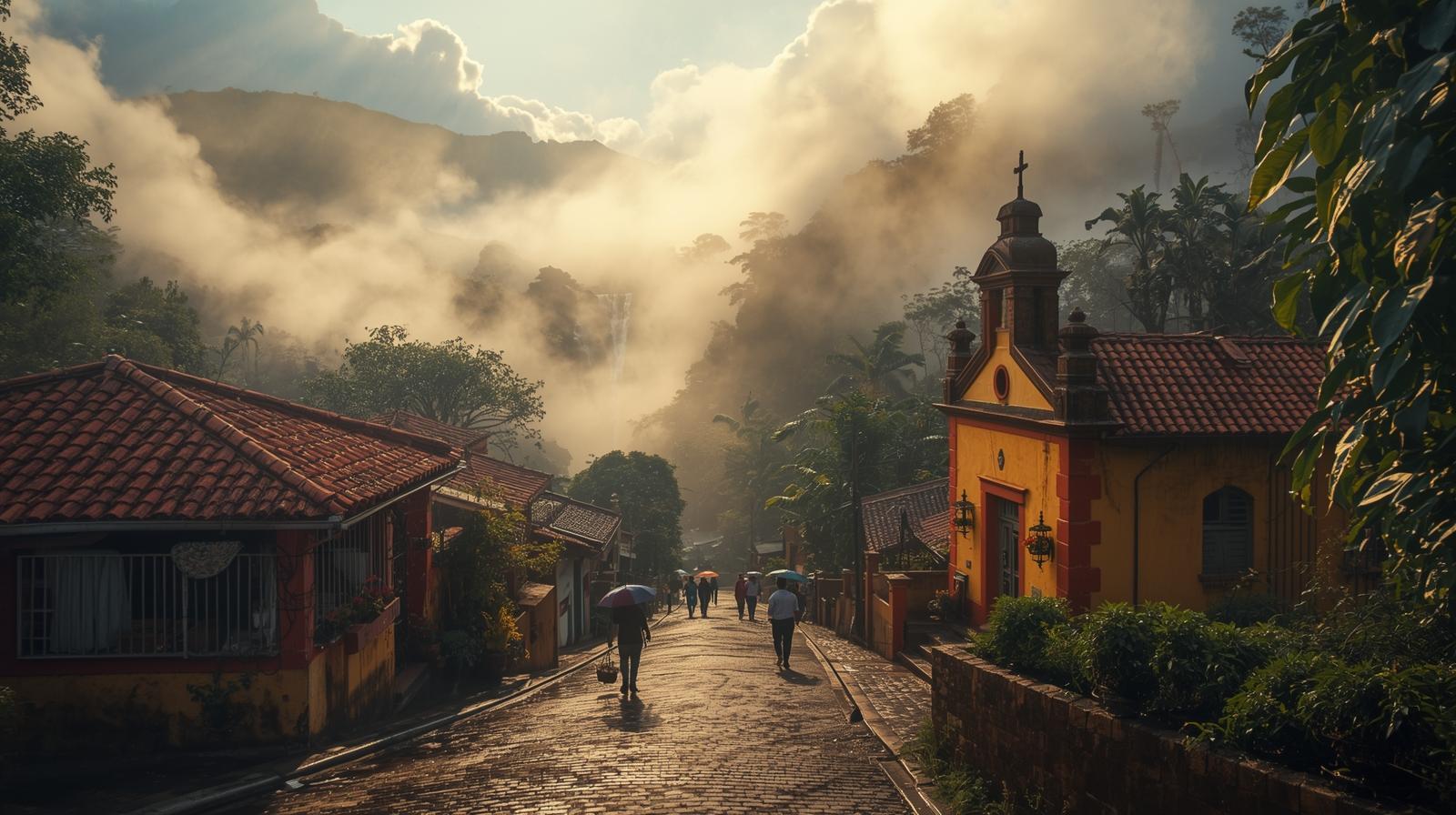
There are towns in Mexico that feel like they were built for postcards, and then there’s Xico—a place that seems to have wandered out of a dream. Nestled in the lush highlands near Xalapa, Xico (pronounced Hee-co) hides beneath drifting veils of mountain mist and the perfume of wet coffee leaves. Cobblestone streets twist around colonial homes bursting with geraniums, and waterfalls hum in the distance like a natural lullaby. It’s the kind of town where time slows to a contented sigh.
Visitors often say Xico doesn’t just look magical—it feels it. Maybe it’s the blend of history and legend, or maybe it’s the way locals open their doors as if greeting an old friend. Either way, by the time you leave, you’ll swear you’ve stepped into another world.
History & Culture
Xico’s story is older than its cobblestones. Long before the Spanish set foot here, the region was home to Totonac and Nahua communities who worshiped the mountain spirits and the nearby waterfalls. They believed nature itself was alive—something you can still feel when the clouds hang low and the forest hums with cicadas.
Mexico’s Southeast Pueblos Mágicos © 2026 All Rights Reserved. Scott Paton Trust 8 When the Spanish arrived in the 16th century, they built the town around a small church and introduced coffee and livestock farming. The resulting culture is a tapestry woven from both indigenous roots and colonial threads. You see it in the fiestas, taste it in the cuisine, and hear it in the music that floats through the streets on feast days.
One of the town’s proudest traditions is the Fiesta de Santa María Magdalena, celebrated every July. For nearly two weeks, Xico explodes with color, dance, and bull runs through the narrow streets—an echo of both Spanish and indigenous rituals. Locals adorn their homes with flowers and ribbons, while “los toritos” (wooden bulls filled with fireworks) light up the night sky. It’s chaotic, joyous, and deeply sacred all at once.
Xico is also known for its “tapetes de aserrín”—vivid sawdust carpets created during religious processions. Each one is a fleeting masterpiece, brushed away by footsteps within hours. There’s a poetic beauty in that impermanence—a reminder that magic doesn’t always last, but memory does.
Getting There
Getting to Xico is part of the adventure. The town lies about 15 kilometers (9 miles) southwest of Xalapa, the capital of Veracruz state.
From Xalapa, you can take a colectivo taxi or a regional bus toward Coatepec and continue to Xico—it’s an easy 30- to 40-minute ride through winding mountain roads bordered by coffee plantations. If you’re driving, the route offers breathtaking views, especially as you climb higher into the misty cloud forest.
The closest major airport is General Heriberto Jara International Airport in Veracruz City, roughly 2.5 hours away by car. Many travelers make Xico part of a scenic road trip through Veracruz’s coffee route, stopping at Coatepec and Teocelo along the way.
Where to Stay
Xico doesn’t have skyscraper hotels, and that’s exactly the point. Its charm lies in family-run inns and colonial-style haciendas that offer fireplaces, mountain views, and a sense of belonging.
● Posada Xicochimalco – A cozy guesthouse tucked in the hills with panoramic views of
the valley. Each room has rustic wooden furniture and a terrace that catches the morning fog.
Mexico’s Southeast Pueblos Mágicos © 2026 All Rights Reserved. Scott Paton Trust 9
● Hacienda San Bartolo – Once a working coffee plantation, now a boutique retreat
surrounded by gardens and the scent of roasting beans. The on-site restaurant serves homemade mole and Veracruz-style coffee.
● Hotel D’Lizeth – Affordable and centrally located near the main plaza. Friendly hosts,
clean rooms, and plenty of local tips included.
If you want something truly unique, look for eco-lodges near Texolo Waterfall—you’ll wake up to birdsong and the sound of rushing water.
What to See and Do
🌿 Texolo Waterfall (Cascada de Texolo)
Just 3 kilometers from the town center lies Cascada de Texolo, one of the most spectacular waterfalls in Veracruz. The falls plunge over 80 feet into a canyon wrapped in jungle vines, often wreathed in mist. There’s a suspension bridge for daring photographers and trails that lead to smaller cascades hidden deeper in the forest.
Fun fact: Texolo has starred in several films, including Romancing the Stone. But standing there in person, it feels more like a sacred site than a movie set.
☕ Coffee Route & Fincas
This is coffee country, and you can visit family-run fincas (plantations) to learn how the region’s famous arabica beans are cultivated and roasted. Tours often end with a tasting session—rich, earthy, and slightly sweet from the volcanic soil.
Don’t miss Café Andrade or Finca la Orduña in nearby Coatepec if you want to compare brews. Coffee here isn’t just a drink—it’s a way of life.
⛪ Iglesia de Santa María Magdalena
At the heart of Xico stands this elegant 18th-century church, painted in warm yellows and reds. Step inside and you’ll find ornate altars and candlelight flickering on old stone walls. It’s the spiritual and social center of the town, especially during the patron saint festival.
🎭 Museo del Vestido
Tucked behind the main church, this small but fascinating museum displays hundreds of embroidered dresses gifted to Santa María Magdalena by devotees. Each one tells a story of
Mexico’s Southeast Pueblos Mágicos © 2026 All Rights Reserved. Scott Paton Trust
10 faith, gratitude, or a prayer answered. It’s an intimate glimpse into how spirituality weaves through daily life here.
🐂 Festival de la Magdalena
If you visit in July, prepare for an unforgettable spectacle. The Fiesta de la Magdalena transforms Xico into a living carnival of faith, music, and fireworks. Locals dance barefoot on cobblestones, paper bulls blaze through the streets, and the air fills with the aroma of mole and coffee. It’s messy, loud, and absolutely magical.
Food to Try
If Xico had a scent, it would be mole simmering over a wood fire. The town is famous for mole xiqueño, a rich, velvety sauce made from over 30 ingredients—chiles, chocolate, nuts, and spices—each family guarding their recipe like treasure.
Try it at Doña Cleme’s, where the matriarch still stirs her sauce in a massive clay pot, or La Sopa, which adds a modern twist to traditional flavors.
Other local favorites include:
● Chiles en nogada, a seasonal dish that bursts with color and patriotism.
● Café de olla, brewed with cinnamon and piloncillo, best enjoyed on a misty morning.
● Pan de elote (sweet corn bread) and dulces de leche from the local market.
● And, of course, torito, a creamy alcoholic drink made with local fruits and sugarcane
spirit—dangerously delicious after dinner.
Every meal here feels like a family invitation rather than a transaction.
Practical Tips
● Best Time to Visit: June to September for lush greenery and waterfalls in full force—but
expect afternoon rain. For festivals, aim for mid-July during the Santa María Magdalena celebrations.
Mexico’s Southeast Pueblos Mágicos © 2026 All Rights Reserved. Scott Paton Trust
11
● Weather: Xico’s mountain climate means mild days and cool nights year-round. Bring a
light jacket and comfortable walking shoes for the cobblestones.
● Money: Cash is preferred in most restaurants and small inns.
● Souvenirs: Handwoven textiles, local coffee, and bottles of mole paste make perfect
take-home gifts.
● Safety: Xico is peaceful and welcoming. Still, like anywhere, travel smart and respect
local customs.
Closing Reflection
Xico isn’t a place you simply visit—it’s a place that visits you. Long after you leave, you’ll remember the echo of church bells in the mist, the taste of spiced mole on your tongue, and the sight of a waterfall vanishing into cloud.
What makes Xico a true Pueblo Mágico isn’t just its scenery or its traditions—it’s the warmth of the people who call it home. They live not just in history, but in harmony with it. And that’s a kind of magic the modern world could learn from.
If you ever find yourself wandering through Veracruz’s highlands, follow the scent of coffee and the sound of laughter—you’ll know when you’ve reached Xico.
Mexico’s Southeast Pueblos Mágicos © 2026 All Rights Reserved. Scott Paton Trust
12
Papantla, Veracruz – Where the Air Smells of Vanilla
and the Sky Dances
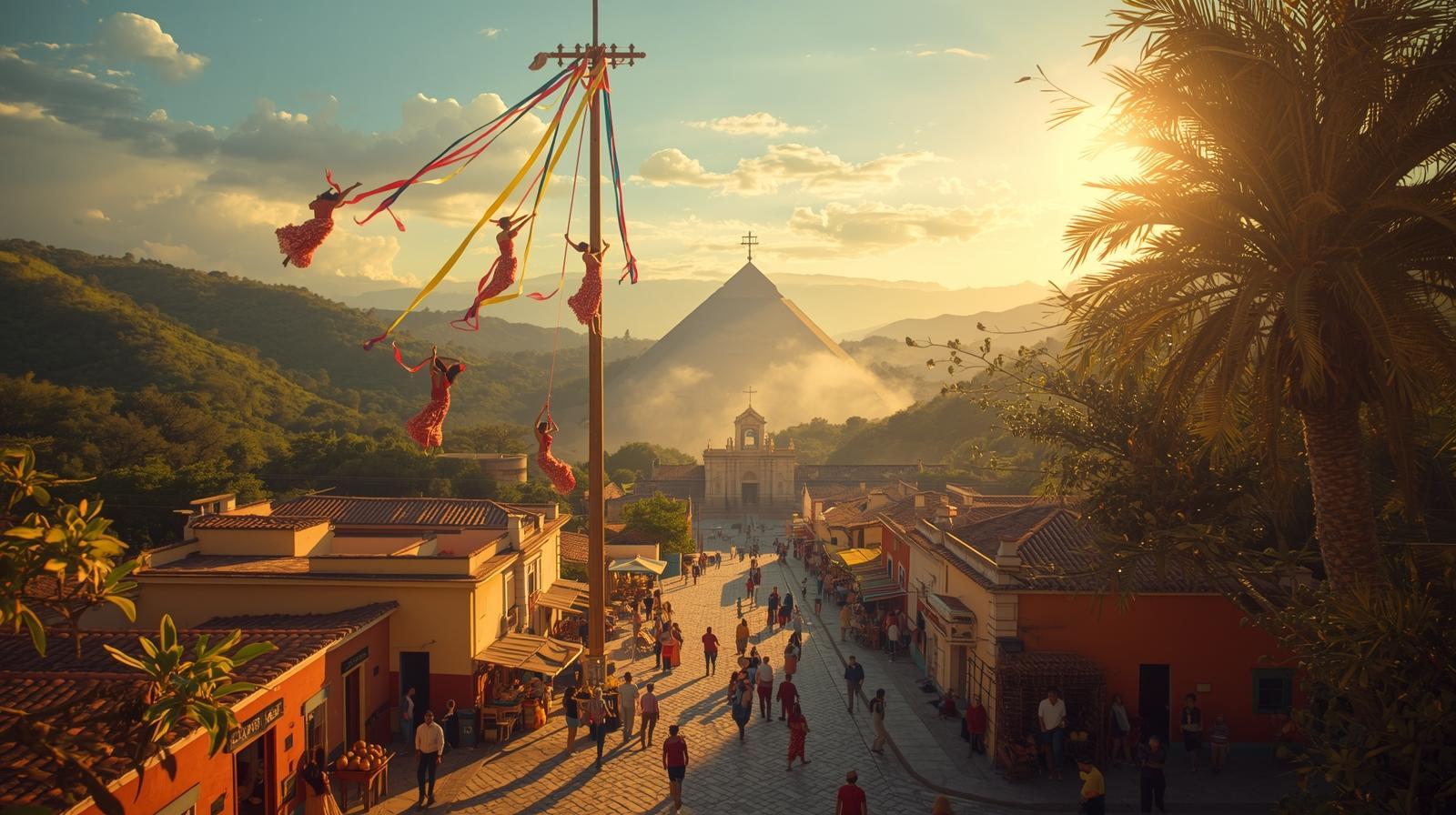
There’s something different about the air in Papantla. It’s thicker, sweeter—almost like it’s trying to tell you a story. You catch the faint scent of vanilla drifting from the markets, and you look up just in time to see men in vibrant costumes spinning gracefully from a tall pole, their ribbons painting spirals in the sky. This is not a performance; it’s a prayer, a ritual older than memory. Papantla is the kind of place that seeps under your skin—a Pueblo Mágico that moves to the rhythm of both ancient Totonac spirit and Veracruz joy.
Have you ever been somewhere that feels alive even when standing still? That’s Papantla.
History & Culture
Papantla’s magic runs deep—so deep it predates Mexico itself. Founded by the Totonac people long before the Spanish arrived, this region was once the beating heart of El Tajín, a city whose pyramids still whisper to the wind. The Totonacs were the original cultivators of vanilla, a delicate orchid that changed the flavor of the world. When the Spanish carried it across oceans, they also carried a piece of Papantla’s soul.
Mexico’s Southeast Pueblos Mágicos © 2026 All Rights Reserved. Scott Paton Trust
13
The town’s name, derived from Papántlan, means “place of abundant birds.” True enough, every dawn the sky fills with the flutter of wings and the echo of the Voladores de Papantla—the Flyers—whose ritual dance represents a plea to the gods for fertility and harmony. Watching them descend from the 30-meter pole feels sacred, timeless.
The Totonac culture is still very much alive here. You see it in the embroidery of women’s blouses, in the taste of handmade tamales wrapped in banana leaves, in the quiet dignity of elders who speak Tutunakú, the Totonac language. Visit the Centro de las Artes Indígenas, a UNESCO-recognized cultural school, and you’ll witness how tradition is not merely preserved—it’s lived.
Getting There
Papantla is nestled in the northern region of Veracruz, about 220 kilometers from the port city of Veracruz and roughly 3 hours by car from Poza Rica.
By Bus: Buses leave regularly from Veracruz City, Poza Rica, and even Mexico City (approx. 6–7 hours). The main terminal is near the town center, making arrival convenient.
By Car: The scenic drive from Veracruz winds through lush green hills and rural
villages—expect a few potholes but plenty of views.
By Air: The nearest airport is in Poza Rica (El Tajín National Airport), just a 30-minute taxi ride
away.
Where to Stay
Papantla offers a charming mix of rustic and boutique stays:
● Hotel Tajín: Located right across the main square, it offers colonial-style rooms with
balconies overlooking the park and church.
● Hostal Doña Lilia: Budget-friendly and family-run, perfect for travelers seeking local
hospitality.
● Posada del Volador: A cozy boutique inn surrounded by gardens, ideal for couples and
solo wanderers.
For those seeking an immersive experience, some eco-lodges near El Tajín offer stays in traditional Totonac-style cabins made of wood and palm leaves—a quiet retreat into nature.
Mexico’s Southeast Pueblos Mágicos © 2026 All Rights Reserved. Scott Paton Trust
14
What to See and Do
Every corner of Papantla tells a story, but some places demand your full attention:
1. El Tajín Archaeological Zone
A UNESCO World Heritage Site, El Tajín is one of Mesoamerica’s most mysterious ancient cities. Walk among pyramids covered in moss, the most famous being the Pyramid of the Niches, with 365 recesses symbolizing the days of the solar year. Climb to the top and feel the echo of drums carried on the wind—it’s as if the city still breathes.
2. Parque Israel C. Téllez (Main Square)
The heart of Papantla beats here. Surrounded by colonial buildings, cafés, and the striking Parroquia de Nuestra Señora de la Asunción, it’s the perfect place to watch life unfold. By afternoon, you’ll often find Voladores performing, their drums and flutes drawing everyone’s gaze skyward.
3. Museo Teodoro Cano
Named after Papantla’s most beloved artist, this museum celebrates Totonac identity through murals, sculptures, and folklore-inspired paintings. Teodoro Cano’s art captures the essence of Papantla’s soul—its people, myths, and magic.
4. Centro de las Artes Indígenas
Here, art, music, dance, and healing coexist under thatched roofs. You can take short workshops in traditional crafts or learn about Totonac medicine and mythology directly from local masters.
5. Vanilla Route (La Ruta de la Vainilla)
Follow the aromatic trail through local plantations where vanilla orchids climb trees like living vines. Farmers will show you how each pod is hand-pollinated, sun-cured, and aged—a months-long process of patience and devotion. You’ll never look at vanilla ice cream the same way again.
Food to Try
If Papantla had a taste, it would be warm, rich, and slightly sweet.
Mexico’s Southeast Pueblos Mágicos © 2026 All Rights Reserved. Scott Paton Trust
15
● Mole de Vanilla: Yes, you read that right. A delicate mole sauce infused with vanilla,
balancing earthy chili and subtle sweetness.
● Totonac-style Tamales: Wrapped in banana leaves and filled with pork, chicken, or
beans.
● Zacahuil: A giant tamal baked in a pit—large enough to feed a family.
● Torito de Vainilla: A local drink made with cane liquor, milk, and—you guessed
it—vanilla.
● Don’t leave without trying vainilla artesanal, pure vanilla extract sold in small glass
bottles at the market. It’s liquid gold.
Practical Tips
● Best Time to Visit: March for Cumbre Tajín, a festival that celebrates indigenous
culture, or November when the Day of the Dead brings music and marigolds.
● Weather: Warm and humid year-round; bring light clothing and good walking shoes.
● Souvenirs: Vanilla pods, embroidered blouses, Totonac pottery, and handmade masks.
● Local Etiquette: Ask before photographing people, especially during rituals—it’s a sign
of respect.
● Currency: Most small shops accept cash only; ATMs are available near the main plaza.
Closing Reflection
Papantla isn’t just a place—it’s an experience that lingers. The scent of vanilla clings to your clothes, and the image of the Voladores stays etched in your mind like a dream. There’s a deep serenity here, where ancient faith meets modern rhythm, and where every breeze seems to carry a blessing.
As you leave town, you might catch one last glimpse of the flyers descending from the sky, arms outstretched, ribbons fluttering like prayers in motion. And you’ll know—you’ve seen real magic.
Mexico’s Southeast Pueblos Mágicos © 2026 All Rights Reserved. Scott Paton Trust
16
Orizaba, Veracruz: The City Where the Mountains
Touch the Sky
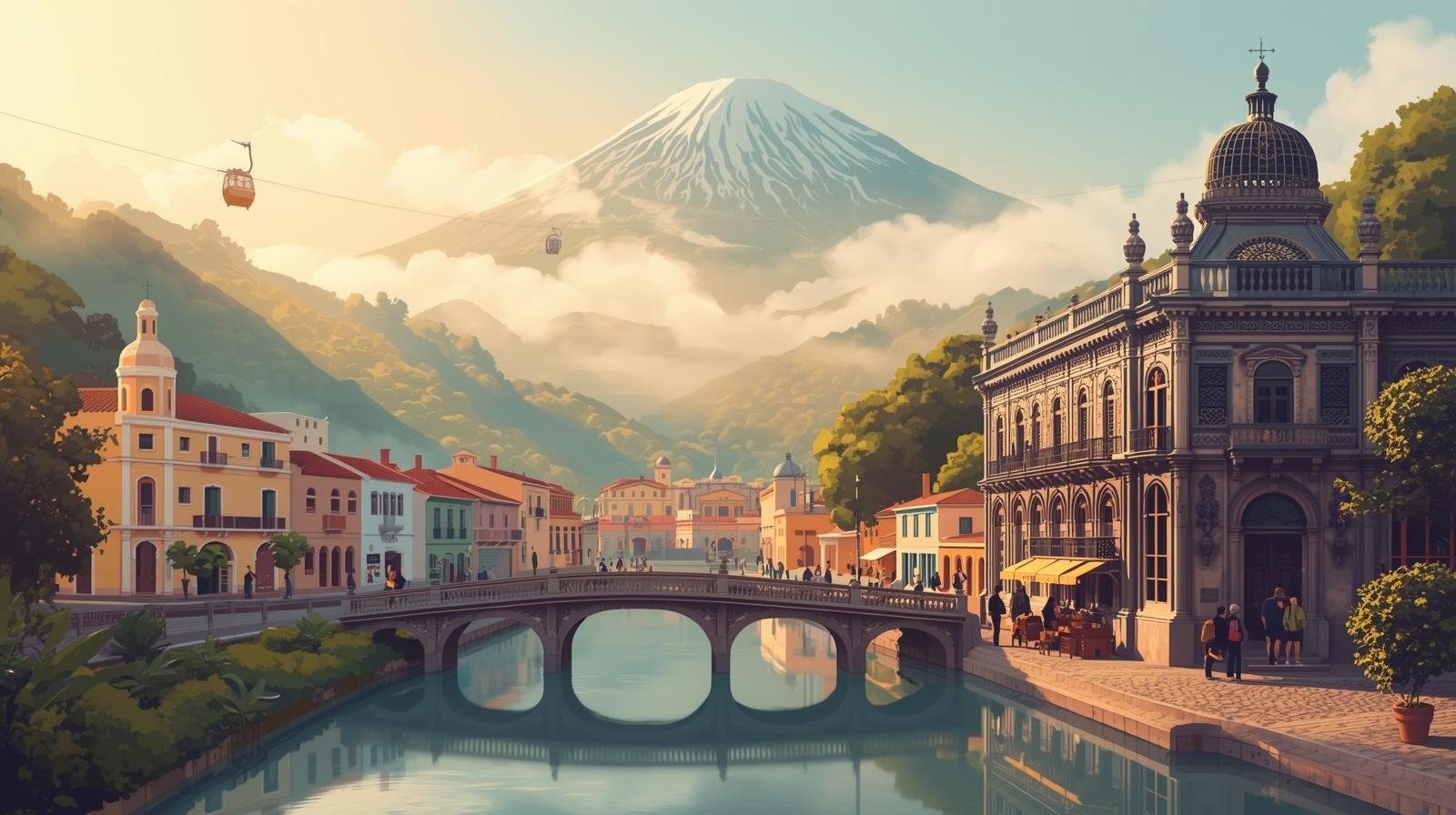
There’s a moment when the mist rolls down from the Pico de Orizaba and the city below seems to sparkle, caught between mountain and cloud. Orizaba doesn’t just sit in the shadow of greatness—it shines in it. Imagine cobblestone streets that hum with stories, pastel façades reflecting in river water, and the scent of coffee drifting from century-old cafés. It’s elegant but grounded, modern yet steeped in colonial charm. Travelers often pass through on their way to Puebla or Veracruz City, but those who stop discover something deeper: a city that teaches you how to slow down and look up.
What makes Orizaba magical isn’t just its mountain backdrop—it’s how life here dances between the clouds and the cobblestones.
History & Culture
Once known as “the Swiss Alps of Mexico,” Orizaba’s story began long before the Spanish set foot here. The Nahuatl name “Ahuilizapan” means place of joyful waters, a nod to the clear rivers that still thread through the city. The Spanish later called it Orizaba, and during the colonial era, it became a vital trading point between Mexico City and the Gulf Coast.
Mexico’s Southeast Pueblos Mágicos © 2026 All Rights Reserved. Scott Paton Trust
17
Orizaba’s downtown feels like a museum without walls. The neo-Gothic Iron Palace (Palacio de Hierro), designed by Gustave Eiffel’s workshop in the early 1900s, gleams like an industrial-age jewel against the mountain backdrop. Inside, you’ll find museums, murals, and even a café where you can sip espresso while tracing the city’s European influences.
Yet for all its grandeur, Orizaba’s soul remains Mexican. Its festivals—like the Carnaval Orizabeño and the Festival del Río—blend Catholic devotion, Indigenous color, and joyful chaos. There’s music on every corner, from mariachi echoes in Plaza Bicentenario to street violinists serenading the evening crowd.
You feel Orizaba’s past and present overlap here: in the laughter of students crossing bridges, in the reverence at the Cathedral of San Miguel Arcángel, and in the quiet pride of locals who know their city’s rhythm by heart.
Getting There
Orizaba is nestled in central Veracruz, about 270 km from Mexico City and 130 km from Veracruz City.
By bus: From Mexico City, frequent ADO buses leave from TAPO Terminal, taking roughly 4–5 hours. From Veracruz City, the trip is shorter—around 2 hours through scenic mountain roads.
By car: The drive from Mexico City follows the México–Puebla–Veracruz Highway (MEX-150D). Be prepared for stunning views—and sharp curves—as you climb and descend the highlands.
By train: While passenger service is limited, Orizaba still honors its rail heritage with the Museo del Ferrocarril, where you can learn how the city once connected Mexico’s inland with its ports.
Where to Stay
Orizaba’s lodging scene is as diverse as its architecture.
For charm: Hotel Trueba sits right by the river, offering colonial-style rooms and mountain views that’ll make you linger over breakfast.
For luxury: Lusitania Suites blends contemporary comfort with a rooftop terrace overlooking Pico de Orizaba—ideal for sunset lovers.
For budget travelers: Hostal Santa María provides cozy dorms and a local-family feel, perfect for solo adventurers or backpackers passing through the coffee route.
Mexico’s Southeast Pueblos Mágicos © 2026 All Rights Reserved. Scott Paton Trust
18
Whether you crave boutique indulgence or an authentic homestay, the city offers warmth beyond walls.
What to See and Do
Start your day at the Teleférico de Orizaba, the longest urban cable car in Mexico. As it glides up Cerro del Borrego, the entire city unfolds below—a mosaic of red roofs, church domes, and meandering rivers. At the top, walk the trails and visit the small museum recounting the Battle of Cerro del Borrego, where Mexican troops fought bravely against the French in 1862.
Back on the ground, stroll through Paseo del Río, a riverside park lined with sculptures, mini zoos, and suspension bridges. The cool mountain air and gentle roar of water create a calm that city life rarely grants.
Culture buffs shouldn’t miss the Museo de Arte del Estado de Veracruz, housed in a former convent. Its collection includes colonial paintings, modern art, and local legends told through color and canvas.
And if you want a bit of adventure, take a short drive to Pico de Orizaba National Park. Even if you don’t plan to summit Mexico’s tallest peak, the foothill trails and alpine meadows are breathtaking. On clear days, you can see the snow gleam from downtown—a postcard come to life.
Food to Try
Orizaba’s food is where Veracruz’s coastal flair meets highland comfort.
Start with chileatole, a thick green soup made with masa, epazote, and chili peppers—warming, earthy, and uniquely satisfying. Pair it with a fresh pambazo stuffed with potatoes and chorizo, the bread dyed red from guajillo sauce.
For breakfast, the tamales de frijol at local markets are legendary, wrapped in banana leaves and paired with smoky café de olla.
And if you’ve got a sweet tooth, don’t miss cajeta de leche and torrejas (Mexican-style French toast). Finish your evening at Café de Orizaba, sipping locally roasted beans as church bells echo through the plaza.
Practical Tips
Mexico’s Southeast Pueblos Mágicos © 2026 All Rights Reserved. Scott Paton Trust
19
● Weather: Orizaba stays mild year-round, with cool mornings and misty afternoons. Bring
a light jacket and comfortable walking shoes—the cobblestones are charming but uneven.
● Best time to visit: March to May for warm days, or December for the festive lights and
Christmas markets.
● Souvenirs: Pick up handwoven shawls, local coffee beans, and mini replicas of the Iron
Palace from artisan stalls near the river.
● Money tip: Most places accept cards, but the markets and taxis are cash-friendly zones.
Closing Reflection
Orizaba isn’t a place you simply visit—it’s one that lingers. The way the mountains cradle the city, the way light dances on the river, the way locals greet you like an old friend—all of it feels strangely personal.
You leave Orizaba carrying more than memories—you carry a kind of calm, a reminder that even in a fast-moving world, there are still cities content to breathe slowly.
Maybe that’s the true magic of this Pueblo Mágico: it doesn’t demand your attention; it earns it quietly, one mountain breeze at a time.
Mexico’s Southeast Pueblos Mágicos © 2026 All Rights Reserved. Scott Paton Trust
20
Zozocolco de Hidalgo, Veracruz — Where Mist Meets
Magic
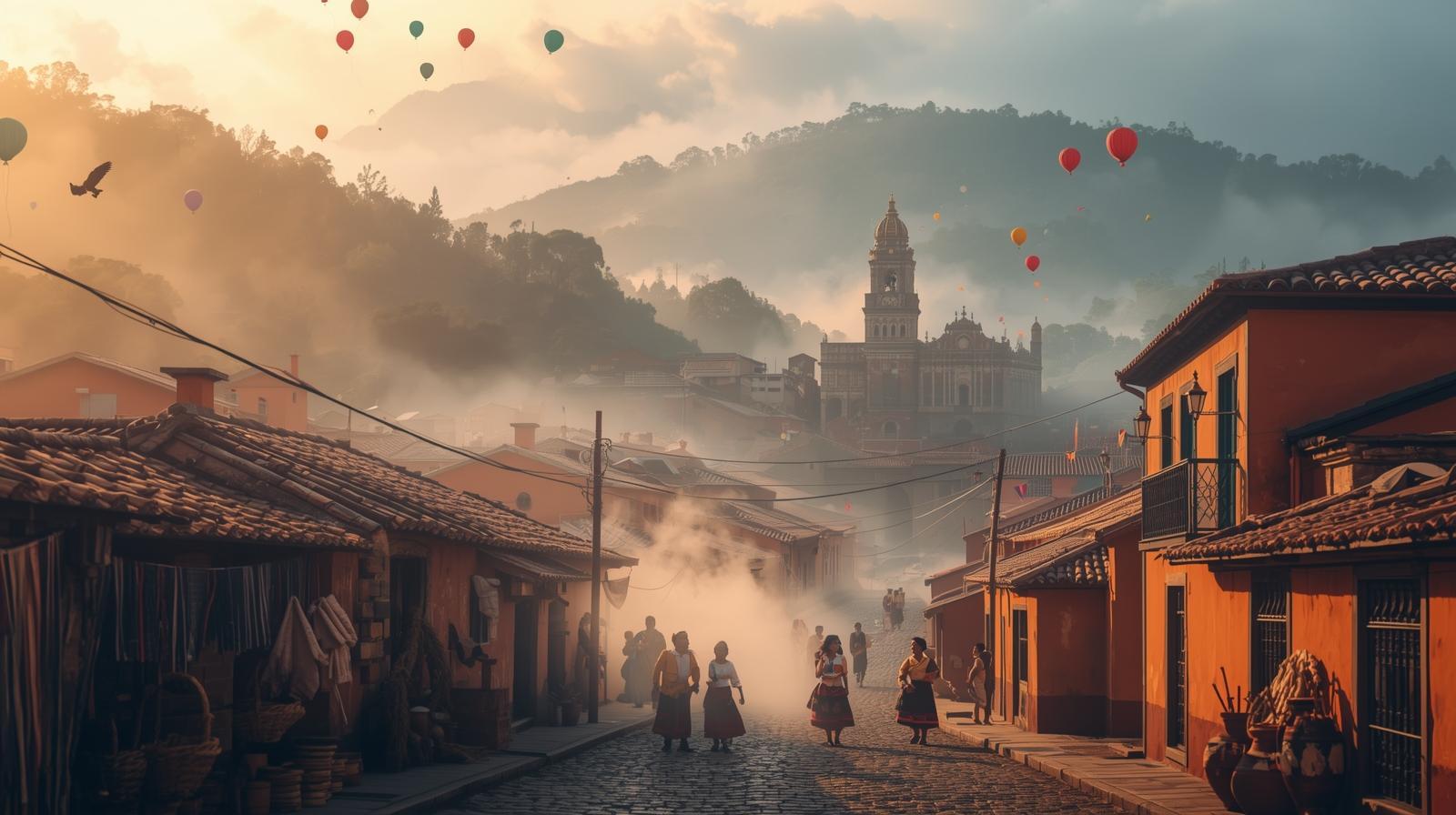
High in the misty folds of the Sierra Totonaca, where clouds hang like silk scarves over tiled rooftops, lies Zozocolco de Hidalgo—a town that feels pulled from the pages of an old Mexican folktale. Cobblestone streets wind toward a golden church tower that catches the morning light, and the scent of freshly made tamales drifts through the air. It’s the kind of place where time seems to stretch and fold on itself—ancient traditions mingling with laughter from children running through the plaza.
Travelers often stumble upon Zozocolco by accident, drawn by whispers of its Festival de Globos, where giant hot-air balloons made of colored paper rise into the night sky like floating dreams. And once they arrive, they realize: this isn’t just another Pueblo Mágico—it’s a living canvas of Totonac heritage and colonial charm.
But what exactly gives Zozocolco its quiet power to enchant? Maybe it’s the rhythm of drums during a local dance, or the way fog curls around the church bells at dawn. Or maybe, it’s how the town invites you not just to look—but to listen.
History & Culture
Mexico’s Southeast Pueblos Mágicos © 2026 All Rights Reserved. Scott Paton Trust
21
Zozocolco’s roots dig deep into Totonac soil. Long before Spanish boots echoed across these mountains, the Totonaca civilization had already built their world here—one of music, ritual, and reverence for nature. The name Zozocolco comes from the Nahuatl “Tzotzocolli,” meaning “clay pot,” and “co,” meaning “place of.” It’s literally “the place of clay pots”—a fitting name for a community known for its artisans.
When the Spanish arrived in the 16th century, they brought Christianity and colonial architecture, but the Totonacs kept their spirit alive beneath the cross and bell tower. Today, that duality—the indigenous and the colonial—beats at the town’s heart. You see it in the Baroque façade of San Miguel Arcángel Church, built in the 17th century, standing proud on the main square, and in the colorful dances that still honor pre-Hispanic gods disguised as saints.
Culture here is not museum-preserved—it breathes. During patron saint festivals, men don bright feathered headdresses, women wear embroidered huipiles, and the voladores—those daring “flyers”—spiral down from a 30-meter pole in a centuries-old ritual dedicated to fertility and rain. The drums echo through the valley, carrying both prayer and defiance.
Zozocolco’s people have held onto their language, too. You’ll still hear Totonac spoken in the markets, often mixed with Spanish, like a melody of memory and resilience. It’s a town that remembers, proudly and softly.
Getting There
Zozocolco de Hidalgo sits in northern Veracruz, near the border with Puebla, tucked into the lush Sierra Totonaca mountains.
From Mexico City: Take Highway 132D toward Poza Rica, then follow signs through Papantla—famous for its vanilla—before climbing the winding road to Zozocolco. The drive takes around 6 to 7 hours, depending on stops.
By Bus: Buses leave from Mexico City’s North Terminal to Papantla or Poza Rica. From there, smaller colectivos (shared taxis) or local buses make the 1.5-hour journey uphill to Zozocolco.
By Car: The roads are narrow but scenic. Expect hairpin turns, waterfalls glinting in the sunlight, and the occasional mist curling through the pines. It’s worth taking it slow—the journey is as magical as the destination.
Where to Stay
Zozocolco isn’t about luxury—it’s about authenticity. Most accommodations are family-run guesthouses and small hotels built around inner courtyards filled with flowers and songbirds.
Mexico’s Southeast Pueblos Mágicos © 2026 All Rights Reserved. Scott Paton Trust
22
● Posada del Ángel: Just steps from the main plaza, this cozy inn offers hand-woven
blankets and mountain views that will make you linger over your morning coffee.
● Hotel San Miguel: A slightly larger option with traditional decor and warm hospitality,
perfect for families or couples.
● Eco Cabañas Zozocolco: For nature lovers, these rustic cabins on the edge of town
offer panoramic views of misty hills and the distant hum of waterfalls.
Wherever you stay, expect to be treated not as a guest but as family. Locals are quick to share stories over coffee, recommend their favorite tamales stand, or invite you to the next dance rehearsal in the plaza.
What to See and Do
Zozocolco may be small, but it overflows with color, craft, and celebration.
1. San Miguel Arcángel Church
The centerpiece of town. Its ochre-yellow walls and ornate Baroque design glow warmly at sunset. Inside, flickering candles illuminate centuries-old altarpieces—each a silent witness to faith and endurance.
2. Festival de Globos de Papel (Paper Balloon Festival) Every November, artisans and families gather to create giant paper balloons, some towering over 10 meters tall. By nightfall, they light up and float into the dark sky, carrying wishes, laughter, and sometimes tears. It’s breathtaking—a moment where art, fire, and community fuse into pure emotion.
3. Cascada de Tzapoloapan
A short hike from the town center leads to this secluded waterfall surrounded by lush vegetation. Bring water shoes—the rocks are slippery—and listen to the jungle hum around you.
4. Artisan Workshops
Local artisans still mold clay, carve masks, and weave textiles using traditional Totonac techniques. Many welcome visitors into their workshops, where you can try your hand at shaping a small pot or painting wooden crafts.
5. Danzas Totonacas
If you’re lucky, your visit will coincide with a festival. The Danza de los Quetzales and Danza de los Santiagos are among the most spectacular—vivid costumes, wooden swords, and drumbeats that seem to echo from another time.
Mexico’s Southeast Pueblos Mágicos © 2026 All Rights Reserved. Scott Paton Trust
23
Food to Try
Food in Zozocolco tastes like the mountains—earthy, rich, and made with love.
Start your morning with café de olla, coffee brewed with cinnamon and brown sugar in a clay pot. Pair it with tamales de frijol or gorditas de maíz azul filled with cheese and salsa.
For lunch, try mole totonaco, a local variation made with roasted chiles, cacao, and a secret blend of spices passed down through generations. Street vendors sell tostadas with chicken and avocado, and you might stumble upon someone selling zacahuil, a giant tamale cooked underground during festivals.
And for dessert? Dulce de papaya or chayote en almíbar, sweetened and simmered until glossy. It’s not just food—it’s history on a plate.
Practical Tips
● Best Time to Visit: November is perfect for the Festival de Globos, but March to May
offers clearer skies for hiking and photography.
● Weather: Expect cool mornings and misty evenings year-round. Bring a light jacket and
comfortable shoes—the streets are steep and cobbled.
● Money: Bring cash. ATMs can be unreliable or located in nearby Papantla.
● Souvenirs: Hand-painted clay figures, Totonac textiles, and small globos made of
colored paper make heartfelt keepsakes.
● Connectivity: Cell service is patchy. Embrace the disconnect—it’s part of the magic.
Closing Reflection
Zozocolco de Hidalgo is the kind of place that sneaks into your heart quietly. There are no grand hotels or neon signs—just fog, music, and the soft rhythm of daily life. It’s a reminder that Mexico’s magic doesn’t always shout; sometimes, it whispers.
Standing in the plaza at dusk, watching children chase each other as paper balloons rise into the indigo sky, you feel it—the stillness, the wonder, the deep hum of a culture that refuses to fade.
Mexico’s Southeast Pueblos Mágicos © 2026 All Rights Reserved. Scott Paton Trust
24
Zozocolco isn’t just a destination. It’s a conversation between past and present, earth and air, body and spirit. And once you’ve heard it… you’ll never forget the sound.
Mexico’s Southeast Pueblos Mágicos © 2026 All Rights Reserved. Scott Paton Trust
25
Córdoba, Veracruz — The Heartbeat of the Coffee
Highlands
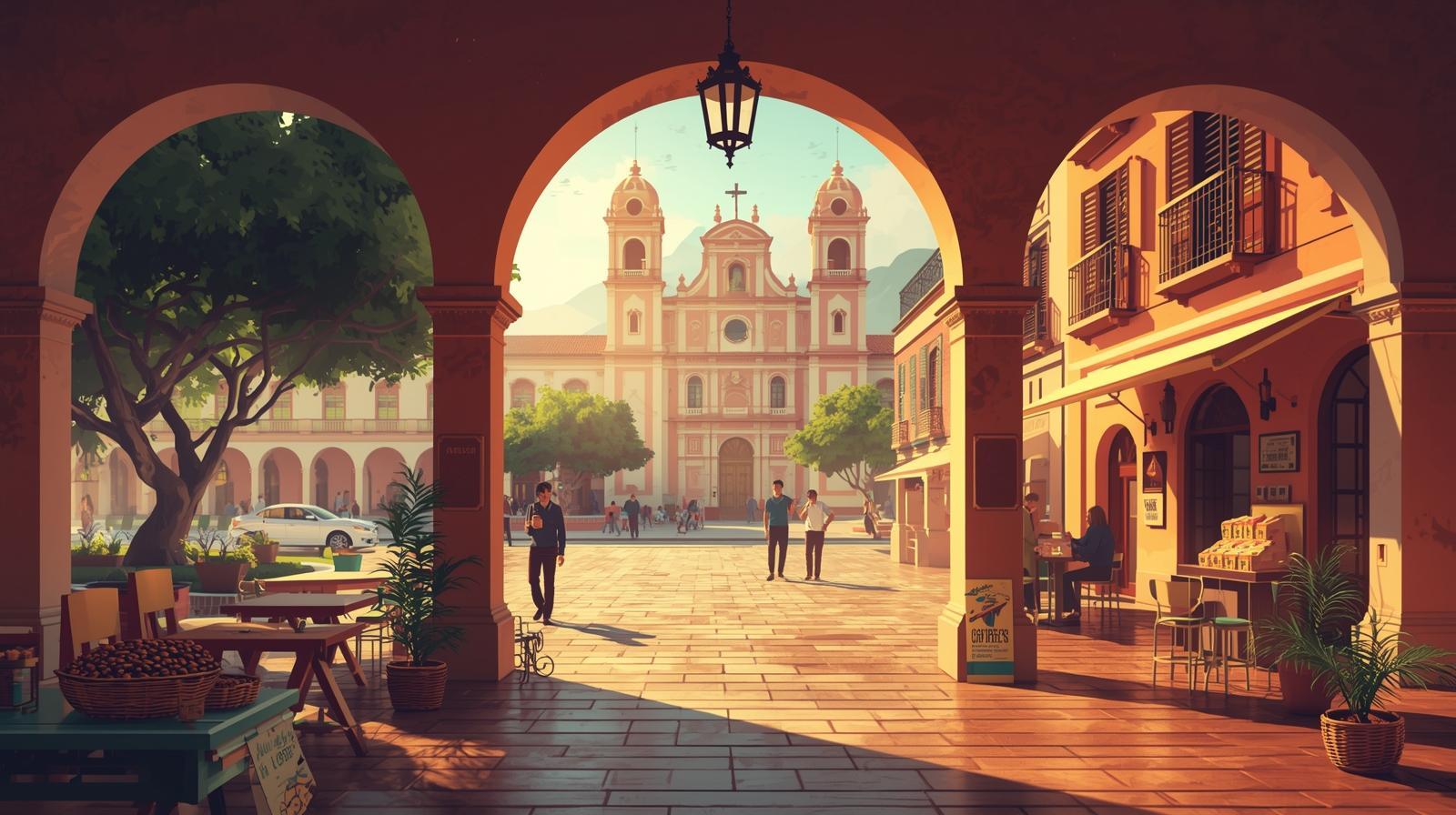
There’s a certain scent that tells you you’ve arrived in Córdoba—it’s coffee, earth, and rain all at once. The town hums with life: cobblestone streets echo with church bells, and from open cafés, laughter and music spill into the morning air. Here, time moves differently. The past lingers not as a memory but as a melody woven through every plaza and every sip of café lechero. Some call it the “City of the Thirty Knights,” others simply say it’s where Veracruz breathes deepest. But really—what makes Córdoba’s charm so enduring, so quietly magical?
History & Culture
Founded in 1618 by Spanish colonizers and indigenous allies, Córdoba has always stood at the crossroads of rebellion and resilience. During Mexico’s struggle for independence, this was where Agustín de Iturbide and Juan O’Donojú signed the Treaty of Córdoba—the document that sealed Mexico’s independence from Spain. Imagine that: the cobblestones beneath your feet once carried revolutionaries who changed the course of a nation.
But Córdoba’s story doesn’t stop at politics. It’s a cultural crossroads where Nahua roots still pulse beneath colonial architecture. The streets near the Parroquia de la Inmaculada Concepción (the town’s grand church) feel alive with music—from marimba echoes to jarocho
Mexico’s Southeast Pueblos Mágicos © 2026 All Rights Reserved. Scott Paton Trust
26 rhythms. Artisans line the markets with handmade textiles, ceramic saints, and sweet-smelling vanilla from nearby Orizaba valleys.
This fusion of colonial splendor and indigenous resilience gives Córdoba its distinct soul—one that’s proud, poetic, and deeply Veracruzano.
Getting There
Córdoba lies in the central highlands of Veracruz, about two hours by car from Veracruz City and four from Puebla. The drive itself is part of the experience—lush green hills unfold into cloud forests, and roadside stalls tempt travelers with steaming tamales and freshly brewed coffee.
● By Bus: ADO and AU buses depart regularly from Veracruz City and Xalapa.
● By Car: Take Highway 150D toward Orizaba; the exit to Córdoba is clearly marked.
● By Train: While passenger trains no longer operate, rail history is central to Córdoba’s
identity—you’ll see the old station preserved as a museum.
Once in town, walking is the best way to explore. Everything radiates from the Zócalo, Córdoba’s beating heart.
Where to Stay
Córdoba offers a mix of colonial charm and modern comfort.
● Hotel Real Villa Florida: Elegant, with balconies overlooking lush gardens and a
tranquil pool—perfect after a day of exploration.
● Hotel Mansur: Steps from the main square, this restored 19th-century mansion
combines local warmth with antique furniture.
● Hostal Azul Cielito: For backpackers or digital nomads, this colorful hostel offers
budget-friendly comfort and excellent coffee.
Many accommodations feature inner courtyards shaded by citrus trees—don’t be surprised if you’re serenaded by birds as you sip your morning espresso.
Mexico’s Southeast Pueblos Mágicos © 2026 All Rights Reserved. Scott Paton Trust
27
What to See and Do
Córdoba rewards the curious traveler. Every corner seems to whisper a story.
1. Plaza Principal (Zócalo):
Start here. Beneath the shade of massive laurel trees, locals chat, vendors sell helado de vainilla, and musicians play son jarocho. The cathedral towers above it all—a sentinel of faith and history.
2. Parroquia de la Inmaculada Concepción:
This pink-hued church dominates the skyline. Step inside and notice the blend of Baroque and Neoclassical styles. Its bells have marked centuries of both joy and upheaval.
3. Museo del Café:
Córdoba lives and breathes coffee. This museum—housed in a beautifully restored hacienda—traces the journey of the bean from mountain farms to your cup. Tastings are a must; the aroma alone could convert anyone into a lifelong devotee.
4. Portal de Zevallos:
A colonial arcade where history and hospitality meet. Enjoy a café lechero while imagining the revolutionaries and poets who once walked here. The café has served locals for over a century—and it shows in every detail.
5. Ex Hacienda de Toxpan:
Once a sugar mill, now a cultural park and museum complex. Its old chimneys and stone arches stand as reminders of Veracruz’s industrial past, repurposed for art exhibits and open-air concerts.
6. Day Trips:
Visit Fortín de las Flores, just 15 minutes away—a town wrapped in orchids and mountain mist. Or venture toward Orizaba, with its funicular, colonial architecture, and panoramic mountain views.
Food to Try
Córdoba’s cuisine reflects its fertile surroundings and multicultural roots. If Veracruz is Mexico’s flavor heart, Córdoba might just be its pulse.
● Café Lechero: The signature drink—strong coffee poured tableside, then topped with
steaming milk from a tall metal pot. The aroma alone feels like a local anthem.
● Chiles rellenos Cordobeses: Unlike other regions, Córdoba’s version bursts with
minced beef, raisins, and spices—sweet and savory in perfect harmony.
Mexico’s Southeast Pueblos Mágicos © 2026 All Rights Reserved. Scott Paton Trust
28
● Tamales rancheros: Wrapped in banana leaves, filled with pork and rich red sauce.
● Arroz a la tumbada: A coastal influence—seafood rice cooked with tomatoes, herbs,
and love.
● Cajeta and cocadas: Sweet treats for afternoon strolls; don’t leave without sampling
both.
Street vendors near the zócalo serve antojitos veracruzanos late into the night. Pair them with live music and the warm chatter of locals—it’s the kind of dinner you remember long after you leave.
Practical Tips
● Weather: Expect mild, tropical weather year-round. Rains are common from June to
October, but they lend the town a romantic mist.
● What to Pack: Comfortable shoes for cobblestones, a light jacket for cool evenings, and
an umbrella—Córdoba’s clouds are unpredictable.
● Best Time to Visit: From November to April, when festivals bloom and the air smells of
coffee harvests.
● Souvenirs: Bags of freshly roasted beans, handmade ceramics, and embroidered
textiles from local markets.
● Local Etiquette: Cordobeses are famously welcoming. A warm “¡Buenos días!” goes a
long way.
Closing Reflection
Córdoba is not a place you merely visit—it’s one you feel. The aroma of coffee lingers on your clothes, the music echoes in your head, and the kindness of strangers somehow makes you homesick for a town you’ve only just met. Standing in the Plaza Principal as dusk paints the cathedral gold, you begin to understand: this is what magic feels like when it’s grounded in history, brewed in tradition, and shared with a smile.
Because in Córdoba, Veracruz, the magic isn’t just in its title as a Pueblo Mágico—it’s in every heartbeat, every cup, every story whispered over café lechero.
Mexico’s Southeast Pueblos Mágicos © 2026 All Rights Reserved. Scott Paton Trust
29
Naolinco, Veracruz – The Town That Smells of Leather
and Feels Like Time Forgot
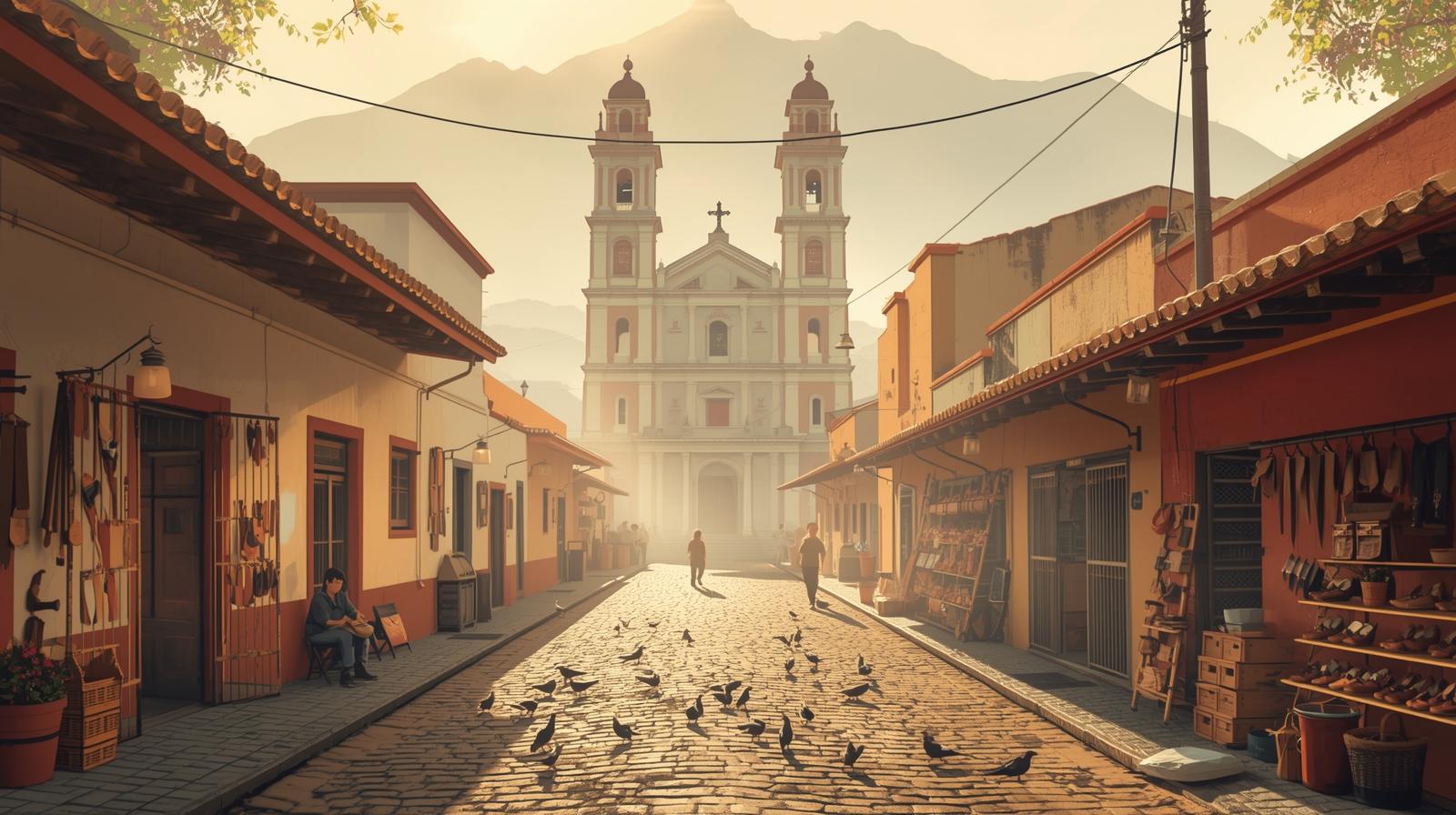
You hear Naolinco before you see it — the rhythmic tapping of hammers against leather, the echo of cobblestone streets under your shoes, and the distant laughter from the plaza. Nestled in the misty highlands of Veracruz, Naolinco feels like it was pulled from another century and polished with pride. The air smells faintly of tanned hides and fresh coffee, and the hills wrap around the town like a soft green shawl. It’s not just a place you visit — it’s one you feel. Have you ever walked through a town where every sound tells a story?
History & Culture
Naolinco’s soul lies in its craftsmanship. For generations, the town has been known across Mexico for its artisanal leatherwork — shoes, belts, bags, and jackets that carry the mark of human hands rather than machines. This tradition dates back to the colonial era, when Spanish settlers introduced tanning techniques, later blended with indigenous artistry.
But Naolinco isn’t only about leather. Its streets whisper of resilience. Founded in the 16th century, the town grew from a Totonac settlement, adapting to the influences of colonial Catholicism and regional trade. The Parroquia de San Mateo Apóstol, with its baroque façade and bell towers, anchors the town’s spiritual heart. Around it, life unfolds in typical Veracruzano rhythm: slow, musical, and always punctuated by the smell of pan dulce baking nearby.
Mexico’s Southeast Pueblos Mágicos © 2026 All Rights Reserved. Scott Paton Trust
30
During festivals, Naolinco transforms. Locals adorn the town with paper flowers and bright altars during Día de Muertos, when families gather at the cemetery that overlooks the valley. Candles flicker beside photographs, marigolds scent the night air, and you realize — here, death is not feared but celebrated as continuity.
Getting There
Naolinco lies about 35 kilometers northwest of Xalapa, the capital of Veracruz.
● By car: The drive from Xalapa takes roughly 45 minutes along Highway 140, winding
through pine-covered hills.
● By bus or colectivo: Frequent minibuses leave from Xalapa’s Terminal de Autobuses
de Pasajeros, dropping you right at Naolinco’s central plaza.
● From Veracruz City: Expect a scenic two-hour drive — ideal for a day trip if you leave
early.
The route itself is a preview of Naolinco’s beauty — mist rolling over mountain curves, small villages selling coffee beans and handmade cheeses, and views that make you forget to check your phone.
Where to Stay
Though small, Naolinco offers a range of charming accommodations:
● Posada de San Mateo: A colonial-style guesthouse with courtyards filled with
geraniums and wrought-iron balconies.
● Hotel del Zapatero: A boutique inn inspired by the town’s shoemaking heritage — every
room features handcrafted leather décor.
● Cabañas del Bosque: For travelers craving quiet mornings and bird songs, these
cabins on the outskirts of town offer panoramic views of misty forests.
Many visitors also choose to stay in nearby Xalapa, returning to Naolinco by day for its workshops and culinary treasures.
Mexico’s Southeast Pueblos Mágicos © 2026 All Rights Reserved. Scott Paton Trust
31
What to See and Do
Start at the Plaza Principal, where life in Naolinco unfolds in technicolor. Musicians play jarocho tunes, children chase pigeons, and shoe vendors display their finest work under colorful awnings.
● Leather Workshops: Step into one of the family-run talleres (workshops) and watch
artisans cut, sew, and polish leather by hand. The smell alone — rich, earthy, and warm — tells you you’re in Mexico’s leather capital.
● Museo de la Piel: A small but fascinating museum where you can trace the evolution of
Naolinco’s craft, from rawhide curing to luxury goods.
● Mirador del Encanto: A viewpoint just outside town offering sweeping vistas of the
ravine below, especially magical at sunset when the valley glows gold.
● Templo de San Mateo Apóstol: Take a moment inside this 17th-century church to
admire its altarpiece — a testament to colonial artistry and local devotion.
If you visit in November, the Festival de Todos Santos will leave you speechless. Naolinco becomes a living altar — doors are draped in marigolds, and the scent of mole, incense, and candle wax blends in the mountain air. It’s hauntingly beautiful.
Food to Try
Naolinco’s culinary scene is as rich as its leather tradition.
● Mole Naolinqueño: A deeply flavored version of the Veracruz-style mole, slightly
sweeter and nuttier than its central Mexican cousins.
● Cecina: Sun-dried beef, grilled to smoky perfection and often served with fresh cheese
and handmade tortillas.
● Chiles rellenos de queso fresco: Local peppers stuffed with soft white cheese, bathed
in tomato sauce.
● Atole de maíz morado: A warm purple corn drink perfect for misty mornings.
Mexico’s Southeast Pueblos Mágicos © 2026 All Rights Reserved. Scott Paton Trust
32
● Dulces artesanales: Don’t leave without trying camotes (sweet potato candies) or
cocadas (coconut sweets) sold in the plaza.
Every meal here feels like a family gathering — simple, hearty, and full of laughter.
Practical Tips
● Weather: Naolinco enjoys a cool, misty climate year-round. Bring a light jacket —
mornings can be brisk even in summer.
● Footwear: Leave the heels at home. Cobblestones and hills call for comfortable shoes.
● Best time to visit: Late October through early November for Día de Muertos festivities,
or May for the patron saint celebrations.
● Souvenirs: Aside from leather goods, look for hand-painted ceramics and embroidered
blouses — local pride stitched into every piece.
● Connectivity: Expect limited Wi-Fi in some areas. Honestly, that’s part of the charm.
Closing Reflection
Naolinco is not a town you rush through. It’s a place that asks you to slow down, breathe in the scent of leather and coffee, and listen to the heartbeat of tradition. Here, every cobblestone tells a story, every artisan carries a legacy, and every sunset reminds you that beauty doesn’t need to shout — it just needs to exist.
When you finally leave, you’ll catch yourself glancing at your handmade shoes or belt and smiling — not because they’re perfect, but because they carry a piece of Naolinco’s soul. And maybe, just maybe, you’ll start planning your return before you even unpack.
Mexico’s Southeast Pueblos Mágicos © 2026 All Rights Reserved. Scott Paton Trust
33