

Where Desert Meets the Sea: A Guide to Mexico’s Northwest Pueblos Mágic by Scott Paton - HTML preview
Download the book in PDF, ePub, Kindle for a complete version.
Chapter 2 Chihuahua, Mexico
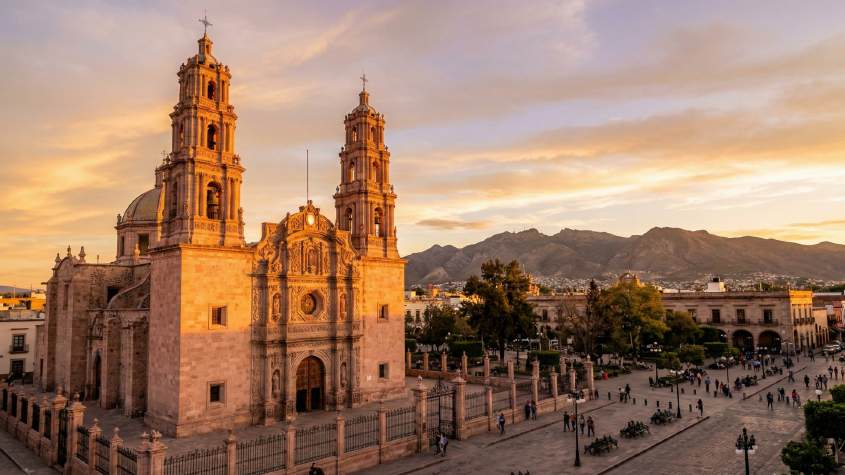
Chihuahua, Mexico’s largest state by area—larger than the United Kingdom—lies in the nation’s northwest, bordering the U.S. states of New Mexico and Texas, as well as other Mexican states like Sonora, Sinaloa, Durango, and Coahuila.
Precolonial and Colonial Era
The region was originally home to nomadic and semi-nomadic indigenous groups, among them the resilient Rarámuri (Tarahumara), who still inhabit the Sierra Madre Occidental. Spanish colonization in the mid-16th century brought the province under Nueva Vizcaya, with Chihuahua as a strategic outpost and mining center.
During colonial times, Parral emerged as one of the world’s richest silver mining areas by 1640. The city of Chihuahua was officially founded in 1709 and became a hub for mining, trade, and Spanish authority.
19th Century: Independence and Turmoil
Chihuahua witnessed key chapters of Mexican history:
● 1811: Miguel Hidalgo, the “Father of the Nation,” was captured and executed in
Chihuahua City.
● 1840s: The city was briefly occupied by U.S. forces during the Mexican–American War.
● 1860s: Amid the French Intervention, President Benito Juárez established his
government-in-exile in Chihuahua City. The city, along with Parral, served as temporary capitals of Mexico during the conflict.
20th Century: Revolution and Modernization
Chihuahua was deeply involved in the Mexican Revolution (1910–1920), often serving as a base for Pancho Villa’s División del Norte and marking the state’s significance in the national struggle.
In modern times, Chihuahua has diversified into manufacturing—automobile parts, electronics, textiles—and remains a regional center for cattle, agriculture, and mining.