

Move to Mexico: A Guide For Families by Scott Paton - HTML preview
Download the book in PDF, ePub for a complete version.
Helping Your Children Adapt: Emotional Readiness and Social Integration

Age-by-Age Guide to Talking About the Move
How you frame the move matters as much as the move itself. The conversation that works for a six-year-old will fall flat with a sixteen-year-old, so tailor your message to where each child actually is.
Ages 5–8: Keep it concrete and reassuring. Children this age care about continuity, so emphasize what stays the same—the same family, the same bedtime story, the same stuffed animal coming along. Pitch the move as an adventure with a destination they can picture: a house with a pool, a park near the new school, kids to play with. Show them photos of your target colonia in Mérida or Juriquilla. Promise a visit, then deliver one during your scouting trip.
Ages 9–12: Give them a seat at the table. Let them compare cities with you—weigh Guadalajara's eternal-spring weather against Querétaro's compact walkability. Share the school shortlist and ask what they'd want to see on a visit. Crucially, acknowledge losses honestly: they will miss their best friend, their soccer team, their bedroom. Don't rush past the sadness. Naming it builds trust.
Ages 13–18: Teenagers need answers to two questions: What happens to my grades? and What happens to my friendships? Walk them through academic continuity—how transcripts transfer, which schools offer IB Diploma, how credits homologate. Reassure them that social media, group chats, and gaming keep home friendships alive across one time zone. Involve them in choosing a school; a teen who felt consulted adapts faster than one who felt dragged.
For every age: Validate grief without apologizing for the decision. It's normal to feel both excited and sad. What you must never do is frame Mexico as a consequence—"we had to move because of money," or worse, "because of you." Mexico is an opportunity you're giving the family, and children absorb that framing directly from your tone.

Building Social Connections Quickly: A 90-Day Integration Plan
The first three months make or break a child's sense of belonging. Treat them not as a passive waiting period but as a campaign with clear milestones. The goal is simple: by Day 90, your child should have at least two or three names they can call friends, a weekly activity they look forward to, and enough functional Spanish to joke on the playground.
Here's a workable timeline you can adapt to any of the four cities:
- Weeks 1–2 (ideally before school starts): Enroll in one extracurricular that meets regularly—fútbol in a Zapopan or Juriquilla community league, swimming at a fraccionamiento club, a Monterrey climbing gym, or a dance academy. A shared activity gives kids an identity and a built-in social group before the pressure of the classroom begins.
- Day 1 of school: Ask admissions directly to assign the new-student ambassador or buddy. Most of the schools profiled in earlier chapters—from the American School of Yucatán to Colegio Inglés—run some version of this. Don't assume it happens automatically; name it, confirm it, and follow up by the end of the first week.
- Weeks 2–12: Book Spanish tutoring twice weekly. This is the single highest-leverage investment you can make. Expect to pay MXN 250–450 per hour. Kids who can follow recess chatter and crack a joke in Spanish are accepted dramatically faster than those who hover silently on the edges.
- Within the first month: Host a small home gathering—three or four classmates for pizza, tacos, or a movie afternoon. Keep it short and low-key. This converts fragile school acquaintances into real friendships and signals to your child that this new place is now theirs.
Track progress gently. If Week 8 arrives with no named friends, revisit the buddy program and double down on tutoring rather than waiting.
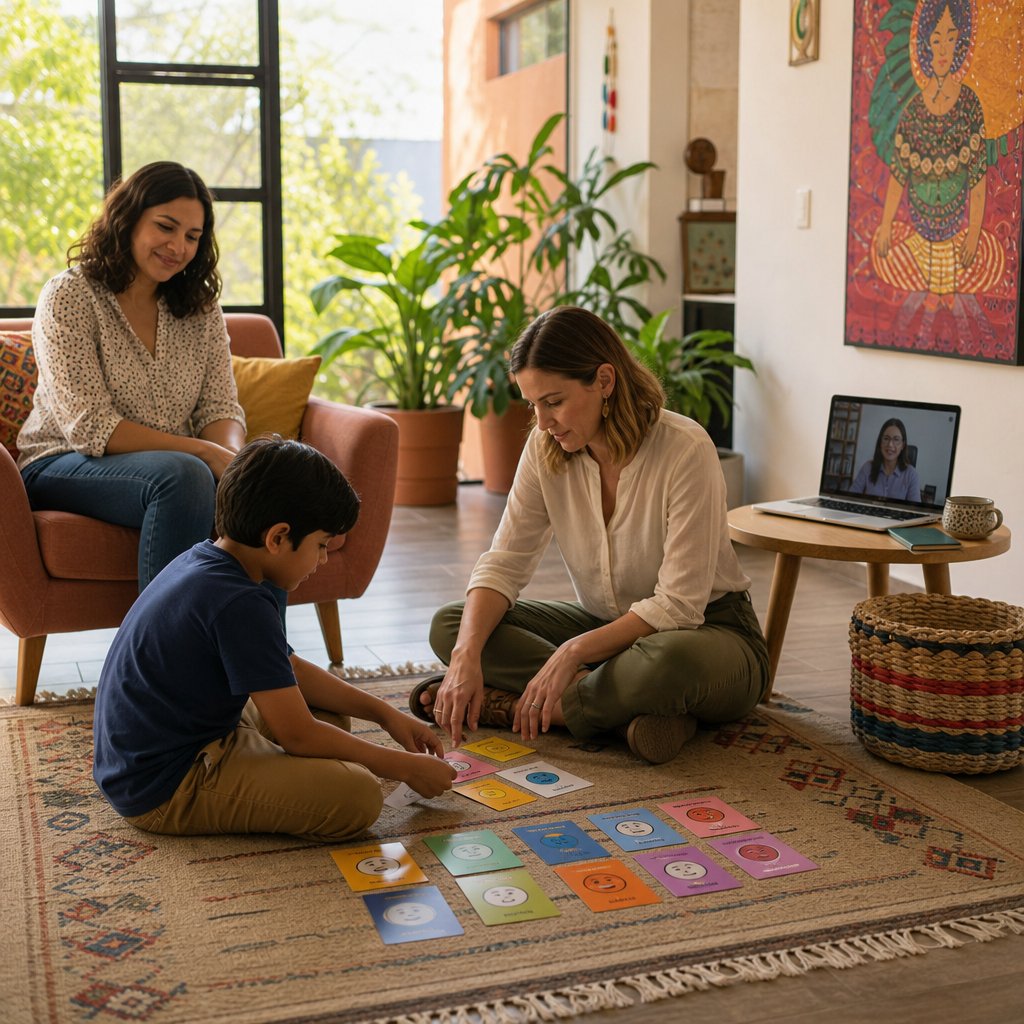
When to Seek Extra Support: Culture Shock, Regression, and Professional Resources
Most children cycle through four predictable stages, and knowing the map keeps you from panicking at the normal dip. The honeymoon (weeks 1–4) feels like an extended vacation—everything is new and exciting. Then comes frustration (roughly months two through four), when the novelty wears off and the daily friction of a second language and unfamiliar social codes sets in. This is when tears over homework or "I hate it here" peak—and it's normal. Adjustment follows as routines solidify, and finally acceptance, usually by the end of the first school year, when Mexico simply becomes home.
The frustration stage is messy but temporary. What should prompt action is when the dip doesn't lift. Watch for these red flags:
- Prolonged school refusal—genuine panic or daily stomachaches that persist past the first six weeks, not ordinary grumbling.
- Sleep disruption beyond three months—chronic insomnia, nightmares, or regression to bed-wetting in a previously dry child.
- Social withdrawal—a child who has stopped trying to connect, declines every playdate, and retreats fully into screens.
Any of these lasting more than a few weeks warrants professional help, and the good news is it's accessible. All four featured cities have English-speaking child and adolescent therapists—ask your school counselor or post in the city expat Facebook groups you joined during scouting; families share vetted names readily. Expect private sessions at roughly MXN 800–1,500.
In smaller markets like Querétaro, or if you want a therapist who shares your child's cultural frame of reference, online platforms fill the gap cleanly. BetterHelp connects you with English-speaking counselors regardless of location, and Alma (US-based) works well for teens who'd rather keep their original therapist through the transition. Starting support early, before a struggling child's confidence erodes, almost always shortens the hard season.