

Move to Mexico: A Guide For Families by Scott Paton - HTML preview
Download the book in PDF, ePub for a complete version.
The Logistics of Moving: Visas, Shipping, Schools, and Settling In
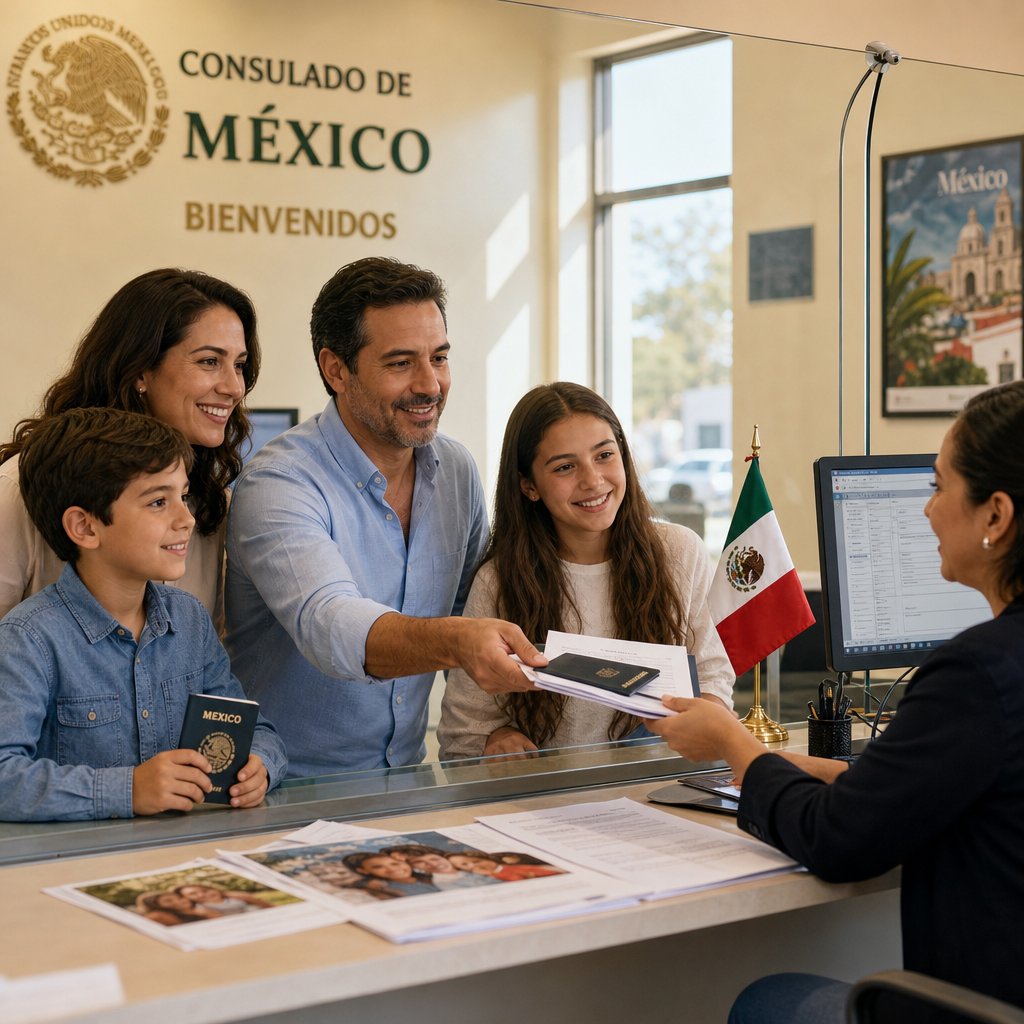
Visa Pathways for Families with Children
Here's the single most important thing to understand before you book flights: your family moves on the strength of one qualifying adult. That person—the primary applicant—establishes the Residente Temporal, and everyone else comes along as a dependent under the same file. You don't need each parent to qualify separately, and you certainly don't need your kids to prove anything financially.
The lead applicant typically qualifies through income. As a rough benchmark, Mexican consulates look for proof of around USD 2,600 per month in stable income over the past six months, or a healthy savings/investment balance (often 12 months of recent statements showing a figure roughly 20 times that monthly threshold). Thresholds vary slightly by consulate, so confirm the exact numbers with yours before assembling paperwork.
The process runs in two stages:
- At a Mexican consulate in your home country. The primary applicant applies in person, presents financial documents, passport, photos, and a completed form, and sits for a short interview. Dependents—your spouse and each child under 18—are added here, attached to the lead file. Bring apostilled marriage and birth certificates to prove the family relationship. Kids need no income proof of their own. On approval, each family member receives a visa sticker in their passport.
- At INM inside Mexico. You must enter Mexico within 180 days of that sticker being issued. Within 30 days of arrival, the whole family visits the local Instituto Nacional de Migración office to exchange the sticker for the physical residency card. Expect fingerprints, more photos, fees, and a few weeks' wait for the cards.
A practical tip: time the consulate appointment so your approval lands in late spring. That gives you the summer to enter, finalize INM cards, and settle before the late-August school start.
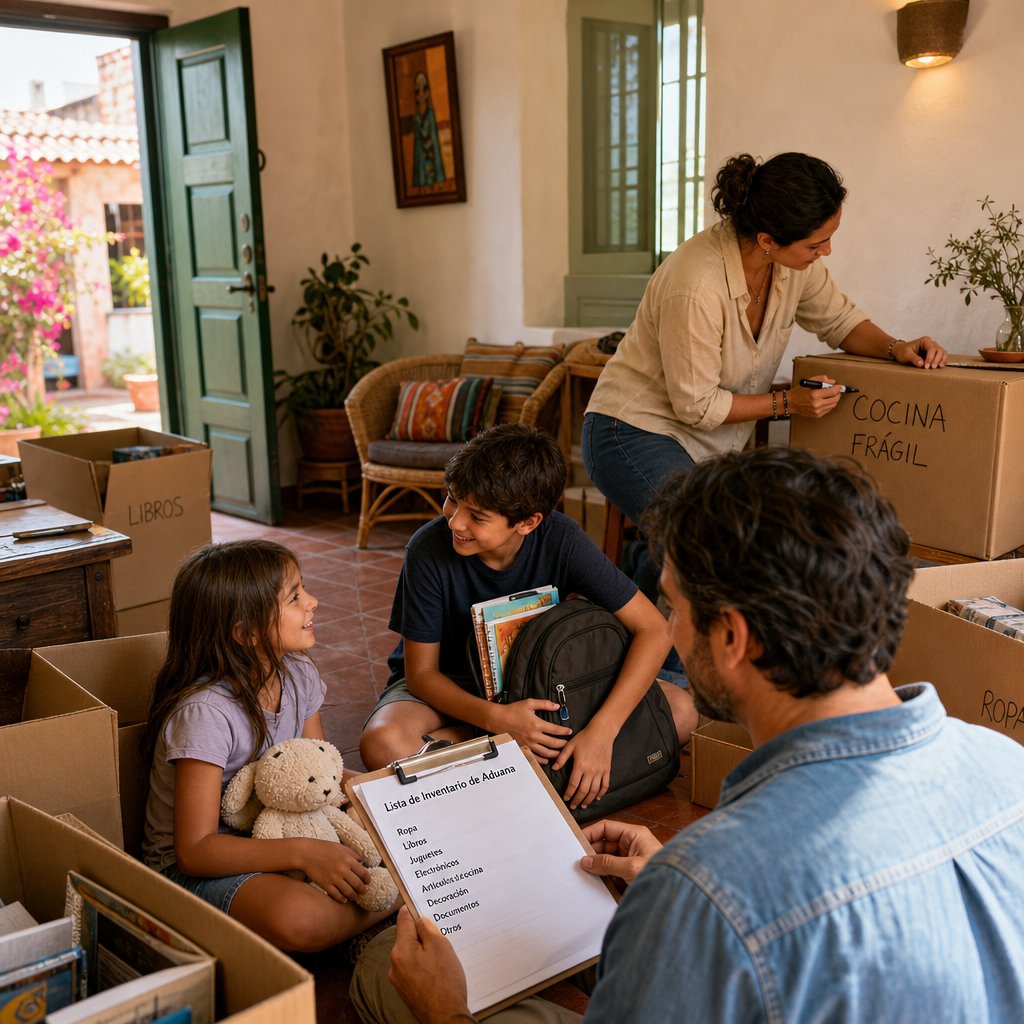
Shipping, Storage, and What Not to Bring
The single most valuable customs tool for a relocating family is the Menaje de Casa—a one-time permit that lets you import your used household goods tax-free. You apply through a Mexican consulate alongside your residency visa, submitting a detailed inventory (in Spanish, with estimated values) of everything you're bringing. It's a once-per-residency privilege, so plan it carefully; you can't come back for a second tax-free load a year later.
Before you ship anything, run the math. Electronics, major appliances, and vehicles are frequently cheaper and far simpler to replace in Mexico than to import and service. A US-spec refrigerator may not fit a Mexican kitchen cutout, and finding parts or warranty support for an imported washer becomes its own headache. Most families leave the big appliances behind.
For the actual move, split your belongings into three tiers:
- Hand-carry: children's comfort items—a favorite stuffed animal, blanket, or bedtime book—plus school records, passports, apostilled documents, and medications. These never go in a container. A lost or delayed shipment is survivable; a lost security blanket during week one is not.
- Air freight: a small, fast load of essentials to tide you over—kitchen basics, a few weeks of clothing, kids' schoolbooks and supplies. It's expensive per kilo but arrives in days, bridging the gap before your furniture lands.
- Sea container: furniture, bulk household goods, and anything you genuinely can't replace affordably. Budget six to eight weeks from port to delivery, and expect it to arrive after you do.
Rent a short-term furnished rental or arrange a landlord's basic furnishings for that container gap. Many Juriquilla, Zapopan, and San Pedro rentals come partly furnished precisely because incoming families need the runway. Keep your shipment lean—you'll be surprised how little you actually miss.
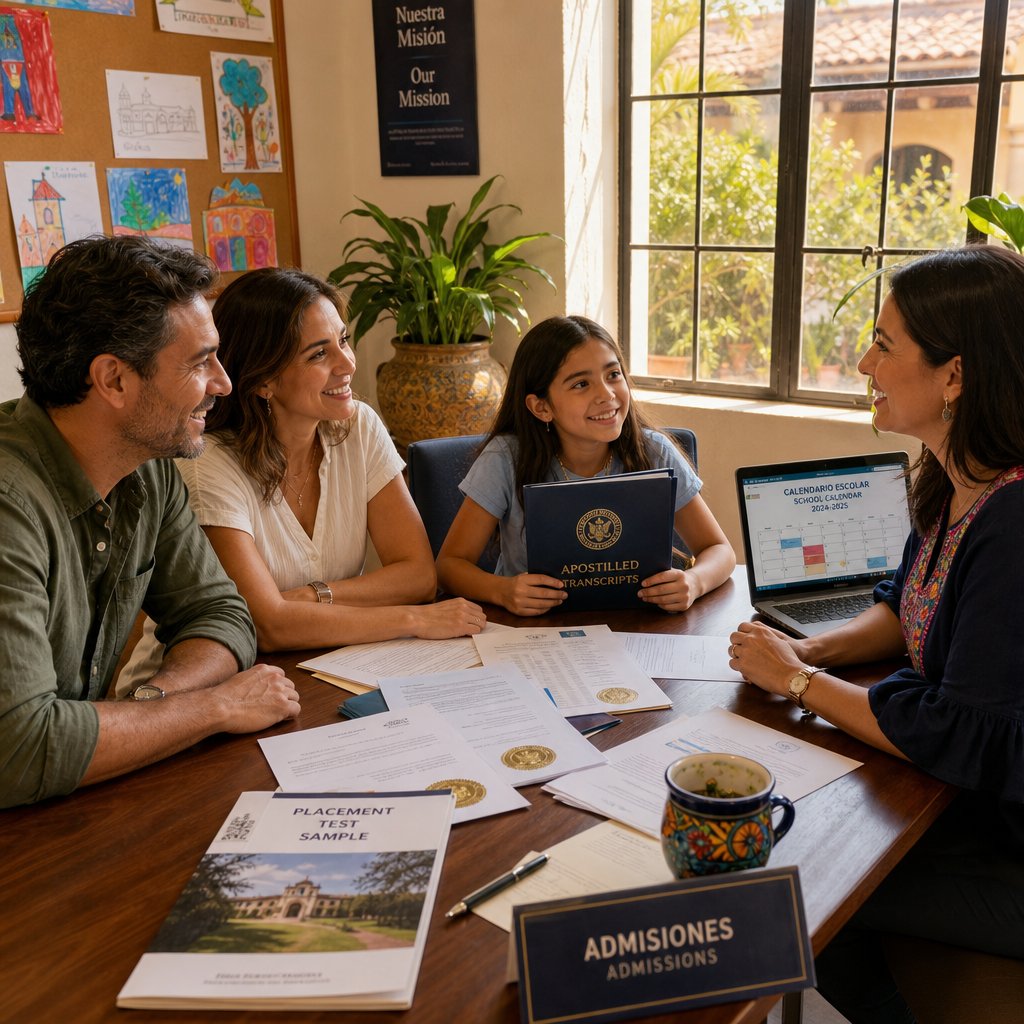
Enrolling Your Child in School: Transcripts, Testing, and Timing
The single biggest cause of a child starting the school year late isn't the visa—it's paperwork no one apostilled in time. Before you leave home, take every official school transcript, report card, and diploma to the authority that issues apostilles in your country (in the US, this is usually the Secretary of State's office in the state where the document was issued). Order two certified copies of each; one inevitably gets kept on file. An apostille can take two to six weeks by mail, so start this the moment you've shortlisted schools.
International schools—the American School of Yucatán, Colegio Americano in Guadalajara, ASFM—typically accept apostilled foreign transcripts directly. Bilingual colegios recognized by the SEP, however, usually require homologación: the formal process of converting your child's foreign grade level and credits into the Mexican system. Ask each school whether they handle homologation in-house or whether you must file with the state education authority yourself. Build in four to eight extra weeks for it.
Most schools administer a placement test—Spanish for bilingual programs, English (and sometimes math) for international ones. These aren't pass-fail gatekeepers so much as leveling tools, but they do determine whether your child needs ESL or extra Spanish support. Request sample materials or a syllabus in advance so your child can practice and walk in feeling prepared rather than ambushed.
On timing: enroll by May or June for the late-August start. That window lets you complete testing, pay the enrollment fee, and order uniforms without panic. Mid-year spots do exist—families move constantly—but they're limited, and popular grades fill fast. If you're arriving off-cycle, contact admissions immediately and ask to be waitlisted, then keep the apostilled documents ready to submit the day a seat opens.