

Desert Winds & Hidden Legends: Exploring the Pueblos Mágicos of Northeast Mexico by Scott Paton - HTML preview
Download the book in PDF, ePub, Kindle for a complete version.
Chapter 3: Tamaulipas
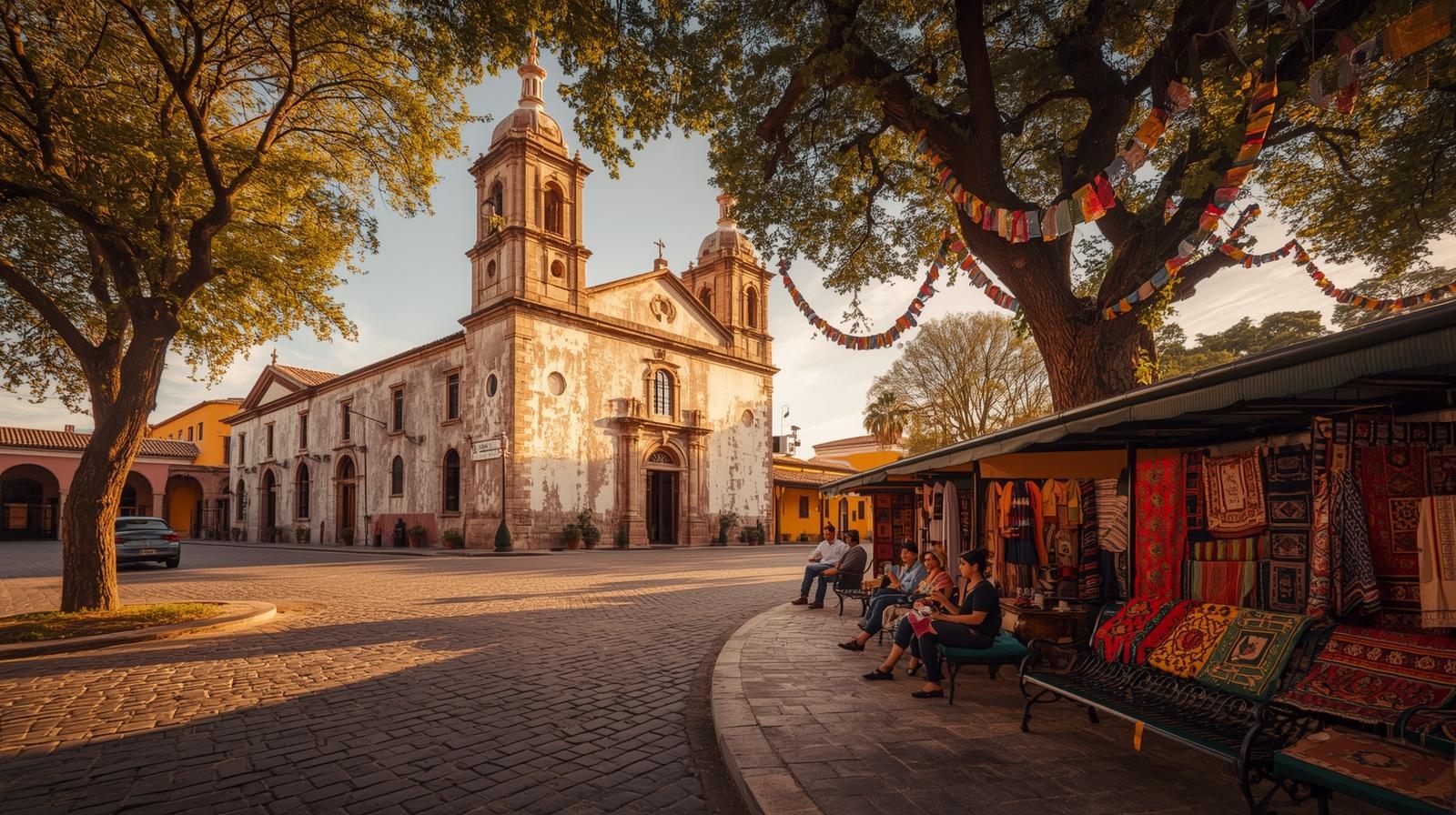
Tamaulipas doesn’t usually make the front page of glossy travel magazines, and maybe that’s part of its charm. This northeastern state, tucked between the Sierra Madre Oriental and the Gulf of Mexico, is full of quiet surprises—places where time slows down just enough for you to notice the scent of fresh tortillas in a market stall, the laughter spilling out of a shaded plaza, or the way an old church glows golden in the late afternoon sun.
The Pueblos Mágicos of Tamaulipas are not the kind of towns you rush through; they’re the kind that invite you to linger, to sit on a bench with a cup of café de olla and watch daily life unfold. Each one has its own rhythm: some whisper stories of colonial trade routes and revolutionary battles, others celebrate indigenous traditions that have outlasted centuries of change. Together, they form a mosaic of history, hospitality, and hidden beauty that feels both proudly Mexican and distinctly Tamaulipeco.
And here’s the thing—visiting these towns feels a bit like discovering a secret. Have you ever stumbled into a place that wasn’t on your “must-see” list and ended up wondering why everyone else doesn’t talk about it more? That’s Tamaulipas. These Pueblos Mágicos aren’t polished theme parks; they’re lived-in, real, and all the more enchanting because of it.
So, whether you’re craving cobblestone wanderings, authentic flavors that don’t come with a tourist price tag, or a deeper sense of connection with Mexico’s cultural heartland, Tamaulipas is ready to surprise you. Let’s step into its magical towns together—each with a story to tell, each with a little piece of magic waiting for you.
Mexico’s Northeast Pueblos Mágicos ©2026 All Rights Reserved. Scott Paton Trust. 43 Ciudad Mier, Tamaulipas – The Frontier Pueblo Mágico
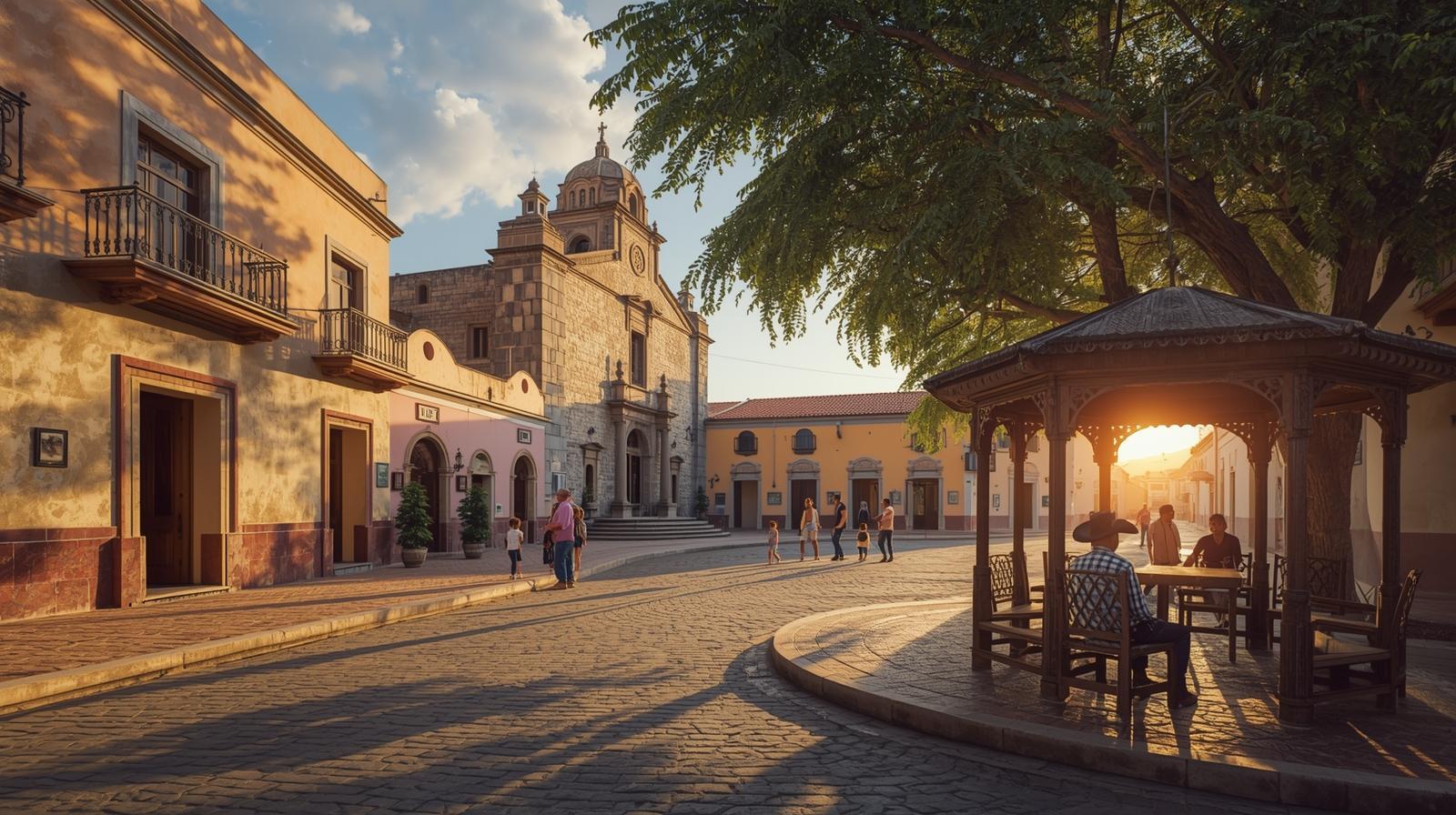
There’s a particular kind of silence you feel when you step into Ciudad Mier. It’s not empty—it’s layered. The echo of colonial bells, the whispers of revolution, the steady pulse of the Rio Álamo nearby. This small frontier town, tucked into the northeast corner of Tamaulipas right along the U.S. border, doesn’t shout for attention. Instead, it waits, inviting you to lean in and listen. And if you do, you’ll discover why it earned the title of Pueblo Mágico—not for showy tourist draws, but for its resilience, history, and quiet charm.
History & Culture
Ciudad Mier carries the weight of centuries. Founded in 1753, it became one of the first colonial settlements in this borderland. But it’s not just another Spanish outpost story—Mier was the setting of one of Mexico’s most dramatic frontier tales: the Battle of Mier in 1842. Picture it: Mexican forces clashing with Texan rebels, a skirmish so intense it gave birth to legends, including the tragic “Black Bean Episode” that every local schoolchild can recount.
Yet beyond the battlefield, Mier has lived a double identity—Mexican heart, frontier spirit. Its cobblestone streets are lined with colonial homes painted in soft pastels, each with wrought-iron balconies that seem to lean forward, as if eager to tell their own stories. The town’s culture is stitched with Spanish Catholic traditions, indigenous roots, and the grit of a community that has endured wars, migrations, and more recent struggles.
Have you ever noticed how some towns seem to “stand guard”? Mier is one of those. A sentinel at the border, keeping memory alive.
Mexico’s Northeast Pueblos Mágicos ©2026 All Rights Reserved. Scott Paton Trust. 44 Getting There
Reaching Ciudad Mier is part of the adventure.
● From Monterrey, it’s about a four-hour drive northeast, following the highway toward the
U.S. border.
● If you’re coming from Nuevo Laredo, expect about a two-hour drive south along
Highway 2, a route that hugs the border and passes through ranching country.
● Buses run from major Tamaulipas cities like Reynosa and Nuevo Laredo, but schedules
can be irregular—best to confirm ahead.
● Taxis are available locally, but for flexibility, renting a car is ideal.
Travelers often combine Mier with visits to Camargo and Miguel Alemán, creating a frontier circuit full of river crossings and historic squares.
Where to Stay
Mier isn’t packed with big hotels—that’s part of its charm. Here, you’ll find small inns and guesthouses with a family-run feel.
● Hotel Casa Mier – Set in a restored colonial house, it feels like stepping back in time
with its tiled courtyards and antique furnishings.
● Posadas along the Plaza Principal – Modest, affordable, and right in the center of
town, perfect for walking to the main attractions.
● For those wanting more modern comforts, nearby Miguel Alemán offers hotels with
pools and business-style amenities.
What to See and Do
● Plaza Principal – The beating heart of Ciudad Mier. Shade trees, wrought-iron benches,
and a gazebo where locals gather in the evenings.
● Parroquia de la Inmaculada Concepción – A beautiful colonial church built in the 18th
century, its stone façade weathered but elegant. Step inside to feel centuries of prayer still lingering.
Mexico’s Northeast Pueblos Mágicos ©2026 All Rights Reserved. Scott Paton Trust. 45
● Museo de la Batalla de Mier – If history makes your pulse quicken, don’t skip this
museum. Artifacts, paintings, and narratives bring the 1842 battle to life.
● Historic Homes – Walk the streets to see the Casas Reales and other restored homes
with thick adobe walls and wooden doors that look like they’ve held off storms for centuries.
● Riverfront Walks – The Rio Álamo and Rio Bravo aren’t just geographical
features—they’re lifelines. Locals fish, picnic, and cool off by the water’s edge.
And if you’re there in November, the town explodes with life during the Fiestas de la Fundación de Mier, celebrating its founding with dances, rodeos, and fireworks. It’s the best time to see Mier wearing its festive colors.
Food to Try
You haven’t really visited Tamaulipas until you’ve eaten cabrito al pastor—roast kid goat, marinated and slow-cooked until tender. Mier does it with frontier flair. Other dishes to look for:
● Tortillas de harina – Soft, handmade, the perfect companion for everything.
● Carne asada norteña – Grilled beef, smoky and juicy, often shared in open-air
gatherings.
● Tamal de puerco – Hearty tamales wrapped in banana leaves, carrying centuries of
tradition.
And don’t skip the sweets—locals love cajeta de leche de cabra, a caramel made from goat’s milk, perfect as a souvenir.
Practical Tips
● Weather: Summers are hot (think 35°C/95°F), so bring light clothing, sunscreen, and
hats. Winters are mild but can get breezy at night.
● Shoes: Cobblestones demand comfortable walking shoes—leave the flimsy sandals
behind.
● Best Time to Visit: November (for festivals) or late winter/early spring when the heat
softens.
● Souvenirs: Handwoven textiles, regional sweets, and locally made ceramics.
Mexico’s Northeast Pueblos Mágicos ©2026 All Rights Reserved. Scott Paton Trust. 46 Ciudad Mier doesn’t dazzle with neon or resort-style polish. Its magic is quieter, harder won. It’s in the resilience of its people, the weight of its history, the softness of its pastel houses against a blue Tamaulipas sky. It’s the kind of place that makes you think about endurance—about how communities survive, adapt, and still celebrate life at the plaza when the sun goes down.
And maybe that’s the real spell of Mier: it reminds you that beauty isn’t always loud. Sometimes, it’s a whisper.
Mexico’s Northeast Pueblos Mágicos ©2026 All Rights Reserved. Scott Paton Trust. 47 Tula, Tamaulipas – Where Time Wears a Smile
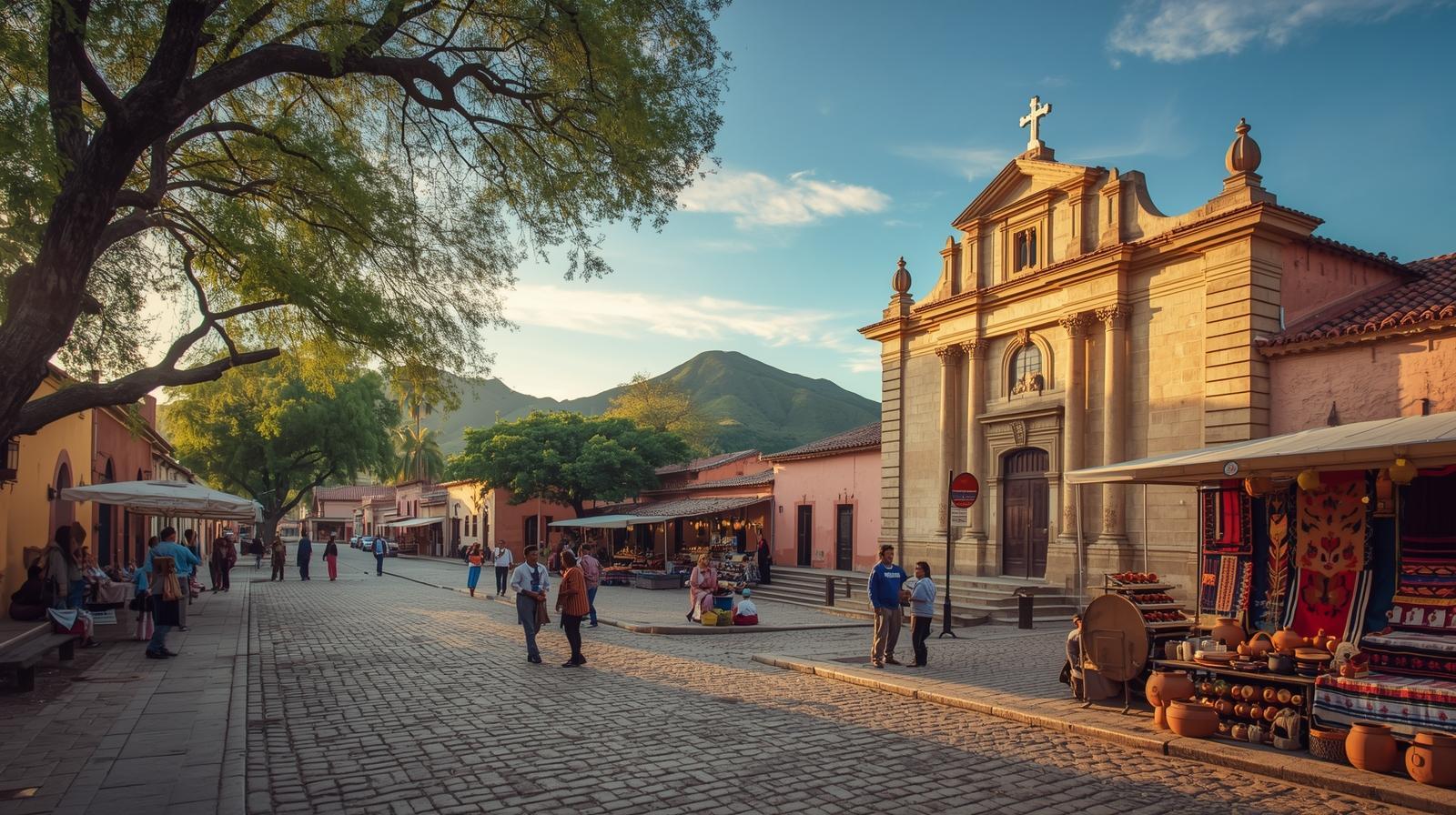
There are places that don’t just greet you; they embrace you. Tula, tucked into the highlands of Tamaulipas, is one of those towns. At first glance, it may seem like another quiet colonial pueblo, but linger a while and you’ll realize it’s humming with stories—stone streets where legends linger, churches that glow with centuries of faith, and a way of life that still values the slow dance of tradition. Tula is more than a destination; it’s a reminder that Mexico’s heart beats strongest in its small towns.
History & Culture
Founded in 1617, Tula proudly holds the title of the oldest town in Tamaulipas. Walk its cobblestone streets and you can almost feel the weight of time, but also its generosity. The Spanish laid down the colonial grid, yet the indigenous roots never vanished. You’ll notice it in the artisan work, in the regional dances, and even in the food—where corn and chile continue to rule the table.
The town’s church, San Antonio de Padua, still anchors the plaza with its quiet dignity. But perhaps what makes Tula shine most is its reputation as the cradle of cuera tulteca, the traditional leather jacket of Tamaulipas. Worn with pride, stitched with artistry, it’s more than clothing—it’s identity made tangible. If you’re lucky, you’ll stumble upon a festival where locals don the jacket and let the music carry their feet across the plaza stones.
Mexico’s Northeast Pueblos Mágicos ©2026 All Rights Reserved. Scott Paton Trust. 48 Getting There
Reaching Tula is an adventure in itself. From Ciudad Victoria, the state capital, it’s about a two-hour drive south through winding mountain roads, with landscapes that shift from dry scrub to cool pine forests. Buses run regularly from Victoria to Tula, and for those who crave flexibility, renting a car gives you the freedom to stop at viewpoints that beg for a photo (or three).
Taxis can get you around once you’re in town, but honestly, Tula is best explored on foot. The streets are narrow, walkable, and every corner seems to hold a surprise—like a quiet mural or a grandmother selling homemade sweets.
Where to Stay
Tula isn’t about five-star hotels; it’s about charm.
● Posadas familiares (family-run guesthouses) offer warm hospitality, often with
homemade breakfasts that taste like comfort itself.
● For those wanting a bit more polish, boutique inns near the main plaza provide rustic
rooms with colonial décor.
● Budget travelers will find simple hostales that are clean, affordable, and—bonus—often
come with hammocks strung up in the courtyard.
Don’t expect luxury; expect authenticity. And that’s better, isn’t it?
What to See and Do
● Plaza de Armas – The heart of Tula, where locals gather in the evenings. Watch kids
chase each other around the kiosk while older couples enjoy ice cream on the benches.
● San Antonio de Padua Church – More than just a religious site, it’s a piece of living
history. Step inside and feel how cool the stone walls stay, even in summer.
● Museo de la Cuera Tulteca – Dedicated to Tula’s famous leather jacket, this museum
gives you a sense of why the garment is both pride and tradition.
● Local Workshops – Artisans here craft leather, pottery, and textiles using methods
passed down for generations. A visit feels less like shopping and more like entering someone’s creative heart.
Mexico’s Northeast Pueblos Mágicos ©2026 All Rights Reserved. Scott Paton Trust. 49
● Natural Surroundings – Tula is surrounded by hills and valleys, ideal for hiking,
photography, or simply inhaling fresher air than you thought possible.
Food to Try
You can’t leave Tula without tasting:
● Enchiladas tultecas – Rolled tortillas stuffed, fried, and bathed in a spicy sauce that
lingers just long enough.
● Asado de puerco – Pork simmered in a rich red chile sauce, hearty and deeply
satisfying.
● Gorditas de horno – Sweet corn cakes baked in clay ovens, often with a hint of
piloncillo. Perfect with coffee.
● And yes, if someone offers you atole de maíz nuevo, take it. It tastes like comfort in a
cup.
Practical Tips
● Weather – Tula sits at higher altitude, so expect cooler nights even if the days are
sunny. Pack a light jacket.
● Shoes – Cobblestones look romantic but feel less so on your feet—sturdy walking shoes
are your friend.
● Best Time to Visit – Festivals around June (honoring San Antonio) fill the town with
music, dance, and color. Otherwise, October to February brings mild, lovely weather.
● Souvenirs – Take home a miniature Cuera Tulteca or locally crafted pottery; both carry
Tula’s essence.
In a world that often races ahead, Tula chooses to pause. It offers you not neon lights, but starlit skies. Not fast food, but recipes whispered across generations. And not hurried strangers, but warm smiles that make you feel less like a tourist and more like a guest.
Tula is not about checking off landmarks; it’s about letting history, tradition, and hospitality sink into your bones. It’s about realizing that magic doesn’t always shout—it sometimes whispers. And in Tula, that whisper is unforgettable.
Mexico’s Northeast Pueblos Mágicos ©2026 All Rights Reserved. Scott Paton Trust. 50