

Desert Winds & Hidden Legends: Exploring the Pueblos Mágicos of Northeast Mexico by Scott Paton - HTML preview
Download the book in PDF, ePub, Kindle for a complete version.
Chapter 2: Nuevo León
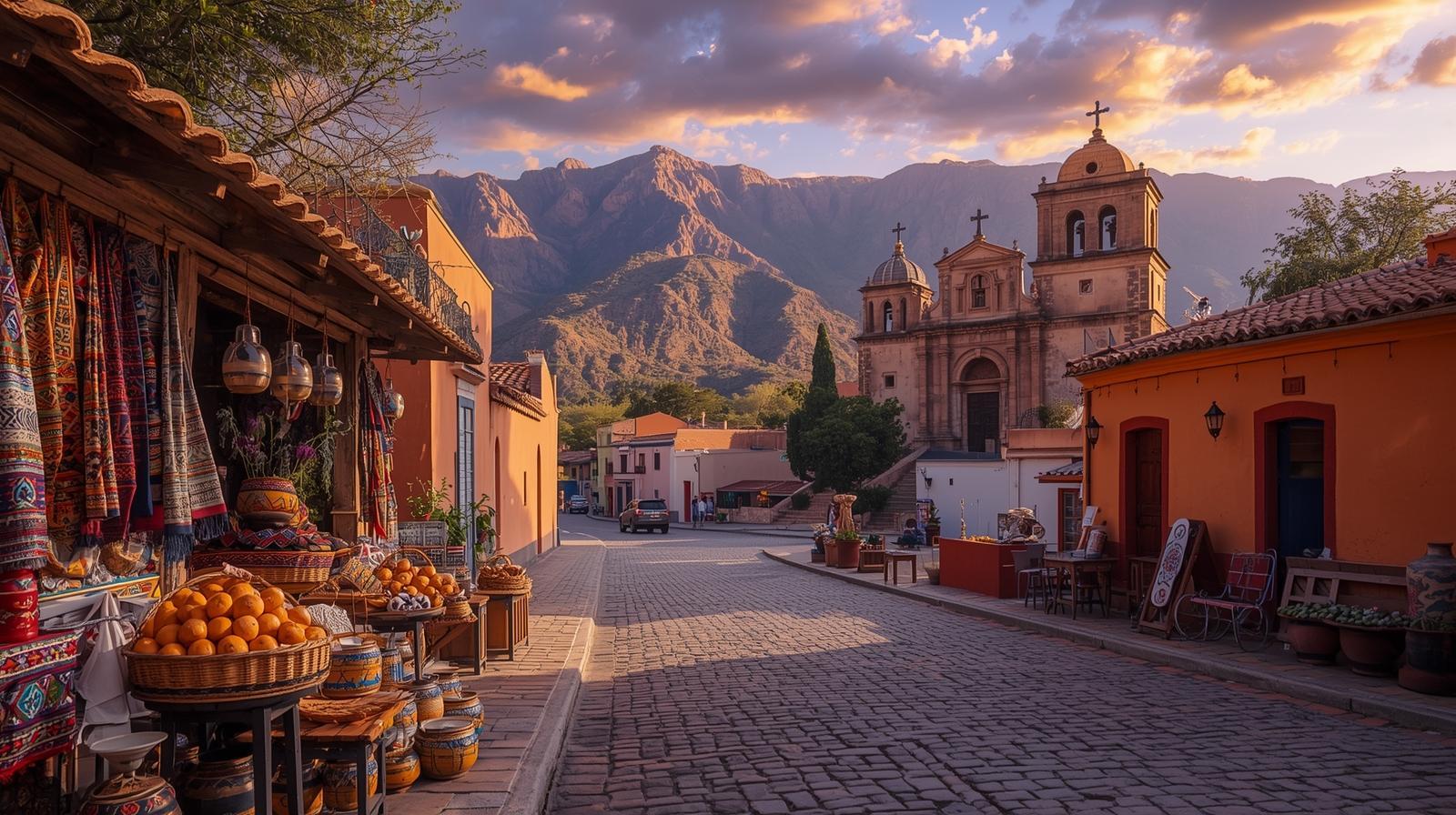
Nuevo León isn’t always the first place that comes to mind when people dream about Mexico’s “Pueblos Mágicos.” Most travelers picture beaches, colonial plazas, or jungle-covered ruins. But here, tucked between rugged mountains and rolling desert, the state hides a quieter kind of magic—one that feels raw, authentic, and surprisingly close to the heartbeat of everyday northern life.
Imagine walking through narrow cobblestone streets with the smell of freshly baked pan de elote drifting from a corner bakery. Picture yourself looking up at the Sierra Madre, its peaks shifting from golden to deep violet as the sun sinks behind them. Or sharing a plate of cabrito, roasted slowly until it falls apart, while listening to locals tell stories about traditions passed down for generations. That’s the charm of Nuevo León’s magical towns—they’re not trying to impress you with glitter. They simply are, and that’s enough.
Each Pueblo Mágico here has its own rhythm: some whisper with colonial echoes, others hum with mountain winds and the sound of rushing rivers. Together, they weave a picture of northern Mexico that’s as proud as it is welcoming. This guide will take you through them one by one—exploring their history, savoring their flavors, and pointing out the little details you’d probably miss without a friend nudging you to look closer.
So pack your curiosity (and maybe an extra sweater—the nights in the mountains can be chilly). You’re about to discover a side of Nuevo León where magic lives in both the grand and the everyday.
Mexico’s Northeast Pueblos Mágicos ©2026 All Rights Reserved. Scott Paton Trust. 32 Santiago, Nuevo León – A Mountain Town with a
Magical Soul
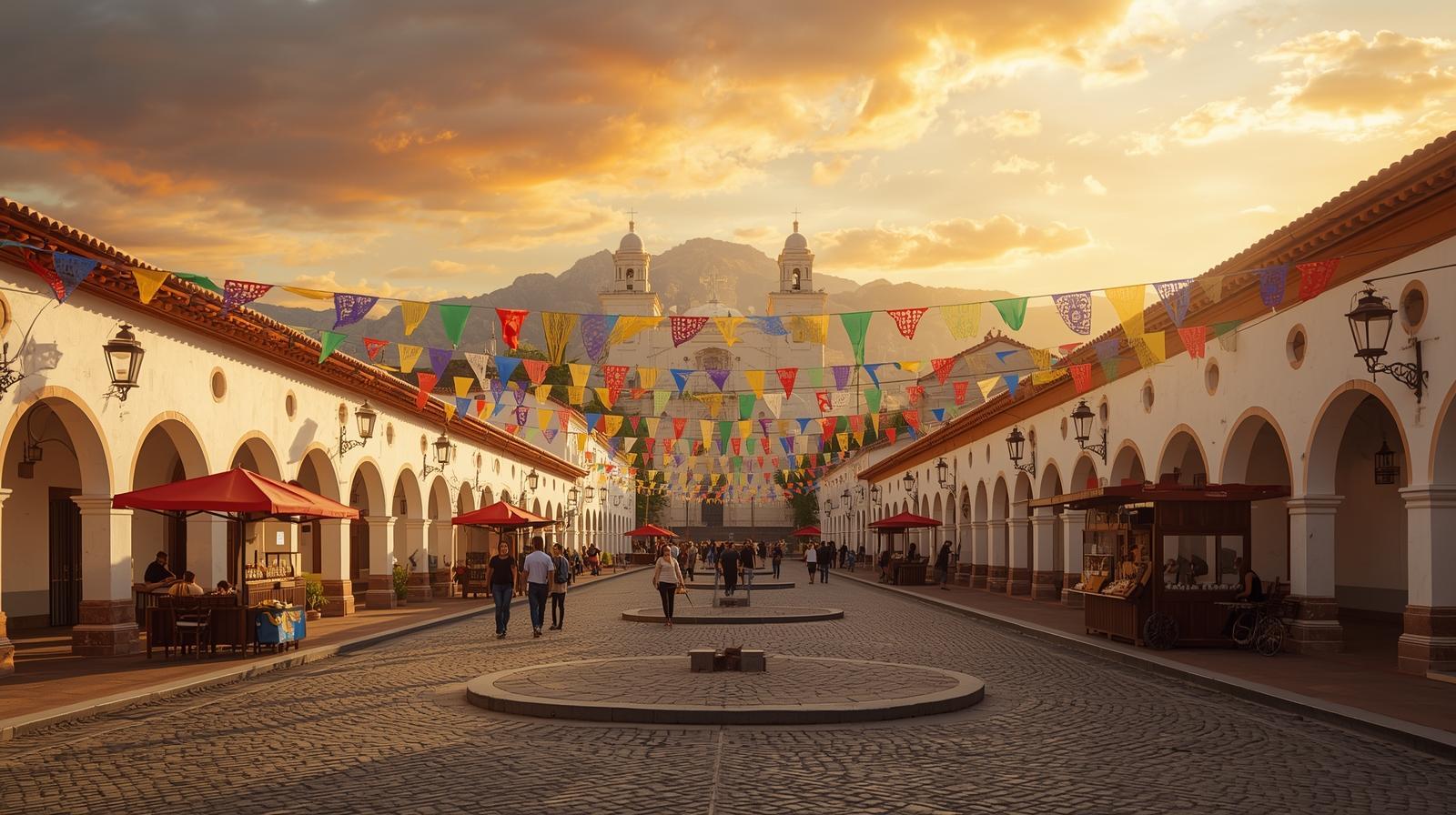
There’s a moment, just as you leave behind the bustle of Monterrey and the road begins to climb, when the air shifts. It cools, it softens, and it smells faintly of pine and river water. That’s when you know you’re on your way to Santiago, a Pueblo Mágico tucked in the Sierra Madre Oriental, and one of Nuevo León’s most beloved escapes. With its white-washed colonial facades, cobblestone streets, and the dramatic backdrop of mountains, Santiago feels like a place where time paused—just long enough to let beauty take root.
This is not a sleepy town, though. Santiago is alive with hikers setting off toward waterfalls, families gathering in the central plaza, and chefs reimagining northern Mexican dishes in rustic kitchens. It’s the kind of place where you can stroll in the morning mist, then end your day with cabrito al horno (roast goat) and a glass of local mezcal.
History & Culture
Founded in the late 1500s, Santiago has carried centuries of stories in its adobe walls and tiled roofs. The town grew around the Parroquia de Santiago Apóstol, a 19th-century church that still anchors the main square with its twin bell towers. The colonial influence is obvious—arched doorways, inner courtyards, thick wooden doors—but Santiago also whispers indigenous roots, reminders of the tribes who once lived along the Río La Chueca.
Mexico’s Northeast Pueblos Mágicos ©2026 All Rights Reserved. Scott Paton Trust. 33 During the colonial era, Santiago became a waypoint between mining towns and Monterrey, thriving on agriculture and ranching. Even today, ranch culture runs deep here. Locals are proud of their traditions—music, horsemanship, rodeos—and you’ll see it in the festivals that fill the calendar. The town’s identity is a blend: mountain ruggedness with urban proximity, old-world architecture with the spirit of northern Mexico’s hardworking rancheros.
Getting There
One of Santiago’s charms is its accessibility. It’s just about 35 kilometers (a 45-minute drive) south of Monterrey, making it a favorite weekend retreat. The fastest way is by car; you’ll take Federal Highway 85, which threads through rolling hills until the Sierra Madre comes into view.
Don’t have a car? No problem. Buses leave regularly from Monterrey’s central terminal bound for Santiago, dropping you right in town. Taxis and ride-shares are also common, especially if you’re staying overnight. If you’re the adventurous type, renting a car is best—many of Santiago’s treasures lie outside the town center, tucked away in mountains and valleys.
Where to Stay
Santiago offers a mix of rustic comfort and boutique charm.
● Hacienda-style boutique hotels – Picture colonial courtyards, heavy wooden doors,
and rooms that smell faintly of cedar. Some even have pools overlooking the mountains.
● Cabins in the Sierra – For those wanting seclusion, you’ll find cabins around Cola de
Caballo and Ciénaga de González. Perfect for hikers, couples, or anyone who wants to wake up to birdsong.
● Budget inns & guesthouses – Simple, family-run spots near the plaza where you’ll be
treated more like a guest than a customer.
Whether you’re after candlelit evenings or campfire nights, Santiago has the bed for you.
What to See and Do
This is where Santiago shines—it’s both a town of wandering and a springboard for adventure.
Plaza Ocampo – Start in the heart of town. Whitewashed arcades surround the plaza, with vendors selling ice cream, gorditas, and traditional sweets. The Parroquia de Santiago Apóstol towers above, making it impossible to miss. Sit on a bench and watch the rhythm of daily life—abuelos chatting, kids chasing pigeons, couples walking hand in hand.
Cola de Caballo Waterfall – Just 7 km outside town, this is Santiago’s superstar. The “horse’s tail” waterfall plunges 25 meters into a cool pool, framed by dense pine forest. A paved path
Mexico’s Northeast Pueblos Mágicos ©2026 All Rights Reserved. Scott Paton Trust. 34 leads you close enough to feel the mist. Want more? Horseback rides and zip lines around the area give you an adrenaline kick.
Presa La Boca – Santiago is also a water town. La Boca Dam, built in the mid-20th century, is where locals gather for boat rides, fishing, and lakeside dining. Weekends bring a festive atmosphere with music, micheladas, and grilled fish.
Ciénaga de González & Potrero Redondo – For hikers, bikers, and nature-seekers, these highland villages are gateways to trails, caves, and lesser-known cascades. You might stumble across hidden picnic spots where only the sound of wind and water accompany you.
Museo de Historia de Santiago – To balance the outdoor thrills, step inside this small museum housed in an old colonial building. It gives context to the region’s evolution—from indigenous settlements to the modern era.
Fiestas Tradicionales – Visit in July and you’ll catch the Fiestas de Santiago Apóstol, where the town bursts with parades, music, and rodeo shows.
Food to Try
If Monterrey is famous for carne asada, Santiago is its soulful cousin.
● Cabrito al horno – Tender, slow-roasted kid goat, seasoned simply but bursting with
flavor. It’s a rite of passage here.
● Machacado con huevo – Dried beef scrambled with eggs, a breakfast staple that will
fuel you for hikes.
● Gorditas & empanadas de elote – Street food classics, often filled with beans, cheese,
or rajas.
● Glorias de Linares – Caramel-like sweets made from goat’s milk. Not technically from
Santiago, but you’ll find them everywhere.
● Local mezcals & craft beers – Nuevo León’s artisanal drinks are gaining fame, and
Santiago is the perfect place to sample.
Practical Tips
● Weather – Summers can be hot, though evenings cool with mountain breezes. Winters
are crisp, sometimes dropping to near freezing. Pack layers.
Mexico’s Northeast Pueblos Mágicos ©2026 All Rights Reserved. Scott Paton Trust. 35
● Best time to visit – Spring and autumn are ideal: clear skies, mild temperatures, and
vibrant greenery.
● Shoes & clothing – Bring walking shoes for cobblestones and hiking boots if you plan to
explore beyond town.
● Souvenirs – Handwoven textiles, leather goods, and sweets are popular. You’ll also find
locally crafted pottery in small shops.
● Connectivity – Cell service is generally good in town, but spotty in the
mountains—something to keep in mind if you’re going off-grid.
Santiago isn’t just another Pueblo Mágico—it’s a reminder of how close magic can be to the everyday. Barely an hour from Monterrey, you step into a world where waterfalls crash in the forest, colonial plazas glow at sunset, and meals taste like centuries of tradition.
There’s something about the way Santiago balances opposites: it’s both rugged and refined, adventurous and comforting, steeped in history yet alive with modern life. Maybe that’s why so many people return—not just to see the sights, but to feel the way this town makes them pause, breathe, and remember that Mexico’s magic often hides in plain sight.
Mexico’s Northeast Pueblos Mágicos ©2026 All Rights Reserved. Scott Paton Trust. 36 Bustamante, Nuevo León: The Oasis of the Desert
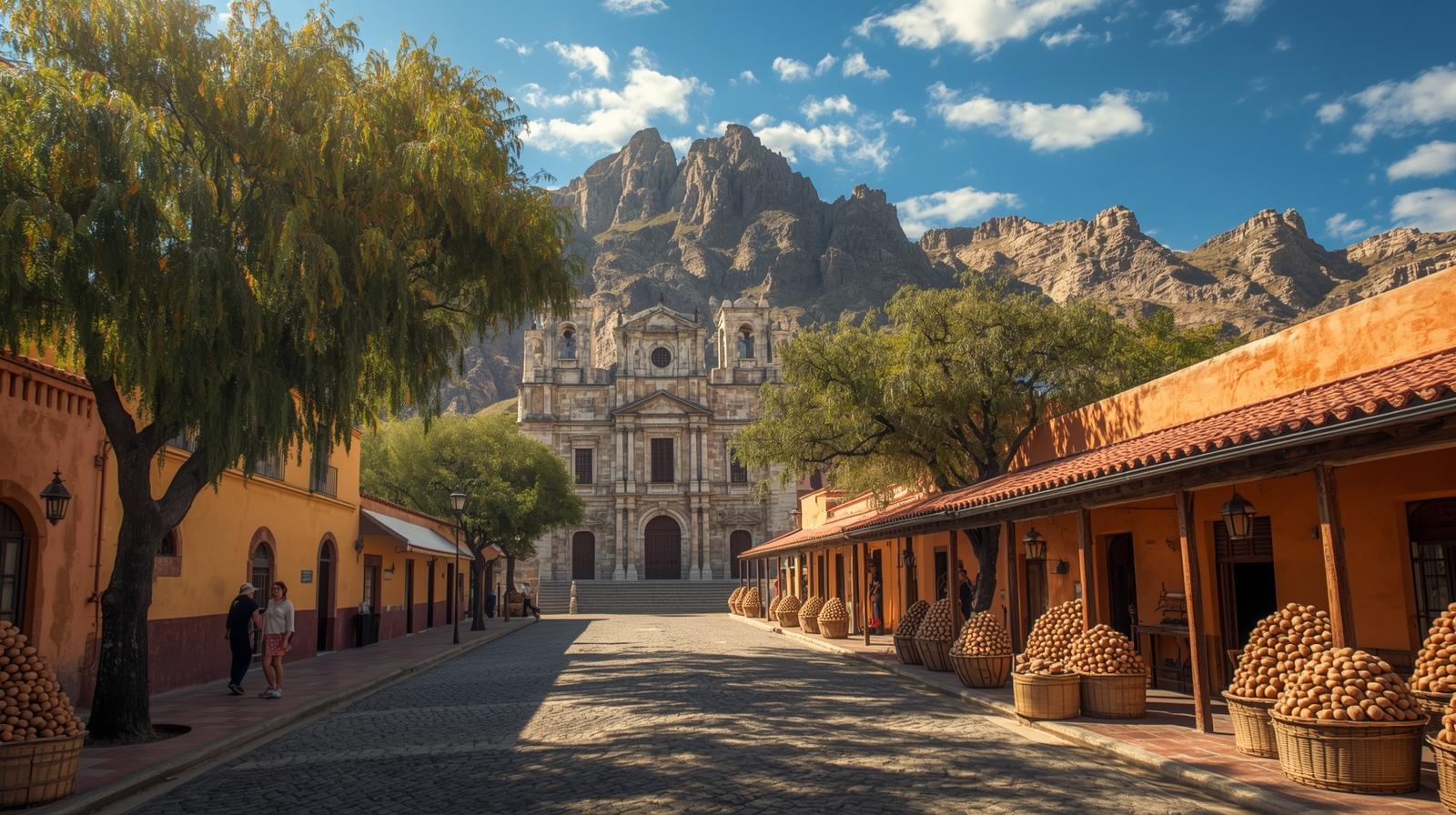
Some towns feel like they were born from a dream, and Bustamante is one of them. Tucked between rugged mountains and desert landscapes in Nuevo León, this Pueblo Mágico surprises visitors with something you’d never expect in such arid lands: a true oasis. Palms sway in the breeze, crystal-clear springs bubble through the valley, and the warmth of the people makes you feel like you’ve stumbled upon a secret worth keeping. Bustamante is often called the “Garden of Nuevo León,” and it earns the title with every patch of green that breaks through the desert beige.
History & Culture
Bustamante’s story begins with the indigenous groups who found refuge in its canyons and fertile valley long before the Spanish arrived. Later, Franciscan missionaries established settlements here, leaving behind churches that still stand as guardians of faith and tradition. Walking through the streets, you’ll see adobe homes with colorful facades, plazas where families gather in the evening, and a pace of life that feels unchanged for centuries. The town is also famous for its caves—the Grutas de Bustamante—which have sheltered humans for millennia and now invite travelers to marvel at underground formations of stalactites and stalagmites.
Bustamante is also a place of pilgrimage. The Sanctuary of San Miguel Arcángel draws faithful visitors, blending devotion with local identity. Festivals mix Catholic rituals with indigenous touches, a reminder of how cultures intertwined to shape this land. And don’t be surprised if
Mexico’s Northeast Pueblos Mágicos ©2026 All Rights Reserved. Scott Paton Trust. 37 someone tells you a legend or two—stories of spirits, saints, and mountains are part of Bustamante’s DNA.
Getting There
Reaching Bustamante is easier than you’d think. From Monterrey, it’s about a two-hour drive heading northwest. Renting a car gives you the freedom to stop along scenic spots, but buses from Monterrey’s northern terminal also make the trip several times a day. Taxis are available in nearby towns, though it’s best to arrange transportation in advance if you’re not driving yourself. The road winds through the desert and mountains, offering changing scenery that makes the journey part of the adventure.
Where to Stay
Bustamante isn’t overflowing with luxury hotels, but that’s part of its charm. Here, you’ll find small inns and family-run guesthouses that treat you more like a visiting cousin than a guest. Boutique stays in renovated colonial homes offer rustic stone walls, wooden beams, and patios filled with flowers. Budget travelers will find hostales and cabins near the springs—perfect for those who prefer waking up to birdsong instead of traffic. For campers, designated areas near the groves and streams allow for starry-night experiences that cities can’t compete with.
What to See and Do
● Grutas de Bustamante – The caves are a must. A guided tour will take you through
chambers where ancient peoples once sought shelter, and today, you can marvel at limestone formations sculpted by time.
● Oasis & Springs – The natural springs that feed into streams and small pools are
perfect for cooling off on hot days. Locals often picnic here under the shade of towering walnut and ash trees.
● Main Plaza & Church of San Miguel Arcángel – The heart of town, where evenings
come alive with laughter, street food, and children playing. The church, dating back centuries, anchors the community’s spiritual life.
● Bustamante Canyon – Just outside town, the canyon offers trails for hiking,
birdwatching, and photography. In autumn, pecan harvests bring the valley to life with activity.
● Local Markets – Small but lively, the tianguis (street markets) sell regional sweets,
handmade crafts, and, of course, Bustamante’s famous bread.
Food to Try
Mexico’s Northeast Pueblos Mágicos ©2026 All Rights Reserved. Scott Paton Trust. 38 Bustamante has a reputation for baking, and its pan de Bustamante is legendary. Sweet, pillowy, and often filled with piloncillo or anise, it’s the kind of bread that makes you rethink your definition of “just bread.” Pair it with local cajeta (goat’s milk caramel) or a mug of café de olla, and you’ll understand why people stop here just for the panaderías. The fertile valley also produces nuts, especially pecans, which find their way into candies, sauces, and even liqueurs. Traditional northern Mexican dishes like cabrito (roast kid goat), machacado con huevo (dried beef scrambled with eggs), and gorditas stuffed with beans or cheese are everyday staples you shouldn’t miss.
Practical Tips
● Weather: Summers can be scorching, with temperatures often above 35°C (95°F).
Winters are mild but chilly at night.
● Clothing: Bring light clothes for the day, but pack a sweater or jacket for the evenings in
the mountains. Comfortable walking shoes are a must if you plan to explore the canyon or caves.
● Best Time to Visit: Spring and autumn are ideal. The pecan harvest in
October-November adds a festive air, while springtime makes the valley bloom.
● Souvenirs: Take home Bustamante bread, local nuts, or handwoven textiles. They’re
small treasures with big stories.
Bustamante is more than a stop on a map—it’s a reminder of how life flourishes even in the harshest conditions. Here, the desert meets water, the past meets the present, and visitors meet a community that lives in harmony with both. You come for the caves or the bread, but you leave with something harder to describe: a quiet sense of wonder, a feeling that you’ve walked through a hidden doorway into Mexico’s soul.
Bustamante may be small, but its magic lingers long after you’ve left its shaded plazas and cool springs. Isn’t that what every traveler is really looking for?
Mexico’s Northeast Pueblos Mágicos ©2026 All Rights Reserved. Scott Paton Trust. 39 General Zaragoza, Nuevo León – A Pueblo Mágico
Wrapped in Mountains
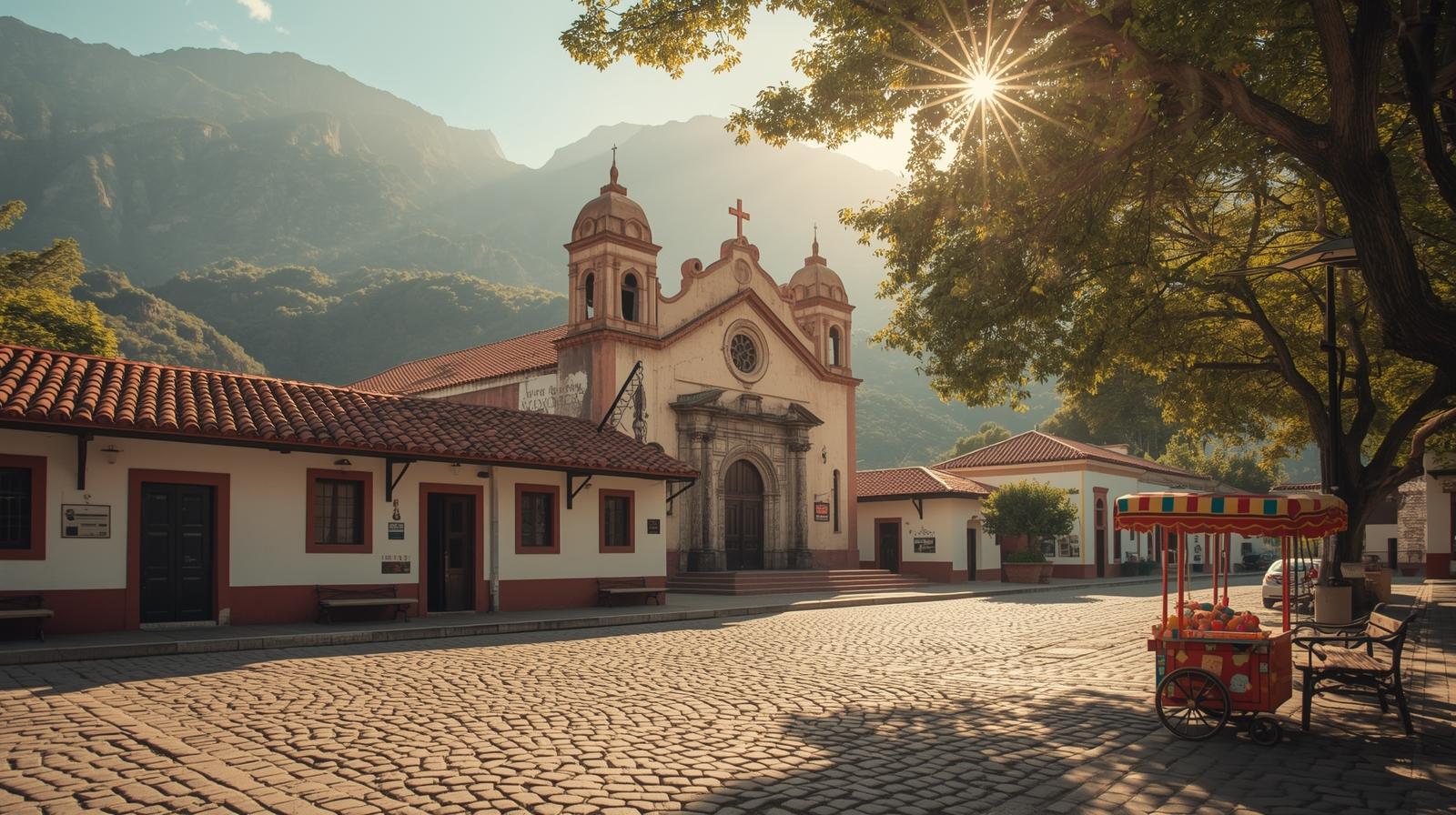
There’s something about driving into Zaragoza that makes you instinctively roll down the windows. The air is cooler here, sharper somehow, scented with pine and wild herbs carried down from the Sierra Madre Oriental. It feels like stepping into another world — one that hasn’t forgotten its history but lives very much in the present. General Zaragoza may not be the most famous Pueblo Mágico in Nuevo León, but that’s exactly what makes it so captivating. You don’t come here to tick boxes on a tourist list; you come here to slow down, breathe deeply, and discover a mountain town that guards its magic quietly, like a secret passed from one generation to the next.
History & Culture
Zaragoza’s story is woven into the rugged fabric of Nuevo León’s highlands. Founded in the 17th century as “San José de las Ánimas,” it later took the name of General Ignacio Zaragoza, the hero of the Battle of Puebla in 1862. And yes, that’s the same battle commemorated every Cinco de Mayo. But Zaragoza is more than its namesake. Walk through the narrow streets, and you’ll notice the colonial-style houses with thick adobe walls and red-tiled roofs. Many families here still keep ancestral homes, passing down stories of mule caravans, silver mining, and cattle ranching that once defined the local economy.
Mexico’s Northeast Pueblos Mágicos ©2026 All Rights Reserved. Scott Paton Trust. 40 Culturally, Zaragoza is a blend of northern ranch traditions and deep Catholic devotion. The main plaza often echoes with live norteño music, while church bells from San José Church mark the rhythm of daily life. Locals will tell you — sometimes with a chuckle — that the town is both proud and stubborn, and maybe that’s what has preserved its authenticity in a rapidly modernizing region.
Getting There
Reaching Zaragoza is an adventure in itself. From Monterrey, the state capital, it’s about a three-hour drive south — a scenic route that winds through mountains, rivers, and pine forests. Buses run occasionally from larger hubs like Linares or Montemorelos, but most travelers prefer renting a car for flexibility (and let’s be honest, for the views). The roads are good, though curvy, so take it slow and stop at miradores (viewpoints) along the way. Trust me, you’ll want those photo breaks.
Where to Stay
Zaragoza doesn’t have sprawling resorts — and that’s part of the charm. You’ll find cozy posadas (inns), rustic cabins tucked into the mountains, and family-run guesthouses where the owner might serve you homemade tortillas in the morning. For something with a touch of luxury, a few boutique eco-lodges on the outskirts offer fireplaces, mountain views, and guided hikes. Budget travelers can stay at simple Hospedajes near the plaza — modest, affordable, and perfectly located for wandering.
What to See and Do
● Plaza Principal – The heart of Zaragoza, shaded by ancient trees and framed by
colonial architecture. It’s the place to sip a coffee, people-watch, and feel the town’s pulse.
● San José Church – A beautifully preserved colonial church whose stone façade glows
golden in the late afternoon sun. Step inside for cool silence and intricate altarpieces.
● El Salto Waterfall – Just outside town, this natural cascade drops into turquoise pools.
Perfect for a picnic, a refreshing dip, or simply marveling at how nature puts on a show.
● Sierra Madre hikes – Lace up your boots. Trails wind into pine forests, offering
sweeping views, crisp mountain air, and, if you’re lucky, a glimpse of local wildlife.
● Local festivals – If you visit in May, the celebrations for the Battle of Puebla light up the
town with parades, music, and plenty of food. In September, Independence Day adds
Mexico’s Northeast Pueblos Mágicos ©2026 All Rights Reserved. Scott Paton Trust. 41
another layer of color and pride.
Food to Try
Food in Zaragoza is hearty, rustic, and deeply northern. Expect cabrito al pastor (roast kid goat, slow-cooked over embers until the meat is tender and smoky), asado de puerco (pork stew in rich red chile sauce), and hand-pressed tortillas that somehow taste better here in the mountains. Sweet tooth? Don’t miss glorias de Linares (goat’s milk caramel candies), which you’ll find in nearby towns. Wash it all down with local fruit liqueurs or a glass of agua fresca made from regional fruits.
Practical Tips
● Weather: Cooler than Monterrey — pack a light jacket, especially at night.
● Shoes: Comfortable walking shoes or boots for cobblestones and hiking trails.
● Best time to visit: Spring and autumn, when the weather is mild, and festivals are in full
swing.
● Souvenirs: Handwoven textiles, wooden crafts, and locally produced preserves make
perfect take-home reminders.
General Zaragoza doesn’t scream for attention — it whispers. It invites you to linger, to sit under the plaza’s trees and imagine the centuries of history that have passed quietly here. Maybe it’s the mountains, maybe it’s the waterfalls, maybe it’s the stubborn pride of a town that has never tried to be anything other than itself. Whatever it is, Zaragoza stays with you. You leave with lungs full of mountain air, a heart a little slower in the best way, and the sense that you’ve been let in on one of Nuevo León’s best-kept secrets.
Mexico’s Northeast Pueblos Mágicos ©2026 All Rights Reserved. Scott Paton Trust. 42