

Desert Winds & Hidden Legends: Exploring the Pueblos Mágicos of Northeast Mexico by Scott Paton - HTML preview
Download the book in PDF, ePub, Kindle for a complete version.
Chapter 1: Coahuila
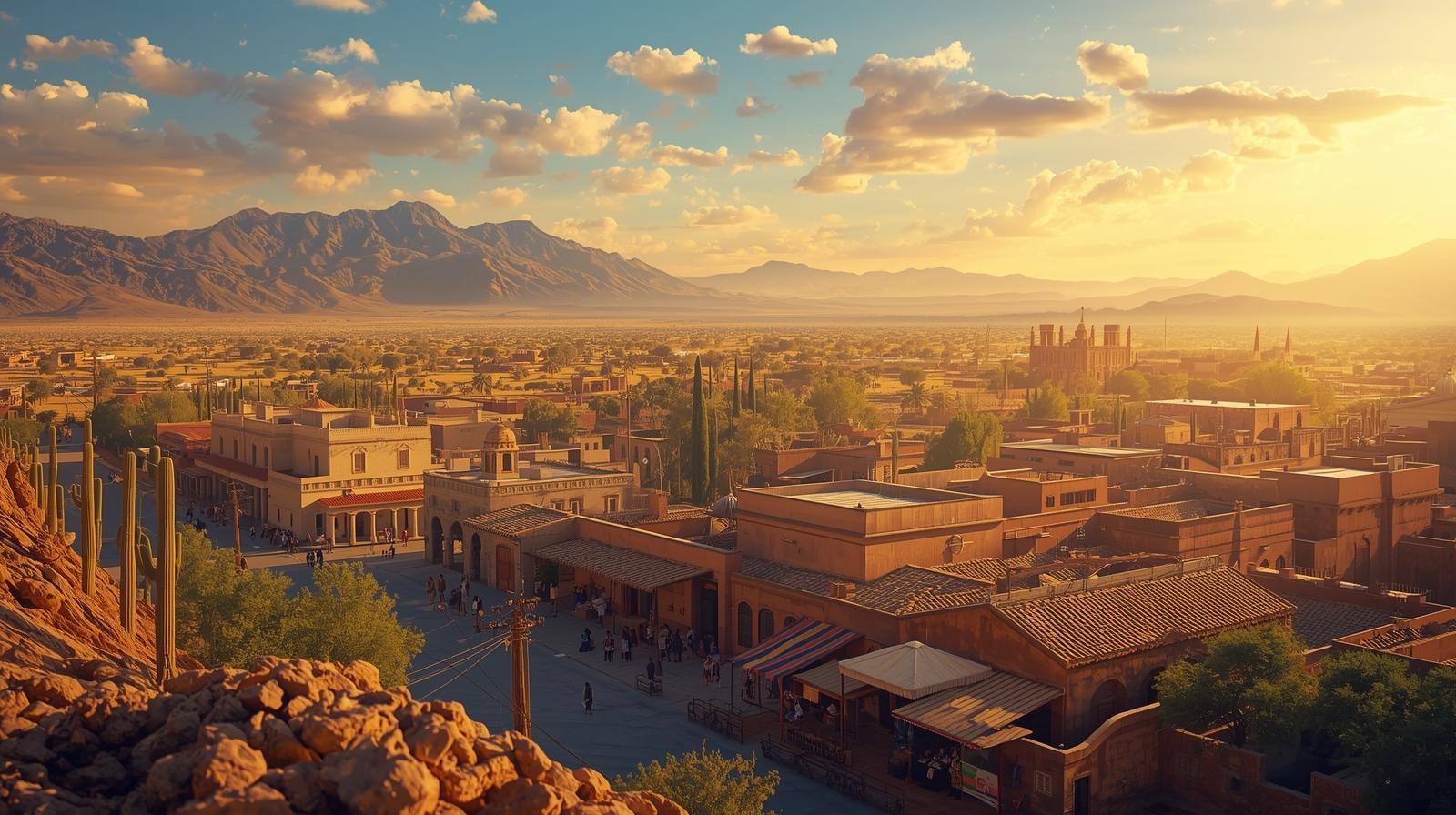
Nobody expects magic in the desert. Yet here it is—Coahuila, a land that at first glance looks like endless dry plains and rugged mountains, suddenly unravels its secrets in towns that feel like they’ve been plucked out of a dream. How can a place so harsh, so sunburnt, hide villages shimmering with colonial plazas, vineyards older than most countries, and ghostly mining towns where whispers of the past still echo in abandoned shafts?
Coahuila shocks you with its duality. One moment you’re staring at cactus fields under a merciless sun, and the next you’re sipping sweet wines in Parras de la Fuente, the oldest wine region in the Americas. You think you’re safe walking cobblestoned streets, but then stories of revolutionaries, witches, and desert spirits slip into the conversation, making you question whether history and legend are really separate here—or just two sides of the same coin.
This is not the Mexico of glossy postcards. This is Mexico raw and untamed, where every Pueblo Mágico punches through expectations. Coahuila León doesn’t just invite you in—it dares you to look deeper, to be unsettled, to be enchanted, all at once.
Mexico’s Northeast Pueblos Mágicos ©2026 All Rights Reserved. Scott Paton Trust. 3 Arteaga, Coahuila: The Switzerland of Mexico
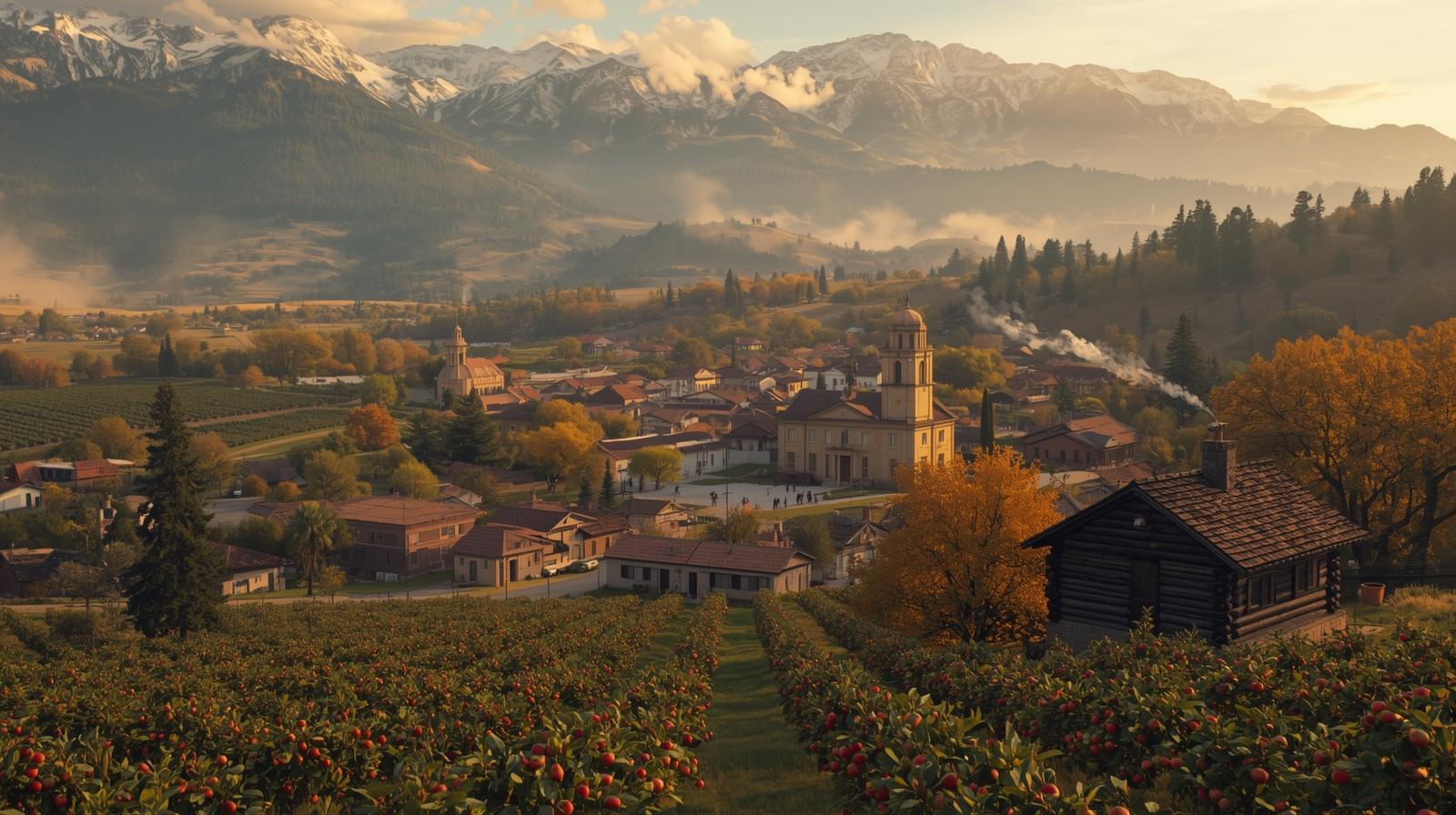
Nestled against the Sierra Madre Oriental, Arteaga greets you with a surprise—snow. Yes, snow in Mexico. It’s the kind of place that makes you blink twice, wondering if you’ve been teleported from the deserts of Coahuila to the Alps of Switzerland. Locals even call it the “Switzerland of Mexico,” and once you see the pine-covered mountains and sip hot chocolate in the crisp air, you’ll understand why. Arteaga is where traditions feel lived-in, not staged, and where the air itself seems to hum with mountain magic.
History & Culture
Arteaga’s story begins in the 16th century, when Spanish settlers arrived and established a mission town in the fertile valley. The soil was generous, producing apples, peaches, and other fruits that would become central to its identity. Over centuries, Arteaga grew as a hub for farming, woodworking, and spiritual life.
Walking through its cobblestone streets, you’ll see adobe houses with tiled roofs that have weathered generations, and you’ll sense how the town’s rhythm is slower, deliberate. Catholic traditions are deeply woven into the cultural fabric, with the Parish of San Isidro Labrador standing at the heart of town. Every May, the Fiesta de San Isidro honors the patron saint of farmers with music, dance, and offerings of local produce—reminders that this is still an agricultural town at heart.
At the same time, Arteaga’s people are proud mountain folk. The crafts here often come from wood, stone, and wool—tangible reflections of the rugged landscape. And if you arrive during
Mexico’s Northeast Pueblos Mágicos ©2026 All Rights Reserved. Scott Paton Trust. 4 winter? You’ll find a whole other side of Mexican culture: families in mittens and scarves building snowmen while the smell of roasted corn drifts through the plaza.
Getting There
Arteaga is located about 18 kilometers (roughly 20 minutes by car) from Saltillo, the capital of Coahuila. From Monterrey, the drive is about two hours, making it an easy weekend escape. Buses run regularly between Saltillo and Arteaga, and taxis or ride-shares are another option once you’re in the region. For those who love scenic drives, renting a car is ideal—you’ll want the freedom to wind up mountain roads and stop at viewpoints along the way.
Where to Stay
Arteaga may be small, but it surprises with cozy accommodations:
● Cabañas en la Sierra – Rustic log cabins tucked among pine forests, perfect for couples
or families seeking mountain quiet.
● Boutique Inns in Town – Around the central plaza, you’ll find family-run posadas
offering warm hospitality and hearty breakfasts with homemade pan dulce.
● Mountain Lodges – If skiing at Monterreal (yes, skiing in Mexico!) is on your list, staying
near the slopes puts you right in the action.
What to See and Do
● Plaza Principal – The beating heart of Arteaga, framed by colonial architecture and the
Parish of San Isidro Labrador. Ideal for evening strolls and people-watching.
● Ski Monterreal – Mexico’s only ski resort, where artificial snow meets natural slopes.
Whether you ski, snowboard, or simply ride the chairlift, it’s an unforgettable experience.
● Apple Orchards & Vineyards – Arteaga’s fertile lands produce apples, peaches, and
wines. Orchards open for tours and tastings, especially during harvest season.
● Museo de las Momias de San Antonio de las Alazanas – A small but intriguing
museum with naturally mummified bodies, offering a glimpse into local history and lore.
● Mountain Trails – Hiking, biking, and horseback riding are popular. Trails wind through
pine forests, offering fresh air and sweeping views of the Sierra Madre.
Mexico’s Northeast Pueblos Mágicos ©2026 All Rights Reserved. Scott Paton Trust. 5 Food to Try
Arteaga’s cuisine mirrors its climate—comforting, hearty, and a little unexpected.
● Pan de Pulque – Sweet bread made with pulque (fermented agave sap), soft, aromatic,
and perfect with coffee.
● Cider & Apple Treats – From sparkling cider to apple liqueurs, pies, and jellies, the
town’s orchards provide endless variations.
● Cabrito al Pastor – A northern delicacy of roasted young goat, seasoned and
slow-cooked.
● Traditional Sweets – Cajeta (goat’s milk caramel) and fruit preserves are popular
souvenirs.
Practical Tips
● Weather – Winters are cold (sometimes below freezing) and can bring snow. Summers
are warm but comfortable thanks to the altitude.
● Clothing – Pack layers. A light jacket works in the day, but you’ll want something
heavier at night. Sturdy shoes are a must for cobbled streets and mountain trails.
● Best Time to Visit – Winter (December–February) for snow and skiing, or late summer
(August–September) for apple harvest festivals.
● Souvenirs – Hand-woven wool textiles, cider bottles, and pan de pulque make
memorable gifts.
Arteaga is the kind of Pueblo Mágico that sneaks up on you. It doesn’t shout its charms—it whispers them through mountain breezes, steaming mugs of cider, and the quiet dignity of a town that still feels deeply rooted. In a country known for beaches and deserts, Arteaga’s snow-kissed peaks feel almost surreal. And maybe that’s the true magic of this place: it shows you a Mexico you didn’t expect, one that stays with you long after you’ve left.
Mexico’s Northeast Pueblos Mágicos ©2026 All Rights Reserved. Scott Paton Trust. 6 Candela, Pueblo Mágico: Where Time Slows and
Stories Whisper from the Mountains
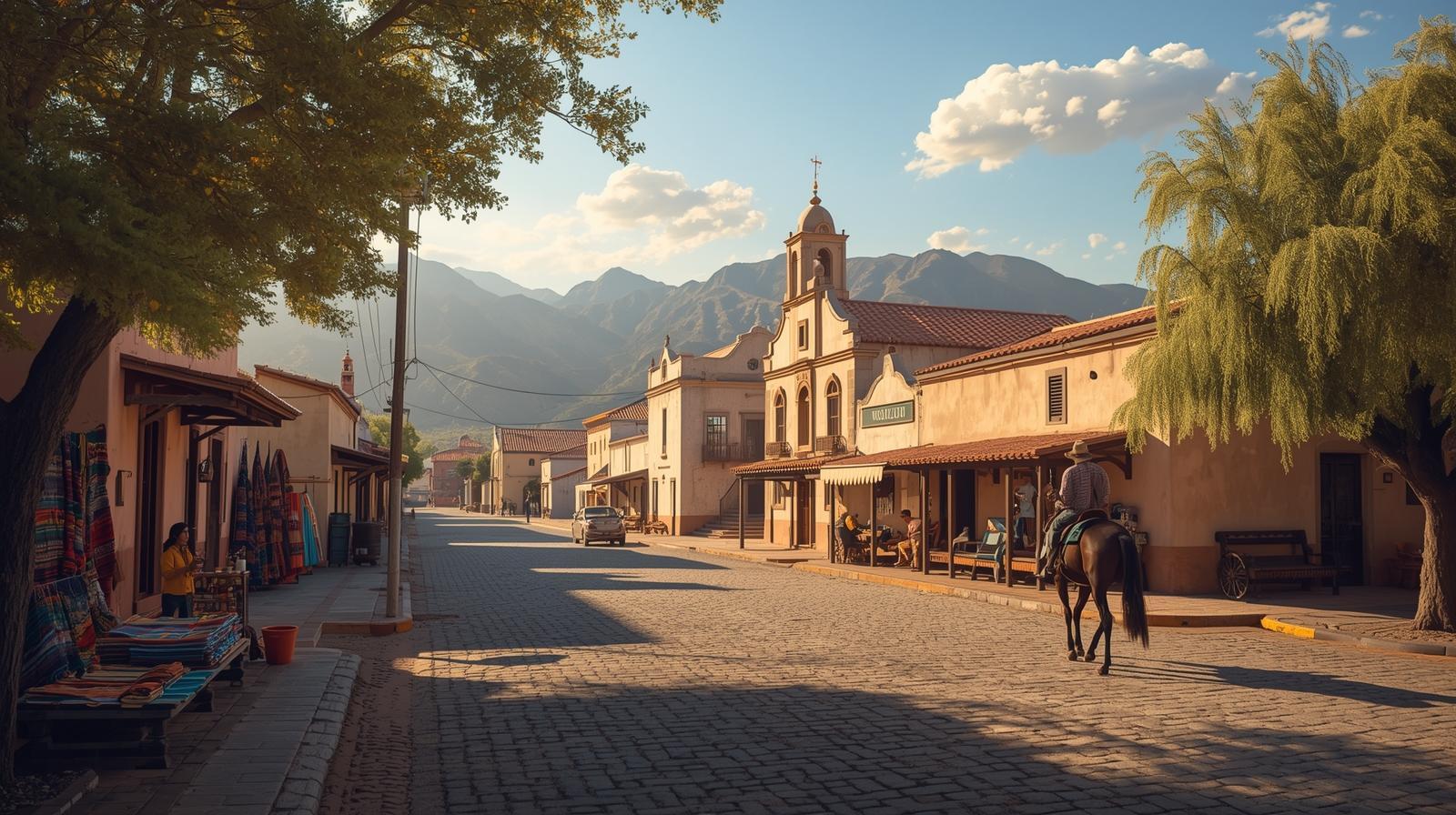
Candela doesn’t shout its magic. It hums it. Nestled in the northeastern state of Coahuila, this Pueblo Mágico is the kind of place where you catch yourself slowing down, breathing deeper, and listening to the silence that isn’t really silent—because the rivers gurgle, the cicadas sing, and the wind carries centuries of stories from the surrounding mountains.
For many travelers, Candela is a revelation. It’s not as widely known as San Miguel de Allende or San Cristóbal de las Casas, and that’s precisely the point. It feels untouched, preserved in its own rhythm, waiting for you to wander through its narrow streets, sit in its plazas, and maybe—if you’re lucky—share a homemade mezcal with a local who insists you taste “the real Coahuila.”
History & Culture
Candela’s story is one of resilience. Founded in 1690 by Spanish settlers and Franciscan missionaries, the town became an outpost in a rugged landscape where the desert meets the Sierra. Its name, meaning “candle,” is said to refer to the flickering light of faith in difficult times—or perhaps to the glowing silhouette of the surrounding hills at sunset.
During colonial times, Candela was a ranching hub. Generations of families worked the land, herding cattle and goats across the arid plains. This ranching identity is still strong today—you’ll see it in the cowboy hats worn proudly in the plaza, in the rodeo traditions, and in the slow-smoked cabrito (roast goat) served at family gatherings.
Mexico’s Northeast Pueblos Mágicos ©2026 All Rights Reserved. Scott Paton Trust. 7 The town also carries whispers of revolutionary history. In the early 20th century, Candela was a safe passage for revolutionary fighters moving through Coahuila. The old railway station, though quiet now, once bustled with activity, connecting this remote town to the larger political struggles of Mexico.
Walk through the historic center and you’ll notice the architecture—colonial facades in earthy tones, the Church of San Carlos Borromeo standing with dignified simplicity, and the kind of wrought-iron balconies that make you want to pause and imagine who once leaned over them, watching processions and fiestas pass by.
Getting There
Candela is about 150 kilometers (roughly two hours by car) from Monterrey, and about the same distance from Saltillo, the state capital of Coahuila. The most practical way to get here is by car—whether renting one in Monterrey or Saltillo, or arranging a private transfer.
For the adventurous, regional buses run to nearby Monclova, a larger city about 60 km away. From Monclova, you can catch a taxi or colectivo into town. Just keep in mind, public transport schedules in this region can be irregular, so planning ahead is key.
Where to Stay
Candela’s charm lies in its small, family-run accommodations. Don’t expect five-star resorts here—expect something better: intimacy.
● Posada Candelaria – A cozy guesthouse with traditional décor, tiled floors, and a
courtyard where you can sip coffee under the shade of citrus trees.
● Ranch stays – Several local ranches open their doors to visitors, offering rustic rooms,
horseback riding, and hearty meals.
● Boutique options in Monclova – If you prefer modern comforts, staying in Monclova
and making day trips is another good option.
What to See and Do
Candela isn’t about checking boxes. It’s about soaking in experiences. Still, here are highlights you shouldn’t miss:
● Plaza Principal – The heartbeat of town, where you’ll find locals gathering in the
evenings. Grab a bench and people-watch.
Mexico’s Northeast Pueblos Mágicos ©2026 All Rights Reserved. Scott Paton Trust. 8
● Iglesia de San Carlos Borromeo – A simple yet elegant church dating back to the 18th
century.
● Los Carricitos – Natural pools fed by springs, perfect for cooling off on a hot afternoon.
Surrounded by reeds and willow trees, it feels like stumbling onto an oasis.
● Ojo de Agua – Another spring with crystalline water, popular with families and
picnickers.
● Mountains of the Sierra de Candela – Hiking trails here lead to panoramic views,
mysterious caves, and sometimes, the sight of wild goats leaping impossibly across cliffs.
● La Cueva del Oso (Bear Cave) – A local legend spot where, according to stories, a
bear once defended its territory against hunters. Today, it’s more about cool exploration and echoing chambers than danger.
And if you happen to be in town during local rodeos or fiestas patronales, prepare for a full immersion into northern Mexican culture—music, dancing, horses, fireworks, and enough food to keep you happy for days.
Food to Try
Food in Candela is hearty, rustic, and unforgettable.
● Cabrito asado – The pride of Coahuila: young goat slow-roasted over embers until
tender and smoky.
● Machacado con huevo – A breakfast classic made from dried, shredded beef
scrambled with eggs. Pair it with warm tortillas and salsa.
● Gorditas de harina – Thick flour tortillas stuffed with beans, cheese, or chicharrón.
Comfort food at its finest.
● Mezcal de la región – Locally crafted mezcal has a smoother, earthier flavor than
Oaxaca’s version. Don’t leave without tasting it.
Practical Tips
Mexico’s Northeast Pueblos Mágicos ©2026 All Rights Reserved. Scott Paton Trust. 9
● Best time to visit: Spring and fall offer pleasant weather. Summers can be scorching,
and winters, surprisingly chilly at night.
● Clothing: Light, breathable clothes for the day; a jacket for evenings. Sturdy shoes if
you’re planning hikes.
● Souvenirs: Hand-woven textiles, leather goods, and bottles of local mezcal make
thoughtful keepsakes.
● Connectivity: Cell signal can be spotty in the mountains. Download maps in advance.
Candela isn’t a place you stumble upon. It’s a place you choose. And in making that choice, you get rewarded with something rare: authenticity. No neon souvenir shops, no polished façades for tourists—just a town still living its traditions, proud of its past, and generous in sharing its present.
As you leave, the Sierra de Candela recedes in the rearview mirror, glowing faintly in the sun. And you realize—this Pueblo Mágico doesn’t just give you a trip. It gives you a pause. A memory that feels like a secret.
Mexico’s Northeast Pueblos Mágicos ©2026 All Rights Reserved. Scott Paton Trust. 10 Cuatro Ciénegas de Carranza: Oasis in the Desert
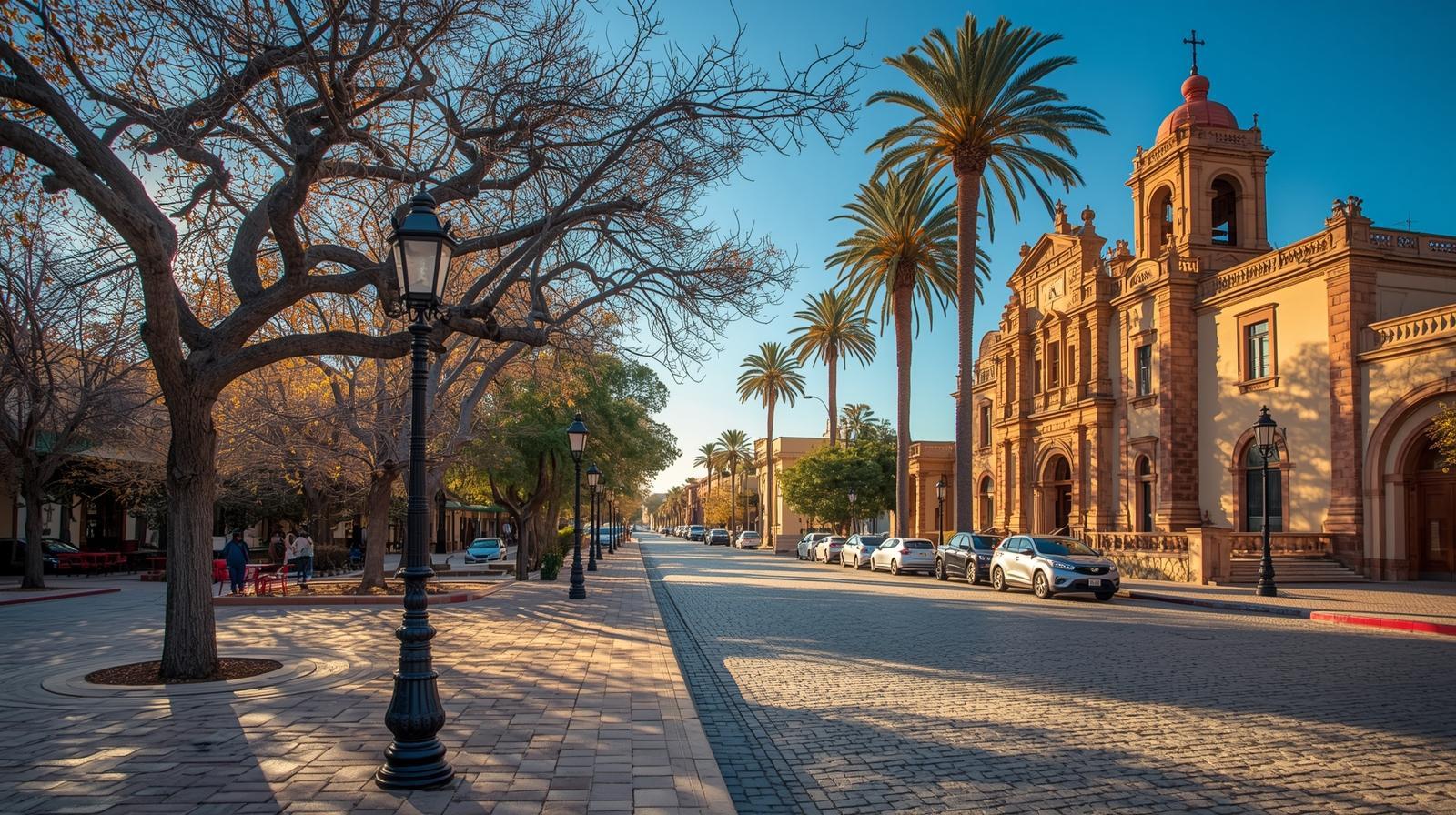
There are places in Mexico that feel like contradictions wrapped in beauty, and Cuatro Ciénegas de Carranza is one of them. Imagine driving for hours through desert plains—cacti, ochre dust, the occasional lonely mesquite—and then stumbling upon a valley that glimmers with turquoise pools, wetlands, and dunes of white gypsum that look like misplaced snow. Sounds improbable, right? But that’s exactly the magic of this Pueblo Mágico tucked into the northern state of Coahuila.
History & Culture
Cuatro Ciénegas, which means “Four Marshes,” owes its name to the abundance of springs and wetlands that once defined the valley. For centuries, this oasis nurtured life in what otherwise seems like an inhospitable landscape. Indigenous peoples revered the waters, while Spanish colonists later left their mark with stone churches and haciendas.
This is also the birthplace of Venustiano Carranza, one of Mexico’s most important revolutionary leaders and a former president. His presence is everywhere—you’ll see his home preserved as a museum, and his name attached to the town itself. But beyond politics, the real story is ecological: Cuatro Ciénegas is considered one of the most unique ecosystems on Earth. Scientists compare its pools and stromatolite formations to early life on the planet, some even say to conditions on Mars. A desert that holds the secrets of beginnings—that’s Cuatro Ciénegas.
Getting There
Mexico’s Northeast Pueblos Mágicos ©2026 All Rights Reserved. Scott Paton Trust. 11 If you’re starting from Saltillo, the state capital, expect a drive of around four and a half hours. From Monterrey, it’s about the same. Buses connect major cities to Monclova, and from there, local taxis or colectivos can get you into town. Renting a car is the most flexible option, especially if you want to explore the valley at your own pace. Just make sure to fuel up beforehand—gas stations aren’t exactly sprinkled everywhere out here.
Where to Stay
Accommodations in Cuatro Ciénegas lean toward small-scale charm rather than sprawling resorts. You’ll find colonial-style boutique hotels clustered around the plaza, complete with wrought-iron balconies and terracotta tiles. Budget travelers can opt for family-run posadas—basic, cozy, and often with a courtyard where you can sit under the stars. For something truly immersive, eco-lodges outside town give you direct access to the surrounding desert and dunes.
What to See and Do
● Plaza Principal – Like any Pueblo Mágico, the main square is the heart of town. Locals
gather under the shade of trees, kids run around with balloons, and there’s always a vendor selling Raspas (shaved ice).
● Casa de Venustiano Carranza Museum – Step into the preserved home of Mexico’s
revolutionary leader. Old furniture, sepia photographs, and even his personal belongings offer a glimpse of history.
● Poza Azul – The most famous of the valley’s springs. Its crystalline water shimmers with
shades of turquoise and blue that feel unreal. While swimming is restricted to protect the fragile ecosystem, walking around and gazing into the pool is enough to leave you speechless.
● Dunas de Yeso – Imagine snow dunes in the desert. These white gypsum dunes stretch
like a surreal landscape—perfect for photos and even better for feeling like you’ve been transported to another world.
● Valle de los Metates – A natural area where you can see fascinating rock formations
and traces of pre-Hispanic tools.
● Wineries & Vineyards – Yes, wine in the desert! Coahuila is Mexico’s oldest
wine-producing region, and Cuatro Ciénegas is part of that tradition. Tours often include tastings paired with regional cheeses.
Food to Try
Mexico’s Northeast Pueblos Mágicos ©2026 All Rights Reserved. Scott Paton Trust. 12 Being in northern Mexico, the food here is hearty and deeply tied to ranching culture. Expect carne asada that melts in your mouth, cabrito (roast goat) that locals are proud of, and machaca—shredded dried beef that makes for a perfect breakfast with scrambled eggs and tortillas. Don’t miss local cheeses (queso fresco, asadero) and pair them with regional wines for the ultimate desert-meets-oasis feast.
And for sweets? Coyotas (sugar-filled pastries) are a treat, and if you’re visiting during a fiesta, keep an eye out for artisanal candies made with local fruits.
Practical Tips
● Best Time to Visit: Spring and autumn are ideal. Summers can be brutally hot, and
winters surprisingly chilly at night.
● Clothing: Light layers for the day, a sweater for evenings, and comfortable walking
shoes. Sunglasses and sunscreen are non-negotiable.
● Souvenirs: Look for handcrafted items like embroidered textiles, locally produced wine,
and regional cheeses. The gypsum dunes also inspire small decorative crafts, though be mindful not to take natural souvenirs from the protected areas.
● Respect the Environment: Cuatro Ciénegas’ pools and dunes are fragile ecosystems.
Stick to designated paths, avoid littering, and follow local guidelines.
Cuatro Ciénegas de Carranza is one of those places that messes with your expectations. You go in thinking “desert,” and you leave talking about shimmering blue pools, strange white dunes, and an ecosystem so rare that scientists treat it like a natural laboratory. Add to that the layers of history—indigenous roots, colonial footprints, revolutionary echoes—and you realize why this town wears the Pueblo Mágico title so proudly.
It’s not the easiest place to get to, nor is it filled with glossy resorts or neon nightlife. But that’s the point. The magic here lies in contrasts—life blooming where it shouldn’t, history etched into every corner, and a landscape that humbles you into wonder.
When you leave Cuatro Ciénegas, don’t be surprised if you carry a little of its paradox with you: the idea that in the most unexpected corners of the world, magic thrives.
Mexico’s Northeast Pueblos Mágicos ©2026 All Rights Reserved. Scott Paton Trust. 13 General Cepeda: A Pueblo Mágico in the Desert Heart
of Coahuila
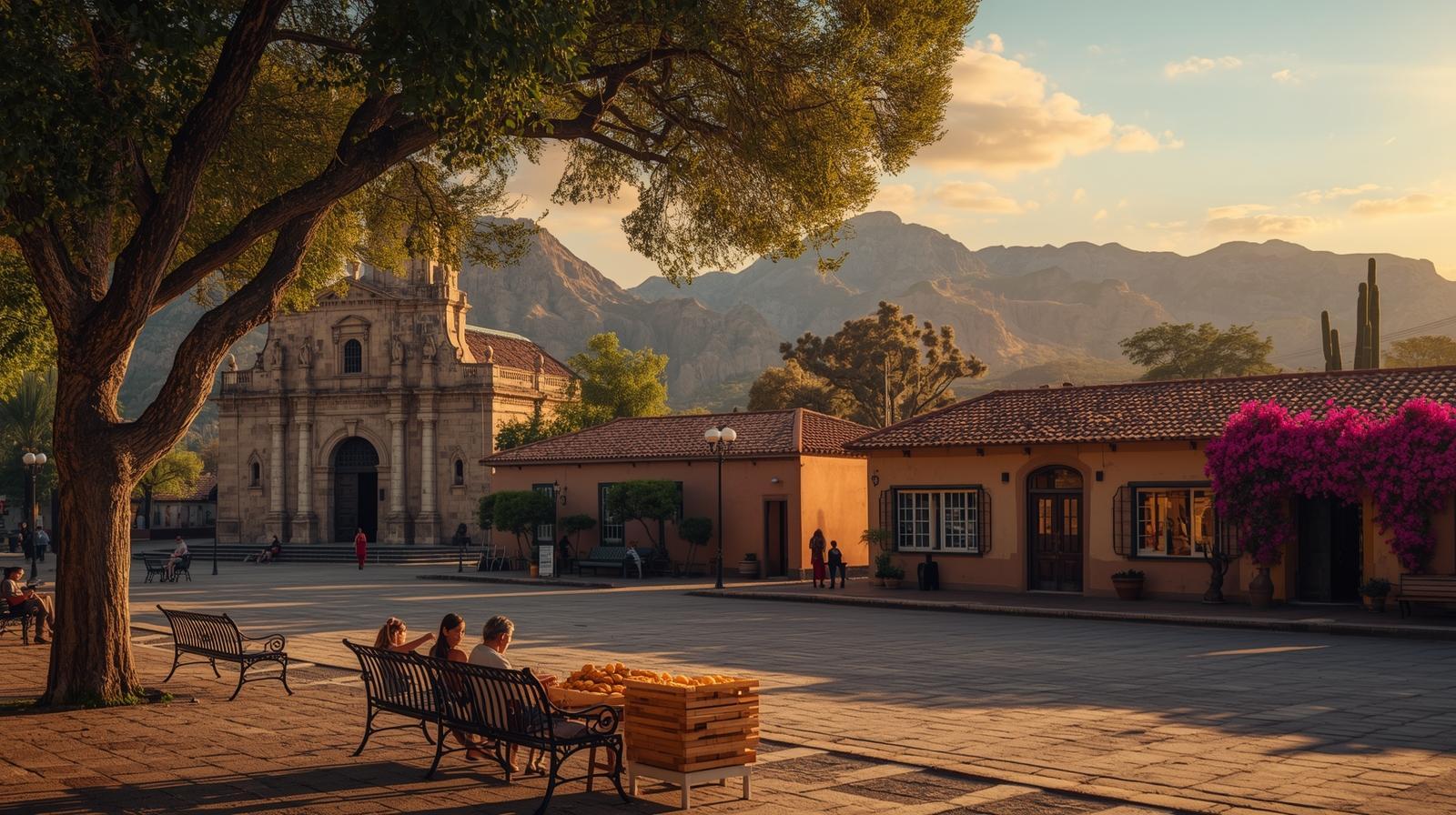
There’s something magnetic about desert towns. Maybe it’s the way the light falls on ochre-colored walls in the late afternoon, or how silence seems to stretch longer between conversations. General Cepeda, tucked into the arid plains of Coahuila, is one of those places that whispers history and resilience. It’s not the kind of Pueblo Mágico that overwhelms with spectacle; instead, it quietly pulls you into its rhythm, where plazas breathe slower and stories linger in every adobe wall.
History & Culture
General Cepeda’s past is written in stone—literally. Fossil deposits found in its surroundings are among the most important in northern Mexico. Imagine walking through landscapes where dinosaur remains are scattered just below the earth, reminders of a world long gone. This paleontological wealth has made the town a point of reference for science lovers, but its human history is just as compelling.
Founded in the late 16th century, General Cepeda (originally San Francisco de los Patos) was once the heart of vast haciendas, some so large they seemed like miniature kingdoms. These estates left behind imposing colonial architecture: hacienda chapels, thick-walled homes, and wide plazas where power once concentrated. Today, strolling through the town center, you catch echoes of that grandeur—tempered by the humility of everyday life.
Mexico’s Northeast Pueblos Mágicos ©2026 All Rights Reserved. Scott Paton Trust. 14 Culture here feels earthy and communal. Traditional festivals still mark the calendar: religious processions, colorful dances, and gatherings where food is as central as faith. If you time your visit around the feast of San Francisco, the town’s patron, expect the streets to be alive with music, fireworks, and a sense of rooted belonging.
Getting There
Reaching General Cepeda is relatively straightforward, though it feels delightfully remote once you arrive. The town lies about 50 kilometers west of Saltillo, Coahuila’s capital. From Saltillo, buses and colectivos make the one-hour journey, or you can rent a car to enjoy the desert drive at your own pace. If you’re coming from Monterrey, the trip stretches closer to three hours, but the road unwinds through landscapes worth every kilometer—dry mountains, cacti fields, and wide horizons.
Where to Stay
General Cepeda doesn’t flaunt luxury resorts, but that’s precisely the charm. Small inns and family-run posadas provide warm hospitality. You’ll find colonial-style guesthouses with wooden beams and courtyards where bougainvillea spills in pink cascades. Budget travelers can settle comfortably in simple lodgings near the main square, while those seeking something special might choose a restored hacienda stay nearby—where thick adobe walls keep the desert heat at bay and starlit skies feel close enough to touch.
What to See and Do
● Plaza Principal: The heart of town, framed by the Parroquia de San Francisco de Asís,
where evenings fill with families, vendors, and slow conversation.
● Parroquia de San Francisco de Asís: A striking church with colonial charm, its façade
watching over the plaza like a timeless guardian.
● Museo de Paleontología: A must-visit for anyone curious about dinosaurs and the
prehistoric treasures of the region. The exhibits connect you directly to the land’s ancient past.
● Ex-Haciendas: Wander the remnants of grand estates—Hacienda de Patos, Hacienda
de Alamo de Parras—each with weathered chapels and stone archways that tell stories of wealth and revolution.
● Natural Trails: Just outside town, desert landscapes stretch in every direction. Guided
tours take you to fossil beds, rock formations, and hidden chapels tucked into canyons.
Mexico’s Northeast Pueblos Mágicos ©2026 All Rights Reserved. Scott Paton Trust. 15 And don’t miss the chance to simply sit under the shade of the plaza’s trees, letting time slow down. Sometimes the best thing to “see” here is how unhurried life can feel.
Food to Try
Northern Mexican cuisine has a reputation for being hearty, and General Cepeda lives up to it. Expect asado de puerco (spiced pork stew), gorditas de harina stuffed with beans or cheese, and, of course, fresh flour tortillas that taste nothing like what you buy in supermarkets. Regional sweets like dulces de leche de cabra (goat’s milk candies) make the perfect souvenir to carry home. And if you’re lucky enough to be invited into someone’s home, don’t say no to the cabrito al pastor—slow-roasted goat, a true Coahuila specialty.
Practical Tips
● Weather: Hot summers and cool winters. Spring and autumn are the most pleasant
times to visit.
● Clothing: Bring light clothing for the day, but always carry a sweater—the desert nights
can surprise you.
● Shoes: Comfortable walking shoes are essential, especially if you plan to explore
hacienda ruins or fossil sites.
● Souvenirs: Look for locally made sweets, woven textiles, and small fossil replicas
(legally crafted, not actual fossils).
General Cepeda may not dazzle with neon or bustle, but that’s exactly why it stays in your memory. It’s a place where earth’s oldest secrets lie beneath your feet, where colonial walls still breathe stories, and where the desert sky stretches wider than your imagination. This Pueblo Mágico doesn’t just ask you to visit—it asks you to pause, to listen, and to carry a piece of its timeless silence home with you.
Mexico’s Northeast Pueblos Mágicos ©2026 All Rights Reserved. Scott Paton Trust. 16 Guerrero, Coahuila – Where History Whispers Along
the Rio Grande
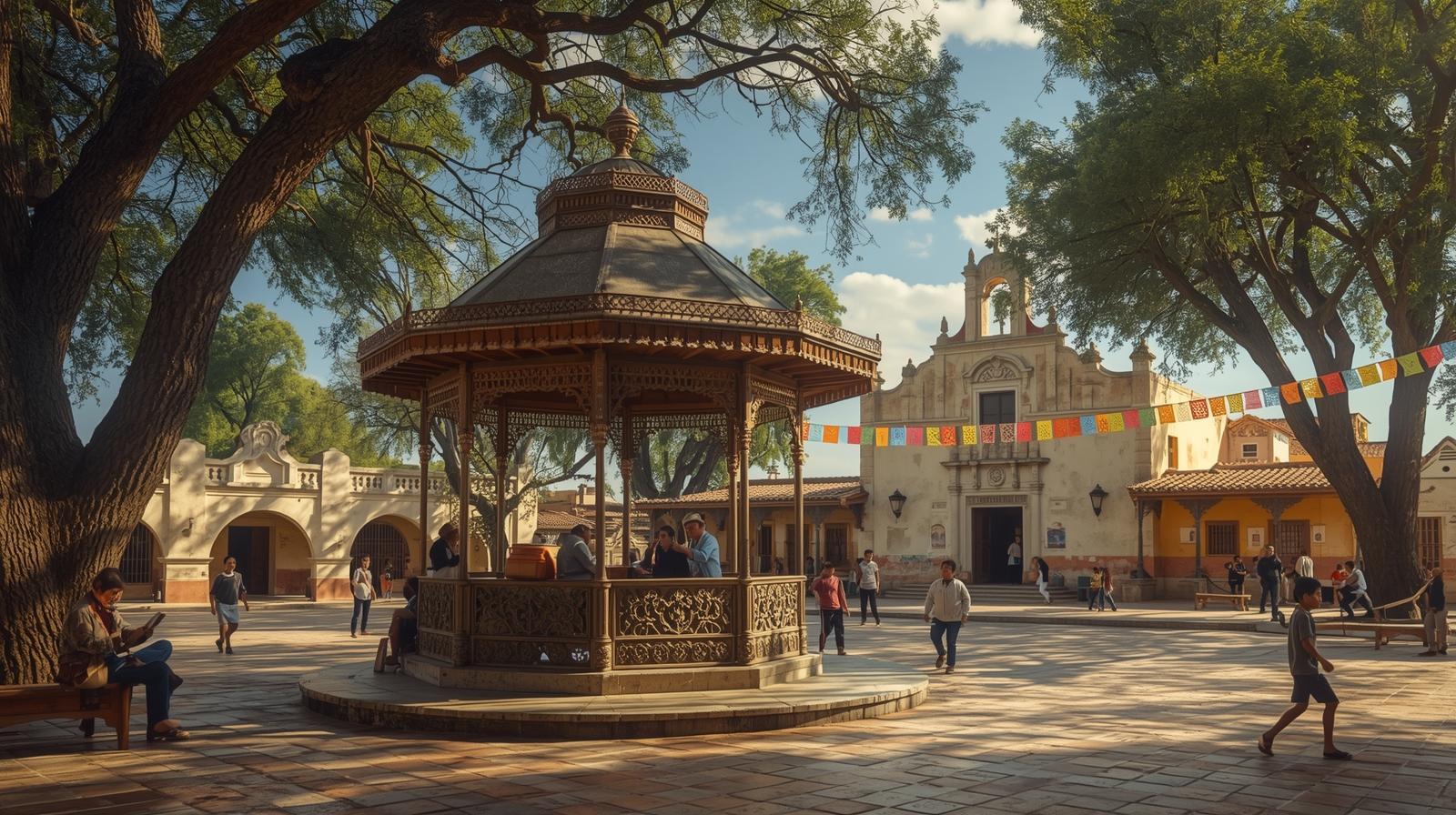
There’s something about Guerrero, Coahuila that makes you feel like you’ve stepped into a time capsule. Tucked along the Rio Grande, just across from Texas, this Pueblo Mágico doesn’t flaunt itself with flashy plazas or neon-lit nightlife. Instead, it leans into quiet dignity—the kind that only centuries of history can give. Walking through its cobblestone streets, you can almost hear the echo of old footsteps: missionaries, traders, soldiers, and families who lived, fought, and dreamed here.
History & Culture
Guerrero is one of those rare places where Mexico’s colonial and indigenous pasts collide in the most fascinating ways. Founded in 1700 as San Juan Bautista de Guerrero, it was part of a network of frontier settlements and missions that stitched northern Mexico to what is now Texas. Ever heard of the Alamo? Many of the Texan revolutionaries, priests, and settlers who shaped that chapter of history once passed through here.
The jewel of Guerrero is the Mission of San Juan Bautista, often called the “Cradle of Texas.” It’s humbling to stand before its weathered stone walls, imagining how it once pulsed with life, blending Spanish Catholic traditions with the customs of Coahuiltecan and Tlaxcalan families.
Mexico’s Northeast Pueblos Mágicos ©2026 All Rights Reserved. Scott Paton Trust. 17 Unlike polished tourist attractions, this mission shows its scars proudly—cracks in the plaster, uneven stones, and the desert sun baking it all into permanence.
Festivals here also hold deep meaning. The town celebrates both religious feasts and civic pride, mixing mariachi music with traditional norteño rhythms. Guerrero may be small, but its cultural impact reaches far beyond its borders.
Getting There
Reaching Guerrero isn’t complicated, but it feels like a journey into a slower rhythm of life. From Piedras Negras, the nearest major city, it’s about an hour’s drive southeast along well-paved highways. If you’re coming from the U.S., the closest crossing is Eagle Pass, Texas, and once across, a short scenic drive brings you straight into Guerrero. Buses run from Piedras Negras to nearby towns, but renting a car gives you more flexibility to explore the surrounding landscapes.
Where to Stay
Guerrero is not a big hotel town, which is part of its charm. You won’t find towering resorts here; instead, think quaint guesthouses, small family-run inns, and rustic cabins. Many visitors choose to stay in Piedras Negras or even across the border in Eagle Pass, making Guerrero a perfect day trip. But if you can snag a local posada, do it—you’ll get warm hospitality and probably a home-cooked breakfast to start your day.
What to See and Do
● Mission of San Juan Bautista – The star of the show, this mission complex includes
ruins of chapels, quarters, and outbuildings. It’s a UNESCO-protected site and essential for anyone fascinated by colonial history.
● Main Plaza – Quiet, tree-shaded, with a kiosk at the center. The kind of place where
locals gather at dusk to talk, laugh, and share stories.
● Rio Grande views – Stroll near the riverbanks where Mexico brushes up against the
United States. At sunset, the water reflects pink and orange skies, a photographer’s dream.
● Local museums – Small but charming collections showcase artifacts from indigenous
tribes, colonial settlers, and early independence-era Mexico.
● Festivals – If you’re lucky to visit during a fiesta, expect parades, music, and dances
spilling into the streets.
Mexico’s Northeast Pueblos Mágicos ©2026 All Rights Reserved. Scott Paton Trust. 18 Food to Try
Coahuila is beef country, and Guerrero is no exception. If you’re a meat lover, this is your paradise. Try:
● Carne asada – Grilled over open flames, seasoned simply but perfectly.
● Cabrito al pastor – Roasted young goat, a regional specialty.
● Flour tortillas – Thicker, softer, and chewier than the corn ones you might know—often
served straight off the comal.
● Sotol – A local spirit distilled from desert plants, smooth but with a wild edge.
● Dulces regionales – Candied cactus, nuts, and milk-based sweets that make perfect
souvenirs.
Practical Tips
● Weather: Hot and dry most of the year, so pack light clothing but don’t skip sunscreen
and a hat. Nights can cool off, especially in winter.
● Shoes: Comfortable walking shoes for exploring ruins and cobblestones.
● Best time to visit: Spring and fall, when the weather is kinder and festivals often take
place.
● Souvenirs: Handwoven textiles, pottery, and locally distilled sotol.
Guerrero may not scream “tourist hotspot,” but that’s exactly why it’s unforgettable. It whispers instead of shouts. It doesn’t try to impress you—it lets its history, its people, and its landscapes do the talking. Here, time feels layered: every cracked stone in the mission, every tree in the plaza, every bite of cabrito connects you to centuries past.
When you leave Guerrero, it’s not just with photos or souvenirs—it’s with a quiet reverence for a place that shaped the borderlands, stood at the crossroads of empires, and still, today, welcomes wanderers who are curious enough to stop and listen.
Mexico’s Northeast Pueblos Mágicos ©2026 All Rights Reserved. Scott Paton Trust. 19 Melchor Múzquiz, Coahuila – Where Desert Meets
Tradition
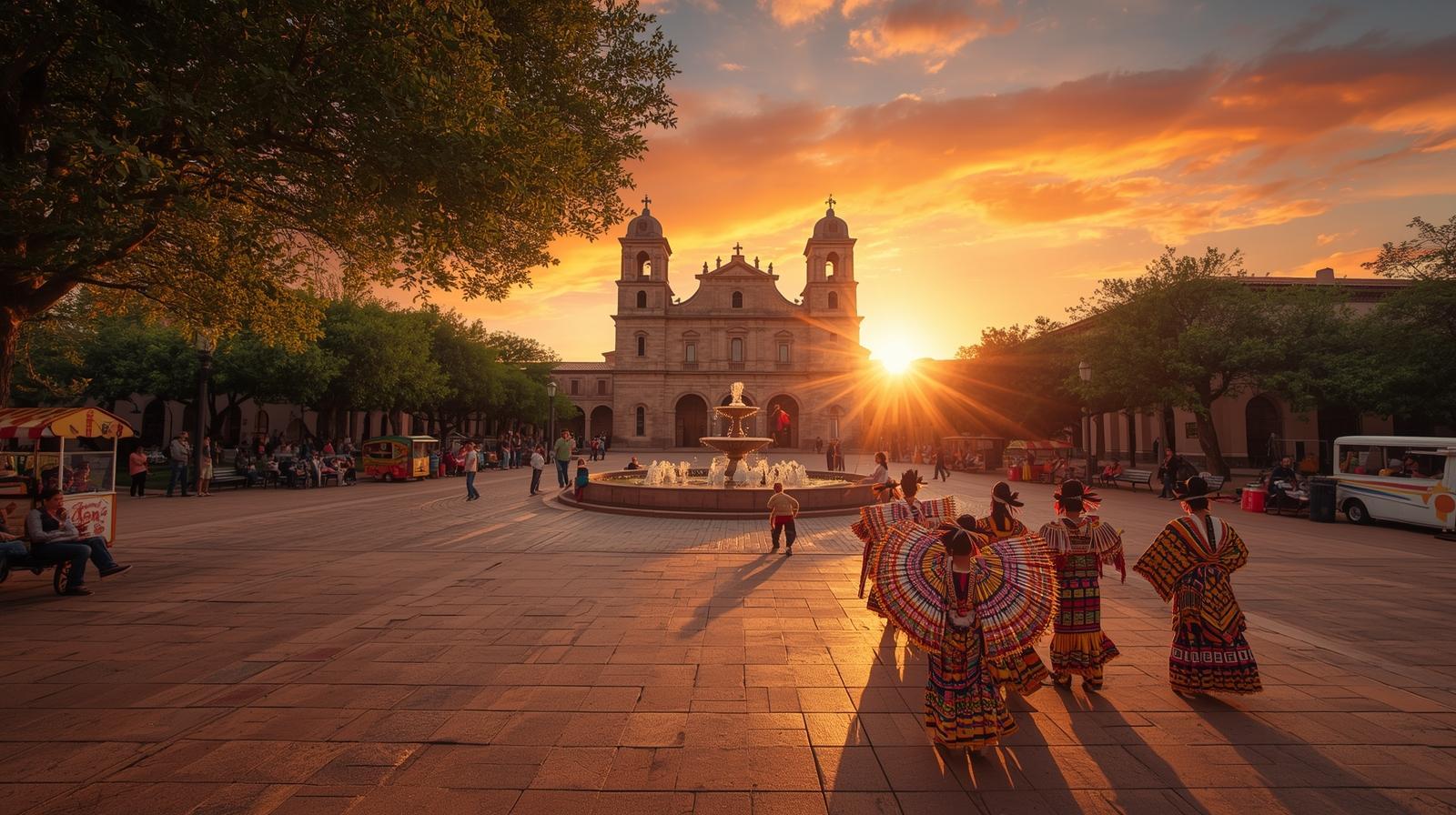
Tucked away in northern Coahuila, Melchor Múzquiz feels like a secret waiting to be whispered into your ear. This Pueblo Mágico doesn’t shout for attention the way beach towns or colonial jewels might; instead, it draws you in slowly, with dusty streets that sparkle at sunset, churches that hold centuries of stories, and the quiet dignity of a community that treasures its traditions. If you’re looking for Mexico’s raw, authentic magic—without the gloss of over-tourism—Múzquiz may just steal your heart.
You know that feeling when you stumble into a town and realize, “Ah, this is what Mexico is all about”? That’s the kind of magic Múzquiz offers.
History & Culture
Múzquiz wears its history like a woven rebozo—layered, colorful, and full of texture. The town was founded in the early 18th century, originally called Santa Rosa María del Sacramento. Later, it was renamed to honor Melchor Múzquiz, a local son who rose to become President of Mexico in 1832. Imagine that—this quiet desert town sending one of its own to the highest seat of power.
Mexico’s Northeast Pueblos Mágicos ©2026 All Rights Reserved. Scott Paton Trust. 20 But history here is not just about politics. Múzquiz is also home to one of Mexico’s most fascinating indigenous groups: the Kickapoo (Kikapú) community. Their presence adds an extraordinary dimension to the town’s cultural fabric. Semi-nomadic by tradition, they split their time between Coahuila and the United States, maintaining ancestral rituals, dances, and language. If you’re lucky enough to witness one of their ceremonies, you’ll feel the weight of centuries vibrating in the drumbeats.
Colonial churches, like the Parroquia de Santa Rosa de Lima, stand proudly in the center of town, their baroque facades softened by desert winds. Festivals—especially the Fiesta de Santa Rosa in August—blend Catholic devotion with indigenous ritual. Picture fireworks cracking over the plaza, dancers in feathered regalia moving alongside townspeople in Sunday best. It’s a mix that only Mexico could make feel so natural.
Getting There
Múzquiz is not the easiest place to stumble upon, but that’s part of its charm. The closest major city is Monclova, about 130 kilometers away (roughly a two-hour drive). You can rent a car in Monclova or Saltillo, which gives you the flexibility to explore surrounding towns and desert landscapes.
Buses also run from Monclova and other regional hubs, though schedules can be irregular—so patience (and snacks) are recommended. Taxis are best left for short rides within town, since distances between regional cities can be long and pricey.
Driving through the semi-arid desert, you’ll see landscapes that feel almost lunar: mesquite trees, jagged sierras, and horizons that stretch on forever. And then, almost suddenly, the town appears—like a mirage that turns out to be real.
Where to Stay
Múzquiz is not a boutique-hotel destination, but that’s exactly why you should embrace it. Accommodations lean toward the simple and practical, with a handful of family-run posadas and modest hotels around the town center. Rooms are clean, affordable, and often come with the kind of old-fashioned hospitality that makes you feel like you’re staying with family.
If you’re craving more comfort, consider basing yourself in Monclova or Sabinas (both within a reasonable drive) and visiting Múzquiz as a day or overnight trip. That said, spending at least one night in town gives you the chance to feel its rhythm—especially when the plaza fills up with families in the cool of the evening.
Mexico’s Northeast Pueblos Mágicos ©2026 All Rights Reserved. Scott Paton Trust. 21
What to See and Do
Wander the Plaza
Every Pueblo Mágico seems to have a plaza that defines it, and in Múzquiz the Plaza Principal is the beating heart. Shaded benches, food vendors selling elotes and raspas, children chasing pigeons—it’s everyday life at its most charming. From here, you can admire the Parroquia de Santa Rosa de Lima, whose bells mark the hours with gentle authority.
Visit the Kickapoo Community
One of the most unique cultural experiences in Coahuila, the Kickapoo settlement lies just outside Múzquiz. Visitors are sometimes welcomed during festivals or ceremonies, where you can witness traditional dances, listen to songs in their native language, and learn about their enduring way of life. It’s a rare window into living indigenous culture.
Explore the Casa de la Cultura
This cultural center often hosts art exhibits, folk dance performances, and workshops that celebrate regional traditions. It’s also a great place to pick up context about local history before heading back out into the streets.
Natural Escapes
Surrounding Múzquiz are natural reserves and desert landscapes perfect for eco-tourism. Springs, caves, and the Sierra de Santa Rosa offer hiking, birdwatching, and that sublime silence only the desert can give. If you’re the adventurous type, ask locals about nearby balnearios (natural pools) to cool off on hot afternoons.
Food to Try
If you love Mexican food (and who doesn’t?), Múzquiz will surprise you with flavors shaped by its desert geography. This is northern cuisine at its most authentic—hearty, meat-driven, and unforgettable.
● Cabrito al pastor – Roasted young goat, marinated and slow-cooked until tender, a true
regional delicacy.
Mexico’s Northeast Pueblos Mágicos ©2026 All Rights Reserved. Scott Paton Trust. 22
● Carne seca – Sun-dried beef, often shredded and scrambled with eggs, or simmered in
a rich sauce. It tastes like history itself, a reminder of ranching life in the desert.
● Gorditas de harina – Thick flour tortillas stuffed with everything from beans to
chicharrón. Comfort food at its finest.
● Pan de pulque – A slightly sweet bread made with fermented pulque, tying daily life to
ancient traditions.
● And don’t leave without trying local sotol, the desert spirit distilled from the dasylirion
plant—it’s earthy, smoky, and uniquely northern.
Practical Tips
● Weather: Summers can be brutally hot, so bring lightweight clothing, hats, and
sunscreen. Winters, though mild by Canadian standards, can get chilly at night—pack a sweater.
● Shoes: Comfortable walking shoes are essential; the streets are best explored on foot,
and some are cobbled or uneven.
● Best Time to Visit: Late fall and early spring are the sweet spots—pleasant weather,
lively festivals, and fewer tourists.
● Souvenirs: Look for Kickapoo crafts—beadwork, textiles, and ceremonial items—or
regional foods like carne seca and pan de pulque to take home.
Melchor Múzquiz is not polished. It doesn’t cater to mass tourism or dress itself up for visitors. And that’s exactly why it matters. Here, you encounter Mexico in its truest form—where indigenous tradition and colonial history sit side by side, where the desert tests resilience but also inspires creativity, and where hospitality is measured not in stars but in sincerity.
When you leave, you won’t just remember the food or the plaza. You’ll remember the way the town felt—quiet but alive, proud but humble, timeless yet breathing. Múzquiz may not be on every traveler’s bucket list, but perhaps that’s what makes it unforgettable.
Mexico’s Northeast Pueblos Mágicos ©2026 All Rights Reserved. Scott Paton Trust. 23 Parras de la Fuente, Coahuila – Pueblo Mágico Travel
Guide
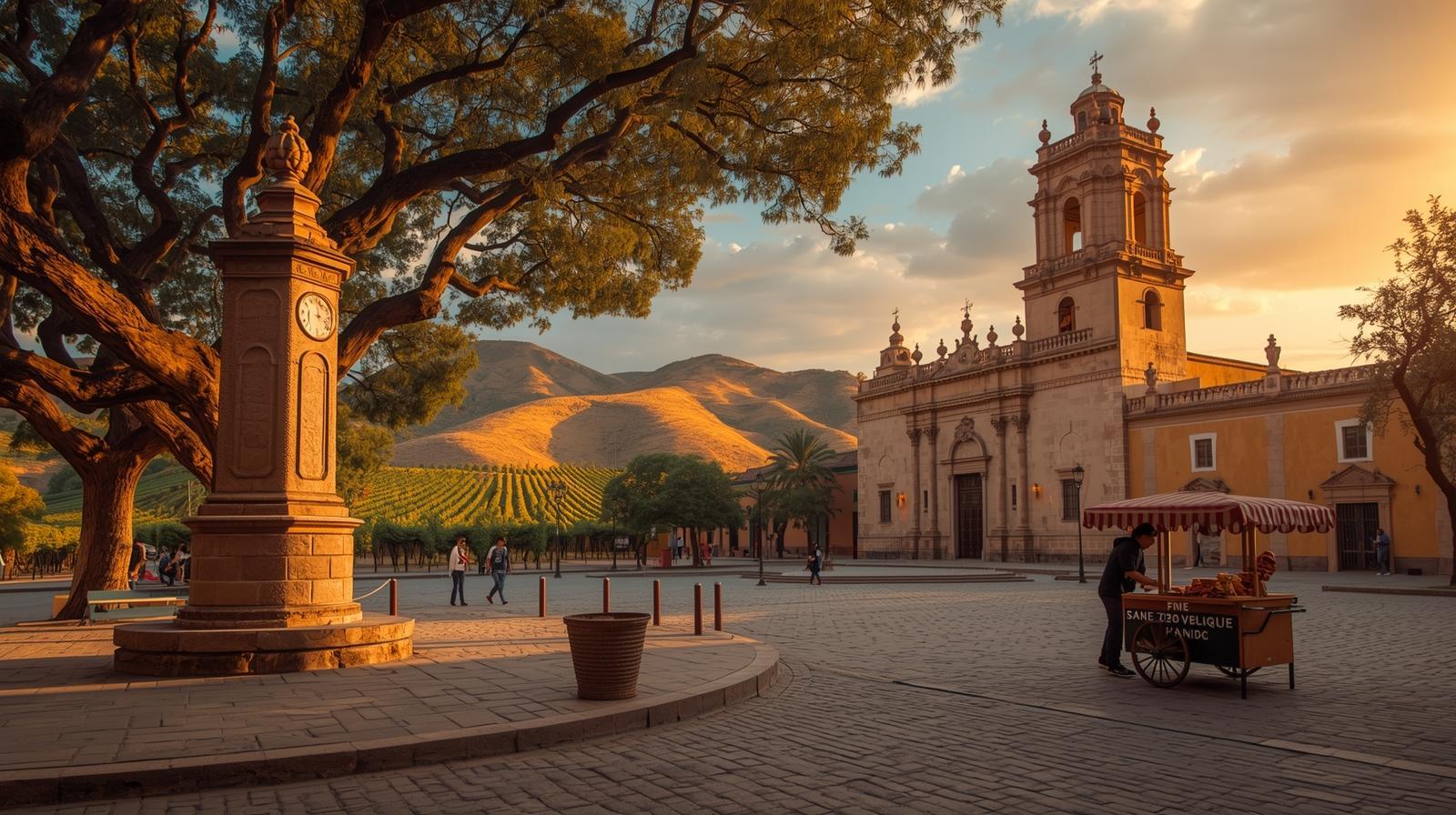
There’s something intoxicating about Parras de la Fuente. Maybe it’s the sweet scent of grapes drifting through the air, or the way the desert sun paints the stone facades a golden hue at dusk. This Pueblo Mágico, tucked away in the heart of Coahuila, feels like a little oasis where time slows down and the land insists you savor every sip, every step, every story. It’s no wonder locals affectionately call it el oasis de Coahuila — the oasis of Coahuila.
Parras is a place where vineyards stretch as far as the eye can see, where colonial churches rise proudly from cobblestone streets, and where the simple act of enjoying a glass of wine feels like a communion with centuries of history. But it isn’t just about the wine. Parras whispers tales of revolutionaries, artisans, desert landscapes, and festivals that pulse with color and music.
History & Culture
Parras holds a remarkable distinction: it’s home to the first winery in the Americas. Founded in 1597, Casa Madero still operates today, making it not just a point of pride for Mexico but for the entire continent. Imagine it: while Europe was sending explorers across the seas, the fertile soils of Parras were already nurturing vines that would yield wines sipped by colonists, clergy, and dignitaries alike.
Beyond the vineyards, Parras played a role in shaping Mexico’s identity. It was the birthplace of Francisco I. Madero, the revolutionary leader and former president who challenged dictatorship
Mexico’s Northeast Pueblos Mágicos ©2026 All Rights Reserved. Scott Paton Trust. 24 and set the nation on a path to democracy. Walking through his former home — now a museum — feels like stepping into the very heart of Mexican history.
Yet the magic of Parras isn’t confined to textbooks. It’s alive in its people. The artisans who weave baskets from desert reeds. The bakers who fill the air with the aroma of pan de pulque, bread made with the fermented drink once favored by indigenous groups. The families who gather in leafy plazas at night, children chasing each other while parents share gossip under the soft glow of lampposts.
Getting There
Parras de la Fuente lies about 150 kilometers west of Saltillo and 280 kilometers from Monterrey, making it accessible by car or bus. Driving is often the best option, especially if you plan to explore nearby vineyards or natural attractions at your own pace. Buses from Saltillo, Torreón, and Monterrey also serve the town, dropping you near the central plaza.
Inside Parras, the pace is slow, and that’s part of the charm. You can walk between many attractions, but taxis and local guides offer tours if you prefer a more structured experience. Renting a bike is also a delightful way to roll past vineyards and dusty roads lined with nopal cacti.
Where to Stay
Parras offers a range of accommodations, each with its own flavor of charm:
● Boutique Hotels in Colonial Mansions – Restored haciendas and casonas invite
travelers to sleep surrounded by high-beamed ceilings, courtyards filled with bougainvillea, and antique furniture that whispers stories of centuries past.
● Vineyard Stays – Some wineries have branched into hospitality, offering rooms where
you can literally wake up among the vines. Imagine sipping coffee as the morning sun brushes over neat rows of grapes outside your window.
● Budget Inns & Guesthouses – For travelers who want simplicity, there are smaller
hotels and family-run inns with warm hospitality and affordable rates.
Wherever you stay, expect tranquility. Nights here are quiet, broken only by the sound of crickets or the occasional peal of church bells.
What to See and Do
Parras may be compact, but it overflows with experiences:
Mexico’s Northeast Pueblos Mágicos ©2026 All Rights Reserved. Scott Paton Trust. 25
● Casa Madero – The crown jewel. Take a guided tour of the winery, stroll the manicured
grounds, and enjoy tastings that showcase why these wines are internationally acclaimed.
● Plaza del Reloj – The heart of town, shaded by trees and anchored by a striking clock
tower. This is where daily life unfolds — street vendors, couples strolling, and families gathering in the evenings.
● Templo de San Ignacio de Loyola – A colonial-era church with ornate details, standing
as a testament to the town’s deep-rooted faith.
● Museo de Francisco I. Madero – Once the home of Mexico’s revolutionary hero, now
filled with artifacts and stories that connect past struggles to present freedoms.
● Aqueducts & Springs – Parras is a desert oasis, and its historic aqueducts once
carried water to sustain the vineyards. Visit the natural springs that still bring life to the town.
● Festivals – Plan your visit during the August Fiesta de la Uva y el Vino (Grape and
Wine Festival), when the entire town bursts into celebration. Parades, tastings, concerts, and processions honor the harvest season and Parras’s winemaking legacy.
For nature lovers, nearby hills and desert trails invite exploration. The landscapes here are stark yet beautiful, offering views that remind you how extraordinary it is to find an oasis in the middle of such arid surroundings.
Food to Try
You can’t talk about Parras without talking about flavor. Here’s what not to miss:
● Pan de Pulque – A sweet, slightly tangy bread made with fermented pulque, unique to
the region.
● Asado de Puerco – Pork cooked in a rich red chile sauce, hearty and full of northern
Mexican character.
● Cabrito – Roasted young goat, a delicacy throughout Coahuila and Nuevo León.
● Nuez (Pecans) – Parras is also famous for pecans; you’ll find them in candies, pastries,
or simply roasted and salted as snacks.
● Wine & Brandy – Of course, no meal here is complete without sampling the local wines
or trying the brandies produced in town.
Mexico’s Northeast Pueblos Mágicos ©2026 All Rights Reserved. Scott Paton Trust. 26 Pair your food with the leisurely rhythm of Parras. Meals are meant to be savored, preferably outdoors with a view of the plaza or a vineyard.
Practical Tips
● Weather – Summers are hot and dry, so bring light clothing, sunscreen, and hats.
Evenings cool down pleasantly. Winters can be chilly, so pack layers.
● Shoes – Cobblestone streets beg for comfortable walking shoes. If you plan vineyard
visits, something sturdy is helpful.
● Best Time to Visit – August for the wine festival, or spring and fall for milder weather.
● Souvenirs – Take home a bottle (or three) of Casa Madero wine, pecan candies, or
artisanal crafts made from local materials.
Parras de la Fuente is more than just Mexico’s oldest winemaking town — it’s a reminder of resilience, tradition, and celebration. It shows how people carved life and culture out of a desert landscape, creating an oasis that continues to nourish body and spirit.
Wander its streets, sip its wines, listen to its stories, and you’ll leave with more than just souvenirs. You’ll carry the memory of a town where the past and present intertwine in the warm Coahuila sun.
Because in Parras, every glass raised is a toast not just to wine, but to history, to community, and to the enduring magic of Mexico’s Pueblos Mágicos.
Mexico’s Northeast Pueblos Mágicos ©2026 All Rights Reserved. Scott Paton Trust. 27 Viesca, Coahuila: A Pueblo Mágico Frozen in Time
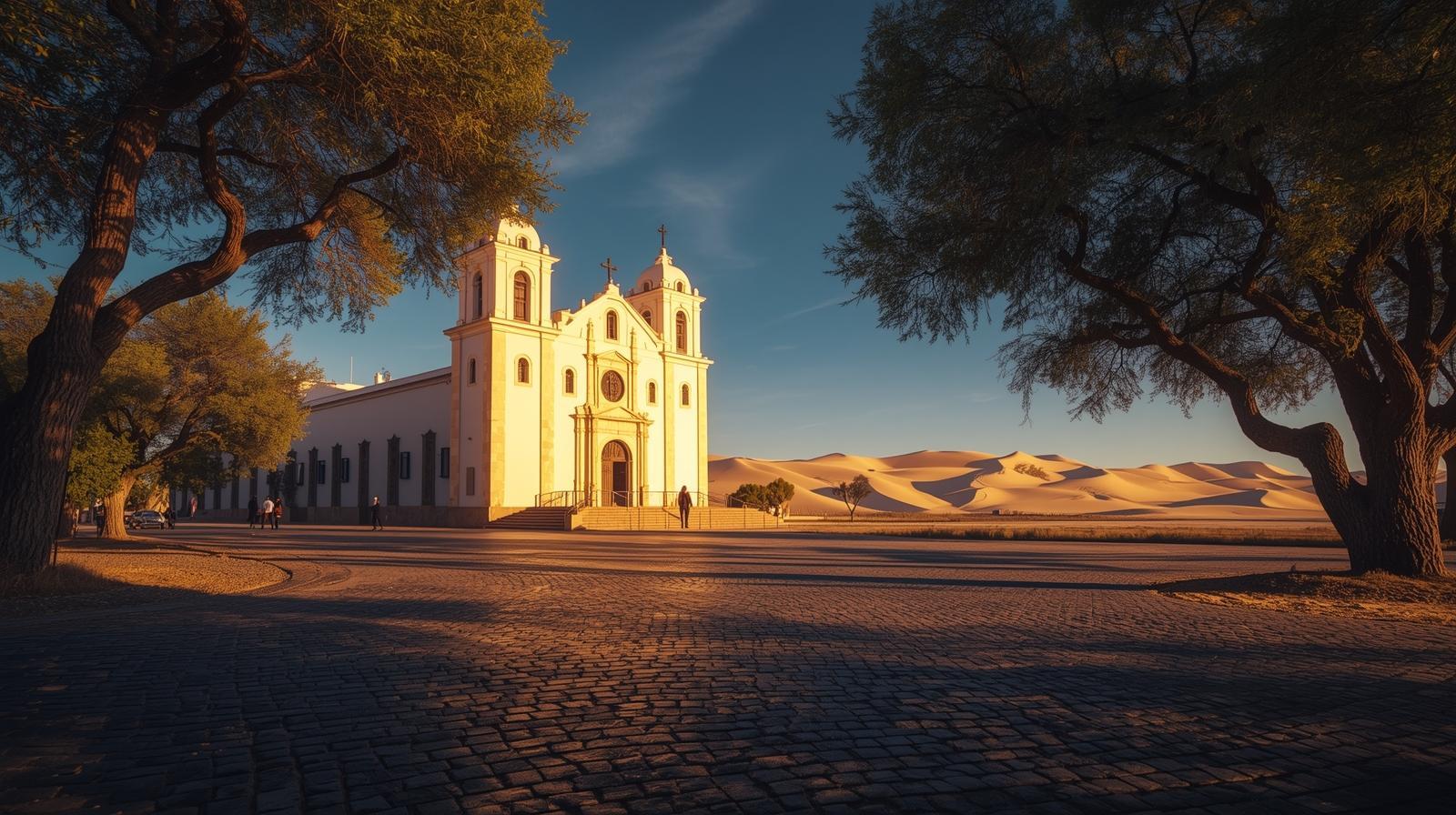
There’s a certain hush when you arrive in Viesca, Coahuila. The desert light stretches wide, painting the town in tones of gold and silver, as if the earth itself had paused to admire its own beauty. This isn’t a bustling tourist town, nor does it try to be. Instead, Viesca greets you with quiet dignity — cobblestone streets, weather-worn façades, and the kind of silence that tells stories if you’re patient enough to listen.
If you’ve ever longed to step back into another century, to wander a place where history lingers in every corner and time feels slower, Viesca is exactly that kind of magic.
History & Culture
Founded in 1731, Viesca holds onto its colonial soul like a treasured relic. The town was once a flourishing hub, but history had other plans. Today, its faded churches and crumbling haciendas whisper of grandeur past. And yet, what remains is no less compelling — in fact, its quiet survival is what makes it magnetic.
The jewel here is the Santiago Apóstol Parish, a colonial church with stark white walls that gleam against the desert sky. It’s not just a religious landmark — it’s a reminder of how faith anchored frontier life. Close by, the ruins of the Mariano Jiménez Hacienda offer another window into Viesca’s story, where one can almost hear the echo of horses’ hooves and clinking spurs.
Mexico’s Northeast Pueblos Mágicos ©2026 All Rights Reserved. Scott Paton Trust. 28 And then there’s the desert itself — a cultural force. The Dunas de Bilbao, a surreal expanse of white sand dunes just outside town, are not only a natural marvel but also a backdrop for festivals, concerts, and even film productions. Imagine a desert oasis that feels more Sahara than Mexico — and you’ll understand why people come here not just for history, but for wonder.
Getting There
Viesca sits about 70 kilometers from Torreón, the nearest city with an airport and bus terminal. From Torreón, you can take a regional bus (expect about an hour’s ride), or rent a car for more freedom to explore the desert surroundings. Taxis and colectivos are options too, though less frequent.
If you’re already exploring Coahuila’s other Pueblos Mágicos like Parras de la Fuente, Viesca makes a natural stop on your route — small enough for a day trip, yet rewarding enough for a slow overnight stay.
Where to Stay
Viesca is not filled with boutique hotels, and honestly, that’s part of its charm. Accommodations here lean toward the rustic and local. Think family-run posadas, small inns where you’re treated more like a guest in someone’s home than a tourist.
If you prefer more amenities, Torreón offers modern hotels, and from there you can day-trip into Viesca. But for those chasing authenticity, waking up in the heart of this Pueblo Mágico — to the sound of church bells and desert wind — is unbeatable.
What to See and Do
● Santiago Apóstol Parish – Admire its colonial architecture and quiet courtyards.
● Hacienda de Santa Ana de Hornos ruins – Atmospheric and photogenic, great for a
reflective walk.
● Dunas de Bilbao – Go sandboarding, snap surreal photos, or just sit and let the desert
silence envelop you.
● Plaza Principal – The town square, where locals gather, markets sometimes unfold, and
shade trees offer respite.
Mexico’s Northeast Pueblos Mágicos ©2026 All Rights Reserved. Scott Paton Trust. 29
● Local festivals – If you time it right, Viesca celebrates Santiago Apóstol in July, with
traditional dances and processions.
Food to Try
Viesca keeps things simple but delicious. Here are a few local tastes you shouldn’t miss:
● Asado de Puerco – A hearty pork stew in red chile sauce.
● Tamales de maíz – Rustic, corn-forward tamales, a staple of Coahuila’s kitchens.
● Pan de Pulque – A sweet, fluffy bread made with pulque (fermented agave), tied deeply
to regional tradition.
● Cabrito – Goat roasted to perfection, often reserved for special occasions.
Pair any of these with a cold aguas frescas or local mezcal, and you’ll feel the desert heat ease into comfort.
Practical Tips
● Best time to visit: October to April, when the desert heat is gentler. Summers can be
scorching.
● Clothing: Light, breathable fabrics for the day; a sweater or light jacket at night — desert
air cools quickly.
● Shoes: Comfortable walking shoes, especially if you’re tackling the dunes.
● Souvenirs: Handcrafted textiles, rustic ceramics, or even local sweets (pan de pulque
travels well).
● Pace yourself: Viesca is about slowing down. Don’t expect nightlife — expect starlight.
Viesca isn’t flashy. It doesn’t dazzle with neon or drown you in crowds. Instead, it invites you into a kind of sacred pause — where sand dunes meet starlit skies, where churches lean quietly against centuries of history, where the desert breeze feels like a companion more than a climate.
Mexico’s Northeast Pueblos Mágicos ©2026 All Rights Reserved. Scott Paton Trust. 30 Visiting Viesca is less about “doing” and more about “being.” Being present in a place that has seen empires rise and fall, where the land itself has shaped culture, resilience, and memory. And maybe that’s the real magic — the kind that lingers long after you’ve left, like desert dust on your shoes, or silence that follows you home.
Mexico’s Northeast Pueblos Mágicos ©2026 All Rights Reserved. Scott Paton Trust. 31