

Beyond the Volcano’s Shadow: Journeys Through Mexico’s Southwest Pueblos Mágicos by Scott Paton - HTML preview
Download the book in PDF, ePub, Kindle for a complete version.
Talpa de Allende, Jalisco – The Silver Hills of Faith
and Flowers
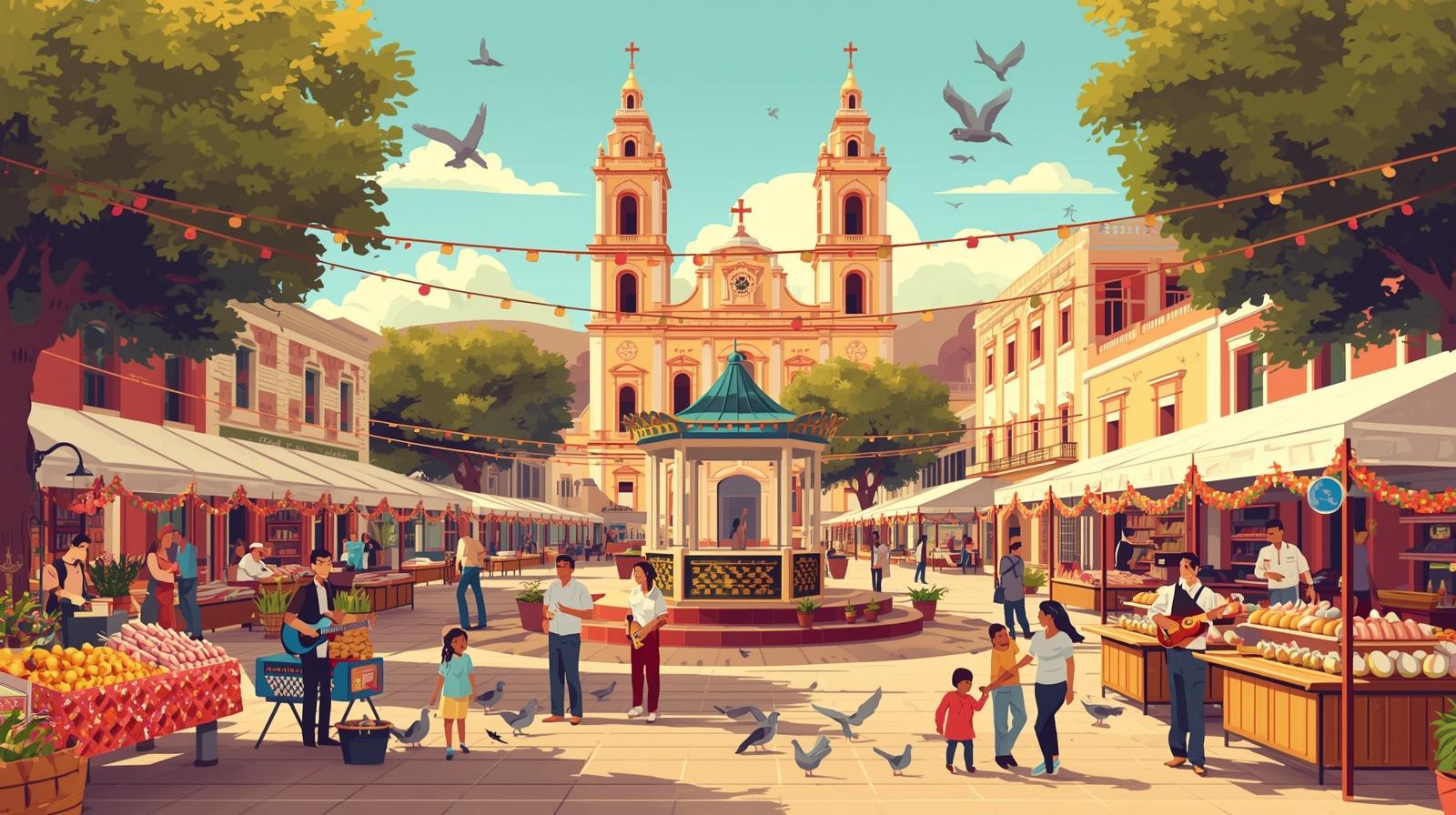
There are towns that dazzle with color, and then there are those that shimmer with devotion. Talpa de Allende does both. Tucked into the pine-covered mountains of western Jalisco, this Pueblo Mágico feels like a storybook come alive — part pilgrimage site, part alpine dream. The air smells faintly of resin and guava candy, church bells echo down cobblestone streets, and everywhere you look, you’ll see flowers — real and painted — woven into daily life.
Visitors often describe Talpa as “a town with a heartbeat.” Maybe it’s the rhythm of pilgrims’ footsteps heading toward the Basilica of Our Lady of the Rosary, or the gentle pulse of mountain winds through tall pines. Either way, it’s a place that makes you feel both small and blessed.
Ever wondered what it feels like to walk through a valley where faith, history, and nature meet? Talpa de Allende invites you to find out.
History & Culture
Before there were cobblestones or basilicas, there were the Cora and Tepehuán peoples who worshipped nature spirits across these mountains. When Spanish colonizers arrived in the 16th century, they built silver mines — and with them, churches. Faith and metal intertwined, quite literally, shaping the destiny of Talpa.
The town’s heart beats around Nuestra Señora del Rosario de Talpa, a small statue of the Virgin that, according to legend, miraculously renewed itself in 1644 after being found deteriorated. Since then, millions have made the pilgrimage here, walking for days — sometimes barefoot — to give thanks or ask for miracles.
But beyond religion, Talpa is about resilience. Locals still tell stories of rebuilding after floods, fires, and the decline of mining. The town reinvented itself through devotion and tourism, crafting a new identity as a mountain sanctuary where the sacred meets the scenic.
During Semana Santa, the streets bloom with handmade carpets of colored sawdust, flowers, and fruit. It’s not just decoration — it’s devotion in art form. Watching pilgrims arrive at dawn, covered in dust and tears, reminds you that faith in Talpa isn’t just preached; it’s lived.
Getting There
Reaching Talpa feels like entering another world. From Guadalajara, the drive takes about four and a half hours via Mascota — a route that climbs through pine forests, misty ridges, and winding curves. If you’re coming from Puerto Vallarta, it’s a scenic three-hour trip inland, full of mountain vistas and rural charm.
Buses run daily from both cities, stopping at the central plaza. Taxis and colectivos can take you up to viewpoints or nearby villages. If you love driving, rent a car — the views alone are worth the detour.
Where to Stay
Talpa’s charm lies in its mix of colonial simplicity and mountain coziness.
● Hotel Misión Talpa – Right near the basilica, offering clean, comfortable rooms with
balconies that overlook the pilgrim route.
● Cabañas del Rosario – Wooden cabins surrounded by pines, perfect for early morning
coffee and birdsong.
● Posada El Peregrino – Budget-friendly and welcoming, ideal for backpackers or solo
travelers.
Everywhere you stay, expect warmth — both in temperature (bring a sweater for nights) and in hospitality. Locals treat visitors like family, often sharing stories about the Virgin’s miracles or inviting you to try homemade ponche.
What to See and Do
1. Basilica of Our Lady of the Rosary
This 18th-century church is the spiritual nucleus of Talpa. Inside, golden altars gleam in candlelight, and pilgrims kneel before the miraculous Virgin. Whether you’re religious or not, the atmosphere is deeply moving.
2. Pilgrimage Route from Ameca or Guadalajara
Known as the Ruta del Peregrino, this 117-kilometer trail draws thousands of walkers each Holy Week. Along the way are contemporary art installations — chapels and shelters designed by world-renowned architects. Even outside of pilgrimage season, it’s a beautiful hiking route through forests and mountains.
3. Plaza Principal
Grab an ice cream, sit under the gazebo, and watch the rhythm of daily life unfold — vendors selling rosaries, children chasing pigeons, and mariachis serenading the evening crowd.
4. Cerro del Cristo Rey
A short hike or drive takes you to a massive Christ statue overlooking the valley. The view at sunset is nothing short of cinematic — the kind that makes you stop talking for a while.
5. El Jardín de los Guayabos
A lush garden filled with guava trees, Talpa’s sweetest symbol. You can pick fresh fruit, buy guava rolls, and see how locals make ate de guayaba, the town’s signature sweet.
6. Museo de Nuestra Señora del Rosario
For a quiet moment, visit this museum beside the basilica. It chronicles Talpa’s centuries of devotion through artifacts, pilgrim offerings, and old photographs.
Food to Try
Faith feeds the soul, but Talpa feeds the body — gloriously.
Start with birria tatemada, a smoky, slow-cooked goat stew that melts in your mouth. Try enchiladas talpenses (filled with potatoes and cheese) or the local favorite tamal de cuajada, made with curdled milk and sugar — sweet, strange, and addictive.
Don’t skip the guava everything: guava rolls, guava jam, guava candy, even guava liqueur. Stop by Dulcería La Guadalupana, a family-run shop where recipes have been passed down for generations.
And if you’re lucky enough to visit during a fiesta, look for street vendors frying churros rellenos de cajeta and gorditas de nata. Heaven in each bite.
Practical Tips
● Best Time to Visit: March to May for pleasant weather and Holy Week festivities.
December is charming too, with Christmas lights and cool nights.
● Weather: Warm days, chilly evenings. Layers are your best friend.
● Footwear: Comfortable shoes — the streets are cobbled and steep in parts.
● Souvenirs: Guava candies, wooden crafts, and religious medals make meaningful
keepsakes.
● Local Etiquette: If you encounter a pilgrim procession, step aside respectfully — it’s a
moment of faith for many.
Closing Reflection
Talpa de Allende isn’t loud magic — it’s quiet, steady, and enduring. It’s the hush of early morning when bells ring across the valley, the sight of pilgrims carrying flowers, and the scent of guava in the air. It’s a reminder that magic doesn’t always sparkle; sometimes, it kneels.
As you leave the town behind, winding down the mountain road, you might notice how calm you feel — like some small part of Talpa’s faith rubbed off on you. And maybe that’s its greatest gift: not just the beauty you see, but the peace you carry home.
Tlaquepaque, Jalisco: Where Clay, Color, and Music
Dance Together
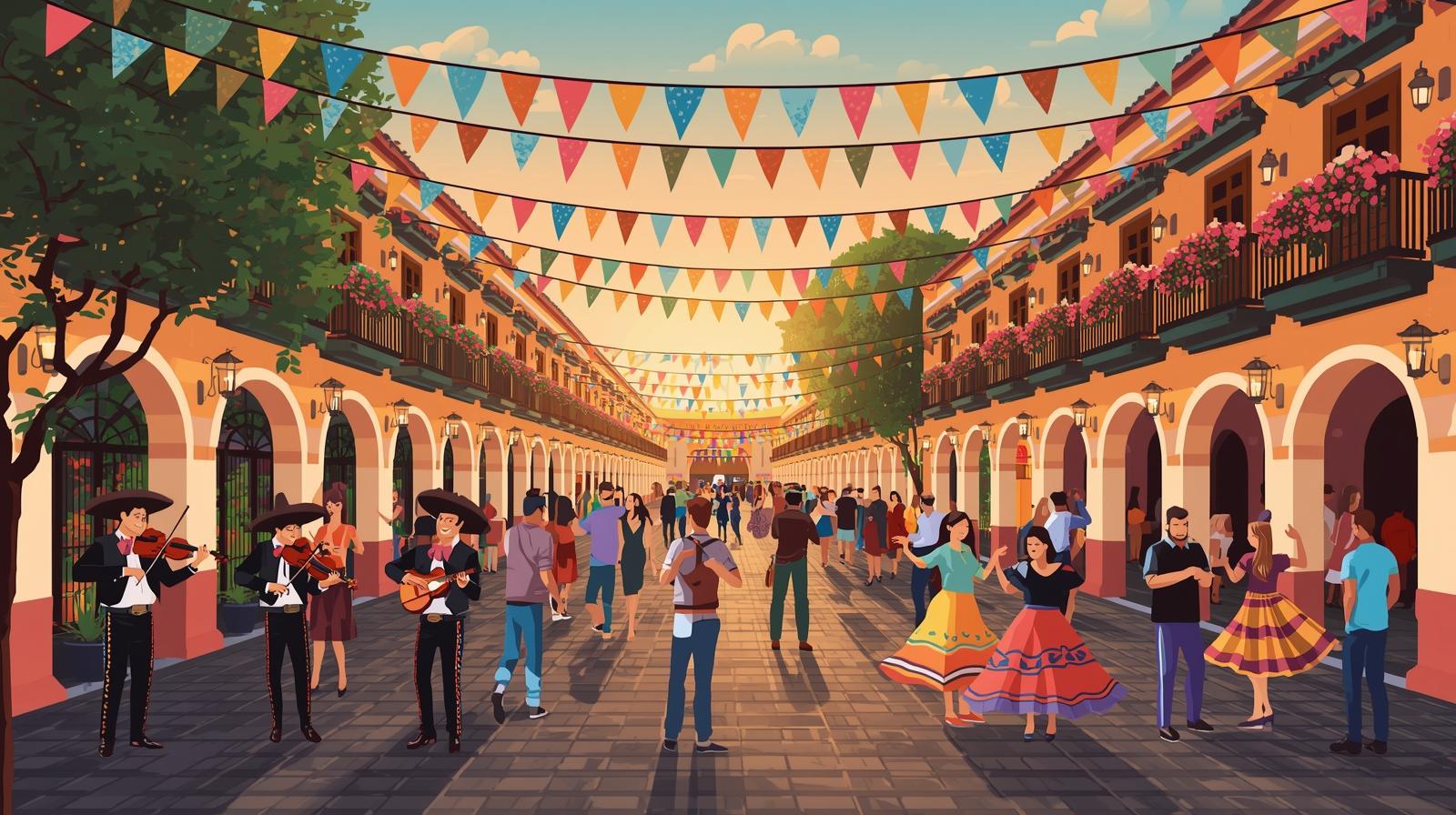
Some towns whisper their stories; Tlaquepaque sings them. From the moment you step into its cobbled streets, you’re greeted not just by the scent of street tacos and fresh clay but by a symphony of mariachi music echoing from hidden courtyards. The air hums with creativity—painters, potters, and glassblowers shaping their dreams in the glow of late afternoon light. It’s the kind of place that doesn’t just welcome you; it embraces you with open arms and a splash of color. Have you ever been to a town that feels like it’s celebrating, even on a Tuesday?
History & Culture
Long before the boutiques and art galleries, Tlaquepaque was a quiet village surrounded by mesquite trees and red clay soil—perfect for pottery. The name itself, derived from the Nahuatl tlacapanque, means “place above clay land.” Even centuries ago, people here knew how to mold earth into art. When the Spanish arrived, they brought their own techniques, fusing indigenous artistry with European craftsmanship. The result? A legacy of ceramic brilliance that put Tlaquepaque on the map.
Over time, this Pueblo Mágico evolved into the artistic heart of Jalisco. In the 20th century, artists from across Mexico flocked here to capture its spirit, turning old colonial mansions into studios and galleries. Today, it’s a living museum—every wall painted, every window dressed with wrought iron, every corner humming with life. Locals still tell stories of Don Pantaleón Panduro, the humble potter who sculpted the faces of ordinary people into terracotta legends, giving the town its soul.
But Tlaquepaque isn’t stuck in the past. It’s a stylish mix of old and new—a place where centuries-old craftsmanship coexists with Instagram-worthy cafes and contemporary art spaces. Tradition lives here, but so does reinvention.
Getting There
Tlaquepaque lies just a short 20-minute drive southeast of Guadalajara, making it one of the easiest Pueblos Mágicos to reach. From Guadalajara’s city center, taxis and rideshares are plentiful, but if you’re feeling adventurous, hop on the Macrobús—it’s clean, fast, and drops you near the town’s heart.
If you’re flying in, Miguel Hidalgo y Costilla International Airport (GDL) is only 15 minutes away. Car rentals are easy to arrange at the airport, but parking within the historic center can be tricky. The best move? Stay nearby and explore on foot. Trust us—Tlaquepaque is best discovered slowly, step by step, with ice cream in hand.
Where to Stay
Casa Morales Boutique Hotel – Housed in a restored colonial mansion, this elegant spot combines terracotta floors with modern touches. The leafy courtyard is perfect for morning coffee.
Quinta Don José Boutique Hotel – A traveler favorite. Think handcrafted furniture, vibrant tiles, and friendly staff who make you feel like part of the family. Their in-house restaurant, El Patio, serves local flavors that might just ruin you for chain hotels forever.
Hostal Rosa Morada – For budget travelers, this cozy inn offers charming rooms with traditional décor and unbeatable hospitality. You’ll wake up to the smell of fresh pan dulce and coffee.
What to See and Do
El Parián – The beating heart of Tlaquepaque. Imagine a massive open-air cantina surrounded by 18 restaurants, each with live mariachi bands. Grab a cazuela (a clay mug filled with citrus, tequila, and soda) and let the music move you. Even if you’re shy, after one drink, you’ll be singing along.
Calle Independencia – A pedestrian street lined with galleries, boutiques, and artisan workshops. Each storefront feels like a treasure chest—blown glass lamps, hand-painted ceramics, leather goods, and silver jewelry. Don’t rush; wander and watch the artists at work.
Museo Pantaleón Panduro – Dedicated to the legendary potter, this museum showcases jaw-dropping ceramic art. From traditional folk figures to modern interpretations, it’s a tribute to the humble clay that built the town.
Templo de San Pedro Apóstol – This 17th-century church anchors the main plaza, its stone façade glowing golden at sunset. Step inside and feel the hush that only sacred places hold—a beautiful counterpoint to the lively streets outside.
Centro Cultural El Refugio – Once a convent, now a cultural hub. It hosts rotating art exhibits, craft fairs, and workshops. Time your visit for the National Ceramic Award Exhibition—you’ll see the best of Mexico’s contemporary artisans.
Food to Try
Tlaquepaque is a feast in every sense. You can smell the food before you even see it.
Birria Tacos – Slow-cooked goat or beef in rich, spiced broth. Dip, bite, repeat. Locals swear by Birriería Chololo.
Tortas Ahogadas – A Guadalajara favorite that found its spicy perfection here—crusty rolls stuffed with pork and drowned (literally) in fiery tomato sauce.
Cazuelas Locas – A citrusy cocktail served in—you guessed it—a clay pot. It’s sweet, sour, and dangerously refreshing.
Tejuino – A fermented corn drink that’s slightly tangy, slightly sweet, and utterly unique. Best enjoyed with lime and a pinch of salt.
Jericallas – Jalisco’s answer to crème brûlée, born from convent kitchens centuries ago. One spoonful and you’ll understand why recipes rarely change here.
Practical Tips
● Best Time to Visit: From October to March, when the weather is cool and festivals
abound. December brings lights and posadas that turn the streets into a glowing
wonderland.
● Footwear: Cobblestones are charming—but tricky. Comfortable walking shoes are a
must.
● Weather: Expect sunny days year-round, with afternoon breezes that smell faintly of
clay and bougainvillea.
● Souvenirs: Skip the generic. Look for handmade ceramics signed by local artists, blown
glass from Galería del Refugio, or embroidered textiles from indigenous cooperatives.
● Money Tip: While many shops accept cards, smaller artisans prefer cash. Carry
pesos—especially for street markets.
Closing Reflection
Tlaquepaque doesn’t just stay in your memory—it lingers like a melody. The sound of a trumpet echoing at dusk, the gleam of polished clay under lamplight, the laughter spilling from El Parián—it all becomes part of you. Here, art isn’t confined to galleries; it’s alive in every gesture, every song, every plate of food.
When you leave, you’ll carry a little of its color in your soul, a reminder that Mexico’s magic isn’t found in grand monuments—but in places like Tlaquepaque, where people still believe beauty can be made by hand.
Ajijic, Jalisco — Where the Lake Whispers and Time
Pauses
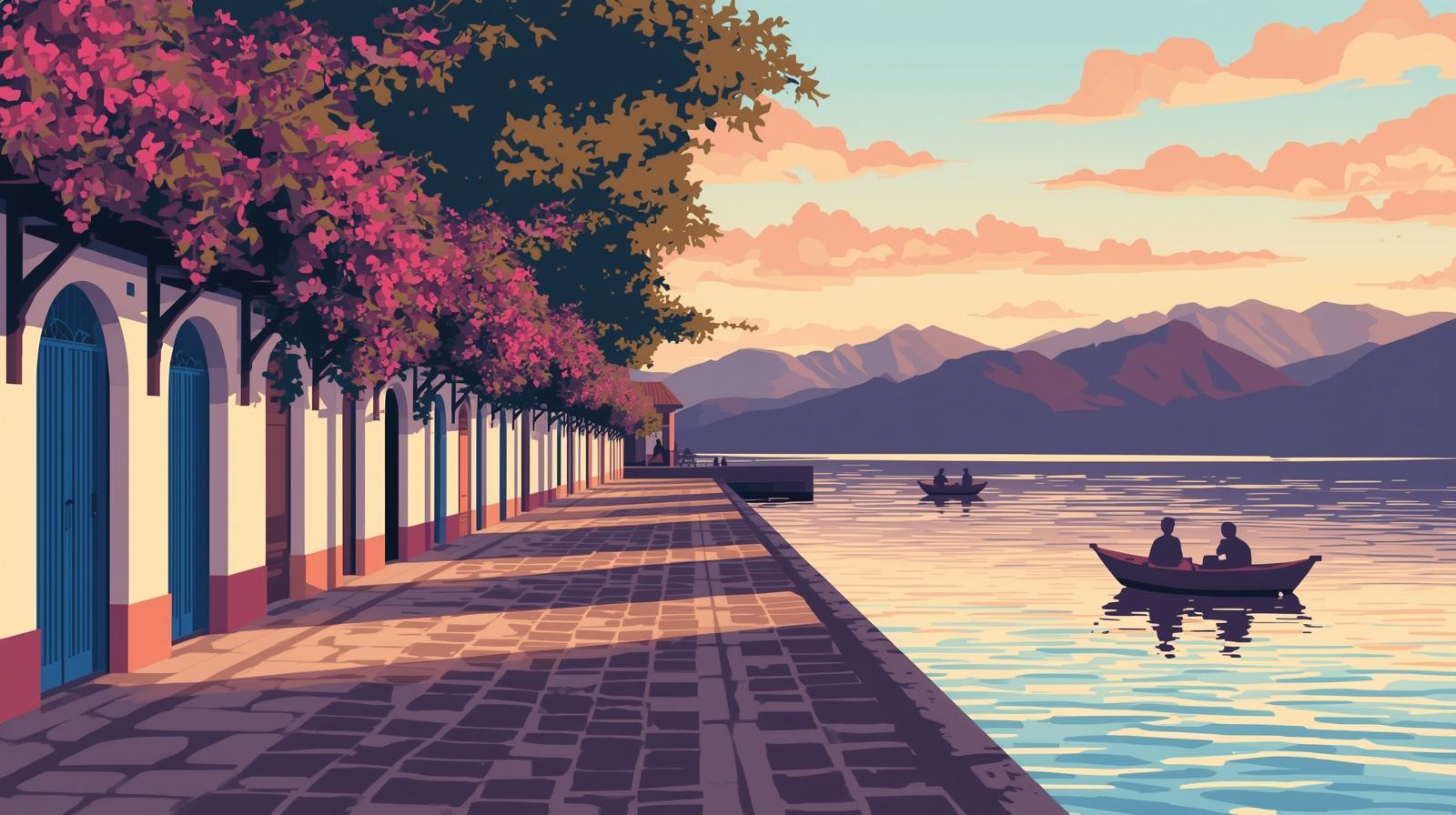
There’s something about Ajijic that slows your heartbeat the moment you arrive. Maybe it’s the way Lake Chapala mirrors the clouds, or how bougainvillea spill like watercolor over cobblestone walls. This Pueblo Mágico, tucked along Mexico’s largest lake, feels both foreign and familiar — a crossroads of Mexican tradition and expatriate charm. You hear laughter in English and Spanish blending over the hum of street musicians, and you realize quickly: Ajijic isn’t a place you visit. It’s a place that adopts you.
Ever wondered what happens when a centuries-old Mexican village and a vibrant international arts community fall in love? Welcome to Ajijic — where life is lived in color, not speed.
History & Culture
Ajijic’s story begins long before its colorful murals and artisanal cafés. The name itself — derived from the Nahuatl Axixic, meaning “place where the water springs” — hints at its ancient roots. Indigenous Coca people settled here for the same reason visitors still come today: the water, the weather, the peace.
When the Spaniards arrived in the 16th century, they built the Church of San Andrés, whose white façade still gleams in the town plaza. Over time, Ajijic became a quiet fishing and farming village, sustained by maize, beans, and the lake’s shimmering bounty. Then, in the mid-20th century, artists began to arrive — painters, writers, dreamers from all over the world — drawn by the light, the affordability, and the easy rhythm of life. By the 1950s, Ajijic had quietly become an artist’s refuge.
That bohemian spirit never left. Today, murals bloom across the town’s walls, telling stories of saints, revolutionaries, and fishermen. The weekly tianguis (market) smells of roasted corn and hand-ground coffee, while elderly locals sell woven rebozos beside sculptors and photographers. It’s that mix of timeless Mexico and cosmopolitan energy that gives Ajijic its peculiar magic — rooted yet restless, traditional yet free-spirited.
Getting There
Ajijic sits about 55 kilometers south of Guadalajara, an easy one-hour drive from the city or the international airport. Regular buses run from Guadalajara’s Central Vieja or Nueva Central terminals to Chapala, with connecting minibuses to Ajijic. Prefer flexibility? Rent a car and take the scenic route around Lake Chapala — winding roads framed by mango trees, with roadside vendors selling coconut water and roasted peanuts. Taxis and ride-share services like InDriver are also available locally, though most visitors soon find that Ajijic is best explored on foot — or by bicycle, with lake breezes as your constant companion.
Where to Stay
Ajijic offers a surprising range of lodging, from colonial-style guesthouses to lakeside boutique hotels that feel like private sanctuaries.
● Budget: Hotel Danza del Sol — rustic, pet-friendly, with gardens that smell of jasmine at
dusk.
● Mid-range: La Joya del Lago — cozy rooms and lake views, a short walk from the
malecón.
● Boutique: Casa Tres Leones — intimate, artistic, and built like a love letter to Mexican
craftsmanship.
For digital nomads or long-term visitors, several casitas and Airbnbs offer monthly stays with panoramic terraces — perfect for writing, painting, or simply watching the sun dissolve into the lake.
What to See and Do
Ajijic may be small, but it has the spirit of a much larger town.
Stroll the Malecón.
Every evening, the lakeside promenade becomes Ajijic’s social heart. Locals walk their dogs, kids chase bubbles, and expats trade stories over ice cream. The sunsets here are cinematic — golden light melting into lilac water.
Explore the Murals.
Nearly every wall tells a story. Take a self-guided art walk through the narrow streets to admire the community’s murals — each one a blend of folk imagery and social commentary.
Visit the Plaza Principal.
Shaded by ancient trees, the plaza is framed by cafés, bakeries, and the 16th-century Templo de San Andrés Apóstol. On weekends, live mariachi fills the air while vendors sell everything from huaraches to hand-painted ceramics.
Art & Culture Scene.
Stop by the Centro Cultural Ajijic for local exhibits and performances, or join one of the many workshops — pottery, painting, or even Spanish lessons infused with humor and tequila breaks. Each February, the town erupts in color for Carnaval Ajijic, complete with masked “sayacos” dancing through the streets, an ancient tradition rooted in pre-Hispanic rituals.
Explore Lake Chapala.
Rent a kayak or hire a small boat from the pier. Drift toward the nearby Isla de los Alacranes, shaped like a scorpion, where a small shrine honors the Virgin of Guadalupe. Birdwatchers will love spotting pelicans and herons gliding low across the water.
Day Trips.
Venture to nearby Chapala town for its markets and colonial vibe, or climb the hills behind Ajijic for panoramic views that stretch across the entire lake basin.
Food to Try
Ajijic’s culinary scene mirrors its cultural mix — local Jaliscan flavors fused with global flair.
● Birria: The region’s signature slow-cooked goat stew, best enjoyed at Birriería el
Tartamudo.
● Charales: Tiny fried lake fish served with lime and chili. Crunchy, salty perfection.
● Tortas ahogadas: “Drowned sandwiches” in spicy tomato sauce — messy and glorious.
● Raicilla: A smoky agave spirit, cousin of mezcal, distilled in the nearby mountains.
● Café Blackbird and Tango Restaurant & Bar are expat favorites, but don’t skip the
humble street tacos near the plaza — they carry the soul of Jalisco in every bite.
And if you have a sweet tooth, hunt down a local nieves cart — artisanal ice cream in flavors like guava, rose petal, or tequila.
Practical Tips
● Weather: Ajijic boasts one of the world’s best climates — springlike all year, with mild
temperatures around 22°C (72°F).
● What to Pack: Comfortable walking shoes for cobblestones, a light jacket for evenings,
and sun protection.
● Money: ATMs are available but bring some pesos; smaller shops may not accept cards.
● Language: Many locals speak English, but learning a few Spanish phrases earns warm
smiles.
● Best Time to Visit: November through April — dry season, clear skies, and plenty of
festivals.
● Souvenirs: Handwoven rebozos, painted tiles, or locally produced raicilla make
meaningful keepsakes.
● Community Vibe: Ajijic is home to one of Mexico’s largest expat communities, yet its
Mexican heart remains strong. Respect local customs, support small artisans, and greet everyone with a cheerful buenos días — it goes a long way.
Closing Reflection
Ajijic is not a place you rush through — it’s a place that gently rearranges your pace. Between the laughter echoing in two languages, the art spilling from every wall, and the stillness of Lake Chapala at twilight, you start to understand why people come for a visit and never leave. Maybe the secret isn’t that Ajijic is magical — it’s that it reminds you how to live magically: slowly, openly, in color.
Temacapulín, Jalisco: The Town That Refused to
Drown
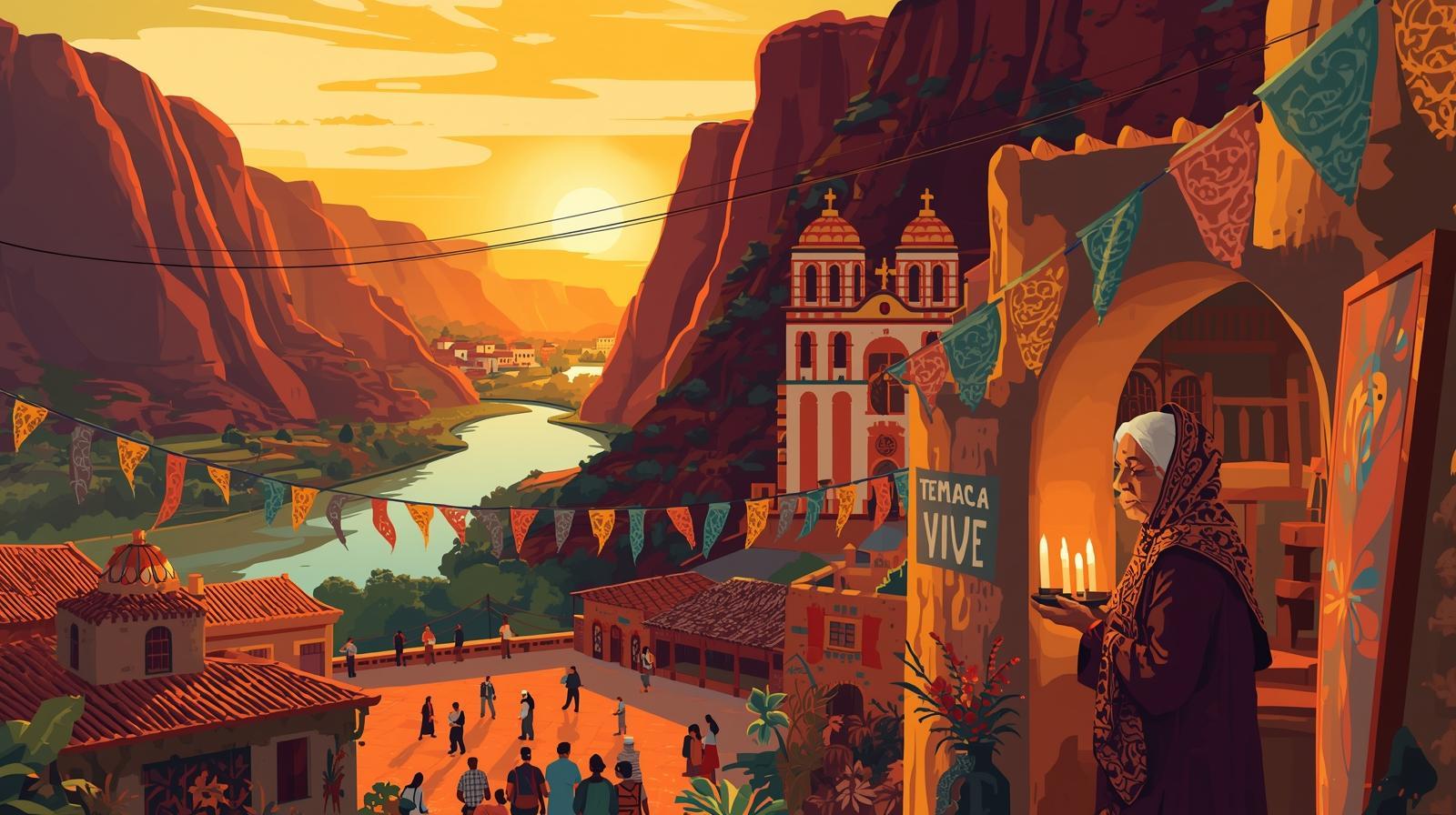
If towns had souls, Temacapulín’s would be carved from courage. Perched among the canyon walls of northern Jalisco, this small Pueblo Mágico stands as a living testament to resilience. When the government once planned to flood it under a dam project, the people of “Temaca” didn’t pack their bags—they built barricades of hope and faith instead. And somehow, miraculously, they won. Today, this picturesque village—ringed by red cliffs and cooled by the Río Verde—feels like both a refuge and a rallying cry. How many places can say they’ve literally saved themselves from disappearing beneath the water?
History & Culture
Temacapulín’s story begins long before its defiance made headlines. Founded in the 16th century, it sits in a region once inhabited by the Caxcan and Tecuexe peoples—communities that thrived along the riverbanks, cultivating maize and weaving legends into the landscape. Spanish colonizers arrived with crosses and stone, leaving behind baroque chapels and a plaza that still beats at the center of local life.
Over time, Temaca became a place where traditions rooted deep. The ringing of church bells still marks the rhythm of the day. Elders chat on sun-drenched benches, rosaries in hand. And during the Fiestas de la Virgen de los Remedios, the whole town erupts in a symphony of color, devotion, and laughter. There’s music, processions, fireworks that crack the night sky—and an undercurrent of pride that feels almost tangible. After all, this is a community that learned what unity can do.
But ask anyone in Temaca, and they’ll tell you: the fight against the El Zapotillo Dam wasn’t just about saving homes. It was about saving history, graves, identity. For more than a decade, farmers, grandmothers, and schoolchildren stood up to a billion-peso project backed by powerful interests. “We’re not leaving,” they said. And they didn’t. The church still stands, the plaza still hums, and the river still runs free. The town’s triumph has since become a symbol of environmental justice and rural dignity across Mexico.
Getting There
Temacapulín lies about 2.5 hours northeast of Guadalajara, nestled within the Los Altos de Jalisco region. The most straightforward route is by car—take the highway toward Tepatitlán, then follow signs for Cañadas de Obregón and Temacapulín. The last stretch winds through the canyon, offering panoramic views that make every curve worth it.
If you’re coming by bus, routes to Cañadas de Obregón are available from Guadalajara’s Central Vieja station. From there, local taxis or colectivos can take you the remaining 15 kilometers to Temaca. The drive is part of the adventure—one moment you’re surrounded by open highlands, the next you’re descending into a lush canyon framed by red stone and silence.
Where to Stay
Temaca isn’t a place for luxury resorts—it’s for travelers who crave authenticity. You’ll find charming family-run guesthouses and casas rurales, many converted from old adobe homes. A favorite is Posada La Parroquia, located just steps from the church, where hosts serve homemade tamales with morning coffee. Another cozy choice is Casa de los Abuelos, offering warm hospitality and unbeatable canyon views from the terrace.
If you prefer something a bit more polished, the nearby towns of Mexticacán and Jalostotitlán offer boutique-style inns while keeping Temaca within easy reach for day trips.
What to See and Do
Start your visit in the central plaza, shaded by ancient trees and watched over by the Templo de Nuestra Señora de los Remedios, a stunning 18th-century church with twin towers and stone façades that glow pink at sunset. Step inside, and you’ll feel the hush of centuries—wax candles, creaking pews, the faint echo of whispered prayers.
Just behind the church flows the Río Verde, whose calm surface once mirrored a threat of destruction. Locals now treat it as a place of life—children swim here in summer, and farmers still irrigate their fields from its waters. Walk down to the old stone bridge, and you’ll understand why they fought so hard to protect it.
If you enjoy hiking, follow the Camino del Cerro de la Cruz, a short but steep trail that rewards you with panoramic views of the canyon and the village below. Bring water, a hat, and your camera—the light at golden hour paints the red cliffs like fire.
Don’t miss the Museo Comunitario de la Memoria, a small but powerful space that documents Temaca’s resistance against the dam. Old photos, protest banners, and video testimonies bring the movement to life. It’s impossible to leave without feeling inspired.
Food to Try
Temacapulín’s cuisine is comfort in its purest form. Think handmade tortillas puffing over wood stoves, birria de chivo slow-cooked in clay pots, and queso fresco made from local milk. At Doña Cata’s kitchen near the plaza, you’ll find enchiladas rojas drenched in chile sauce so rich it could pass for velvet.
Don’t leave without trying ponche de granada—a sweet, ruby-red punch made from local pomegranates—or capirotada, a bread pudding drizzled with piloncillo syrup and served during Lent. The flavors feel like home, even if you’re far from yours.
Practical Tips
● Best time to visit: From November to March, when the weather is cool and the skies
are crystal clear.
● What to wear: Comfortable shoes for cobblestone streets, a light jacket for evenings,
and a hat for canyon hikes.
● Cash: Bring pesos—few establishments accept cards.
● Souvenirs: Handmade rosaries, embroidered rebozos, or small jars of local honey make
heartfelt keepsakes.
● Respect local life: Temaca’s residents value tranquility; greet them with a smile and
maybe a “buenos días.” You’ll likely get a story in return.
Closing Reflection
Temacapulín is proof that magic doesn’t always come from myths—it sometimes rises from ordinary people doing extraordinary things. Walking through its quiet streets, you can feel the pulse of defiance beneath the calm. The laughter in the plaza, the murals that say Temaca vive, the sound of church bells echoing through the canyon—it all feels like a heartbeat that refused to fade.
You leave this town not with souvenirs, but with a story—a reminder that even the smallest places can stand tall against the tide. Temacapulín isn’t just a Pueblo Mágico. It’s a promise: that history, identity, and spirit are worth fighting for.