

Beyond the Volcano’s Shadow: Journeys Through Mexico’s Southwest Pueblos Mágicos by Scott Paton - HTML preview
Download the book in PDF, ePub, Kindle for a complete version.
Chapter 1: Jalisco
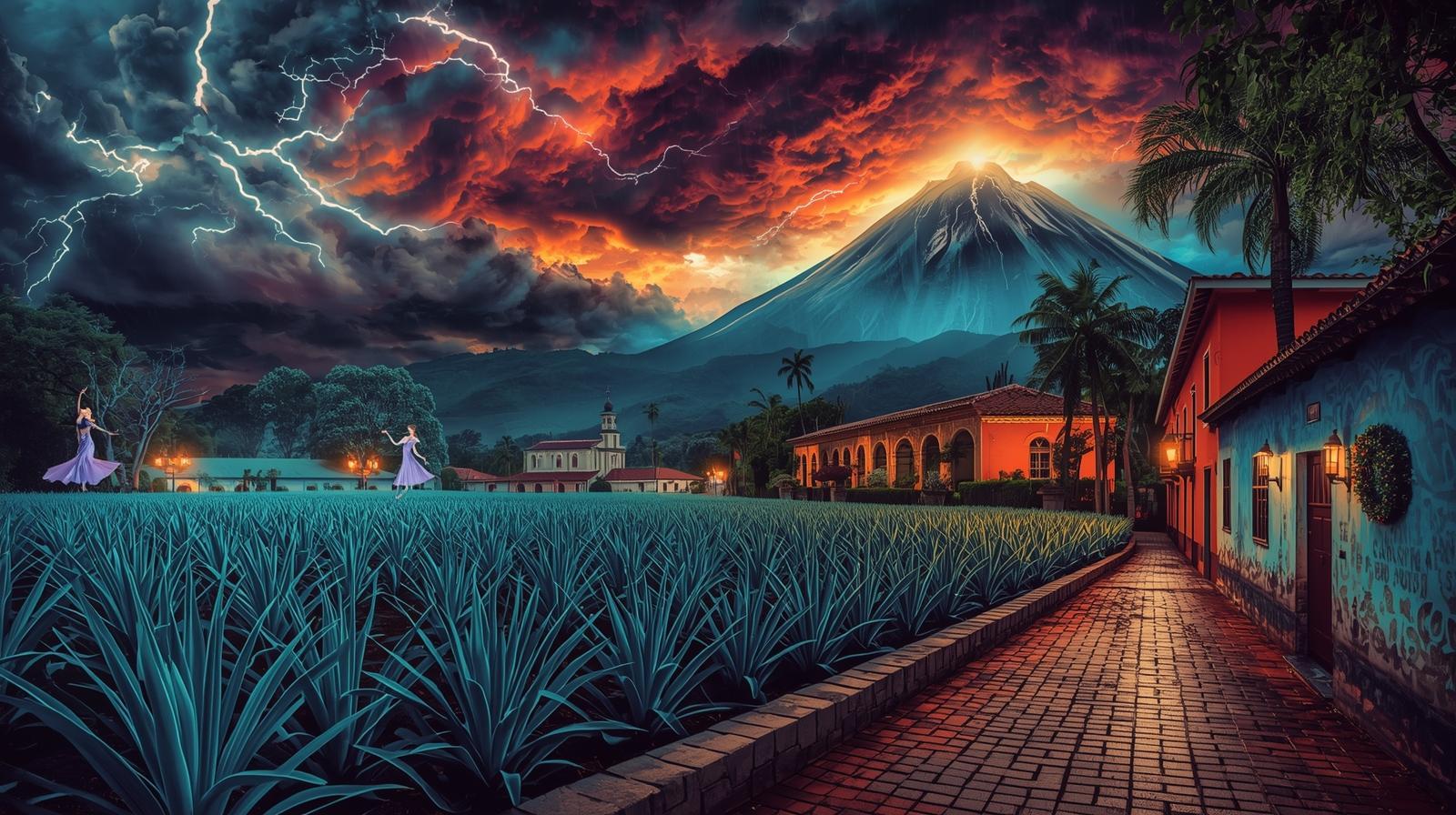
Everyone thinks they know Jalisco. They picture tequila shots, mariachi bands, and tapatío pride—loud, proud, and predictable. But that’s a lie. The real Jalisco doesn’t perform for postcards. It hums beneath cracked church bells and volcano skies, where magic doesn’t sit quietly—it erupts.
Here, lakes vanish under storms of mist. Towns vanish into legends. Ghosts dance in haciendas that still smell of gunpowder and jasmine. And somewhere between the cobblestones of Tapalpa and the blue agave fields of Tequila, you start to wonder: Is Jalisco the birthplace of Mexico’s magic—or its beautiful madness?
Welcome to a land that doesn’t ask for your admiration—it dares you to understand it.
Tapalpa, Jalisco – The Town That Teaches You to
Breathe Again
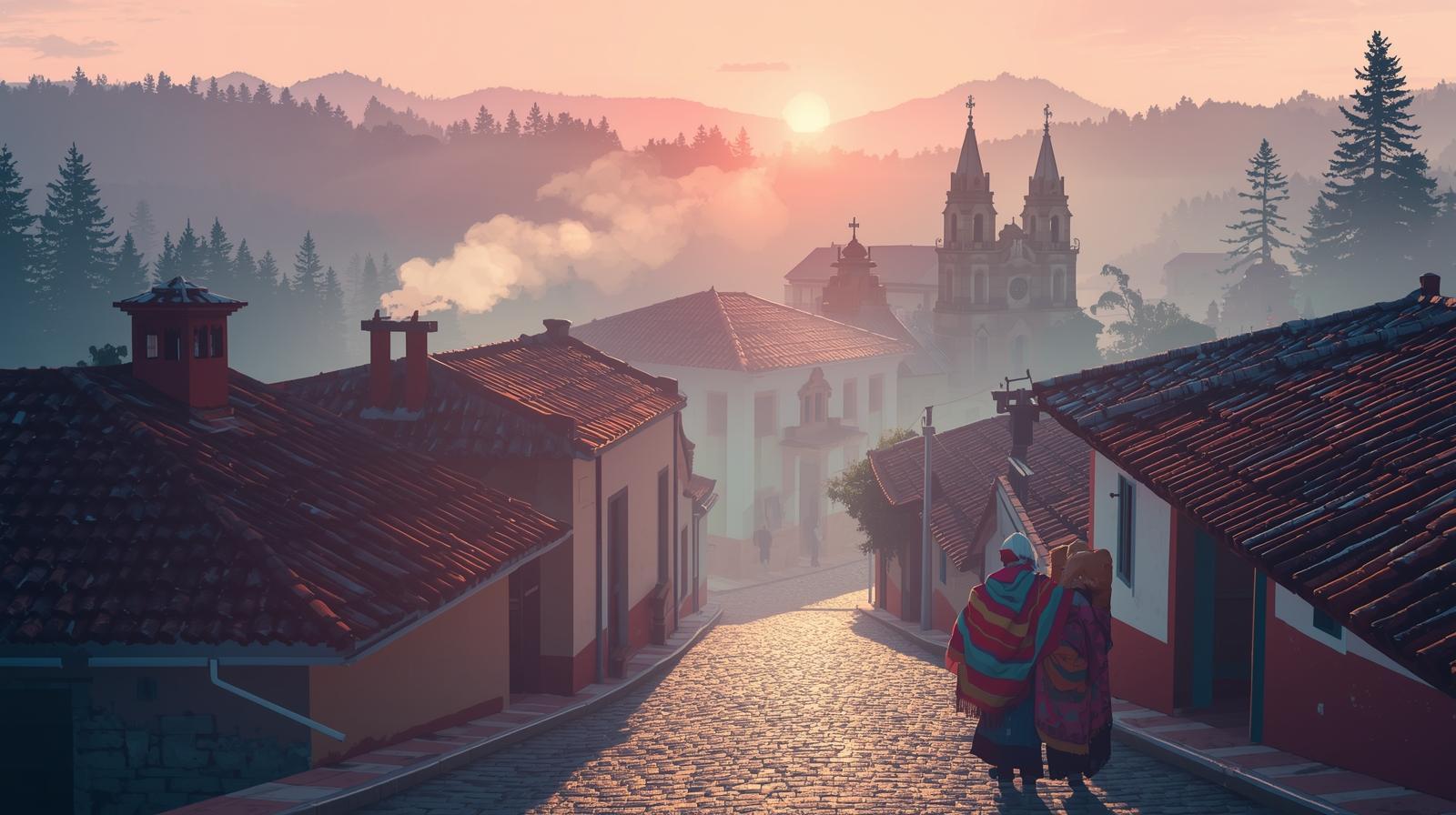
The first thing you notice about Tapalpa isn’t what you see—it’s what you feel. The air is different here: thinner, colder, cleaner, like someone pressed “reset” on your lungs. Pine forests stretch in every direction, the kind of green that city people forget exists. Chimneys smoke lazily in the morning, and cobblestone streets gleam after the nightly drizzle. Tapalpa doesn’t shout its charm; it whispers it through the scent of wet earth and freshly baked pan de nata.
They say this Pueblo Mágico has a way of slowing time, of making you notice small things again—the crunch of gravel underfoot, the laughter of kids in the plaza, the way mist wraps around the hills like a wool shawl. And honestly, they’re right. Tapalpa doesn’t just welcome you; it makes you remember how to pause.
Ever wonder what it feels like to wake up inside a postcard—and stay there long enough to exhale?
History & Culture
Long before Tapalpa was known for cozy cabins and weekend getaways, it was home to indigenous Otomí and Tecuexe peoples who thrived on these cool highlands. The name itself, Tapalpa, comes from the Nahuatl word tlapalpan, meaning “place of colors.” You’ll understand why once you see its sunsets—violet spilling into gold over pine silhouettes.
The Spanish arrived in the 16th century, drawn by fertile land and silver routes. They built the first parish church, San Antonio de Padua, with red-tiled roofs and thick adobe walls that still stand proud today. Tapalpa became one of Jalisco’s earliest colonial settlements, a quiet trading hub where artisans, farmers, and muleteers crossed paths.
But what truly defines Tapalpa isn’t its age—it’s its soul. The town clings fiercely to tradition: Holy Week processions move slowly through the plaza; charros in crisp white hats ride their horses through town like it’s still 1820; and the locals greet you with the kind of politeness that makes you feel instantly included.
Here, life is built on community. You’ll find women weaving rebozos on their porches, men chopping wood at dawn, children selling dulces de leche after school. There’s pride in simplicity—a quiet confidence that doesn’t need to perform for outsiders.
Getting There
Tapalpa sits about 140 kilometers southwest of Guadalajara, roughly a two-and-a-half-hour drive through rolling farmland and eucalyptus groves. Most travelers take the highway toward Sayula and follow signs from Amacueca up the mountain road.
If you don’t have a car, regular buses leave from Guadalajara’s Central Vieja terminal. The ride is scenic—winding switchbacks, mist-covered valleys, and the occasional roadside vendor selling roasted corn and tejuino. From the Tapalpa bus terminal, it’s just a short taxi ride (or a pleasant walk) to the main plaza.
Tip: Avoid driving at night if you’re not familiar with mountain roads—the fog can be thick enough to swallow headlights whole.
Where to Stay
Tapalpa offers accommodations that feel straight out of a rustic dream.
● La Casona de Manzano – A colonial mansion turned boutique hotel with stone
fireplaces and hand-carved furniture. Breakfast includes homemade jams and local honey.
● Monarca Tapalpa – Modern comfort meets mountain style, with panoramic views of pine
forests from every window.
● Cabañas El Ojo de Agua – For those craving solitude, these cozy wooden cabins near
waterfalls come with fire pits and hammocks.
Budget travelers can find clean, charming posadas around the main square, while couples might prefer a secluded cabin with a chimney and a bottle of local red wine waiting by the hearth.
What to See and Do
Tapalpa isn’t about rushing through checklists—it’s about lingering. Still, there’s plenty to keep you enchanted.
The Plaza and Parish Church
The heart of Tapalpa is its cobblestoned plaza, where locals gather under the shade of giant trees. Facing it stands the twin-towered Parroquia de San Antonio de Padua, its red bricks glowing under the afternoon sun. Step inside and you’ll find a simple yet moving altar—nothing ostentatious, just sincere devotion.
Las Piedrotas (The Big Rocks)
A short drive from town takes you to Valle de los Enigmas, a meadow scattered with enormous volcanic boulders the size of small houses. Nobody knows exactly how they got there—some say ancient giants played here, others whisper about extraterrestrial origins. Either way, it’s a surreal landscape perfect for climbing, picnicking, or simply pondering the mysteries of the world.
El Salto del Nogal
At 105 meters, El Salto del Nogal is one of Jalisco’s tallest waterfalls. The hike down can be demanding (wear proper shoes!), but the reward is breathtaking: a thundering cascade framed by mossy cliffs and rainbows. Bring a snack, stay a while, and let the roar of water drown out everything else.
Parque Natural Los Frailes
Named after the rock formations resembling monks in prayer, Los Frailes is a peaceful area for hiking, horseback riding, and watching the fog roll in like a living creature. Don’t rush it—just wander.
Artisan Workshops Tapalpa is known for its woodwork and textiles. Visit local shops to see carpenters carving saints and furniture entirely by hand. Each piece tells a story of patience and pride.
Food to Try
This is where Tapalpa really wins hearts—and stomachs.
Start your morning with pan de nata (a soft, creamy bread) and locally roasted coffee. For lunch, try borrego al pastor (spit-roasted lamb) or birria tapalpense, rich with spices and slow-cooked tenderness. Pair it with rompope, a sweet eggnog-style liqueur made by local nuns.
In the evenings, street stalls around the plaza come alive with antojitos—enchiladas, tacos dorados, tamales, and hot atole. And if you see a vendor selling dulce de leche en rollo, buy it. Then buy another.
Locals love to boast that everything tastes better here because it’s made with mountain water. They might be right.
Practical Tips
● Weather: Tapalpa sits at over 2,000 meters above sea level, so expect cool
temperatures year-round. Pack layers—even in summer, evenings can dip below 10°C.
● Best Time to Visit: November to April for clear skies and cozy fires. June to September
is lush and green but rain is frequent.
● Shoes: Bring good walking shoes—the cobblestones are charming until you try them in
heels.
● Souvenirs: Handwoven textiles, wooden toys, rompope, and jars of honey from nearby
ranches.
● Connectivity: Cell service can be spotty in rural areas—consider it a blessing.
Closing Reflection
Some places you visit once and forget. Tapalpa isn’t one of them. It lingers—the smell of pine in your jacket, the echo of church bells at dusk, the way people look you in the eye when they say buenos días.
It’s not about grandeur or nightlife. It’s about the simple joy of being somewhere that asks nothing of you except to be present.
In a world obsessed with speed, Tapalpa is the rare town that teaches you to slow down—and breathe again.
Tequila, Jalisco: Where the Spirit of Mexico Was Born
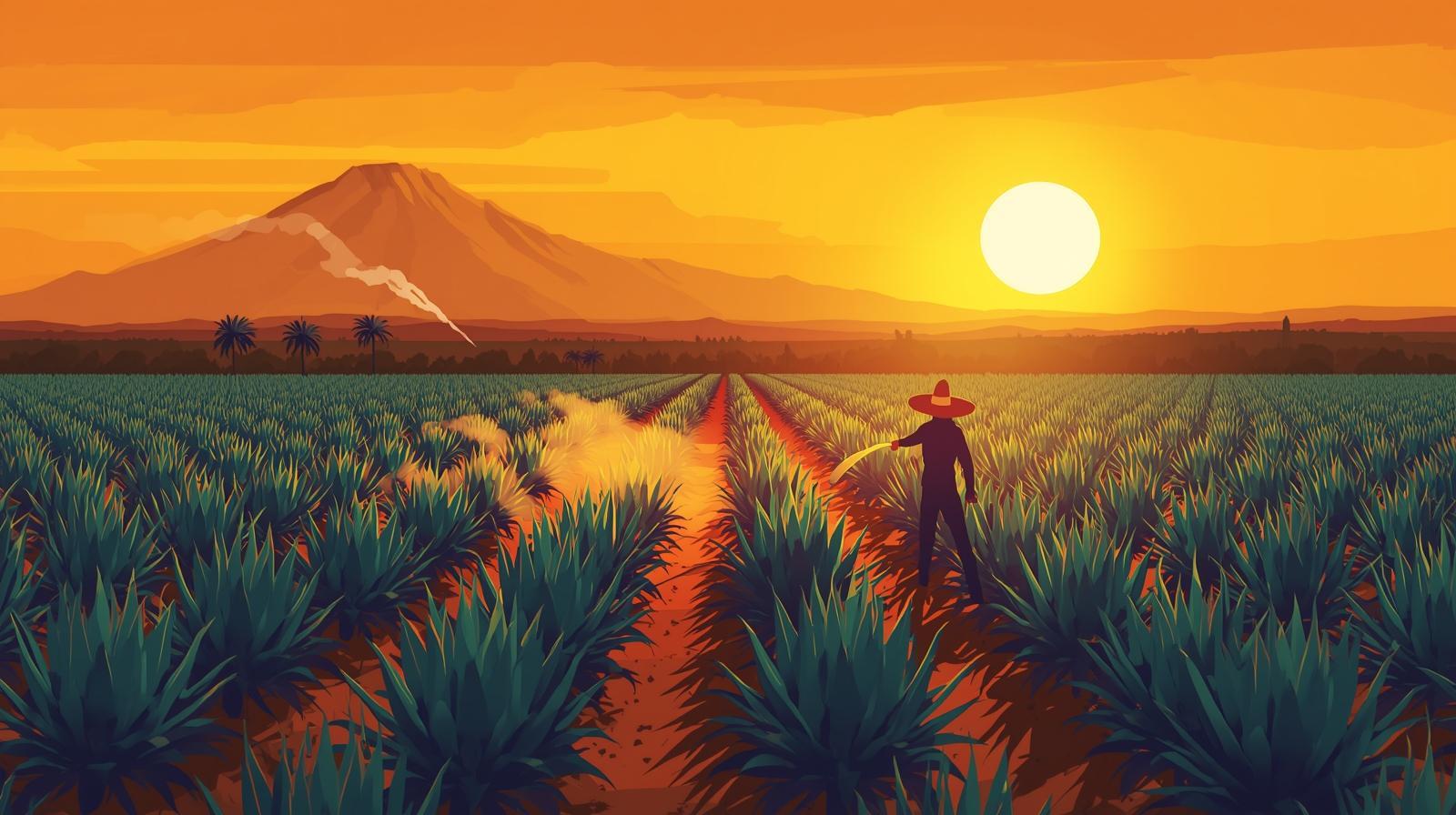
There are towns that you visit—and then there are towns that toast you back. Tequila, Jalisco, isn’t just a destination; it’s a state of mind, a warm buzz that lingers long after your first sip of its world-famous spirit. The air itself seems infused with agave—sweet, smoky, and alive. Blue-green fields roll toward the horizon like waves frozen in time, their sharp leaves glinting under the highland sun. You can almost hear the jimadores’ machetes slicing through the stalks, the same rhythm that’s echoed here for centuries. And you can’t help but wonder: how did one humble plant come to define an entire country’s identity?
History & Culture
Long before bottles bore fancy labels, this land belonged to the Nahua and Otomí peoples, who fermented agave into a sacred drink they called pulque. When the Spanish arrived in the 1500s, they brought distillation—and suddenly, the ancient ritual evolved into something stronger, smoother, and infinitely more exportable. Thus, vino mezcal de Tequila was born.
By the 1600s, the Cuervo family set up one of the first distilleries, followed by Sauza in the 1800s, sealing Tequila’s place in history. Yet behind those famous names lies something more intimate: generations of local families who never left these hills, whose lives are still measured in harvests, festivals, and songs.
Wander through the cobblestone streets and you’ll see colonial mansions turned into tasting rooms, murals celebrating jimadores as local heroes, and the scent of roasting agave wafting through open factory doors. Every corner hums with pride—and not just for the drink, but for the craftsmanship, the land, and the unbroken tradition that’s still very much alive.
Getting There
Tequila is just an hour’s drive northwest of Guadalajara, which makes it perfect for a day trip—or better yet, a long weekend. You can rent a car for the scenic drive along the Tequila Route, passing through rolling agave fields declared a UNESCO World Heritage Site.
If you prefer to relax, hop aboard the Jose Cuervo Express or the Tequila Herradura Train, both offering luxury rides with tastings, mariachi, and panoramic views that make you forget the concept of time altogether. Buses also leave regularly from Guadalajara’s Central Vieja terminal—cheap, frequent, and full of local color.
Where to Stay
Tequila’s charm is that it caters to both the laid-back traveler and the boutique-seeker.
● Hotel Solar de las Ánimas sits right in front of the main plaza—colonial elegance with a
rooftop pool overlooking the volcano.
● Matices Hotel de Barricas is literally built inside giant wooden barrels nestled among
agave fields—yes, you can sleep inside your drink.
● For budget travelers, Hotel Boutique La Cofradía offers clean comfort and direct
access to a distillery, making it perfect for sunrise tours (and post-tour naps).
What to See and Do
Let’s be honest: you’re here for tequila. But the magic of Tequila goes far beyond the bottle.
● Tequila Volcano looms in the background like a silent guardian. Hike partway up or join
a guided ATV tour for breathtaking views.
● La Rojeña Distillery, the oldest in Latin America, offers a crash course in the alchemy
of agave—from harvest to bottle—with generous tastings along the way.
● Stroll through Plaza Principal, where the church bells of Santiago Apóstol Parish echo
across pastel-colored façades.
● The Museo Nacional del Tequila (MUNAT) reveals the deep history and science
behind the spirit, featuring antique stills and local art.
● Don’t miss the Ruta del Tequila viewpoint just outside town, where blue agave fields
stretch endlessly beneath a golden sunset.
And if you happen to visit in late November, the National Tequila Fair transforms the town into one big fiesta—parades, dancing, fireworks, and, of course, free-flowing tequila.
Food to Try
Good tequila deserves good food, and Tequila, Jalisco, doesn’t disappoint.
Start with birria, the slow-cooked goat stew that’s the pride of Jalisco—rich, spicy, and best soaked up with fresh corn tortillas. Pair it with a reposado for a smoky complement. Street vendors sell tejuino, a fermented corn drink that tastes like if lemonade and beer had a cheerful baby. For dessert, try jericalla, a custard that feels like crème brûlée met flan on vacation.
And yes, the restaurants here love to cook with tequila itself—shrimp flambéed in tequila, chicken glazed with agave syrup, even tequila-infused ice cream. It’s indulgent, a little over the top, and absolutely worth every bite.
Practical Tips
● Weather: Warm year-round, but the dry season (November–April) is ideal for agave field
tours and outdoor tastings.
● Clothing: Light layers by day, a light jacket at night—mountain air gets cool after
sundown.
● Shoes: Cobblestones + agave fields = sturdy footwear. Leave the heels for the photo
shoot.
● Best time to visit: Late fall for the Tequila Fair or spring for quieter, sun-drenched days.
● Souvenirs: Beyond bottles, look for hand-blown glassware, agave honey, and
embroidered jimador hats.
Closing Reflection
Tequila isn’t just a drink—it’s a distilled story of land, labor, and love. Standing at the edge of an agave field at dusk, you realize this isn’t about intoxication; it’s about connection. The blue rows catch the last light of the sun, and you see generations reflected in them—farmers, artisans, and dreamers who turned a humble plant into Mexico’s most iconic gift to the world.
You’ll leave with bottles, sure—but also with memories that linger like the smooth warmth of a good añejo. And maybe, just maybe, a new respect for how magic can be grown, harvested, and poured straight into your heart.
Mazamitla, Jalisco – The Magic Hidden in the Pines
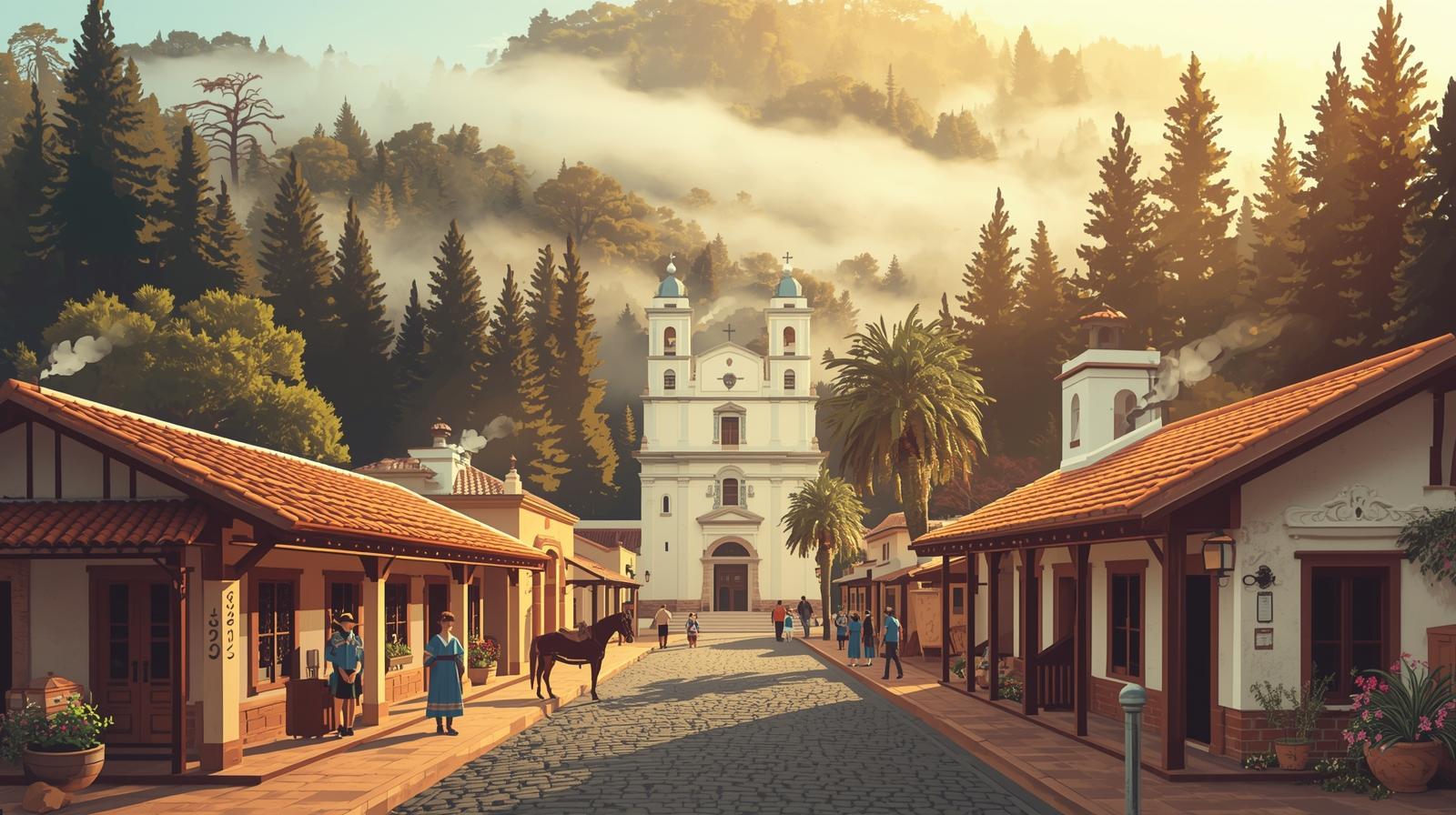
There’s a certain hush that settles over Mazamitla, the kind that makes you whisper without realizing it. The air is crisp, scented with pine and woodsmoke, and somewhere in the distance, a church bell tolls. Locals call it the “Switzerland of Mexico,” but that’s selling it short. Mazamitla isn’t trying to be Europe—it’s a mountain dream of its own. Wooden cabins peek through misty hillsides, cobblestone streets wind past flower-draped balconies, and the cool mountain breeze carries stories older than the town itself. Have you ever stepped into a place that feels like it’s exhaling peace?
History & Culture
Mazamitla’s name comes from the Nahuatl words Mazatl (deer) and mitlan (place of), meaning “Place where deer are hunted.” Long before the Spanish arrived, this region was part of the Purépecha domain, serving as a strategic lookout across forested ridges. The Spanish influence began in the 16th century, and Mazamitla grew around its parish church—Parroquia de San Cristóbal, whose whitewashed walls and red-tiled roof now serve as a symbol of the town’s quiet faith and endurance.
But Mazamitla is more than colonial charm. It’s a living blend of old and new. On weekends, Guadalajara’s city dwellers escape here for clean air and fresh cheese, while local artisans carve furniture from pine or shape clay pots by hand as their grandparents did. The town’s rhythms are set by both rooster calls and mariachi notes; by the murmur of tourists in ponchos sipping hot atole at dawn.
What makes Mazamitla special is not just its beauty but its humility. It’s the kind of town that doesn’t boast. It just exists—steady, green, and grounded—like the forest that shelters it.
Getting There
Mazamitla lies about 125 kilometers south of Guadalajara, a journey of roughly two and a half hours by car. The drive winds through scenic mountain roads lined with pines and ocotes—perfect for travelers who like their landscapes to shift with every curve. Buses leave Guadalajara’s Nueva Central de Autobuses several times a day, arriving at Mazamitla’s modest terminal near the town center. If you’re coming from Lake Chapala or Ciudad Guzmán, shared taxis or regional buses make for an easy connection.
For those craving freedom, driving yourself is the best choice. Just be ready for mountain curves that seem to dance. Stop along the way for roadside quesadillas de flor de calabaza and handmade strawberry jam from the local tienditas.
Where to Stay
Mazamitla has mastered the art of rustic comfort. Cabins here range from cozy to downright luxurious—many with stone fireplaces, private jacuzzis, and wraparound terraces that seem to float among the trees.
● Monteverde Hotel & Cabañas – Ideal for families and groups; its cabins sit on
sprawling wooded grounds with fireplaces, playgrounds, and horseback riding trails.
● Cabañas del Bosque – Romantic and secluded; think claw-foot tubs, crackling fires,
and hammocks under pine canopies.
● Hotel Huerta Real – A few minutes’ walk from the plaza; colonial-style rooms with warm
wood interiors and a serene garden courtyard.
If you prefer something simpler, plenty of local cabins are available on Airbnb and through town cooperatives—some built by the same families who have tended the forests for generations.
What to See and Do
Mazamitla might be small, but it’s a treasure chest of natural and cultural delights. You could spend days just wandering and still find something new each morning.
The Main Plaza
Everything begins here. The Plaza Principal hums with life: kids chasing pigeons, vendors selling ponche de granada, and the sound of guitar strings echoing off cobblestone walls. The Parroquia de San Cristóbal, built in the 20th century but designed in a pseudo-Oriental style (yes, with pagoda-like towers), anchors the view—an unexpected twist that sets it apart from other colonial churches in Mexico.
El Salto Waterfall
A three-kilometer journey from town, Cascada El Salto rewards the adventurous. You can hike, rent an ATV, or ride horseback along the forest trail. When you reach the falls, the sound hits you first—a deep, rhythmic roar that bounces through the ravine. Mist rises like a living thing, wrapping ferns and mossy rocks in silver light. Locals say the waterfall is the heartbeat of Mazamitla, and standing there, you’ll understand why.
Sierra del Tigre
For sweeping views of pine valleys and hidden villages, drive up into the Sierra del Tigre. The road passes viewpoints like El Tabardillo and Los Cazos, where you can picnic or simply breathe the mountain air. In the evenings, fog curls over the treetops, and the world feels far away—like you’ve stepped out of time.
Adventure Parks
If you crave adrenaline, visit Mundo Aventura or Parque el Tecolote for zip lines, canopy walks, and ATV trails through the woods. There’s even horseback riding and mountain biking for those who prefer slower thrills. These parks manage to blend adventure with nature—fun without losing the magic.
Markets & Handicrafts
Mazamitla’s artisans work with pinewood, clay, and wool. The Tianguis Artesanal, held on weekends, brims with carved furniture, embroidered blouses, and hand-woven ponchos. Don’t miss the small Queso Artesanal shops near the plaza—each sells local cheese aged in pine boxes, rich with the scent of the forest itself.
Food to Try
Mazamitla’s cuisine is a delicious mix of rustic Jalisco comfort food and mountain flavors. Here are a few local favorites:
● Bote de Res – A hearty stew of beef, vegetables, and pulque, slow-cooked in a clay pot.
It’s smoky, tender, and perfect for cool mountain nights.
● Enchiladas Mazamitlenses – Fried tortillas stuffed with local cheese and topped with
red sauce, cabbage, and crumbled chorizo.
● Atole de Pinole – A warm, sweet corn drink that tastes like nostalgia itself. San Sebastián del Oeste, Jalisco – The Silver Town
● Fresh Cheese and Rompope – Buy them directly from family farms or roadside stands.
The rompope (Mexican eggnog) is often homemade and flavored with cinnamon or vanilla.
If you’re staying in a cabin, shop for ingredients at the Mercado Municipal and cook your own feast. There’s something deeply satisfying about eating bote or roasting corn while fog gathers outside the window.
Practical Tips
● Weather: Cool and mild year-round, with chilly evenings. Bring layers—you’ll want a
sweater even in summer.
● Shoes: The cobblestones and mountain trails demand good walking shoes or boots.
● Best Time to Visit: November to February brings crisp air and festive decorations; June
to August is lush and green after rains.
● Festivals: In July, the Fiestas de San Cristóbal fill the plaza with fireworks,
processions, and traditional dances.
● Souvenirs: Pinewood crafts, rompope bottles, embroidered shawls, and locally made
jams are easy to pack and full of flavor.
● Connectivity: Expect spotty Wi-Fi in the mountains—part of Mazamitla’s charm. Bring a
book or good company.
Closing Reflection
Mazamitla doesn’t shout its beauty. It whispers it—through pine needles, through distant bells, through the laughter that echoes from a wooden cabin at dusk. It’s the kind of place that reminds you how stillness can feel alive, how quiet can hum with meaning. Maybe that’s the real magic of Mexico’s Pueblos Mágicos—not in the postcards or the souvenir shops, but in the moments between, when time slows and you remember what peace feels like.
When you finally drive back down the mountain, the air grows warmer and the world louder, but part of you will stay behind—in that misty forest where Mazamitla keeps its secrets.
That Time Forgot
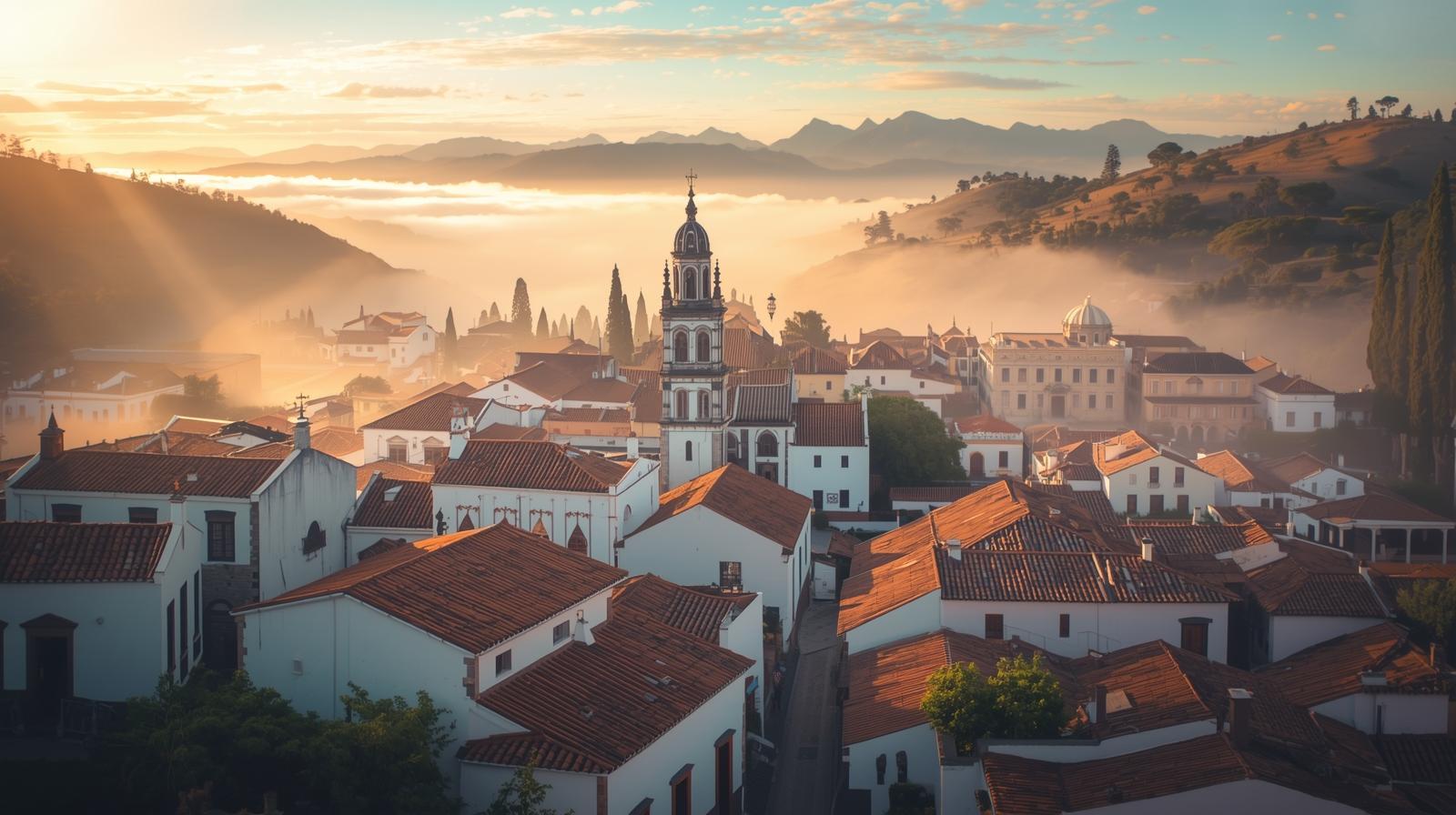
There’s a hush that falls over San Sebastián del Oeste the moment you step off the winding road from Puerto Vallarta. Maybe it’s the altitude. Maybe it’s the ghosts of miners still whispering through the cobblestone streets. Whatever it is, this mountain town feels like a pause button pressed on modern life. You look around—whitewashed houses trimmed in deep red, tiled roofs glinting under the Sierra Madre Occidental sun—and suddenly, the noise of the world fades away.
It’s easy to see why San Sebastián earned its Pueblo Mágico title. Nestled 1,500 meters above sea level, this former silver-mining town feels like a secret shared among travelers who prefer charm over crowds. The air smells of pine and roasted coffee beans, and the locals greet you with the kind of warmth that can’t be faked.
History & Culture
Long before tourists came seeking tranquility, miners came seeking fortune. Founded in 1605, San Sebastián del Oeste once gleamed with silver, drawing Spanish settlers and indigenous workers alike. At its peak, over 30,000 people lived here—more than in Guadalajara at the time. Imagine that: a mountaintop town richer than the city below.
Then, as silver veins ran dry, so did the crowds. By the early 1900s, San Sebastián had fallen quiet, its mansions abandoned and its church bells echoing through empty streets. Yet somehow, that quiet became its magic. Time, instead of erasing the town, preserved it—its colonial facades, its baroque church, its traditions.
Today, locals take pride in that stillness. The plaza remains the town’s heart, lined with centuries-old buildings like the Iglesia de San Sebastián Mártir, whose bell tower watches over misty mornings. Festivals bring color and music back to the streets—especially during Fiestas Patronales in January, when fireworks light up the cold mountain sky and mariachis play until dawn.
Getting There
Reaching San Sebastián del Oeste is half the adventure. From Puerto Vallarta, it’s about a two-hour drive through scenic mountain roads that twist past rivers, coffee plantations, and viewpoints that demand photo stops. Buses leave from the Vallarta terminal, but renting a car—or hiring a local taxi from La Estancia—is more flexible for exploring nearby attractions.
If you’re coming from Guadalajara, expect a longer journey (roughly 5 hours), but the changing landscape—from city bustle to pine forests—makes it worth every curve.
Where to Stay
San Sebastián doesn’t do big resorts. It does charm. Think creaky wooden floors, fireplaces that crackle at night, and courtyards filled with bougainvillea.
● Hotel Los Arcos de San Sebastián – Right on the plaza, with arched verandas and
colonial décor that makes you feel like you’ve slipped into another century.
● Casa Bosi – A cozy boutique inn run by a local family, known for their home-roasted
coffee and fresh-baked bread.
● Hacienda Matel – Once a grand estate, now restored as a luxury hotel surrounded by
forest. Rumor says Pancho Villa once hid here—no one knows for sure, but the stories add spice to your stay.
Budget travelers can find affordable guesthouses, often with views of the valley or walking distance from the plaza.
What to See and Do
You don’t come to San Sebastián to rush. You come to wander.
Start with the main plaza, a picture-perfect square anchored by the Iglesia de San Sebastián Mártir. Grab a seat on a wrought-iron bench, sip locally grown coffee, and just watch life go by. It moves slowly here, and that’s the point.
Then climb up to La Bufa Viewpoint, about 30 minutes by car or ATV. From 2,400 meters up, you can see all the way to Bahía de Banderas on a clear day. The view alone is worth the dust on your shoes.
History buffs will love the Museo Doña Conchita Encarnación, a small private museum packed with antique furniture, mining tools, and family heirlooms. Visiting feels like being invited into someone’s memory.
If you love nature, the surrounding Sierra Madre offers trails for hiking, bird-watching, and horseback rides. Don’t miss the Cascada de La Quinta María, a serene waterfall hidden in the forest, perfect for a picnic.
And of course—coffee farms. San Sebastián is one of Jalisco’s few coffee-producing regions. Visit Café de Altura or La Quinta Mary to see how beans are grown, roasted, and brewed. The aroma alone will ruin you for store-bought blends forever.
Food to Try
Here, food tastes like the mountains—simple, hearty, and made with love. Start your morning with café de olla and pan de nata (cream bread). For lunch, try birria de chivo—Jalisco’s iconic goat stew—served with handmade tortillas and a view of the plaza.
Local specialties include:
● Tamal de cazuela – baked tamale in clay pot, soft and smoky.
● Enchiladas de la Sierra – filled with cheese or chicken, drenched in spicy red sauce.
● Raicilla – a local agave spirit once considered moonshine, now proudly bottled as “the
other tequila.” Sip it slowly; it has a kick.
In the evening, follow the scent of antojitos to street stands offering elotes asados (grilled corn) and churros calientes.
Practical Tips
● Weather: Expect cool mornings and evenings. Bring a light jacket—even in summer.
● Best time to visit: November to April for clear skies and festivities. Lagos de Moreno, Jalisco: A Colonial Dream Framed
● Shoes: Cobblestone streets demand comfortable walking shoes.
● Souvenirs: Hand-carved woodwork, silver jewelry, and locally roasted coffee beans
make perfect keepsakes.
● Connectivity: Mobile signal can fade in the mountains. Consider it a feature, not a flaw.
Closing Reflection
San Sebastián del Oeste isn’t a place you visit—it’s a place you fall quietly into. The rhythm here is different. Church bells replace alarms. Conversations stretch longer. Even the air seems to linger, thick with pine and memory.
When you finally drive down the mountain, the modern world rushes back—loud, busy, insistent. But for a brief moment, you remember the silence, the silver glint of the cobblestones, and the feeling of standing still while the world spun on without you.
in Gold
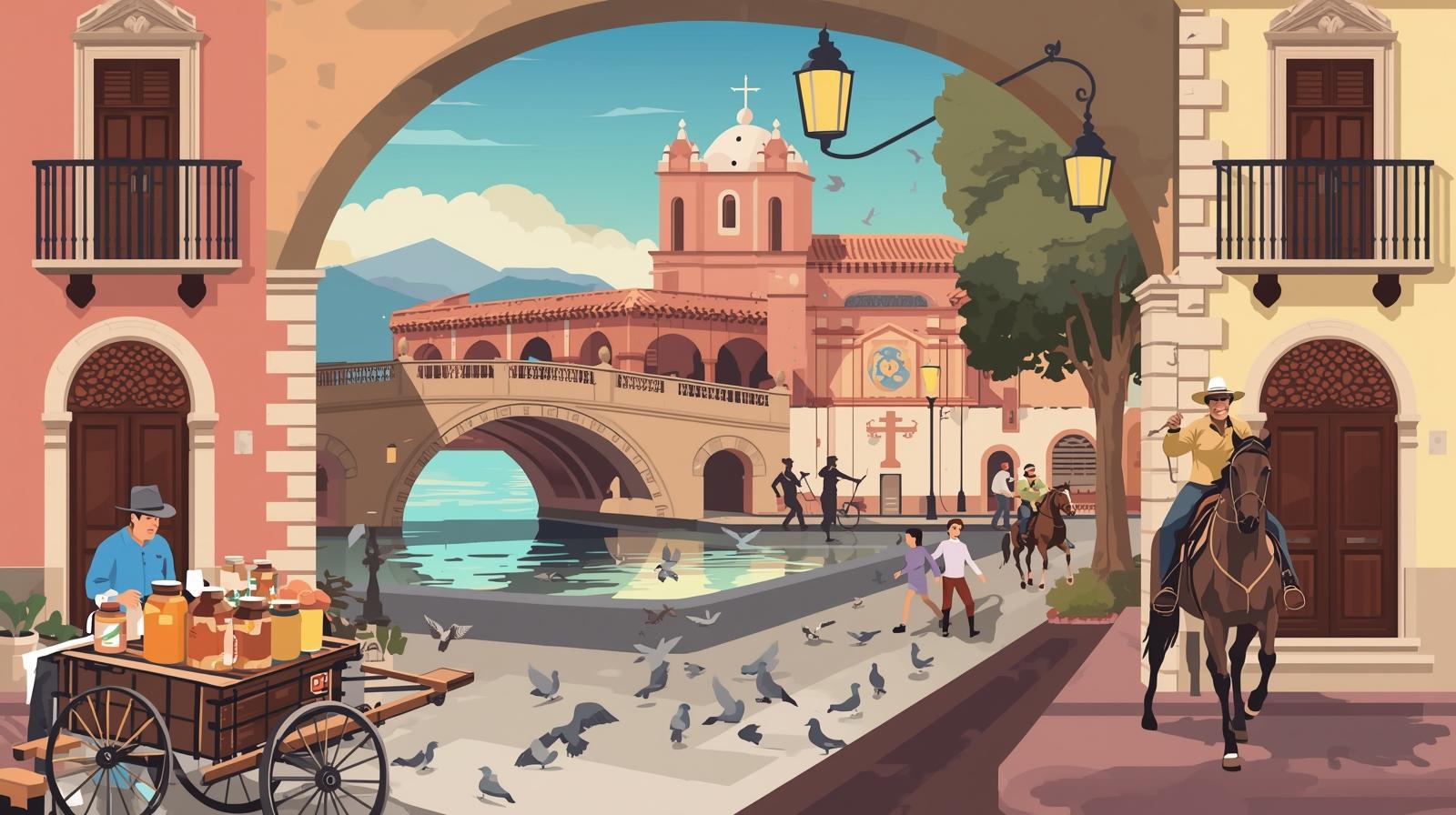
There are towns that wear their history like jewelry—and then there’s Lagos de Moreno, where every corner gleams with a story. Walking through its cobblestone streets feels like slipping into an old painting: ochre facades, wrought-iron balconies, and the lingering echo of horse hooves from another century. It’s the kind of place where the air hums with poetry, where a sunset over the Río Lagos feels almost staged. You can’t help but ask yourself: how can a town this elegant still feel so alive?
History & Culture
Founded in 1563, Lagos de Moreno grew from a colonial outpost into one of Jalisco’s most beautiful Pueblos Mágicos. Its name—“Lakes of Moreno”—honors insurgent hero Pedro Moreno, whose fight for Mexican independence still pulses through the plazas and murals.
During the 18th and 19th centuries, the city prospered as a crossroads for merchants traveling between Guadalajara and Zacatecas. The wealth of that era left behind architectural treasures: the Templo del Calvario with its twin towers piercing the skyline, the stately Teatro Rosas Moreno glowing in neoclassical grace, and mansions that now serve as museums or cafés. Locals will proudly tell you that the city’s historic center, recognized by UNESCO, isn’t just preserved—it’s lived in.
But Lagos is not frozen in time. Its people are proud of their traditions yet modern in spirit. You’ll see it in the way artisans craft saddles using centuries-old techniques, while teenagers pose for TikToks beneath baroque archways. During August, the Feria de Lagos bursts with fireworks, concerts, and horse parades—a fusion of colonial charm and contemporary fiesta that could only happen here.
Getting There
Lagos de Moreno lies in the northeastern tip of Jalisco, right on the border with Guanajuato. From Guadalajara, it’s about a two-hour drive along Highway 80D, smooth and scenic, with rolling agave fields stretching to the horizon. Buses from Guadalajara or León run daily, dropping passengers at the city’s small but efficient terminal. Taxis and local combis easily ferry visitors into the historic center. For the romantic traveler, renting a car is ideal—you’ll want the freedom to stop and photograph every golden church dome along the way.
Where to Stay
You can sleep inside history here.
● Hotel La Posada Real – Once a colonial mansion, now lovingly restored with arches,
courtyards, and antique furniture.
● Hotel Lagos Inn – A comfortable mid-range option, right across from the main plaza,
perfect for exploring on foot.
● Casa Moreno Boutique Hotel – For those chasing Instagram perfection, every room
opens to tiled terraces and flower-filled patios.
Budget travelers will find family-run guesthouses near the Mercado Juárez, where hosts still offer homemade coffee and morning gossip as part of the stay.
What to See and Do
Start at the Templo del Calvario, the crown jewel of Lagos. Perched on a hill, it watches over the town like a guardian angel. From its steps, the view unfolds—domes, bell towers, and the Río Lagos glimmering below. Then stroll to the Parroquia de la Asunción, whose intricate stonework rivals anything in Guadalajara.
The Teatro Rosas Moreno deserves a quiet afternoon visit. Built in 1907, its pink stone façade hides a richly detailed interior, still used for plays and concerts. A few blocks away, the Casa de la Cultura hosts art exhibits and photography of old Lagos—sepia windows into another era. Don’t miss the Puente de Lagos, an 18th-century stone bridge still carrying traffic and stories. Locals say that under its arches, young lovers meet at dusk—some things, it seems, never change.
If you crave nature, drive out to Parque La Mesa Redonda, a panoramic viewpoint where the town unfurls beneath you like a golden tapestry. And for a taste of rural life, nearby Hacienda de Cañada de Moya opens its doors for tours that blend history, horses, and hacienda-style feasts.
Food to Try
Lagos de Moreno’s cuisine is hearty, echoing the ranching culture of Los Altos. Try the birria de chivo—slow-cooked goat stew, tender and aromatic, best eaten with warm tortillas and lime. Or the enchiladas laguneras, rolled and topped with a fiery guajillo sauce that bites just enough to make you grin.
For dessert, there’s cajeta artesanal (goat’s milk caramel) sold in decorative jars, and ponche de frutas during the festivals—served steaming hot, sweet with guava and cinnamon. If you find yourself in El Portal de Lagos, order a café de olla and people-watch under the stone arches. Time, here, is an optional concept.
Practical Tips
● Weather: Mild most of the year; cool nights from November to February, warm and
sunny from March to June.
● Clothing: Comfortable walking shoes—cobblestones can be unforgiving. A light jacket
for evenings, especially if you plan to watch the sunset from El Calvario.
● Best Time to Visit: August for the fair, December for Christmas lights and music spilling
from every church.
● Souvenirs: Hand-tooled leather goods, embroidered rebozos, and local cajeta make for
meaningful keepsakes.
● Language: Spanish is predominant, but locals are patient and friendly; a smile and a
“gracias” go a long way.
Closing Reflection
Lagos de Moreno doesn’t demand attention—it earns it. It’s a place where elegance meets authenticity, where every bell tower and balcony has survived the rush of time with quiet dignity. As night falls, and the golden glow of street lamps paints the stone facades, you realize that Lagos isn’t just a destination—it’s a memory in motion. And like all beautiful memories, it stays with you long after you’ve left.