

Beyond the Volcano’s Shadow: Journeys Through Mexico’s Southwest Pueblos Mágicos by Scott Paton - HTML preview
Download the book in PDF, ePub, Kindle for a complete version.
Chapter 2: Colima— The Smallest State with the
Biggest Secrets
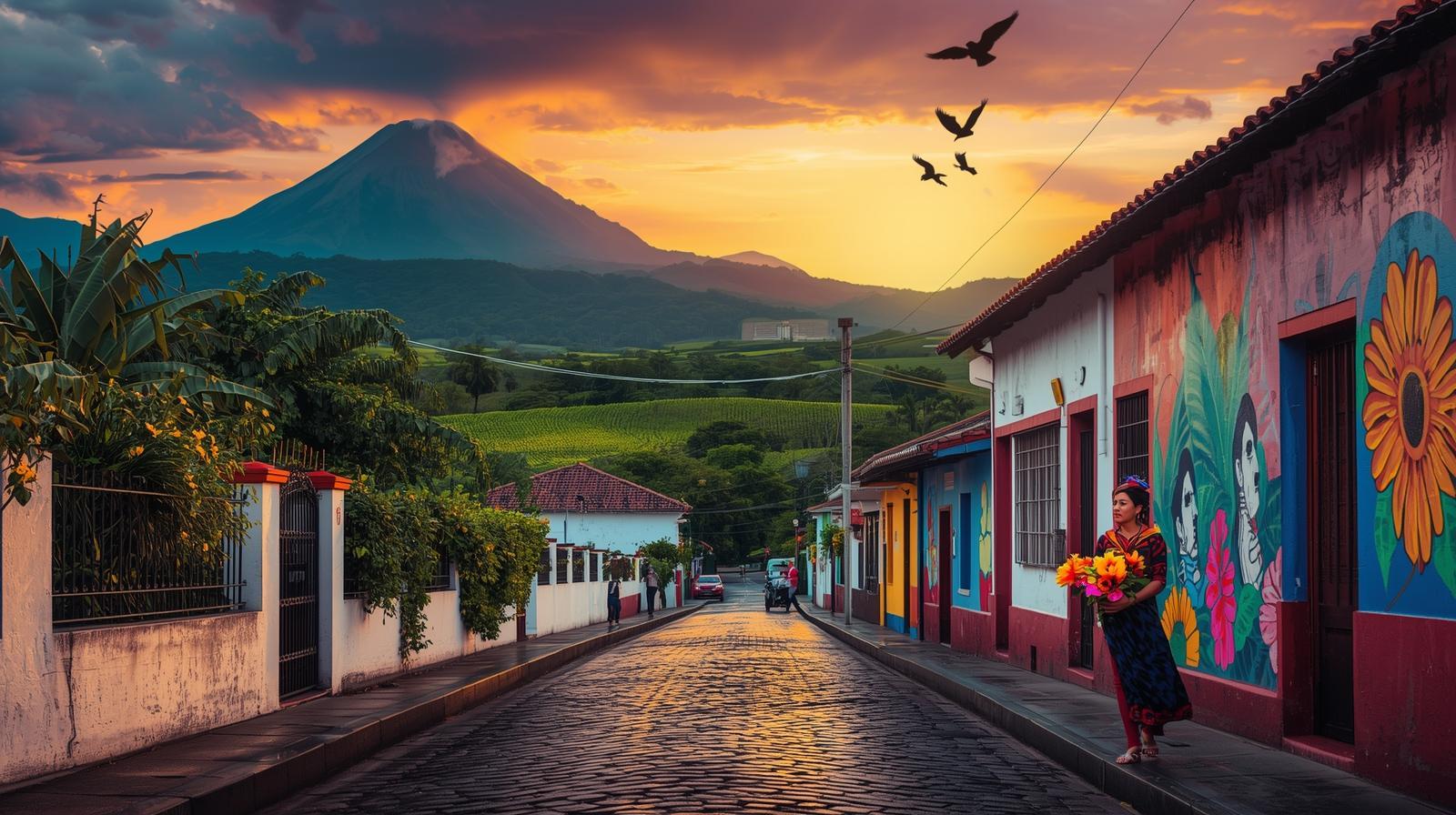
No one ever warns you about Colima. They’ll talk your ear off about Jalisco’s tequila, Michoacán’s monarchs, or Nayarit’s beaches—but Colima? It’s almost like the country is keeping it a secret on purpose. And maybe it should. Because when you finally arrive, the shock hits: this tiny Pacific state—barely a dot on Mexico’s map—feels like the heartbeat of something ancient and electric. Volcanoes breathe smoke over mango groves. Parrots scream over crumbling haciendas. And somewhere between Comala’s whitewashed streets and Suchitlán’s misty hills, time itself seems to stall, take a deep breath, and smile.
How can a place so small hold so much wonder—and so few crowds? That’s Colima’s magic: quiet, volcanic, stubbornly beautiful. The kind of place that doesn’t need to shout to be unforgettable.
Comala, Colima: The White Village That Dreams in
Sunlight
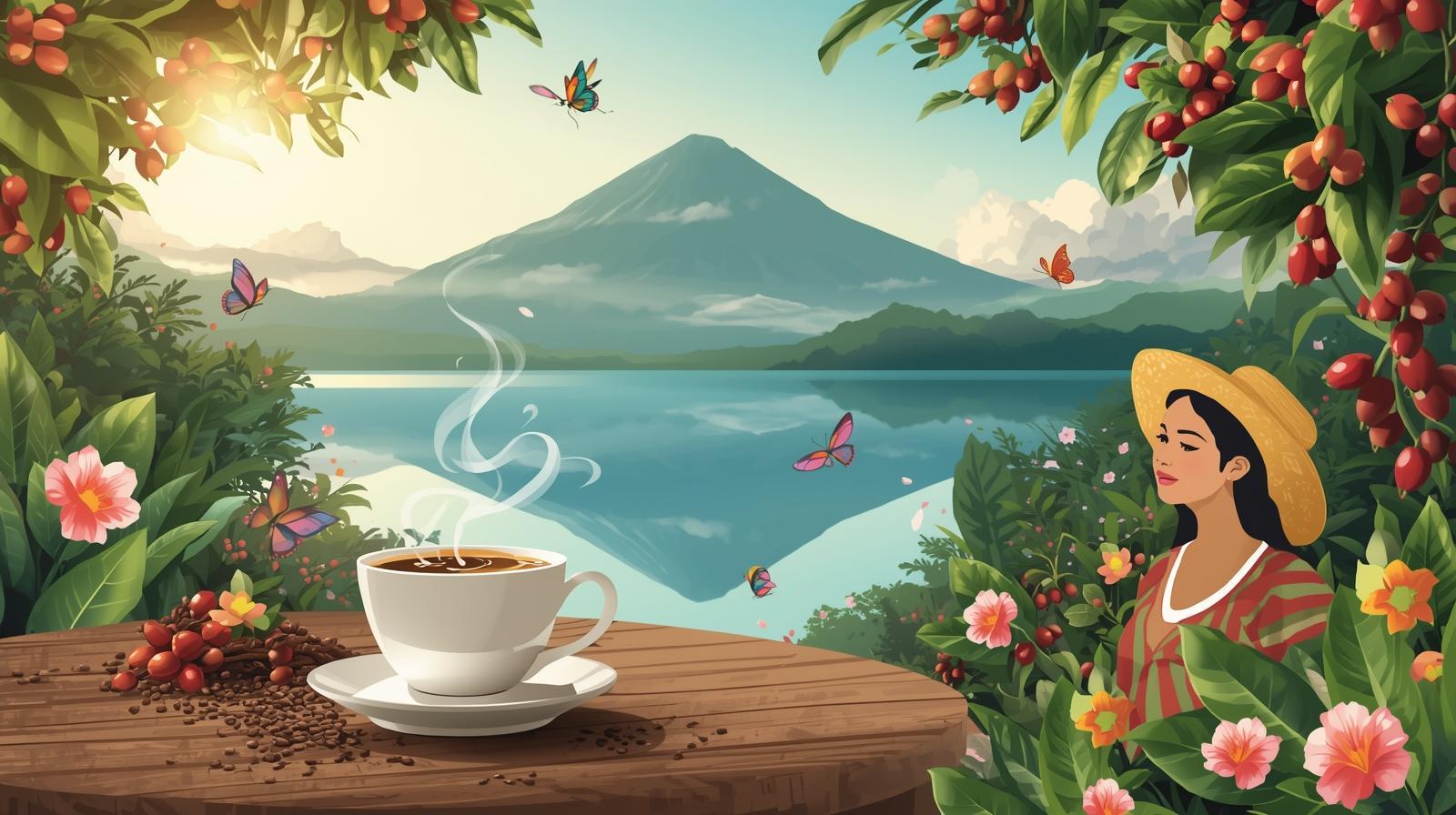
Some towns whisper their beauty. Comala glows with it. Whitewashed walls shimmer beneath the Colima sun, tiled roofs cast long afternoon shadows, and the scent of roasted coffee drifts lazily through cobblestone streets. You can almost hear the town breathing—a soft rhythm of horses’ hooves, laughter spilling from cantinas, church bells marking time like a heartbeat. It’s the kind of place where you forget what hurry feels like. Where every corner holds a story, and every breeze carries a song. Ever wondered what it feels like to walk through a dream that never ends? Welcome to Comala, the Pueblo Mágico that lives between myth and sunlight.
History & Culture
Comala’s story begins long before its famous white facades. The region was once home to the Nahua and Otomi peoples, who named the area Comallan—“place of comales,” the clay griddles used to cook tortillas. When the Spanish arrived in the 16th century, they built haciendas and churches atop indigenous routes, blending Catholic faith with native traditions. Centuries later, Comala became immortalized in Mexican literature as the ghostly setting of Juan Rulfo’s masterpiece Pedro Páramo. Locals still speak of it with pride, half-smiling, half-serious—as if the characters might still wander the plaza at dusk.
The town’s cultural rhythm beats in festivals and faith: the Fiesta de San Felipe de Jesús in February fills the streets with fireworks and dancers; Day of the Dead transforms Comala into a candle-lit canvas of marigolds. Artisans carve wooden saints, women embroider vivid blouses, and musicians tune their guitars beneath portales. The soul of Comala is not in its architecture—it’s in its people, whose warmth could melt even the strongest city armor.
Getting There
Comala lies just 10 kilometers northwest of the city of Colima, making it one of the easiest Pueblos Mágicos to reach. From Colima’s city center, take a taxi or local bus—the ride takes about 20 minutes. If you’re coming from Manzanillo, expect a scenic two-hour drive through tropical lowlands and volcanic slopes.
For adventurous souls, renting a car allows detours to the coffee fincas that line the road. Just keep an eye out for the towering Volcán de Colima—its smoking peak is both beautiful and humbling.
Where to Stay
Comala may be small, but it knows how to host with heart.
● Hostal Casa Alvarada – A colonial-style guesthouse with hammocks, leafy courtyards,
and hand-painted tiles that make you feel like you’re staying in a living museum.
● Hotel Casas del Volcán – Perfect if you want a panoramic view of the volcano at
sunrise, when the mist curls like silk around its base.
● Eco Cabañas Nogueras – For travelers craving nature and quiet, these rustic cabins
just outside town offer trails, birdsong, and starlit nights.
Comala’s accommodations tend to be cozy rather than luxurious—but that’s exactly the charm. Here, hospitality comes with a smile, not a credit-card hold.
What to See and Do
Start at the Main Plaza, where wrought-iron benches invite endless people-watching. Order a ponche comalteco—a local fruit punch laced with sugarcane alcohol—and let time slow to the rhythm of the marimba.
Visit the Parroquia de San Miguel Arcángel, its pale facade glowing in late-afternoon light. Step inside and you’ll find frescoes that seem to breathe, candles flickering like whispered prayers.
Just a few kilometers away lies Nogueras Hacienda, once owned by artist Alejandro Rangel Hidalgo. It’s now a museum blending art, history, and the spirit of sustainable design. The adjoining Eco-Parque Nogueras showcases tropical flora, butterflies, and the sound of running water—a living gallery of Colima’s biodiversity.
If you love the outdoors, take a drive to La María Lagoon, a volcanic crater lake where fishermen still paddle out in small wooden boats. The reflection of the volcano on the still water feels almost too perfect to be real.
And then there’s coffee. Oh, the coffee. Comala is part of the Ruta del Café, where small family fincas like Los Portales and Café Zapata Viejo open their gates for tastings. You’ll sip fresh-roasted beans while listening to stories about rain, soil, and patience—the true ingredients of flavor.
Food to Try
Comala’s kitchens are love stories told in corn and spice. Start with sopitos, tiny crisp tortillas topped with beef, lettuce, and salsa roja—bite-sized happiness. Then move to tostadas de lomo, shredded pork simmered in its own juices. Try ponche de granada (pomegranate punch) or the classic ponche de café, a warming local spirit that sneaks up on you like a friendly ghost.
For dessert, wander into a bakery for pan de pico, a sweet bread that locals dunk in coffee at dawn. And if someone offers you nieve de leche quemada—burnt-milk ice cream—say yes. It tastes like nostalgia and sunlight mixed together.
Practical Tips
● Weather: Warm year-round, with cooler evenings from November to February.
● What to Pack: Light clothes, a hat, and comfortable shoes for cobblestone streets.
● Best Time to Visit: November through March, when the air is crisp and festivals fill the
town.
● Souvenirs: Hand-carved wooden figurines, locally roasted coffee, and bottles of
homemade ponche.
● Local Etiquette: Say buenos días to strangers—it opens more doors than you think.
Closing Reflection
Comala isn’t a place you check off a list—it’s a feeling that lingers. Long after you’ve left, you’ll remember the white walls blazing in afternoon light, the slow drift of guitar music, the kindness in a stranger’s eyes.
Some travelers chase adrenaline; others chase peace. Comala offers both—if you’re patient enough to listen. Maybe that’s the town’s greatest magic: it teaches you that beauty doesn’t need to shout. It just needs to be noticed.