

Beyond the Volcano’s Shadow: Journeys Through Mexico’s Southwest Pueblos Mágicos by Scott Paton - HTML preview
Download the book in PDF, ePub, Kindle for a complete version.
Chapter 5: Morelos
They call Morelos the “eternal spring,” but the truth is—it’s a paradise that’s learned to survive earthquakes, revolutions, and the kind of heat that makes asphalt weep. Here, volcanoes sleep with one eye open, and villages rise from the dust with stories older than Mexico itself. The shocking part? Beneath all the sun-drenched bougainvillea and colonial charm lies a restless energy—like the land itself remembers every battle ever fought on it.
One moment you’re sipping pulque under a jacaranda tree, and the next, you realize you’re standing where emperors were executed, gods were betrayed, and revolutions were born. Morelos isn’t just beautiful—it’s defiant. Every cobblestone in its Pueblos Mágicos hums with rebellion and resurrection.
So, are you ready to see the Mexico that refuses to stay still—the one that keeps rising, no matter how many times it burns?
Tepoztlán, Morelos: Where Mountains Keep Secrets
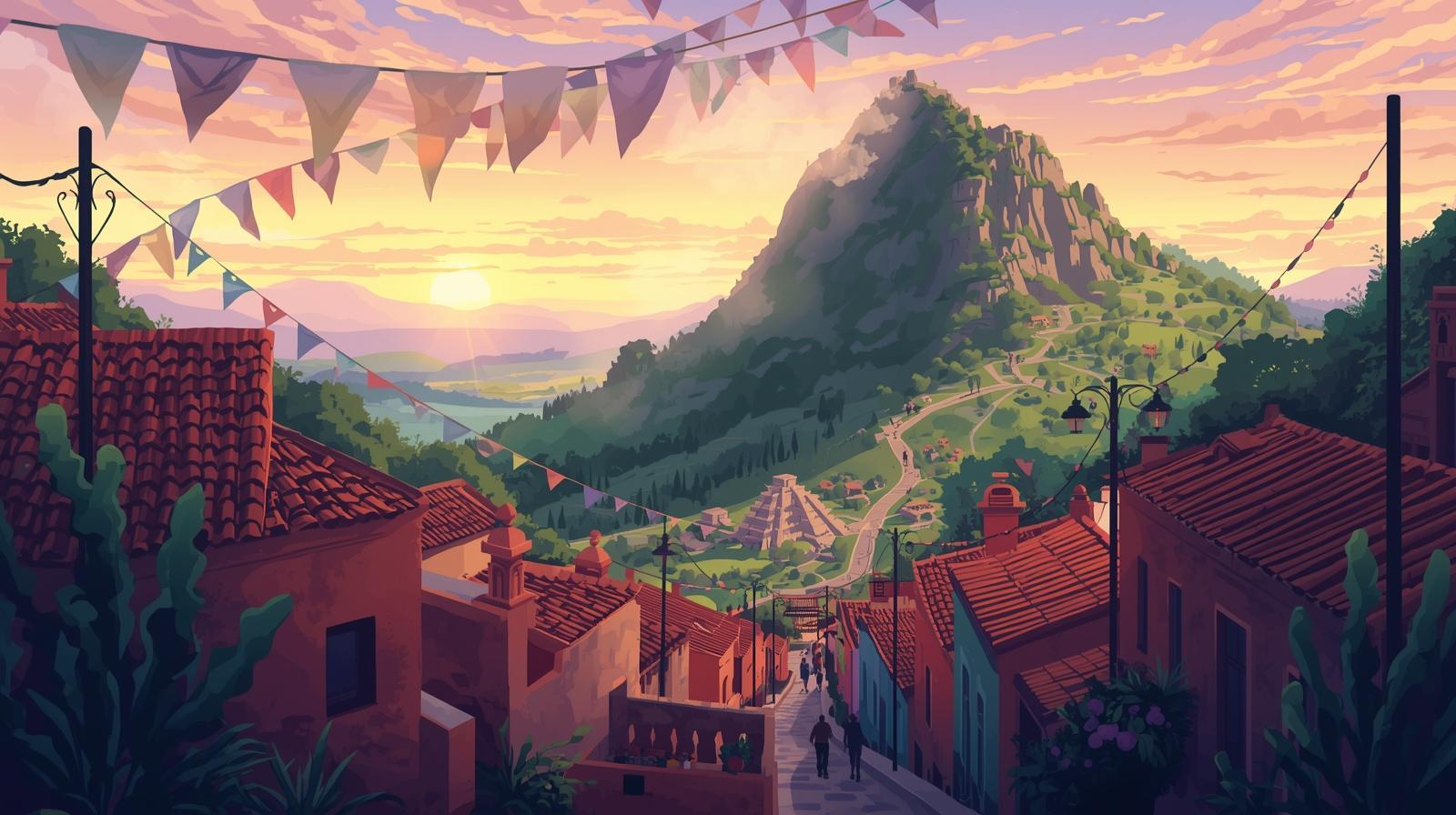
There are towns that whisper their stories—and then there’s Tepoztlán, which sings them from the cliffs. Just an hour from Mexico City, this Pueblo Mágico feels like it exists between worlds: part mountain dream, part ancient myth, part weekend escape for city dwellers who want to remember what the sky looks like. The streets are alive with incense and color; the air smells faintly of copal, tamales, and rain-soaked stone. And everywhere you look, the massive silhouette of El Tepozteco, the sacred mountain, watches over it all. They say the gods once walked here. Spend a day in Tepoztlán, and you’ll start to believe it.
History & Culture
Tepoztlán’s story begins long before the Spanish built their first chapel. This valley was once home to the Tlahuica people, who built the Pyramid of El Tepozteco atop the cliffs as a temple to Ometochtli Tepoztecatl, the Aztec god of pulque and fertility. When you climb the mountain and feel the wind rush through the stones, it’s easy to imagine the ancient rituals that took place here—offerings of maguey, chants that echoed down the valley.
The Spanish conquest brought new symbols: the Ex-Convento de la Natividad, a 16th-century monastery whose murals still glow faintly with faded saints and angels. Today, the town feels like a fusion of both worlds—indigenous roots and colonial layers entwined like vines. Markets overflow with obsidian pendants and herbal medicines, sold by descendants of those first Tlahuica healers. Artisans paint dreams on amate bark paper. And the people? They move through the plaza with a calm dignity that seems untouched by time.
Every September, during the Fiesta del Tepozteco, the town erupts in a celebration so loud and colorful it feels like history itself has come to dance. Locals dress as Aztec warriors and climb the mountain in honor of their god. Tourists cheer. Drums thunder. And somewhere between the past and the present, Tepoztlán breathes as one living, sacred heart.
Getting There
From Mexico City, take a southbound bus from the Terminal de Autobuses del Sur (Taxqueña)—it’s roughly 90 minutes to Tepoztlán. If you’re driving, head toward Cuernavaca via Highway 95D, then follow the signs to Tepoztlán before reaching the main toll booths. Parking is limited in the town center, so it’s best to leave your car near the entrance and explore on foot. Alternatively, small colectivos (shared taxis) connect Cuernavaca and Tepoztlán frequently throughout the day—cheap, fast, and full of character.
Where to Stay
Tepoztlán is not a place of high-rises or hotel chains—it’s a town of boutique casitas, eco-lodges, and spiritual retreats tucked into the hills.
● La Buena Vibra Retreat & Spa – An adults-only sanctuary surrounded by gardens and
mountains. Perfect for yoga, massages, and recharging.
● Hotel Posada del Tepozteco – A local favorite with panoramic views of the valley and
colonial charm.
● Hostal de la Luz – Ideal for those seeking meditation and holistic wellness, blending
luxury with mysticism.
● Budget travelers will love Posada Bugambilias, a cozy family-run inn near the main
market with bright colors and kind smiles.
What to See and Do
Let’s be honest—no one visits Tepoztlán without tackling the climb up El Tepozteco. It’s steep, sweaty, and occasionally humbling, but when you finally reach the top, the reward is spiritual as much as scenic. The pyramid itself is small, but the view—oh, that view—stretches from the valley to eternity.
Back in town, the Zócalo (main plaza) is the heartbeat of Tepoztlán. Street musicians strum guitars, children chase balloons, and vendors sell everything from handmade sandals to crystal pendants. The Ex-Convento de la Natividad, now a UNESCO site, is worth an hour’s wander for its frescoes and peaceful courtyard.
Art lovers will find joy in the Tepoz Artisanal Market every weekend, where local creators sell jewelry, clay masks, dreamcatchers, and embroidered blouses. Don’t miss the Museo Carlos Pellicer, a hidden gem filled with pre-Hispanic artifacts and poetry that ties the valley to its spiritual roots.
If you’re in a mystical mood, Tepoztlán offers everything from temazcal ceremonies (traditional sweat lodges) to tarot readings and holistic therapy sessions. It’s the kind of place where you can spend your morning climbing a sacred pyramid and your afternoon cleansing your aura with sage.
Food to Try
The market alone is reason enough to visit. Start with a blue corn quesadilla stuffed with huitlacoche (corn fungus) or flor de calabaza (squash blossoms). Wash it down with pulque, the ancient fermented drink Tepoztlán’s god once loved. For dessert, grab a cup of nieves artesanales—handmade ice cream—in flavors like mamey, guanábana, or rose petal. If you want a sit-down meal, El Ciruelo serves refined Mexican cuisine under the shade of trees, while Los Colorines bursts with color, flavor, and decades of local tradition. Try their mole verde—it’s the taste of Morelos in a single spoonful.
Practical Tips
● Best Time to Visit: October to March, when the weather is mild and dry. Avoid the
heavy rains of summer unless you love misty, mystical vibes (which, honestly, fit Tepoztlán perfectly).
● What to Pack: Comfortable walking shoes, a hat, sunscreen, and cash (ATMs can be
unreliable on weekends).
● Local Etiquette: Be respectful in sacred spaces—both the pyramid and the convent are
deeply symbolic to locals.
● Souvenirs: Amate paper art, obsidian jewelry, herbal tinctures, and handmade textiles
make thoughtful keepsakes.
Closing Reflection
Tepoztlán isn’t just a town—it’s a mood, a breath, a reminder that magic doesn’t always need special effects. It lives in the curve of the mountains, in the laughter echoing through the market, in the silence that greets you at the top of El Tepozteco. People come here searching for peace, healing, or maybe just good food—but they leave with something far deeper: a sense that the world still holds secrets worth climbing for.
Tlayacapan, Morelos – The Echo of Ancient Music in
the Hills
There are towns in Mexico that hum softly, as if the wind carries a memory. Tlayacapan is one of those places. Nestled among the Sierra de Tepoztlán mountains, its cobblestone streets seem to whisper stories of pre-Hispanic rituals, colonial faith, and endless music. It’s not just picturesque—it’s alive, layered with sound and soul. Step into its narrow lanes, and you might hear a brass band rehearsing in the distance, the clinking of clay pots from a workshop, and the laughter of children chasing each other around the plaza. This isn’t a museum town—it’s a living rhythm. And the question every visitor ends up asking is: how does such a small place hold so much spirit?
History & Culture
Long before Spanish bells echoed across these valleys, Tlayacapan was home to the Tlahuica people—an ancient civilization that thrived on the slopes of the mountains, cultivating maize and celebrating their gods with dance and music. The name “Tlayacapan” itself means “on the point of the earth” in Nahuatl—a poetic nod to its elevated position between valleys.
When the Spanish arrived, they brought more than conquest; they brought churches—lots of them. The most iconic is the Ex-Convento de San Juan Bautista, a 16th-century fortress-like monastery that still dominates the skyline. Its thick stone walls hide frescos faded by time, yet every brushstroke whispers of the first fusion between indigenous artistry and European devotion. It’s one of the oldest convents in the Americas and part of the UNESCO-recognized Monasteries on the Slopes of Popocatépetl.
But Tlayacapan’s true soul isn’t trapped in its architecture—it dances in its traditions. Every February, the Carnaval de Tlayacapan bursts into life. Locals dress as Chinelos—masked dancers in velvet robes and plumed hats—mocking the Spanish colonizers through rhythmic, hypnotic movement. The brass bands lead the way, the earth trembles with drumbeats, and for a few days, the town becomes a dream of motion and color.
Getting There
Tlayacapan sits comfortably between Cuernavaca and Tepoztlán, making it an easy day trip from Mexico City—just 90 minutes by car via the Mexico–Cuautla highway. Buses also run from Cuernavaca’s Pullman de Morelos terminal to Yautepec, where you can take a short taxi or colectivo ride to town. If you’re driving, the scenic route winds through valleys dotted with maguey plants and roadside fruit stalls—stop for fresh coconuts or roasted corn, because why not?
Where to Stay
Despite its small size, Tlayacapan offers a charming range of accommodations. For rustic comfort, Casa Tepoztlán Viejo offers clay-tiled rooms and a courtyard filled with bougainvillea. Hotel Mi Espacio provides cozy, affordable stays near the plaza—perfect for hearing the morning church bells. If you’re seeking serenity, Posada Los Arcos sits at the edge of town, where roosters and distant banda music become your lullaby.
Nearby Tepoztlán also has boutique retreats and wellness spas if you prefer to mix Tlayacapan’s authenticity with a bit of luxury.
What to See and Do
The first thing you’ll notice in Tlayacapan is how the town itself feels like an open-air museum. Wander its historic center, and you’ll pass over 20 chapels—each tied to a different barrio, each lovingly decorated by its residents. The Chapel of San Andrés and San Martín are particularly beautiful, with their pastel facades and hand-painted altars.
Don’t miss the Ex-Convento de San Juan Bautista museum, where you can see pre-Hispanic ceramics and colonial relics unearthed nearby. Then stroll over to the local artisans’ workshops—Tlayacapan is famous for its barro (clay) pottery. Watch as potters mold pitchers and incense burners by hand, their fingers blackened from the fire of tradition. Some still use techniques passed down for over 400 years.
For a breath of fresh air, hike up the surrounding hills. From the Cerro del Tlatoani, the views stretch across the Cuautla valley, and if you go at sunset, the golden light paints the mountains in hues of fire and rose. It’s said that the hill was once sacred to the Tlahuicas—stand still long enough, and you might feel that energy rising through the ground.
If you’re here on a weekend, the Saturday tianguis (market) is a sensory delight—papel picado flutters above stalls selling tamales de frijol, honey, mezcal, and hand-embroidered blouses. You’ll likely end up chatting with locals, who’ll tell you which Chinelo costume belongs to which barrio, or which band will lead the next parade.
Food to Try
Tlayacapan’s cuisine is humble, hearty, and made with love. Try tlacoyos (oval-shaped masa stuffed with beans and topped with cactus and cheese) or mole verde made with pumpkin seeds and fresh herbs. On Sundays, the barbacoa stalls near the plaza fill the air with the aroma of slow-cooked lamb—wrap it in a handmade tortilla, add a splash of salsa borracha, and you’ll understand why locals never rush meals here.
For dessert, taste nieves de leche quemada (burnt milk ice cream) or pan de elote, baked in old stone ovens. Pair it with atole de maíz morado while sitting under the arcades, watching the world move at Tlayacapan’s unhurried pace.
Practical Tips
● Weather: Mild year-round, though cooler in December–February. Bring a light jacket for
evenings.
● Best time to visit: Late February for Carnaval or August for the Feast of San Juan
Bautista.
● Shoes: Comfortable walking shoes—those cobblestones don’t forgive thin soles.
● Souvenirs: Handmade clay pots, Chinelo figurines, embroidered tablecloths.
● Etiquette: Always ask before taking photos during religious events or ceremonies. The
locals are welcoming, but traditions are sacred here.
Closing Reflection
There’s something magnetic about Tlayacapan—something that refuses to fade even after you’ve left. Maybe it’s the sound of trumpets carried on the wind, or the way the mountains cradle the town like a secret. It’s a place where Mexico’s heart beats in rhythm with its past, where every festival, every chapel, every piece of pottery tells the same story: resilience, joy, and identity.
You don’t just visit Tlayacapan—you remember it. Long after the music fades, the echo stays with you.
Tlaltizapán, Morelos: Where Revolution Still Echoes
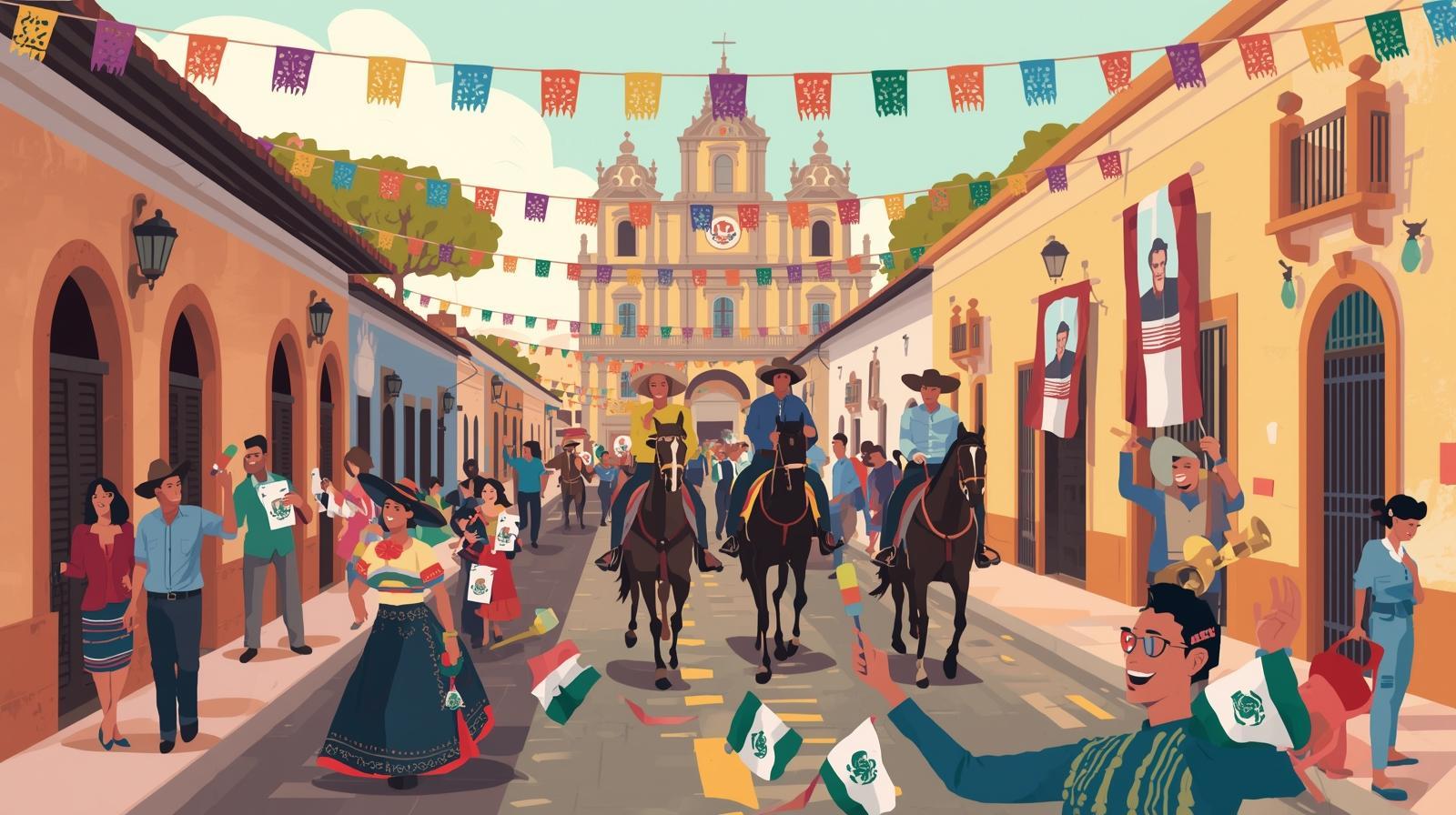
There’s something about Tlaltizapán that feels timeless. Maybe it’s the way the air hums with the ghosts of revolutionaries, or how the Morelos sun casts golden light on centuries-old walls that have seen empires rise and fall. You arrive expecting another sleepy town—and instead, you find a place where history breathes down every cobblestone street. Here, even the silence feels like it’s listening.
Tlaltizapán isn’t loud or showy. It’s proud, patient, and powerful in the quietest ways. The town’s name means “place over the white earth,” and if you stand on one of its gentle hills at dusk, watching the light fade over the Sierra de Huautla, you’ll understand why. Tlaltizapán doesn’t need to prove it’s magical—it simply is.
History & Culture
Long before Emiliano Zapata rode through these lands, Tlaltizapán was a Nahua settlement thriving beside fertile rivers and white clay soil. The town’s strategic location made it important to both pre-Hispanic and colonial powers—but its most defining era came in the early 20th century. During the Mexican Revolution, Tlaltizapán became the headquarters of the Ejército Libertador del Sur, led by Emiliano Zapata himself. His presence is everywhere here—from the murals that color the town center to the Museo del Sitio, a former convent that once served as his military base. Step inside, and it’s like crossing a threshold in time. Bullet holes mark the walls. Old uniforms and letters whisper stories of resistance.
But Tlaltizapán isn’t trapped in the past. The locals carry that revolutionary spirit into the present—through festivals, art, and a fierce pride in their identity. Every March, the Festival de Zapata brings the streets to life with parades, horses, and music that seem to rise from the earth itself. It’s a celebration not just of a hero, but of a people who still believe in justice, dignity, and freedom.
And then there’s the Hacienda de San Miguel Treinta, a majestic remnant of colonial opulence that once produced sugar for export. Today, it’s a hauntingly beautiful ruin surrounded by wild bougainvillea, its crumbling arches framing the blue Morelos sky. You can almost hear the echo of hooves and whispers from another century.
Getting There
Tlaltizapán lies just about 40 minutes south of Cuernavaca and 2.5 hours from Mexico City—making it an easy weekend escape. Buses leave regularly from Cuernavaca’s Central de Autobuses toward Jojutla or Zacatepec; simply tell the driver you’re heading to Tlaltizapán.
If you prefer the freedom of your own schedule, renting a car is ideal. The Autopista del Sol (MEX-95D) will get you most of the way; from Cuernavaca, take the turn toward Zacatepec and follow signs to Tlaltizapán. The roads are scenic and lined with sugarcane fields that wave lazily under the sun.
Taxis and local colectivos are also an option if you’re exploring nearby towns like Tlaquiltenango, Zacatepec, or Yautepec. Most drivers know the area’s history and will share stories as you go—just ask.
Where to Stay
Tlaltizapán doesn’t have luxury resorts, and that’s part of its charm. You come here to slow down, not to show off.
● Hotel Zapata Viva – A family-run inn near the main plaza, known for its warm hospitality
and vintage décor. The owner might even offer you coffee grown in the region while telling tales of the revolution.
● Posada del Río – Nestled along the edge of the Yautepec River, this tranquil spot is
perfect for travelers seeking peace and nature. You’ll fall asleep to the sound of flowing water.
● Eco Rancho La Palapa – A few minutes outside town, this eco-stay offers cabins
surrounded by greenery, horseback riding, and farm-to-table meals. Ideal for those who crave rustic comfort with a touch of adventure.
If you prefer more options, neighboring Jojutla and Tlaquiltenango have boutique hotels and hacienda-style lodgings just a short drive away.
What to See and Do
1. Museo del Sitio Emiliano Zapata
This is the heart of Tlaltizapán’s identity. Set in a 17th-century ex-convent, it holds artifacts, maps, and photographs that trace the life of Zapata and the southern revolution. The building itself witnessed gunfire and strategy meetings—it’s not just a museum, it’s a memory.
2. Ex Hacienda de San Miguel Treinta
A hauntingly beautiful site. Its decaying arches and overgrown courtyards make it a photographer’s dream. Visit in the late afternoon when the light paints the ruins gold, and you’ll understand why artists keep coming back.
3. El Rollo Waterpark
Yes, you read that right—one of Latin America’s largest waterparks is just a short ride from town. With wave pools, slides, and tropical gardens, it’s the perfect counterbalance to Tlaltizapán’s historical weight. Locals often go on weekends to cool off from the Morelos heat.
4. Río Yautepec
Pack a picnic and spend a lazy afternoon by the riverbanks. Some locals still wash clothes here, laughing and chatting as they did generations ago. The water is cool, the trees generous with shade, and the mood—purely Mexican countryside.
5. Festivals & Fiestas
Aside from the Festival de Zapata, the Fiesta de San Miguel in September fills the streets with fireworks, music, and dancers in feathered costumes. Each celebration is an explosion of color and pride, proof that Tlaltizapán’s magic isn’t just historical—it’s alive.
Food to Try
Food here tells its own story, one of earth and endurance. You’ll find simple, soulful dishes made from local produce, often cooked over wood fires.
Try the cecina de Yecapixtla, a thinly sliced salted beef grilled to perfection and served with avocado, beans, and handmade tortillas. Pair it with quesadillas de flor de calabaza (squash blossom) or gorditas de chicharrón from the market—each bite feels like a small celebration. For drinks, nothing beats a chilled pulque, the ancient agave beverage that’s both earthy and slightly sweet. Or grab a glass of agua de tamarindo as you wander through the plaza, the tangy flavor cutting through the afternoon heat.
And don’t leave without trying pan de elote from a local bakery—fresh corn cake that’s moist, fragrant, and unforgettable.
Practical Tips
● Best Time to Visit: November to March offers the most pleasant weather—warm days,
cool nights, and clear skies.
● What to Pack: Comfortable walking shoes (the cobblestones are charming but uneven),
light clothing, sunscreen, and a hat.
● Safety: The town is peaceful and welcoming, but like anywhere, stay aware when
traveling at night.
● Souvenirs: Pick up Zapata-themed crafts, local ceramics, or woven textiles. The
community market often features artisans who’ll tell you the story behind each piece.
● Language: Spanish is widely spoken, but smiles, hand gestures, and good manners go
a long way here.
Closing Reflection
Tlaltizapán is one of those places that refuses to be forgotten. You come expecting a small town—and you leave carrying a piece of its history in your chest. The air here still vibrates with the courage of those who fought for freedom, and yet the present hums with warmth, laughter, and life.
As the sun sets over the white earth and the mountains turn violet, you might find yourself whispering to the wind—“Tierra y libertad”—and realizing it’s not just a slogan, but a prayer that still belongs to this land.
Because Tlaltizapán isn’t just a destination. It’s a heartbeat that keeps the Revolution alive.
Xochitepec, Morelos: Where Time Slows and Colors
Dance
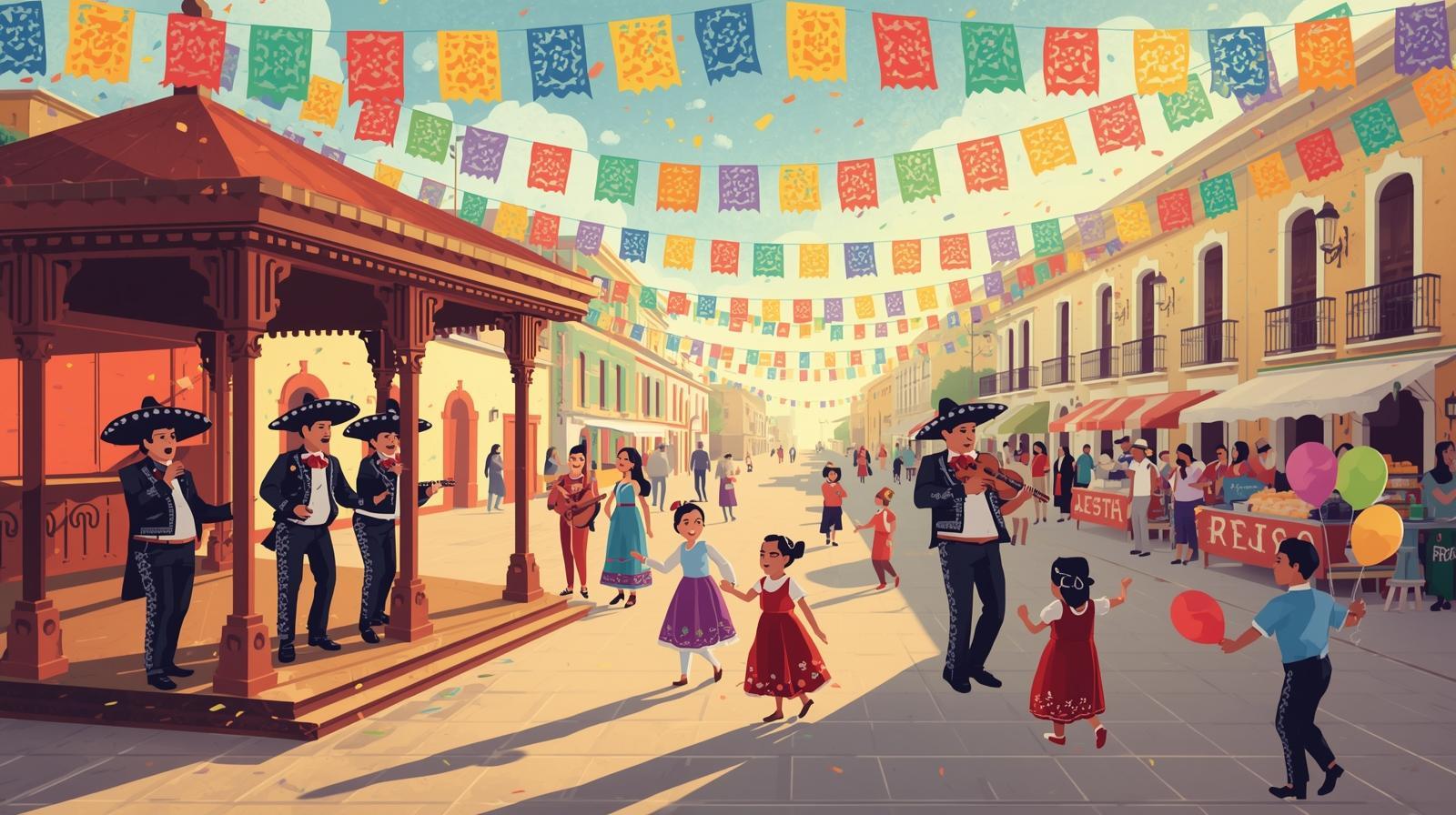
There’s a kind of joy that lives in the air of Xochitepec—soft, sunlit, and contagious. It’s the kind that makes strangers smile back at you in the plaza and vendors call you mi amor as they hand over a bag of roasted peanuts. Maybe it’s the music that never quite stops, or the scent of hibiscus and mango that seems to follow you through every street. Whatever it is, Xochitepec feels alive in a way that makes your own heart beat slower—but stronger.
This Pueblo Mágico, just south of Cuernavaca, is one of those towns that quietly wraps itself around your senses. It’s the kind of place where every corner hides a splash of color—fuchsia bougainvillea over white adobe walls, turquoise doors beneath sun-bleached roofs—and every sound carries a story.
Ever wondered what it feels like to step into a painting and never want to leave?
History & Culture
Xochitepec’s roots stretch deep into the Nahua world. The name itself means “hill of flowers,” and once you arrive, you realize how perfectly it fits. Long before the Spanish conquest, this fertile valley was home to pre-Hispanic communities who worshipped nature’s cycles—rain, maize, fertility, and the blooming life that surrounded them.
When the Spanish arrived, they layered colonial architecture over indigenous land, yet the heart of the town—its festivals, dances, and local legends—remained beautifully syncretic. Walk through the Centro Histórico and you’ll see it: the 16th-century church of San Juan Bautista stands proudly on the hilltop, its massive stone walls hiding frescoes that whisper of faiths blending under the Mexican sun.
Locals still celebrate Fiestas Patronales with fireworks, mariachis, and processions so colorful they could give Frida Kahlo’s palette a run for its money. And if you visit during Semana Santa or the Festival del Huipil y del Rebozo, you’ll witness something magical—women dressed in embroidered textiles that aren’t just clothing but declarations of identity.
It’s this tension between old and new, sacred and joyful, that makes Xochitepec’s culture pulse with authenticity.
Getting There
Reaching Xochitepec is refreshingly easy. It’s about a 15-minute drive (or a 30-minute bus ride) from Cuernavaca, and roughly 1.5 hours from Mexico City via the Autopista del Sol. If you’re arriving by public transport, take a bus heading to Puente de Ixtla or Taxco—most stop right in the town center.
Taxis and colectivos (shared vans) are inexpensive and frequent. But honestly? If you can, rent a car. The drive through Morelos’ green valleys and volcanic backdrops is part of the magic.
Where to Stay
Xochitepec has something for every traveler’s rhythm.
● Hacienda San Antonio El Puente – A restored 18th-century sugar hacienda turned
luxury hotel. Think stone arches, tropical gardens, and pools where parrots occasionally swoop by.
● Casa de los Arcos – A charming mid-range stay near the plaza, ideal if you love waking
up to the sound of church bells and local chatter.
● Posada Bugambilias – Budget-friendly, cozy, and as colorful as a fiesta.
Wherever you stay, don’t be surprised if your hosts treat you like family. That’s just how Xochitepec works.
What to See and Do
Start at the main plaza, where life revolves around the old bandstand, fountains, and vendors selling everything from nieves de limón to handmade jewelry. Grab a bench, people-watch, and let time melt a little.
Just above the square stands the Parroquia de San Juan Bautista, whose steps offer panoramic views of the valley below—especially breathtaking at sunset when the entire sky turns gold.
Don’t miss the Museo de la Ciudad for a peek into local history and artifacts from the colonial and pre-Hispanic eras. Then wander through the Mercado Municipal, a whirlwind of colors, scents, and sounds—perfect for picking up local spices, embroidered blouses, and sweet bread straight from clay ovens.
Feeling adventurous? Visit the Parque Acuático San Ramón or El Rollo, one of Mexico’s largest water parks, just a few minutes away. For nature lovers, nearby Lagunas de Zempoala National Park offers pine forests, lakes, and hiking trails that contrast beautifully with Xochitepec’s warm valley climate.
And if you’re here on a weekend, you’ll catch the tianguis (open-air market) where artisans and farmers sell everything from pottery to fresh tamales wrapped in banana leaves.
Food to Try
Let’s be honest—no one leaves Xochitepec hungry.
Start your morning with tamales de ceniza and atole de ajonjolí, both local specialties you won’t easily find elsewhere. For lunch, dive into cecina morelense—thin, salted beef grilled to perfection and served with fresh avocado, salsa, and a pile of warm tortillas.
If you have a sweet tooth, seek out ponche de frutas (a warm fruit punch spiced with cinnamon) or nieves artesanales made with hibiscus or mamey. And if you see a vendor selling pulque—that milky, fermented agave drink—say yes. It’s ancient, earthy, and surprisingly refreshing.