

Beyond the Volcano’s Shadow: Journeys Through Mexico’s Southwest Pueblos Mágicos by Scott Paton - HTML preview
Download the book in PDF, ePub, Kindle for a complete version.
Chapter 4: Guerrero
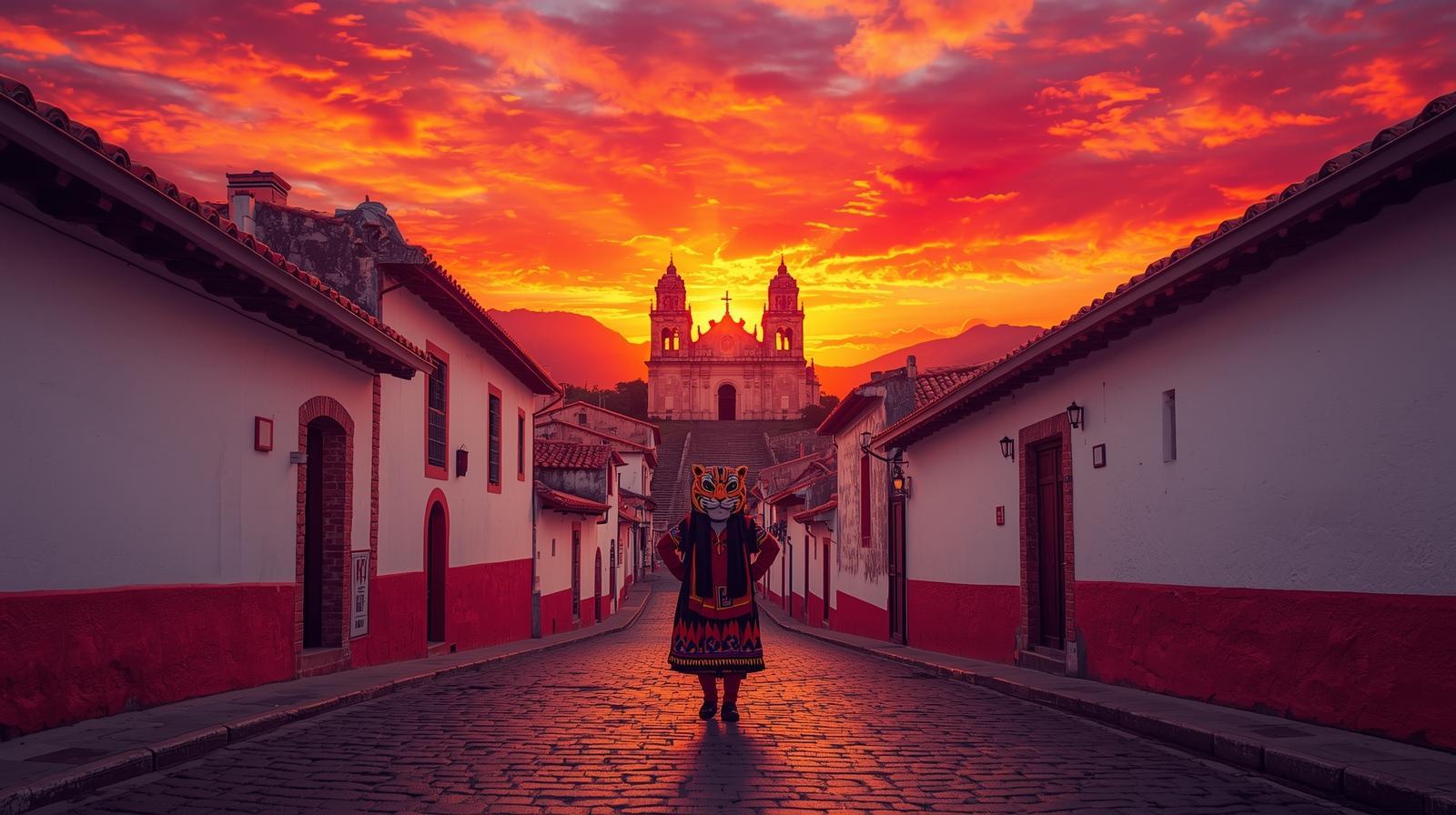
Let’s be honest—when people hear “Guerrero,” the first images that flash through their minds aren’t always beaches and piñatas. They think of Acapulco’s faded glory, whispered headlines, and the kind of wild stories that make parents clutch their rosaries. But here’s the shocker: Guerrero isn’t just surviving—it’s thriving in defiance. Beneath its tough reputation beats the heart of some of Mexico’s most mesmerizing Pueblos Mágicos—towns where gold dust once flowed through rivers, where jaguars are still honored as gods, and where music bursts out of the mountains like fireworks after a storm.
Travelers who come here expecting fear often leave speechless, not from danger, but from wonder. How can a state known for chaos hold so much calm? How can violence and vibrance coexist so vividly in one place? Guerrero doesn’t hide its scars—it wears them like battle medals, proof that even the most troubled lands can still sing, dance, and dazzle.
Taxco de Alarcón, Guerrero — The Silver Heart of
Mexico
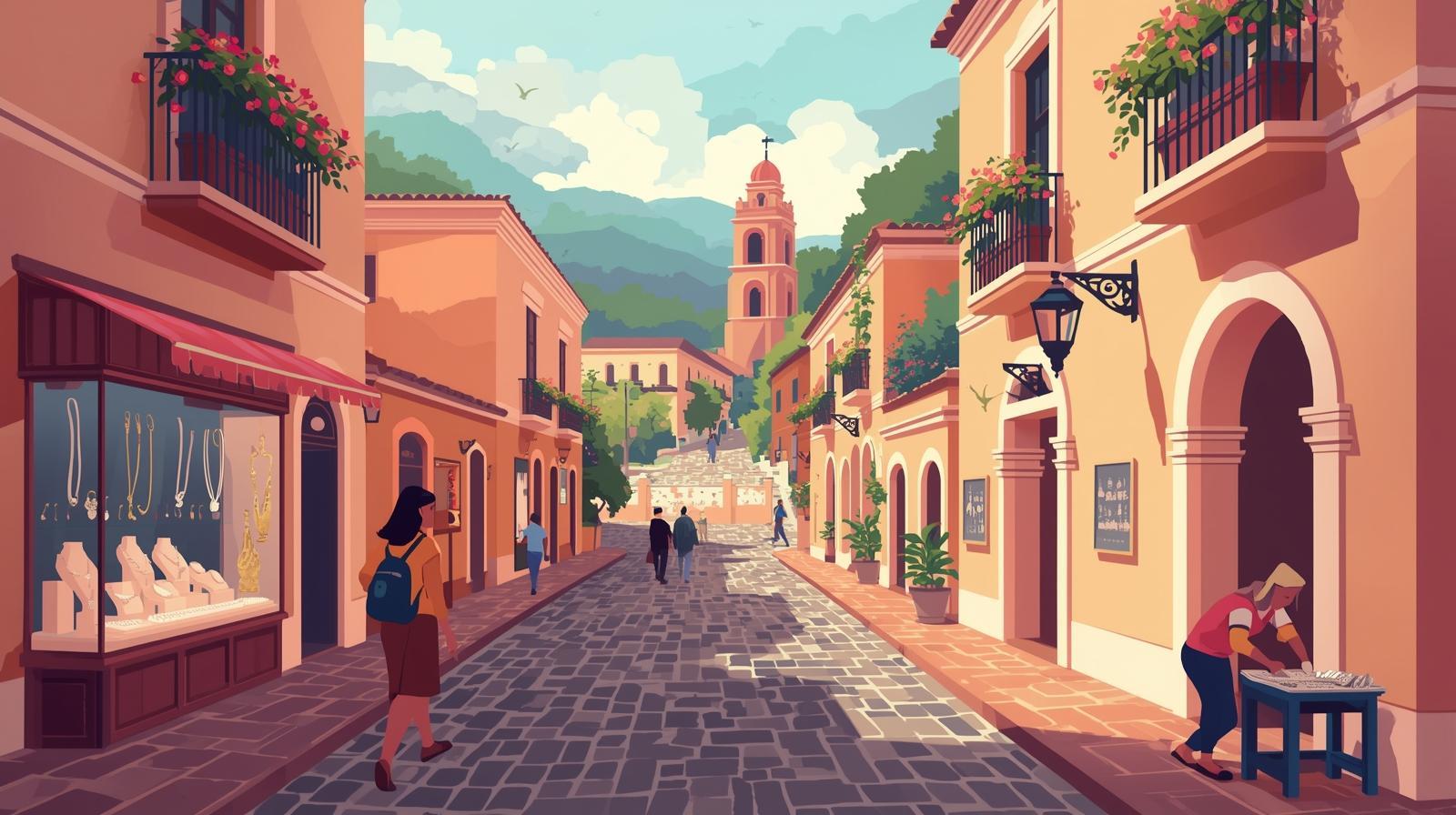
There’s a moment, just as you begin winding up the steep cobblestone roads toward Taxco, when the air shifts. The smell of hot stone and silver polish mixes with mountain wind, and suddenly, it feels like time slows. Whitewashed houses cling to the slopes like doves frozen in flight, their red-tiled roofs glowing in the Guerrero sun. Bells from Santa Prisca’s twin towers echo across the canyon, calling you into a dream that glitters—literally. Taxco isn’t just a town; it’s a silver symphony, a hillside labyrinth where every turn catches a flicker of light and legend. Ever wondered what it feels like to walk inside a piece of jewelry?
History & Culture
Taxco de Alarcón didn’t earn its reputation overnight. Long before Spanish conquistadors arrived, the region was known to the Nahua people for its abundant silver veins. They called it Tlachco—“the place of the ball game.” But it wasn’t until the 16th century, when Hernán Cortés claimed the mines, that Taxco began its glittering affair with silver. For centuries, it fueled the colonial economy, and even after the mines began to fade, the town’s artistry never did.
Enter William Spratling—an American architect who, in the 1930s, fell head over heels for Taxco’s beauty and its silversmithing potential. He started teaching locals how to design jewelry that honored indigenous motifs while embracing modern forms. His workshop, Las Delicias, sparked a silver renaissance that still defines Taxco today.
Yet Taxco’s magic isn’t just in metal. It’s in its people—the artisans whose hands transform ore into filigree dreams, the children who chase pigeons across Plaza Borda, the elderly women who still wear rebozos to Sunday mass. This is a place where colonial history, indigenous pride, and artistic rebirth blend into something uniquely, unapologetically Mexican.
Getting There
Taxco sits snugly between Mexico City and Acapulco, making it an easy yet scenic journey.
● By Bus: From Mexico City’s southern terminal (Terminal de Autobuses del Sur), buses
to Taxco leave every hour. The ride takes about three hours through lush mountain curves.
● By Car: If you’re driving, take Highway 95D toward Cuernavaca and continue to Taxco;
just make sure your brakes (and nerves) are in good shape for the steep streets!
● By Tour: Many day tours depart from Mexico City, but spending a night in Taxco allows
you to enjoy the evening glow—when the entire town lights up like a silver chalice under the stars.
Where to Stay
Taxco is not short on charm when it comes to accommodations.
● Budget: Hotel Posada San Javier offers colonial-style rooms with pool access, perfect
for backpackers seeking comfort without the splurge.
● Mid-Range: Hotel Los Arcos is a local favorite—a 17th-century building with flowered
courtyards, balconies, and tiled floors that whisper stories.
● Boutique/Luxury: De Cantera y Plata Boutique Hotel sits slightly above town, offering
panoramic views, private terraces, and elegant design inspired by silver and stone. Watching the sunset here feels like bathing in molten light.
What to See and Do
Taxco may be small, but it’s packed tighter than a silver chest of wonders.
🕍 Santa Prisca Church
This pink-stoned Baroque masterpiece dominates the skyline. Built in the 1750s by silver baron José de la Borda, its twin towers and intricate façade make it one of Mexico’s most stunning churches. Step inside and let your eyes feast on gilded altarpieces that seem to shimmer even in shadow.
🏞 El Cristo Monumental
Perched on Cerro del Atache, the giant Christ statue watches protectively over the town. The short taxi ride—or steep walk, if you’re feeling adventurous—rewards you with panoramic views that stretch to the horizon. Bring your camera. Bring your breath. You’ll lose both.
🛍 Silver Shops and Workshops
Strolling along Calle de la Borda, you’ll find dozens of artisan shops, from family-run studios to high-end boutiques. Don’t be afraid to haggle (gently); it’s part of the fun. Many shops will even let you watch silversmiths at work, hammering, polishing, and creating delicate miracles.
🎭 Holy Week and Festivals
If you visit during Semana Santa, prepare for goosebumps. Taxco’s Holy Week processions are some of the most intense in Mexico—somber, haunting, and profoundly moving. Hooded penitents walk barefoot through cobbled streets, carrying wooden crosses in silence. It’s not for spectacle—it’s for faith.
For a lighter mood, visit during Día de la Plata (Silver Day) in November. The town bursts into celebration with jewelry exhibitions, design competitions, and lively street performances. It’s as if the whole town winks at you, proud of its shining heritage.
Food to Try
If silver is Taxco’s treasure, its food is the comfort that keeps you there.
🍽 Mole Rosa
You might know mole as dark and spicy, but Taxco has a surprise: pink mole. Made from rose petals, pine nuts, and a dash of beet for color, it’s sweet, fragrant, and unlike anything else in Mexico.
🌮 Tacos de Cecina
These thin slices of salt-cured beef are grilled to perfection and served with avocado, cheese, and salsa. Simple, satisfying, and best enjoyed while people-watching on Plaza Borda.
🍮 Tamales de Cazuela and Atole de Grano Perfect for cool evenings, these local staples warm both body and soul. If you’re lucky, a market vendor will offer you a sample with a wink and say, “It’s grandma’s recipe.”
☕ Café Taxqueño
End your meal with local coffee—rich, earthy, and slightly sweet. Many cafés near the plaza serve it with handmade pastries dusted in sugar.
Practical Tips
● Best Time to Visit: November to April offers mild weather and clear skies. Avoid the
rainy season (June–September) unless you don’t mind afternoon showers.
● Footwear: Bring sturdy shoes. Taxco’s streets are steep and slippery, especially after
rain.
● Cash: While some boutiques accept cards, small vendors and eateries are cash-only.
● Souvenirs: Look for handcrafted jewelry marked with “.925” (sterling silver) and pieces
that feature local motifs like the hummingbird, snake, or sun.
● Weather: Evenings can get cool due to the altitude, so a light jacket is your best friend.