

TTC.Exploring Language Teaching Methods, Theories, and the Teacher’s Role by Saeideh Mahrami - HTML preview
Download the book in PDF, ePub, Kindle for a complete version.
2.Constructivism
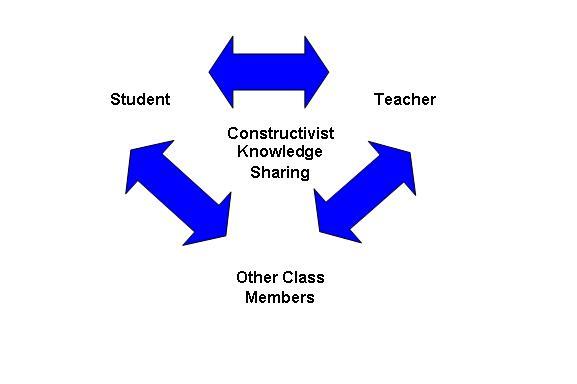
Constructivism is a theory of learning that emphasizes the active role of learners in building their own understanding and knowledge. It is based on the idea that knowledge is not simply transmitted from teacher to student but constructed through experience and interaction with the world.
Key principles of constructivism:
1. Active learning: learners actively participate in the learning
process by exploring, questioning, and solving problems.
2. Prior knowledge: students build new knowledge based on what
they already know, connecting new information to their existing frameworks.
3. Social interaction: collaboration and communication with peers
and teachers play a crucial role in constructing understanding.
4. Contextual learning: learning is most effective when it happens in
real-world or meaningful contexts.
Vygotsky focuses on social constructivism and emphasizes the role of social interaction and cultural context in learning. The key concept here is “zone of proximal development (ZPD)” which is the range of tasks learners can perform with guidance but not yet independently.