THE ULTIMATE GUIDE TO KICKING SUGAR by Flora Zhao - HTML preview
Download the book in PDF, ePub, Kindle for a complete version.
Chapter 2
NATURAL SWEETENERS: HEALTHY ALTERNATIVES TO SUGAR
monk fruit sweeteners commonly found in supermarkets
are often mixed with other substances such as erythritol, and some products may even contain sucrose. Monk fruit
may only account for about 1 percent of the composition
of these products.
Homemade Monk Fruit Recipe
You can also try making homemade monk fruit syrup us-
Monk fruit or luo han guo. Dried fruits for a healthy, sweetened drink.
(gnepphoto/Shutterstock)
ing dried monk fruit.
1. Remove the peel of the monk fruit and extract
the flesh and seeds. Soak the monk fruit flesh and
seeds in 194 F (90 C) water for 30 minutes at a ra-
tio of 1 gram of dried fruit to 15 milliliters of water,
as described in the Foods review. Then, strain the
liquid and store it for later use.
2. Afterward, you can pour in fresh hot water and
continue soaking the flesh and seeds, but remem-
ber to extend the soaking time appropriately with
each subsequent infusion.
3. By boiling the infused monk fruit water, you can
reduce it to obtain monk fruit syrup.
Another simple way to incorporate monk fruit is by
adding dried monk fruit to your tea during brewing. This
makes the tea sweeter and provides the benefits of monk
fruit’s compounds.
38
39
Natural
Sugars:
Honey,
Maple, and
Coconut
NATURAL SUGARS: HONEY, MAPLE, AND COCONUT
Honey:
When Sugar Is
Not Sugar
“Honey should not be categorized as
free sugar. It is different.”
Tauseef Khan, research associate, University of Toronto Currently, most health organizations, including the World Health Organization (WHO) and the FDA, still classify
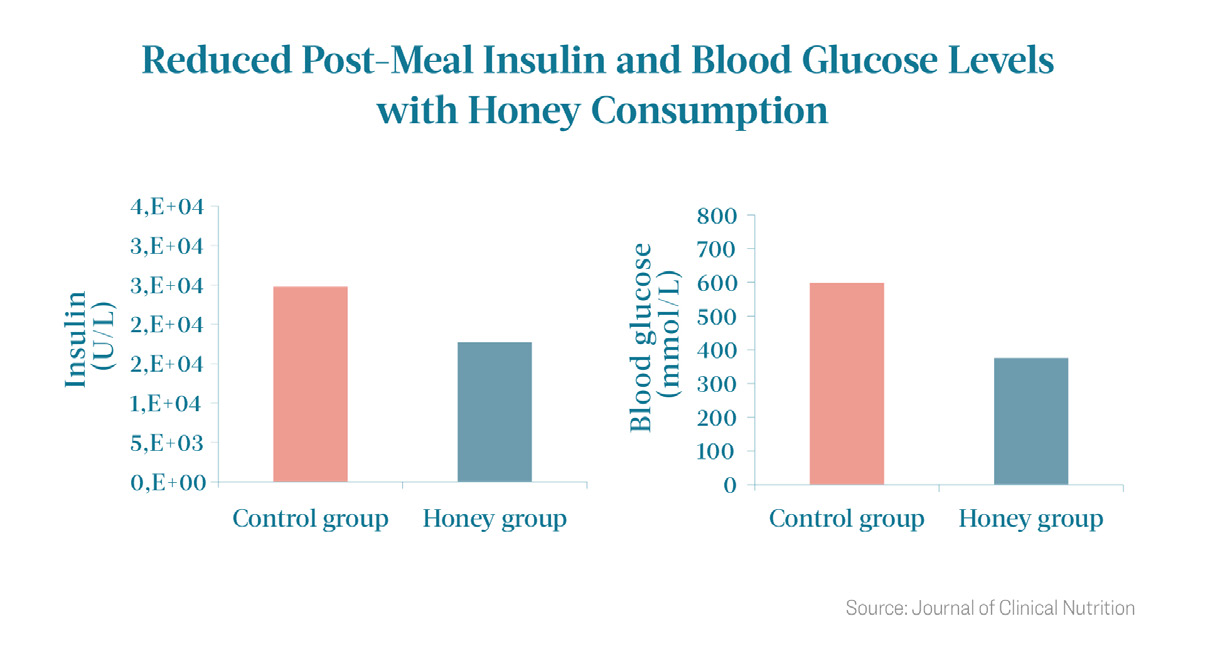
honey as either free sugar or added sugar. Although honey contains a significant amount of sugar, it differs from regular sugar. Numerous studies and experts have indicated
that honey may benefit metabolism, specifically by reduc-
ing blood sugar levels.
43
NATURAL SUGARS: HONEY, MAPLE, AND COCONUT
Honey’s Unique Composition
sugar, then those effects should not have been there,”
Khan said.
Honey is a delightful gift from nature. With variations
In a statement discussing the discovery that honey
based on the source plants and other factors, there are
can reduce cardiometabolic risk, John Sievenpiper, asso-
more than 300 types of honey worldwide.
ciate professor of nutritional sciences and medicine at
In general, honey is made up of about 17 percent water, the University of Toronto, said: “The word among public
and 95 percent to 99 percent of the remaining dry matter
health and nutrition experts has long been that ‘a sugar is is sugar. Among these sugars, the major components are
a sugar.’ These results show that’s not the case.”
fructose and glucose. On average, 100 grams of honey contains approximately 38.5 grams of fructose and 31 grams
of glucose.
Notably, 14 percent of the sugars in honey are rare Honey’s Glycemic Magic
sugars, many of which are formed during its maturation
process. These rare sugars are uncommon in nature and The glycemic index (GI) of glucose is 100, while sucrose av-are believed to have beneficial health effects.
erages about 66 and fructose 24. Because of variations in
“Honey should not be categorized as free sugar. It is
sugar composition, the GI values of different types of hon-different,” Tauseef Khan, a research associate in the De-
ey fall within the range of 35 to 74, with an average of 60.
partment of Nutritional Sciences at the University of
Interestingly, because of its high level of fructose,
Toronto’s Temerty Faculty of Medicine, told The Epoch
honey is 25 percent sweeter than sugar.
Times.
Nevertheless, honey has lower GI values and calorie
Khan said honey is a “complex mixture of sugars” and
content than refined sugar.
that rare sugars, which have unique benefits, aren’t com-
Fructose has a bad reputation that may be unwarrant-
plex carbohydrates but are usually found in the form of
ed. Researchers at the University of Toronto published a
monosaccharides or disaccharides. These sugars possess
study in The American Journal of Clinical Nutrition re-potential metabolic effects, and many also serve as prebi-viewing 169 clinical trials related to fructose. The study otics.
concluded that naturally occurring fructose found in fruits Compared with regular sugar, honey can lower fast-and honey isn’t likely to contribute to weight gain and may ing blood sugar levels, reduce bad cholesterol, and raise even positively affect weight loss. Another review study
good cholesterol.
published in Molecules indicated that fructose in honey
“Those effects are very surprising; if it was normal
may slow intestinal absorption, prolong gastric emptying, 44
45