

Essentials of geology a comprehensive manual with 1300+ MCQs, answers, feedbacks, and illustrative figures by Ali Kareem Neamah - HTML preview
Download the book in PDF, ePub, Kindle for a complete version.
magma has been erupted or intruded.
546. A black, fine-grained tabular intrusion c) Occur only along continental margins. between two layers of horizontal d) May have profound impacts on the sedimentary rock must logically be a: environment, including land, ocean, and a) Basaltic sill. atmospheric processes. b) -------------------------------------------------------------- that may have been caused by super-plume activity. b) Represent special events in Earth’s history
c) Granitic sill. May affect evolution of life and possibly e) Basaltic dike. cause extinction of some life forms. d) Granitic dike.
107
Feedback: Large igneous provinces (LIPs) are e) All the possible answers are correct. indeed places where huge amounts of mafic
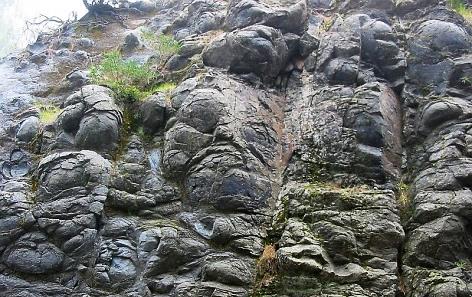
magma have been erupted or intruded, and Feedback: Pillow basalts are formed when they can have significant impacts on the basaltic lava erupts underwater, such as in the
environment and evolution of life. They are ocean. The rapid cooling of the lava due to
associated with special events in Earth's history contact with water causes it to form rounded
that may be linked to super-plume activity. shapes resembling pillows. This is a
However, LIPs can occur both on continental characteristic feature of underwater volcanic
margins and within continental interiors. They activity. are not restricted to occurring only along

continental margins.
--------------------------------------------------------------
550. A light-tan tabular intrusion that cuts
vertically across layered country rock is
most logically a
a) Basaltic sill.
b) Granitic sill.
c) Basaltic dike.
d) Granitic dike.
e) -------------------------------------------------------------- Batholith.
553. Which of the following are NOT related
Feedback to intrusive igneous activity? : Only granitic dike fits the description; basalt would be dark-colored, a sill a) Plutons. would fit between the layers, and a batholith is b) Batholiths. a massive, not tabular, intrusion. c) Diapirs.
d) Xenoliths. e) Scoria.
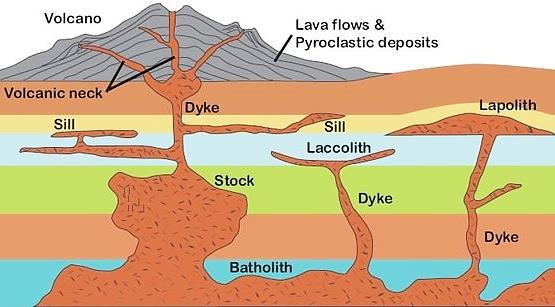
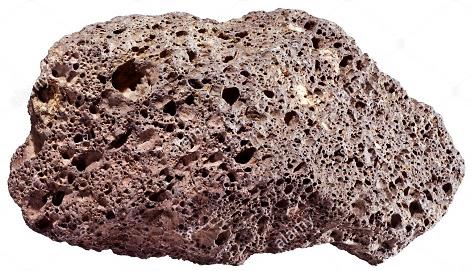
Feedback: Scoria is actually a type of volcanic rock that is extrusive in nature, formed from
rapidly cooling lava with trapped gas bubbles.
--------------------------------------------------------------
551. Identify the FALSE statement: Felsic
magma:
a) Is the coolest of magmas.
b) Has about 70% silica and little magnesium
c) -------------------------------------------------------------- and iron.
Is associated with explosive volcanic
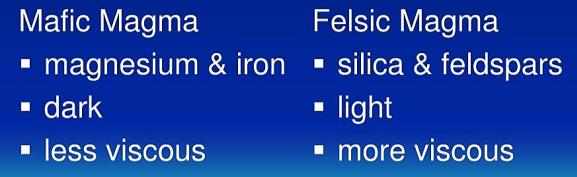
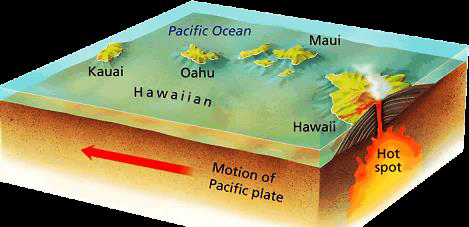
e) Can form chains of volcanic islands, such as Is likely to form light-tan, pink, or maroon- the Hawaiian Islands. colored rocks. b) Can produce continental hot-spot tracks, such as Yellowstone and the chain of dead d) activity: Is less viscous than mafic magma. a) eruptions. 554. Identify the FALSE statement: Hot-spot
mafic magma. This is because felsic magma volcanoes along the Snake River Plain in Idaho. Feedback: Felsic magma is more viscous than
has a higher silica content. Silica is a very sticky
substance, and it makes it difficult for the c) Has produced Iceland, a volcanic island that
magma to flow. straddles the divergent boundary of the
northern Mid-Atlantic Ridge.
d) Occurs directly above the hot-spot plume
that causes it, and therefore shifts its
location as the plume itself moves slowly
through the mantle.
e) Has been noted at 50 to 100 locations
-------------------------------------------------------------- worldwide, many of which are independent
552. Pillow basalts: of plate-boundary interactions. a) Occur in tabular intrusions called dikes.
b) Are composed of felsic lava. Feedback: Hot-spot activity is associated with c) Are formed in a submarine environment. volcanic activity that occurs above localized
d) Contain large bulbous crystals called areas of high heat flow within the mantle, called
pillows. hot spots. These hot spots do not necessarily
108
shift their locations as the plume itself moves a) May experience decompression melting as through the mantle. Instead, the overlying it rises to shallow depths. tectonic plate moves over the fixed hot spot, b) May melt if volatiles such as water and leading to the creation of volcanic features such carbon dioxide are added. as chains of volcanic islands (like the Hawaiian c) May melt if heat is transferred to it from hot Islands) or continental hot-spot tracks (like mantle rock rising up into the crust. Yellowstone and the Snake River Plain). The d) Maintains uniform composition as it melts hot spot remains relatively stationary in the and becomes magma. mantle beneath the moving tectonic plate. e) May be even hotter than surface lava

because of the pressure of overlying rock.
Feedback: As rock melts and forms magma, it undergoes partial melting, and the composition
of the resulting magma can change. Magma
can become enriched in certain elements and
minerals due to the preferential melting of
certain minerals at different temperatures. This
process can lead to the formation of magma
-------------------------------------------------------------- with a different composition from the original
555. Magma may cool and freeze to become rock.
solid igneous rock: --------------------------------------------------------------
a) When its dissolved volatiles bubble out. 558. Which of the following is NOT an b) Faster in the presence of circulating intrusive igneous structure?
groundwater. a) Batholith.
c) Within weeks to months, if it intrudes at b) Laccolith.
shallow depth. c) Pillow lava.
d) Very slowly (centuries to a million years) d) Sill.
when it forms a deep pluton. e) Dike.
e) All the possible answers are correct.
Feedback: Pillow lava forms by extrusive flows
Feedback: Magma can cool and freeze to at mid-ocean ridges, where seawater rapidly
become solid igneous rock under a variety of cools basaltic lava into pillow-shaped blobs.
conditions. The rate of cooling and freezing is
affected by the presence of dissolved volatiles,
circulating groundwater, and the depth of
intrusion. The composition of the magma also
plays a role, with mafic magma cooling and
freezing more quickly than silicic magma.
--------------------------------------------------------------
556. Factors that influence the chemical
composition of magmas may include:
a) The chemical composition of the source
rock.
b) Only partial melting of the source rock. --------------------------------------------------------------
c) Melting and assimilation of some of the rock 559. Magmas have a variety of chemical
of the magma chamber walls. compositions because:
d) Mixing of magmas brought together from a) They come from a variety of source rocks.
different locations. b) The rocks that melt to make magma are
e) All the possible answers are correct. composed of many minerals, not all of which
melt under the same conditions.
Feedback: The chemical composition of c) The magma’s heat can melt rock from the magmas is influenced by a variety of factors, walls of the magma chamber (assimilation).
including the chemical composition of the d) Different magmas formed in different source rock, partial melting of the source rock, locations can meet and mix. melting and assimilation of some of the rock of e) All the possible answers are correct. the magma chamber walls, and mixing of
magmas brought together from different Feedback: Magmas have a variety of chemical locations. The chemical composition of magma compositions because they come from a variety
determines the type of igneous rock that will of source rocks, which are composed of
form when the magma cools and freezes. minerals with different melting points. The
-------------------------------------------------------------- magma's heat can melt rock from the walls of
557. Identify the FALSE statement: Hot the magma chamber, and different magmas
solid rock in the Earth: formed in different locations can meet and mix.
--------------------------------------------------------------
109
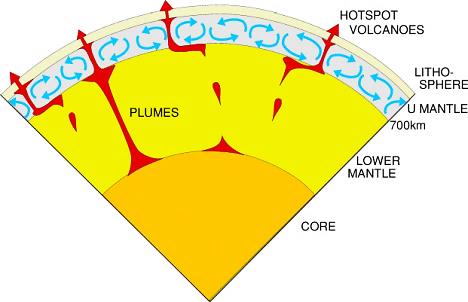
560. Identify the FALSE statement: molten magma can then erupt at the surface to
Pegmatites: form a hotspot volcano.
a) Are an igneous rock type, distinguished by
their unusual grain size.
b) Can contain crystals up to tens of
centimeters across.
c) Occur in tabular intrusions called pegmatite
dikes.
d) Have intruded at great depth and cooled

very slowly.
e) Often yield precious gemstones.
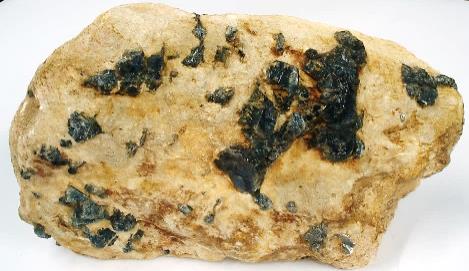
Feedback: Pegmatites are igneous rocks that
form at relatively shallow depths, typically within -------------------------------------------------------------- 10 kilometers of the surface. They crystallize 563. Volatile-rich magma develops gas from a highly volatile magma that is enriched in bubbles as it rises, and this creates even incompatible elements, such as lithium, more buoyant force to move the magma beryllium, and rare earth elements. Pegmatites upward more aggressively. often form in tabular intrusions called pegmatite a) True dikes. b) False
Feedback: Volatile-rich magma rises more quickly and forcefully because the volatiles
expand and form gas bubbles as the magma
rises. The gas bubbles make the magma less
dense and more buoyant, and they create a
pressure gradient that drives the magma
upward.
--------------------------------------------------------------
561. Wet igneous rock (rock that contains
volatiles) melts at a lower temperature than
does the dry version of that same rock.
a) True
b) False
Feedback: The presence of water (volatiles) in an igneous rock can significantly lower its --------------------------------------------------------------
melting temperature. Water acts as a flux, 564. Igneous rocks formed of igneous debris facilitating the melting of minerals within the blown out of a volcano are called
rock by reducing the viscosity and promoting pegmatites. partial melting. This phenomenon is particularly a) True important in the Earth's mantle, where the b) False addition of water to mantle rocks can lead to the
formation of magma at lower temperatures than Feedback: Igneous rocks formed of igneous in dry conditions. The concept of wet melting debris blown out of a volcano are typically
has implications for understanding the called "pyroclastic rocks" or "pyroclastics," not
dynamics of magmatic processes beneath the pegmatites. Pegmatites are coarse-grained
Earth's surface. igneous rocks with exceptionally large crystals,
562. According to the plume hypothesis, the --------------------------------------------------------------plume of a hot spot consists of molten -------------------------------------------------------------- often found in dikes or veins.
565. Vesicles are pieces of wall rock broken
magma rising slowly from the core-mantle off by intruding magma.
a) True b) False False boundary and spilling out on Earth’s surface. a) True b)
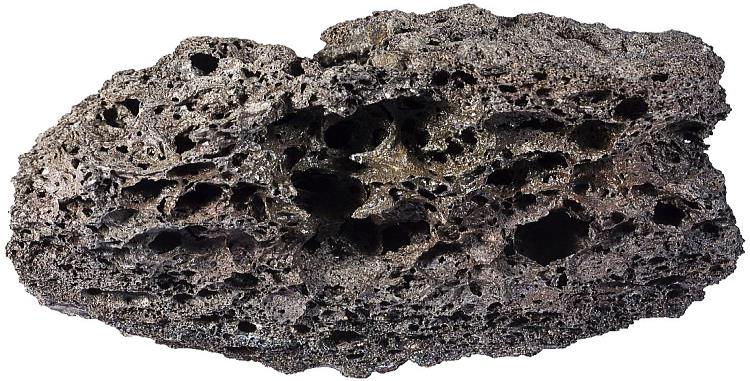
Feedback: Vesicles are cavities in igneous
Feedback: The plume of a hotspot is thought to rocks that are formed by gas bubbles that were
be made of hot, buoyant solid rock that rises trapped in the magma when it cooled and
slowly from deep within the mantle. As it rises, solidified. They are not pieces of wall rock
it partially melts due to decompression, and the broken off by intruding magma. Vesicles are
common in extrusive igneous rocks, such as
110
basalt and scoria. This is because extrusive fractional crystallization, a process by which the
igneous rocks cool and solidify quickly, which chemical composition of a magma changes as
traps the gas bubbles before they have a it cools and minerals crystallize out. Stoping is
chance to escape. Vesicles can also be found not an example of fractional crystallization. in intrusive igneous rocks, but they are less --------------------------------------------------------------
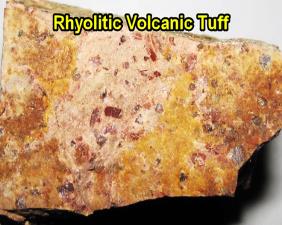
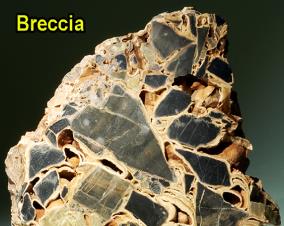
common. This is because intrusive igneous 568. Tuff and breccia are both fragmental rocks cool and solidify slowly, which gives the igneous rocks. gas bubbles more time to escape. Vesicles can a) True range in size from a few millimeters to several b) False centimeters. They can be spherical, elongated,

or irregular in shape. Vesicles that are filled with Feedback: Tuff and breccia are both secondary minerals are called amygdules. fragmental igneous rocks, which means that
they are composed of fragments of other
igneous rocks. Tuff is made up of fine-grained
fragments, while breccia is made up of coarse-
grained fragments. Tuff and breccia are formed
by explosive volcanic eruptions. During an
eruption, the magma is ejected into the air and
breaks up into fragments. The fragments can
be deposited near the volcano, forming a
pyroclastic cone, or they can be carried away
by the wind and deposited over a wider area.
Tuff and breccia are common rocks in volcanic
areas. They are also used as building materials,
-------------------------------------------------------------- especially in areas where volcanic rocks are
566. The deeper an igneous intrusion, the abundant.
slower it cools.
a) True
b) False
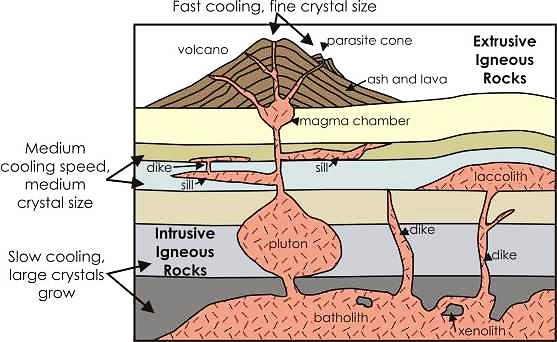
Feedback: This is because the surrounding rock acts as insulation, preventing the intrusion
from losing heat quickly. Slower cooling often
results in the formation of larger mineral --------------------------------------------------------------
crystals within the intrusion. 569. "Dry" magmas contain no volatiles;
"wet" magmas contain up to 50% of the
volatile water.
a) True b) False
Feedback: "Dry" magmas contain few or no volatiles, while "wet" magmas can contain
significant amounts of volatiles, including water,
carbon dioxide, sulfur dioxide, and others.
However, the statement incorrectly states that
"wet" magmas contain up to 50% water. While
-------------------------------------------------------------- water can be a significant volatile in magmas,
567. The sequence of mineral production the actual percentage can vary widely
that takes place in a cooling magma, called depending on the specific magma composition
Bowen’s reaction series, is an example of and conditions. the process called stoping. --------------------------------------------------------------
a) True 570. The particles ejected by volcanoes b) False during explosive eruptions are collectively
called:
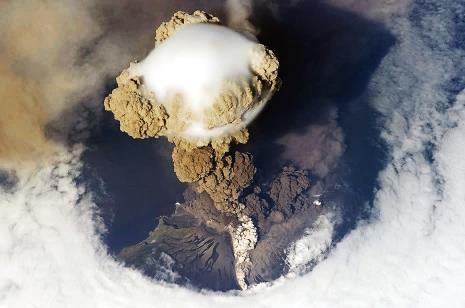
Feedback: Bowen's reaction series is a a) Biochemical constituents. sequence of minerals that crystallize out of b) Volcanic compounds. magma as it cools. The sequence is based on c) Carbonate minerals. the melting points of the minerals, with the d) Pyroclastic materials. highest-melting-point minerals crystallizing first e) Intrusive metamorphics. and the lowest-melting-point minerals
crystallizing last. Stoping is a process by which Feedback: Particles ejected by volcanoes magma ascends through the crust by breaking during explosive eruptions are collectively
off and assimilating pieces of the surrounding called pyroclastic materials. These materials
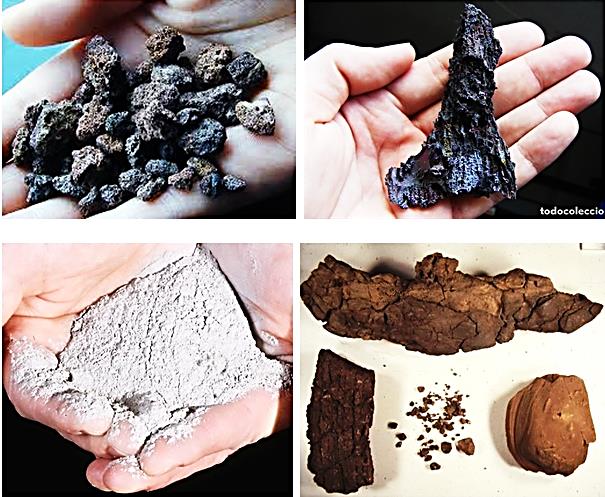
rock. Bowen's reaction series is an example of include a range of fragments, such as ash,
111
lapilli (small rocks), and larger blocks and surface, the water vaporizes and is released
bombs. The term "pyroclastic" is derived from into the atmosphere. While water vapor is the
the Greek words "pyro," meaning fire, and most abundant gas, volcanic eruptions also
"clast," meaning fragment, emphasizing their release other gases like carbon dioxide, sulfur
association with volcanic activity and explosive dioxide, and smaller amounts of other
processes. compounds depending on the composition of
the magma.

a) 573. Which of the following is an example of They heat the atmosphere. a shield volcano? b) Volcanic dust and gas can reduce the a) Mount St. Helens, Washington State. amount of solar radiation that penetrates the b) Mount Merapi, Indonesia. atmosphere. c) 571. Volcanic eruptions can affect the -------------------------------------------------------------- climate because: --------------------------------------------------------------
c) They change the elevation of the land. Mauna Loa, Hawaii. d) Cerro Negro, Nicaragua. d) All of the preceding.
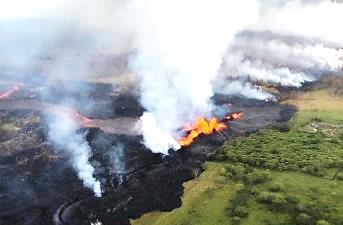
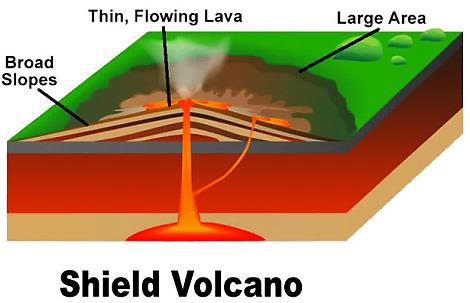
Feedback Feedback: A shield volcano is a type of volcano : The gases and dust particles characterized by its broad, gently sloping profile thrown into the atmosphere during volcanic resembling a warrior's shield. These volcanoes eruptions have influences on climate. Most of are typically formed by the accumulation of low- the particles spewed from volcanoes cool the viscosity basaltic lava flows over a large area. planet by shading incoming solar radiation. The
cooling effect can last for months to years
depending on the characteristics of the
eruption. Volcanoes have also caused global
warming over millions of years during times in
Earth’s history when extreme amounts of
volcanism occurred, releasing greenhouse
gases into the atmosphere.
--------------------------------------------------------------
574. Whether volcanic eruptions are very
explosive or relatively quiet is largely
determined by:
a) The amount of gas in the lava or magma. b) The ease or difficulty with which the gas
escapes to the atmosphere.
-------------------------------------------------------------- c) The viscosity of a lava. 572. The gas most commonly released d) All of the preceding.
during a volcanic eruption is:
a) Feedback: The explosiveness of a volcanic Water vapor.
b) eruption is determined by three main factors: Carbon dioxide.
c) the amount of gas in the lava or magma, the Sulfur dioxide.
d) ease or difficulty with which the gas escapes to Hydrogen sulfide.
e) the atmosphere, and the viscosity of the lava or Oxygen.
magma. Magmas with high gas content and
Feedback high viscosity are more likely to produce : The most commonly released gas
during a volcanic eruption is water vapor. As explosive eruptions, while magmas with low
magma rises to the surface, it carries with it gas content and low viscosity are more likely to
water and other volatile substances. When the produce non-explosive eruptions. magma reaches lower pressures near the --------------------------------------------------------------
112
575. _____ is a rock composed of frothy Feedback: Aʻā is not a type of pyroclastic
volcanic glass. material. Aʻā refers to a type of lava flow
a) Obsidian characterized by its rough, blocky texture and
b) Basalt slow-moving, viscous nature. It's formed from
c) Tuff highly viscous lava that breaks into angular,
d) Pumice sharp fragments as it cools and solidifies. The
e) Volcanic breccia other options: ash, dust, lapilli, and bombs, are
all forms of pyroclastic material, which includes
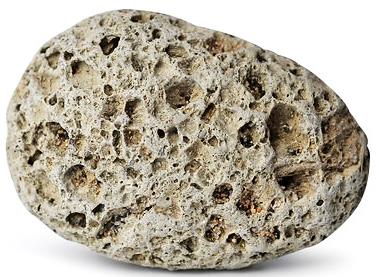
Feedback: Pumice is a type of rock composed various particles ejected during volcanic

of frothy volcanic glass. It forms when highly eruptions. gas-rich lava is ejected during a volcanic
eruption and cools rapidly, trapping gas
bubbles within the glassy structure. This results
in a lightweight and porous rock with a
characteristic appearance full of interconnected
cavities or vesicles. Pumice is commonly used
as an abrasive material, in horticulture, and
even as a personal care product due to its
ability to exfoliate the skin. --------------------------------------------------------------
578. Which of these is NOT a major type of
volcano?
a) Shield. b) Cinder cone. c) Composite. d) Stratovolcano. e) Spatter cone.
-------------------------------------------------------------- major type of volcano. They are relatively small and are often found on the flanks of larger Feedback: Spatter cones are not considered a
576. A lava flow with a smooth, undulating,
a) blobs of lava are ejected from a vent and Pahoehoe. accumulate around the vent, creating a cone- and ropy surface is called: volcanoes. Spatter cones are formed when
c) shaped structure. While they are not as Pillow lava significant or widely recognized as shield, b) Aʻā.
e) cinder cone, and composite volcanoes Lava tube. (stratovolcanoes), they are still interesting d) Lahar.
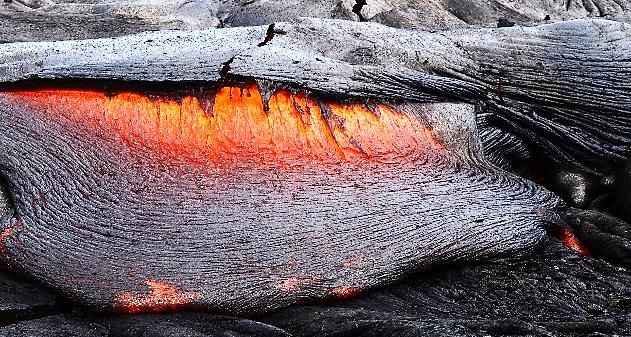
Feedback volcanic features formed by the accumulation of : Pahoehoe is a Hawaiian word that ejected lava fragments. means "flat, swirly-swirly." Pahoehoe lava flows are characterized by their smooth, undulating, and ropy surfaces. They are formed from low-
viscosity lava that flows relatively slowly. The
ropy surface texture is caused by the
movement of the lava beneath a thin, solid
crust.
--------------------------------------------------------------
579. An example of a composite volcano is:
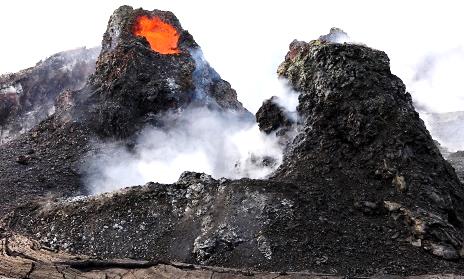
a) Mount Rainier. b) Fujiyama. c) Mount Vesuvius. d) All of the preceding.
577. Which of these is NOT a type of Feedback: Composite volcanoes, also known pyroclastic material? -------------------------------------------------------------- a) Ash. steep slopes and a combination of explosive as stratovolcanoes, are characterized by their
c) Lapilli. conical shape and are built up by the Aʻā. b) Dust. and effusive eruptions. They typically have a
d) accumulation of lava flows, volcanic ash, and
e) Bomb. other volcanic debris. Mount Rainier, Fujiyama
113
(Mount Fuji), and Mount Vesuvius are all earthquake activity around a volcano, and
examples of composite volcanoes. alerting nearby residents of an imminent
eruption are important components of volcanic
hazard mitigation. These strategies aim to
reduce the impact of volcanic hazards by
understanding the risks, predicting eruptions as
much as possible, and informing and
evacuating communities in the volcano's
vicinity.

--------------------------------------------------------------
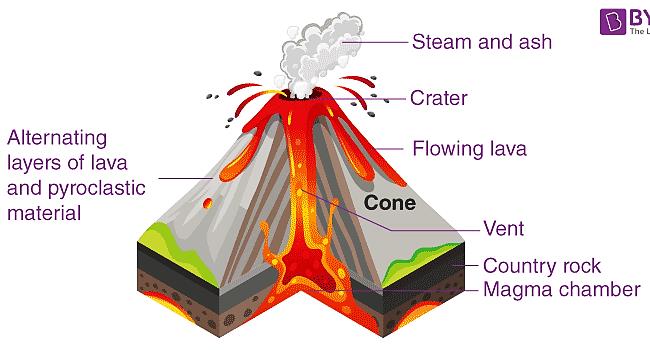
582. Temperatures at which lavas solidify
580. Which volcano is ____°C for mafic rocks. NOT usually made of a) -------------------------------------------------------------- range from about ____°C for silicic rocks to
: The temperatures at which lavas
Feedback: Composite cones, also known as solidify vary based on the composition of the rocks. Silicic (felsic) rocks, which have higher stratovolcanoes, are not usually made of basalt. silica content and are more viscous, solidify at Unlike shield volcanoes, which are primarily temperatures around 700°C. On the other composed of basaltic lava flows, composite hand, mafic rocks, which are lower in silica and cones are characterized by alternating layers of more fluid, solidify at higher temperatures of lava flows and pyroclastic materials, such as about 1,200°C. These temperature ranges ash and volcanic rocks. These layers can reflect the differences in chemical composition include a variety of lava compositions, including and viscosity between the two types of lava. andesite and dacite, which have higher silica -------------------------------------------------------------- content compared to basalt. Composite cones 583. One gas typically NOT released during are typically more explosive in nature due to the a volcanic eruption is: b) Composite cone. 700, 1,200 d) 1,000, 2,000 c) Spatter cone. d) Cinder cone. Feedback a) basalt? b) 300, 1,000 Shield. c) 100, 200
higher viscosity of their lava, leading to the a) Water vapor. accumulation of pyroclastic materials and b) Carbon dioxide. forming the recognizable stratified shape. c) Sulfur dioxide. d) Hydrogen sulfide. e) Oxygen.
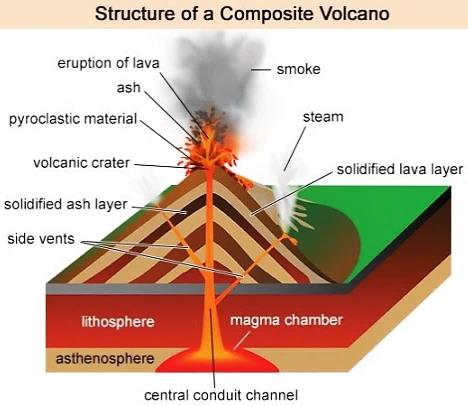
Feedback: Water vapor, carbon dioxide, sulfur dioxide, and hydrogen sulfide are all common
gases that are released during volcanic
eruptions. Oxygen is not typically released
during volcanic eruptions because it is not a
major constituent of magma.
--------------------------------------------------------------
584. Mafic rocks contain about ____% silica.
a) 10 b) 25
-------------------------------------------------------------- c) 50 581. Which of the following is NOT a d) 65
component of volcanic hazard mitigation? e) 80
a) Mapping older volcanic deposits.
b) Preventing a volcanic eruption. Feedback: Mafic rocks contain about 45 to c) Monitoring earthquake activity around a 55% silica. Mafic rocks are igneous rocks that
volcano. are rich in dark-colored minerals, such as
d) Alerting nearby residents of an imminent olivine, pyroxene, and amphibole. They are
eruption. typically formed from the cooling of magma that
is rich in magnesium and iron. Mafic rocks are
Feedback: Preventing a volcanic eruption is less common than felsic rocks, but they make
not a component of volcanic hazard mitigation up the majority of the Earth's crust. because volcanic eruptions are natural --------------------------------------------------------------
geological processes driven by various factors 585. Silicic (Felsic) rocks contain about within the Earth's crust. While it's not possible ____% silica. to prevent an eruption, the other options a) 10 mapping older volcanic deposits, monitoring b) 25
114
c) 50 e) Fissure eruptions/cinder cones. d) 70
e) 80 Feedback: Water-saturated flows of volcanic
debris, called "lahars," are common on
Feedback: Silicic (felsic) rocks contain about "composite" volcanoes. Lahars are mixtures of
65 to 75% silica. Silicic rocks are igneous rocks volcanic ash, debris, and water that can flow
that are rich in light-colored minerals, such as rapidly down the slopes of a volcano during or
quartz, feldspar, and mica. They are typically after an eruption. Composite volcanoes, also
formed from the cooling of magma that is rich in known as stratovolcanoes, are characterized

silicon and aluminum. Silicic rocks are more by their steep sides and alternating layers of
common than mafic rocks, but they make up a lava and pyroclastic materials. The presence of
smaller percentage of the Earth's crust. snow and ice on the summit of composite
-------------------------------------------------------------- volcanoes can contribute to the formation of
586. Which is NOT an extrusive igneous lahars when volcanic activity melts the frozen
rock? material.
a) Granite.
b) Rhyolite.
c) Basalt.
d) Andesite.
Feedback: Granite is a light-colored igneous rock with grains large enough to be visible with
the unaided eye. It forms from the slow
crystallization of magma below Earth's
surface. Granite is composed mainly of quartz
and feldspar with minor amounts of mica,
amphiboles, and other minerals.
--------------------------------------------------------------
587. An igneous rock made of pyroclasts --------------------------------------------------------------
has a texture called: 589. A lava flow made up of angular blocks
a) Fragmental. and fragments is a/an _____ flow. b) Vesicular. a) Lava tube. c) Porphyritic. b) Aʻā. d) Fine-grained. c) Pahoehoe.
d) Lahar.
Feedback: An igneous rock made of e) Caldera. pyroclasts, which are fragments ejected during
volcanic eruptions, has a texture called Feedback: A'ā lava flows are characterized by "fragmental." This texture is characterized by their rough, jagged, and clinkery surfaces. They
the presence of various-sized fragments, often are formed from high-viscosity lava that flows
angular or rounded, that are cemented relatively quickly. The rough surface texture is
together. These fragments can range in size caused by the rapid cooling of the lava, which
from tiny ash particles to larger volcanic rocks forms a brittle crust that breaks into angular
and may include materials like pumice, ash, blocks and fragments. and volcanic breccia. The term "fragmental"
reflects the diverse nature of the particles
making up the rock.
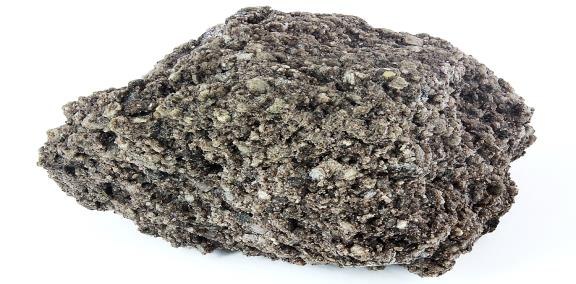
--------------------------------------------------------------
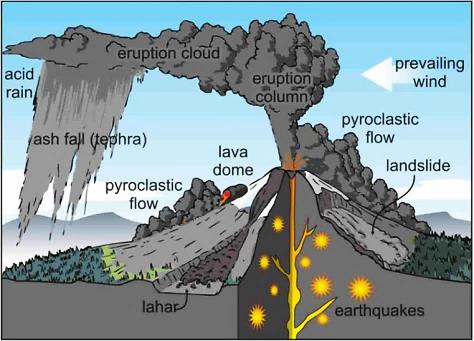
-------------------------------------------------------------- 590. An incandescent cloud of gas and 588. Water-saturated flows of volcanic particles erupted from a volcano is a:
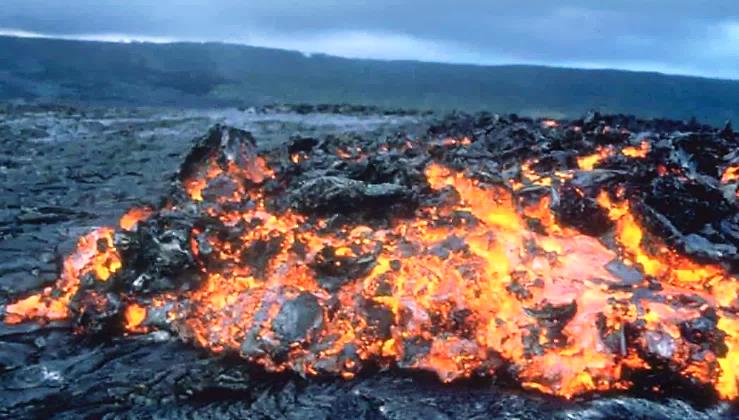
debris called _____ are common on _____ a) Spatter cone. volcanoes. b) Lapilli.
a) Nuee ardentes/shield. c) Nuee ardente. b) Lava flows/lava dome. d) Caldera. c) Lahars/composite. e) Volcanic tremor. d) Pillow lava/submarine.
115
Feedback: An incandescent cloud of gas and Volcanic tremors are often associated with the
particles erupted from a volcano is known as a movement of magma towards the surface, and
"Nuee ardente," which is also commonly they can be an important indicator of potential
referred to as a pyroclastic flow. Nuee ardente volcanic activity. Monitoring volcanic tremors
is a French term that translates to "glowing can help scientists assess the state of a
cloud." These highly destructive flows consist of volcano and its potential for eruption. hot gases, ash, and volcanic debris that move --------------------------------------------------------------
rapidly down the flanks of a volcano during an 593. Which one of the following is one of explosive eruption. They can reach extremely Earth’s main volcanic belts? high temperatures and speeds, posing a) Appalachian belt. significant hazards to anything in their path. b) East African belt.

c) Indian Ridge belt. d) East Pacific belt. e) Mediterranean belt.
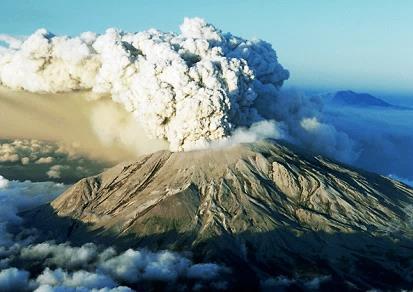
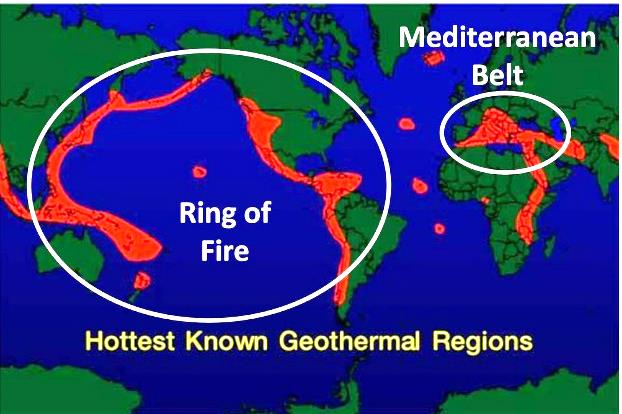
Feedback: Mediterranean belt is one of Earth's main volcanic belts. The Mediterranean region
is home to several active and historically active
volcanoes, and it's known for its geological
activity, making it a significant volcanic belt.
--------------------------------------------------------------
591. Pillow lava forms when:
a) Thick layers of pyroclastic layers
accumulate.
b) Lava erupts under water.
c) Globs of lava stick together on a lava flow’s
surface.
d) Pressure within a flow causes its surface to
buckle. --------------------------------------------------------------
e) A volcano’s summit collapses. 594. A small, steep-sided volcano made up
Feedback: Pillow lava forms when lava erupts a) of pyroclastic materials is a: Cinder cone.
underwater. The cold water rapidly cools the b) Lava dome. outer surface of the lava, forming a thin, solid c) Shield volcano. crust. The molten lava inside the crust d) Caldera. continues to flow, pushing out the crust and e) Nuee ardente. forming a pillow-like shape.
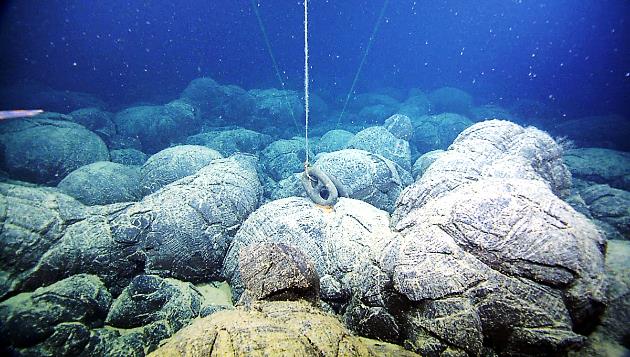
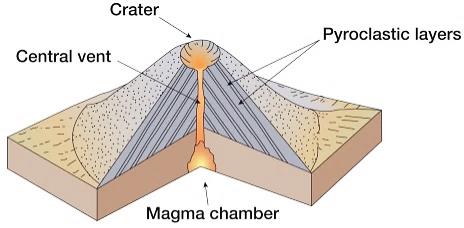
Feedback: A cinder cone is a steep conical hill of loose pyroclastic fragments, such as either
volcanic clinkers, volcanic ash, or cinder that
has been built around a volcanic vent. The
pyroclastic fragments are formed by explosive
eruptions or lava fountains from a single,
typically cylindrical, vent.
--------------------------------------------------------------
592. The shaking that takes place when
magma moves beneath the surface is called
a) Volcanic tremor.
e) Basalt plateau. 595. The Hawaiian volcanoes are made up Volcanic explosivity index. mostly of lava that cools to form: a) Rhyolite. Feedback : The shaking that takes place when b) Granite. magma moves beneath the surface is called c) c) Pyroclastic intrusion. -------------------------------------------------------------- d) b) Columnar joints.
"volcanic tremor." This is a type of seismic Basalt. d) Welded tuff. activity caused by the movement of magma, e) Andesite. gas, and other fluids within the Earth's crust.
116
Feedback: The Hawaiian volcanoes, such as more explosive volcanic eruptions due to their
Mauna Loa and Mauna Kea, are made up higher viscosity. mostly of basaltic lava. Basalt is a type of mafic --------------------------------------------------------------
lava with low viscosity, allowing it to flow 599. Rhyolitic (felsic) magma is typically less relatively easily and cover large areas before fluid than basaltic (mafic) magma. solidifying. The Hawaiian Islands are located on a) True a hot spot in the Earth's mantle, where the b) False upwelling of magma produces basaltic lava
flows, contributing to the growth of these shield Feedback: Rhyolitic magma has a higher silica volcanoes. content, which increases its viscosity. Higher

-------------------------------------------------------------- viscosity means the magma is thicker and less
596. A magma's viscosity is affected by its able to flow easily compared to the more fluid
composition, temperature, and amount of basaltic magma. dissolved gases.
a) True
b) False
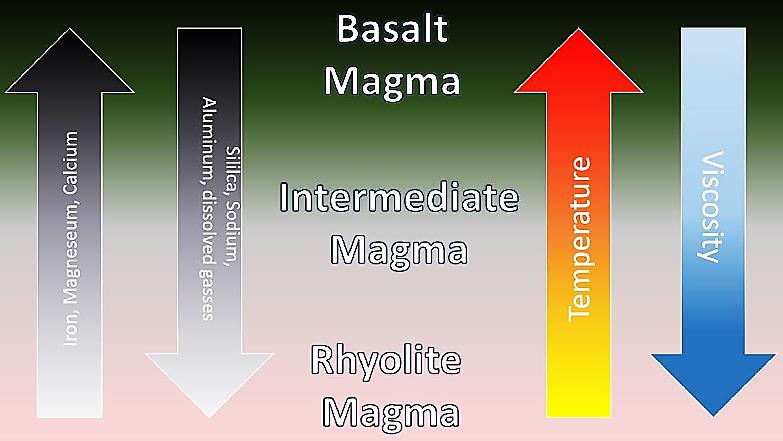
Feedback: The viscosity of magma is indeed influenced by its composition, temperature, and
the amount of dissolved gases.
Composition: The more silica (SiO2) a magma contains, the more viscous it will be. Silica is a
very viscous material, so it slows down the flow
of magma. --------------------------------------------------------------
Temperature: The higher the temperature of a 600. What is the major dissolved volatile magma, the less viscous it will be. This is constituent in both magmas and volcanic
because heat causes the atoms in the magma gases? to move faster, which makes the magma less a) Water. resistant to flow. b) Carbon dioxide. Dissolved gases: The more dissolved gases a c) Hydrogen chloride. magma contains, the less viscous it will be. This d) Methane. is because gas bubbles make the magma less e) Sulfur. dense, which makes it easier to flow.
-------------------------------------------------------------- Feedback: Water is the major dissolved volatile 597. In general, the less silica in a magma, constituent in both magmas and volcanic
the greater its viscosity. gases. It is present in all magmas, but it is
a) True especially abundant in volatile-rich magmas. As
b) False magma rises to the surface, the pressure on it
decreases and the water expands, forming gas
Feedback: In general, the more silica in a bubbles. These gas bubbles make the magma
magma, the greater its viscosity. Silica-rich less dense and more buoyant, which helps it to
magmas tend to be more viscous because rise more quickly. Carbon dioxide, hydrogen
silica tetrahedra can form strong bonds, chloride, methane, and sulfur are also present
hindering flow and making the magma thicker in magmas and volcanic gases, but they are not
and more resistant to flow. Magma with lower as abundant as water. Carbon dioxide is
silica content tends to be less viscous and more released from magma when it degasses as it
fluid. rises to the surface. Hydrogen chloride,
-------------------------------------------------------------- methane, and sulfur are released from magma
598. A magma's viscosity is directly related when it reacts with other minerals in the
to its __________ content. surrounding rock.
a) Iron. --------------------------------------------------------------
b) Oxygen. 601. The viscosity of the magma, plus the c) Aluminum. quantity of dissolved gases and the ease
d) Potassium. with which they can escape, determines
e) Silica. how violent a volcanic eruption will be.
a) True
Feedback: A magma's viscosity is directly b) False related to its silica content. Silica (silicon
dioxide) is a major component of magma and Feedback: The viscosity of the magma, the plays a crucial role in determining the magma's quantity of dissolved gases, and the ease with
viscosity. Higher silica content results in more which they can escape all play a role in
viscous magma, making it thicker and less determining how violent a volcanic eruption will
prone to flow easily. Silica-rich magmas, such be. More viscous magmas with a higher gas
as those containing quartz, tend to produce
117
content and less ease for the gases to escape a steep slope. Cinder cones are formed from
are more likely to produce explosive eruptions. the accumulation of tephra, which is loose,
Less viscous magmas with a lower gas content cindery material that is ejected from a volcano
and more ease for the gases to escape are during an eruption. The other two major volcano
more likely to produce non-explosive eruptions. types are shield volcanoes and composite
-------------------------------------------------------------- volcanoes. Shield volcanoes are the largest
602. Magmas that produce felsic rocks type of volcano and can be several miles tall.
(granite and its extrusive equivalent, Composite volcanoes are also tall, but they are
rhyolite) typically contain less than 50 steeper than shield volcanoes. percent silica.

a) True
b) False
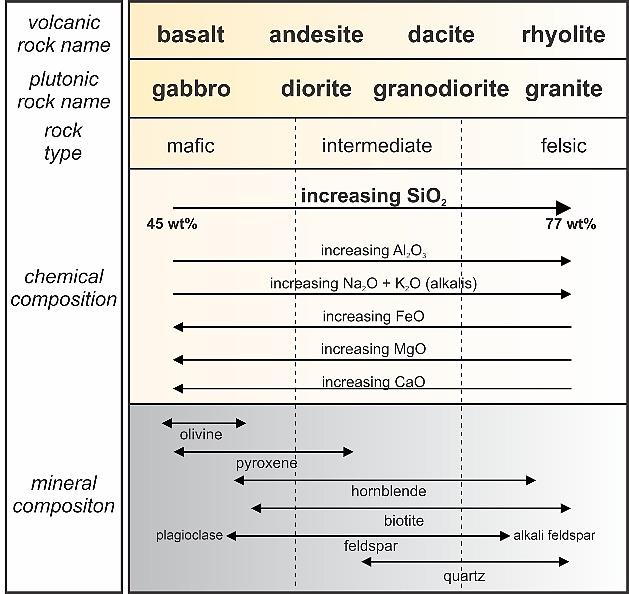
Feedback: Magmas that produce felsic rocks (such as granite and rhyolite) typically contain
more than 50 percent silica. Felsic rocks are
characterized by their high silica content, which
contributes to their light color and higher
viscosity. These rocks are formed from
magmas that have a relatively high proportion
of silica-rich minerals, such as quartz and
feldspar.
--------------------------------------------------------------
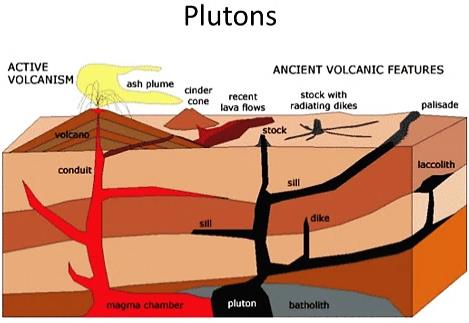
605. The structures that result from the
emplacement of igneous material at depth
are called lahars.
a) True b) False
Feedback: The structures that result from the emplacement of igneous material at depth are
typically referred to as "intrusions." Intrusions
include various features formed when magma
solidifies below the Earth's surface, such as
dikes, sills, and plutons. These structures play
a crucial role in shaping the Earth's crust and
can have significant geological and economic
implications.
--------------------------------------------------------------
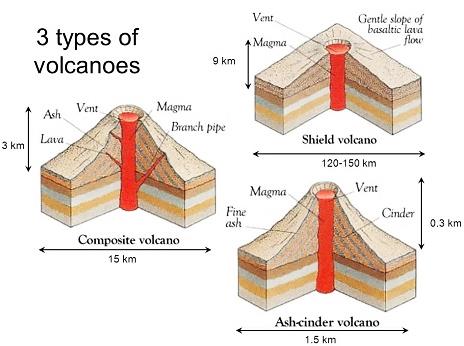
603. Shield cones are typically large, built
primarily of basaltic lava flows, and contain
a small percentage of pyroclastic material.
a) True
b) False
Feedback: Shield cones are typically large, built primarily of basaltic lava flows, and contain
a small percentage of pyroclastic material.
Shield cones are low, broad, and gently sloping --------------------------------------------------------------
volcanoes that form from very fluid lava that 606. Shield volcanoes are the most common spreads over a large area. They may have product of __________ volcanism. some cinder cones or spatter cones on their a) Lahar. flanks, which produce pyroclastic material such b) Explosive. as ash and cinders. c) Hotspot. -------------------------------------------------------------- d) Rift. 604. The smallest of the three volcano types e) Random.
are the cinder cones.
a) True Feedback: Shield volcanoes are the most b) False common product of hotspot volcanism. Hotspot
volcanism is caused by plumes of hot magma
Feedback: Cinder cones are the smallest of the that rise from deep within the Earth. These
three major volcano types. They are typically plumes can be stationary or moving, and they
less than 1,000 feet (300 meters) tall and have
118
often produce chains of volcanoes as they fractures. They are typically thin and vertical,
move across the Earth's surface. and they can cross-cut existing rock layers.
Dikes are formed when magma rises to the
surface and encounters a fracture in the rock.
The magma forces its way into the fracture, and
as it cools and solidifies, it forms a dike. Dikes
can be found all over the world, and they are
often associated with volcanic activity.
However, dikes can also form in areas that are

not volcanically active.
--------------------------------------------------------------
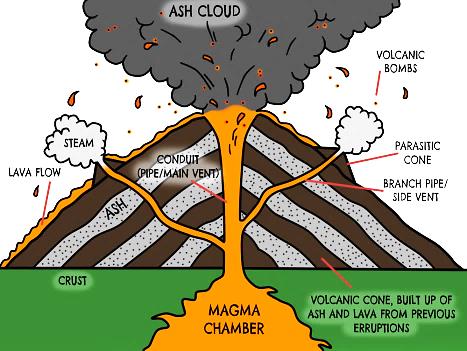
607. Most volcanoes are fed magma
through short conduits or pipes.
a) True
b) False
Feedback: Most volcanoes are fed magma through short conduits or pipes. These conduits
are typically only a few kilometers long and
connect the magma chamber to the volcano's
surface. Magma rises through the conduits --------------------------------------------------------------
because it is less dense than the surrounding 610. Which volcano type is a very large, rock. The magma pushes its way up through gently sloping mound composed mainly of
the conduits and eventually erupts at the basaltic lava flows? surface. Some volcanoes, however, are fed a) Caldera. magma through longer conduits or pipes. b) Cinder cone. These conduits can be tens of kilometers long c) Stratovolcano. and connect the magma chamber to the d) Composite. volcano's surface in a different location. e) Shield.
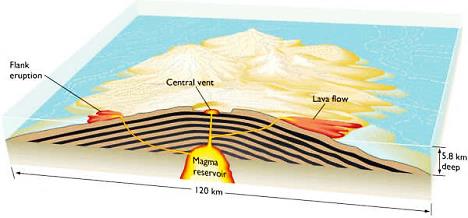
Feedback: Shield volcanoes are the largest type of volcano and are composed mainly of
basaltic lava flows. They have a very gentle
slope and can be several miles tall. The largest
shield volcano on Earth is Mauna Loa in Hawaii,
which rises over 33,500 feet (10,200 meters)
above the ocean floor.
--------------------------------------------------------------
608. Most intraplate volcanism occurs
where a mass of hotter than normal mantle
material ascends toward the surface.
a) True
b) False --------------------------------------------------------------
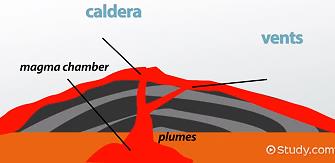
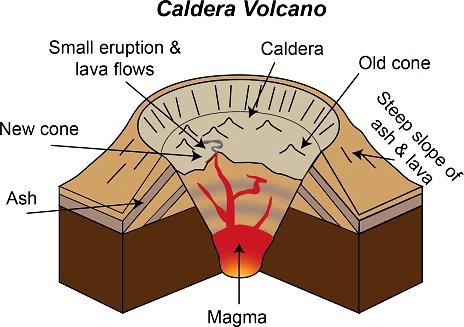
611. A large depression at the summit of a
Feedback: This is called a mantle plume or a volcano is called a __________. hotspot. A mantle plume is a column of hot rock a) Lahar. that rises from the core-mantle boundary and b) Caldera. melts as it reaches shallower depths. A hotspot c) Neck. is a volcanic region that is fed by a mantle d) Fissure. plume and produces volcanoes that are not e) Batholith. related to plate boundaries.
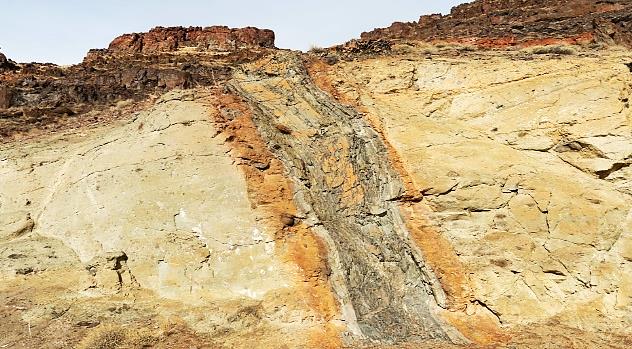
-------------------------------------------------------------- Feedback: A caldera is a large, bowl-shaped 609. Dikes are tabular discordant bodies depression that forms at the summit of a
that are produced when magma is injected volcano when the magma chamber beneath the
into fractures. volcano collapses. Calderas can be several
a) True kilometers wide and deep, and they are often
b) False filled with water, forming crater lakes. Calderas
are formed when a volcano erupts and expels a
Feedback: Dikes are tabular discordant bodies large volume of magma. The emptying of the
that are produced when magma is injected into
119
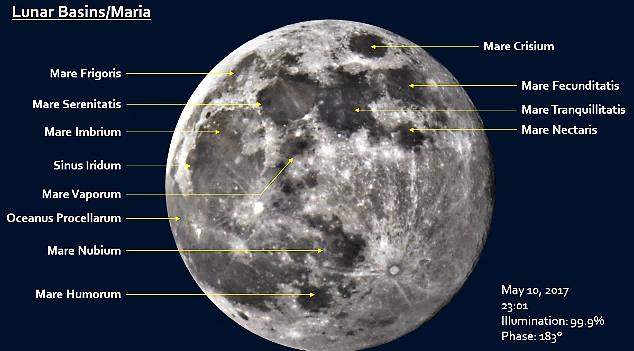
magma chamber causes the ground above the features on the Moon's surface, covering about
chamber to collapse, forming a caldera. 16% of the total area. The lava that filled the
maria is mafic in composition and relatively
fluid, which allowed it to flow long distances and
fill the large impact basins. The lunar maria are
important geological features because they
provide information about the early history of
the Moon and contain valuable resources.

--------------------------------------------------------------
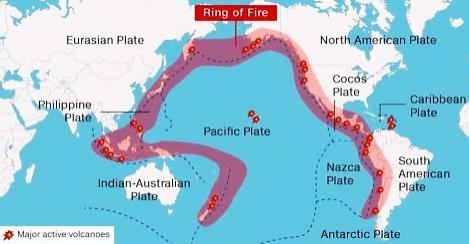
612. Many subduction-zone volcanoes are
located in a region on Earth called the "Ring
of Fire." --------------------------------------------------------------
a) True 614. Rhyolite lava: b) False a) Has more silica than basalt lava does.
b) Indicates the tendency for explosive activity.
Feedback: The Ring of Fire is a horseshoe- c) May freeze in the vent and emerge as a shaped region around the Pacific Ocean that is spine. home to many of the world's most active d) May form a lava dome above the vent. volcanoes and earthquake zones. It is caused e) All the possible answers are correct. by the subduction of tectonic plates beneath the
Pacific Plate. As the plates subduct, they melt Feedback: Rhyolite lava has more silica than and release water vapor and other gases. This basalt lava. It is also more viscous and less fluid
mixture rises through the overlying mantle and than basalt lava. This makes it more likely to
crust, eventually erupting as magma. The Ring form explosive eruptions, lava domes, and
of Fire is responsible for about 90% of the spines. Rhyolite lava flows are typically thick
world's earthquakes and 75% of its volcanic and blocky, and they may contain gas bubbles
eruptions. It includes countries such as Japan, and vesicles. Rhyolite lava domes are formed
Indonesia, the Philippines, Chile, and the when rhyolite lava is too viscous to flow very far
United States. and instead builds up around the vent. Rhyolite
spines are formed when rhyolite lava freezes in
the vent and then emerges as a sharp, needle-
like structure.
--------------------------------------------------------------
615. The largest intrusive igneous bodies
are batholiths.
a) True b) False
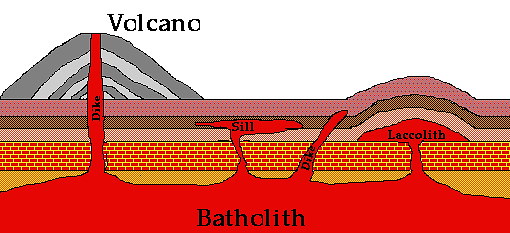
613. Most mare volcanism on the Moon has can cover extensive areas and can have occurred in the bottoms of very large, very dimensions measured in tens to hundreds of old __________. kilometers. They are typically composed of a a) Impact craters. variety of plutonic rock types and are formed b) -------------------------------------------------------------- irregularly shaped intrusion of igneous rock that forms beneath the Earth's surface. Batholiths Feedback: A batholith is a massive and often
c) from the solidification of magma that has been Rifts.
d) emplaced at depth over long periods of time. Calderas.
Island arcs.
e) Subduction zones.
Feedback: Most mare volcanism on the Moon occurred in the bottoms of large, old impact
craters. These craters were created by ancient
asteroid impacts and later filled with lava from
eruptions from the lunar mantle. The lunar
maria are large, dark, basaltic plains on the
Moon. They are the largest topographic --------------------------------------------------------------
120
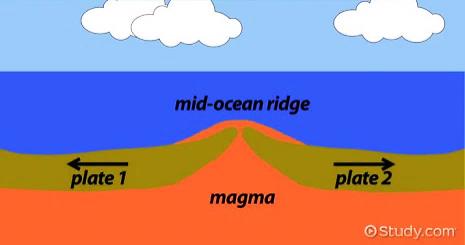
616. The greatest volume of volcanic rock is b) False
produced along the oceanic ridge system.
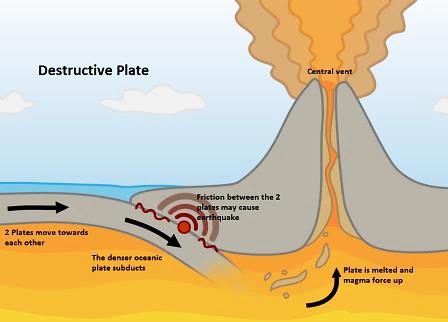
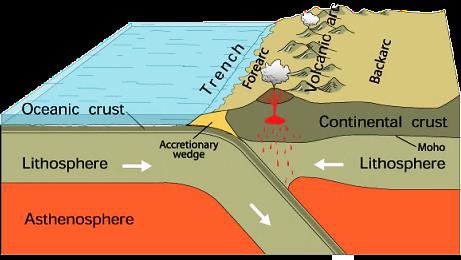
a) True Feedback: Composite volcanoes are usually b) False found at destructive plate
margins. A destructive plate boundary happens
Feedback: The oceanic ridge system is where where an oceanic and continental plate move the most volcanic rock is produced. The ridge towards each other. The heavier, more dense system is formed by the spreading of the oceanic plate is forced under the continental Earth's tectonic plates. As the plates spread, plate. new mantle material rises to the surface and

melts. This molten material, called magma,
then erupts to form new oceanic crust. The
oceanic ridge system is responsible for
producing about 70% of the Earth's volcanic
rock. The other 30% of volcanic rock is
produced by volcanoes that are located on
land.
--------------------------------------------------------------
619. Andesitic or rhyolitic magma is
-------------------------------------------------------------- characteristically extruded from volcanoes 617. Mantle plumes and hot spots are often within a continental margin volcanic arc.
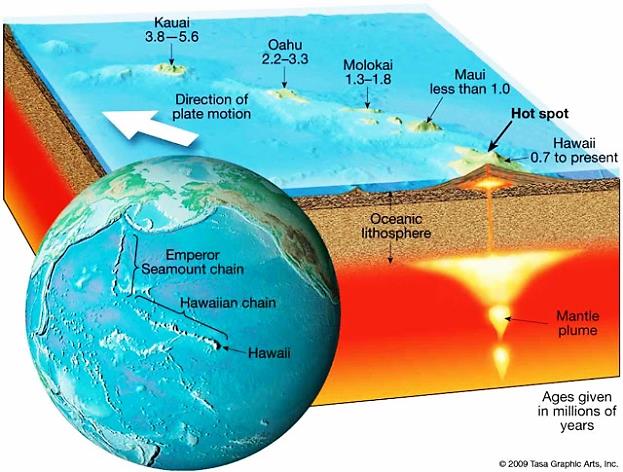
associated with intraplate volcanism. a) True
a) True b) False b) False
Feedback: This is because the melting of the
Feedback: Intraplate volcanism refers to subducting oceanic crust and the overlying volcanic activity that occurs within a tectonic mantle wedge produces these types of
plate, away from plate boundaries. Mantle magmas. Continental margin volcanic arcs are plumes are upwellings of abnormally hot rock in formed when oceanic crust subducts beneath the Earth's mantle that can create a localized continental crust. As the oceanic crust
area of increased heat and volcanic activity. Hot subducts, it heats up and releases water. This spots are surface expressions of mantle water lowers the melting point of the
plumes, where magma from the mantle can surrounding mantle rock, causing it to melt. The erupt through the crust. These intraplate molten material, called magma, then rises to volcanic features can result in the formation of the surface and erupts to form a volcano. volcanic islands or volcanic fields in the middle Andesite and rhyolite are felsic rocks, which of tectonic plates. Well-known examples means that they are high in silica. Silica is a include the Hawaiian Islands, formed by a very sticky substance, and it makes it difficult mantle plume and hot spot activity within the for the magma to flow. As a result, andesitic and Pacific Plate. rhyolitic magmas are often associated with
explosive volcanic eruptions.
--------------------------------------------------------------
620. The relation between volcanic
-------------------------------------------------------------- eruptions and climate cannot be
618. Most active composite cones are established.
located in the region of the central Pacific a) True Ocean. b) False
a) True
121
Feedback: Volcanic eruptions can have properties such as viscosity, color, and mineral
significant effects on the Earth's climate, content. particularly through the injection of large --------------------------------------------------------------
amounts of volcanic gases and particles into 622. Pillow lavas are evidence of what the atmosphere. When a volcano erupts, it volcanic circumstance? releases gases such as sulfur dioxide (SO2) a) A submarine volcano. and ash particles into the atmosphere. These b) High-silica-content magma. materials can have a cooling effect on the c) An explosive eruption. climate by reflecting sunlight and reducing the d) A phreatomagmatic eruption. amount of solar radiation that reaches the e) Caldera formation. Earth's surface. Sulfur dioxide can also convert

into sulfate aerosols in the upper atmosphere, Feedback: Pillow lavas are typically associated which can persist for several years and with submarine volcanoes or volcanic activity
contribute to a temporary cooling of the planet. that occurs underwater. When basaltic lava
Historical records and scientific studies have erupts underwater, it cools rapidly and forms
shown that major volcanic eruptions can lead to characteristic pillow-shaped structures. The
short-term global cooling events known as rapid cooling prevents the development of the
"volcanic winters." These events can impact typical surface features seen in terrestrial lava
weather patterns, reduce global temperatures, flows. Therefore, the presence of pillow lavas is
and have various ecological and societal evidence of volcanic activity beneath the ocean
implications. For example, the 1815 eruption of or in other underwater environments. Mount Tambora in Indonesia caused the "Year
Without a Summer" in 1816, with abnormally
cold temperatures and crop failures around the
world. Similarly, the 1991 eruption of Mount
Pinatubo in the Philippines led to a temporary
cooling of the Earth's climate.
--------------------------------------------------------------
623. A single eruption that occurs in a linear
pattern through an extremely elongate vent
is called a:
a) Fault eruption. b) Joint eruption. c) Boundary eruption. d) Fissure eruption. e) Line eruption.
Feedback: Runny magmas (i.e., mafic) will sometimes erupt along recently-opened faults
or fissures. This occurs in extensional areas as
-------------------------------------------------------------- well as where large slumping occurs along the
side of an active volcano.
621. Lava is:
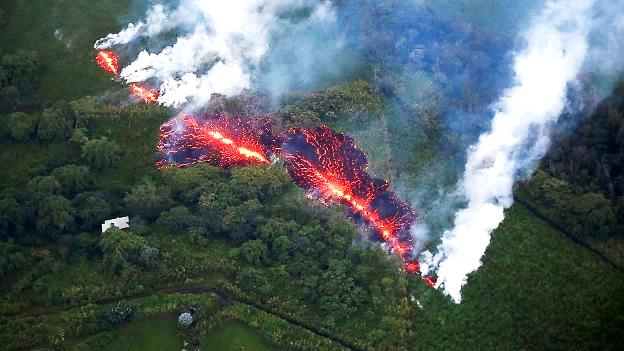
a) Always produced during any volcanic
activity.
b) Molten rock that cools and hardens on
Earth’s surface.
c) All the same chemical composition, whether
it’s rhyolite or basalt.
d) The most life-threatening volcanic product of
any eruption.
e) All the possible answers are correct.
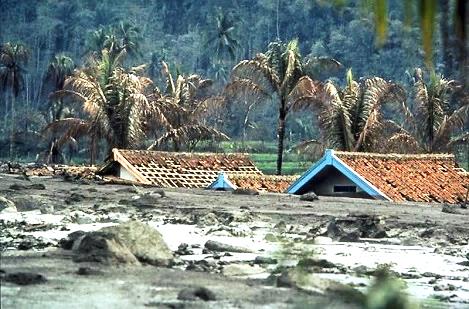
Feedback -------------------------------------------------------------- : Lava is molten rock that is expelled 624. A lahar is: from a volcano during an eruption and then a) A glowing cloud of pyroclastic grains and hot cools and solidifies upon exposure to the gas. Earth's surface. It can have different chemical b) A cinder cone. compositions depending on the type of magma c) An enlarged volcanic crater. it originates from, leading to variations in d) A volcanic mud and debris flow that resembles fluid concrete.
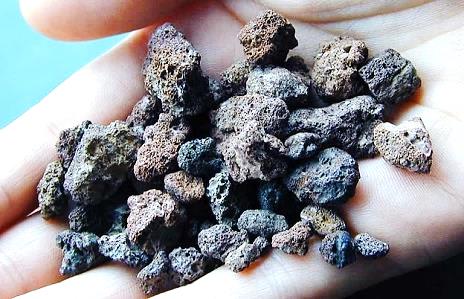
122
e) A lava lake in a summit crater. d) Lapilli.
e) Pahoehoe.
Feedback: Lahar is an Indonesian term that describes a hot or cold mixture of water and Feedback: Lapilli is not a form of lava; it refers rock fragments that flows down the slopes of a to small volcanic rock fragments ejected during
volcano and typically enters a river valley. volcanic eruptions. These fragments can range
in size from small particles to pebble-sized
pieces and are often produced during explosive
eruptions.

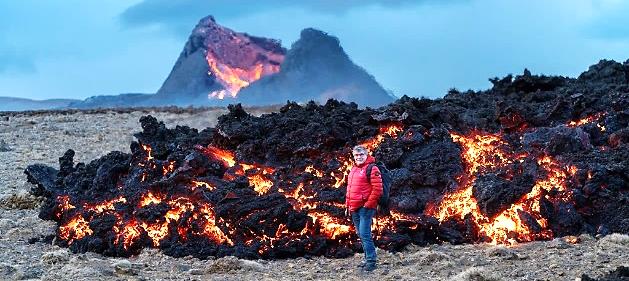
-------------------------------------------------------------- -------------------------------------------------------------- 627. Lava of low viscosity: 625. Volcanic mud and debris flows, a) Could logically build a shield cone. composed of ash, debris, and water: b) Indicates an area that has little potential for a) Occur only in Arctic regions because snow explosive eruptions. supplies the water for mud. c) Is logically basalt. b) Leave messes but rarely kill people because d) Has low silica content. they flow slowly. e) All the possible answers are correct. c) Are called nuée ardents. d) Have often resulted in damage and death to Feedback : Lava of low viscosity has a low silica humans and their property. content, which makes it flow more easily. This e) Are extremely rare. type of lava is likely to be basalt and is
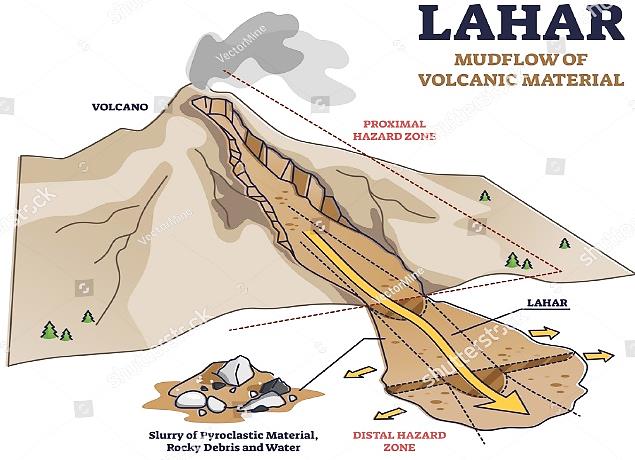
Feedback associated with less explosive eruptions. It can : Volcanic mud and debris flows, also build shield cones. called lahars. Lahars are mixtures of volcanic ash, debris, and water that can flow down the slopes of a volcano during or after an eruption.
They can be extremely destructive and
dangerous due to their high speed and ability to
carry large boulders and debris. Lahars can
travel long distances and bury communities,
infrastructure, and agricultural areas in their
path. They are a significant volcanic hazard,
and areas around volcanoes prone to lahars
require careful monitoring and planning for -------------------------------------------------------------- mitigation. 628. Which of the following events is a warning sign of imminent volcanic eruption?
a) Earthquake activity. b) Change in heat flow from the volcano’s
surface.
c) Bulges on the volcano’s surface. d) Increase in gas emissions and hydrothermal
activities.
e) All the possible answers are correct.
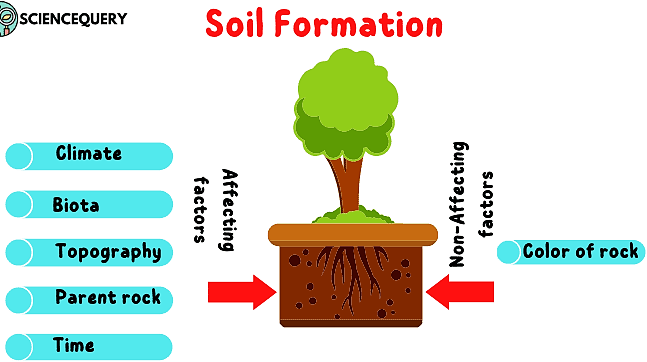
Feedback: All of the following events are warning signs of imminent volcanic eruption:
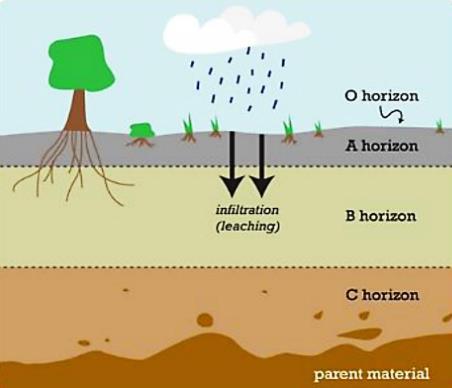
earthquake activity, change in heat flow from
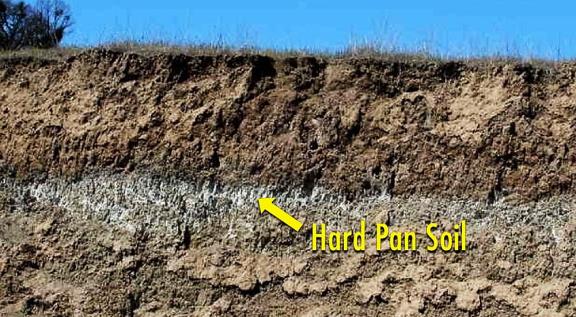
-------------------------------------------------------------- the volcano's surface, bulges on the volcano's
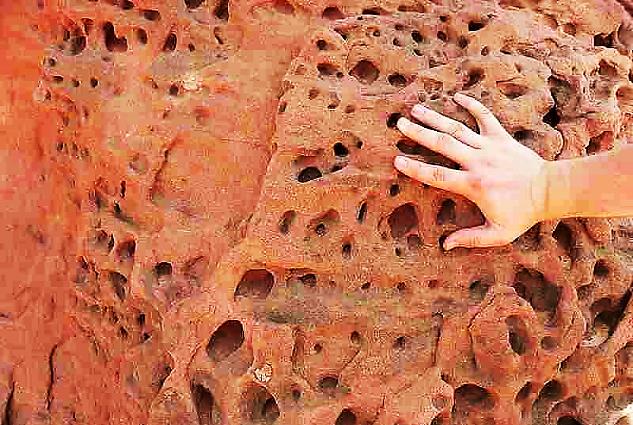
626. Which of the following is NOT a form of surface, and increase in gas emissions and
lava? hydrothermal activities. It is important to be
a) Aʻā. prepared for the possibility of an eruption if any
b) Andesite. of these warning signs are observed. c) Rhyolite. --------------------------------------------------------------
123
629. Which of the following does NOT Feedback: The Ring of Fire is a horseshoe-
describe the architecture (structure) of a shaped area in the Pacific Ocean basin that is
volcano? known for its high concentration of volcanic
a) Vent. activity and frequent earthquakes. It includes
b) Vesicle. the Aleutian Islands in Alaska, the Cascades in
c) Fissure. the northwest United States, Mt. Pinatubo in the
d) Magma chamber. Philippines, and the Andes in South America.
e) Crater. Iceland, while a volcanic region, is located in
the North Atlantic Ocean and is not considered

Feedback: Vesicles are small cavities or gas part of the Pacific Ring of Fire. bubbles that can form within igneous rocks,
including volcanic rocks. They are a result of
gases dissolved in magma during volcanic
activity. The other options, vent, fissure,
magma chamber, and crater, are all features
that are associated with the architecture of a
volcano.
--------------------------------------------------------------
632. Which of the following volcanic
phenomena can be triggered by a volcanic
eruption under ice?
a) Jokulhaup. b) Hyaloclastite. c) Lava dome and spine. d) Lava tube.
-------------------------------------------------------------- e) Columnar jointing. 630. What is the term for an unconsolidated
accumulation of any size of pyroclastic Feedback: Jokulhaup (also spelled
grains? jökulhlaup) is a term used to describe a glacial
a) outburst flood that can be triggered by a Aerosol.
b) volcanic eruption under ice. When a volcano Accretionary lapilli.
c) erupts beneath a glacier or ice cap, the heat Pelé’s hair and tears.
d) from the eruption can melt large amounts of ice. Tephra.
e) The resulting water can accumulate and create Tuff.
a rapidly flowing flood as it breaks through or
Feedback under the ice. : Tephra is the general term for any unconsolidated accumulation of pyroclastic
grains, regardless of size. Pyroclastic grains
are fragments of rock that are ejected from a
volcano during an eruption. Tephra can range
in size from ash to bombs, and it can be
deposited over a wide area.
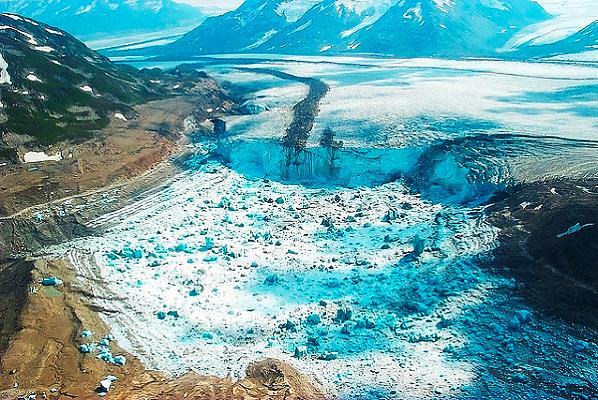
Hyaloclastite: A type of volcanic rock formed by the interaction between lava and water, often
occurring underwater or beneath glaciers.
-------------------------------------------------------------- Lava dome and spine: Features associated 631. with the extrusion of highly viscous lava on the Which of the following volcanic areas is
NOT surface. part of the Ring of Fire?
a) Iceland. Lava tube: A tunnel-like structure formed by b) Aleutians, Alaska. the flow of lava, typically underground. c) Cascades, northwest United States. Columnar jointing: A pattern of fractures that d) Mt. Pinatubo, Philippines. develop in volcanic rocks as they cool and
e) Andes, South America. contract.
--------------------------------------------------------------
124
633. Individual volcanoes erupt fairly viscosity, temperature, and gas content of the
regularly, and if the recurrence interval is magma. Some common types of subaerial
known, their eruptions can be accurately eruptions are: predicted. Plinian: These are explosive eruptions that
a) True produce large columns of ash and gas that can
b) False reach the stratosphere. They also produce
pyroclastic flows, which are fast-moving
Feedback: While some volcanoes may have a mixtures of hot rock and gas that can devastate
history of erupting at fairly regular intervals, large areas. An example of a Plinian eruption is

accurately predicting volcanic eruptions is the 1980 eruption of Mount St. Helens. extremely challenging and often not possible Hawaiian: These are effusive eruptions that with high precision. The behavior of volcanoes produce fluid basaltic lava flows that can travel
is influenced by complex geological, magmatic, long distances. They also produce lava
and tectonic processes that can vary widely fountains, which are jets of lava that can reach
from one eruption to another. Volcanic activity hundreds of meters high. An example of a
is monitored through various methods such as Hawaiian eruption is the ongoing eruption of
seismicity, gas emissions, ground deformation, Kilauea. and changes in volcanic activity patterns. While Strombolian: These are moderate eruptions these monitoring techniques can provide that produce bursts of lava and gas that can
valuable information about a volcano's behavior reach tens to hundreds of meters high. They
and potential for eruption, the exact timing, size, also produce cinder cones, which are small
and style of an eruption remain difficult to volcanic hills made of loose volcanic fragments.
predict. An example of a Strombolian eruption is the
-------------------------------------------------------------- 2002-2003 eruption of Stromboli. 634. The eruption of rhyolitic lava generally --------------------------------------------------------------
creates a steep feature called a lava dome. 636. Lava is the greatest volcanic hazard to
a) True human life because it travels so fast. b) False a) True
b) False
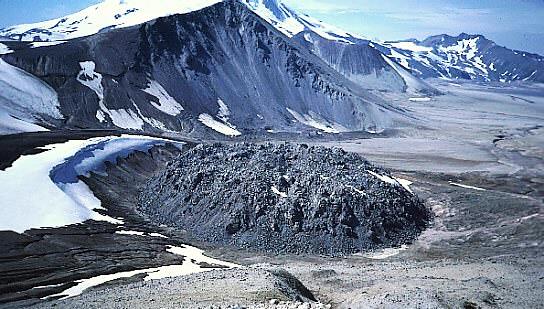
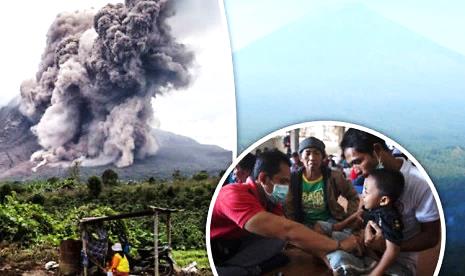
Feedback: Rhyolitic lava is viscous and tends to solidify quickly, leading to the formation of Feedback: Lava is generally not the greatest steep-sided lava domes during eruptions. This volcanic hazard to human life because it
is due to the high silica content in rhyolitic lava, typically moves slowly enough for people to
which makes it less fluid and more prone to evacuate from its path. Other volcanic hazards
building up and forming dome-like structures. like pyroclastic flows, ash fall, and volcanic
gases can pose greater immediate threats to
human life due to their speed and potential for
widespread destruction.
--------------------------------------------------------------
635. Most subaerial volcanoes on Earth
occur in which setting?
a) Mid-ocean ridges.
b) Convergent boundaries. --------------------------------------------------------------
c) 637. Short-term prediction of earthquakes is Divergent boundaries.
d) usually possible; short-term prediction of Oceanic hot spots.
e) imminent volcanic eruption has had no None of the possible answers are correct.
proven success.
Feedback: Subaerial volcanoes are volcanoes a) True that erupt on the Earth’s surface, or in the open b) False air “under the air”. They are commonly associated with convergent boundaries, where Feedback: Short-term prediction of
tectonic plates are moving towards each other. earthquakes is not usually possible. While
They are contrasted with submarine volcanoes, scientists can use seismometers to monitor
which erupt underwater, and subglacial seismic activity and look for patterns that may
volcanoes, which erupt under ice. Subaerial indicate an impending earthquake, there is no
volcanoes can produce different types of reliable way to predict exactly when or where an
eruptions and products, depending on the earthquake will occur.
125
Short-term prediction of imminent volcanic Feedback: Volcanic danger-assessment maps eruption has also had limited success. provide information about potential hazards
Scientists can use a variety of methods to associated with volcanic activity, such as lava
monitor volcanic activity, such as seismic flow paths, pyroclastic flow zones, ash fall
monitoring, ground deformation areas, and more. By understanding these measurements, and gas emissions, to look for hazards and having clear visual
signs of an impending eruption. However, there representations of the potential impact,
is no single method that is always reliable, and authorities can make informed decisions about
false alarms are common. evacuation plans, emergency response, and

-------------------------------------------------------------- risk management to protect communities at
638. Pyroclastic flows bring instant death to risk.
any life caught in them.
a) True
b) False
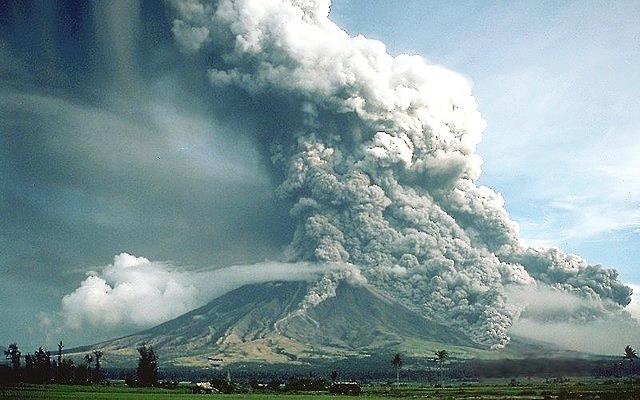
Feedback: Pyroclastic flows are incredibly fast-moving and highly destructive mixtures of hot
volcanic ash, rock fragments, and gas. They
can reach speeds of hundreds of kilometers per
hour and temperatures of several hundred
degrees Celsius. Due to their speed, high
temperature, and density, pyroclastic flows are
usually deadly to anything in their path, making
them one of the most dangerous volcanic
hazards. --------------------------------------------------------------
641. Volcanic ash and sulfur-rich aerosols
can absorb solar radiation and result in
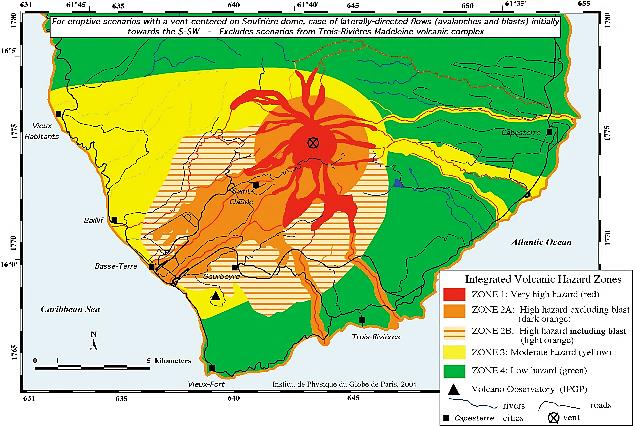
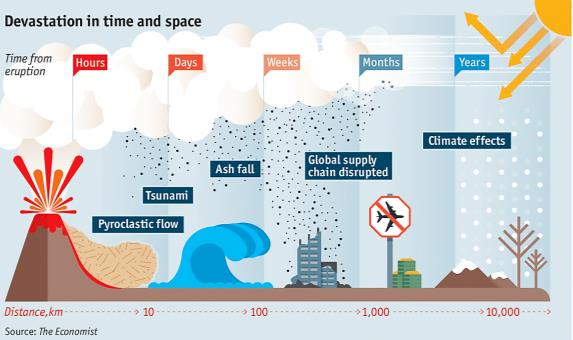
cooler average temperatures worldwide.
a) True b) False
Feedback: Volcanic ash and sulfur-rich aerosols ejected into the atmosphere during
volcanic eruptions can indeed have a cooling
effect on global temperatures. These particles
can reflect and scatter sunlight, reducing the
amount of solar radiation that reaches the
-------------------------------------------------------------- Earth's surface. This phenomenon is known as
639. "volcanic winter." Historical records show that It is not possible to divert lava flows
because they’re too hot and powerful. major volcanic eruptions have led to temporary
a) decreases in global temperatures due to the True
b) presence of these particles in the atmosphere. False
An example is the 1815 eruption of Mount
Feedback Tambora, which resulted in the "Year Without a : While diverting lava flows can be
extremely challenging due to their high Summer" in 1816. temperatures and fluidity, it is not entirely
impossible. Various methods have been
attempted in the past to divert lava flows away
from populated areas or critical infrastructure.
These methods often involve creating barriers
or channels to redirect the flow, using
explosives to alter the lava's path, or cooling the
leading edge of the flow to slow its advance.
While success is not guaranteed and depends
on factors such as lava composition and flow
rate, attempts have been made to mitigate the -------------------------------------------------------------- impact of lava flows. 642. Physical disintegration of rock into -------------------------------------------------------------- smaller pieces is called: 640. Volcanic danger-assessment maps are a) Chemical weathering. valuable tools in protecting human life when b) Transportation. volcanic eruption threatens. c) Deposition. a) True d) Mechanical weathering. b) False
126
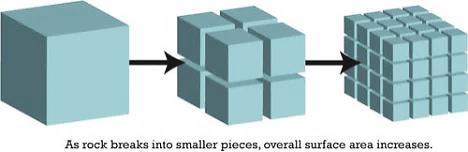
Feedback: The physical disintegration of rock minerals, leading to their dissolution and
into smaller pieces is referred to as mechanical breakdown. This makes carbonic acid one of
weathering. This process involves physical the most effective agents of chemical
forces that break down rocks into fragments weathering at Earth's surface. without changing their chemical composition.

643. The decomposition of rock from -------------------------------------------------------------- exposure to water and atmospheric gases is --------------------------------------------------------------
646. The most common end product of the
a) Chemical weathering. a) Clay minerals. b) called: chemical weathering of feldspar is:
c) Deposition. c) Amphibole. Mechanical weathering. Transportation. b) Pyroxene. d) d) Calcite.
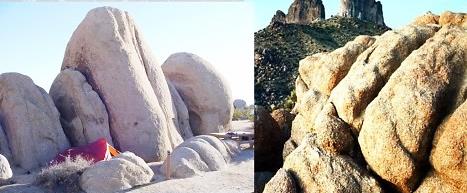
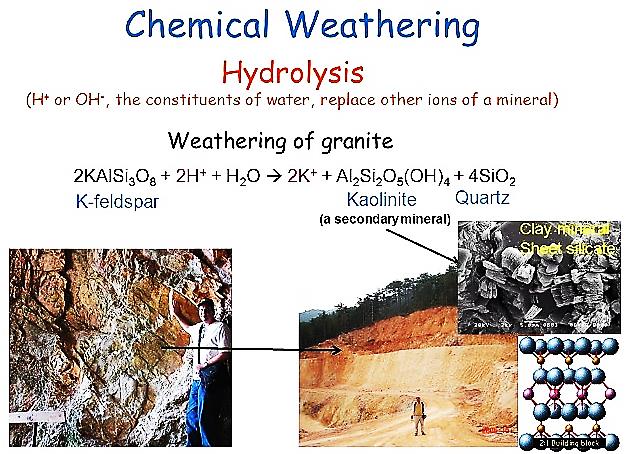
Feedback: The decomposition of rock due to Feedback: The most common end product of exposure to water and atmospheric gases, the chemical weathering of feldspar, a common leading to changes in the rock's chemical mineral in many rocks, is clay minerals. composition, is known as chemical weathering. Feldspar minerals undergo chemical reactions This process involves chemical reactions that with water and other substances to break down break down minerals in the rock over time. into clay minerals, which are a major component of soil.
--------------------------------------------------------------
644. Which is NOT a type of mechanical
weathering?
a) Frost wedging.
c) Pressure release. -------------------------------------------------------------- d) b) Frost heaving.
Oxidation.
chemical weathering rather than a type of Clay minerals. b) Pyroxene. mechanical weathering. It involves the reaction c) Amphibole. of certain minerals with oxygen to form new d) Feedback chemical weathering of quartz is: : Oxidation is very important a) 647. The most common end product of the
compounds. The other options listed (frost Calcite. e) Quartz does not usually weather chemically. wedging, frost heaving, and pressure release)
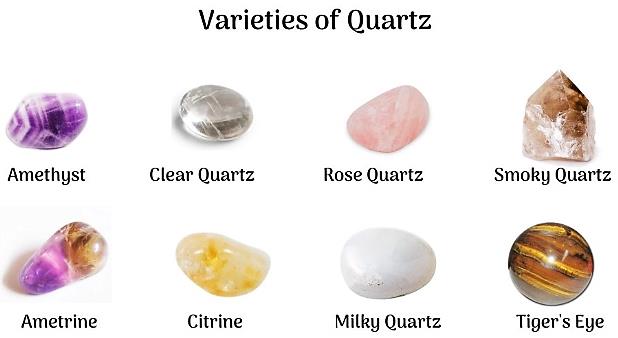
down rocks without altering their chemical to chemical weathering due to its stable structure and composition. Unlike minerals like processes that involve physical forces breaking are examples of mechanical weathering Feedback: Quartz is a highly resistant mineral
645. unchanged during most chemical weathering The single most effective agent of processes. chemical weathering at Earth’s surface is : a) -------------------------------------------------------------- feldspar, quartz tends to remain largely composition.
Carbonic acid H 2CO3.
b) Water H2O.
c) Carbon dioxide CO2.
d) Hydrochloric acid HCl.
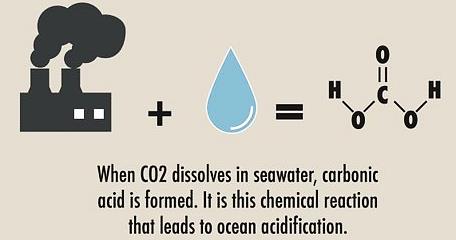
Feedback: Carbonic acid (H2CO3) is a weak acid formed when carbon dioxide (CO2) dissolves in water (H2O). It plays a significant role in chemical weathering by reacting with
minerals in rocks, particularly carbonate --------------------------------------------------------------
127
648. Soil with approximately equal amounts and plant material, is called the O horizon. This
of sand, silt, and clay along with a generous layer is also known as the "organic horizon" and
amount of organic matter is called: is typically found above the mineral layers (A,
a) Loam. B, and C horizons) in the soil profile. b) Inorganic.
c) Humus.
d) Caliche.
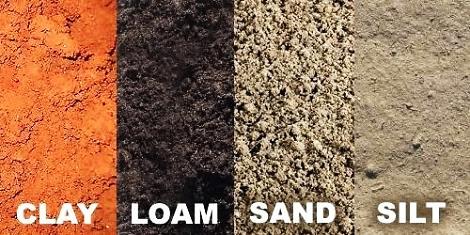
Feedback: Loam is often considered ideal for gardening and agriculture because it has good

water-holding capacity, drainage, and nutrient
content, making it suitable for a wide range of
plants.
--------------------------------------------------------------
651. Hardpan forms in the: a) A horizon.
-------------------------------------------------------------- b) B horizon. 649. The most important factor in c) C horizon.
determining the type of soil that forms is: d) O horizon.
a) Parent material.
b) Living organisms. Feedback: Hardpan is a compacted layer of c) Slope. soil that has become dense and impenetrable
d) Climate. due to factors such as pressure, compaction,
e) Time. and cementation. This layer restricts the
movement of water, air, and plant roots through
Feedback: Climate is the most important factor the soil, which can negatively impact drainage
in determining the type of soil that forms. and plant growth. Climate influences the rates of weathering, Hardpan is typically found in the B horizon of
organic matter decomposition, and overall soil the soil profile. The B horizon, also known as
development processes. The amount of rainfall, the "subsoil," is located beneath the A horizon
temperature, and other climatic conditions play (topsoil) and often contains accumulations of
a significant role in shaping the characteristics minerals leached down from above. In some
of soil, such as its texture, composition, and cases, these minerals can cement particles
fertility. Other factors, such as parent material, together, leading to the development of
living organisms, slope, and time, also hardpan. The hardpan layer can be a natural
contribute to soil formation, but climate often feature, but it can also be induced or
has the most profound and immediate impact. exacerbated by human activities such as
excessive tilling or heavy machinery use.
--------------------------------------------------------------
650. The soil horizon containing only --------------------------------------------------------------
organic material is the: 652. Which one of the following is a
a) A horizon. chemical weathering process? b) B horizon. a) Lithification. c) C horizon. b) Oxidation. d) O horizon. c) Frost wedging. e) E horizon. d) Pressure release.
e) Compaction.
Feedback: The soil horizon containing only organic material, such as decomposed leaves
128
Feedback: Oxidation is a chemical weathering e) Corners and edges of stones weather faster process. It involves the reaction of minerals with than flat surfaces. oxygen, often resulting in the formation of new
compounds. This process can lead to changes Feedback: Spheroidal weathering is a form of in the mineral composition and color of rocks chemical weathering that affects jointed
and minerals over time. The other options listed bedrock and results in the formation of
(a: lithification, c: frost wedging, d: pressure concentric or spherical layers of highly decayed
release, e: compaction) are primarily rock within weathered bedrock that is known as
associated with physical weathering rather than saprolite. It occurs because the corners and

chemical weathering. edges of stones weather faster than flat
surfaces. Thermal expansion and contraction
are not the main cause of spheroidal
weathering. Aluminum oxides are not insoluble.
Oxidation does not change limestone to
dolostone. Rounding does not take place
rapidly during transport.
--------------------------------------------------------------
653. The type of soil found in the semiarid
and arid regions is:
a) Breccia.
b) -------------------------------------------------------------- Laterite.
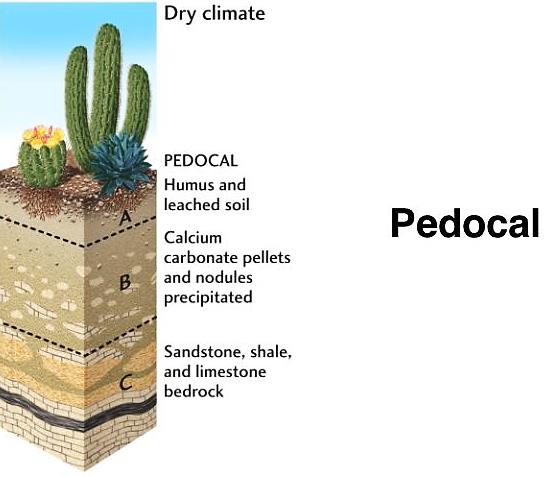
c) 655. Exfoliation domes form by a Pedocal.
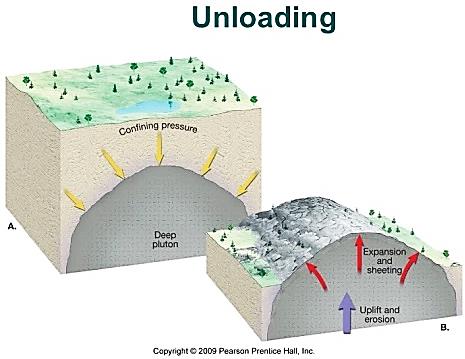
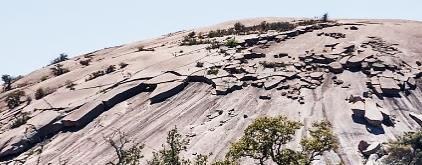
d) mechanical weathering process called: Regolith.
e) a) Pressure release. Detrital.
b) Salt crystal growth.
Feedback c) Hydrolysis. : Pedocal soils are characterized by a relatively high content of calcium carbonate d) Regression. (lime) and are often alkaline in nature. These e) Granitization. soils can form in dry environments where
evaporation is high, leading to the accumulation Feedback: Exfoliation domes form through the of minerals like calcium carbonate in the upper mechanical weathering process known as
soil layers. This contributes to the characteristic pressure release or unloading. Over time, as
properties of pedocal soils in these regions. erosion removes overlying rock layers, the
pressure on deeper rocks decreases. This
decrease in pressure can cause the outer
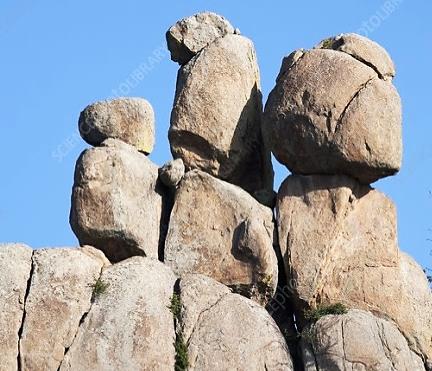
layers of rocks to expand and crack, leading to
the formation of dome-like structures.
--------------------------------------------------------------
654. Spheroidal weathering takes place
because:
a) Thermal expansion and contraction are so
effective.
b) Aluminum oxides are nearly insoluble.
c) Oxidation changes limestone to dolostone. d) Rounding takes place rapidly during
transport. --------------------------------------------------------------
129
656. Which is characteristic of soil horizons? e) Parent material. a) They can be distinguished from one another
by appearance and chemical composition. Feedback: Regolith is the unconsolidated layer
b) Boundaries between soil horizons are of rock and mineral fragments that covers the
usually transitional rather than sharp. Earth's surface. It is formed by the physical and
c) They are classified by letters. chemical weathering of rocks. Regolith can be
d) All of the preceding. found on both land and sea, and it is typically
only a few meters thick.
Feedback: Soil horizons are layers of soil that have different physical and chemical

properties. They are classified by letters, and
the boundaries between horizons are usually
transitional rather than sharp. Soil horizons can
be distinguished from one another by their
appearance and chemical composition. For
example, the O horizon is typically dark in color
and high in organic matter, while the B horizon
is typically lighter in color and higher in mineral
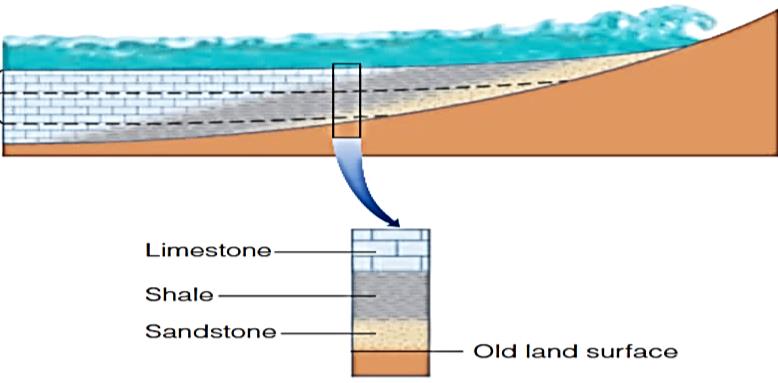
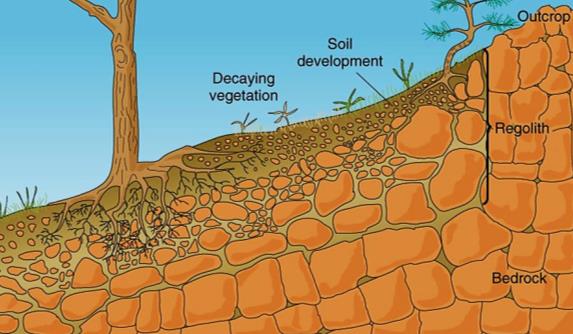
particles and clay. Soil horizons play an -------------------------------------------------------------- important role in plant growth. The topsoil 659. The source of energy that drives horizon is where most of the nutrients and water Earth's external processes is: are found, and the subsoil horizon helps to a) Nuclear fission. store water and nutrients. b) Wind. -------------------------------------------------------------- c) The Sun. 657. A marine transgression yields a vertical d) Gravity. sequence: e) None of the above. a) Of rounded domes of rock with sheet joints. b) That includes interlayered igneous and Feedback : The primary source of energy that metamorphic rocks. drives Earth's external processes, such as c) With offshore facies overlying nearshore weathering, erosion, and the water cycle, is the facies. Sun. Solar energy fuels processes like d) Of evaporates, granite, and parent material. evaporation, which leads to the formation of e) Of delta deposits overlain by turbidities. clouds and precipitation, as well as the
Feedback movement of wind and ocean currents. : A marine transgression occurs when sea level rises, causing marine
environments to advance over the land. This
can result in a vertical sequence of sedimentary
rocks, with offshore facies (deposits from
deeper marine environments) overlying
nearshore facies (deposits from shallower
marine environments). This sequence reflects
the migration of marine environments towards
the land as sea level rises.
--------------------------------------------------------------
660. The physical removal of material by
mobile agents such as water, wind, or ice is
referred to as __________.
a) Erosion. b) weathering
-------------------------------------------------------------- c) diagenesis 658. The unconsolidated material covering d) mass wasting
much of Earth’s land surface, as well as e) none of the above most of the seafloor, is called:
a) Regolith. Feedback: Erosion is the process by which b) Conglomerate. material is worn away from one place and
c) transported to another by wind, water, or ice. Limestone.
d) Erosion is a major force in shaping the Earth's Rock gypsum.
130
surface. It can create valleys, canyons, and hardness scale; it is used as crushed stone
other landforms. Erosion can be classified into media in sewage system drain fields and as a
two main types: mechanical erosion and base material for foundations and construction
chemical erosion. Erosion is an important slabs due to its durability (very resistant to
process in the rock cycle. It helps to break down weathering). rocks and minerals into smaller pieces, which
can then be transported and deposited to form
new sedimentary rocks.

--------------------------------------------------------------
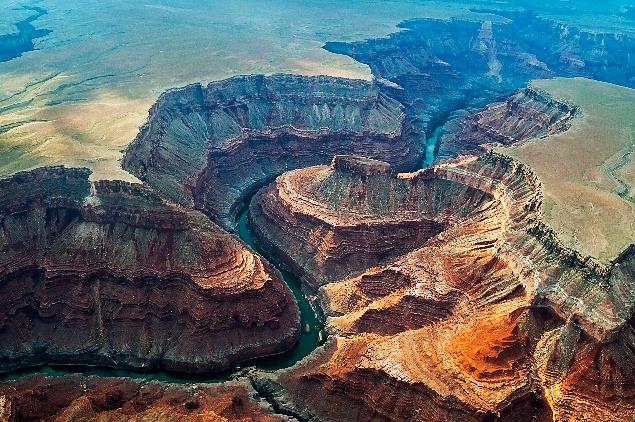
663. What type of weathering produces the
"rounding" of a rock?
a) Jointing. b) Circular. c) Columnar. d) Spheroidal. e) Exfoliation.
Feedback: Spheroidal weathering is a type of
-------------------------------------------------------------- mechanical weathering that produces the
661. In nature, both types of weathering "rounding" of a rock. This process occurs when
usually work simultaneously. corners and edges of rocks are weathered
a) True more rapidly than flat surfaces, leading to the
b) False gradual formation of rounded shapes.
Spheroidal weathering often results from the
Feedback: In nature, both mechanical differential expansion and contraction of
(physical) and chemical weathering processes minerals within the rock due to temperature
usually work simultaneously. These processes changes. often complement each other and contribute to
the breakdown and alteration of rocks and
minerals. Mechanical weathering can create
smaller particles and expose more surface area
to chemical reactions, while chemical
weathering can weaken minerals and make
them more susceptible to physical breakdown.
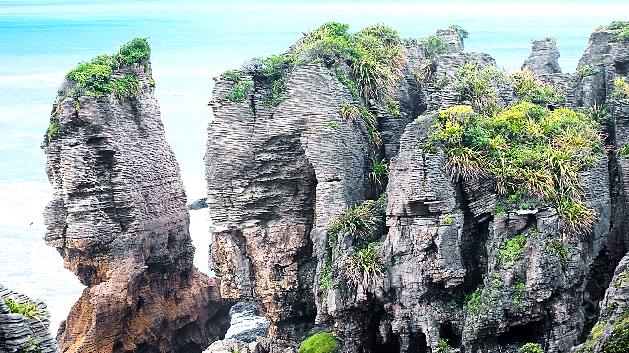
--------------------------------------------------------------
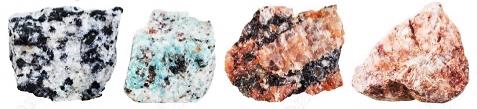
664. Mechanical weathering includes: a) Unloading. b) Thermal expansion. c) Biological activity. d) Frost wedging. e) All of the above.
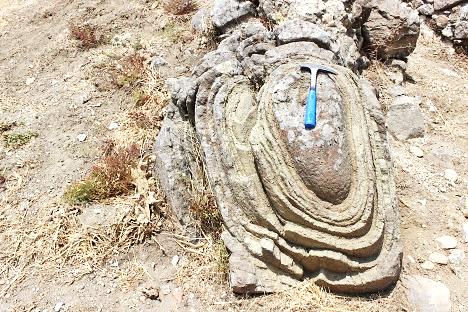
-------------------------------------------------------------- Feedback: Mechanical weathering is the process by which rocks are broken down into 662. Based on your knowledge of how smaller pieces without changing their chemical rapidly different minerals weather, which of composition. It is caused by physical forces, these rock types would provide the most such as temperature changes, pressure suitable foundation base for a home built in changes, and biological activity. the tropics? a) Limestone. b) Basalt. c) Granite. d) Mafic volcanic breccia. e) Andesite.
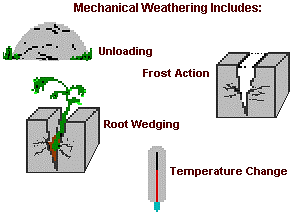
Feedback: Granite composed primarily of feldspar, quartz, and mica, being an igneous
rock (formed from volcanic activity), millions of
years of compression and heat below the
earth's surface turned them into stone. Granite
is one of the hardest stones available, having a
rating of 7 on the Moh's Measurement of --------------------------------------------------------------
131
665. The physical breakdown and chemical accelerate the breakdown of rocks at or near
alteration of rock at or near Earth's surface Earth's surface. is called erosion.
a) True
b) False
Feedback: The physical breakdown and chemical alteration of rock at or near Earth's
surface is known as weathering, not erosion.

Weathering involves processes that break
down rocks into smaller particles and alter their
mineral composition. Erosion, on the other
hand, involves the transport of these weathered -------------------------------------------------------------- particles by agents such as water, wind, ice, or 668. Do you expect these faulted rocks to be gravity. While weathering prepares rocks for more easily weathered or less easily erosion, erosion is the actual movement of the weathered than non-faulted rocks? fragmented material. a) The faulted rocks are more easily
weathered.
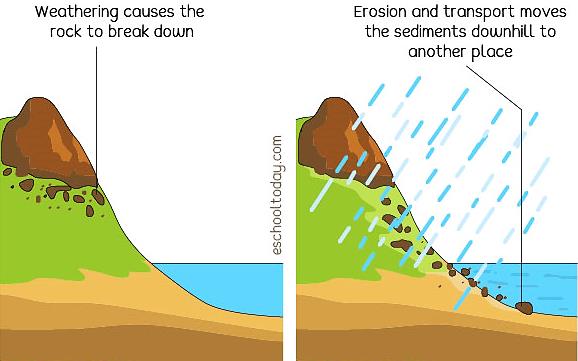
b) The faulted rocks are less easily weathered. c) It is too difficult to tell from the information
given.
Feedback: Highly jointed or faulted rocks are usually more intensely weathered along the
lines of weakness in the rock mass.
Consequently, these softer weathered materials are more easily
-------------------------------------------------------------- eroded out, with the result that river valleys are 666. usually located along the line of a major fault or Frost wedging is most effective in the
polar latitudes. joint set.
a) True
b) False
Feedback: Frost wedging, also called ice wedging, is the process by which water seeps
into cracks in a rock, expands on freezing, and
thus enlarges the cracks. The effectiveness of
frost wedging is related to the frequency of
freezing and thawing. Frost wedging is most
effective in mountainous climates.
--------------------------------------------------------------
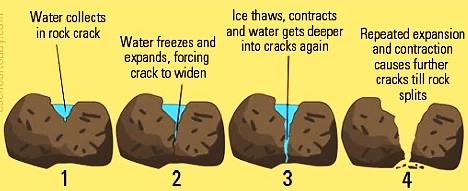
669. When granite is chemically weathered,
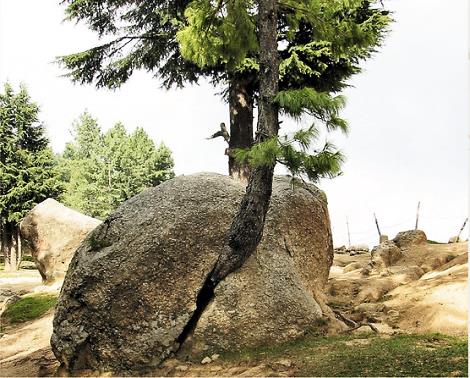
quartz ________.
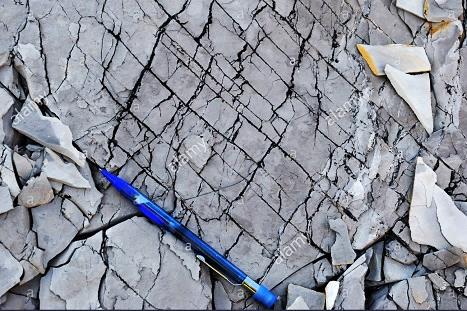
a) Remains virtually unchanged. b) Is converted into kaolinite. c) Is changed into oxides. d) Becomes mica.
b) True weathering processes. Its resistance to False chemical reactions and its hardness make it less prone to breaking down or undergoing Feedback : Biological activity can have a significant changes. In addition to its role in significant influence on the process of resisting weathering, quartz can also contribute weathering. Plants, animals, and to mechanical weathering as it becomes part of microorganisms play a role in both physical and processes like abrasion and the grinding action 667. Biological activity has little influence on Feedback: Quartz is one of the most stable the process of weathering. minerals in both chemical and mechanical a) -------------------------------------------------------------- e) None of the above.
chemical weathering. Plant roots can grow into of wind-blown sand. cracks in rocks, exerting physical pressure and --------------------------------------------------------------causing them to break apart. Microorganisms 670. Oxidation is an important mechanism in can release acids that contribute to chemical decomposing such ferromagnesian weathering. Over time, biological activity can minerals as olivine, pyroxene, and hornblende.
132
a) True determines how quickly rocks and minerals
b) False break down at or near Earth's surface.
--------------------------------------------------------------
Feedback: Ferromagnesian minerals as 673. In Bowen's reaction series, the olivine, pyroxene, and hornblende contain iron minerals that form last are the most
and magnesium, which are susceptible to susceptible to chemical weathering. oxidation when exposed to oxygen and water. a) True This process can lead to the breakdown of b) False these minerals and the formation of new

compounds. Feedback: The minerals that form last are the
most stable and resistant to chemical
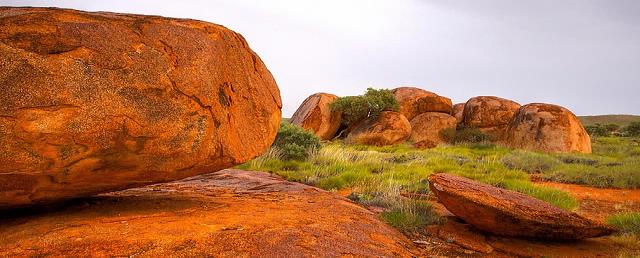
weathering. These are the felsic minerals, such
as quartz, muscovite, and orthoclase that
crystallize at low temperatures. The minerals
that form first are the most unstable and
susceptible to chemical weathering. These are
the mafic minerals, such as olivine, pyroxene,
and amphibole that crystallize at high
-------------------------------------------------------------- temperatures. 671. Quartz is less resistant to chemical
weathering than feldspar.
a) True
b) False
Feedback: Quartz, whether vein deposits or individual grains, undergoes
practically no chemical weathering; the end
product is quartz sand. Some of
the feldspars weather to clay and release
calcium, sodium, silica, and many other
elements that are transported in water. --------------------------------------------------------------
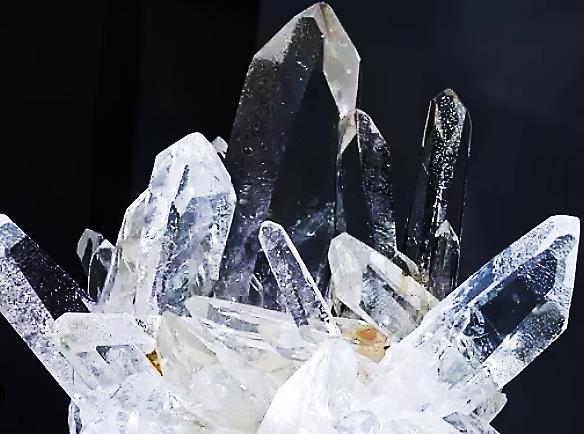
674. Rain is naturally acidic because it
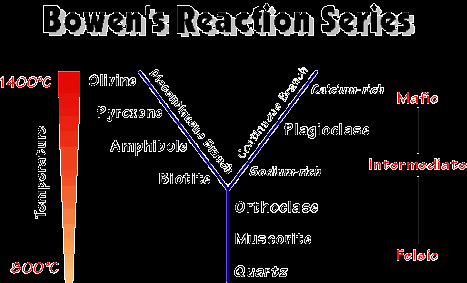
contains weak __________ acid.
a) Acetic. b) Citric. c) Nitric. d) Sulfuric. e) None of the above.
Feedback: Rain is naturally acidic because it contains weak carbonic acid. Carbon dioxide
(CO 2) dissolves in water to form carbonic acid (H2CO3). The pH of rainwater is typically around
-------------------------------------------------------------- 5.6, which is slightly acidic. Acetic acid, citric
672. What factor(s) control the rate of acid, and nitric acid are all strong acids. They
weathering? are not found in rainwater in significant
a) Moisture. amounts. b) Mineral makeup.
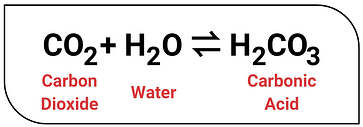
c) Surface temperature.
d) Particle size.
e) All of the above.
Feedback: All the factors listed-moisture,
mineral makeup, surface temperature, and -------------------------------------------------------------- particle size can influence the rate of 675. Soils formed from bedrock are called weathering. Moisture enhances chemical residual soils. reactions, mineral makeup determines a) True susceptibility to weathering, surface b) False temperature affects the rates of chemical reactions, and particle size influences the Feedback : Soils that are formed from the surface area available for weathering weathering and decomposition of the processes. The combination of these factors underlying bedrock are called residual soils. These soils develop in place as the bedrock
133
weathers and breaks down, contributing the "subsoil." It's located beneath the A horizon
minerals and nutrients to the soil profile. (topsoil) and can contain accumulations of
minerals leached down from above. The
topsoil, or A horizon, is usually the uppermost
layer of soil and contains organic matter,
nutrients, and biological activity.
--------------------------------------------------------------
679. About 50% of the total volume of a
good quality soil consists of pore spaces.

a) True b) False
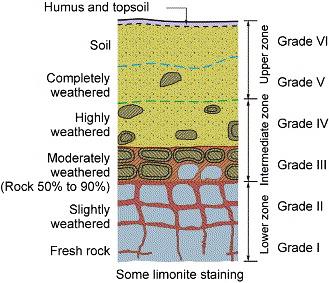
Feedback: These pore spaces are essential for holding air and water, which are crucial for plant
growth, nutrient movement, and microbial
activity within the soil.
--------------------------------------------------------------
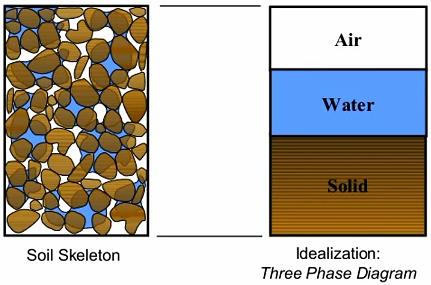
676. Which of the following minerals is most
resistant to weathering in the conditions
found on Earth's surface?
a) Potassium feldspar.
b) Pyroxene.
c) Quartz.
d) Olivine.
e) Biotite mica.
Feedback: Quartz is the most resistant mineral
to weathering in the conditions found on Earth's -------------------------------------------------------------- surface. It is a hard, durable mineral that is not 680. Eluviation and leaching are most active easily dissolved by water or acids. Quartz is in the E horizon. also resistant to thermal expansion and a) True contraction, which makes it less likely to crack b) False due to temperature changes. -------------------------------------------------------------- Feedback : Eluviation and leaching, which 677. Which of the following is a component involve the downward movement of dissolved of soil? materials and minerals from upper soil horizons a) Humus. to lower ones, are most active in the E horizon. b) Water. The E horizon is characterized by the leaching c) Disintegrated and decomposed rock. of minerals and nutrients due to the percolation d) Decayed organic matter. of water through the soil profile. This process e) All of the above. contributes to the development of distinct soil
Feedback horizons and can lead to the accumulation of : Humus is a dark, organic matter certain minerals in the B horizon. that is formed by the decomposition of plants and animals. It is rich in nutrients and helps to improve soil structure. Water is essential for plant growth and helps to transport nutrients to
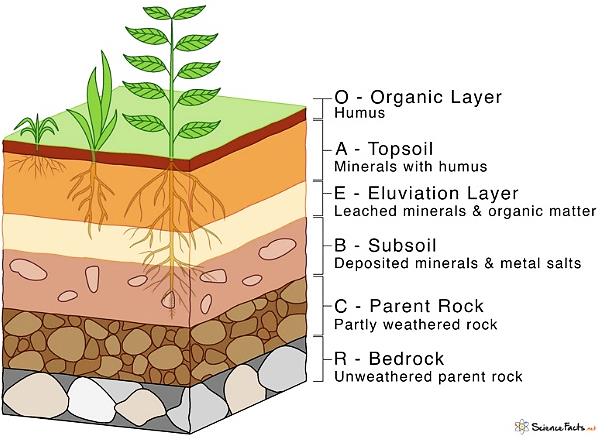
plant roots. Disintegrated and decomposed
rock provides the mineral nutrients that plants
need to grow. Decayed organic matter provides
nutrients for plants and helps to improve soil
structure. The relative proportions of these
components vary depending on the type of soil.
For example, sandy soils have a higher
proportion of mineral matter, while clay soils
have a higher proportion of organic matter.
--------------------------------------------------------------
678. The B horizon of a soil is also called the --------------------------------------------------------------
topsoil. 681. The optimum environment for chemical
a) True weathering is a combination of warm
b) False temperatures and abundant moisture.
a) True
Feedback: The B horizon of a soil is not called b) False the topsoil. The B horizon is often referred to as
134
Feedback: Higher temperatures accelerate horizon, which is located beneath the A horizon
chemical reactions, and moisture provides the and often contains accumulations of minerals
medium through which these reactions can take leached down from above. place. In such conditions, minerals are more --------------------------------------------------------------
likely to undergo dissolution, oxidation, 685. The same parent material will always hydrolysis, and other chemical processes that produce the same type of soil. lead to their decomposition and alteration. a) True -------------------------------------------------------------- b) False 682. In general, the greater the slope, the

thicker the soil. Feedback: The same parent material can
a) True produce different types of soil based on other
b) False factors such as climate, vegetation,
topography, and time. These factors influence
Feedback: On steeper slopes, the the processes of weathering, erosion, and soil accumulation of soil can be limited due to formation, leading to variations in soil properties
increased erosion and gravitational forces that even when the parent material is the same. As
can transport soil downslope. This can result in a result, soils formed from the same parent
thinner soil profiles compared to flatter areas material can exhibit differences in texture,
where soil has a better chance to accumulate composition, and other characteristics. and develop over time. --------------------------------------------------------------
686. The greatest amount of soil erosion is
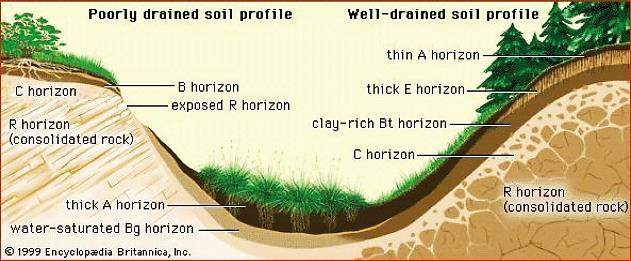
caused by wind.
a) True b) False
Feedback: The greatest amount of soil erosion is typically caused by water, not wind. Water
-------------------------------------------------------------- erosion, driven by rainfall and flowing water, is generally more effective in transporting and 683. The layer of rock and mineral eroding soil compared to wind erosion. While fragments produced by weathering is wind erosion can be significant in certain arid or referred to as: semi-arid regions, water erosion is generally a) Subsoil. responsible for the majority of soil erosion on a b) Zone of leaching. global scale. c) Regolith. d) Soil. e) Humus.
Feedback: Regolith includes both the unconsolidated material at the Earth's surface
and the partially weathered bedrock beneath it.
Soil is a more specific term that refers to the
combination of mineral particles, organic
matter, water, and air that forms on the regolith
as a result of weathering processes. --------------------------------------------------------------
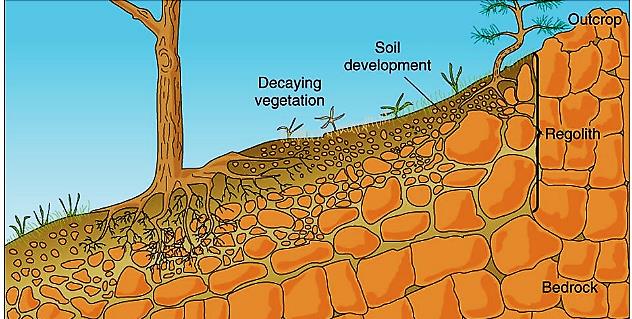
687. Removing vegetation will generally
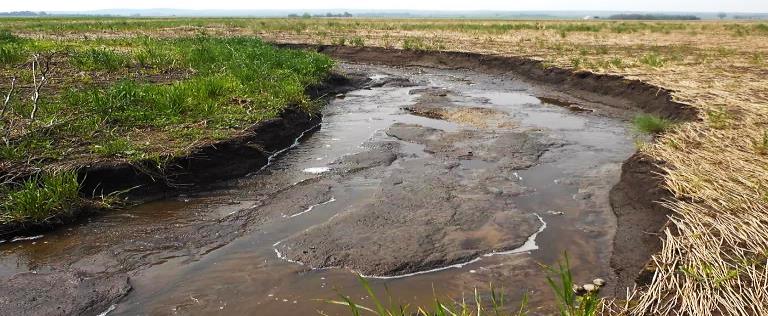
increase the rate of soil erosion.
a) True b) False
Feedback: Removing vegetation can increase the rate of soil erosion. Vegetation, especially
plants with roots, helps stabilize the soil by
-------------------------------------------------------------- binding it together and providing cover against
a) what is commonly called the subsoil. more exposed to the forces of erosion, True including wind and water. The roots of plants b) 684. the impact of raindrops and flowing water. The O and A horizons of a soil make up When vegetation is removed, the soil becomes
False also contribute to soil structure and cohesion,
Feedback reducing the likelihood of soil being easily : The O horizon is the organic carried away by erosion.
horizon, commonly referred to as the "organic -------------------------------------------------------------- layer," and the A horizon is the topsoil layer. 688. If the pressure increases, what The subsoil is typically composed of the B happens to the melting point of ice?
135
a) Increases. with high clay content can become waterlogged
b) Decreases. and less suitable for many plants. c) Stays the same.
Feedback: When pressure increases, the melting point of ice decreases. This is because
the increased pressure forces the molecules of
water closer together, making it harder for them
to break apart and form liquid water. The

opposite is true for the boiling point of water.
When pressure increases, the boiling point of
water increases. This is because the increased
pressure makes it harder for water vapor to
escape from the liquid. The melting and boiling --------------------------------------------------------------
which the substance changes from a solid to a water as the pressure decreases? Increases. points of a substance are the temperatures at 691. What happens to the boiling point of
liquid and from a liquid to a gas, respectively. a) The melting point of a substance is always b) Decreases. lower than its boiling point. c) Stays the same.
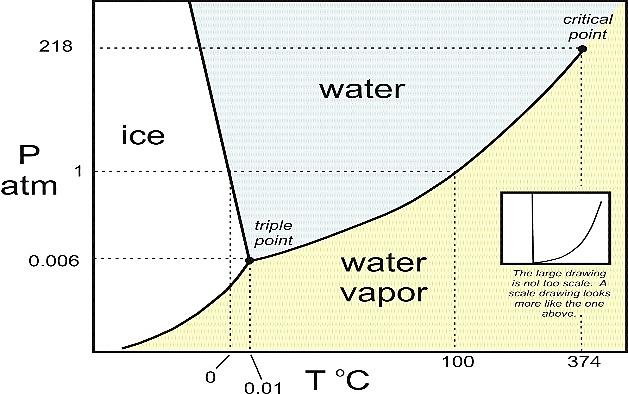
Feedback: As the pressure decreases, the boiling point of water also decreases. At lower
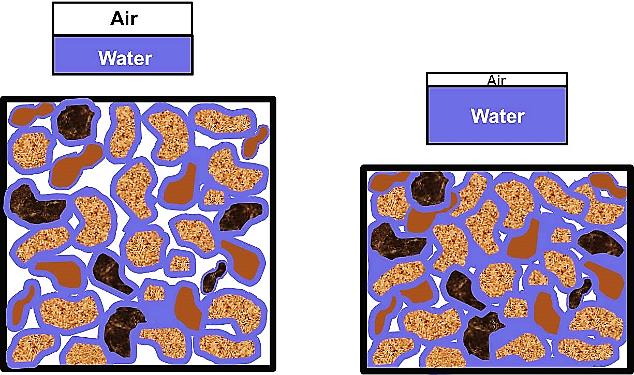
pressure, water molecules require less energy
to escape the liquid state and transition into
vapor. This is why water can boil at lower
temperatures at higher altitudes where
atmospheric pressure is lower.
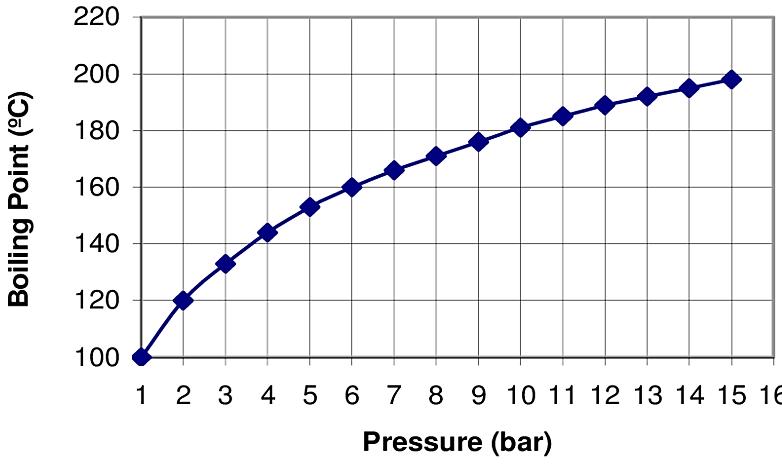
689. At 1 atmosphere total pressure water o cannot be heated above 100-------------------------------------------------------------- C. At that
temperature water is converted to steam
(vapor), water can be heated to higher
temperatures by: --------------------------------------------------------------
a) Increasing the pressure. 692. In which of the following climates will b) Decreasing the pressure. chemical weathering be most rapid? c) Increasing the temperature. a) Hot and dry.
b) Hot and humid.
Feedback: Water at 1 atmosphere of pressure c) Cold and dry. (standard atmospheric pressure) boils at d) Cold and humid. 100°C. To heat water to higher temperatures
while it remains in the liquid state, you would Feedback: Chemical weathering is the process need to increase the pressure. This is why of breaking down rocks by chemical reactions.
pressure cookers, which increase the pressure These reactions are more likely to occur in hot
inside the cooking vessel, allow water to reach and humid climates because the water
higher temperatures before boiling. molecules can dissolve the minerals in the
-------------------------------------------------------------- rocks. In addition, the heat in hot climates also
690. Excessive clay in soil will result in poor speeds up the chemical reactions.
drainage. --------------------------------------------------------------
a) True 693. Mechanical weathering produces: b) False a) Clay minerals.
b) Quartz.
Feedback: Clay particles have small sizes and c) Smaller particles. tend to pack closely together, creating a dense d) Calcium carbonate. structure with limited pore spaces. This
compacted structure reduces the movement of Feedback: Mechanical weathering involves the water through the soil, leading to poor drainage physical breakdown of rocks into smaller
and increased water retention. As a result, soils particles without changing their chemical
136
composition. This can occur through processes in the rock cycle. It breaks down large rocks into
like frost wedging, abrasion, and exfoliation. smaller pieces, which can then be transported
The result of mechanical weathering is the and deposited to form new sedimentary rocks.
production of smaller rock fragments and Weathering also helps to create soil, which is
particles. essential for plant growth.
--------------------------------------------------------------
696. Soil is composed of ____________. a) Organic matter produced by organisms. b) Fragments of bedrock. c) Clay minerals formed by the chemical

alteration of bedrock.
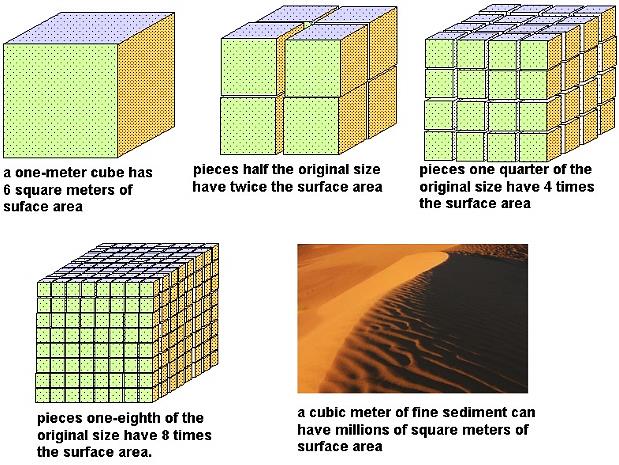
d) All of these.
Feedback: Soil is composed of organic matter produced by organisms, fragments of bedrock,
and clay minerals formed by the chemical
alteration of bedrock. Organic matter includes
dead and decaying plants and animals, as well
-------------------------------------------------------------- as the waste products of organisms. It provides nutrients for plants and helps to improve soil 694. When liquid water freezes: structure. Fragments of bedrock are the result a) It does not change in volume. of physical weathering processes, such as b) It expands by 5% in volume. erosion and temperature changes. They can be c) It expands by 9% in volume. of different sizes, from sand grains to boulders. d) It decreases in volume. Clay minerals are formed by the chemical alteration of bedrock. They are very small Feedback : The more common understanding particles that have a high surface area. This of the expansion of water when it freezes is due allows them to hold water and nutrients, which to the hydrogen bonding between water makes them important for plant growth. molecules. Unlike many substances, the solid
form of water (ice) is less dense than its liquid
form. This expansion happens because the
arrangement of water molecules in the solid
state forms a hexagonal lattice structure with
open spaces, creating a less compact
arrangement than in the liquid state.
This expansion is why ice floats on water, as it's
less dense and occupies more volume. It's also
why freezing water can be damaging to pipes,
containers, and other structures, as the
expansion can cause them to crack or rupture.
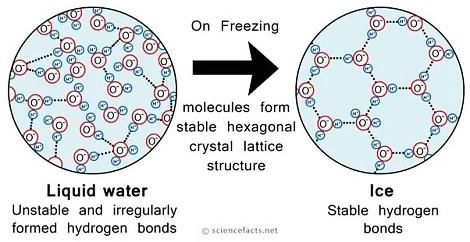
--------------------------------------------------------------
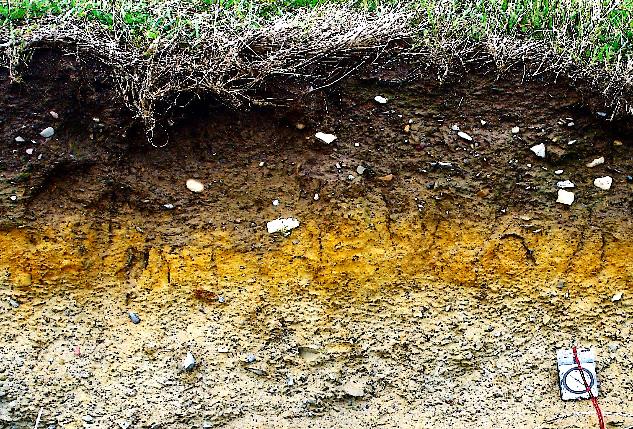
697. Which of the following statements
about weathering is FALSE?
a) Rocks of different compositions weather at
different rates.
b) Heat and heavy rainfall increase the rate of
chemical weathering.
c) The presence of soil slows down the
-------------------------------------------------------------- weathering of the underlying bedrock. 695. What is the term for the general d) The longer a rock is exposed at the surface,
process by which rocks are broken down at the more weathered it becomes. the Earth's surface?
a) Deposition. Feedback: Soil is actually a product of b) Erosion. weathering. Soil actually accelerates c) Lithification. weathering of underlying bedrock due to the
d) Weathering. presence of water, gases, and organic acids.
The other statements are true.
Feedback: Weathering is the general process --------------------------------------------------------------
by which rocks are broken down at the Earth's 698. Which of the following minerals has a surface. It is caused by physical and chemical low solubility and therefore is least
processes, such as temperature changes, susceptible to chemical weathering at the
pressure changes, and the presence of water Earth's surface? and acids. Weathering plays an important role
137
a) Calcite. c) 10 % b) Plagioclase. d) 25 % c) Quartz.
d) Olivine. Feedback: Carbon dioxide is a trace gas in the
Earth's atmosphere, making up about 0.04% by
Feedback: Quartz is the most resistant mineral volume. It is a greenhouse gas that traps heat
to chemical weathering at the Earth's surface. It in the atmosphere, contributing to climate
is a hard, durable mineral that is not easily change. Carbon dioxide levels in the
dissolved by water or acids. Quartz is also atmosphere have been increasing since the

resistant to thermal expansion and contraction, Industrial Revolution, due to human activities
which makes it less likely to crack due to such as burning fossil fuels and deforestation.
temperature changes. Quartz is a common This increase in carbon dioxide levels is one of
mineral in many different types of rocks, the main causes of climate change. including igneous rocks, metamorphic rocks,
and sedimentary rocks.
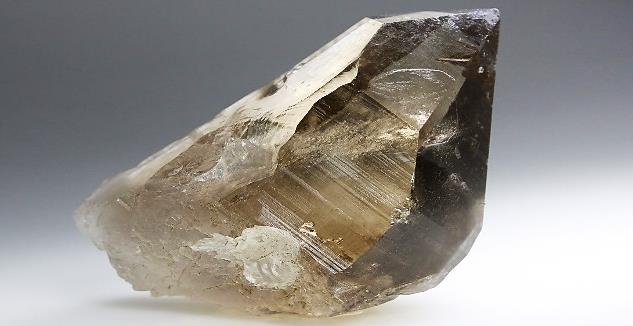
-------------------------------------------------------------- --------------------------------------------------------------
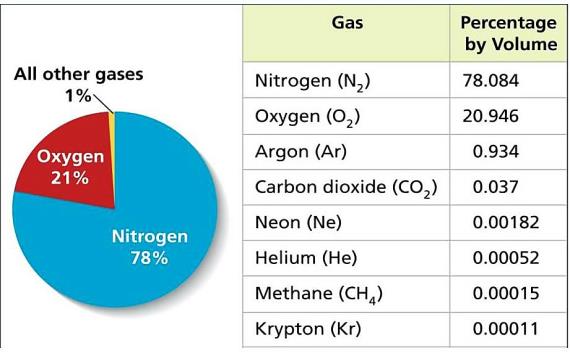
699. The rate of chemical weathering is 702. Carbonic acid, the primary agent of
increased by acids. The most common chemical weathering is produced by _____.
natural acid on the Earth's surface is ____ . a) Carbon dioxide dissolving in rainwater.
a) Nitric. b) Plant roots. b) Hydrochloric. c) Bacteria that feed on plant and animal c) Carbonic. remains. d) Sulfuric. d) All of these.
Feedback: Carbonic acid is the most abundant Feedback: Carbonic acid is the primary agent and important natural acid that increases the of chemical weathering. It is produced by the
rate of chemical weathering on the Earth's dissolution of carbon dioxide in rainwater, the
surface. Carbonic acid is formed when carbon release of carbon dioxide by plant roots, and
dioxide from the atmosphere or soil air the release of carbon dioxide by bacteria that
dissolves in water: feed on plant and animal remains. Carbonic
CO2 + H2O ֖ H2CO3 acid is a weak acid, but it is strong enough to
Carbonic acid reacts with and dissolves silicate dissolve many minerals, including calcite,
minerals in rocks during chemical weathering. dolomite, and feldspar. Chemical weathering by
-------------------------------------------------------------- carbonic acid is important in the formation of
700. Which of these is least likely to form a soil and caves.
clay mineral during weathering? --------------------------------------------------------------
a) Feldspar. 703. Which of the processes is NOT an b) Quartz. example of chemical weathering? c) Amphibole. a) Dissolution of calcite. d) Olivine. b) Breakdown of feldspar to form clay.
c) Splitting of a rock along a fracture.
Feedback: Quartz is the least likely to form a d) Rusting of a nail. clay mineral during weathering. Quartz is a very
stable mineral and is resistant to chemical Feedback: Splitting of a rock along a fracture is weathering processes that lead to the formation not an example of chemical weathering; it is a
of clay minerals. In contrast, minerals like mechanical or physical process. This type of
feldspar, amphibole, and olivine are more weathering occurs when rocks break or fracture
susceptible to weathering and can break down due to physical forces such as temperature
to form clay minerals under certain conditions. changes, frost action, pressure, or impacts.
-------------------------------------------------------------- --------------------------------------------------------------
701. Carbon dioxide makes up about 704. Caves are most likely to form in which
_______ of the Earth's atmosphere. of the following rock types?
a) 0.04 % a) Granite. b) 1 % b) Limestone.
138
c) Basalt. weathered, it is broken down into smaller
d) Sandstone. pieces of granite, as well as sand and silt. When
granite is chemically weathered, the feldspar
Feedback: Caves are most likely to form in and ferromagnesian silicates in the rock are
limestone rock. Limestone is a sedimentary broken down into clays and ions dissolved in
rock primarily composed of calcium carbonate. water. It is soluble in slightly acidic groundwater, which --------------------------------------------------------------
can lead to the formation of underground caves 707. The deep red color of soils found in through a process called dissolution. Over time, warm, humid regions, caused by ______.

water can dissolve the limestone and create a) Reduced iron oxides. intricate cave systems. Granite, basalt, and b) Oxidized iron oxides. sandstone are less likely to form caves through c) Quartz. this dissolution process. d) Feldspar.
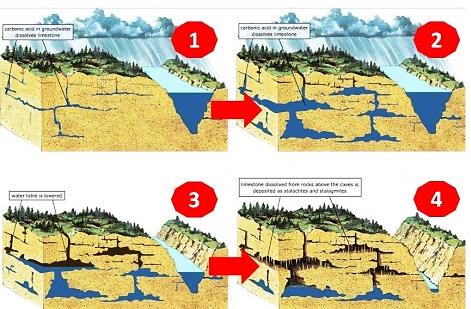
Feedback: The deep red color of soils found in warm, humid regions is typically caused by
oxidized iron oxides. These iron oxides,
commonly referred to as "rust," can give the soil
a reddish hue when they are exposed to oxygen
and undergo oxidation. This process is
especially prevalent in regions with warm and
humid conditions, where the breakdown of
minerals in the soil results in the release of iron
ions that can readily react with oxygen in the
presence of water to form the characteristic red
-------------------------------------------------------------- iron oxide color. 705. As a rock breaks into smaller pieces,
the surface area to volume ratio ______.
a) Increases.
b) Decreases.
c) Stays the same.
d) Can increase or decrease depending on the
size of the pieces.
Feedback: As a rock breaks into smaller pieces, the surface area to volume ratio
increases. This is because the surface area of -------------------------------------------------------------- the smaller pieces becomes relatively larger 708. Which of the following factors would compared to their volume. This increase in increase the rate of weathering? surface area can lead to more efficient chemical a) Increasing rainfall. weathering processes, as there is more b) Increasing temperature. exposed surface area for chemical reactions to c) Increasing organic activity. take place. d) All of these.
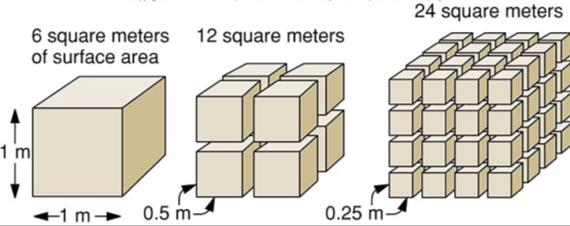
Feedback: The rate of weathering is increased by increasing rainfall, increasing temperature,
and increasing organic activity. These factors
increase the amount of water, energy, and
acids available for chemical weathering
706. The physical and chemical weathering weathering, with some rocks being more of a granite will produce ________. resistant to weathering than others. a) Ions dissolved in rainwater and soil water. -------------------------------------------------------------- -------------------------------------------------------------- weathered also plays a role in the rate of reactions to occur. The type of rock being
b) Mineral fragments and granite fragments. 709. The major source of aluminum metal, c) Clays and iron oxides. _______, is a clay-rich ore composed of d) All of these. aluminum hydroxide. a) Hematite. Feedback : The physical and chemical b) Bauxite. weathering of granite will produce ions c) Kaolinite. dissolved in rainwater and soil water, mineral d) Montmorillonite. fragments and granite fragments, and clays and iron oxides. When granite is physically
139
Feedback: Bauxite is the major source of general term for the mixture of mineral particles,
aluminum metal. It is a clay-rich ore composed organic matter, and other components in the
of aluminum hydroxide minerals, along with upper layer of the Earth's surface. various impurities. Bauxite is the primary --------------------------------------------------------------
source for the extraction of aluminum, which is 712. Which of the following minerals is most a widely used metal in various industries. stable at the Earth's surface? Hematite is an iron ore, while kaolinite and a) Hematite. montmorillonite are types of clay minerals but b) Mica. not the major sources of aluminum metal. c) Olivine.

d) Feldspar.
Feedback: Hematite, with the chemical formula Fe 2O3 is a mineral that forms at high temperatures and pressures, but is also very
stable at the Earth’s surface. Hematite is resistant to chemical weathering and does not
dissolve easily in water or acids. Hematite is
also one of the most common minerals in soils
-------------------------------------------------------------- and sediments. +3 710. Fe refers to ________. a) Iron metal. b) Ferrous iron. c) Ferric iron. d) Hematite.
Feedback: Fe+3 refers to ferric iron, which is iron in its +3 oxidation state. This means that
in a positive charge of +3. It is commonly 713. A substance that releases hydrogen +3 denoted as Fe and is associated with ions (H the iron atom has lost three electrons, resulting --------------------------------------------------------------
+) to a solution is called a(n) ______.
compounds and minerals containing iron in this a) Oxidizer. oxidation state. Hematite, for example, is an b) Reducer. iron oxide mineral that contains ferric iron and c) Acid. is often referred to as Fe2O3, where the 3 d) Pedalfer. indicates the oxidation state of the iron. Ferrous
iron (Fe+2) refers to iron in its +2 oxidation state. Feedback: A substance that releases
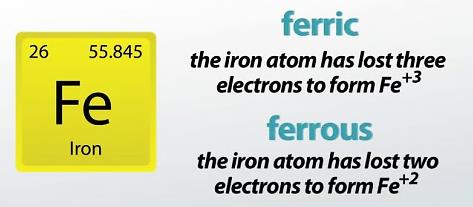
hydrogen ions (H+) to a solution is called an acid. Acids are characterized by their ability to
donate protons (H+ ions) to other substances, which results in the formation of hydronium ions
(H3O+) in aqueous solutions. This release of hydrogen ions is what gives acids their
characteristic properties, such as sour taste
and the ability to react with bases.
--------------------------------------------------------------
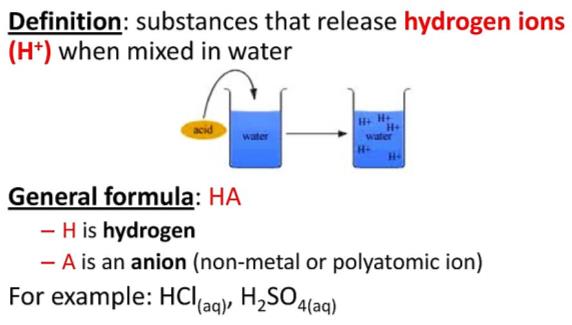
711. What is the term geologists use for the
layer of loose, heterogeneous weathered
material lying on top of the bedrock?
a) Humus.
b) Laterite.
c) Regolith.
d) Soil.
Feedback: Geologists use the term "regolith" to
refer to the layer of loose, heterogeneous -------------------------------------------------------------- weathered material that lies on top of the 714. Which of the following farming bedrock. This layer includes various sizes of practices helps to prevent the erosion of particles, such as rock fragments, minerals, and topsoil? organic matter. It is the result of weathering a) Plowing a field perpendicular to the contour processes acting on the bedrock over time. lines. Humus refers specifically to the organic b) Plowing a field parallel to the contour lines. component of soil, laterite is a type of soil c) Plowing a field in the direction that the water formed in tropical climates, and soil is a more drains.
140
d) None of these will help prevent soil erosion. dissolved minerals, and pedalfers (d) are soils
rich in aluminum and iron oxides.
Feedback: Plowing a field parallel to the --------------------------------------------------------------
contour lines is a farming practice that helps 717. Which of the following minerals found prevent the erosion of topsoil. This practice is in a granite is not altered by chemical
known as contour plowing. By plowing along weathering? the contour lines, water runoff is slowed down a) Biotite. and directed horizontally along the slope, b) Feldspar. reducing the speed and erosive power of the c) Magnetite. water. This helps to prevent the loss of topsoil d) Quartz. through erosion. Plowing a field in the direction

that the water drains (c) can exacerbate Feedback: Quartz is the mineral found in erosion, and plowing perpendicular to contour granite that is not significantly altered by
lines (a) is less effective at preventing soil chemical weathering. Quartz is a very durable
erosion. mineral that is resistant to most chemical
reactions that commonly occur during
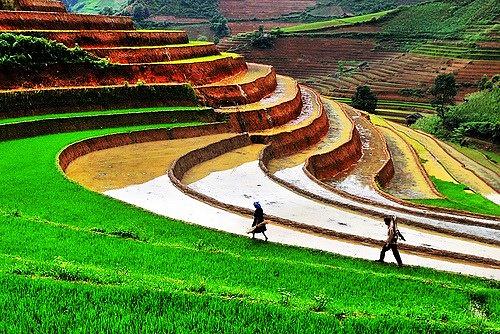
weathering processes. While other minerals
like biotite and feldspar in granite are more
susceptible to chemical weathering, quartz
remains relatively stable and is often one of the
last minerals to be weathered in geological
processes.
--------------------------------------------------------------
715. In the atmosphere, carbonic acid forms
from the reaction of carbon dioxide and ___.
a) Fossil fuels.
b) Nitrogen.
c) Oxygen.
d) Water.
Feedback -------------------------------------------------------------- : Carbon dioxide dissolves in water, Which of the following factors would 718. forming carbonic acid through the following increase the chemical weathering rate? reaction: a) Increasing rainfall. CO 2 + H 2 O ֖ H 2 CO 3 b) Increasing temperature. c) Increasing organic activity. d) All of these.
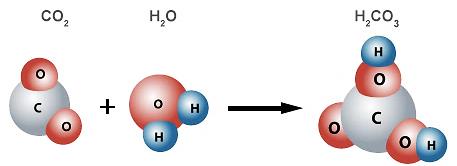
Feedback: Increasing rainfall, increasing temperature, and increasing organic activity