

The Desclergues of la Villa Ducal de Montblanc, Second Edition Omnibus by Nico Declercq - HTML preview
Download the book in PDF, ePub, Kindle for a complete version.
Don Alonso de Mendoza of the council of war in Flanders, Castilian, governor, and captain-general of the citadel, and the town of Cambrai (’Cambray’), in the county and country of Cambresis (’Cambressis’), certified it in Cambray on February 29, 1598.
Field Master (’Maestro de Campo’) Ruis del Villar, certified it in Maubeuge (’Manbeuge’) on March 2, 1598.
Francisco del Arco, captain of the Spanish infantry, from the Tercio of the Field Master (’Maestro de Campo’) Ruis del Villar, certified it on March 3, 1598.
Captain Alonso de Ribera, sergeant major from this Tercio, certified it in Brussels on March 20, 1598.
Iñigo Distaola, captain of this same Tercio Spanish infantry, certified it in Kortrijk (’Cortre’) on December 5, 1598.
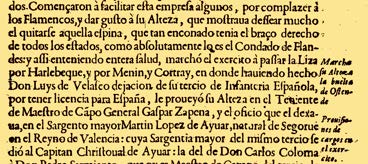
The Governor Simón Antúnez, Master de Campo of the Spanish Infantry, certified it in Tournai (’Tornay’) on May 8, 1605. Simón Antúnez is also described in Figure 29.7 on page 370 and resided in Tournai, just like Jeroni Desclergue.
It can be found in ’Histoire De La Ville Et Cité De Tournai, Capitale Des Nerviens Et Premier Siége De La Monarchie Françoise, published in 1750’ , that Philippe de Croy, a General in de Spanish army and also Comte de Solre and Marquis de Renti, served as 57Manuel Herrero Sanchez, "IX. Defender la Patria y defender la Religión: las milicias urbanas en los Países Bajos Españoles, 1580-1700."
© 2024 Nico F. Declercq
The Desclergues of la Villa Ducal de Montblanc, 2nd ed., Omn., VOL. II
29.5. THE CAREER OF JERONI DESCLERGUE 1587-1604
389
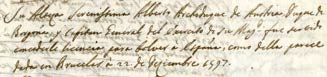
governor of Tournai from 1596 onwards. Jeroni Desclergue was temporarily released from his duties on December 22, 159758.
On January 14, 1598, Jeroni ’s captain Diego de Durango offered him, in Brussels, a remarkable diploma of recognition for all his military achievements, as can be found in the reference mentioned earlier by Santiago Alberti. It must have been at ’Hof van Brussel’ (Paleis op de Koudenberg, Brussels), after which the Declercq family would later also name their farm at Wielsbeke.
The Treaty of Vervins of May 2, 1598, had ended the war between France and Spain, making Tournai a safer place. André Woestijn59
writes that Harelbeke, for instance, had a plague outbreak in the period 1597-1599. This may have contributed to a decision to reside in Tournai rather than the area Kortrijk-Harelbeke-Deerlijk. We assume he took other duties in Tournai, but he returned to Spain and arrived in Barcelona on October 14, 1598. We also refer to Chapter 29.8.
Indeed, thanks to higher administrative positions, it was around that time that Jeroni was capable of establishing good relations with families at Kortrijk, Tournai, and areas with trade links to Tournai, such as Lille, Valenciennes, and other regions. His descendants would highlight those bonds in the decades to come through marriages and the chapel’s construction at Deerlijk by his son Antoni (DC06), described in Chapter 34, Chapter 34.5.16, and Chapter 49.
29.5.26 Short Career in Barcelona and Membership of the Corts 1598-1602
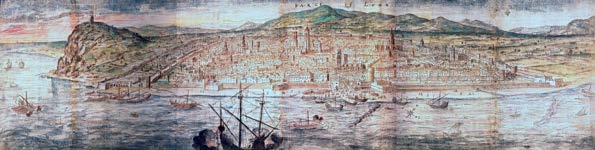
Jeroni Joan Desclergue y Cortés (DC05) arrived in Barcelona, depicted in Figure 29.95 on page 414, on October 14, 1598. As detailed in Chapter 8.10, the Spanish Road at that time either ran from Brussels to Namur, Luxembourg, Epinal, Baume-les-Dames, Champagnole, St. Claude, Pont de Gressin, Bourg-St-Maurice, Aosta, Milan, Genoa, and Barcelona; or alternatively from Brussels to Namur, Luxembourg, Thionville, Metz, Nancy, Epinal, Baume-les-Dames, Besançon, Arinthod, Annecy, Albertville, Aiguebelle, Turin, Milan, Genoa, and Barcelona. The following year, Desclergue attended the Corts of Barcelona.
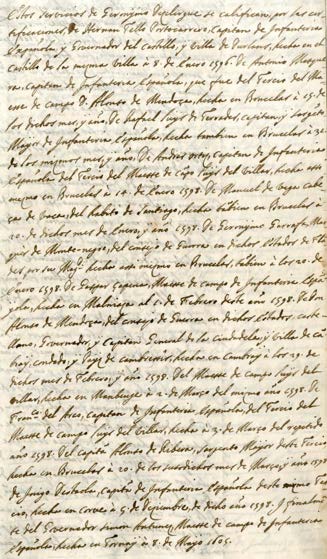
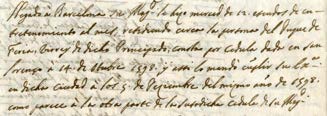
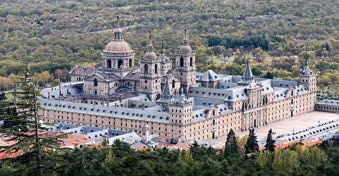
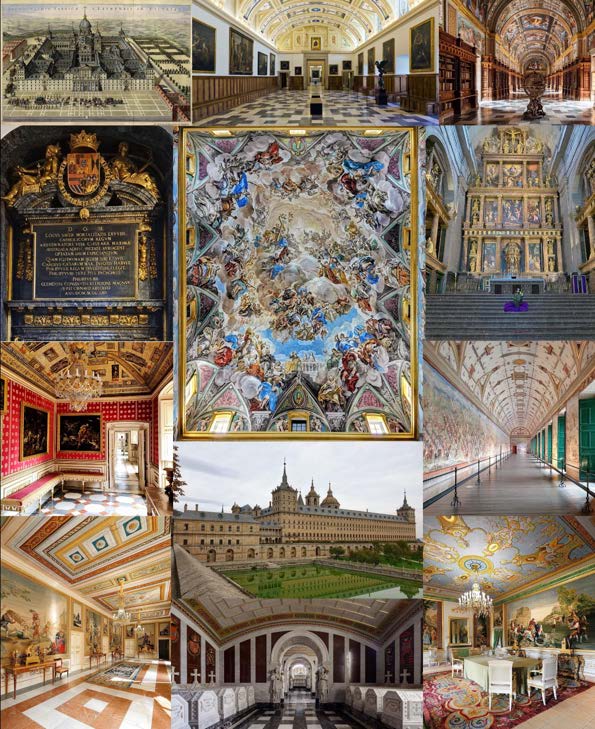
According to the fragment in Figure 29.96 on page 414, upon his arrival in Barcelona, His Majesty immediately granted Desclergue a salary of 12 escudos per month to serve the Duke of Feria, the Viceroy of the Principality. This decision was made by the King at San Lorenzo de El Escorial, depicted in Figures 29.110 and 29.111, on October 14, 1598, and December 5, 1598, respectively.
When Jeroni left for Spain in 1598, he was accompanied by Carlos Coloma, briefly described in Chapter 29.5.2. Coloma became governor of Roussillon (then Catalonia) from 1600 until 1611 and Viceroy of Mallorca from 1611 until 1617. In 1617, Coloma returned to Flanders, and Jeroni’s son Antoni (DC06) joined him, as noted in Chapter 34.5.
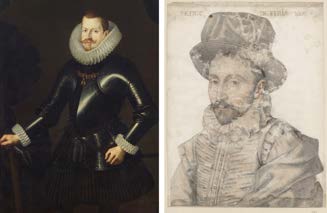
Jeroni served the Viceroy Duke of Feria, Lorenzo Suárez de Figueroa y Córdoba, depicted in Figure 29.100 on page 415. Born in Mechelen, Belgium in 1559 and deceased in Naples in 1607, the second Duke of Feria was the son of Gómez Suárez de Figueroa y Córdoba, the first Duke of Feria, and Jane Dormer, an English Catholic lady-in-waiting to Mary I. The Duke held various positions, including Spanish Ambassador in Rome (1591–1592) and France (1593–1595), Viceroy of Catalonia (1596-1602), and Viceroy of Sicily (1603-1607). During his tenure as Viceroy of Catalonia, Desclergue served him.
Desclergue’s stay in Barcelona allowed him to attend the Corts of 1599 with his father, Bonaventura Desclergue (II) (DC04), and his brother, Francesc Desclergue (DC05e). As noted in Figure 29.97, Jeroni Desclergue was among the Catalan knights who entered the Corts held in Barcelona in 1599.
Jeroni Joan Desclergue y Cortés (DC05) received a noble title from the King of Spain in 1599, maintaining his loyalty to the Crown.
This information is corroborated by various sources, including J. Reglà,60 A. Figueroa y Melgar,61 J. M. Torras Ribé,62 J. C. Rubio
Masa,63 and V. Vázquez de Prada.64
Lorenzo Suárez de Figueroa, the 2nd Duke of Feria, served as Ambassador for Felipe II and Felipe III, Viceroy of Catalonia and Sicily. He lost his position as Viceroy of Catalonia on April 16, 1602, due to a conflict with the Corts.In response to this disruption, Jeroni sent his wife Felipa de Montoya and the children back to Tournai. Those children were Juana Desclergue (DC06c), born 1588
and described in Chapter 29.9.1, Anna Desclergue (DC06f), born in 1595 and described in Chapter 29.9.3, and newborn Antoni Desclergue (DC06), described in Chapter 34 and Chapter 49.
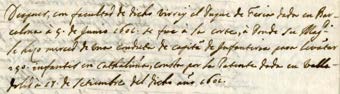
Meanwhile, Jeroni requested a new position in Belgium and was invited by King Felipe III to Madrid for further instructions. On June 2, 1602, he was tasked with recruiting soldiers for Flanders and returned to Tournai when he completed this mission by the end of 1602.
The political conflict leading to the Duke’s dismissal stemmed from his tenure as ambassador to France and the subsequent retreat of Spanish troops from Paris in 1594. After a brief stint in Brussels as a member of the Council of State under Archduke Ernest, the Duke returned to Spain via Italy in 1596, insisting on rewards for his services. Felipe II appointed him Viceroy of Catalonia, where he took office on November 19, 1596, in the Cathedral of Barcelona.
During the final years of Felipe II’s reign, the primary concern was the war with the England-France-Holland coalition, impacting the Pyrenean border, particularly Roussillon and Cerdanya. After Felipe II’s death, the Duke of Feria continued as Viceroy under Felipe III, focusing on the Corts of Barcelona in 1599 and the ongoing war with France. Felipe III stayed in Barcelona from May 18 to July 13, 1599.
In Barcelona, the Corts of Catalonia of 1599 were preceded by H.M. King Felipe III of Spain (II of Aragon), shown in Figure
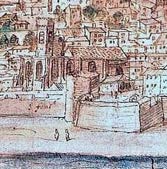
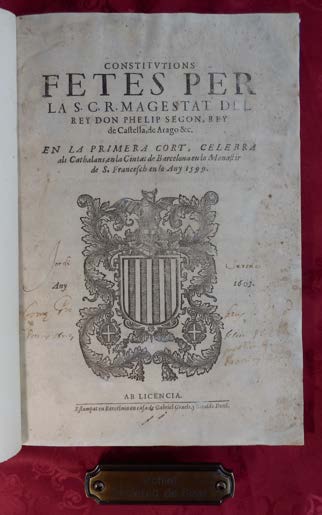
29.100, at the Convent de Sant Francesc, shown in Figure 29.98. At the Corts, the Catalan laws were defined and published in the constitution shown in Figure 29.99.
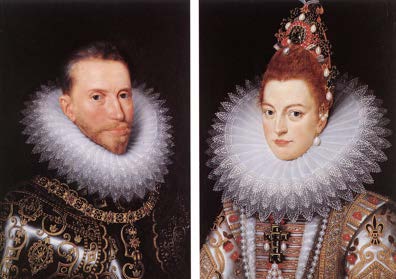
Some attendees and representatives are noted in the context of this manuscript, such as H.R.H. Isabel Clara Eugenia of Spain, Governor of the Netherlands and the Countess of Flanders, Artesis, and Burgundy and also the Duchess of Brabant, Limburg, and Luxemburg; Albert VII of Austria, governor of the Netherlands; and many others. Jeroni Joan Desclergue y Cortés (DC05) appears as ’Jeroni Desclergue i Cortés.’
A significant exchange occurred between the King and the Catalan Corts, with the King receiving substantial financial support from Catalonia in return for ennobling many Catalans, including Desclergue. However, a conflict arose later between the Viceroy and the Corts over specific laws, leading to the Duke’s dismissal on April 16, 1602. The Archbishop of Tarragona succeeded him.
After his tenure in Catalonia, the Duke of Feria became Viceroy of Sicily (1602-1606) and later an ambassador to the Austrian Empire, dying en route between Naples and Rome in January 1607. He is interred at the convent of Santa Clara in Zafra alongside 58Esquema Historic del llinatge Pedrolo, per Santiago Alberti, page 67.
59André Woestijn, in ’Harelbeke in de Spaanse tijd, 1585-1713’ , De Roede van Harelbeke (De Leiegouw), nr 14, 1994
60J. Reglà, Els Virreis de Catalunya, Barcelona, Vicens Vives, 1956, págs. 91 y 102.
61A. Figueroa y Melgar, ’Los Suárez de Figueroa, de Feria y Zafra’ , en Revista de Estudios Extremeños, septiembre-diciembre (1974), págs. 493-524.
62J. M. Torras Ribé, Poder i relacions clientelars a la Catalunya dels àustria. Pere Franquesa (1547-1614), Vic, Eumo Editorial, 1998, págs. 136-157.
63J. C. Rubio Masa, ’Los Suárez de Figueroa. Memorial del linaje de la Casa de Feria’ , en Intramuros. Boletín del Instituto Suárez de Figueroa (1999), págs. 27-44.
64V. Vázquez de Prada, Felipe II y Francia (1559-1598). Política, Religión y Razón de Estado, Pamplona, Ediciones Universidad de Navarra, 2004, págs. 97-99 y 372-457.
The Desclergues of la Villa Ducal de Montblanc, 2nd ed., Omn., VOL. II
© 2024 Nico F. Declercq
CHAPTER 29. JERONI JOAN DESCLERGUE Y CORTÉS (DC05) & FELIPA DE MONTOYA
his second wife, Isabel de Mendoza, and his first-born son Íñigo.
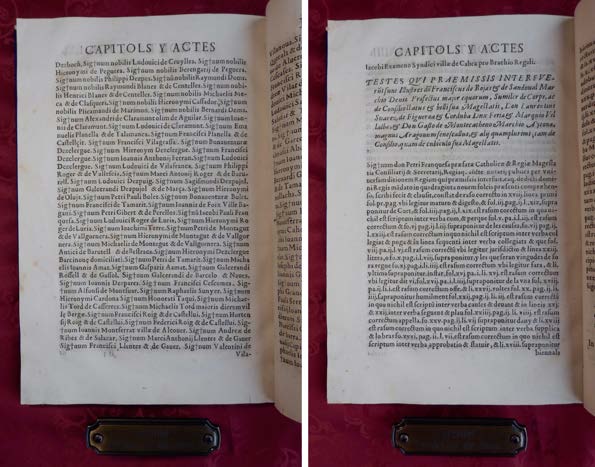
Figure 29.101, on page 416, of the Catalan constitution of 1599, published in 1603, lists significant figures including Bonaventura Desclergue (DC04), Jeroni Desclergue (’Hieronymus Dezclergue’) (DC05), Francesc Desclergue (DC05e), Luis Desclergue (DC02dy2y2), and Jeroni Desclergue (’Hieronymus Dezclergue Barcinone domiciliati’) (DC02dy2y1). This indicates that Jeroni Joan Desclergue y Cortés (DC05), recently returned from Flanders, had not stayed long enough to be considered an inhabitant of Barcelona in 1599.
Instead, Jeroni (DC02dy2) was noted as a resident to distinguish him from our Jeroni (DC05).
On page ’CAPITOLS Y ACTES DE CORT. FOL. LXV,’ depicted in Figure 29.101 on page 416, Lorenzo Suárez de Figueroa, the 2nd Duke of Feria, is noted for guiding Jeroni Joan Desclergue y Cortés (DC05) into the Corts of Barcelona in 1599. Notably, Alfonso Coloma de Saa, the brother of Jeroni’s friend Carlos Coloma, was the Bishop of Barcelona from 1599 until 1603.
29.5.27 His Stay in Tournai 1602-1604
The Parish of Mary Magdalene in Tournai, long after the dissolution of the Knights Templar, remained a significant emblem of the Templar legacy. Established by the Templars during the height of their influence in medieval Europe, this church embodied the spiritual and social endeavors of the order. Renowned for their role in the Crusades and their extensive network of monastic communities, the Templars left an indelible mark on the regions they touched. By the early 17th century, the vestiges of Templar influence continued to attract individuals like Jeroni Desclergue, whose familial ties to the Templars and personal affinities drew him to the Parish of Mary Magdalene during his stay in Tournai from 1602 to 1604.
The Knights Templar established numerous religious and medical institutions throughout Europe and the Holy Land. Their founding of churches and hospitals often served both spiritual and practical purposes, providing sanctuaries for pilgrims and support for local communities. The Parish of Mary Magdalene in Tournai, believed to have been founded by the Templars, exemplifies this dual mission. Its dedication to Mary Magdalene, a figure revered by the Templars for her symbolic connection to penance and redemption, underscores the order’s spiritual aspirations.
Jeroni Desclergue’s stay in Tournai was marked by his profound connection to the Parish of Mary Magdalene, a church steeped in Templar history. His decision to link himself with this parish was influenced by his familial ties to the Templars and the enduring appeal of the Templar legacy in the early 17th century. As a relic of Templar influence, the Parish of Mary Magdalene provided Jeroni with a meaningful and inspiring environment, reflecting the enduring power of the Templars’ spiritual and cultural contributions. Likely, it inspired him to join the military efforts to liberate Ostend, a task that would lead to his death in 1604.
As detailed in Chapter 29.5.26, the arrival of Felipa de Montoya in Tournai in June 1602 marks a significant event in our historical narrative. This was a time when Jeroni Joan Desclergue y Cortés (DC05) had returned to Barcelona to fulfill his duty of recruiting soldiers before his eventual return to Flanders. The Flight from Egypt panel, depicted in Figure 49.76 on page 1014, and described in Chapter 49.4.3.4 on page 990, brought by Antoni Desclergue (DC06) from Spain to Flanders, is believed to reference this event in his early life, when his mother, Felipa, fled Spain with her brother and child. This intriguing event sets the stage for our further exploration.
At that time, the Spanish Road, described in Chapter 8.10, ran from Milan to Mea, Aoste, Bourg-St-Maurice, Pont de Gressin, St Claude, Champagnole, Baume-les-Dames, Epinal, Luxemburg, Namur, Brussels. Alternatively, it ran from Milan to Lugano, Bedinzona, St Gottard, Luzern, Baden, Rupt-Sur-Moselle, Epinal, Nancy, Luxemburg, Namur, Brussels.
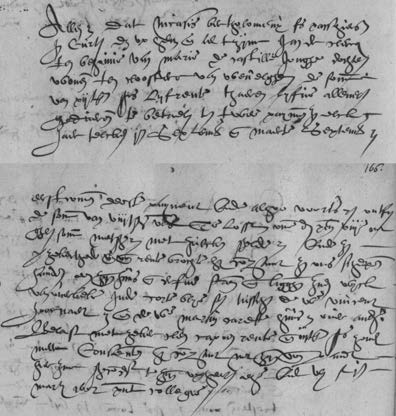
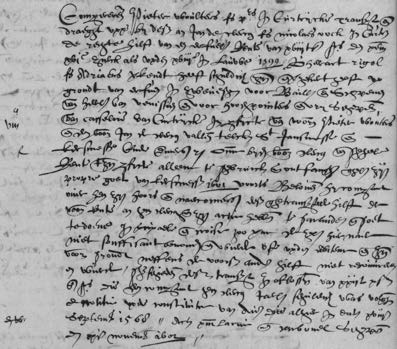
The return of Jeroni Desclergue and Felipa de Montoya in 1602 is not just a mere mention in our research. It is substantiated by several documents meticulously preserved in Kortrijk, as shown in Figure 29.114 on page 421, and Figure 29.115 on page 421. This careful documentation ensures the accuracy and reliability of our historical findings.
The specific order to recruit soldiers was given by H.M. King Felipe III of Spain on June 2, 1602. The soldiers, once recruited, were dispatched from Barcelona harbor on December 12, 1602. It is worth noting the dedication and service of Jeroni (DC05) in this process. He was back in Belgium before the Spring of 1603, having taken the route via Milan, Lorraine, to Belgium, as per his duty.
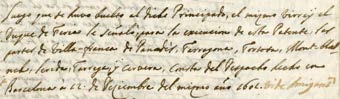
The fragment shown in Figure 29.102 states that when Jeroni, thanks to the influence of the Viceroy the Duke of Feria, went to the Royal court on June 2, 1602, he was requested by His Majesty to recruit 250 infantry soldiers, a request that was later formalized in a patent at Valladolid on September 28, 1602.
The fragment in Figure 29.103 states that the Viceroy, the Duke of Feria, pointed out that Jeroni should only recruit soldiers in Villa-Franca, Panedes, Tarragona, Tortosa, Montblanc, Lerida, Tarrega, and Cervera. The soldiers were dispatched from Barcelona on December 12, 1602.
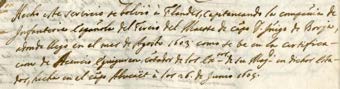
The passage in Figure 29.104 states that Jeroni Desclergue returned to Flanders once his recruiting task ended. He commanded the Spanish infantry company of the Tercio of Maestre de Campo Don Iñigo de Borja and arrived in 1603. Evidence is found in the records of Acencia, the accountant of His Majesty in Flanders, on June 26, 1603.
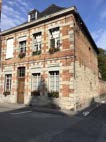
As described above, Jeroni began a civil career in early 1598 in Tournai before going to Barcelona. He likely lived in a home similar to the one shown in Figure 29.107.
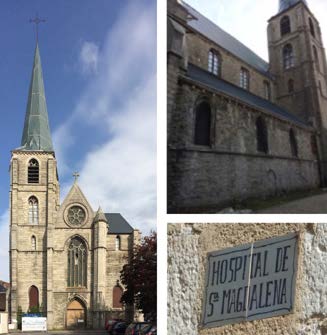
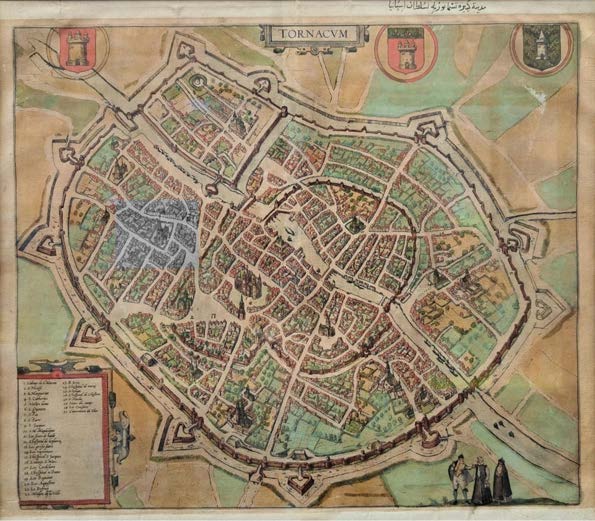
After the family’s return from Spain in 1602-1603, Jeroni and his family stayed in Tournai again. Although Jeroni’s son Antoni Desclergue (DC06) was born in Barcelona, he was baptized and raised the first years of his life in Tournai, near the Maria Magdalena church, shown in Figure 29.106 and on the map in Figure 29.108. The church is located in the northwest corner of the city, near the old city walls, and the gate to the town is on the Schelde River. It is the closest church of Tournai to Kortrijk and Harelbeke-Deerlijk.
Later, after the death of Jeroni, his widow Felipa would return to Tournai to have their second son Miguel Desclergue (DC06b) baptized in Tournai’s emblem of the Knight Templar on September 30, 1605, on the celebration day of Saint Hieronymus, in honor of the father Jeroni (DC05).
In the parish of Marie-Magdalena at Tournai, where Jeroni Joan Desclergue y Cortés (DC05) resided, we have found a few other Spanish and Italian families too. A couple of instances are given below.
Martin Ruis, born on November 11, 1599, folio 27; Francesc Degrado (’François Decrado’), born on June 2, 1601, folio 42; Maria Moreña (’Marie Moregne’), born on november 13, 1601, folio 46; Jacobo Boyana (’Jaques Boyana’), born on December 23, 1603, folio 69; Miguel Credo (’Michel Credo’), born on May 18, 1605, folio 83; Francesc Boyana (’François Boyava’), born on December 21, 1606, folio 97; Simon Moreña (’Simon Morengue’), born on April 8, 1637, folio 145.
29.5.28 His Participation in the Siege of Ostend 1602-1604
After the family’s return from Spain and their subsequent stay in Tournai, Jeroni was summoned to duty in the summer of 1603 to assist in the liberation of Ostend. At that time, Ostend was occupied by English and Dutch forces, posing a significant threat to the safety of Flanders and the well-being of its residents.
© 2024 Nico F. Declercq
The Desclergues of la Villa Ducal de Montblanc, 2nd ed., Omn., VOL. II
29.5. THE CAREER OF JERONI DESCLERGUE 1587-1604
391
A detailed description is given in Chapter 30.6 and Chapter 31.
In August 1603, he commanded, as a captain, a Tercio infantry company of Iñigo de Borja. With this company, he participated in the Siege of Ostend. This Siege lasted from August 1601 until September 27, 1604. Unfortunately, Jeroni died at Oostende on September 4, 1604.65 He was killed by an exploding mine with half of his company while leading an assault.
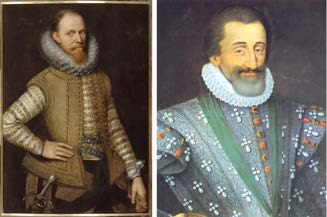
The Siege of Ostend cost around 50000 deaths on both sides. In attempts to break through the defensive walls, mines were prevalent during the siege. Ostend was an island, and assaults only occurred during low tide. Ostend’s battle was a war between Ambrogio Spinola on the Spanish side and Maurits van Oranje on the side of the Dutch States.
Íñigo de Borja Aragón y Velasco (Gandía, 1575 - Brussels, October 31, 1622) was a Spanish nobleman of the House of Borja; he was military, knight of the Order of Santiago and commander of Membrilla in that order. In 1595, he participated as a Spanish infantry soldier in Flanders in the war against France. De Borja went to Flanders in 1603, leading a Tercio of infantry of the Spanish army, consisting of several experienced companies from the Tercio of Lombardy and others from Spain.
After coming to the aid of Balduque (’s Hertogenbosch) in North Brabant, he handed over the Tercio in Ostend, granting another vacant command as described in a further chapter. De Borja would control the departmental Tercio of Holland stationed in Antwerp after the truce between Spain and the Northern Netherlands was signed in April 1609.
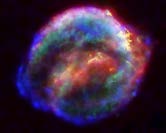
We may assume that Antoni Desclergue (DC06), son of Jeroni (DC05), has always associated the Siege of Ostend and his father’s death with the presence of a supernova in the sky during the disaster, shown in Figure 29.109. Indeed, when Jeroni died in 1604 from a mine blast, coincidently, an event in the sky occurred, supernova SN 1604, first observed by Brunowski and Johannes Keppler, of which one can still watch the remains.
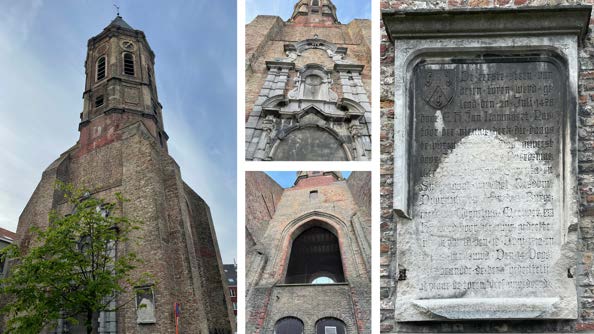
A church tower, also there during the Siege, can still be found in Ostend and is shown in Figure 29.117.
65Esquema Historic del llinatge Pedrolo, per Santiago Alberti, page 67
The Desclergues of la Villa Ducal de Montblanc, 2nd ed., Omn., VOL. II
© 2024 Nico F. Declercq
392
CHAPTER 29. JERONI JOAN DESCLERGUE Y CORTÉS (DC05) & FELIPA DE MONTOYA
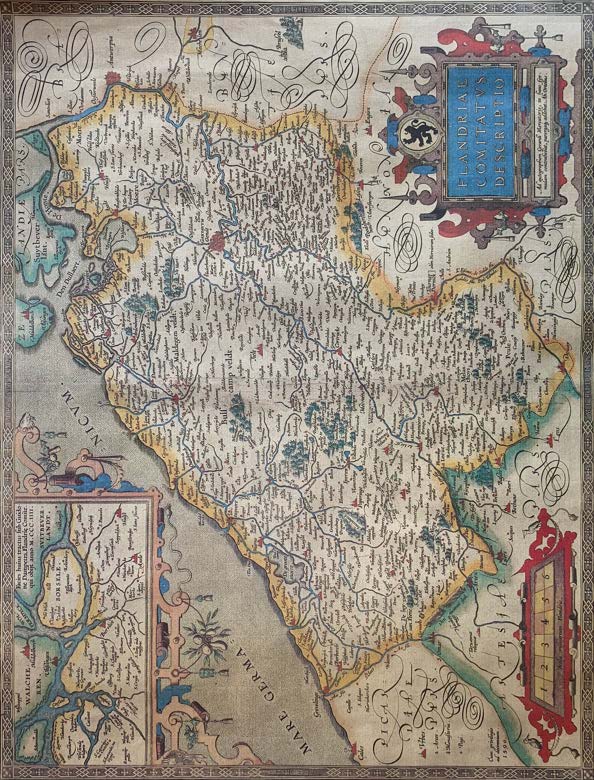
Figure 29.22: A full map of the area ’Flanders’ or ’Flandes’ , by Abraham Ortelius - Flandriae Comitatus Descriptio - 1603.
The ’highways’ then consisted of the rivers Leie and Schelde, as seen on this map. (Declercq de Silva Archive)
© 2024 Nico F. Declercq
The Desclergues of la Villa Ducal de Montblanc, 2nd ed., Omn., VOL. II
29.5. THE CAREER OF JERONI DESCLERGUE 1587-1604
393
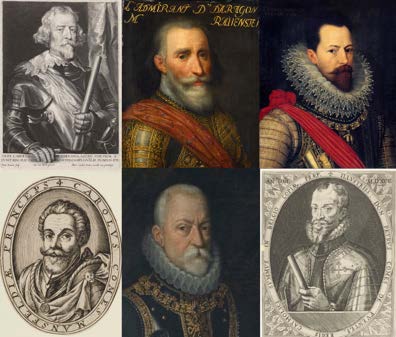
Figure 29.23: In this compilation, we see, from left to right, top to bottom, portraits
of Carlos Coloma, engraved by Paulus Pontius after Anthony van Dyck p; Francisco
Hurtado de Mendoza, by J. A. van Ravesteyn, 1633 p; Alexander Farnese, Duke
of Parma (1545-1592) p; Karel von Mansfeld, born in Mechelen in 1543 and dead
in Comorn in 1594 p; Peter Ernst I von Mansfeld, by Antonio Moro p; and the
count of Fuentes, i.e. ’ Illustrissimus don Petrus Enriques Comes de Fuentes, Regis
Catholici summus in Belgio copiarum Praefectus’ , by Dominicus Custos 1595 p.
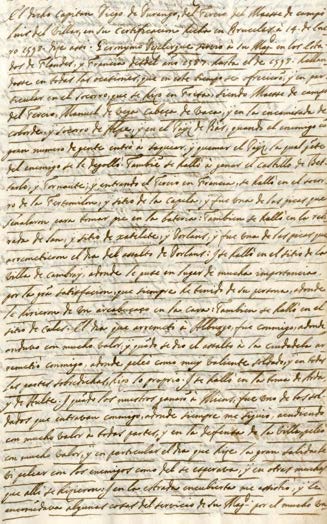
Figure 29.24:
This is a fragment of
a handwritten ’1661 transcript of nobility
letter Francesc de Pedrolo y Desclergue’
by Francesc de Pedrolo y Desclergue (born
in 1641, son of Jacint de Pedrolo and Is-
abel Desclergue y Tous). (Source: Arxiu
Comarcal Urgell Desclergues document 3
page 11 view 3; Courtesy of Arxiu Comar-
cal Urgell and the de Pedrolo family)
The Desclergues of la Villa Ducal de Montblanc, 2nd ed., Omn., VOL. II
© 2024 Nico F. Declercq


394
CHAPTER 29. JERONI JOAN DESCLERGUE Y CORTÉS (DC05) & FELIPA DE MONTOYA
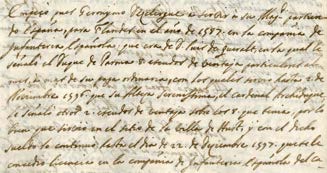
Figure 29.25:
This is a fragment of
a handwritten ’1661 transcript of nobility
letter Francesc de Pedrolo y Desclergue’
by Francesc de Pedrolo y Desclergue (born
in 1641, son of Jacint de Pedrolo and Is-
abel Desclergue y Tous). (Source: Arxiu
Comarcal Urgell Desclergues document 3
page 12 view 1; Courtesy of Arxiu Comar-
cal Urgell and the de Pedrolo family)
Figure 29.26:
This is a fragment of
a handwritten ’1661 transcript of nobility
letter Francesc de Pedrolo y Desclergue’ by
Francesc de Pedrolo y Desclergue (born in
1641, son of Jacint de Pedrolo and Isabel
Desclergue y Tous). (Source: Arxiu Co-
marcal Urgell Desclergues document 3 page
11 view 2a; Courtesy of Arxiu Comarcal
Urgell and the de Pedrolo family)
Figure 29.27:
This is a fragment of
a handwritten ’1661 transcript of nobility
letter Francesc de Pedrolo y Desclergue’ by
Francesc de Pedrolo y Desclergue (born in
1641, son of Jacint de Pedrolo and Isabel
Desclergue y Tous). (Source: Arxiu Co-
marcal Urgell Desclergues document 3 page
11 view 2b; Courtesy of Arxiu Comarcal
Urgell and the de Pedrolo family)
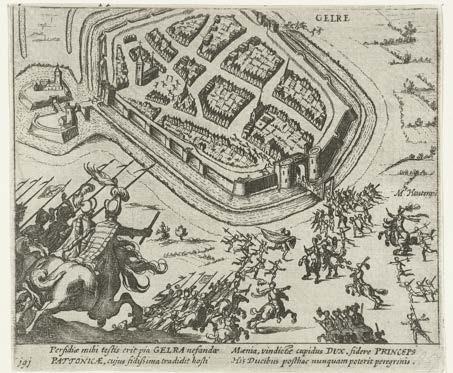
Figure 29.28: The Conquest of Geldern, by betrayal to the Spanish under Haultepenne, on
July 4, 1587. The picture, made between 1587 and 1589, shows Spanish soldiers riding through
the gate. Courtesy of Rijksmuseum Amsterdam, p.
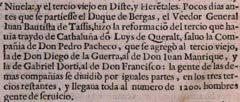
Figure 29.29: A passage on page 28, in the book of
Carlos Coloma, describes how the Catalan troops of Luis
de Queralt are reorganized in preparation for the arrival
of the Spanish Armada.
© 2024 Nico F. Declercq
The Desclergues of la Villa Ducal de Montblanc, 2nd ed., Omn., VOL. II
29.5. THE CAREER OF JERONI DESCLERGUE 1587-1604
395
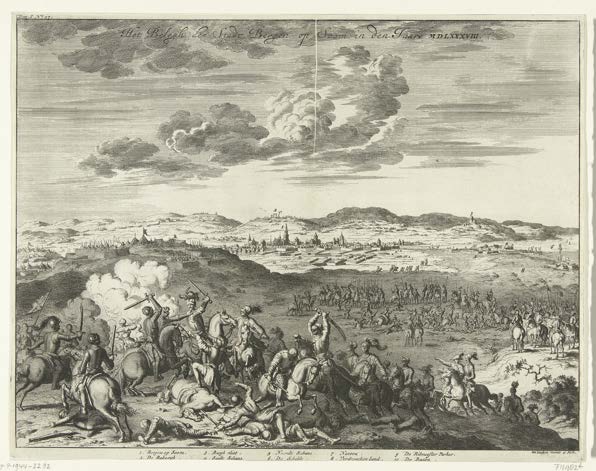
Figure 29.30: Siege of Bergen op Zoom, 1588 by Jan Luyken. In the foreground is a city failure by the Bax brothers. p Figure 29.31:
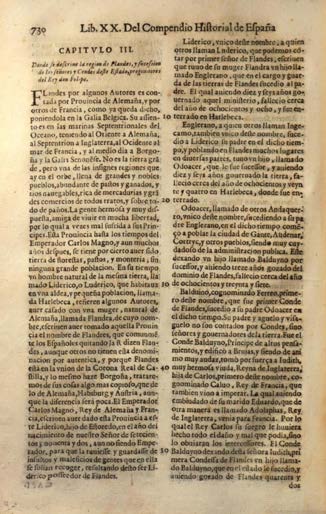
To local inhabitants of
Kortrijk or Harelbeke, it may be surpris-
ing that the Spanish knew both places rel-
atively well. This page in a book by Es-
teban de Garibay y Zamalloaa, published
in 1628, describes both areas in the frame-
work of Spanish history through King Car-
los (Charlequint), who had roots in Flan-
ders. Harelbeke is ’Harlebeca’ , while Ko-
rtrijk is ’Cortryc.’
aEsteban de Garibay y Zamalloa, ’Los
quarenta libros del compendio historial de las
chronicas y vniuersal historia de todos los
reynos de España. Compuestos por Esteuan
de Garibay y Çamalloa ... Tomo primero -
quarto!: Compendio historial de las chronicas
y vniuersal historia de todos los reynos de Es-
paña, donde se escriuen las vidas de los reyes
de Castilla, y Leon. Proseguee tambien la su-
cession de los emperadores occidentales y ori-
entales. Compuesto por Esteuan de Garibay y
Çamalloa, ... Tomo segundo’ , por Sebastian
de Cormellas, Y a su costa, 1628.
The Desclergues of la Villa Ducal de Montblanc, 2nd ed., Omn., VOL. II
© 2024 Nico F. Declercq

396
CHAPTER 29. JERONI JOAN DESCLERGUE Y CORTÉS (DC05) & FELIPA DE MONTOYA
Figure 29.32: A map showing the Leie River between Deinze (East) and Harelbeke (West) around 1694, more than a century after Jeroni Desclergue’ s (DC05) arrival in the area. We assume that the river was not much different, because significant changes occurred in the 20th century. In later chapters we refer to certain details seen on this map, in particular, in Chapter
29.12 and Chapter 49, i.e. Figure 29.208 on page 454 and Figure 49.4 on page 979. The map was taken from the Belgian archives and is described as: AGR, Cartes et plans N° 379/C, Carte du cours de la Lys, depuis Menin jusqu’ à Gand, en trois feuilles marquées A, B, C. Feuille C, haut. 40 cent., larg. 1 mèt. 55 cent.
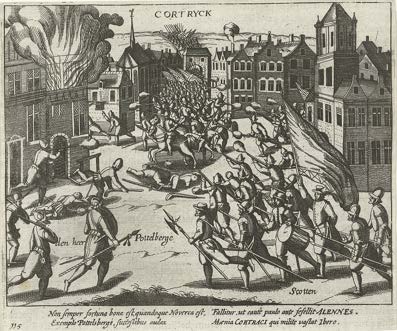
Figure 29.33: Engraving by Frans Hogenberg in 1613-1615, of the conquest of
Kortrijk by ’Malcontenten’ , on February 27, 1580. It can be seen that the ’Mal-
contenten’ fought with the garrisoned Scots on the market. On the left-hand side
in the foreground is Mr Pottelsbergh, the bailiff of Kortrijk. Source: Rijksmuseum
Amsterdam. p
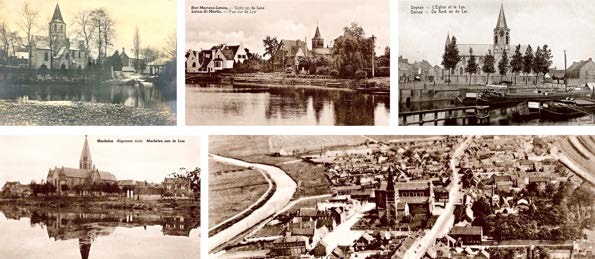
Figure 29.34: From left to right, top to bottom, we encounter the following villages that Jeroni must have seen upon his passage along the Leie River. A Romanesque church along the Leie River at Afsnee still looks like when Jeroni saw it when he passed by boat from Ghent to Kortrijk. At that time, the church of Sint Martens Latem along the Leie River was probably still in a damaged state due to past Religious troubles. The church of Deinze still looks the same. Further, we see the church of Machelen, and, finally, the town of Harelbeke. On that aerial view, the Leie River is visible on the left, whereas Deerlijk is located on the top-right, outside the image.
© 2024 Nico F. Declercq
The Desclergues of la Villa Ducal de Montblanc, 2nd ed., Omn., VOL. II
29.5. THE CAREER OF JERONI DESCLERGUE 1587-1604
397
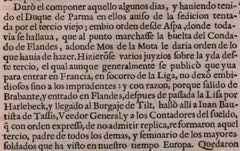
Figure 29.35: Page 57 in the book of Coloma. Spanish
soldiers, including Coloma and Jeroni Joan Desclergue y
Cortés (DC05), arrived in Harelbeke. The Spanish knew
Kortrijk and Harelbeke well, as can be found in Figure
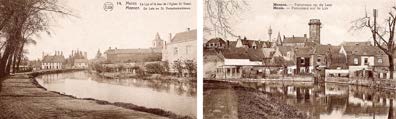
Figure 29.36: Menin along the Leie River.
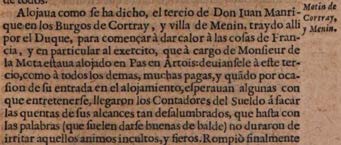
Figure 29.37: A passage in the book of Coloma, page
64.
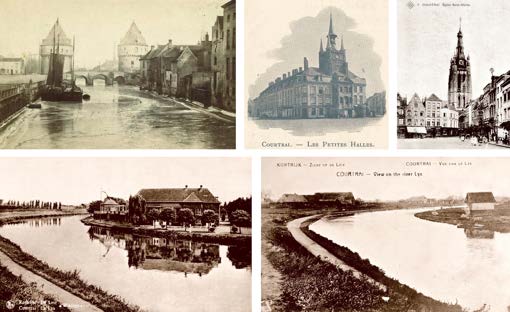
Figure 29.38: The top-row, left is a view on the Broel towers of Kortrijk on a frozen Leie River. In the middle we see the famous cloth hall, built in the 15th century, which included a tower that can still be enjoyed today. Right, we observe the church of Sint Maarten, from the Market Square of Kortrijk. The Leie River acting as a beautiful mirror at Kortrijk. The beautiful curve on the river between Harelbeke and Kortrijk is also seen, before the authorities rectified the stream in the 20th century.
Figure 29.39: Page 83 in the book of Coloma, describing winter of
1589-1590.
The Desclergues of la Villa Ducal de Montblanc, 2nd ed., Omn., VOL. II
© 2024 Nico F. Declercq
398
CHAPTER 29. JERONI JOAN DESCLERGUE Y CORTÉS (DC05) & FELIPA DE MONTOYA
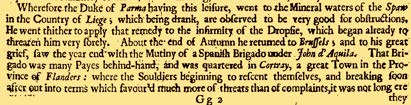
Figure 29.40: Page 227, Book 1, written by Henry of Monmouth, where the mutiny
of Kortrijk is mentioned.
Figure 29.41: A passage, from another version of Coloma’s book, describing
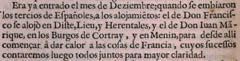
the departure from the area of Kortrijk and Harelbeke via de Leie River by
embarking in Menin, Kortrijk and Harelbeke, end of May in 1590.
Figure 29.42: The Town Hall of Kor-
trijk.
Figure 29.43: At Kortrijk, on the corner of Begijnhofstraat and Kapittelstraat, is a
brick building dating from the seventeenth century. Until 1588 there was the Chapter
School (Kapitel school) and music school. Most of the school was destroyed during the
Protestant occupation of the town (1578-1580). The architecture was characteristic
for the period when Jeroni Joan Desclergue y Cortés (DC05) arrived in Kortrijk.
(Courtesy of Ronny Courtens)
© 2024 Nico F. Declercq
The Desclergues of la Villa Ducal de Montblanc, 2nd ed., Omn., VOL. II

29.5. THE CAREER OF JERONI DESCLERGUE 1587-1604
399
Figure 29.44: location of the home in Figure 29.43 on an ancient map of Kortrijk. It was near the church of ’Sint Maarten’ (Saint Martinus). (Courtesy of Ronny Courtens)
Figure 29.45: Kortrijk, February 1590.
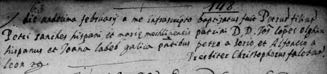
The baptism of Pedro, godson of Don Juan
Lopés Olguín (’Olghun’) who agreed with
the name Pedro, and Alfoncia, was done by
the priest Christophorus Faletus. The fa-
ther was Pedro Sanches from Spain. Two
women were witnesses. One of them was
the mother, namely Maria, a Spanish from
Mechelen and Joanna Labes from Galicia
and originating from the Kingdom of Leon.
Figure 29.46: Kortrijk, February 1590.
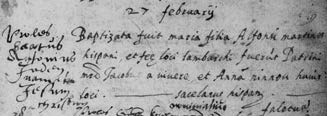
The baptism of Maria, daughter of Alfonso
Martinez from Spain, the godfather was
Jacobo de Rivera (’a rivere’), godmother
was Anna Minuit (’Minnou’) from Kor-
trijk. It was the Minuit family who estab-
lished Mahattan in New York.
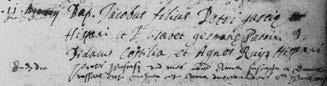
Figure 29.47: Kortrijk, April 1590. The
baptism of Jacobo, son of Pedro Gar-
cia and Elisabet Germana, the godfather
was Didache Costilla, the godmother was
Agnes Ruys from Spain. The same day
there was another baptism of Anna, daugh-
ter of Pascasius Dumes.
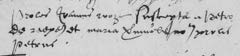
Figure 29.48: Kortrijk, 1590, the baptism of Joan Vandeputte or Du
Puich, son of Egidius, the godfather was Joan Vandeputte, godmother was
Antonia Souza (’Souses’).
The Desclergues of la Villa Ducal de Montblanc, 2nd ed., Omn., VOL. II
© 2024 Nico F. Declercq




400
CHAPTER 29. JERONI JOAN DESCLERGUE Y CORTÉS (DC05) & FELIPA DE MONTOYA
Figure 29.49:
Kortrijk, June 1590.
The baptism of Isabella Alvarez, daugh-
ter of Pedro Alvarez, the godfather was
Luis (’Aloyisius’) de Cantala, godmother
was Beatris Kepelen (very likely from Lor-
raine).
Figure 29.50: Kortrijk, June 1590, the
baptism of Catalina de Medina, daugh-
ter of Juan de Medina, the godfather was
Diego Hernadez, the godmother was Ana
Lopez.
Figure 29.51:
Kortrijk, October 1590,
the baptism of Pedro, the son of Anna and
a soldier. The godfather was Petrus Ver-
hugt; the godmother was Jacoba Van Dy-
cke.
Figure 29.52: Kortrijk, November 1590,
the baptism of Joduca, an illegitimate
daughter of a soldier Luis (’Ludovicus’),
and Judoca Tanghe, the godfather was
Laurentius Van Robays, the godmother
was Judoca Tanghe. The mother, Judoca
Tanghe, baptized the child.
Figure 29.53: Kortrijk, November 1590, the baptism
of Juan de Souza (’Sooza’), the godfather was Pedro de
Zeeger, the godmother was Maria Ximenez, the wife of
Pedro.
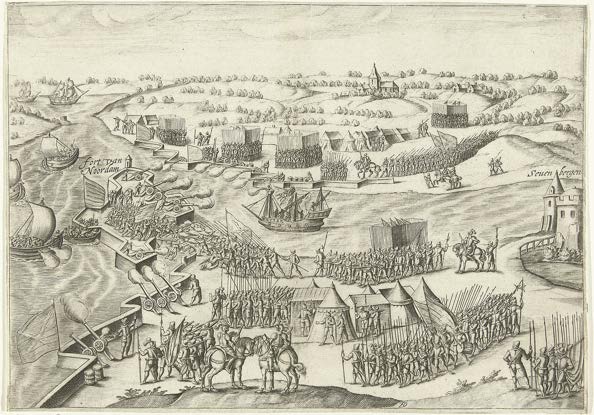
Figure 29.54: Image: Defense of the Fort Noordam in 1590 by Matthijs Helt against the Spanish army of Karel van Mansfeld.
Engraved between 1600 and 1601, source: Rijksmuseum Amsterdam, RP-P-OB-80.103. p
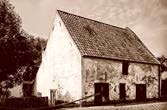
Figure 29.55: Spaans Tolhuis at Plassendale near Oudenburg
© 2024 Nico F. Declercq
The Desclergues of la Villa Ducal de Montblanc, 2nd ed., Omn., VOL. II
29.5. THE CAREER OF JERONI DESCLERGUE 1587-1604
401
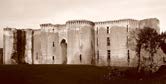
Figure 29.56: Remains of the Ferté-Milon castle after 1594. One can
still visit the ruins today.
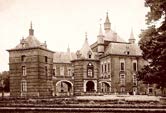
Figure 29.57: The castle of Westerlo, still owned by the family de
Merode.
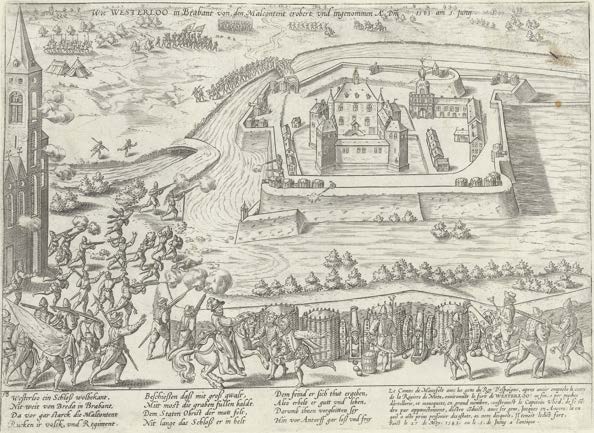
Figure 29.58: The capture, by Mansfeld’s troops, of the castle of Westerlo in 1583. Drawing by Frans Hogenbuerg, around 1585. Courtesy of Rijksmuseum, the Netherlands.
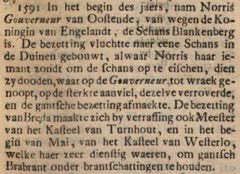
Figure 29.59: The event of 1591, where the castle of
Westerlo had been taken by the Dutch and was liberated
again by Spanish forces, is found on page 185 of Gerard
Onder de Linden, ’Maendelyke uittreksels, of de Boekzael
der geleerde werrelt, Volume 11’ , 1725.
The Desclergues of la Villa Ducal de Montblanc, 2nd ed., Omn., VOL. II
© 2024 Nico F. Declercq





402
CHAPTER 29. JERONI JOAN DESCLERGUE Y CORTÉS (DC05) & FELIPA DE MONTOYA
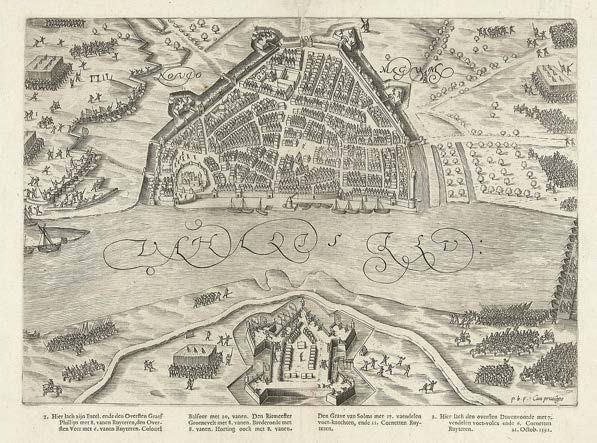
Figure 29.60: The siege of Nijmegen (1591) by Prince Maurice (Rijksmuseum Amsterdam - p)
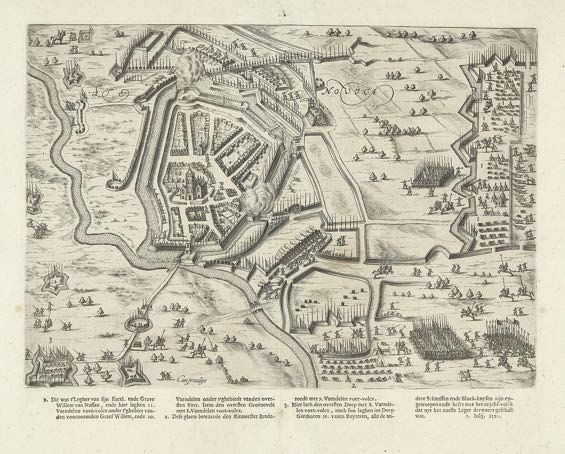
Figure 29.61: Kortrijk, 1591, the bap-
tism of Juan, son of Guillermo Fosa
(’Guilelmus de Vos’), the Godfather was
Juan de Souza (’Johannes Zooza’), the
godmother was Catharina Scherpereel.
Figure 29.62:
Kortrijk, November 12, 1591, Saint
Martinus church, the baptism of Maria de Rycker, daugh-
ter of Egidius de Rycker. The godparents were Gualtiero
de Souza (’Waltere Zooza’) and Maria de Raemers.
Figure 29.63:
Kortrijk, November 20, 1591, Saint
Martinus Church; The baptism of Juana de Souza (’Zos-
sas’), daughter of Juan de Souza.
The godparents
were Anselmus Salvo (’Zalbo’) and Juana de Sousa (’da
zoza’).
Figure 29.64:
Kortrijk, October 29, 1592, Saint Martinus
Church, the baptism of Joana Esteva, the daughter of Francesc
Esteva, a Spanish (Catalan) soldier (’militis Hispana’). God-
father was Joannes Sabbe, and the godmother was Johanna
Pauwels.
Figure 29.65: Kortrijk, 1592, the baptism of Judocus, an illegiti-
mate son of Andres (unknown family name) of a military family, the
godfather was Judocus Simon, the godmother was Guillelma Door-
naert, wife of Judocus Hubba. The mother was likely Margareta
Baert.
© 2024 Nico F. Declercq
The Desclergues of la Villa Ducal de Montblanc, 2nd ed., Omn., VOL. II


29.5. THE CAREER OF JERONI DESCLERGUE 1587-1604
403
Figure 29.66:
Kortrijk, January 29,
1592, Saint Martinus Church. The bap-
tism of Irnerius de Cavalho, son of Juan
de Cavalho (’Joannes de Cavlo’). The
godfather was Irnerius Zuñiga (’Irnerious
Zunina’), godmother was Johanna Verri-
est.
Figure 29.67:
Kortrijk, November 9,
1592, Saint Martinus Church. The bap-
tism of Juan, son of a particular sol-
dier (’cuius milites’), the godfather was
Joannes Vergucht, godmother was Elisa-
beth Guislain (’Gheylens’).
Figure 29.68: The siege of Steenwijk in 1592 by Prince Maurice of Nassau. Courtesy of Rijksmuseum Amsterdam p.
The Desclergues of la Villa Ducal de Montblanc, 2nd ed., Omn., VOL. II
© 2024 Nico F. Declercq
404
CHAPTER 29. JERONI JOAN DESCLERGUE Y CORTÉS (DC05) & FELIPA DE MONTOYA
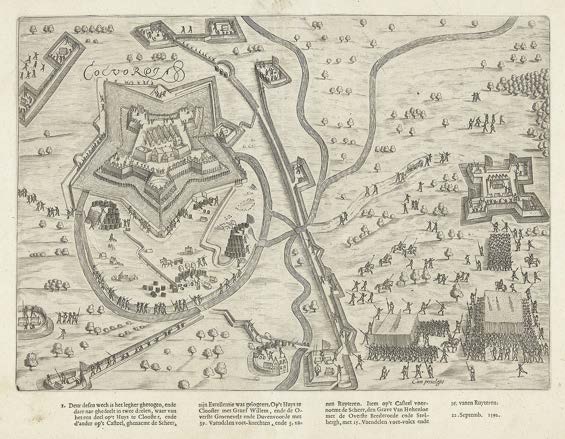
Figure 29.69: The siege of Coevorden in 1592 by Prince Maurice of Nassau. Verdugo had not been able to withstand the Dutch army. This image shows the advancing Dutch troops while the town and the fortifications were still in Spanish hands. Courtesy of Rijksmuseum Amsterdam p.
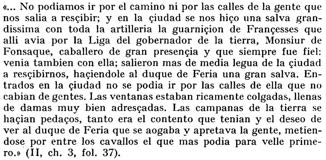
Figure 29.70: Citation from Los Tres li-
bros de la guerra de Francia de Damián
de Armenta y Córdoba (1596), concerning
the entry of the Spanish troops into Sois-
sons in France.
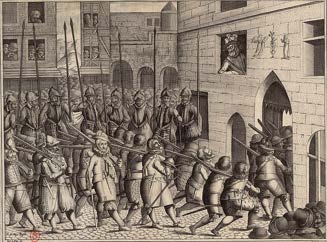
Figure 29.71: On March 22, 1594, the
Spanish, members of the Catholic League
against the protestant French King Henry,
were forced to leave Paris through the
gate of Saint-Denis while the King watched
them through a window. p.
© 2024 Nico F. Declercq
The Desclergues of la Villa Ducal de Montblanc, 2nd ed., Omn., VOL. II
29.5. THE CAREER OF JERONI DESCLERGUE 1587-1604
405
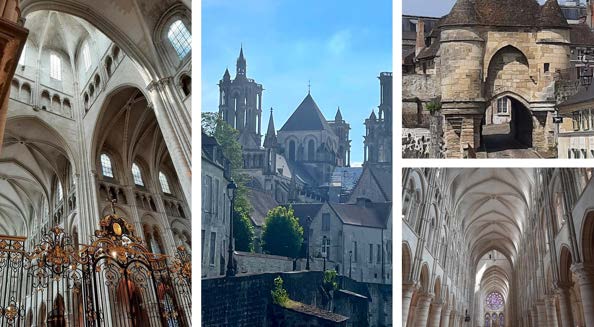
Figure 29.72: The Cathedral of Laon. We can be sure that Jeroni Joan Desclergue y Cortés (DC05) visited the Cathedral when he defended Laon in 1594.
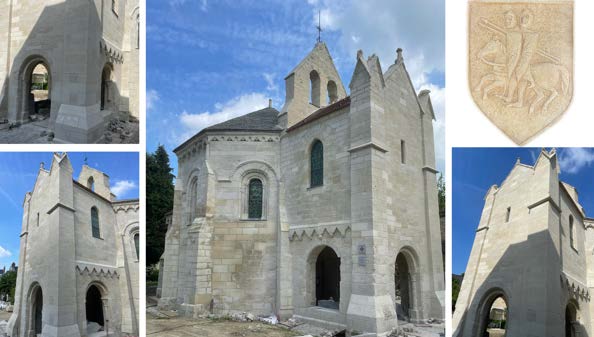
Figure 29.73: Architectural lineage of the Templar chapel in Laon, circa 1134-1312. Initially established by the Templars in 1134, the Laon commandery was transferred to the Knights of Saint John of Jerusalem following the Templars’ dissolution in 1312. Constructed around 1140, the octagonal chapel features a centralized plan influenced by Carolingian architecture and the now-lost funerary chapel of the Benedictine abbey of Saint-Vincent de Laon. Its design parallels that of the contemporary Basilica of the Holy Sepulcher in Jerusalem and served as a model for the slightly later Templar chapel in Metz in Chapter
The Desclergues of la Villa Ducal de Montblanc, 2nd ed., Omn., VOL. II
© 2024 Nico F. Declercq
406
CHAPTER 29. JERONI JOAN DESCLERGUE Y CORTÉS (DC05) & FELIPA DE MONTOYA
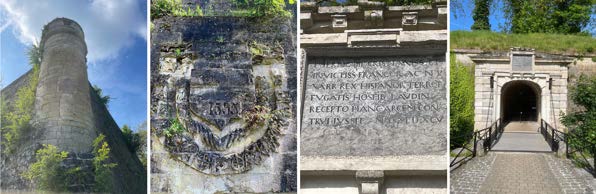
Figure 29.74: Evidence of Spanish presence in Laon is indicated in commemorative symbols from 1595. Left is an extra fortification with date shown as 1621. The second photo shows a commemorative shield of 1595. The right photos show the gate of the fortress of Laon, indicating that the invincible French Christian King Henry IV let the Spanish King flee in Laon.
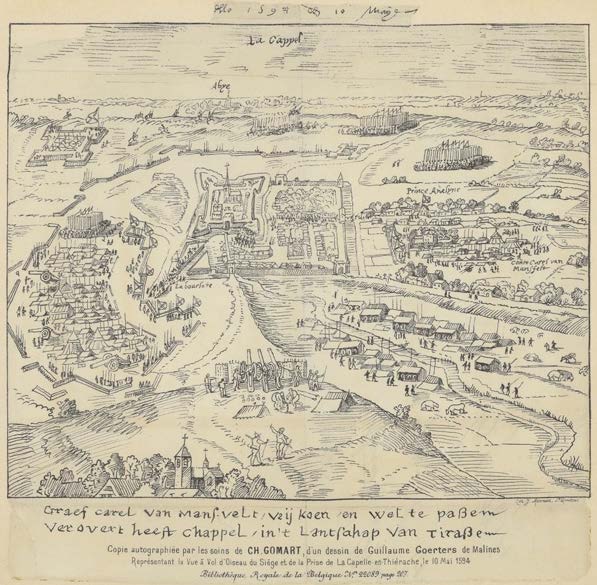
Figure 29.75: May 10, 1594, the capture of La Capelle, by the Spanish under Count Mansfeld. Drawing by Guillaume Goerters, Malines.p.
© 2024 Nico F. Declercq
The Desclergues of la Villa Ducal de Montblanc, 2nd ed., Omn., VOL. II
29.5. THE CAREER OF JERONI DESCLERGUE 1587-1604
407
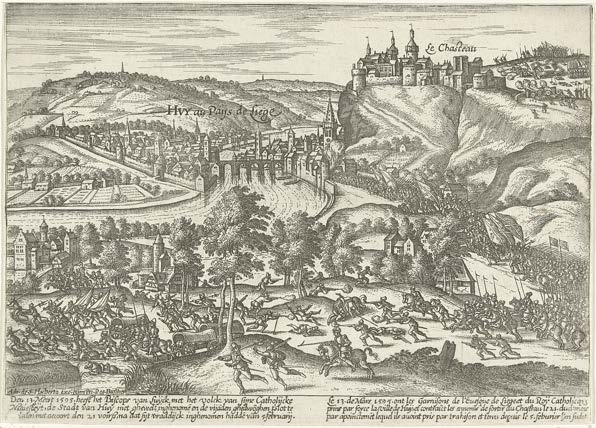
Figure 29.76: Re-capture of Hoei (Huy) in the Spring of 1595. Courtesy of Rijksmuseum Amsterdam, engraving by Frans Hogenberg p.
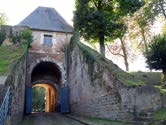
Figure 29.77: Doullens, Intérieur de la citadelle. Courtesy of Marc
Roussel.
The Desclergues of la Villa Ducal de Montblanc, 2nd ed., Omn., VOL. II
© 2024 Nico F. Declercq

408
CHAPTER 29. JERONI JOAN DESCLERGUE Y CORTÉS (DC05) & FELIPA DE MONTOYA
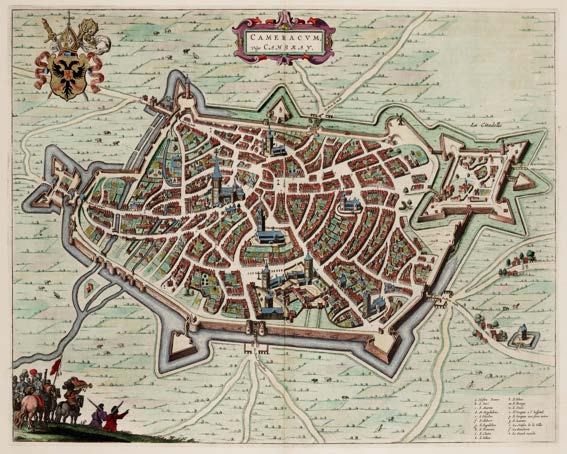
Figure 29.78: The fortified city of Cambrai (Cameracum or Kamerijk) as it looked like around the time of the Siege.
On the top-right side of the town, we can see the massive citadel built by Charles Quint to withstand modern warfare.
In contrast, on the top-left side, we can see the Porte de Selles with remains of the old Chateau de Selles (where our ancestor Raoul de Patin resided in the 14th century, as outlined in Chapter 65). (Cambrai - Cameracvm vulgo Cambray
- Kamerijk, Atlas van Loon, p).
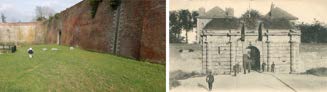
Figure 29.79:
Left is the fortification
wall of the old Chateau de Selles (first
constructed in 1270) at Cambrai, which
Jeroni Joan Desclergue y Cortés (DC05)
definitely must have seen during or just af-
ter the Siege of Cambrai in 1595 (March
2014. The little boy on the lawn is the au-
thor’s youngest son, Lambert. (Declercq de
Silva Archive). Right is the main gate of
the Citadel of Cambrai around 1900. One
can still visit the gate today.
Figure 29.80: Kortrijk, June 1595, the church of Saint Martin.
The baptism of Casper, son of Johannes Griesselsmit, a Ger-
manic soldier (’milites Germaniae’). The godparents were Juan
de Heres and Martina Pasche.
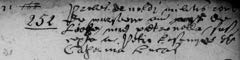
Figure 29.81: Kortrijk, September 1596, the baptism
of Pedro Nolla, son of Renaldo Nolla, soldier from Lorca
in the area of Murcia. The godfather was Petrus Leer-
snijder, godmother was Catharina Lucas.
© 2024 Nico F. Declercq
The Desclergues of la Villa Ducal de Montblanc, 2nd ed., Omn., VOL. II
29.5. THE CAREER OF JERONI DESCLERGUE 1587-1604
409
Figure 29.82: Portraits of Isabella Clara Eugenia of Spain (August 12 1566 –
December 1 1633), Infanta of Spain, Archduchess of Austria, daughter of H.M. King
Philip II of Spain and H.M. Elizabeth of Valois, and of her husband Albert (Albrecht),
Archduke of Austria (November 15 1559 - July 13 1621). They were joint sovereigns
of the Seventeen Provinces. Courtesy of Groeningemuseum p.
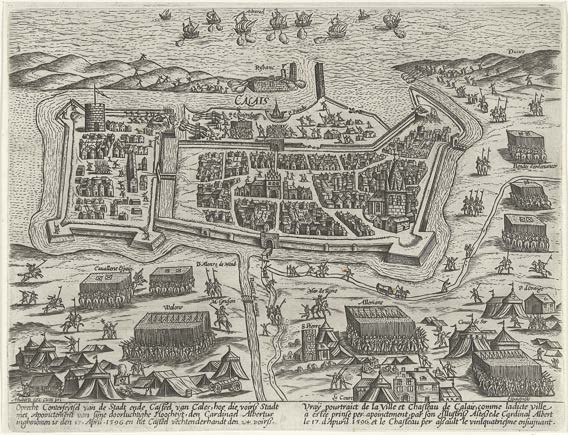
Figure 29.83: The Siege of the city of Calais 1596, Rijksmuseum Amsterdam p.
The Desclergues of la Villa Ducal de Montblanc, 2nd ed., Omn., VOL. II
© 2024 Nico F. Declercq
410
CHAPTER 29. JERONI JOAN DESCLERGUE Y CORTÉS (DC05) & FELIPA DE MONTOYA
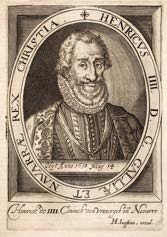
Figure 29.84: Engraving of Henry IV of France. Source: Emanuel
van Meteren, ’Historie der Nederlandscher ende haerder naburen oor-
logen’ , 1614. Collection Peace Palace Library, The Hague p.
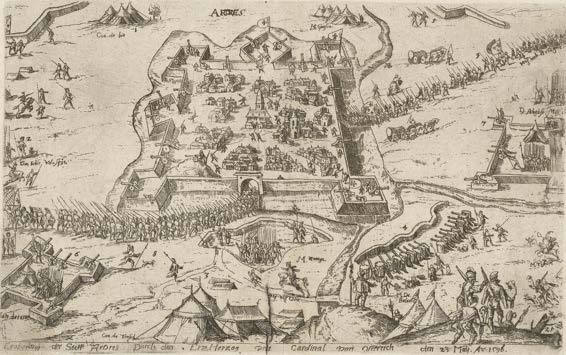
Figure 29.85: The capture of Ardres in 1596. Drawing by Philipp Uffenbach, after Frans Hogenberg. Courtesy of Rijksmuseum Amsterdam p
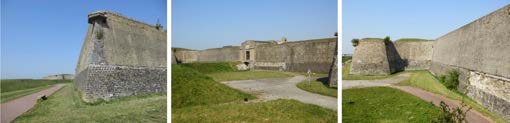
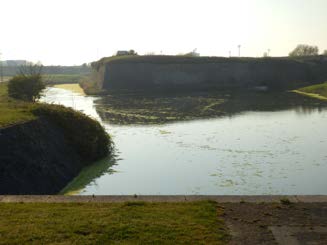
Figure 29.86: 2019, Fort Nieulay, Calais. (Declercq de Silva Archive)
© 2024 Nico F. Declercq
The Desclergues of la Villa Ducal de Montblanc, 2nd ed., Omn., VOL. II
29.5. THE CAREER OF JERONI DESCLERGUE 1587-1604
411
Figure 29.87:
2019, la Citadelle de
Calais. (Declercq de Silva Archive)
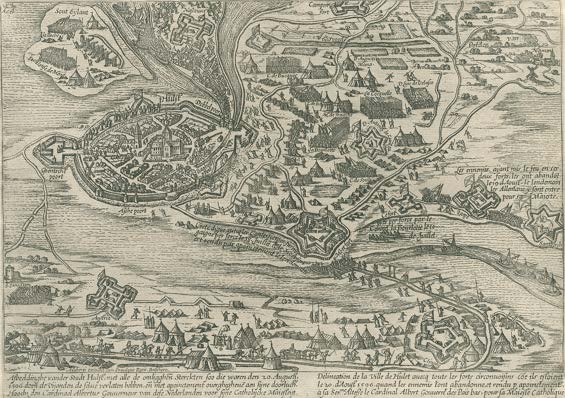
Figure 29.88: The siege of Hulst, 1596. Source: Frederik Muller Historieplaten, Rijksmuseum Amsterdam p.
The Desclergues of la Villa Ducal de Montblanc, 2nd ed., Omn., VOL. II
© 2024 Nico F. Declercq
412
CHAPTER 29. JERONI JOAN DESCLERGUE Y CORTÉS (DC05) & FELIPA DE MONTOYA
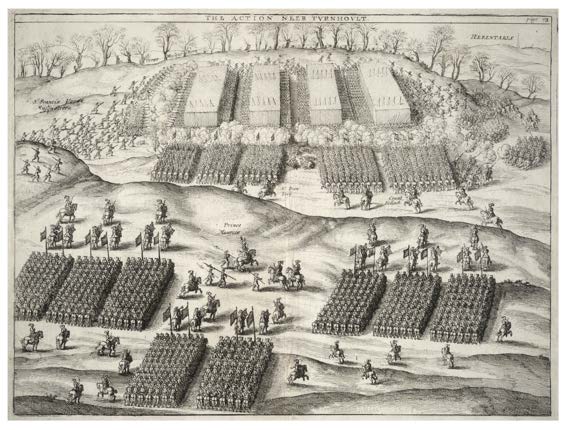
Figure 29.89: The battle of Turnhout, by Wenceslaus Hollar. Courtesy of the University of Toronto. p.
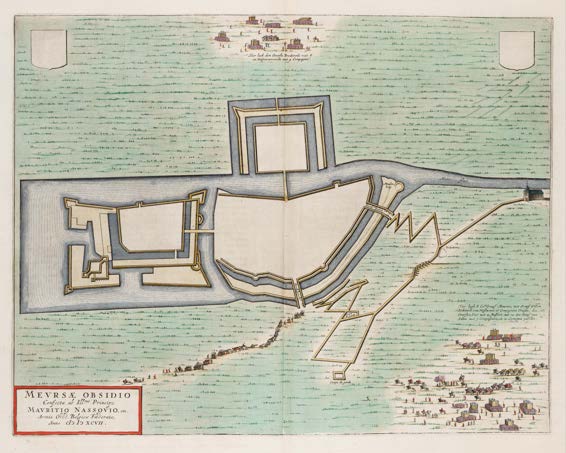
Figure 29.90: Maurice of Orange’s siege of Moers in 1597. Atlas van Loon, 1649. p.
© 2024 Nico F. Declercq
The Desclergues of la Villa Ducal de Montblanc, 2nd ed., Omn., VOL. II
29.5. THE CAREER OF JERONI DESCLERGUE 1587-1604
413
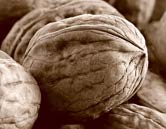
Figure 29.91: Since 1597, the inhabitants of Amiens have always been
associated with Walnuts.
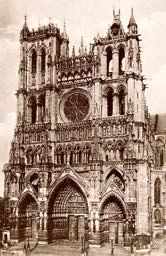
Figure 29.92: The Notre Dame Cathedral of Amiens. Jeroni Joan
Desclergue y Cortés (DC05) must have entered the cathedral when he
captured Amiens in 1997. p.
Figure 29.93:
This is a fragment of
a handwritten ’1661 transcript of nobility
letter Francesc de Pedrolo y Desclergue’
by Francesc de Pedrolo y Desclergue (born
in 1641, son of Jacint de Pedrolo and Is-
abel Desclergue y Tous). (Source: Arxiu
Comarcal Urgell Desclergues document 3
page 12 view 2; Courtesy of Arxiu Comar-
cal Urgell and the de Pedrolo family)
The Desclergues of la Villa Ducal de Montblanc, 2nd ed., Omn., VOL. II
© 2024 Nico F. Declercq

414
CHAPTER 29. JERONI JOAN DESCLERGUE Y CORTÉS (DC05) & FELIPA DE MONTOYA
Figure 29.94:
This is a fragment of
a handwritten ’1661 transcript of nobility
letter Francesc de Pedrolo y Desclergue’
by Francesc de Pedrolo y Desclergue (born
in 1641, son of Jacint de Pedrolo and Is-
abel Desclergue y Tous) (Source: Arxiu
Comarcal Urgell Desclergues document 3
page 12 view 8; Courtesy of Arxiu Comar-
cal Urgell and the de Pedrolo family)
Figure 29.95: Barcelona, by Antonis van den Wyngaerde, 1563. p
Figure 29.96:
This is a fragment of
a handwritten ’1661 transcript of nobility
letter Francesc de Pedrolo y Desclergue’
by Francesc de Pedrolo y Desclergue (born
in 1641, son of Jacint de Pedrolo and Is-
abel Desclergue y Tous). (Source: Arxiu
Comarcal Urgell Desclergues document 3
page 12 view 3; Courtesy of Arxiu Comar-
cal Urgell and the de Pedrolo family)
Figure 29.97: This is a fragment of a handwritten ’1661 tran-
script of nobility letter Francesc de Pedrolo y Desclergue’ by
Francesc de Pedrolo y Desclergue (born in 1641, son of Jacint
de Pedrolo and Isabel Desclergue y Tous). (Source: Arxiu Co-
marcal Urgell Desclergues document 3 page 12 view 4; Cour-
tesy of Arxiu Comarcal Urgell and the de Pedrolo family)
© 2024 Nico F. Declercq
The Desclergues of la Villa Ducal de Montblanc, 2nd ed., Omn., VOL. II
29.5. THE CAREER OF JERONI DESCLERGUE 1587-1604
415
Figure 29.98: From the painting shown in Figure 29.95, by Antonis
van den Wyngaerde, the Convent de Sant Francesc de Barcelona where
the Corts took place in 1599. Nearby today is the statue of Christophe
Columbus. p
Figure 29.99: The Catalan laws were formed during the Corts of
Barcelona in 1599 and published in 1603. (Declercq de Silva Archive)
Figure 29.100: Left is H.M. King Fe-
lipe III of Spain. He ennobled Jeroni Joan
Desclergue y Cortés (DC05) in 1599 in
Barcelona. Courtesy of Kunsthistorisches
Museum Wien. Right is Lorenzo Suárez de
Figueroa y Córdoba, the 2nd Duke of Fe-
ria. Artwork by Daniel Dumonstier, 1602.
p.
The Desclergues of la Villa Ducal de Montblanc, 2nd ed., Omn., VOL. II
© 2024 Nico F. Declercq
416
CHAPTER 29. JERONI JOAN DESCLERGUE Y CORTÉS (DC05) & FELIPA DE MONTOYA
Figure 29.101: Left: page ’CAPITOLS Y ACTES DE CORT. FOL. LXII.’ Right: page ’CAPITOLS Y ACTES DE CORT.
FOL. LXV’ (Declercq de Silva Archive)
Figure 29.102: This is a fragment of a handwritten ’1661 transcript of
nobility letter Francesc de Pedrolo y Desclergue’ by Francesc de Pedrolo y
Desclergue (born in 1641, son of Jacint de Pedrolo and Isabel Desclergue
y Tous). (Source: Arxiu Comarcal Urgell Desclergues document 3 page
12 view 5; Courtesy of Arxiu Comarcal Urgell and the de Pedrolo family)
Figure 29.103: This is a fragment of a handwritten ’1661 transcript of
nobility letter Francesc de Pedrolo y Desclergue’ by Francesc de Pedrolo y
Desclergue (born in 1641, son of Jacint de Pedrolo and Isabel Desclergue
y Tous). (Source: Arxiu Comarcal Urgell Desclergues document 3 page
12 view 6; Courtesy of Arxiu Comarcal Urgell and the de Pedrolo family)
© 2024 Nico F. Declercq
The Desclergues of la Villa Ducal de Montblanc, 2nd ed., Omn., VOL. II
29.5. THE CAREER OF JERONI DESCLERGUE 1587-1604
417
Figure 29.104: This is a fragment of a handwritten ’1661 transcript of
nobility letter Francesc de Pedrolo y Desclergue’ by Francesc de Pedrolo y
Desclergue (born in 1641, son of Jacint de Pedrolo and Isabel Desclergue
y Tous). (Source: Arxiu Comarcal Urgell Desclergues document 3 page
12 view 7; Courtesy of Arxiu Comarcal Urgell and the de Pedrolo family)
Figure 29.105: Left, Maurice of Nassau,
Prince of Orange and Stadhouder, paint-
ing of 1608, can be found in the Palace of
Versailles MV 3347. Right, King Henri IV
of France. p
Figure 29.106:
Front and North view
of the Church of Sainte Marie-Magdalena
at Tournai, XIII/XIVth century. (Octo-
ber 13, 2019). At Montblanc, there was
a ’Hospital de Santa Magdalena’ , which
probably meant that Jeroni and Felipa must
have felt somewhat at home in their Sainte
Marie-Magdalena community at Tournai,
we may assume. More importantly, both
places had ancient connections with the
history of the Templars. (Declercq de Silva
Archive)
Figure 29.107: This home stands next to the Church of Sainte Marie-Madeline in
Tournai. Although it was constructed around 100 years after Jeroni resided there,
it may offer an impression of what his residence may have looked like. (October 13,
2019) (Declercq de Silva Archive)
The Desclergues of la Villa Ducal de Montblanc, 2nd ed., Omn., VOL. II
© 2024 Nico F. Declercq
418
CHAPTER 29. JERONI JOAN DESCLERGUE Y CORTÉS (DC05) & FELIPA DE MONTOYA
Figure 29.108: A map of Tournai from the era when Jeroni Joan Desclergue y Cortés (DC05) resided there. The inset in grey is the Saint Magdalene suburb where he resided.
Figure 29.109: SN1604. On October 9, 1604, astronomer Johannes
Kepler and others spotted a ’new star’ in the western sky, brighter
than nearby planets. ’Kepler’s supernova’ was the last supernova seen
from earth in our galaxy. NASA recently took the image to analyze the
supernova remnant in infrared, optical and X-ray light. p
Figure 29.110: San Lorenzo de El Escorial, 2019, cropped from an
original by David Mapletoft.
© 2024 Nico F. Declercq
The Desclergues of la Villa Ducal de Montblanc, 2nd ed., Omn., VOL. II
29.5. THE CAREER OF JERONI DESCLERGUE 1587-1604
419
Figure 29.111: San Lorenzo de El Escorial. One cannot understand the Spanish Empire without visiting this epicenter of power, knowledge and religion. Courtesy of Spain and the institute responsible of preserving this majestic monument.
The Desclergues of la Villa Ducal de Montblanc, 2nd ed., Omn., VOL. II
© 2024 Nico F. Declercq
420
CHAPTER 29. JERONI JOAN DESCLERGUE Y CORTÉS (DC05) & FELIPA DE MONTOYA
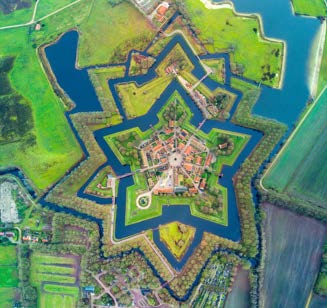
Figure 29.112: Fort Bourtange, situated
in the hamlet of Bourtange, Groningen,
Netherlands, was built during the early
years of the Eighty Years’ War (1568-
1648) when the Spanish controlled Gronin-
gen and the strategic route to Germany.
William, a key figure in the Dutch Re-
volt, constructed the fortress in 1593 to
assert authority over this crucial connec-
tion.
The fort’s construction included
canals and lakes as moats. Despite a siege
by Spanish forces, the fort held. Its pri-
mary purpose was to control the route be-
tween Groningen and Germany. Opera-
tional until 1851, it later became a resi-
dential settlement after its role in military
infrastructure along the German border.
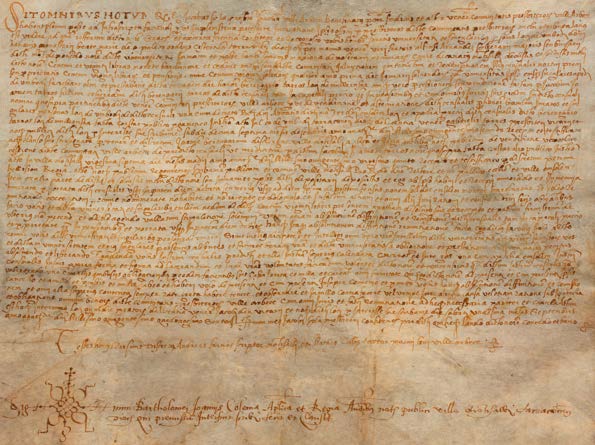
Figure 29.113: Joan Berenguer Desclergue (DC02) is mentioned, referring to 1502, in a document by the notary Bartomeu Joan Coloma of Montblanc in 1546. Joan Berenguer Desclergue’s great-grandson, Jeroni Joan Desclergue y Cortés (DC05), joined Carlos Coloma to Flanders. Both Colomas were relatives. In the document,20 we see that Perot Mollet, of Barcelona, sells to the nobleman Ferran Albert, lord of Ponts, of Maldà and Maldanell, a property worth 115 ll, pension 15 ll, annually, to which must be added outstanding debts and other amounts, which to him it is made by the noble Jerónimo de Cardona as principal together with his wife Angela and Joan de Geultrude. This property must be paid during the natural life of the nobleman Joan Mora d’Arbeca and his wife Aldonça. This property belonged to the said seller due to the donation made to him by Caterina Rodés, a nun of the monastery of St Jerónimo in Barcelona, with the consent of the abbess. Joan Mora gave it to her and Jerónimo de Cardona sold it to him and on the properties of this property called "Violari." The sale price is 193 pounds 12 sous. Notary: Joan Vilar, from Barcelona, taking the place of Joan Janina, having the deeds of Pere Ripoll, notary, deceased. The involved persons are Pere Rifols, notari, Francesc Desclergue, notari, Tomàs Costa, Llatzar des Prats i Pere Cornadó mercader i mestre de la seca de la moneda de Barcelona, Perot Mollet, Ferran Albert, Jerònim de Cardona, Caterina Rodés, Joan Mora, Angela de Cardona, Joan de Geultrude.
© 2024 Nico F. Declercq
The Desclergues of la Villa Ducal de Montblanc, 2nd ed., Omn., VOL. II
29.5. THE CAREER OF JERONI DESCLERGUE 1587-1604
421
Figure 29.114: Kortrijk, March 1602, involving Jeroni Joan Desclergue, son of
Bonaventura (’Bohaventura’), and Maria de Castillo, a nun. Source: Oud Stad-
sarchief Kortrijk, Akten en Contracten, 107737, arch 96, 194r, folio 165.
Figure 29.115: Kortrijk, November, 1602, a contract involving Jan Declercq and
Jeroni Desclergue (mentioned twice). Source: Oud Stadsarchief Kortrijk, Akten en
Contracten , 107737, arch 97, 5r, folio 40.
The Desclergues of la Villa Ducal de Montblanc, 2nd ed., Omn., VOL. II
© 2024 Nico F. Declercq
422
CHAPTER 29. JERONI JOAN DESCLERGUE Y CORTÉS (DC05) & FELIPA DE MONTOYA
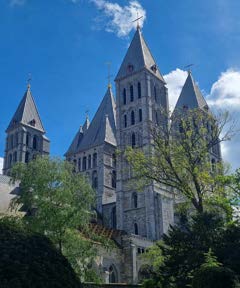
Figure 29.116: The Cathedral of Notre-Dame de Tour-
nai, located in the heart of Tournai, Belgium, is a distin-
guished Catholic edifice renowned for its architectural and
historical significance. Consecrated in 1171, this monu-
mental structure seamlessly integrates Romanesque and
Gothic styles, reflecting the architectural evolution of me-
dieval Europe. Its vast dimensions—134 meters in length
and 67 meters across the transept, with five towers,
the tallest reaching 83 meters—exemplify the grandeur
of Scaldian Gothic architecture, earning it a place on
the UNESCO World Heritage list in 2000. The cathe-
dral’s site has hosted three successive cathedrals since the
5th century, the earliest founded by Saint Eleutherius.
The current building commenced in the early 12th cen-
tury, driven by the city’s prosperity and ecclesiastical
ambitions. Significant milestones include the comple-
tion of the Romanesque nave and transept in 1171 and
the Gothic choir’s dedication in 1255, influenced by the
cathedrals of Amiens and Soissons. Despite extensive
damage during the iconoclastic fury of 1566 and the
French Revolution, the cathedral has undergone numer-
ous restorations. The most recent stabilization efforts
followed a tornado in 1999, highlighting the structure’s
fragility. Notre-Dame de Tournai stands as a testament
to religious devotion, architectural mastery, and histor-
ical endurance, symbolizing the resilience and grandeur
of medieval craftsmanship and continuing to be a focal
point of Belgium’s cultural and spiritual heritage.
Figure 29.117: The tower ’Sint-Pieterstoren’ is the only remnant of the former Sint-Petrus-en-Pauluskerk, which was built in 1478 and which was prominently present during the Siege of Ostend in 1604. The church burned down in 1896 and only the tower survived. The tower is known in Ostend as ’Peperbusse.’ The engraving says ’De eerste steen van deze toren werd gelegd den 20 juli 1478 door E.H. Jan Lammaert, Pastoor der nieuwe kerk die daags te voren ingewijd was geweest door Z.E.H. Giles Baerdemaeker, Bisschop van Sarepta en Suffragant van het Bisdom Doornijk en door den Burgemeester Cornelius Mervoet.
Hij werd door het vuur gedeeltelijk vernield den 19 juni 1712 en in 1729 herbouwd. Den 14 Oogst 1896 brandde de kerk gedeeltelijk af, maar de toren bleef ongedeerd.’
© 2024 Nico F. Declercq
The Desclergues of la Villa Ducal de Montblanc, 2nd ed., Omn., VOL. II
29.6. THE EVENTS AFTER JERONI’S DEATH IN 1604
423
29.6 The Events after Jeroni’s Death in 1604
Upon his death, Jeroni left behind his children and widow Felipa.
Juana Desclergue (DC06c) was born in 1588 and is described in Chapter 29.9.1, Anna Desclergue (DC06f) wa born in 1595 and is described in Chapter 29.9.3, and Antoni Desclergue (DC06) is described in Chapter 34 and Chapter 49. He also left an unborn child, Miguel Desclergue (DC06b), described in Chapter 29.9.6.
Miguel (DC06b) was born in 1605. The widow, Felipa de Montoya, waited to baptize the child until September 30, 1605, because this was the day of Saint Hieronymus and possibly even the birthday of Jeroni (DC05). The baptism occurred at Tournai in the Mary Magdalene church.66
As described in Chapter 29.8.2 and Chapter 34.13.7, the family Jeroni Desclergue & Felipa de Montoya were friends with the family of Jan Declercq (DK03) and Isabeau Braye. The latter died in 1622, and her widower, Jan Declercq, would marry Jeroni ’s widow, Felipa de Montoya. The couple had property at Deerlijk as described in Chapter 34.13.7. The families had been acquainted when Jeroni resided in Kortrijk and Tournai because of their similar social status and probable family ties through the Desclergues branch of Manresa.67
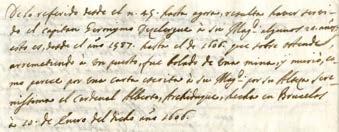
In subsequent chapters, the descendants of Jeroni Desclergue are described. In Chapter 34.13.7, the descendants of Jan Declercq, the second husband of Felipa de Montoya,68 are described.69 The reference fragment in Figure 29.118 unveils a captivating chapter of history. It reveals that Captain Jeroni Desclergue, a figure of great importance, served His Majesty for approximately 17 years, from 1587 until the year 1604. His service was abruptly halted when he led an attack on the harbor town of Ostend and was knocked out by a mine. This significant event was certified by his Majesty, his Serene Highness Cardinal and Archduke Albert, in Brussels, on January 10, 1606.
29.7 The Spaniard Castle of Ghent
Some essential strongholds protected the ’Land van Waas’ (’Pays de Vas’), such as Damme and Ghent. It’s evident that the Desclergues passed or temporarily resided in both places.
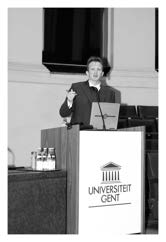
Although Jeroni (DC05) and his wife Felipa de Montoya only resided briefly at the Spaniard Castle in Ghent at the beginning of their stay in Flanders and had only one child, Juana (DC06c), born there, a link always remained. Indeed, the castle was de facto the Spanish military headquarters in the region and functioned as a haven should it ever have been required. The author has good memories of his PhD at Ghent, as seen in Figure 29.119.
Several accessible sources exist on the history of the Spaniard Castle of Gent. We have based the current section mostly on the work of Audooren and De Zutter70. It’s essential to provide some context about this castle since it appears in subsequent chapters related to Jeroni Joan Desclergue y Cortés (DC05) and his son Antoni Desclergue (DC06).
H.M. Emperor Carlos V (Keizer Karel) was born in Ghent and ordered a castle, shown in Figure 29.121, for strategic reasons. The construction coincided with a period of oppression by his regime of the people of Ghent. The fort was called ’Castrum Novum.’ Its construction began on May 12, 1540, and a few thousand workers finished the job in 1545. The castle could house a maximum of 2500 persons and exist for 300 years.
Nowadays, only a few remain, and the street plan mostly confirms the castle’s existence at that location in Ghent. Accurate historical research has revealed that Charles Quint did not hastily decide to fortify the place. Plans already existed, made by the Burgundians, e.g., Charles the Bold. The Spaniards soon integrated their Castrum Novum into the city walls fortifications, and even Alessandro Farnese modernized it between 1589 and 1593. Jeroni Joan Desclergue y Cortés (DC05) was already in Belgium and resided at the castle before its upgrade. After significant improvements, it was no longer a ’Castrum Novum’ but received the name ’Spaniard Castle.’
The castle was built strategically, close to where the Leie and Schelde Rivers, two highways at the time, joined, surrounded by either waterways or lands that could be easily flooded to repel the enemy. Also, the castle, which was to be inhabited mainly by the Figure 29.118: This is a fragment of a handwritten ’1661 transcript of
nobility letter Francesc de Pedrolo y Desclergue’ by Francesc de Pedrolo
y Desclergue (born in 1641, son of Jacint de Pedrolo and Isabel Descle-
rgue y Tous). The document contains an error because it erroneously
states that he served until 1606, whence, instead of 17 years of service,
it states 20 years of service. (Source: Arxiu Comarcal Urgell Descler-
gues document 3 page 13 view 1; Courtesy of Arxiu Comarcal Urgell and
the de Pedrolo family)
66The Mary Magdalene church had historical links with the Knights Templar and was the parish where the family had resided since 1602.
67This cannot (yet) be proven but is a possibility based on the prevalence of the name ’Nicolas’ in this Declercq family of Kortrijk and the Desclergue family of Manresa and their similarity in name and social standing, being notaries, clergy and tradesmen.
68Felipa de Montoya is also known as Felipa de Toy or du Thoo
69The reader seeking to replicate this genealogical investigation will inevitably encounter these descendants, often having similar names, and may experience considerable confusion. To avoid errors, it is essential to study each cluster and sub-cluster comprehensively, adhering strictly to the correct timeline. In this endeavor, one must proceed with pragmatism, conservatism, diligence, and utmost caution. Furthermore, the investigation should extend beyond ecclesiastical records and bourgeois lists to include notarial documents for enhanced clarity. Crucial insights often lie in the minutiae, such as subtle variations in spelling by priests or non-overlapping clusters. Attention to these details is imperative for accurate genealogical research.
70Fabien Audooren, Christine De Zutter, ’Het Spaans Kasteel Gent van dwangburcht tot woonwijk’ , De Buren van de Abdij, 2018.
The Desclergues of la Villa Ducal de Montblanc, 2nd ed., Omn., VOL. II
© 2024 Nico F. Declercq
424
CHAPTER 29. JERONI JOAN DESCLERGUE Y CORTÉS (DC05) & FELIPA DE MONTOYA
Figure 29.119: May 12, 2005, the PhD defence of the author at
Ghent University, the Aula in Voldersstraat, near Saint Bavo Cathe-
dral, at approximately 3 km from the Spaniard Castle. (Declercq de
Silva Archive)
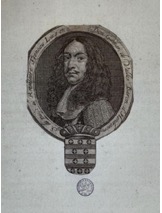
Figure 29.120: Governor Gaspar de Valdes married Maria de Aranda
(cousin of Juan de Aranda, the previous governor). Image by L.
Vorsterman, 1666. The picture shows that long hair was rather preva-
lent in those days with the nobility, which places the hippy movement of
the 1960s in a different light. (cited from Fabien Audooren, Christine
De Zutter, ’Het Spaans Kasteel Gent van dwangburcht tot woonwijk’ ,
De Buren van de Abdij, 2018; page 57)
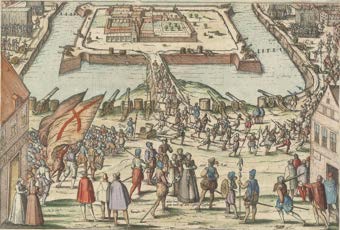
Figure 29.121: The Spaniard Castle of Ghent, in 1576, when it was
temporarily surrendered to the Dutch on November 9. The castle had
been under the command, during a one month siege, by Guillemette de
Chastelet, the wife of Colonel Mondragon. The drawing was made by
Frans Hogenberg and it beautifully shows the Spanish flag, exposing the
Burgundian Cross.
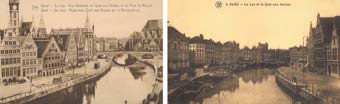
Figure 29.122: Views of Ghent as Jeroni (DC05) and later, Antoni
(DC06) definitely must have seen it. Nowadays, yachts can be found
at Ghent, but during the 16th and 17th centuries, there must have been
plenty of boats used for commerce.
© 2024 Nico F. Declercq
The Desclergues of la Villa Ducal de Montblanc, 2nd ed., Omn., VOL. II
29.8. THE EARLY NETWORK OF JERONI DESCLERGUE
425
Figure 29.123:
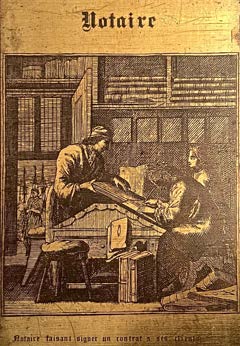
An intricate copper engraving from
circa 1600 AD, depicting a notary diligently at work.
This historical illustration captures the essence of the no-
tarial profession during the early modern period, show-
casing the meticulous documentation and legal oversight
essential to civic and commercial affairs of the time. The
image serves as a testament to the enduring legacy and
pivotal role of notaries in maintaining legal and social
order. Jeroni Joan Desclergue (DC05), stemming from
a dynasty of notaries in Spain, would naturally seek ac-
quaintances in Kortrijk of the same standing.
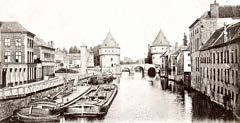
Figure 29.124: A view of the Leie River in Kortrijk
around 100 years ago.
Spanish military, priests, and officials, could control Ghent’s city and protect it adequately. The Castrum Novum was constructed simultaneously with the Citadel of Cambrai. Both works were closely supervised by H.M Emperor Carlos V personally rather than Brussels’ local central government. The reader can find the importance of Ghent and Cambrai in the Desclergues’ lives throughout the current book. For apparent reasons, the Spanish provided the fortress with homes, shelters, foundries, gunpowder mills, and wells.
During a short period, Ghent’s town was in the hands of Calvinists, and so was the castle. It was in 1584 that the city returned to Spanish hands under Alessandro Farnese. It was soon after that date that Jeroni Joan Desclergue y Cortés (DC05) arrived in Belgium. In the 17th century, the Spaniard castle population consisted mainly of the Spanish military with their families. They had a job inside the castle but lived elsewhere in Flanders. The court was like a Spanish village, surrounded by fortifications.
The person in charge of the castle was named ’castellan’ and was like a local governor nominated by His Majesty. For instance, Juan de Aranda became the castellan in 1610, during the time of Felipe III. Before him, it was de Herrera who served as castellan. The castellan of Ghent’s castle was considered equally important as the one at Antwerp and the one at Cambrai. During his absence, he was replaced by a lower rank military, e.g., Juan de Inestrossa, Pedro Lopez de Haro, or Captain Francisco Morgado Ossario.
Other governors would be Luis de Villar and Gaspar de Valdes, shown in Figure 29.120.
The minimum number of Spanish military was 100, but it could house 2500. One assumes that, on average, about 1000 people resided there, primarily military, with their families, former military, and even artisans. It is believed that there were hardly ever less than 600 active militaries.
Furthermore, it is known that contrary to other places, the castles of Ghent and Cambrai only counted Spanish soldiers of Hispanic origin.
It was forbidden to house non-Hispanic soldiers. However, in most periods, this law was only enforced for the higher military ranks, while ordinary soldiers could also have other nationalities, very likely with close ties to Spanish nationals. There were also numerous widows of killed soldiers. There were traditional brick homes for permanent (Spanish) inhabitants. Still, depending on the needs, the military authorities built innumerable barracks to house the excess soldiers and their families when needed.
As mentioned earlier, it is also known and mentioned in the book that many regular and higher military had extra earnings by renting out real estate. Such was done mainly by the soldiers who resided in Ghent’s city to have a more regular life. The Spanish had good reasons for admiring the town. Ghent is still a beautiful city; some impressions are shown in Figure 29.122.
The parish of the Spaniard Castle was rather particular. It did not belong to Ghent, which was not uncommon because the military typically had their chapels, but the one in Ghent lasted for a very long period, so one would expect it to belong to the city.
There was a church, but this church lacked sources of income and was miserable. In the beginning, Spanish soldiers preferred not to be buried in the church but in a nearby abbey. However, the church would slightly improve in the early decades of the 1600s and receive higher prestige. Interestingly, the church of the citadel was devoted to Mary of Scherpenheuvel. We refer the reader to Chapter 49 on constructing a chapel at Deerlijk in 1639-1641 under the aegis of Antoni Desclergue, with financial input from Marguerite Kelduwier, which would be called Kapel-ter-Ruste. The Chapel indeed shared a legend with similarities to that of Scherpenheuvel. ’Maria van Scherpenheuvel’ played nearly as important a role as Santiago in Spain. When the Spanish conquered Ostend in 1604, the victory was attributed to the Mary of Scherpenheuvel.
29.8 The Early Network of Jeroni Desclergue
The Desclergues of la Villa Ducal de Montblanc, 2nd ed., Omn., VOL. II
© 2024 Nico F. Declercq



426
CHAPTER 29. JERONI JOAN DESCLERGUE Y CORTÉS (DC05) & FELIPA DE MONTOYA
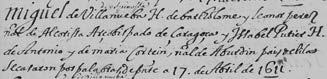
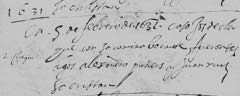
Figure 29.125: Ghent Spaniard Castle,
April 17, 1611, the wedding of Miguel De
Villanueva and Isabel Putier. The groom
was a son of Bartolome de Villanueva and
Leonor Peres and was born Alcorissa in
the archdiocese of Zaragosa. The bride was
a daughter of Antonio Putier and ’Maria
Cortein’ from Haubourdin in Lille’s land
(Rijsel).
Figure 29.126: Ghent Spaniard Castle,
April 27, 1612, the burial of Justina Putier
at ’Sint Jacobs’ .
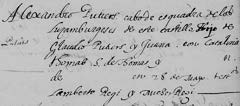
Figure 29.127: Ghent Spaniard Castle, May 28, 1619,
the wedding of Alexandro Putiers from the Luxem-
burg company, son of Claude Putiers and Joanna, and
Catalina Thomas.
Figure 29.128: Ghent Spaniard Castle, February 24,
1631, the wedding of Martin Tendero and Catalina
Schepens. Present were Alexandro Putiers and Juan
Ruiz La Cuesta.
Figure 29.129:
Ghent Spaniard Castle, October 7,
1635, the wedding of Jusepe Tendero and Margareta
Vargas, in the presence of Pedro Hortiz and Alexandre
Putiers.
Figure 29.130:
1638, September 22,
Ghent Spaniard castle, the wedding of
Francisco Tiry and Bartolomina Putiers.
Witnesses were Francisco de Albornoz
(vaandrig) and Juan Ruis.
Figure 29.131:
1631, January 24, Ghent Saint
Jacques, the banns of Jose Desclergue with Jacomina Bo-
caute. The record shows that Jose Desclergue resided at
the Spaniard Caste (’in castro’).
Figure 29.132:
1631, February 24, Ghent Spaniard
Castle, the wedding of Jose Desclergue with Jacomina
Bocaute, in the presence of Alexandro Putiers and Juan
Ruiz the veguer.
Figure 29.133: Ghent Spaniard Castle,
December 22, 1621, the baptism of ’Ana
Maz’ , daughter of Antoni Maz and Clara
Maz. The godfather was Pierre Moni Fol-
cart from Esel (probably Ixelles or Elsene),
the godmother was Martina Ebia.
Figure 29.134: Harelbeke, 1613, the baptism of Maria Maz (’Maes’), daughter
of the merchant Antoni Maz (’Maes’). The godparents were ’dominus canonicus’
Maes and Maria, the sister of the mother.
© 2024 Nico F. Declercq
The Desclergues of la Villa Ducal de Montblanc, 2nd ed., Omn., VOL. II
29.8. THE EARLY NETWORK OF JERONI DESCLERGUE
427
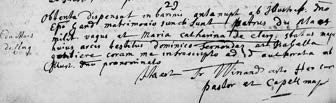
Figure 29.135: Ghent Spaniard Castle, September 29, 1706, the
wedding of Pedro Maz (’Petrus Du Maes’) with Maria Catarina De-
clergz (DC08e) (’Maria Catharina De Clerq’). Witnesses were Do-
minico Fernandez and Isabella Gutierre. The marriage is also de-
scribed in Chapter 37.9.1, specifically in Figure 37.103 on page 668.
Figure
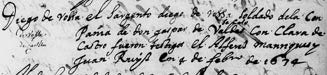
29.136:
Spaniard Castle of
Ghent, February 4, 1634, the wedding of
Diego de Vossa with Clara de Castro.
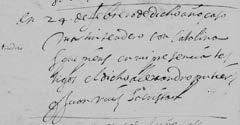
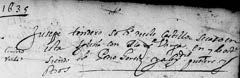
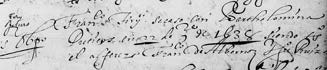
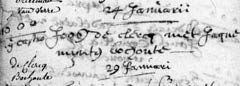
29.8.1 The Friendship between the Desclergue, Du Puich, Masse, Declercq, de Bucqouy, Vosse,
Andries and de la Cruz families
Jeroni Joan Desclergue y Cortés (DC05), the son of a notary in Montblanc, Spain, did not follow the traditional inheritance path.
His brother Francesc was the heir of the family. Instead, he pursued a military career, viewing his time in Flanders as a strategic opportunity to forge valuable connections and advance within the military and administrative hierarchy.
The structure and operations of the Spanish army during this period differed significantly from modern military organizations.
Regular salaries were uncommon, often leading soldiers to resort to theft from the local populace. Compensation was typically disbursed following successful missions or upon completing a term of service. Occasionally, local authorities were responsible for providing wages, while citizens were sometimes required to supply food and lodging for soldiers as a form of taxation. These aspects are frequently emphasized in historical accounts of Belgium and the Netherlands.
However, the situation was more intricate and nuanced than commonly portrayed. Military leaders often acted as financiers for their soldiers. For instance, a captain with financial resources might lend money to his troops to be repaid once they receive their salaries. It was not uncommon for such leaders to borrow funds from local inhabitants to ensure their soldiers were paid, subsequently repaying these loans. This created a complex economic network that influenced the social structure and vice versa.
Additionally, the military was not perpetually engaged in siege warfare or combat. Long, peaceful winters allowed soldiers to house their families in barracks or, if financially able, to purchase or rent decent accommodations in towns or nearby villages.
Within this context, substantial evidence exists of the close friendships and connections between Jeroni Joan Desclergue y Cortés (DC05) and several other families. These relationships persisted for over a century, frequently appearing in the lives of Jeroni and his descendants, reflecting the enduring social bonds forged during his military tenure in Flanders.
29.8.2 Jan Declercq (DK03)
There is a separate Chapter 34.13.7, devoted to Jan Declercq (DK03) because he has significantly impacted Jeroni ’s children.
Indeed, after Jeroni died in 1604, Jan, also a widower, married Jeroni’s widow Felipa de Montoya in 1611. Figure 29.124 shows the families acquainted in Kortrijk. Jeroni found in Jan Declercq (DK03) a business partner and a friend of similar standing.
Jan Declercq (DK03) belonged to a dynasty of notaries in Kortrijk, shown in Figure 29.123 on page 425, somewhat similar to Jeroni’s family’s dynasty of notaries in Spain. Chapter 34.13 gives more information about this clan.
29.8.3 The du Puich family
Some etymology is necessary. Dupuy or Du Puich comes from ’puy’ or ’puich,’ which means ’a well’ in old French. The term ’Putier’
comes from ’puer,’ which means ’to stink’ or ’to smell.’ Names often switch language depending on the region where they are used.
A French person, ’Du Puich’ is, in Flanders, customarily named ’Vandeputte.’ When Spanish necessarily translated the word back to French or Spanish, they could opt for ’Putier,’ which has the exact origin as ’Putte’ and comes from ’Puer.’ The translation was necessary because ’Putte’ was too close to the Spanish word ’Puta,’ which nobody wanted for a name. Thus, the names Du Puich, Vandeputte, and Putier are equivalent and were interchanged in the Spanish period in Flanders when the region still contained the French Flemish areas that are nowadays located in the North of France.
References include Sara L. Uckelman71, ’Fédération Francophone des Clubs Pyramide’ 72, and Laurent Herz73.
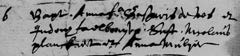
Figure 29.137: Bruges, Saint Anna church, January
6, 1649, the baptism of Anna De Vos, daughter of Gas-
par De Vos (’Gasparis de Vos’) and Josina Talbot (’Ju-
doca Taelbooyt’). The godfather was Nicolaus Planckaert
(’Planckarts’), and the godmother was Anna de Molina
(’Anna Mulyn’). The transcript also appears as ’Akte
PARDOWVL_00342215’ in ’Parochie Spaans register,
Bruges’ of the Belgian National Archives.
71Sara L. Uckelman, ’Bynames in Medieval France’ , September 9, 2014
72Fédération Francophone des Clubs Pyramide, ’Lexique en usage dans les clubs et les tournois’ , Vitry Sur Seine, France 73Laurent Herz, ’Dictionnaire étymologiqye de noms de famille Français d’ origine étrangère et régionale avec l’ étymologie de quelques noms étrangers célèbres’ , L’ harmattan, Vie pratique & Loisirs, Juin 10, 2010.
The Desclergues of la Villa Ducal de Montblanc, 2nd ed., Omn., VOL. II
© 2024 Nico F. Declercq

428
CHAPTER 29. JERONI JOAN DESCLERGUE Y CORTÉS (DC05) & FELIPA DE MONTOYA
Figure 29.138: Bruges, Sint Kruis, January 11, 1633, the marriage
of Gaspar De Vos and Josine Talbot who also appear in Figure 29.137.
The witnesses were Germin De Vos and Jose Talbot.
Figure 29.139:
Kortrijk, April, 1593,
the baptism of Judocus, son of Joos An-
dries (’Judocus Andryse’), the godpar-
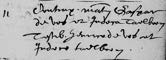
ents were M(osén) Jeroni Desclergue (’M.
J(e)ro(ne)s de clerque’) and Laurentia
Vantome.
The name ’Putier’ existed in Burgundy and central France but was only found in Belgium at Ghent’s Spaniard castle. For instance, in Figure 29.125, such records even referred to Lille’s area where the family Du Puich resided.
29.8.3.1 Appearance of Jeroni Desclergue at Loos (near Lille) with du Puich
Jeroni Joan Desclergue y Cortés (DC05) appeared at Loos, near Lille, in 1575-1605 at the abbey to visit Dom Pierre Carpentier.
Guillaume du Puich (from Emmerin) had also appeared nine visits earlier during that period. It is essential to highlight that Marguerite Kelduwier, who financed the chapel described in Chapter 49, resided in Lille despite her roots in Deerlijk.
The encounters did not coincide, but they frequented the same place, indicating that both families had been acquainted around 1600.
The observation is important because, as can be found in Chapter 34 and Chapter 49 concerning the construction of the Chapel at Deerlijk, the du Puich family is involved in the proprietary rights in the first century after its creation in 1639. Interestingly, the list of visitors also records the Castellany names from where the visitors from outside Lille came. Jeroni Joan Desclergue y Cortés (DC05) is listed there as ’Jerôme Leclercq, de Courtrai.’
Indeed, we know that Jeroni (DC05) lived at Kortrijk for a certain period, and we have found Jeroni at Kortrijk in different certificates. Also, Deerlijk belonged to the Castellany of Courtrai (Kortrijk). The account is found in Charles Liagre.74 Although the referred book is not very specific about the year of the visit, we assume it must have been before 1599 when Jeroni temporarily returned to Spain to attend the Corts of 1599 in Barcelona. Note that the link with Loos, Lille, and nearby Wicres equally links Jeroni Desclergue to Jehan or Jean du Bois, husband of Marguerite Kelduwier, involved in establishing the Chapel at Deerlijk in 1639, as described in Chapter 49.
29.8.3.2 A marriage between the Du Puich and the Desclergue family
Several ’Du Puich’ certificates are listed in this book in the description of the family ’Vandeputte - Declercq,’ who were Jeroni’s grandchildren. In particular, we refer to Chapter 37 and Part X.