

Where Desert Meets the Sea: A Guide to Mexico’s Northwest Pueblos Mágic by Scott Paton - HTML preview
Download the book in PDF, ePub, Kindle for a complete version.
Chapter 6 Brief History of Baja California
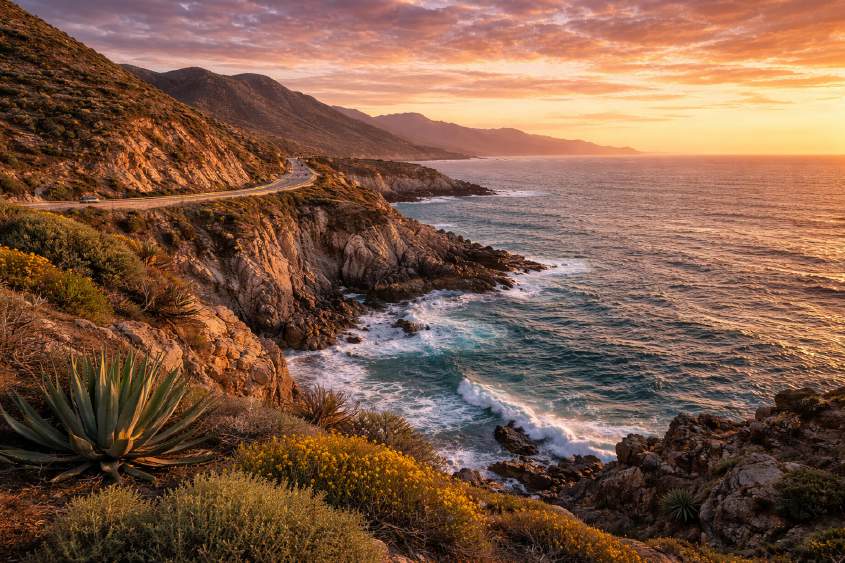
Humans first settled the Baja California region around 9,000 to 10,000 years ago, when the
climate was more humid and large Pleistocene mammals roamed the area Encyclopedia
Britannica. Indigenous communities such as the Cochimí, Kiliwa, Paipai, Kumeyaay, Cocopa, and Quechan, each adapted uniquely to the varied landscapes—from desert interiors to coastal
and riverine environments WikipediaEncyclopedia Britannica.
Spanish contact began in the 16th century, with explorers like Sebastián Vizcaíno venturing to
the peninsula’s southern reaches and briefly attempting to establish a foothold at La Paz
Indigenous Mexico. Later, the region became dotted with Jesuit, Franciscan, and Dominican
missions, which shaped the colonial structure of the territory WikipediaSky HISTORY TV
In 1804, Spain formally divided California into Alta ("Upper") California and Baja ("Lower")
California, marking a significant administrative change during the colonial era Wikipedia.
After Mexico’s independence, Baja California remained under Mexican control, while Alta
California was ceded to the United States in 1848 following the Treaty of Guadalupe Hidalgo
WikipediaSky HISTORY TV channel. Over time, the Mexican territory evolved: in 1931 it was split into Northern and Southern territories; the north became the 29th state, Baja California, in
1952, followed by Baja California Sur becoming the 31st state in 1974 Wikipedia.
About Pueblos Mágicos
The Pueblos Mágicos (“Magical Towns”) program, launched in 2001 by Mexico’s Secretariat of Tourism, aims to highlight small towns across the country that are rich in cultural heritage,
history, traditional cuisine, artistry, and hospitality WikipediaJourney Mexico. This initiative
supports tourism diversification, local traditions, and community-driven development
By 2012, the program had designated 83 towns, and as of August 2023, there are 177
Pueblos Mágicos across all 31 Mexican states WikipediaSan Antonio Express-News.
On the Baja California Peninsula, the designated Pueblos Mágicos are:
● Tecate
● Santa Rosalía
● Loreto
● Todos Santos Discover Baja
Tecate holds a unique distinction—it is the only Pueblo Mágico located in the state of Baja
California and the only one along Mexico’s northern border Choice Hotels.
Why It Matters
Baja California’s story is one of deep indigenous roots, colonial transformations, and evolving identities through Mexico’s nation-building. Meanwhile, the Pueblos Mágicos in the region create a living bridge between past and present, inviting visitors to explore authentic culture, heritage architecture, and natural beauty.
Tecate: Where Mountains, Bread, and Beer Meet Magic
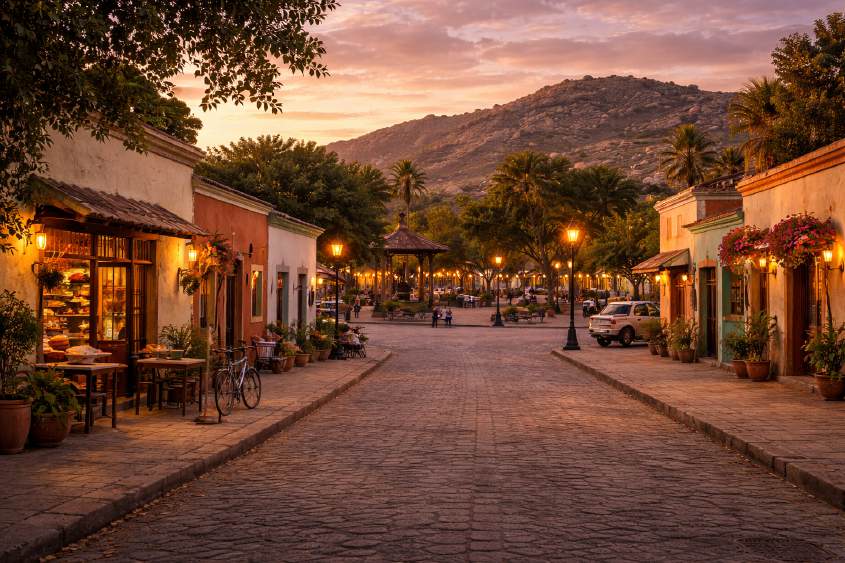
At first glance, Tecate feels like the quiet neighbor in a family of louder siblings. Border towns are often thought of as chaotic gateways—crowded, bustling, and overwhelming. But Tecate, perched against the rolling Sierra de Juárez mountains and just an hour east of Tijuana, defies those expectations. This Pueblo Mágico doesn’t shout; it hums. It invites visitors not with neon lights or big-city frenzy, but with the smell of fresh-baked bread wafting through its streets, the sight of sunlit plazas shaded by jacaranda trees, and the promise of cold beer born right here.
This is the only Pueblo Mágico that shares an international border, yet it feels worlds apart from the clamor of San Diego or Tijuana. Tecate is the birthplace of one of Mexico’s most iconic beers, home to ancient rock paintings and sacred mountains, and a gateway to Baja California’s wine country. It is also a town that has perfected the art of slow living, where ranches and spas offer a haven for relaxation, and where the famous panaderías have achieved near-mythical status among locals and travelers alike.
History & Culture
Long before Tecate’s name appeared on beer cans or maps, these lands were home to the Kumiai, an indigenous people who have lived in northern Baja and southern California for thousands of years. Their traditions, cosmology, and survival skills are etched into the land—quite literally at El Vallecito, where caves still guard ancient rock paintings, some over 2,000 years old. The Kumiai saw nearby Mount Cuchumá not as a mountain, but as a sacred portal, a place of vision quests and spiritual initiation. Even today, it’s revered as a ceremonial site.
When the Spanish missionaries arrived in the 18th century, Tecate became part of the San Diego Mission’s territory. By the 19th century, Tecate’s fertile valleys attracted ranchers, and in 1888 the town was officially founded. Its colonial-style layout—plaza, church, town hall—remains intact, lending it that familiar Mexican small-town charm.
Tecate’s modern fame began in 1944, when Cervecería Tecate started brewing what would become one of Mexico’s most beloved beers. Alongside its industrial boom, the town nurtured an artisan culture: pottery, ceramics, blown glass, and woven baskets. By 2012, Tecate had earned its spot in Mexico’s prestigious Pueblos Mágicos program, recognized not just for its beer but for its cultural depth and natural beauty.
Getting There
Reaching Tecate is refreshingly easy. For those coming from the United States, it’s one of the most relaxed border crossings. Park your car on the U.S. side (five dollars for the day) and walk across—the pedestrian crossing often has little to no wait. From San Diego, the drive takes about 45 minutes.
From Tijuana, buses and colectivos connect directly to Tecate, a trip of roughly an hour. Travelers coming from Mexicali can follow the dramatic La Rumorosa Highway, a winding road that threads through canyons and boulder fields, offering spectacular views along the way. If you prefer trains, there’s also a tourist rail route from Tijuana to Tecate—a nostalgic ride through valleys, vineyards, and rugged landscapes.
Where to Stay
Tecate may not have the flash of Cabo or Cancún, but its accommodations exude rustic elegance and local warmth.
● Boutique Hotels – Stay near Miguel Hidalgo Park, where colonial-style hotels let you
step right out into the heart of town. Their balconies often open to views of the plaza and church.
● Ranches & Spas – The real jewels are the wellness resorts in Tecate’s outskirts. Some
offer Temazcal ceremonies, mud treatments, yoga retreats, and horseback rides through the countryside. Rancho La Puerta, for example, is internationally renowned for its holistic programs and natural settings.
● Budget Inns – For travelers keeping things simple, Tecate’s small inns and guesthouses
offer affordability without sacrificing location.
What to See and Do
Tecate is not a town of checklists—it’s a place where experiences unfold slowly. Still, certain highlights capture its spirit.
● Parque Miguel Hidalgo
The beating heart of Tecate, this plaza is where families gather, street musicians play, and vendors sell sweet treats. It’s shaded, lively, and crowned by the Nuestra Señora de Guadalupe Church and the town hall.
● Casa de Artesanías
Here you can pick up traditional crafts: clay figures, woven baskets, ceramics, and delicate blown glass. They make perfect souvenirs and support local artisans.
● Museo Comunitario de Tecate
A small but rich museum that walks you through the town’s history—from prehistory and Kumiai life to colonial days and modern Tecate. Exhibits include baskets, tools, and photographs that illuminate everyday life.
● El Vallecito Archaeological Zone
About 30 minutes from town, this site is a journey into the deep past. Caves here protect striking rock paintings, their reds and blacks still vibrant against sandstone walls. Standing among them, you feel time fold back.
● Cuchumá Mountain
Rising over 1,500 meters, this sacred peak is a place of myth and meditation. Hike it to feel the Kumiai spirit of the land and to enjoy sweeping views.
● Cervecería Tecate
The iconic brewery welcomes visitors to learn about the beer-making process. Tours often end with tastings, and the weekends may include outdoor buffets, horseback riding, or even zip-lining.
● La Rumorosa
Perhaps the most dramatic landscape in Baja, La Rumorosa is a wonderland of wind-sculpted boulders and canyon views. Its name—“the whispering one”—comes from the eerie sounds of the wind weaving through its rocks. It’s a paradise for hikers, climbers, and photographers.
● Spas & Ranches
Dozens of retreats surround Tecate, offering Temazcal sweat lodges, mud baths, yoga sessions, and wellness treatments. The setting—mountains, vineyards, and open skies—makes relaxation almost inevitable.
Food to Try
If Tecate had a single calling card, it would be bread. The panaderías here are legendary, their ovens producing loaves, muffins, empanadas, and bolillos that draw visitors from both sides of the border. Locals say you can smell the bakeries before you see them, especially along Avenida Benito Juárez. Try el Mejor pan de Tecate, the “best bread of Tecate,” with a cup of coffee or hot chocolate.
Beyond bread, Tecate shines with northern Baja flavors:
● Tacos and Tortas – Simple but delicious, from stands like Tacos La Garita or Tacos Los
Amigos.
● Aguachile – A refreshing seafood dish with shrimp marinated in lime and chile.
● Craft Beer – Beyond Tecate’s flagship brew, microbreweries have begun popping up,
experimenting with IPAs and stouts.
● Wine – Tecate sits on the doorstep of the Valle de Guadalupe and Valle de las Palmas
wine regions. Tastings are easy to arrange, and Tecate itself has smaller wineries worth visiting.
● Traditional Sweets – Try guava empanadas, quesillo muffins, or local candies sold near
the plaza.
Practical Tips
● Climate: Tecate has a semi-warm, dry climate. Expect temperatures between 10–22°C
(50–72°F) most of the year. Winters can bring frost; summers are sunny but rarely extreme.
● Best Time to Visit: Spring and fall are ideal—mild weather for exploring plazas and
hiking. September brings lively fiestas patrias. Winter sometimes brings snow to La Rumorosa, creating a magical contrast.
● Clothing: Comfortable walking shoes are essential, especially if you plan to hike or
explore archaeological sites. Light layers work well for the shifting mountain climate.
● Souvenirs: Don’t leave without bread, pottery, or a bottle of wine from nearby vineyards.
A small fridge magnet from the plaza is also a traveler’s ritual.
● Border Crossing: If you’re coming from the U.S., Tecate is one of the calmest and
quickest crossings—often without the long lines of Tijuana.
Closing Reflection
Tecate is proof that magic doesn’t always need to dazzle loudly. Sometimes it’s in the quiet corners: the sound of leaves rustling in the plaza, the warmth of bread straight from the oven, the way the afternoon sun turns the mountains gold. It’s in the blend of ancient Kumiai stories with modern spa retreats, in the contrast between the industrial hum of the brewery and the sacred silence of Cuchumá.
For many travelers, Tecate is just a name on a beer can. But for those who pause here, it becomes much more: a reminder that true richness often hides in unhurried places. Tecate whispers instead of shouts—and that’s exactly why it lingers in memory.
About the Author
In 2016, with his youngest son out of the house and a lifetime of responsibilities behind him, Scott Paton made a decision most people only dream about: he left. Not in anger. Not in haste. But in the quiet pursuit of something freer, deeper, and wilder.

He bought a one-way ticket to Morocco — and never really looked back.
For nearly a decade, Scott has lived as a global nomad. From the souks of Marrakesh to the highlands of Colombia, the quiet corners of Portugal, the humid coasts of Southeast Asia, and the rugged heart of Mexico,
he’s followed the unpaved path wherever it led. His story isn’t about running away — it’s about rediscovering what it means to feel alive without needing a fixed address.
A house-sitter by design and wanderer by heart, Alex has found family in the strangers and their pets that he’s cared for, culture in the homes he’s temporarily made his own, and perspective in every border crossing. He calls it: “Living A Life In A Month”.
Today, he calls Mexico home — though his feet still itch for new terrain. He’s a father to two sons, a proud grandfather of three, and a storyteller with a passport full of ink and a heart shaped by the world.
Escape to Mexico Now isn’t just a book — it’s an invitation to reconsider the stories we’re told about aging, freedom, and the meaning of “home.”
We can’t put everything into this book, so we made https://www.EscapeToMexicoNow.com. This is where you can keep up-to-date on all things Mexican.
Considering Residency in Mexico?
We can help. Contact Scott@EscapeToMexicoNow.com. We will set up a time to talk and see how we can support your move to Mexico.
Recommended Resources
A great way to travel around Mexico is House Sitting. As more and more people from North America retire to Mexico, the need for house sitters grows. Grandparents want to visit family and friends.
Our two favorite sites are
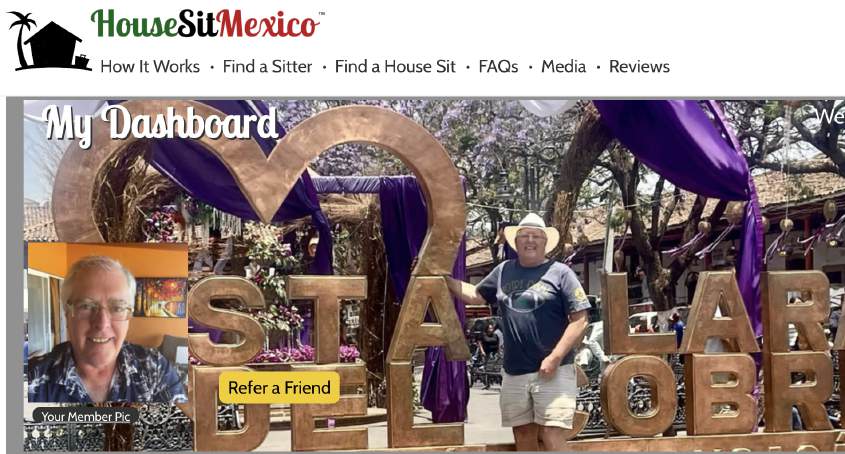
HouseSitMexico
Visit https://EscapeToMexicoNow.com/HSM
Use your personal coupon code to save 20%: scott6814ebcc66ca0
When you join using your unique coupon code, youy'll get 20% OFF* and we'll receive 2 free months added to our membership!
*(You'll pay just $63.20 USD for a one year membership. 2026 - may change in later years)
TrustedHouseSitters
THS is a very popular house Sitting site.

Mexico will never have as many house sitting opportunities as expensive countries.
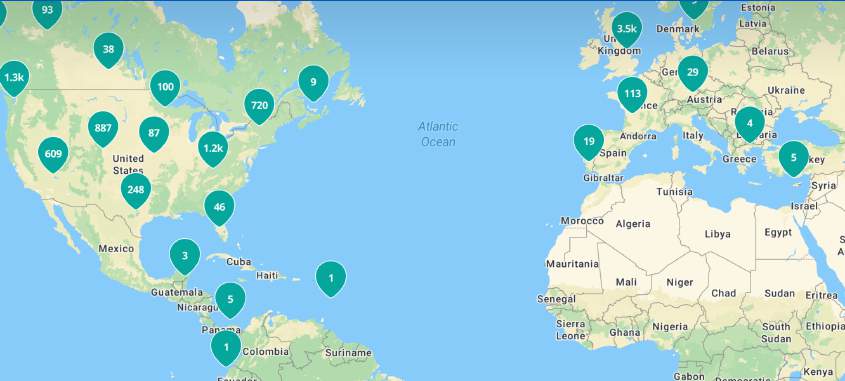
When a “Doggie hotel” can cost as much as your two week vacation, house sitting becomes an inexpensive option for home owners.
The house host does not pay the house sitter. The house sitter does not pay rent or utilities.
It is a good deal for all, and especially, if you want an experience closer to an ‘authentic’ stay in Mexico.
Trusted House Sitter: https://EscapeToMexicoNow.com/ths Personal Development
Traveling to new places gets you out of your Comfort Zone. This can be unnerving.
We recommend Miind Ttrainer Pro to calm the mind, expand your horizons or just to deal with any issues stopping you from traveling stress free!
MindTrainer PRO™ helps you unlock peak mental performance, reduce stress, and boost productivity using proven neuroscience and proprietary audio-visual technology.
Backed by Research Trusted by Entrepreneurs, Athletes & High-Performers Easy to Use. Powerful Results.
Watch full video: https://youtu.be/n8NedOk9A44
Learn more about Brain Entrainment: https://escapetomexiconow.com/mindtrainerpro
Health
Travelling brings with it health issues from water and different foods.
I use their products every day. Many times i am sure a stomach ‘bug’ was dealt with before it was an issue by a Life Enthusiast product.
For Mexican visits, I recommend Body Biotics:
https://life-enthusiast.com/products/sbo-probiotics-consortia/?ref=scott
I also recommend Nano Soma:
https://life-enthusiast.com/products/nano-soma-liquid/?ref=scott
Coupon Code 5% off: SCOTTPATON165
In 2001 Life Enthusiast launched online. We now offer unique products in many categories made by manufacturers who are dedicated to delivering quality above cost, customer service above bottom line, and passion for life above the numbers on a spreadsheet.
Our Founder and CEO Martin Pytela, CMTA – that’s Certified Metabolic Typing Advisor – offers his Health Coach services based on Metabolic Typing, a method that helps determine which food and supplement combinations will be most appropriate for you, your Biological Individuality. You may already be aware that what heals one person may make another one worse… Martin is supported by a team experienced and dedicated associates that include a holistic nutritionist, a herbalist, and a fitness specialist. We understand humans, and also pets.
We make it our business to help people reverse chronic degenerative, metabolic conditions, the source of aging and pain that plague so many. Especially if you have been frustrated by the medical system, and its symptom-oriented approach, you will find us to be refreshingly different. We believe that emergency room solutions so effective at saving a life are not appropriate for preventing or reversing conditions associated with aging or with system-wide break-downs.
https://life-enthusiast.com/?ref=scott
Coupon Code 5% off: SCOTTPATON165
Work and Income
I am often asked about remote working and building a “Laptop Lifestyle” business.
My friends at the No More 9 to 5 Club are experts at supporting your business and financial goals.
Discover how they can help at https://escapetomexiconow.com/no9-5
###############
NOTE: A few links in this ebook are affiliate links. If you click through and make a purchase, we may receive a small commission—without affecting the price you pay. We only recommend products we genuinely believe in.
###############
Amazon Description
Most people come to Mexico’s northwest for the obvious: the coastline, the big-name beaches, the highway routes.
But the real story lives in the in-between places—where desert air tastes like salt, where mission bells ring at dusk, and where a town plaza can feel more memorable than any resort.
Where Desert Meets the Sea is Scott Paton’s guide to the Pueblos Mágicos of Mexico’s northwest, spanning Baja California, Baja California Sur, Sonora, Chihuahua, Sinaloa, and Durango. These aren’t polished attractions built for tourists. They’re living communities—shaped by desert winds, mountain silence, fishing villages, mining legends, and traditions that still anchor daily life.
Inside, you’ll travel through towns that feel like doorways:
● Sinaloa’s colonial streets and candlelit festivals in places like Cosalá, El Rosario, and El
Fuerte
● Chihuahua’s high-country magic—gateway towns to the Sierra Tarahumara and Copper
Canyon, from Creel to Batopilas
● Sonora’s mission history and warm plazas in Álamos, Magdalena de Kino, and Ures
● Durango’s desert legends in Mapimí and the waterfalls and temples of Nombre de Dios
● Baja California’s Tecate—where mountains, bread, and beer meet small-town charm
● Baja California Sur’s coastal classics—Todos Santos, Loreto, and Santa Rosalía—where
the sea presses right up against the desert
Each chapter blends practical travel guidance (how to get there, where to stay, what to do, what to eat) with the kind of sensory detail that makes a place stick—market aromas, local dishes, mission courtyards, and the quiet moments that don’t show up on maps.
If you’re planning a trip, building an itinerary beyond the usual stops, or you simply want to experience Mexico through towns that still feel rooted and real, this book is your companion.
Because the northwest doesn’t just offer scenery.
It offers stories—and once you’ve walked these pueblos, they follow you home.
You may also like...
-
Move to Mexico: A Guide For Families Travel by Scott PatonMove to Mexico: A Guide For Families
Reads:
41Pages:
74Published:
Oct 2026A relocation guide written specifically for families with school-age children who are considering a permanent or long-term move to Mexico, covering the cities...
Formats: PDF, Epub, Kindle, TXT
-
Beyond the Volcano’s Shadow: Journeys Through Mexico’s Southwest Pueblos Mágicos Travel by Scott PatonBeyond the Volcano’s Shadow: Journeys Through Mexico’s Southwest Pueblos Mágicos
Reads:
5Pages:
114Published:
Apr 2026There is a version of Mexico most travelers never see.Beyond the crowded resorts and polished itineraries lies a wilder, deeper rhythm — where volcanoes breat...
Formats: PDF, Epub, Kindle, TXT
-
Whispers of the Tropic Wind: Exploring the Pueblos Mágicos of Mexico’s Southeast Travel by Scott PatonWhispers of the Tropic Wind: Exploring the Pueblos Mágicos of Mexico’s Southeast
Reads:
0Pages:
210Published:
Apr 2026There’s a version of Mexico’s southeast that most travelers miss.Not the resort corridors. Not the “same three stops” itineraries.The real southeast is humid ...
Formats: PDF, Epub, Kindle, TXT
-
Desert Winds & Hidden Legends: Exploring the Pueblos Mágicos of Northeast Mexico Travel by Scott PatonDesert Winds & Hidden Legends: Exploring the Pueblos Mágicos of Northeast Mexico
Reads:
1Pages:
94Published:
Apr 2026Most people think Northeast Mexico is “just desert.”But deserts don’t stay empty for long when they’re packed with old missions, vineyard towns, mountain hide...
Formats: PDF, Epub, Kindle, TXT