

Practical Handbook Of Zoology by Dr. Jawale C.S. Dr. Supriya Singh Gupta. - HTML preview
Download the book in PDF, ePub for a complete version.
ANIMAL DIVERSITY II
MUSEUM STUDY OF PHYLUM ASCHELMINTHES: ASCARIS LUMBRICOIDES,
The Phylum name Aschelminthes refers to the cavity between body wall and digestive tract. “Askos” means “bag” and “helminthes” means “worms”
I. Habit and habitat: Organisms classified in Phylum Aschelminthes includes smooth, elongated, cylindrical, round worms which are mostly parasitic in nature.
II. Germ layers: These are triploblastic in nature i.e body is made up of three germ layers. Outer germ layer is ectoderm, middle is mesoderm and inner is endoderm.
III. Coelom: Body cavity exists between body wall and digestive tract. As it is not formed by the splitting of mesoderm hence named as pseudocoel.
IV. Body size and shape: Organisms vary in size and have cylindrical unsegmented body with bilateral symmetry.
V. Body Covering: body is covered by thick tough resistant cuticle which is resistant to the digestive enzymes of host.
VI. Organization: They show an organ grade of organization.
VII. Digestive system: Digestive system is complete, starting with mouth and finishing at anus.
VIII. It has non muscular wall.
IX. Respiratory system: respiration in parasitic forms are anaerobic in nature.
X. Circulatory System: Circulatory system is absent, pseudocoelomic fluid transports materials.
XI. Excretory System: it consists of two intra cellular tubes running in the lateral lines.
XII. Nervous system: nervous system comprises of a circumpharyngeal ring which extends nerves forward as well as backward.
XIII. Reproductive system: sexes are separate with sexual dimorphism.
XIV. Fertilization: Fertilization is internal.
XV. Development: Development is direct or indirect. Larval form exist during indirect development (microfilaria larvae ofWuchereria).
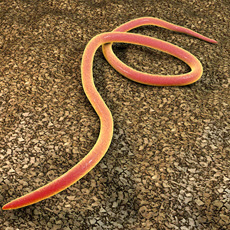
Systematic position:
Kingdom: Animalia: Multicellular hetrotrophs with ingestion mode, nerve cell and muscle cells present.
Phylum:Aschelminthes: Triploblastic, pseudocoelomates
Class: Nematoda: Unsegmented cylindrical body (round worms)
Genus: Ascaris
Species: lumbricoids
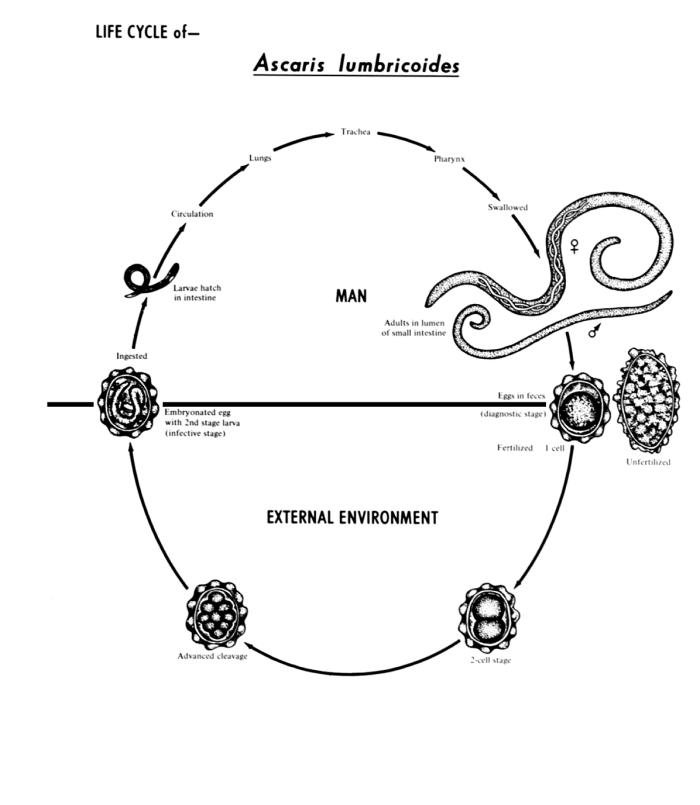
Comments:
- It is commonly called as round worm.
- Body is unsegmented, elongated, and cylindrical and with tapering ends.
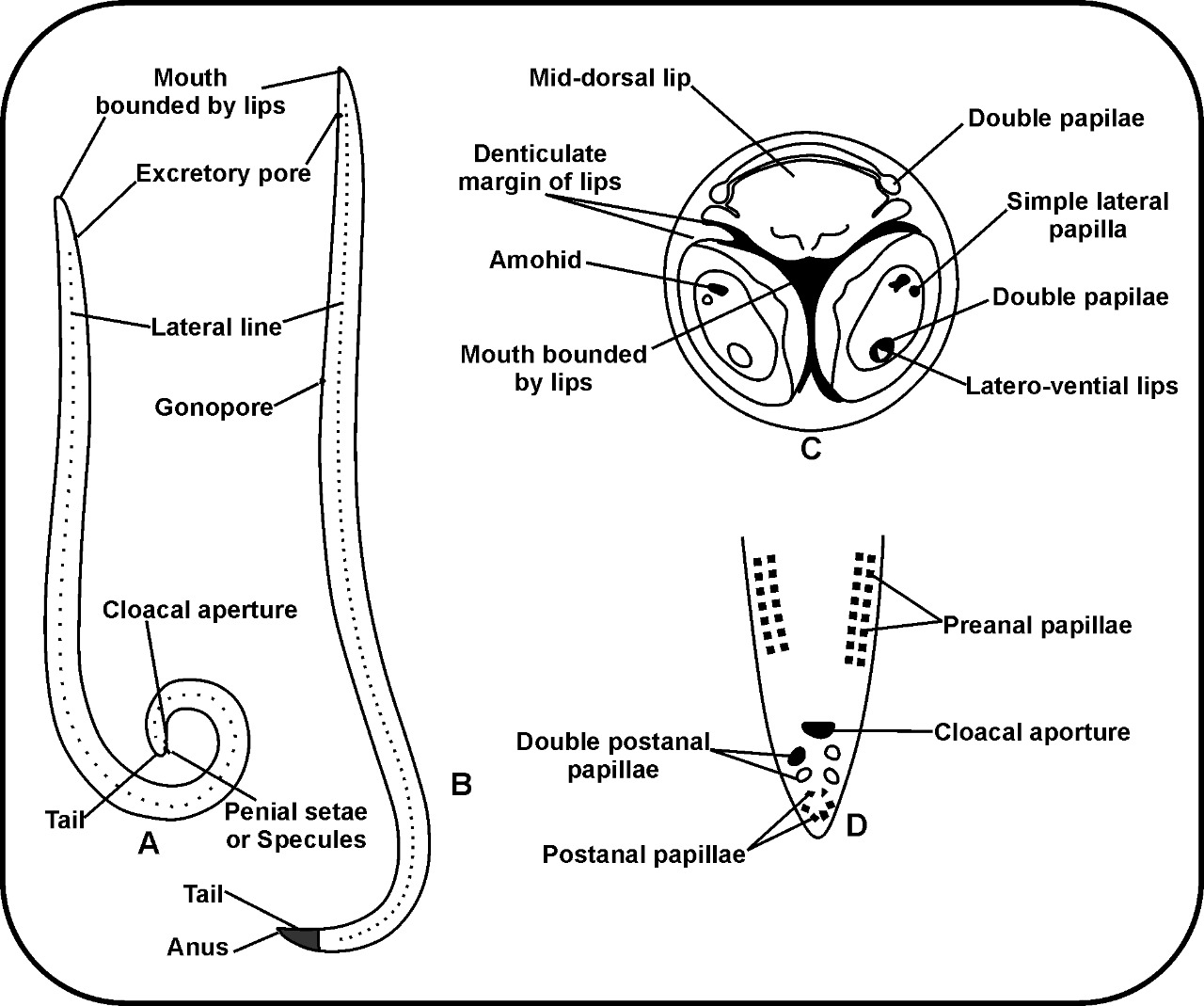
- Sexes are separate with a distinct sexual dimorphism.
- Male measures 15-30 cm in length with a curved posterior end whereas female measures 20-35 cm with a straight posterior end.
- Mouth is guarded by three lips and situated at anterior end.
MUSEUM STUDY OF PHYLUM ANNELIDA: NERIES, EARTHWORM, LEECH.
Annelida
The phylum name Annelida refers to metamerically segmented worms. The word “Annelus” means “rings”
I. Habit and habitat: These are soft bodied elongated metamerically segmented vermiform organisms. They prefer moist environment and are found in moist soil, freshwater and marine water.
II. Germ layers: These are triploblastic in nature i.e body is made up of three germ layers. Outer germ layer is ectoderm, middle is mesoderm and inner is endoderm.
III. Coelom: body cavity is present between gut and body wall. It is formed by the splitting of mesoderm hence called as true coelom.
IV. Body size and shape: the size ranges from 1mm (eg. Neotenotrocha) to 3m (Eunice). Giant gippsland earthworms can be 1 m long. They Mostly have cylindrical and elongated vermiform segmented body
V. Body Covering: body is covered by thin cuticle, single layered epidermis and well developed musculature. Epidermis bears glands and sensory cells. In some forms body wall has segmental extensions called as parapodia. These parapodia bears chaetae (bristles) for locomotion and gills for respiration.
VI. Organization: They show an organ grade of organization.
VII. Locomotion: some forms use chitinous setae for locomotion and some uses parapodia.
VIII. Digestive system: digestive tract is complete and muscular. Digestion is extracellular.
IX. Respiratory system: respiration occurs through general body surface by simple diffusion. Some forms have gills.
X. Circulatory System: closed circulatory system is present. Blood is red in color due to presence of a respiratory pigment, hemoglobin in plasma and amoeboid cells.
XI. Excretory System: excretion is done via nephridia. Some are enteronephric (opening into gut) and some are exonephric (opening outside body wall)
XII. Nervous system: nervous system comprises of brain (nerve ring) formed by ganglions connected by connectives and a ventral nerve cord formed by a pair of cords which shows ganglion in each segment.
XIII. Reproductive system: Sexes can be separated (Neris) or united (Pheretimaposthuma- earth worm). Some embers reproduce by budding
XIV. Fertilization: Fertilization is internal.
XV. Development: Development is direct or indirect (may include a larval stage-trochophore larvae).
Nereis
 Systematic position
Kingdom: Animalia: Multicellular hetrotrophs with ingestion mode, nerve cell and muscle cells present.
Phylum: Annelida: cylindrical body with metameric segmentations, coelomates
Class: Polychaeta: numerous setae, parapodia present, no clitellum
Genus:Nereis
Species:
Comments:
- They are marine nocturnal worms, which often cling to the sea weeds in swallow waters or sandy areas.
- Commonly called as rag worms.
- Body is alongated, vermiform and segmented.
- Segments are called as metamere and each of it bears a pair of parapodia.
- Parapodia are the locomotory organs plus respiratory organs which bears chitinous setae.
- Cephalization is there at the anterior end. Head consist of pairs of eyes, tentacles, palps and mouth.
- Terminal segment is anal segment which bears anal cirri.
Pheretimaposthuma
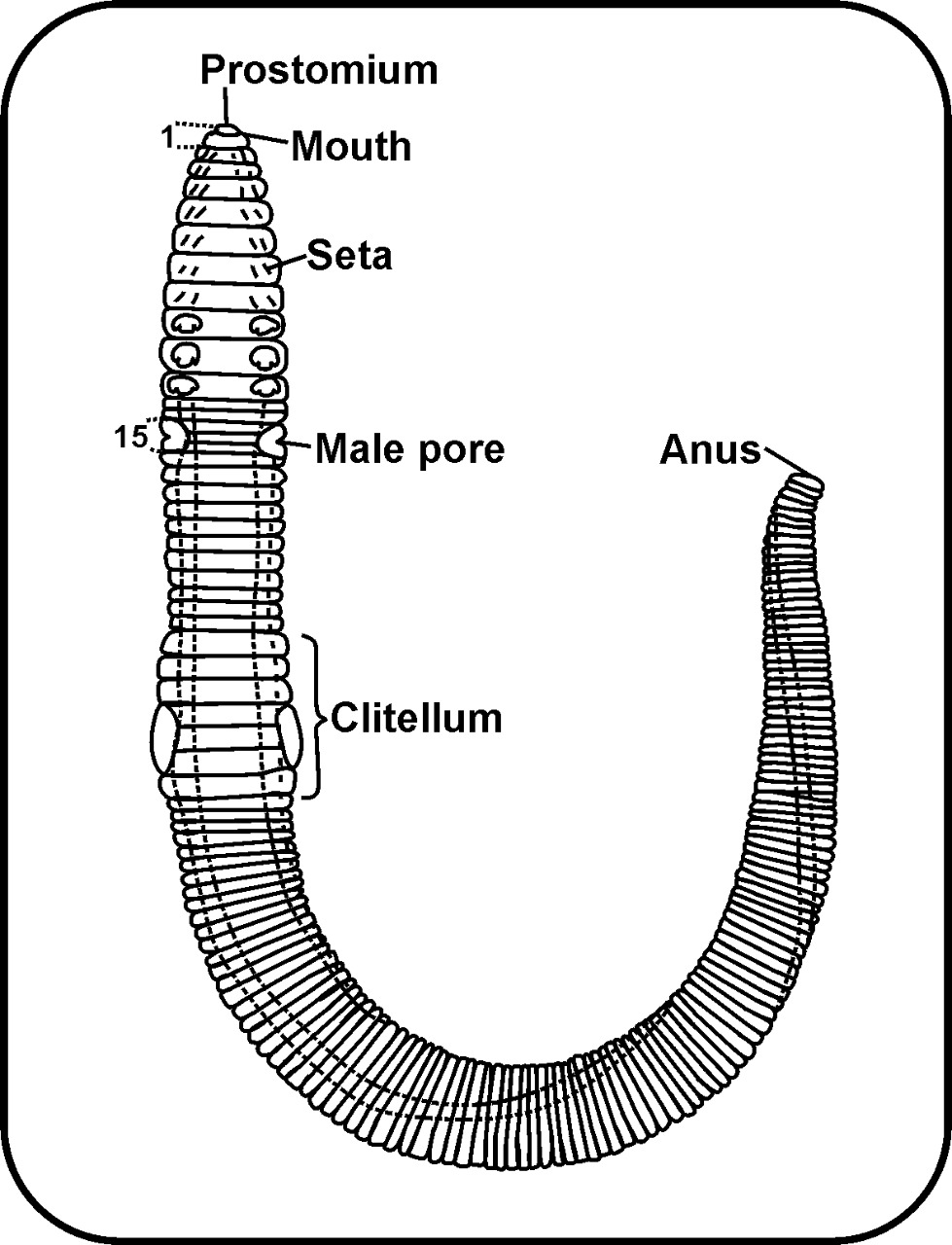
Systematic position
Kingdom: Animalia: Multicellular hetrotrophs with ingestion mode, nerve cell and muscle cells present.
Phylum: Annelida: Cylindrical body with metameric segmentations, coelomates
Class: Oligochaeta: few setae, no parapodia,clitellum present
Genus: Pheretima
Species:posthuma
Comment:
- Pheretima is a fossorial organism staying in moist regions.
- It measures 150mm in length and 3-5 mm in width.
- Body is elongated, vermiform and segmented.
- Anterior end is slightly tapered and bears a cresentric slit as mouth whereas posterior end is blunt with anus at the terminal segment.
- It is dark brown in colour.
- Dorsal surface can be marked by the presence of dorsal blood vessel which is visible through integument.
- A prominent circular and glandular band, called clitellum is present around 14th , 15th and 16th segments.
- Locomotion is done by chitinous S shaped setae present in all segments except first, last and clitellum segments.
- Hermaphrodite organism showing cross fertilization.
Hirudinaria
Systematic position
Kingdom: Animalia: Multicellular hetrotrophs with ingestion mode, nerve cell and muscle cells present.
Phylum: Annelida: Cylindrical body with metameric segmentations, coelomates
Class:Hirudinea: Instead of setae and parapodia suckers are there to facilitates the locomotion.
Genus:Hirudinaria
Species: granulose
Comments:
- It is commonly called as Indian cattle leech.
- It is found in fresh water bodies like lakes or ponds.
- Body is soft, elongated, vermiform, and dorsoventrally flattened with 33 metameric segments.
- Body has olive green colored dorsal surface and yellowish ventral surface.
- Body bears two suckers at both ends. Anterior sucker is oval in shape and consist of mouth where as posterior sucker is circular which is meant for attachment and locomotion.
- Anterior end bears eyes on dorsal side and a mouth with triradiate aperture equipped with sharp teeth.
- Feeding mode is sanguivorous, that is blood sucking.
- They are hermaphrodite.
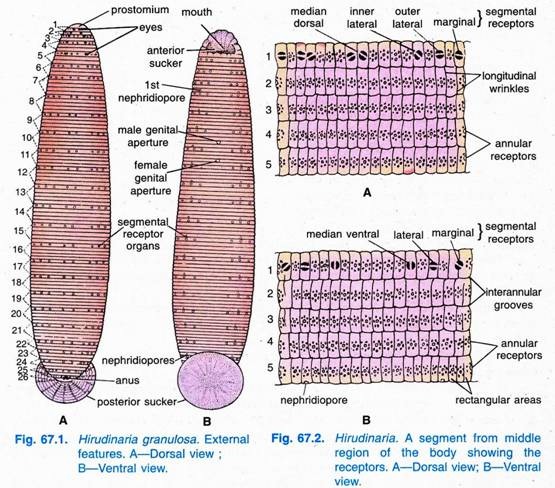
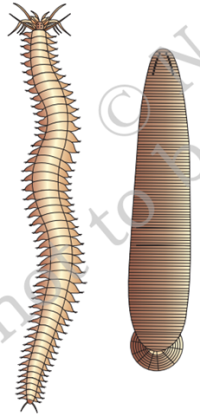
Fig: Hirudinaria granulosa, External features,
A Dorsal view, B. Ventral View.
MUSEUM STUDY OF PHYLUM ARTHROPODA: PRAWN, COCKROACH, CENTIPEDE, MILLIPEDE, CRAB
The phylum Arthropoda refers to the organisms with joint appendages. The word “Arthro” means “joint” and “Poda” means “legs”
I. Habit and habitat:
II. Germ layers: These are triploblastic in nature i.e body is made up of three germ layers. Outer germ layer is ectoderm, middle is mesoderm and inner is endoderm.
III. Coelom: True coelom is reduced to the cavities around gonads and visceral mass.
IV. Body size and shape: size varies from 1 mm to 13 feet. Body is segmented and have various shapes.
V. Body Covering: bodyhas thick chitinous cuticle, which form exoskeleton.
VI. Organization: They show an organ grade of organization.
VII. Locomotion: variety of joint appendages are there for locomotion
VIII. Digestive system: digestive tract is complete. Mouth has modified parts as Alimentary canal shows three different regions stomodaeum, mesenteron and proctodaeum.
IX. Respiratory system: respiration is through general body surface, or by gills in aquatic forms and by lungs or book lung in terrestrial forms.
X. Circulatory System: It is open type with heart and arteries with organs directly bathed in blood
XI. Excretory System: in aquatic forms excretion of ammonia directly takes place by diffusion through gills but in terrestrial forms excretion is done by malpighian tubules
XII. Nervous system: nervous system consists of primitive dorsal brain and ganglionated nerve chord.
XIII. Reproductive system: Sexes are separate with sexual dimorphism.
XIV. Fertilization: Fertilization is internal.
XV. Development: Development is direct or indirect
Systematic position
Kingdom: Animalia : Multicellular hetrotrophs with ingestion mode, nerve cell and muscle cells present.
Phylum: Arthropoda: Triploblastic; jointed appendages; body divided into head thorax and abdomen
Class: Crustacea: head and thorax fused to form cephalothorax, thick exoskeleton
Order: Decapoda: ten pairs of appendages
Genus: Palaemon
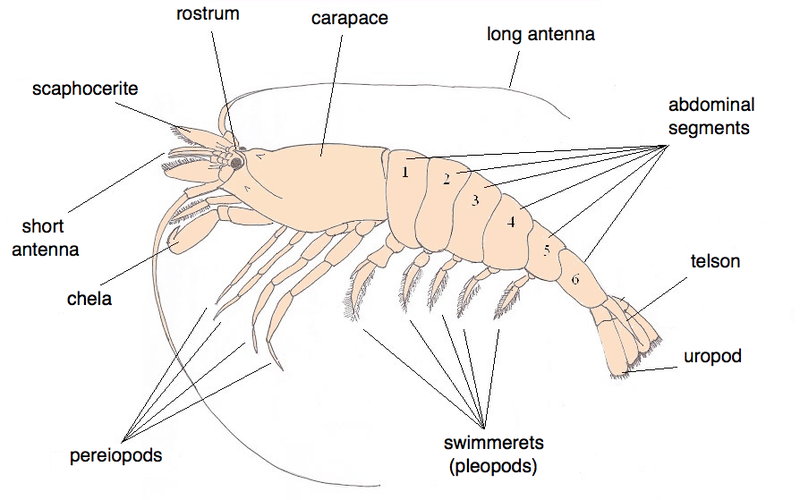
Comments:
- It is commonly called as prawn. It is nocturnal and found in fresh waters of ponds, ditches, lakes etc.
- Body is elongated and spindle shaped.
- Body is divided into cephalothorax and abdomen.
- Cephalothorax is formed by the fusion of five segments of head and eight segments of thorax.
- Cephalothorax is rigid, without joints and is covered with a carapace.
- Abdomen region is flexible and has six segments with movable joints.
- Each segment of body bears a pair of appendages making all together 19 pairs.
- These appendages are modified for various purposes like feeding, walking and swimming.
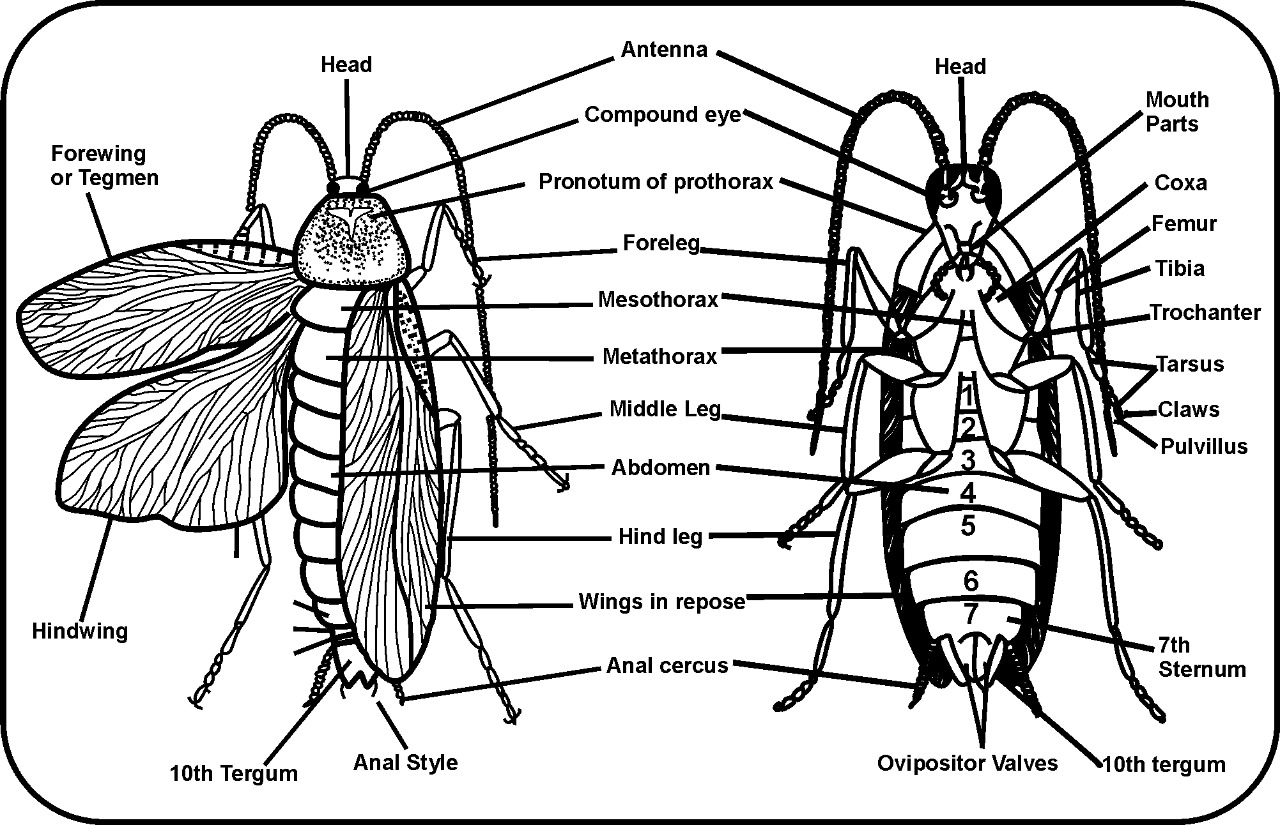
Male (Dorsal view) Female (Ventral view)
Systematic position
Kingdom: Animalia: Multicellular hetrotrophs with ingestion mode, nerve cell and muscle cells present.
Phylum: Arthropoda: Triploblastic; jointed appendages; body divided into head thorax and abdomen
Class: Insect: three pairs of legs
Genus: Periplaneta
Species: americana
Comments:
- Its habitat is dark, warm and humid
- Body is divided into head thorax and abdomen
- Body is flattened with a perpendicular head.
- Mouth is chewing and biting type.
- Thorax is further divided into prothorax, mesothorax and metathorax. Each with a pair of legs
- Two pairs of wings are there, fore wing (strong and mesothorasic) and hind wings (thin membranous and metathorasic).
- Abdomen consists of 10 segments.
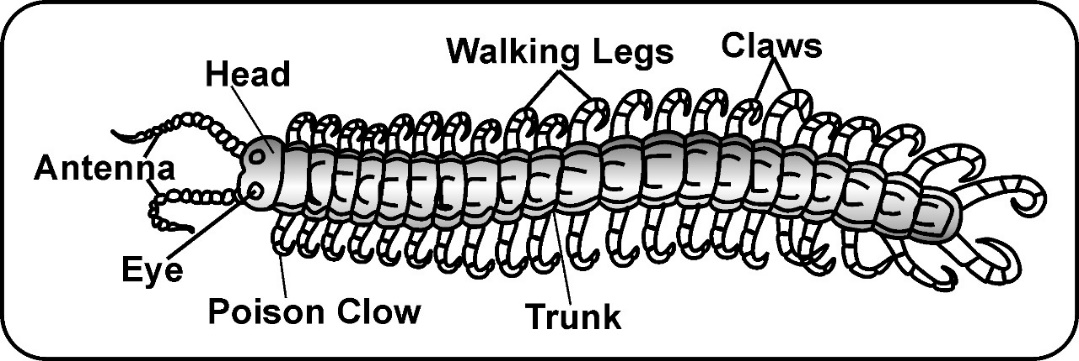
Systematic position
Kingdom : Animalia: Multicellular hetrotrophs with ingestion mode, nerve cell and muscle cells present.
Phylum: Arthropoda: Triploblastic; jointed appendages; body divided into head thorax and abdomen
Class:Myriapoda
Genus:Scolopendra
Comments:
- It is commonly called as centipede.
- It is found in damp places like under the rock or logs and even in houses some times.
- Body is elongated, segmented and dorsoventrally flattened.
- Body is divided into head and trunk.
- Head bears antennae, mandible and maxillae.
- Many forms lack eyes but some forms possess clustered ocelli working as a compound eye.
- There are 22 segments and each bears a pair of walking legs.
- First pair of legs bears a sharp poisonous claw.
- Poisonous and carnivorous form.
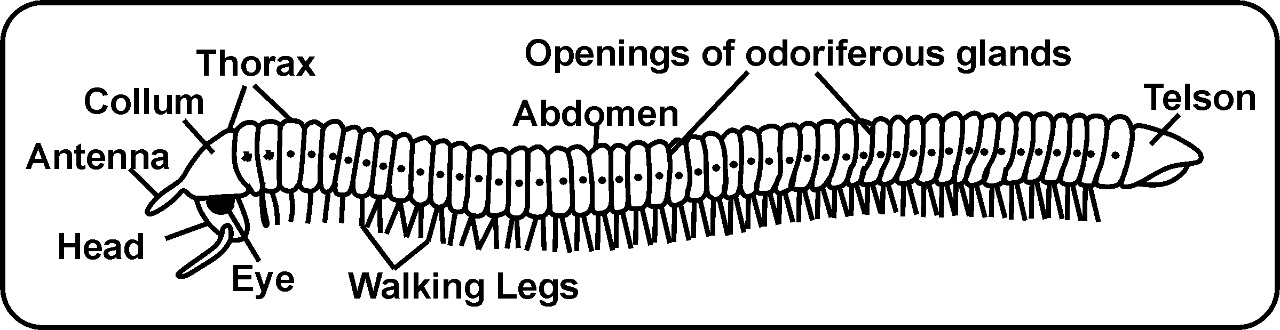
Systematic position
Kingdom: Animalia: Multicellular hetrotrophs with ingestion mode, nerve cell and muscle cells present.
Phylum: Arthropoda: Triploblastic; jointed appendages; body divided into head thorax and abdomen
Class: Diplopoda: trunk is segmented and each segment bears
Genus: Julus
Comments:
- It is commonly called as millipede.
- Body is elongated, segmented and cylindrical.
- Body is divided into head thorax and abdomen.
- Head bears antennae, mandibles and maxillae.
- Thorax bears four segments with a pair of walking legs in each segment.
- Abdomen has 25-100 segments and each segment bears 2 pairs of walking legs.
- Non poisonous herbivorous form.
Systematic position
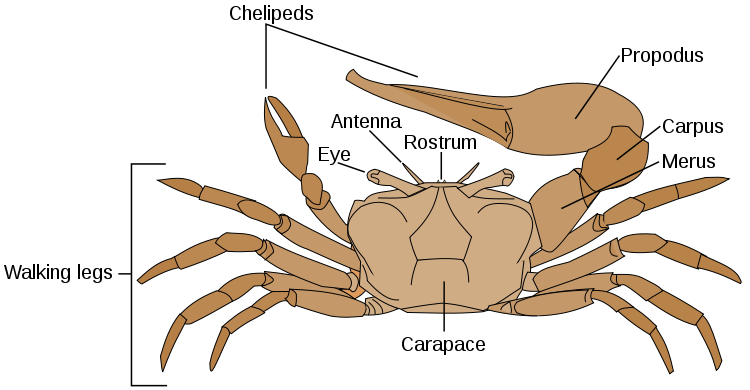 Kingdom: Animalia: Multicellular hetrotrophs with ingestion mode, nerve cell and muscle cells present.
Phylum: Arthropoda: Triploblastic; jointed appendages; body divided into head thorax and abdomen
Class:Crustacean : Thick exoskeleton and cephalothorax (head fused with thorax)
Order:Decapoda: Ten pair of appendages and cephalo-thorax is covered by hard carapace.
Genus: Cancer
Comments:
- It is commonly called as rock crab.
- They are found beneath the rocks or buried in sand.
- Body is dorsoventrally flattened and oval shaped.
- Cephalothorax region is broad and large where as abdomen is highly reduced.
- Body is covered by a carapace.
- Eye stalk and antennae are present in the sockets in carapace.
- Five pairs of thoracic legs are well developed and other pairs are reduced.
MUSEUM STUDY OF PHYLUM MOLLUSCA: PILA, CHITON, BIVALVE, OCTOPUS.
The phylum mollusca refer to the organisms with soft body. The word “Mollis” means “soft”.
I. Habitat: They are mostly marine with few freshwater and moist soil living forms.
II. Germ layers: These are triploblastic in nature i.e body is made up of three germ layers. Outer germ layer is ectoderm, middle is mesoderm and inner is endoderm.
III. Coelom: Body cavity is true coelom though greatly reduced.
IV. Body size and shape: body is soft and divided into head visceral mass and foot. Body has bilateral symmetry.
V. Body Covering: A thin fleshy fold of dorsal body wall is called mantle which generally secretes the shell. Shell may be internal, external or completely absent. Some forms exhibit torsion of body along with shell.
VI. Organization: Organ system level organization can be seen.
VII. Locomotion: Muscular ventral foot helps in locomotion.
VIII. Digestive system: Digestive tract is complete. Buccal cavity has a specialized rasping organ called radula with transverse rows of teeth. Large digestive gland called hepato-pancreas is also present which helps in digestion and assimilation.
IX. Respiratory system: respiration in aquatic forms is by gills (ctinidia) in the mantle cavity and by lungs in terrestrial forms
X. Circulatory System: Open circulatory is present although 2-3 chambered heart is there with few arteries that drain into sinuses. Respiratory pigment, haemocyanin is also present.
XI. Excretory System: A pair of kidneys performs the task of excretion.
XII. Nervous system: Nervous system comprises of three paired ganglia (cerebral, pedal and visceral), connectives and nerves. Sense organ consists of statocyst, osphradium and eyes.
XIII. Reproductive system: Reproduction mode is sexual only. Sexes are generally separate
XIV. Fertilization: Fertilization is internal.
XV. Development: Development is direct or indirect. Indirect development include a glochidium or velinger larva.
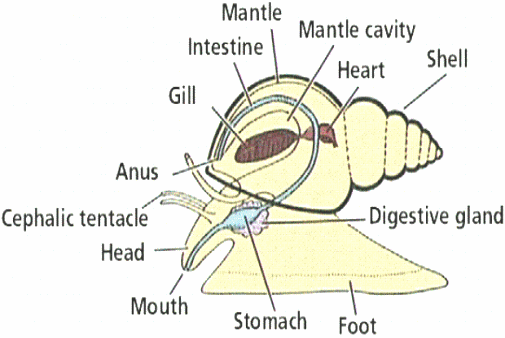
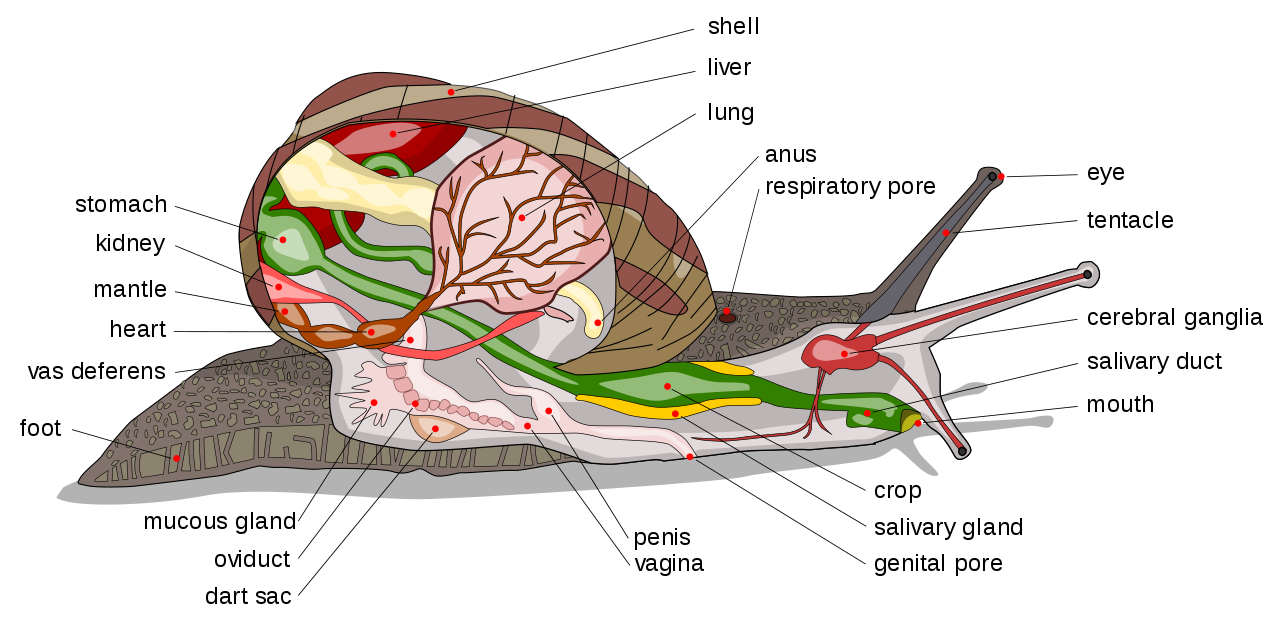
Systematic position
Kingdom: Animalia: Multicellular hetrotrophs with ingestion mode, nerve cell and muscle cells present.
Phylum: Mollusca: Soft bodied; unsegmented; body consist of head, visceral mass, mantle and foot
Class: Gastropoda:spirally coiled shell; distinct head with eyes and tentacles
Genus: Pila
Species: globosa
Comments:
- It is commonly named as apple snail.
- One of the largest fresh water snail.
- It is found in rivers, ponds, lakes and even in paddy fields.
- Body is enclosed in a univalve spirally coiled shell.
- Top portion of the shell is called as apex.
- Lines of growth can be seen on the shell as whorls.
- Body comprises of head, foot and visceral mass.
- A distinct head bears eyes and two pairs of tentacles.
- A large muscular foot assists in creeping.
- Visceral mass is spirally coiled exhibiting torsion and bears all the main organs.
- Mantle covers the visceral mass, forms respiratory siphon, and has shell glands which secrete the shell.
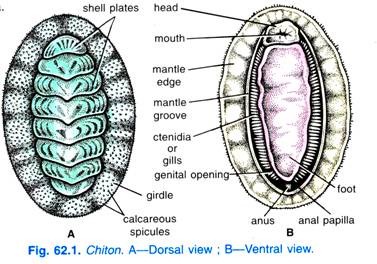
Fig. Chiton, Dorsal and ventral view
Systematic position
Kingdom: Animalia: Multicellular hetrotrophs with ingestion mode, nerve cell and muscle cells present.
Phylum: Mollusca: Soft bodied; unsegmented; body consist of head, visceral mass, mantle and foot
Class: Polyplacophora: shell comprises of eight calcareous plates; foot is flat and ventrally located.
Genus: Chiton
Comments:
- It is commonly named as sea mice.
- It is found in marine shallow waters attached to rocks or empty shells.
- It is a dorsoventrally flattened mollusk with eight distinct overlapping calcareous shell plates on dorsal side.
- Stiff mantle of Chiton helps in respiration and is termed as girdle.
- Head is without eyes and tentacles.
- Muscular foot is present on ventral side and helps in creeping.
- Mouth and anus are present at the opposite ends.
Systematic position
Kingdom: Animalia: Multicellular hetrotrophs with ingestion mode, nerve cell and muscle cells present.
Phylum: Mollusca: Soft bodied; unsegmented; body consist of head, visceral mass, mantle and foot
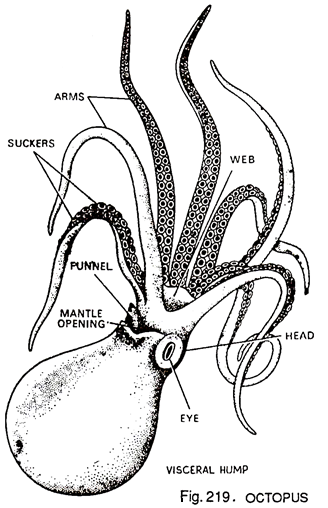
Class: Cephalopoda: body is divided into head and foot. Foot is modified into arms.
Order: Octapoda: eight arms
Genus: Octopus
Comments:
- It is commonly called as devil fish.
- It is found at sea bottom under rocks and crevices.
- The soft body of octopus is divided into head and eight arms.
- The head bears pair of eyes and appears enormous because of visceral hump.
- Each arm has two rows of suckers.
- Siphon expels the water and helps in swimming.
- Mouth bears a sharp beak.
- Ink gland ejects out a fluid which helps the octopus to escape when in danger.
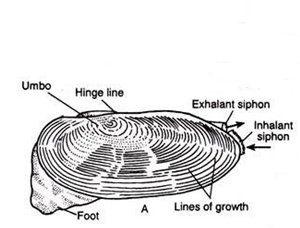
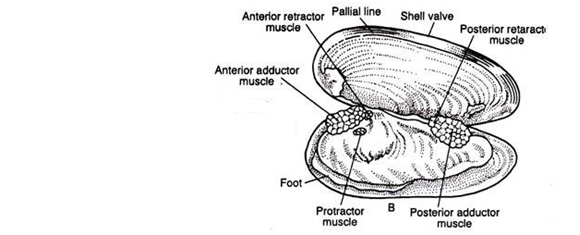
Fig. External features of Uno. A. Side view, B. Internal structure
Systematic position
Kingdom: Animalia: Multicellular hetrotrophs with ingestion mode, nerve cell and muscle cells present.
Phylum: Mollusca: Soft bodied; unsegmented; body consist of head, visceral mass, mantle and foot
Class: Pelecypoda: bivalve shell
Genus: Unio
Comments:
- It is commonly called as fresh water mussel
- Body is flattened and enclosed by a bivalve shell.
- The two halves of the shell are joined together by a hinge ligament.
- Mantle flaps form siph