

Amabile by Edward Drobinski - HTML preview
Download the book in PDF, ePub, Kindle for a complete version.
Amabile
Page 89
Second Trip
So, Portland, Oregon it was. Morey didn’t plan on staying long. He also didn’t plan on staying short. He wandered downtown where people were leaving work, following the sound of chanting that echoed off the brick facades near Chapman Square. By the time he reached the park, the January light was already thinning, and the crowd had settled into that strange mix of energy and patience that rallies often have; people waiting for something to happen, even if they don’t know what.
Morey thought; “Does diversity equal rallies, protests, or riots?”
Hand painted signs, curiously identical, bobbed above the heads around him. Drums thudded in a loose rhythm. Someone with a megaphone was trying to lead a call and response, but the wind kept stealing half the words. This seemed to be only possible if there was an organized plan. Morey stood near the edge, close enough to feel part of it but far enough that he could step back if things shifted.
For a while, it felt almost like an Amabile block party; food carts humming, people passing out water, a guy on a bike weaving through the crowd with a speaker strapped to his rack. But the
Amabile
Page 90
mood changed the way weather does; slowly at first, then all at once.
A line of police officers dressed for riot appeared at the far end of the street, their presence quiet but unmistakable. The chanting grew louder, sharper. People pressed forward to see what was happening. Morey felt the crowd tighten around him, bodies leaning in the same direction like a tide pulling itself toward shore.
Then someone, too far ahead for him to see, lit a firework. It screeched upward, a bright arc against the dimming sky, and burst in a spray of color above the cops at the intersection. For a second, everyone froze. It wasn’t clear whether it was celebration or provocation.
The second firework answered that question.
It shot sideways instead of up, skittering across the pavement and exploding near the police line. The sound cracked through the air, and the crowd surged backward. Morey stumbled in the rolling disorder, caught his balance, and felt the adrenaline hit like a cold wave.
Commands boomed from somewhere; amplified, official, impossible to make out clearly. A moment later came the thump of something
Amabile
Page 91
launched, followed by the sting of smoke drifting through the air. People shouted warnings. Others yelled back in defiance.
Rubber bullets snapped against the pavement, sharp little impacts that sounded like someone slapping a wooden board. Morey didn’t see anyone hit, but the sound alone was enough to send his heart racing. He ducked behind an empty concrete planter, more out of instinct than strategy.
For a few minutes, everything blurred; shouting, running, the flash of another firework, the dull percussion of crowd control rounds. It wasn’t chaos exactly; more like a series of overlapping reactions, each person responding to the moment in their own way, not considering the following move. Morey thought; “These hominids have to be crummy chess players.”
Eventually the noise thinned. The officers held their line. The crowd dispersed in clusters, some angry, some shaken, some simply tired, some attracted to the goods in the sneaker store; enough to smash the window and enter. Morey thought that the cops must have a hard time finding the perps, as the sneaker looters all looked alike, excepting their clothing.
Amabile
Page 92
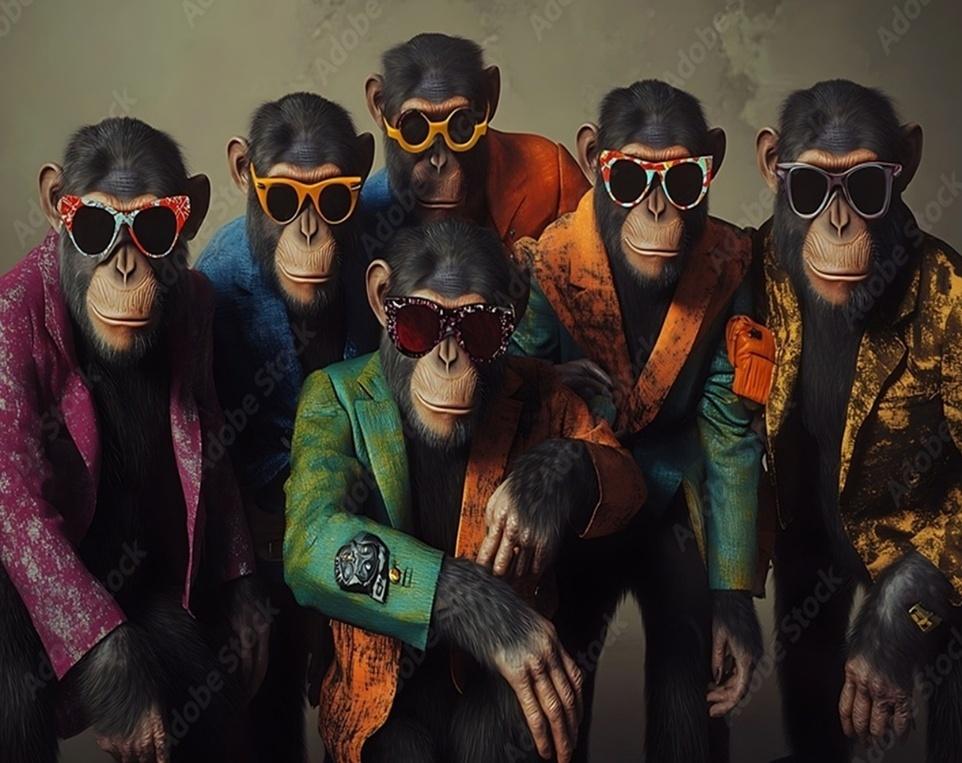
Morey walked alone, away from the fray, along quieter streets, the city feeling strangely hollow after all that noise. He was again disappointed by the fruits of diversity. He kept thinking about how quickly the mood had shifted; from hopeful to tense to volatile in the space of a few breaths. And how, even standing on the edge of it, he felt the weight of the moment settle into him, something he’d remember long after the smoke cleared.
Morey set his teleporter for Seattle today. He didn’t intend to chase the feeling north, but after the Portland rally he primarily wanted to get out of Portland, heedless to the particulars. He found himself on a late train to Seattle, staring out at the black water of the Sound as the city lights came into view. Maybe Morey wanted to see if what he’d witnessed
Amabile
Page 93
was an exception. Maybe he just wasn’t done trying to understand the strange electricity that gathers around moments like that.
Westlake Station was quiet when Morey surfaced, the kind of quiet that feels like a held breath. A few blocks away, though, he could already hear the low hum of a crowd; voices blending into a single restless note. He followed it up Pine Street until he reached the edge of Westlake Park.
The scene felt familiar in the way déjà vu does; all over again, a different city with the same fast food emporiums, a different skyline with the same cheap looking high rise apartments, same charged air. People clustered around the steps of a federal building, some holding signs, others wrapped in scarves against the cold. A speaker stood on a portable platform, their words carried more by cadence than clarity. The crowd responded in waves; cheers, claps, a few sharp whistles.
For a while, it stayed peaceful. A busker played guitar on the corner, trying to thread music through the noise. A group handed out hand warmers. Someone had brought a thermos of coffee and was offering it to anyone who looked cold. Morey stood near the monorail tracks, watching the city’s neon reflections ripple across the wet pavement.
Amabile
Page 94
Then the shift came; subtle at first, like a change in barometric pressure; like an academic paper concerning DEI.
A line of officers appeared at the far end of the block, their silhouettes backlit by the glow of storefronts, their positioning a detriment to any protestor seeking to enter the commercial block and loot. The crowd noticed almost instantly and resented the denial of their “rights.” Chants sharpened. People moved closer together. The air tightened.
A firework went off; small, bright, and startlingly close. It shot upward, burst in a quick spray of green, and for a heartbeat the whole park seemed to pause. The second one didn’t go up. It skittered across the pavement, spinning wildly before popping near the officers’ feet.
That was enough.
Commands boomed from loudspeakers. The crowd surged backward. Morey felt the movement before he understood it, bodies carelessly pressing past him with no regard for his well being, the kind of instinctive retreat that spreads faster than thought.
Rubber bullets cracked against the trees; sharp, percussive, unmistakable. Morey ducked behind a metal bench, heart hammering, trying to keep track of where the noise was coming
Amabile
Page 95
from. People shouted warnings. Others shouted back in anger. A third firework arced overhead, painting the wet street in red light before dissolving into smoke.
For a few minutes, the scene dissolved into overlapping reactions; running, yelling, the thud of crowd control rounds, the hiss of something dispersing in the air. It wasn’t chaos exactly; more like a storm breaking unevenly across a city well accustomed to precisely that.
Eventually the noise thinned. The officers held their position. They shot a protestor who aimed his pistol at them.

The crowd scattered into smaller groups, some heading toward Pike Street, others melting into the alleys near the market. The
Amabile
Page 96
guitar busker had vanished. The coffee thermos lay on its side, steaming faintly on the pavement.
Morey walked toward the waterfront, letting the cold air clear his head. The ferries moved slowly across the dark water, steady and indifferent. Seattle felt both familiar and distant, as if the city itself had stepped back to watch what its immigrant people and their naïve White replaced taxpayers were doing.
What struck him most was how similar it all felt to Portland; not identical, but echoing the same rhythm; hope, tension, escalation, feigned moral indignation, and dispersal. Two cities, two nights, the same uneasy choreography.
Morey kept walking until the noise faded completely, leaving only the sound of the water and the faint hum of traffic overhead. The night felt heavier than the one before, as if he’d carried something with him from one city to the next without meaning to.
Morey hadn’t meant to keep moving north, though he apparently had not yet reached “small enough,” but momentum has a way of carrying one farther than intention. A bit after his escape from Seattle, he drove up to Bellingham, teleporter in hand; smaller, quieter, the kind of place where the air feels like it’s been rinsed clean by the bay. Morey told himself he was just visiting
Amabile
Page 97
a friend, grabbing a coffee, walking the waterfront. But when he heard the gathering near the courthouse, he drifted toward it almost without deciding.
The crowd was smaller than Portland or Seattle; maybe a few dozen people at first, then more as the early evening stretched into darkness. Students, retirees, people with leashed dogs, people with backpacks, people who looked like they’d come straight from class or work. The mood was earnest, almost gentle. Someone played a hand drum. Someone else passed around a box of granola bars. A kid chalked slogans on the sidewalk in bright colors.
For a while, it felt like a teach in more than a rally. People took turns speaking, their voices steady, their breath visible in the cold. Cars honked in support as they passed. A woman next to Morey offered him a cup of tea from a thermos. He accepted, mostly because it felt like the kind of place where refusing would be rude.
But as the sun dipped behind the low buildings, the atmosphere shifted again; that same pattern, like a chord progression Morey was starting to recognize. A few officers appeared at the edge of the block. Not many, but enough to change the geometry of the
Amabile
Page 98
space. Conversations quieted. People turned to look. The air tightened.
A firework went off; small, bright, startling. It shot upward, burst in a quick spray of white, and for a moment the crowd seemed suspended between surprise and uncertainty. Then a second one skittered across the pavement, spinning wildly before popping near the officers’ feet.
The reaction was immediate. Commands echoed from somewhere. People backed up. A few shouted warnings. The officers responded with rubber bullets at foot level, the sound unmistakable even in a smaller space. Morey ducked behind a low wall, heart pounding, watching the crowd scatter in uneven waves.
It wasn’t as intense as Portland or Seattle; shorter, less sustained, but the pattern was the same; escalation, dispersal, silence.
When it was over, the courthouse steps were empty except for a few abandoned signs and the faint smell of smoke drifting across the plaza. The kid’s chalk drawings were smudged but still visible; bright streaks of color against the wet concrete.
Morey walked down toward the water, letting the cold air settle him. The bay was calm, the lights of the marina flickering like
Amabile
Page 99
distant signals. Bellingham felt smaller than the other cities, but the weight of the moment felt just as heavy.
By the time Morey reached the waterfront, he realized he wasn’t chasing answers. He wasn’t even chasing understanding. He was tracing a pattern; city to city, moment to moment, trying to see if the shape changed when the backdrop did.
It didn’t.
What struck Morey wasn’t the conflict itself but the speed of the shift; how quickly a gathering could turn, how thin the membrane was between calm and tension. And how, even standing on the edge of it, he had felt pulled into the current of the moment.
Each city had its own rhythm; Portland’s restless energy, Seattle’s compressed intensity, Bellingham’s earnest quiet, but the arc was the same. Hope, tension, escalation, dispersal. A choreography no one claimed to be directing, yet everyone seemed to know the steps.
Walking along the bay, he realized the thing that stayed with him wasn’t fear or outrage. It was something like a disdain; like the one no one thinks of when dispassionately removing an annoying bug that wormed its way into the house. It was also the sense of witnessing something fragile; people trying to express