

Amabile by Edward Drobinski - HTML preview
Download the book in PDF, ePub, Kindle for a complete version.
Amabile
Page 12
The Conversation
The Meeting on the Ridge Road
The winter sun hung low, a pale coin pressed against a sky the color of old tin. He had been following the ridge road for hours, its narrow spine rising and falling like the back of some ancient, sleeping creature. Snow lay in long wind combed drifts, piling against the roots of pitch pines and the exposed ribs of granite. Every few steps, the wind rearranged the world—lifting powder, smoothing tracks, whispering through the cattails frozen stiff along the marshy flats below.
That was when he saw the figure ahead.
A person; taller, older, coat the color of rusted iron, walking with the steady, unhurried gait of someone who had long ago made peace with distance. He carried a staff of peeled birch and wore a scarf the color of dried blood. When he turned, his eyes were bright and amused, as if he had been expecting company.
This someone looked like him and was alone at the wood’s edge. When they saw him, that someone seemed to retreat further back into the woods where there was no path. He called out; “No, it’s okay. Don’t worry, I’m harmless.”
Amabile
Page 13
The someone in the woods, slowed their retreat and called back; “That’s what they all say at first.”
He deduced that he was dealing with one previously wounded, and said; “How can I reassure you?”
“Ummmnn; I don’t know. ........ Maybe I’ll know it when I see it.”
“Look at me. I’m just like you. If I was going to attack, I’d have done so already. You’re not that far away.”
Someone was swayed and at the same time stationary; perhaps now entranced by his words, or perhaps just tired of running, in search of that elusive corporal, who means well. Someone said; “I don’t mean to sound disinterested, but your reticence can very well be a cover for a better attack.”
He noted the ambiguity between the statement and the fact that someone was no longer retreating, took a chance playing right into it, and said; “Sooner or later, I’m going to getcha.”
One Way or Another
Blondie
One way or another, I'm gonna find ya
I'm gonna get ya, get ya, get ya, get ya
One way or another, I'm gonna win ya
I'm gonna get ya, get ya, get ya, get ya
One way or another, I'm gonna see ya
I'm gonna meet ya, meet ya, meet ya, meet ya
Amabile
Page 14
One day, maybe next week
I'm gonna meet ya, I'm gonna meet ya, I'll meet ya
I will drive past your house
And if the lights are all down
I'll see who's around
One way or another, I'm gonna find ya
I'm gonna get ya, get ya, get ya, get ya
One way or another, I'm gonna win ya, I'll get ya, I'll get ya
One way or another, I'm gonna see ya
I'm gonna meet ya, meet ya, meet ya, meet ya
One day, maybe next week, I'm gonna meet ya
I'll meet ya, ah
And if the lights are all out
I'll follow your bus downtown
See who's hangin' 'round
One way or another, I'm gonna lose ya
I'm gonna give you the slip
A slip of the hip for another
I'm gonna lose ya, I'm gonna trick ya
I'll trick ya
One way or another, I'm gonna lose ya
I'm gonna trick ya, trick ya, trick ya, trick ya
One way or another, I'm gonna lose ya
I'm gonna give you the slip
I walked down the mall, stand over by the wall
Where I can see it all, find out who ya call
Lead you to the supermarket checkouts
Some specials and rat food, get lost in the crowd
One way or another, I'm gonna get ya (where I can see it all)
I'll get ya, I'll get ya, get ya, get ya, get ya (find out who
ya call)
One way or another, I'm gonna get ya (where I can see it all)
I'll get ya, I'll get ya, get ya, get ya, get ya (find out who
ya call)
One way, or another, I'm gonna get ya (where I can see it all)
II'll get ya, I'll get ya, get ya, get ya, get ya (find out who
ya call)
One way, or another, I'm gonna get ya (where I can see it all) I'll get ya, I'll get ya, get ya, get ya, get ya (find out who
ya call)
One way, or another, I'm gonna get ya (where I can see it all)
Amabile
Page 15
I'll get ya, I'll get ya, get ya, get ya, get ya (find out who
ya call)
One way, or another, I'm gonna get ya (where I can see it all) I'll get ya, I'll get ya, get ya, get ya, get ya (find out who
ya call)
One way, or another
Written by John Joseph O'Neill, Nigel Douglas Harrison, and
Deborah Harry.
Someone said; “So retro.”
“So classic.”
“Same thing.”
“Not exactly.”
They walked in tandem toward Someone’s village.
Amabile
Page 16
To The Village
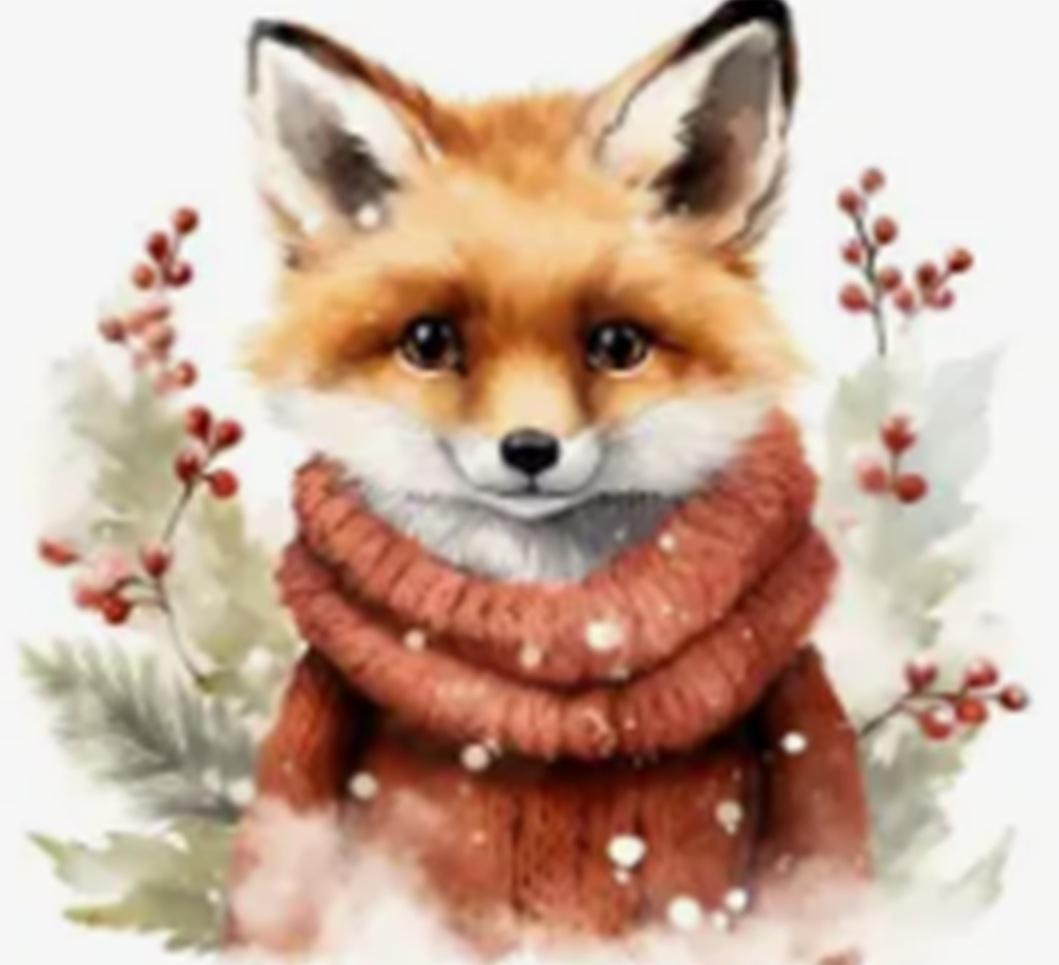
“You must be Morey,” the someone said. “I’m called Red Rafferty. Some say A/K/A Red, but that’s just because they like to make things sound mysterious.”
Morey blinked. “You know my name?”
Amabile
Page 17
“Hard not to. Word travels faster than the wind on these ridges.”
They fell into step together, the road narrowing between them as the land dropped sharply on both sides; one slope sliding into a tangle of winter-bare alder, the other falling toward a frozen creek that glinted like a blade.
Red tapped the snow with his staff. “You picked the right season to travel. Winter’s the only time you can walk without worrying.”
“Worrying about what?”
Red gave him a sideways look. “African bees. They’re everywhere now. Took over the meadows, the orchards, the old farms. Killed off the American honey bees, and a few people too. Nasty business.”
Morey shivered, though not from the cold. “I didn’t know it was that bad.”
“Oh, it’s worse in summer. You can’t hear yourself think for all the buzzing. But winter ..... ” He gestured at the empty hills, the frozen marsh, the silence so complete it felt like a held breath. “Winter belongs to the hunters. The bees cluster to keep
Amabile
Page 18
warm, and never leave the hive. The hunters sometimes shoot us, but you’re safer with them. That’s why I’m out here now.”
“Picked a good time to visit, huh?”
“You betcha. The African bees were first introduced to Brazil in 1956 in an effort to increase honey production, but 26 swarms escaped quarantine in 1957. Since then, they have spread throughout South America and arrived in North America in 1985. Hives were found here in 1990. The African bees are typically much more defensive, react to disturbances faster, and chase people farther than other varieties of honey bees. They have killed some 10,000 humans, with victims receiving 10 times more stings than from European honey bees. They have also killed an uncounted and uncountable number of horses and other animals. And for no good reason. It’s not for food; it’s just for viciousness.”
They walked on, the road curving along a ridge that overlooked a valley shaped like a cupped hand. In the distance, a cluster of rooftops were exposed in their hollowed out tree enclosures at or near the tree’s base, and poked through the snow, smoke rising from chimneys in thin, wavering threads.
“That your home?” Morey asked.
Amabile
Page 19
Red nodded. “Amiable. Good place. Quiet. Folks there don’t ask too many questions, which is the only reason I can stand them.”
Morey smiled. “You’re heading back?”
“Always heading back,” Red said. “That’s the trick of life. You walk far enough, you end up where you started, only with better stories.”
They paused at a lookout where the ridge widened into a flat of wind scoured stone. From here, the land unfolded in layers; pine forest, frozen bog, distant hills rising like blue ghosts. The air smelled of cedar and cold iron.
Red leaned on his staff. “You know what I believe, Morey? When you die, you don’t vanish. You go somewhere far away. Somewhere that was made by me.”
Morey blinked. “By you?”
Red shrugged, as if this were the most ordinary belief in the world. “Everyone gets a world of their own in the end. Some say it’s heaven, some say it’s memory. I say it’s a place shaped by the one who walked before you. A place I built. A place waiting.”
“That’s ..... a lot to take in.”
Amabile
Page 20
Red chuckled. “Most truths are.”
They resumed walking, the snow crunching beneath their feet, the wind rising again to comb the ridge. Ahead, the path dipped toward the valley, toward Amiable, toward whatever stories waited next.
“Come along,” Red said. “No one should walk this road alone.”
And Morey followed.
The ridge road softened as it dropped toward the valley, its hard spine giving way to gentler curves. The land here felt older, as if it had been shaped not by glaciers or wind but by long memory; creases in the earth where stories had settled and refused to leave.
Morey followed Red Rafferty down the slope. The snow thinned, revealing patches of tawny grass and the dark, wet gleam of exposed soil. A stand of hemlock leaned over the path, their branches heavy with frost, forming an archway that felt almost ceremonial.
“You feel that?” Red asked.
Morey paused. The air had changed; warmer, but also denser, as if the valley held its own weather. “What is it?” he asked.
Amabile
Page 21
“Boundary,” Red said. “Amiable’s breath. Every village has one. Most folks don’t notice, but you’re a traveler. Travelers feel thresholds.”
They stepped beneath the hemlocks, and the world shifted. The wind quieted. The snow underfoot no longer squeaked but sighed. The valley opened before them like a great bowl, its rim lined with spruce and its floor dotted with low and first branch houses whose roofs were stitched with bark and smoke.
A narrow river wound through the center, half frozen, half running, like a thought that couldn’t decide whether to stay or go.
“That’s Amiable,” Red said. “Looks small from here. It’s bigger on the inside.”
Morey frowned. “How can a village be bigger on the inside?”
Red chuckled. “Same way a story is. Same way a life is. You think you’re walking into a place, but really you’re walking into the shape of someone’s mind.”
As they continued downward, Red’s voice took on a tone that was both casual and cosmic, as if he were discussing weather patterns rather than metaphysics.
“You asked earlier about what happens when you die,” he said.
Amabile
Page 22
“Wasn’t it you who brought it up?”
“I don’t remember. Never mind the details. The thing is that most folks get it wrong. They think you go to some grand place made by gods or ancestors. But that’s not how it works.”
“How does it work?” Morey asked.
Red tapped his staff against a stone, and the sound echoed strangely; too long, too deep.
“You go somewhere far away,” he said. “A world shaped by the one who walked before you. Not your parents. Not your teachers. Someone else entirely. Someone whose path crossed yours, even for a moment.”
Morey blinked. “And you think… you’re the one who made mine?”
Red shrugged. “Could be. I’ve made a few. Not on purpose. It just happens. You walk long enough, you leave worlds behind you like footprints.”
“Are they real?”
“As real as this valley. As real as the bees.”
They reached a bend where the path overlooked a frozen meadow. Tall grasses poked through the snow like brittle quills. In summer, Morey imagined, the place would hum with life; though
Amabile
Page 23
now, knowing about the bees, he wasn’t sure he wanted to hear that hum.
Red pointed with his staff. “That meadow there? Used to be full of American honey bees. Gentle things. You could walk through them like walking through sunlight. Then the African bees came. Fiercer. More aggressive. More murderous. They took over. Nature doesn’t like a vacuum.”
“And the hunters?” Morey asked.
“Winter hunters keep the balance. They know the bees’ habits. They know when to burn the hives. Without the hunters, Amiable wouldn’t last a season.”
The houses grew clearer now; low, timbered structures with steep roofs and wide porches. Lanterns hung from posts, their light flickering gold against the blue of the snow. Smoke curled from chimneys in slow, deliberate spirals.
Amabile
Page 24
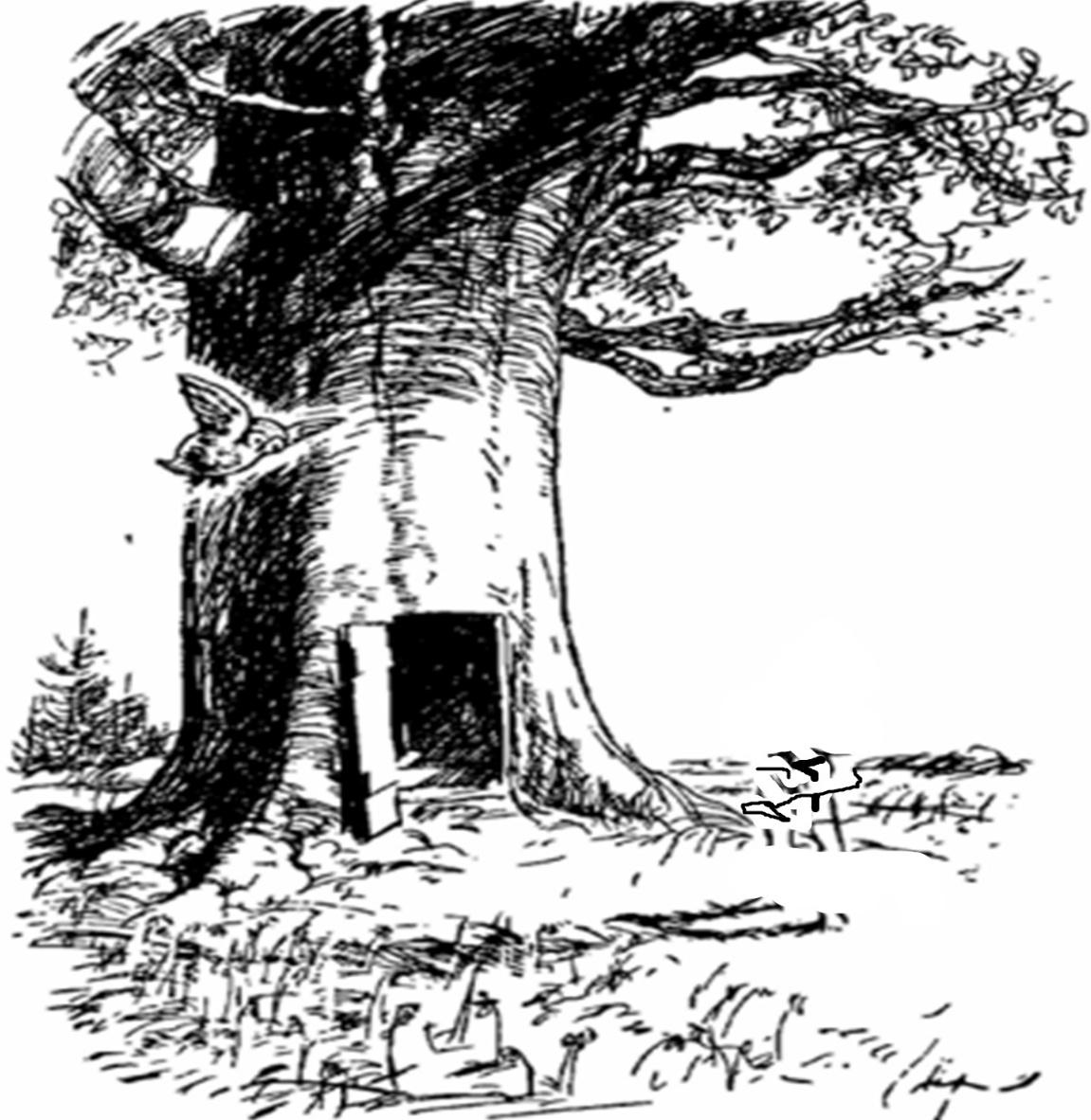
A wooden sign stood at the edge of the path, half buried in snow: AMIABLE - Be Kind, or Be Quiet.
Morey smiled. “That’s a strange motto.”
Red shook his head. “It’s not a motto. It’s a gentle warning.”
They stepped past the sign, and the air seemed to warm again; just a degree or two, but enough to feel like the valley was acknowledging them.
Amabile
Page 25
“Welcome,” Red said. “This is where the road ends and the stories begin.” He paused, then added; “And if you stay long enough, you might even see the world I made for you.”
The path into Amiable narrowed as it left the last of the hemlocks behind. The snow thinned to a soft crust, and the roofs of the village; broad, timbered, steep as folded hands, rose from the valley floor like a cluster of warm thoughts. Smoke curled from chimneys in slow, deliberate spirals, as if the air itself were reluctant to hurry.
Red Rafferty stopped at the first footbridge, tapping the rail with his staff. “Home,” he said, not proudly, but with the quiet certainty of someone naming a familiar star.
Morey, who had been walking for days, felt the tug of the road behind him like a half remembered promise. He had meant to pass through Amiable, not arrive in it. But Red turned to him with that foxish half smile; mirth mixed with something older, something like recognition.
“You’ll stay with me,” Red said. “Just until you get your bearings.”
Morey opened his mouth to decline. He had a dozen polite refusals ready; I don’t want to impose, I travel light, I won’t be here long. But the words dissolved in the warm air of the
Amabile
Page 26
valley. Something about Amiable made excuses feel flimsy, like paper in the rain.
“Only for a short while,” Morey said instead.
Red nodded as if he’d expected nothing else.
Red lived in a low branch, sprawling house built against a rise of stone; one of those with greeting signs all over the entrance. The porch was wide, the windows deep set, and the door carved with a pattern of interlocking circles; thresholds within thresholds.
Amabile
Page 27
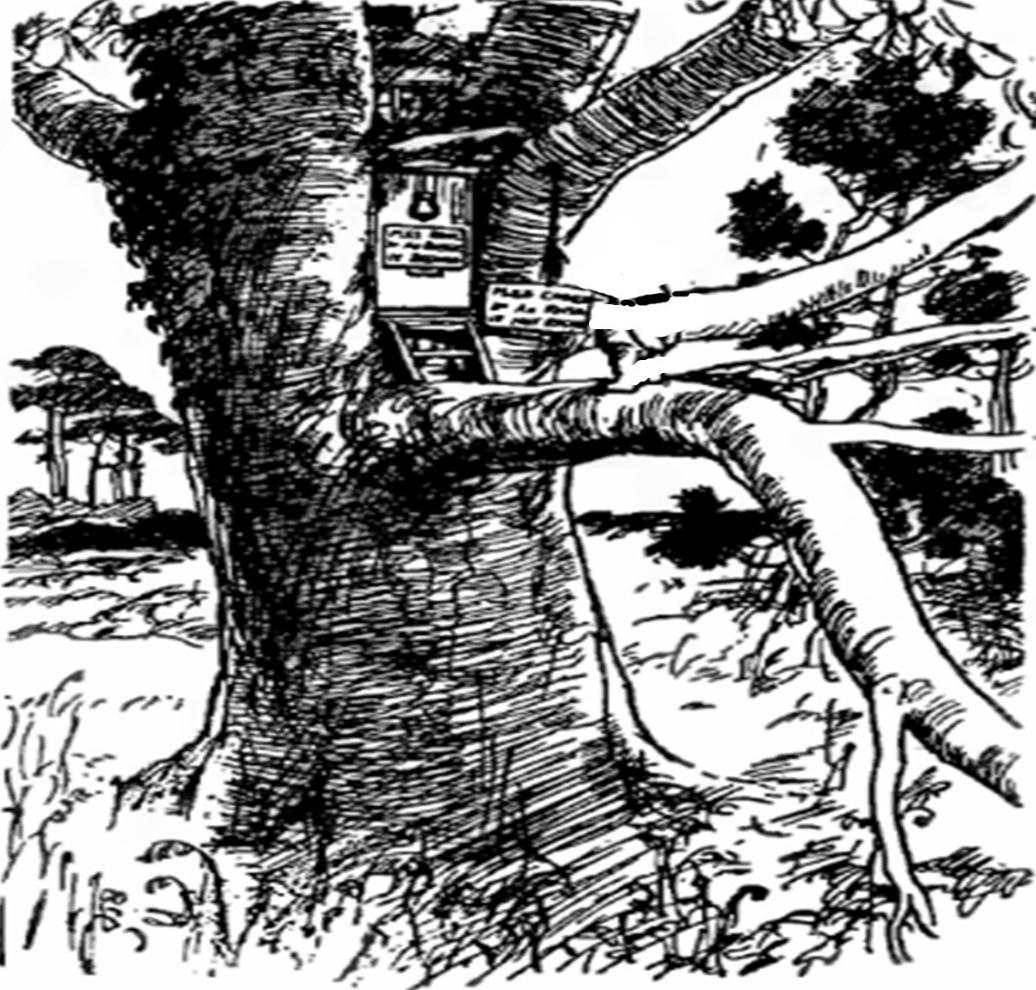
Inside, the air smelled of cedar and something faintly sweet, like dried berries. A fire crackled in a stone hearth. Red hung his coat on a peg and gestured toward a bench padded with wool.
“Sit. Rest. The road will still be there tomorrow.”
Morey sat, though uneasily. His paws itched. His mind kept drifting to the ridge, the open snowfields, the long horizon. But Red moved with such unhurried grace; pouring tea, stoking the fire, setting out a bowl of stew, that refusing hospitality felt like stepping on a story mid-sentence.
Amabile
Page 28
“You walk like someone who hasn’t decided where he’s going,” Red said, handing him the bowl.
“I walk because stopping feels like giving up,” Morey replied.
Red chuckled. “Stopping isn’t giving up. It’s choosing a different direction.”
Morey didn’t answer. He ate in silence, listening to the wind shift outside. It sounded different here; less like a force and more like a voice.
Later, Red showed him the sleeping room; a small alcove with a thick quilt and a window that looked out toward the river. The half frozen water glimmered under the moon, moving in slow, thoughtful curves.
“You can stay as long as you need,” Red said. “A night, a week, a season. Time works differently here.”
Morey stiffened. “I won’t be long.”
Red nodded again, but his eyes held that same knowing glint. “Everyone says that the first night.”
Morey lay down, intending to rise before dawn and slip away quietly. But the quilt was warm, the room still, and the valley seemed to breathe around him; steady, patient, unhurried.
Amabile
Page 29
He closed his eyes.
For the first time in many nights, sleep came without a fight.
When morning arrived, the road was still there, stretching out of the valley like a beckoning finger. But so was the smell of Red’s tea, the sound of villagers beginning their day, and the strange, gentle pull of a place that felt both new and remembered.
Morey told himself he would leave after breakfast.
Just after breakfast.
Or perhaps after he learned why the bees avoided the valley, or why Red spoke of death as a journey into someone else’s world, or why Amiable felt like a threshold he had crossed long before he ever saw it.
He stayed.
Only for a short while, he insisted.
But the valley, and Red, and the quiet cosmology woven into the air had other ideas.
Amabile
Page 30
The following morning, Morey woke to the sound of the river thinking under its ice. The light in Red’s house was soft, filtered through curtains dyed with crushed berries. Red was already awake, sitting at the table with a cup of tea and a small knife, carving a circle into a strip of cedar.
“You slept well,” Red said, not as a question but as a quiet observation.
Morey stretched. “Too well. I meant to leave before dawn.”
Red nodded, still carving. “The valley doesn’t let travelers rush their mornings.”
Morey wasn’t sure what that meant, but he felt it; some subtle pressure in the air, like the valley itself had placed a hand on his shoulder and said stay a moment longer.
Red poured him tea. “Eat, then walk. Amiable is best understood on foot.”
After breakfast, Red led Morey outside. The snow was thin and crisp, the kind that squeaks underfoot. Every doorway in Amiable had a carved lintel; circles, spirals, loops that seemed to fold into themselves.
Morey paused at one. “What do they mean?”
Amabile
Page 31
Red traced a fingertip along the grooves. “Thresholds. Reminders that every crossing changes you. Even small ones.”
“Do they protect the houses?”
Red smiled. “They remind the houses to be good hosts.”
Morey wasn’t sure if he was joking. In Amiable, jokes and truths seemed to share the same doorway.
They passed a threshold carved with three concentric circles. “That one,” Red said, “marks a home where someone has died.”
Morey felt a chill. “Recently?”
“No. But the house remembers.”
As they walked toward the river, Morey noticed something he thought odd; no buzzing, no hives, no honeycombs in the bare trees.
Red followed his gaze. “You won’t see bees here in winter. Not anymore.”
“Why not?”
“They don’t like the valley’s breath.”
Morey frowned. “The valley breathes?”
Amabile
Page 32
Red nodded. “Everything alive breathes. Even places. Amiable’s breath is ..... particular. The African bees sense it. They stay on the ridges.”
The African bees; tough, adaptable, relentless. The idea that they avoided Amiable made the valley feel suddenly deeper, older, more deliberate.
“Is it dangerous?” Morey asked.
“Only to those who don’t listen.”
Again, Morey couldn’t tell if Red was teasing him or warning him.
Near midday, they reached the edge of the woods where three figures stood; bundled in thick hides, bows slung over their backs, faces marked with soot in looping patterns that echoed the thresholds.
“These are the winter hunters,” Red said. “They keep balance.”
One of the hunters, a tall woman with a braid like a rope of black ice, stepped forward. “You brought a stranger.”
Red nodded. “He’s passing through.”
The woman studied Morey with a gaze that felt like being weighed on a scale. “Passing through is how most people arrive.”
Amabile
Page 33
Morey swallowed. “I won’t be staying long.”
The hunters exchanged a look that wasn’t unkind; just knowing.
The woman pointed toward the ridge. “The bees have moved again. Too many hives in one place. We’ll thin them.”
Morey blinked. “You hunt bees?”
“Only the hives,” she said. “Not the bees. We scatter them. Keep them from overrunning the forest.”
Red added quietly, “If they ever settled in the valley, Amiable would change. And not for the better.”
Morey didn’t ask what that meant. He wasn’t sure he wanted to know.
On the walk back, the wind shifted. It wasn’t cold; it was warm, strangely warm, like the exhale of something enormous beneath the earth.
Morey stopped. “What is that?”
Red closed his eyes. “The valley breathing.”
Morey felt it again; a pulse, a warmth, a slow inhalation that seemed to rise from the soil itself.
“Does everyone feel it?” he asked.
Amabile
Page 34
“Only those who haven’t decided whether they’re staying.”
Morey’s stomach tightened. “I told you—I’m leaving soon.”
Red didn’t argue. “Of course. After you understand a few more things.”
Back at the house, Red lit a lantern carved with the same looping circles. Shadows spiraled across the walls.
Morey sat by the fire, unsettled. “Why does everyone talk like they know something I don’t?”
Red sat across from him. “They don’t know. They just recognize the look.”
“What look?”
“The look of someone who thinks he’s passing through but isn’t.”
Morey bristled. “I’m not staying.”
Red nodded gently. “Then tomorrow, you’ll leave.”
Morey hesitated. “Tomorrow.”
But the valley breathed again; soft, warm, patient, and Morey felt the road tug at him less sharply than before.
Amabile
Page 35
Morey begins to understand why Amiable feels familiar. The recognition doesn’t arrive as a memory. It arrives as a pattern.
It was a feeling before a thought. It began in the late afternoon, when the light in Amiable turned the color of warm brass. Morey was standing outside Red’s house, watching the river shift under its ice. The valley exhaled again; soft, warm, patient, and something in that breath brushed against a place in him he didn’t know was open.
He froze. Not because he remembered something, but because he felt something remembering him.
Amiable wasn’t familiar the way a childhood home is familiar. It was familiar the way a dream is familiar; something you’ve walked through before without ever having been awake.
Red was inside, tending the fire. Morey wandered to the porch and ran his fingers along the carved circles on the doorframe. He’d seen them all morning, but now they tugged at him differently.
The grooves were smooth, worn by years of hands. But beneath the smoothness, he felt a faint vibration—like the echo of a sound too low to hear.
He pressed his palm flat.
Amabile
Page 36
A warmth pulsed back.
Not heat. Recognition.
He pulled his hand away, startled.
Red appeared in the doorway. “You felt it.”
Morey swallowed. “What is it?”
“A threshold remembers every crossing,” Red said. “Even the ones you don’t recall making.”
Morey stared at the carving. “I’ve never been here.”
Red didn’t contradict him. He simply said, “Not in the way you mean.”
Morey walked alone for a while, following a narrow trail behind the house. The snow was thin, but the path was unmistakable; packed down, curved gently, as if shaped by many feet transpersing between the many houses built near the ground.
Amabile
Page 37
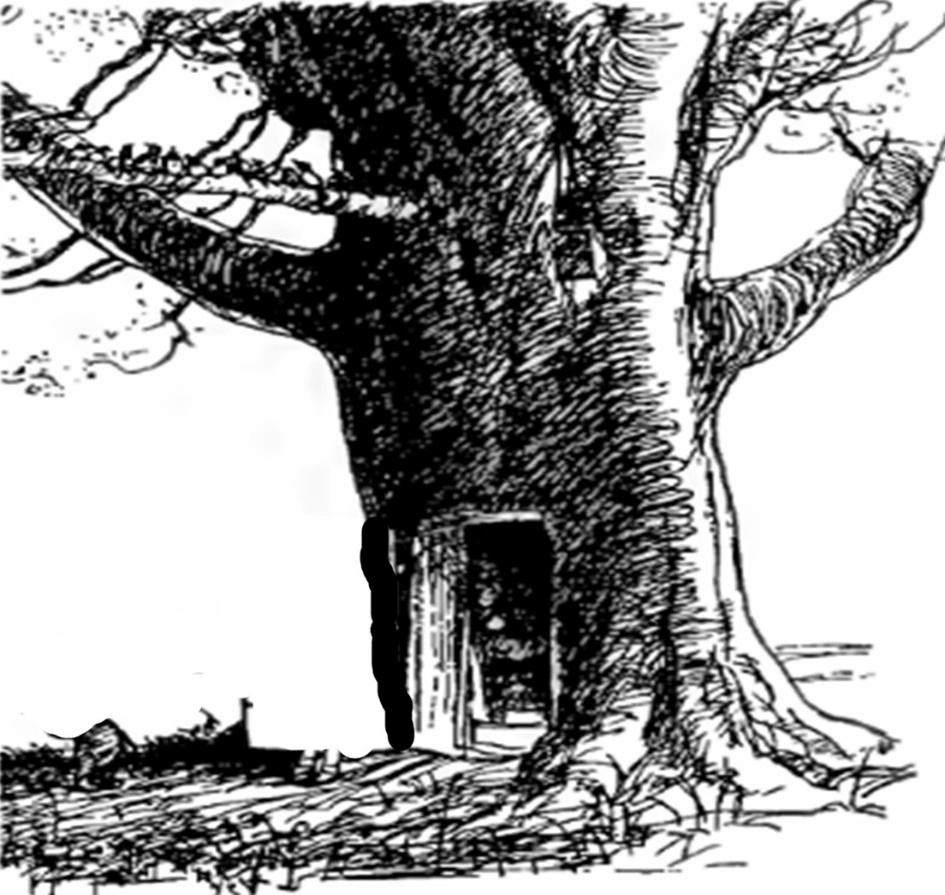
Halfway along, he noticed something strange.
His paws fit the depressions in the snow perfectly.
Not just in size. In stride.
He stopped. Took a step backward. Then forward again.
Each time, his paws fell exactly into the old tracks.
He crouched, touching one of the prints. It was faint, softened by wind, but the shape was unmistakable.
His shape.
He whispered to the empty air, “I’ve walked this before.”
Amabile
Page 38
The valley breathed again; warm, approving.
Near the ridge, he heard the distant hum of the African bees. They stayed away from Amiable, Red had said. They sensed something.
Morey watched them circle high above the valley, never descending.
A thought rose in him, unbidden; they avoid the valley because they know what it is, not dangerous. Not cursed. Not empty. But inhabited. By something old. Something that recognized him.
He shivered, though the air was warm.
That evening, Morey sat by the fire, staring into the flames. Red poured tea and sat across from him.
“You’re starting to see it,” Red said.
Morey didn’t look up. “I don’t understand any of it.”
“You’re not supposed to. Not yet.”
“Then tell me why this place feels like I’ve been here before.”
Red considered him for a long moment. Then he said; “Because Amiable is a place people arrive at twice.”
Morey’s breath caught. “Twice?”
Amabile
Page 39
“Once when they’re lost,” Red said. “And once when they’re ready.”
Morey felt the words settle into him like stones dropped into deep water.
“Which one am I?” he whispered.
Red smiled gently. “That’s what the valley is trying to find out.”
Later, lying under the quilt, Morey listened to the river and the valley’s slow breathing. He closed his eyes and saw flashes; not memories, not images, but impressions.
A doorway he had crossed. A path he had walked. A threshold that had recognized him long before he recognized it.
Amiable wasn’t familiar because he had been here before.
Amiable was familiar because it had been waiting for him.