

The Farewell diary of Worthy shit by Muhammad A Aqib - HTML preview
Download the book in PDF, ePub, Kindle for a complete version.
CHAPTER
THE TYPICAL
SHITS EXIST!
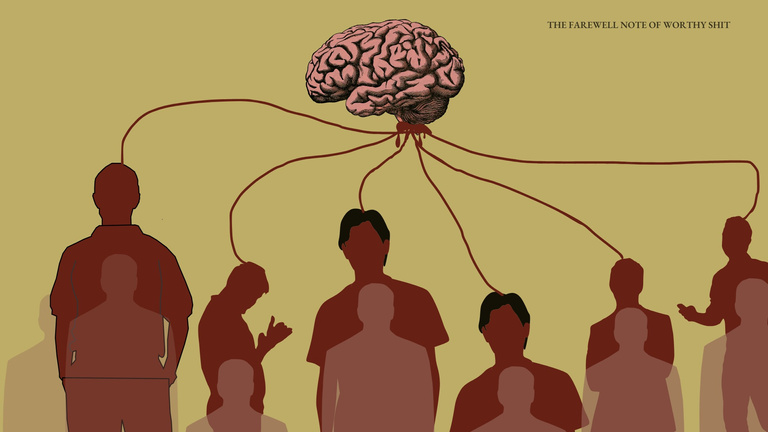
1THE IDENTIFIER THEORY
50
1.The typical shits exist!
(The identifier theory).
Z: “what’s going on ?”
V: “I found why our father’s are like this, and how evils are made up of?”
Z: “That’s crazy , can you explain?”
V: “Okay! Sit tight and pick-up my popcorn there ALRIGHT TTTTTTTTTTTTTTTTTTTTTTTTTTT!
"You must always be cautious of what you say around someone who manipulates words, although it's not always possible to monitor every word.
This strategy can be used to bring up past events to manipulate your behavior through guilt. If you can't remember exactly what was said, the
'Wordsmith' usual y wins the argument, making you feel guilty for abandoning your friend.
Imagine you told your friend you'd see about meeting them at the movie theater. A wordsmith might show up, buy two tickets, and later claim you left them waiting. Even if you never confirmed, the 'Wordsmith' wil twist your words to make it seem like you did. They'll twist your words, making it appear as if you said something you didn't. If you express your frustration, they'll often turn it back on you, making it seem like it was your fault for the misunderstanding. They might say they would meet you at the theater at nine but not show up, claiming they said they 'MAY' meet you. This type of manipulator ensures they phrase things in a way that absolves them of responsibility. 'Wordsmiths' are masters of language, always saying things in just the right way.
You might find that these individuals find it easier to have you handle the important aspects of their lives. It's crucial to check in with yourself and understand the true intentions of those who constantly rely on you. This behavior often leads others to see through the helpless act and push them away. In reality, they could easily cancel their plans and watch their child themselves. They continual y ask for help as if there is no other option.
Instead, they'd rather have someone else take over their duties. They have a
child to care for, but if their childcare fal s through, they are unwil ing to stay home. 'The Helpless' often appear as friends but can also be significant others or relatives. They prefer to influence others to handle their responsibilities for them. Even the smal est stress can send them spiraling, rendering them unable to manage their own duties. It's fine to ask for help occasional y, but these people make it a habit. 'The Helpless' are individuals who seem incapable of helping themselves.
Moving forward, it's beneficial to understand the type of manipulator you're dealing with and the best ways to handle them. Not al manipulators have bad intentions; some might genuinely believe they're acting in your best interest. People trying to get something from you wil use various strategies, sometimes combining different ones. Although the end result of manipulation might look similar in terms of control, the methods to achieve it can vary greatly."
Z: “Uhmmm!”
"Many children couldn't imagine it, but parental manipulation is quite prevalent! Often, both parents and children are oblivious to it happening.
This transpires because parents impose their own beliefs, desires, and aspirations onto their child. For instance, a parent might push you to attend col ege to become a doctor because they never went to col ege, or they might urge you to fol ow in the family business just like your ancestors did. Many want to make their parents proud, which can lead to forgetting your own dreams in the process of pleasing them.
Parental manipulation also extends to in-laws! There's often pressure from your significant other's family, making you feel you must meet their expectations. Common topics include wedding arrangements, when you'll have a baby, and who wil stay home to care for the baby. There's an overwhelming desire not only to avoid disappointing your parents but also the parents of the person you love. Of course, our parents don't intend to manipulate us this way and often don't realize the influence they have on us.
It's natural for them to express their hopes and dreams for their children, but it becomes problematic when it becomes overbearing or control ing. In such situations, it's crucial to remember your own ideals and goals; otherwise, you might lose yourself in someone else's expectations.
Imagine you're planning your wedding, and your in-laws start dictating every detail—from the venue to the guest list—leaving you feeling overwhelmed and helpless! Unrealistic promises are another manipulation type that plays on your guilt. Your character may be questioned, leading you to promise something you didn't want to do or couldn't accomplish. These situations often arise suddenly, without giving you time to think.
Sometimes, you might have mentioned an upcoming event, but the other person acts as if they didn't know, manipulating you into committing your time elsewhere. We tend to go with the flow of the conversation, especial y if we're distracted or enjoying ourselves. If you cancel, you'll be guilt-tripped and often put on the spot for something else later. You don't want to enter an endless cycle of guilt and obligation!, If you find yourself double-booked, do your best to keep your word this time. This way, the situation doesn't persist, and you can use it as a lesson to think before agreeing to something in the future.
When someone requests something of you, it's perfectly alright to tel them you need some time and wil get back to them. A true friend wil understand if you need to check your schedule first. This also gives you a clue as to whether they were trying to manipulate you. A manipulator might try to rush you into a promise. Did they get upset because you asked for time? Chances are, they were only trying to get something from you in the first place."
V: “pretty wel , le’me find a theory effectively, turn the page!”
Z: “okay! mate”
"Many of us have encountered a 'Blamer' in our lives and have unfortunately fal en into their trap. Blamers are known for their inability to take responsibility for their mistakes, often seeking to shift that blame elsewhere.
Common phrases from Blamers include 'you made me do this' and 'because of you.' For instance, a Blamer can turn an argument you had with someone into the reason they were late for work, even though they could have ended the conversation or simplified it. The argument continued of their own accord, but they attempted to shift the blame onto you.
Blamers are also known for their quick reactions, often doing and saying things they might regret later. These manipulators are very impulsive and wil resort to insults when they aren't getting their way. Arguments can become heated very quickly, and it's best to take a step back and al ow yourself to breathe. Don't get caught up in the Blamer's tactics; instead, take a moment to clear your mind and think about the situation. Are you being
blamed for something that isn't your fault? Is someone trying to use your guilt against you? If so, you might be dealing with a Blamer. Not surprisingly, Blamers are among the most common manipulators because it's easy to point the finger elsewhere.
Another type of manipulator is the 'Cost of Gratitude.' In most friendships and relationships, disagreements are bound to happen, which is normal and can be resolved if both parties wish to do so. However, manipulators often instigate these disagreements and then play the victim, acting as if they are the most hurt. Not only do you need to apologize, but it wil also take much more to earn their forgiveness. This is where the cost comes in, as the manipulator decides how much you need to pay. These individuals seize the moment and play up the situation. Because people natural y want to end conflicts, the person being manipulated wil do anything to make amends, whether it's through money, gifts, or promises to attend events. The manipulated person remains unaware of the manipulation.
Next, we have a type similar to the wordsmith, focusing on a few select words to convey their point. The 'It's better if people phrase things as if you only have two choices, and one is better than the other. For example, if you tel a friend you can't go to the movies tonight, they might respond that it's better if you go out with them than stay home. They create a false dichotomy, making you believe there are only two options when there are multiple.
Lastly, let's talk about the 'Adult Child.' This person has yet to grow up and consistently relies on their parents for support, refusing to become independent. They might live at home without necessity and manipulate their parents into taking care of them. This behavior feeds off a parent's love and can extend beyond the family. The adult child seeks someone to fil the
parental role, often in relationships. For instance, a man and a woman might meet online playing a popular video game. They start an online relationship, and the man moves out of his parents' house to live with the woman. He refuses to get a job and continues playing the game al day while she works to support them. If she loses her job, he wil leave because he realizes he won't be taken care of anymore."
“The stereotype of these manipulators is that they are more likely to be women who use men, but the opposite can also happen. The last type of manipulator we wil discuss can be described as “triangular.” These are people who always want to involve a third party and get them on their side.
They quickly say something unpleasant and often want to cal someone else for help. These ideas have probably been expressed, but usual y not in the way the third party wanted.
It creates a rift
between two people who could have been good friends or even family, because of the manipulation techniques used. If you have ever argued with a potential manipulator and he brings in a third party, then you have experience with this type of manipulator. A good person or friend would not introduce a third party, and certainly would not mention them by name. This would only create more conflict
It is unnecessary and causes more harm to the person they are trying to manipulate. your anger is
divided between the operator and the third party. A good triangular meter is good
Work on the other side of the situation, which means that they can also reveal secrets or distribute information
Lie against a third part. Usual y that they give people to say bad things about someone
The other is the distortion of the facts and the spread of lies. It doesn't matter what kind of manipulator you wil find that they are only looking for influence and
Control over you. There are many different ways in which they can achieve this and what makes them
Take this path, but the goal of each manipulator is the same. These specific types give you
The idea of what you do and reasons, but wil not stop it Types of manipulation. Use this as a refresher to help you, but know that you wil need help if you plan
to keep this person. This can be therapeutic for that person, and also for yourself if you find yourself being manipulative in the relationship”.
V: “So, likely to have this as a definition of evil's reaction”
Z: “uhmm! Pretty interesting, an eye opening truth - you think our fathers are too?”
V: “yeah! Obviously mentioning
them”.
2CHAPTER THE MECHANISM OFCONTROLLERS.THE RESEARCHING THEORY
60
2.The mechanism of controllers.
(The Researching theory).
V: “Do you admire how they actual y work, and their strategy keys?”
Z: “Uhmmm! I am curious about these, because it was “how” and previous was “what”? Hahaha
V:“okaygurl!!!”
“No matter how easy it seems, manipulation wil work. Most people are automatical y set to say no when they first hear about it, especial y if the question is asked by someone the victim doesn’t know or trust
- if it’s someone the victim trusts, they’re more likely to actual y talk about the question and they’re more likely to say yes. Let’s assume for a moment that you don’t know the other person yet and don’t know how to build their trust before manipulating them. As a result, when you ask the other person something, they just want to say no. The idea behind this is quite simple. We general y don't like to take things away from people that we don't believe in.
It's kind of like taking candy from a stranger or letting a stranger do something to you that could potential y make you vulnerable and exposed to some kind of threat. These are things we just wouldn't do. When someone we don't know or trust asks you for something, our natural inclination wil always be to say no because we don't have enough trust and history with this person to know what the outcome wil be, it won't be destructive one way or another for us in the end. The same wil happen with others when you try to manipulate them. If you ask someone to do a favor for themselves, there is a good chance they wil turn you down too, unless you already know them and have built trust with them. Of course, you can take steps to build up those feelings faster so you get validation faster. With some practice and more learning about different approaches, you wil learn more and you wil be able to manipulate others and get instant approval from them”
V: “so, let's move on to how bad control ing and behaviour of acquisition a child or someone starts from?”
Z: “I mean me and you!” haha just kidding.
V: “ahhhh! : Let's get on to the point”.
Z: 👍
“There are many types of manipulation in the world - and We often think of the bad kind of manipulation. That's because most of us I've heard about manipulation in books, movies, and the news. These sources only spend
It's time to talk about manipulation and al the bad things that happen.
When someone uses manipulative tactics.
For example, how many times have you turned on the television and heard about a band? Or to use and make a cult of someone or a smal group of people
Change your whole personality, etc.? You may have heard of some people I want to kil , attack and do more, even if you are the most peaceful and the most control ed
The people of the world above al happen.
It's a bit extreme, but handling can often be seen.
As negative. In this case, it is general y because of this You want to win something without worrying about what happens to the other. They may also want the victim to become dependent on them to ensure that they can come back and use that person as often as they want.
The victim in this situation is usual y the person who is being harmed or damaged in some way.
Whether they have been physical y harmed in the process or simply forced to believe in them
There is no value and you wil find that it can cause harm to the victim. a person
The person who benefits from this manipulation is the manipulator.
When should I manipulate someone? In fact, many times you wil have the desire to manipulate someone
Something else. An example is a salesperson who wants to make a sale. Use a few
In the strategy we wil talk about manipulation, sales staff wil be able to develop
Any opportunity to quickly create harmonious conditions. Once a harmonious relationship
Settings, they wil find that in this case the sale of victims or customers wil be lost
Quickly. When people trust you, they are less likely to give you and you negative feedback
Let them take the time to listen to your proposal. This can also be true when it comes to
Making suggestions when necessary, asking someone for help, etc.
Many other times you want things your way. The idea is that if you want Convince others to get what you want and you wil ensure that you never hurt others
You can use manipulation in the process to get what you want Think”.
V: “Do you wonder if these types of people have some negatives or can they show mercy to avoid control ing us?”
Z: “I think no, obviously I haven't felt it yet!
V: “but there is, le’me tel you”.
"Despite al the strength that is accompanied by manipulation, you are sometimes
It should not be used at al . You wil find that people cannot be manipulated unless some
Be prepared to let it happen. If you are confronted with someone who goes completely against the agreement
With you and doing what you ask them to do, there is no way to step in and change thoughts without resort to manipulative tactics, which are often seen as offensive, cruel,
And hard.
If you want to control the art of manipulation, make sure that delicate boundaries
are maintained and that you work on the right strategies without hurting the other person, me
The process. There wil be times when the victim says no to you, and as a Manipulator, you have to respect it. Of course, this doesn't mean you have to give up completely, you can stil rely on some persuasion techniques to see if you can convince the other person to change their mind organical y. However, you should not try to force the other person to change their thoughts or opinions. When you try, The idea of imposing your ideas on others begins, which is manipulation Bad things to avoid”.
Z: “uhmmm! Rare.”
65
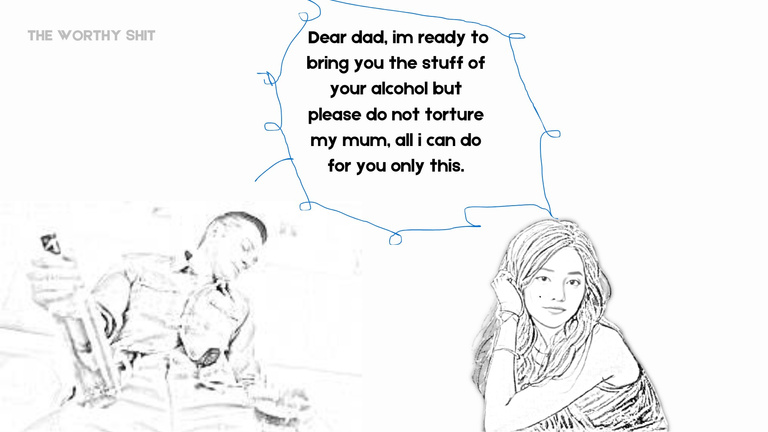
(An imaginary verse on critic)