

Unlocking Tone of Voice: A Beginner's Handbook by The SEO Works - HTML preview
Download the book in PDF, ePub, Kindle for a complete version.
Empathetic
Writing in an empathetic tone involves understanding and relating to your audience's emotions and experiences, and using language that reflects that understanding.
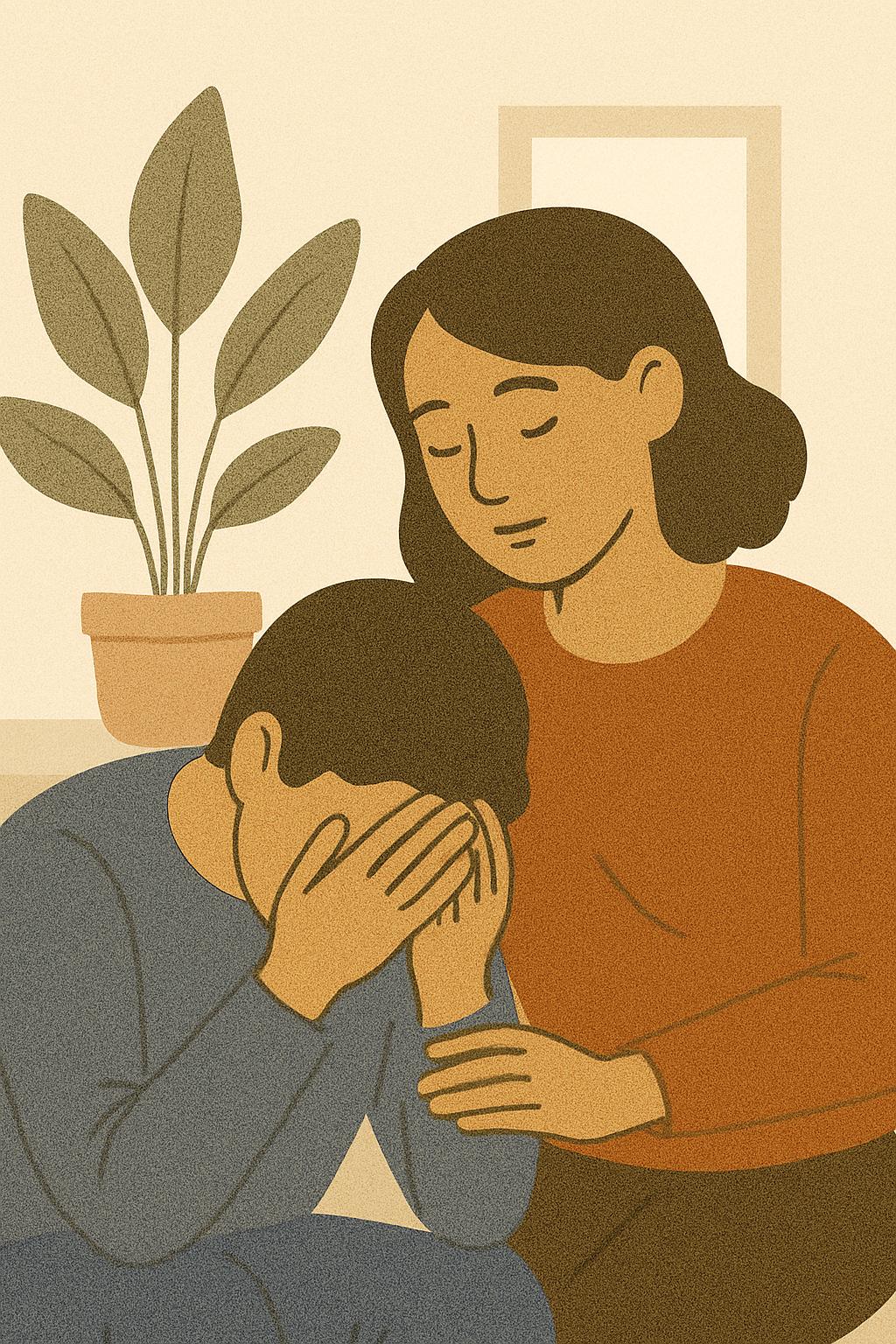
To write in an empathetic tone, consider the following tips:
Show that you understand
Start by acknowledging the reader's perspective and their emotions. Use phrases such as "I understand how you feel".
“We understand that going through a divorce is an emotional time”
Use inclusive language
Use language that includes the reader, such as "we" or "us," to create a sense of connection and shared experience.
“We understand that going through a divorce is an emotional time”
Be respectful
Show respect for the reader's feelings and experiences by avoiding dismissive or condescending language. Avoid making hyper specific assumptions about how the reader feels. Instead, try to relate to the general mood.
Understanding: “We understand that going through a divorce is an emotional time”
Hyperbolic & assumptive: “We understand that going through a divorce is absolutely horrific”
Use descriptive language
Use vivid and sensory language to create an emotional connection with the reader. Describe the situation in a way that captures the reader's feelings and experiences.
“We understand that going through a divorce is an emotional time. Sorting through your belongings, making living arrangements, talking things through with family members, there’s enough on your mind already…”
Offer support
Provide practical advice or support to the reader. Let them know that you are there to help them and that they are not alone.
“We understand that going through a divorce is an emotional time. Sorting through your belongings, making living arrangements, talking things through with family members, there’s enough on your mind already. That’s why we’re here to help with hassle-free, no-fault divorce services.”
Avoid clichés
Avoid using clichés or platitudes that may come across as insincere or dismissive of the reader's emotions.
“We understand that going through a divorce is an emotional time. Sorting through your belongings, making living arrangements, talking things through with family members, there’s enough on your mind already. But it's not the end of the world, time heals all wounds.”