

Engineering Mindset for Early-Career Developers by Moyinoluwalogo O. Mayowa - HTML preview
Download the book in PDF, ePub, Kindle for a complete version.
WHEN TO USE COMMENTS
Although self-documenting code is ideal, comments are still valuable in certain situations.
Comments are useful when explaining:
• complex algorithms
• unusual design decisions
• workarounds for system limitations
• potential improvements
However, comments should not repeat obvious information.
For example:
Bad comment:
// add 1 to the value
x = x + 1
Good comment:
// adjust value to account for tax rounding rules
total_amount = total_amount + adjustment
Comments should add meaningful context rather than restating the code.
WRITING TESTABLE CODE
Testable code is easier to maintain and improve.
When writing code, developers should consider how easily it can be tested.
Testable code typically has these characteristics:
• clear inputs and outputs
• minimal hidden dependencies
• modular structure
Functions that rely heavily on external systems can be difficult to test.
By designing code with testing in mind, developers improve reliability and maintainability.
DEFENSIVE PROGRAMMING
Defensive programming involves writing code that anticipates potential errors.
Software systems often encounter unexpected conditions such as:
• invalid user input
• network failures
• missing data
Engineers design code that handles these situations gracefully.
For example:
• validating input data
• handling exceptions
• checking for null values
• providing helpful error messages
Defensive programming improves system stability and user experience.
REFACTORING: IMPROVING EXISTING CODE
Refactoring is the process of improving code without changing its external behavior.
Over time, codebases may become messy as new features are added.
Refactoring helps maintain code quality.
Common refactoring techniques include:
• simplifying complex functions
• removing duplicate code
• improving variable names
• reorganizing modules
Refactoring should be performed regularly to keep systems maintainable.
MANAGING TECHNICAL DEBT
Technical debt occurs when developers take shortcuts that make future maintenance more difficult.
Examples include:
• rushed implementations
• poor documentation
• duplicated logic
• overly complex code
Sometimes technical debt is unavoidable due to deadlines.
However, engineers should monitor and reduce technical debt over time.
Ignoring technical debt can eventually slow development significantly.
CODE REVIEWS AND COLLABORATION
Code reviews are an important practice in professional software development.
During code reviews, developers examine each other’s code to ensure quality and consistency.
Code reviews help identify:
• potential bugs
• unclear logic
• performance issues
• security vulnerabilities
They also provide opportunities for learning and knowledge sharing.
Constructive feedback helps developers improve their coding practices.
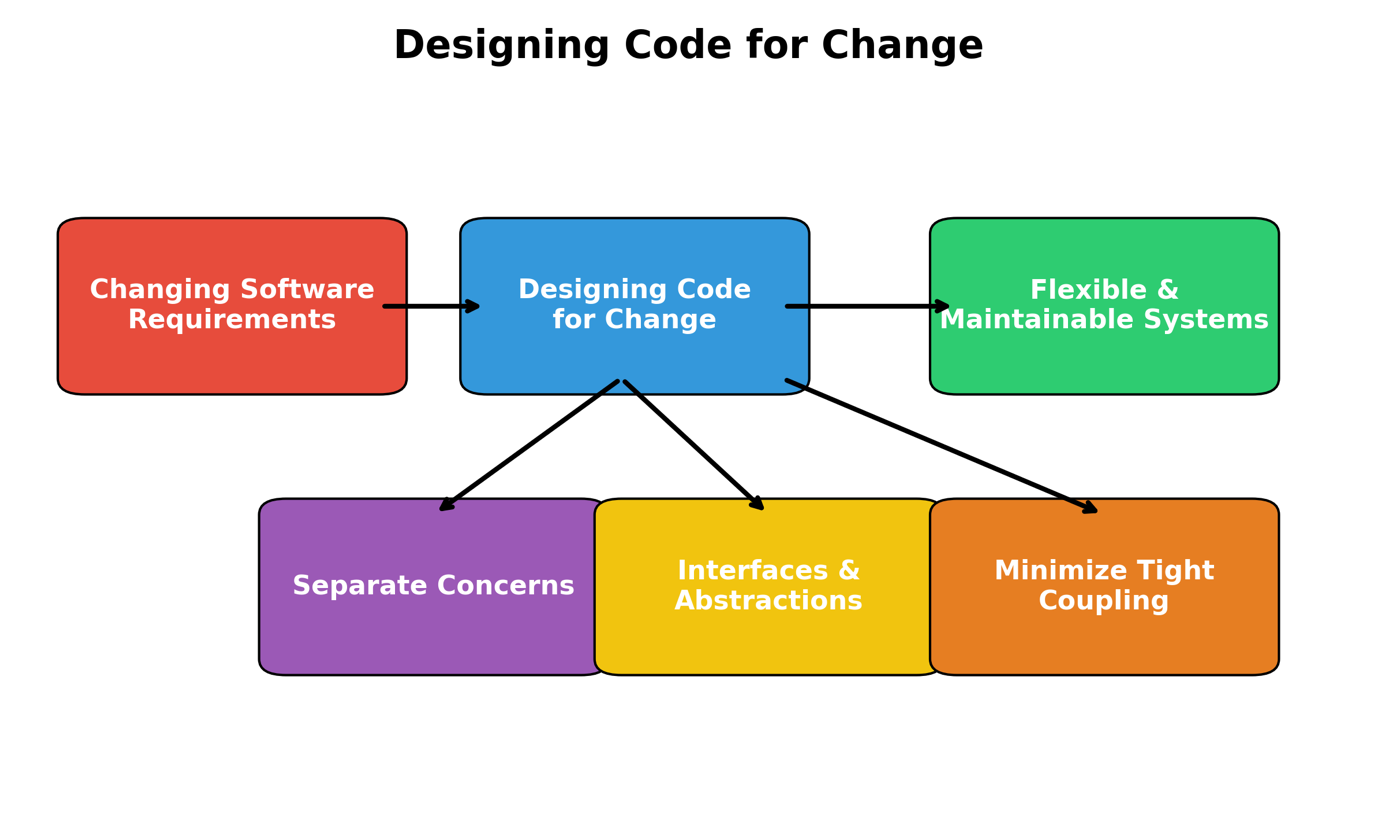
DESIGNING CODE FOR CHANGE
Software requirements often change over time.
Developers must design systems that can adapt to new features and modifications.
Flexible code structures make it easier to implement updates.
Strategies for designing flexible systems include:
• separating concerns
• using interfaces and abstractions
• minimizing tight coupling between components
Code that anticipates change is more sustainable in long-term projects.
LEARNING FROM EXPERIENCED ENGINEERS
Studying well-designed software projects can provide valuable insights.
Many open-source projects demonstrate excellent coding practices.
Developers can learn by examining:
• project organization
• naming conventions
• documentation style
• testing strategies
Observing how experienced engineers structure their code helps build better habits.
BUILDING GOOD CODING HABITS
Writing long-lasting code is largely about developing good habits.
These habits include:
• thinking before coding
• choosing clear names
• keeping functions small
• writing tests
• reviewing and improving code
Over time, these habits become second nature.
Developers who consistently apply these principles produce reliable, maintainable systems.
THE LONG-TERM IMPACT OF GOOD CODE
Well-written code benefits everyone involved in a project.
For teams, it means:
• faster development
• easier collaboration
• fewer bugs
• simpler maintenance
For users, it means:
• more reliable applications
• smoother experiences
• fewer system failures
For developers, it means:
• stronger reputations
• greater career opportunities
• increased confidence in their work
Code that lasts reflects the professionalism and care of the engineer who wrote it.