THE ULTIMATE GUIDE TO KICKING SUGAR by Flora Zhao - HTML preview
Download the book in PDF, ePub, Kindle for a complete version.
Chapter 2
NATURAL SWEETENERS: HEALTHY ALTERNATIVES TO SUGAR
rieties with a higher rebaudioside A content than stevioside have been developed.
When the stevia flowers blossom, the leaves are less
sweet. According to a study published in Applied Microbiology and Biotechnology, this is due to a significant decrease
in the levels of sweet compounds in the leaves during the flowering process.
Adjusting watering levels and applying organic fertil-
izers based on temperature and humidity is also essential.
Stevia is not cold tolerant, so it should be moved indoors during winter or have a thick layer of straw mulch added to its roots for insulation.
Stevia leaves contain eight different steviol glycosides. (Take Photo/Shutterstock) For inexperienced growers, starting with stevia seeds
can pose obstacles, as they are quite difficult to germinate; it might be more convenient to propagate stevia through
stem cuttings or purchase stevia seedlings directly.
26
27
NATURAL SWEETENERS: HEALTHY ALTERNATIVES TO SUGAR
Monk Fruit
“During the summer, it is recommended
to consume monk fruit when
experiencing symptoms such as sore
throat, throat discomfort, or cough.”
Jonathan Liu, director, Liu’s Wisdom Healing Centre
Following in stevia’s footsteps, monk fruit has gained
widespread attention as a natural sweetener. One signifi-
cant benefit of this sweetener is that it can manage blood sugar and lipid levels. It also might have antiviral effects against COVID-19 and even anti-cancer properties.
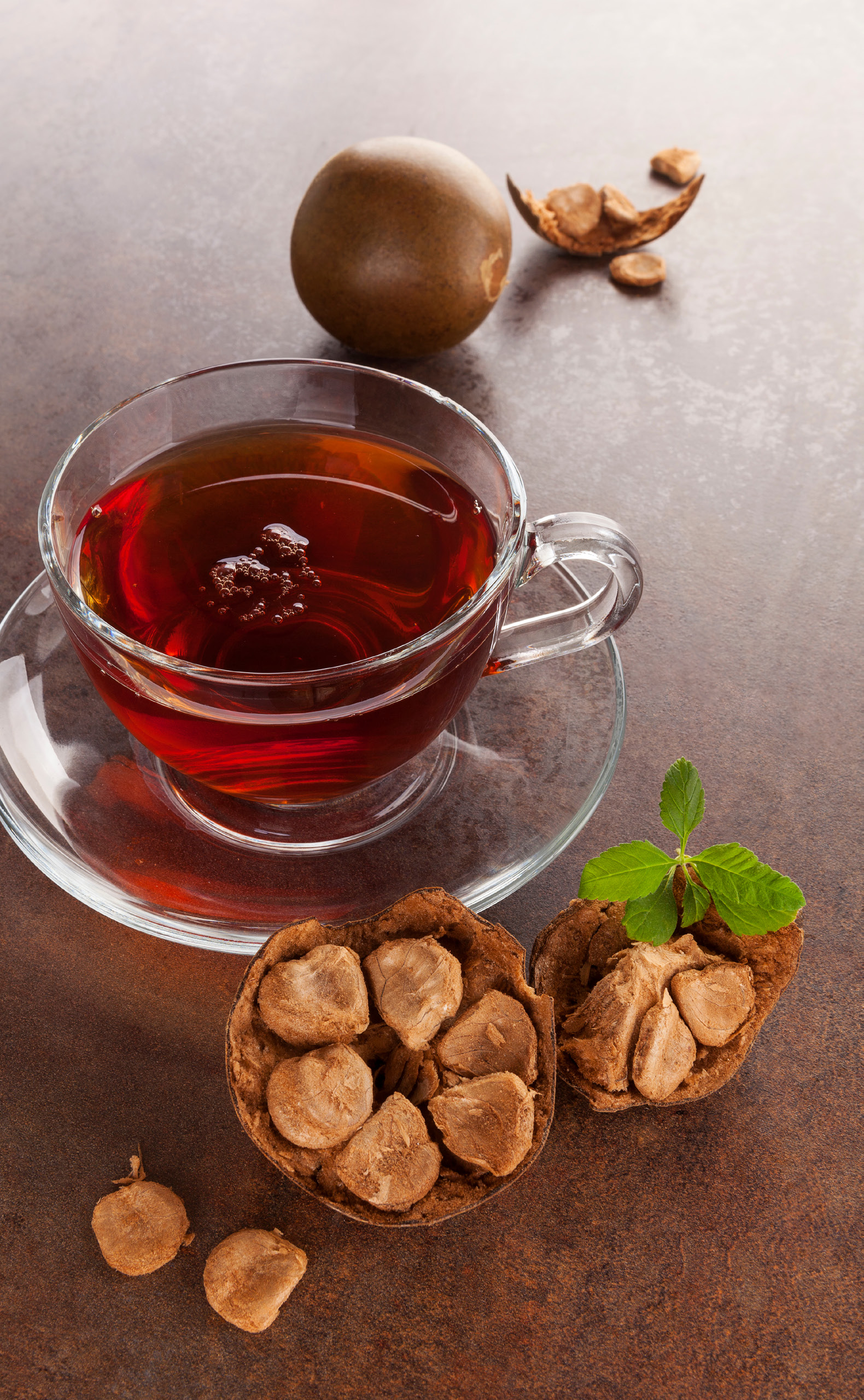
Monk fruit is also known as luo han guo, and its fruit
resembles a small melon on the outside. Ancient Chinese
people used it for centuries as a natural sweetener and tra-
According to a review article in Frontiers in Pharma-
29
NATURAL SWEETENERS: HEALTHY ALTERNATIVES TO SUGAR
cology, monk fruit contains various nutritious compounds,
review.
including mogrosides, vitamin C, trace elements, linolenic
“After further refinement and extraction, the taste is
acid, and other unsaturated fatty acids.
more pure and pleasant,” Yates said.
“Monk fruit does actually contain natural sugars.
Those are mainly fructose and glucose. However, unlike
most fruit, the natural sugars from monk fruit aren’t re-
ally responsible for the sweetness. Instead, the intense
Monk Fruit: Diabetes-Friendly
sweetness comes from a group of compounds called mo-
Delight
grosides,” Taylor Wallace, an adjunct associate professor at the Friedman School of Nutrition Science and Policy at
Like stevia, monk fruit is a zero-calorie sweetener. It is of-Tufts University and CEO at the Think Healthy Group,
ten described as having a taste similar to that of cane sug-LLC, told The Epoch Times.
ar, which is a high-calorie sweetener.
“The extracted mogrosides from monk fruit, obtained
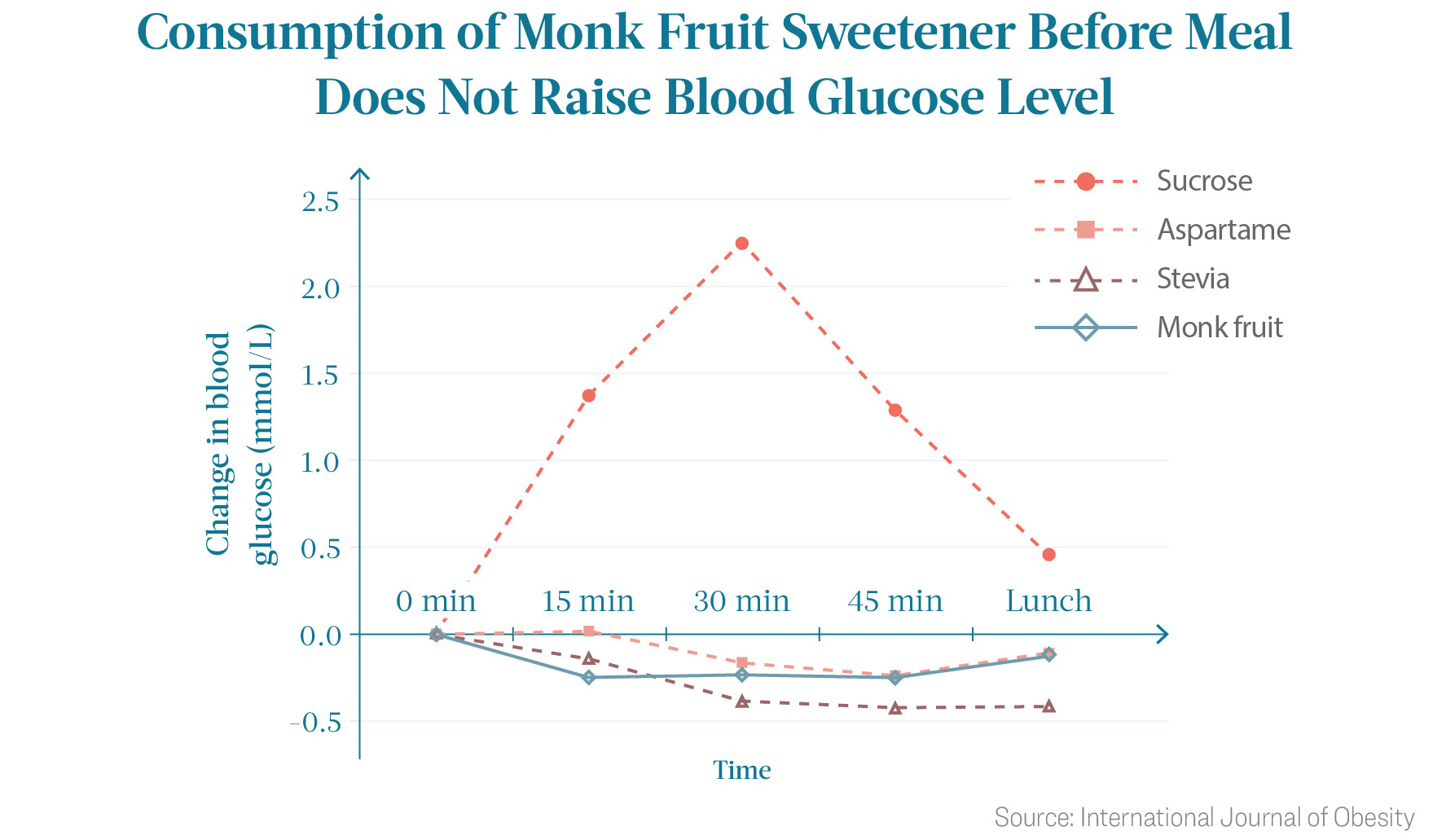
In a randomized controlled trial published by the In-through processing, don’t necessarily contain fructose or ternational Journal of Obesity in 2017, 30 healthy men
glucose. So these are very similar compounds to what you
were asked to consume a standardized breakfast, and one
would see in other high-intensity sweeteners,” Wallace
hour before lunch, they were provided beverages contain-
said.
ing sucrose, aspartame, stevia, or monk fruit sweetener.
Mogrosides are 200 to 350 times sweeter than su-They were then allowed to choose their lunch from the
crose, and monk fruit sweetener is essentially derived
options provided, and their dinner was recorded. In addi-
from mogrosides. Mogrosides account for about 1.2 per-
tion, blood draws and appetite measures were conducted
cent of the fresh monk fruit and 3.8 percent of dried fruit at various points throughout the study.
powder, according to a review published in Molecules.
The results showed that those who consumed bever-
“Mogroside, as a natural sweetener derived from
ages containing sucrose experienced an increase in blood
plants, is a series of molecules, and the taste of these mole-sugar and insulin levels within an hour before a meal, and cules is different,” Nate Yates, vice president of the Global those who consumed beverages containing one of the oth-Sugar Reduction Platform at Ingredion Inc., told The Ep-
er sweeteners, including monk fruit, did not.
och Times.
After subsequent monitoring, the researchers conclud-
Mogroside V is the most abundant of the compounds,
ed that natural sweeteners, including monk fruit sweeten-
and ripe monk fruit is exceptionally sweet because of its er, had the most negligible effect on post-meal blood sugar high content of mogroside V, according to the Molecules
levels and insulin secretion compared with sucrose.
30
31