

The Career Switch Playbook into Product Management by Nkeonye Akumah - HTML preview
Download the book in PDF, ePub, Kindle for a complete version.
Chapter 2: Building the Right Mindset (1,200
words)
Success in product does not begin with tools or job titles. It begins with mindset. Skills can be learned. Frameworks can be practiced. But without the right way of thinking, progress becomes slow and confusing.
In this chapter, you will learn how product professionals think, how they solve problems, how they handle uncertainty, and how they continue growing even after setbacks.
Thinking Like a Product Professional
Customer-First Thinking
At the center of every strong product decision is one simple question:
Who is this for?
Customer-first thinking means shifting attention away from internal preferences and focusing on real user needs. It requires empathy — the ability to see problems from the customer’s perspective.
Instead of asking:
• “What feature should we build next?”
A product thinker asks:
• “What problem is our customer struggling with right now?”
This shift may sound small, but it changes everything.
Customer-first thinking involves:
• Listening to feedback carefully
• Observing user behavior
• Conducting interviews
• Reviewing support complaints
• Studying usage data
When teams ignore the customer, they build features that look impressive but solve nothing meaningful.
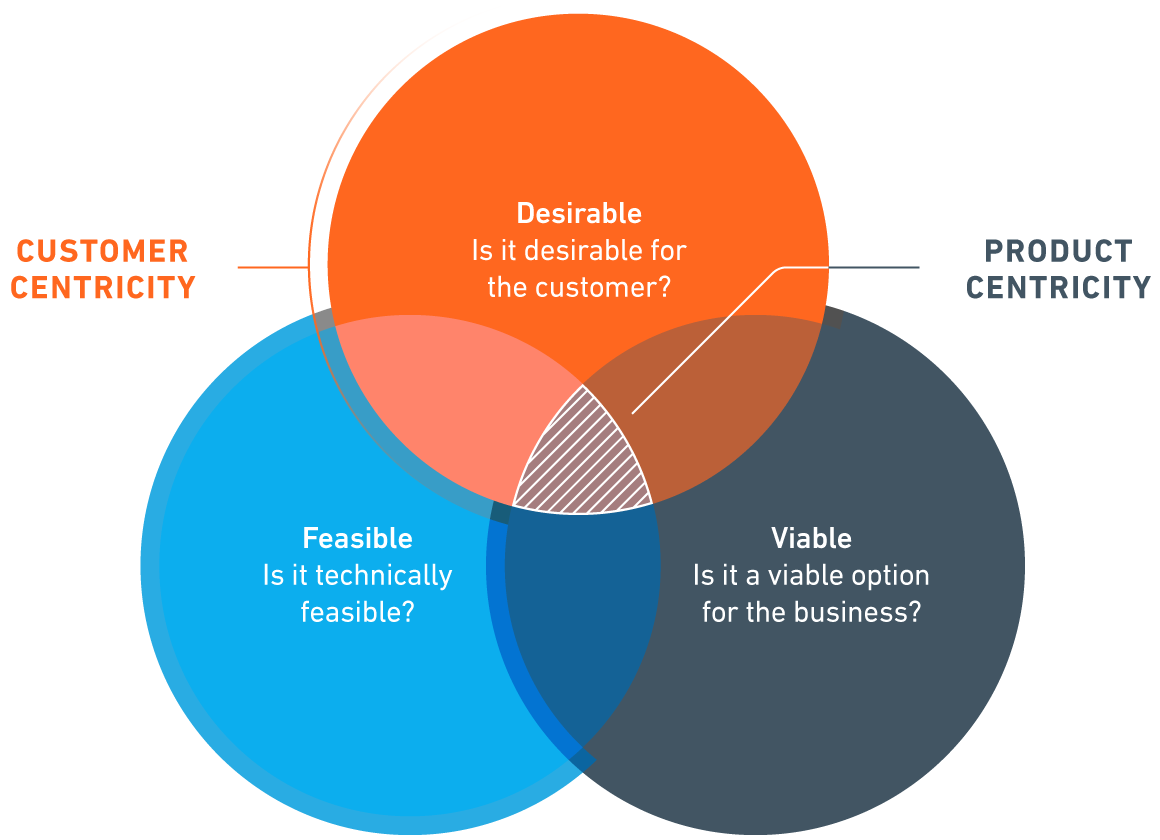
Below is a simple visual model showing customer-first thinking at the center of product decisions.
4
In every strong product team, the customer sits at the center of strategy, design, engineering, and marketing decisions.
Outcome vs Output
Many teams measure success by output:
• Number of features released
• Number of tasks completed
• Number of updates shipped
But output does not always equal impact.
Outcome focuses on results:
• Did user engagement improve?
• Did retention increase?
• Did revenue grow?
• Did customer complaints decrease?
A product professional cares more about outcome than output.
For example:
• Output: Launching a new onboarding tutorial.
• Outcome: Increasing new user activation rate by 20%.
The second statement shows value. It connects effort to measurable improvement.
Here is a simple comparison:
When you train yourself to think in outcomes, your decisions become sharper and more strategic.
Long-Term Vision
Product work is not only about solving today’s issues. It also involves planning for the future.
Long-term vision answers:
• Where do we want this product to be in 3–5 years?
• What larger problem are we aiming to solve?
• How will market trends affect us?
Without long-term vision, teams react constantly. They chase competitor features and short-term trends.
With vision, teams build steadily toward a meaningful goal.
Long-term thinking includes:
• Roadmapping
• Market analysis
• Competitive positioning
• Sustainable growth planning
A strong product mindset balances short-term delivery with long-term direction.
Problem-Solving Frameworks
Product professionals face complex problems daily. Frameworks help structure thinking so that emotions and assumptions do not control decisions.
Identifying Root Causes
Often, what appears to be the problem is only a symptom.
For example:
• Symptom: Users uninstall the app quickly.
• Possible root causes:
o Slow performance
o Confusing navigation
o Poor onboarding
o Irrelevant target audience
If you fix the wrong cause, the issue returns.
One common tool for finding root causes is the “5 Whys” technique: Ask “Why?” repeatedly until you reach the deeper issue.
Example:
1. Why are users leaving? → They don’t complete onboarding.
2. Why don’t they complete onboarding? → It feels too long.
3. Why is it long? → It asks for too much information.
4. Why do we ask for so much information? → We want detailed profiles early.
5. Why do we need profiles early? → To personalize the experience.
Now the real question becomes:
Is early personalization worth losing users?
This structured questioning prevents surface-level fixes.
Breaking Complex Problems into Parts
Large problems feel overwhelming. Product professionals break them into smaller components.
Instead of:
“Improve user engagement.”
Break it into:
• Increase daily active users
• Improve feature adoption
• Reduce drop-off points
• Improve notification strategy
By dividing the problem, teams can test solutions step by step.Clear structure reduces confusion and increases confidence.
Handling Uncertainty
Uncertainty is part of product work. Markets change. Customer behavior shifts. Competitors innovate.
You will rarely have complete information.
Making Decisions with Limited Data
Waiting for perfect data can delay progress. Acting without any data can create risk.
Product professionals learn to operate in the middle.
They:
• Gather available evidence
• Estimate potential impact
• Consider downside risks
• Make the best possible decision
• Monitor results closely
This approach is called informed judgment.
It requires comfort with ambiguity. Over time, experience improves decision quality.
Managing Risks
Every decision has risk.
Risks may include:
• Financial loss
• Reputational damage
• Technical failure
• Customer dissatisfaction
Instead of avoiding risk completely, product professionals manage it.
They:
• Test small versions first (Minimum Viable Product)
• Run controlled experiments
• Launch features gradually
• Monitor performance metrics
Small experiments reduce large failures.
Here is a simplified risk management cycle:
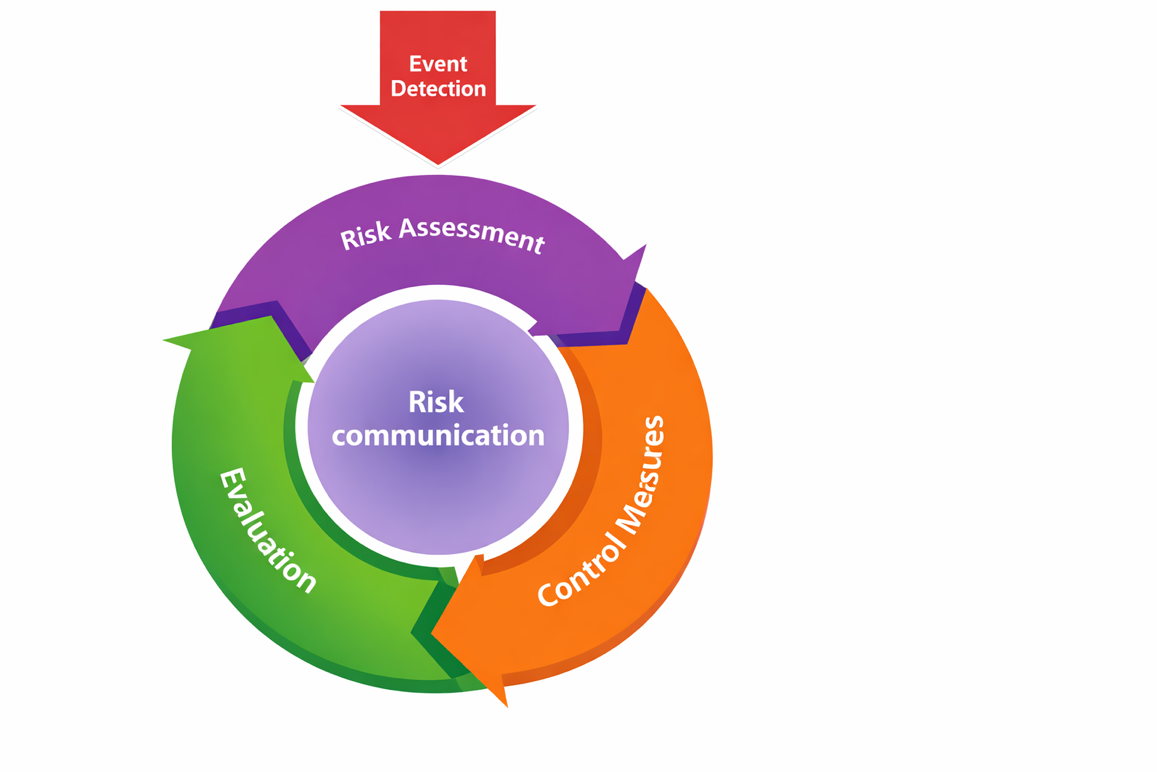
Testing, learning, and adjusting creates safer progress.
Growth Mindset and Resilience
Mindset determines how you react when things go wrong.
Product work involves criticism, rejection, and failed experiments. Without resilience, frustration grows quickly.
Learning from Failure
Not every feature will succeed. Some ideas will fail despite careful planning.
Instead of hiding failure, strong product teams analyze it.
They ask:
• What did we expect?
• What actually happened?
• What did we learn?
• What should we do differently next time?
Failure becomes data, not defeat.
Handling Rejection
You may face:
• Interview rejections
• Feature rejection from leadership
• Criticism from customers
• Disagreement from engineers
Rejection is uncomfortable, but it is not personal.
Separate your identity from your ideas. An idea can be rejected without rejecting you.
Professionals stay calm, listen carefully, and improve.
Continuous Improvement
The best product professionals treat their careers like evolving products.
They:
• Seek feedback
• Learn new tools
• Study market trends
• Reflect on past decisions
• Upgrade their skills regularly
Small daily improvements create large long-term growth.
Here is a simple continuous improvement loop:
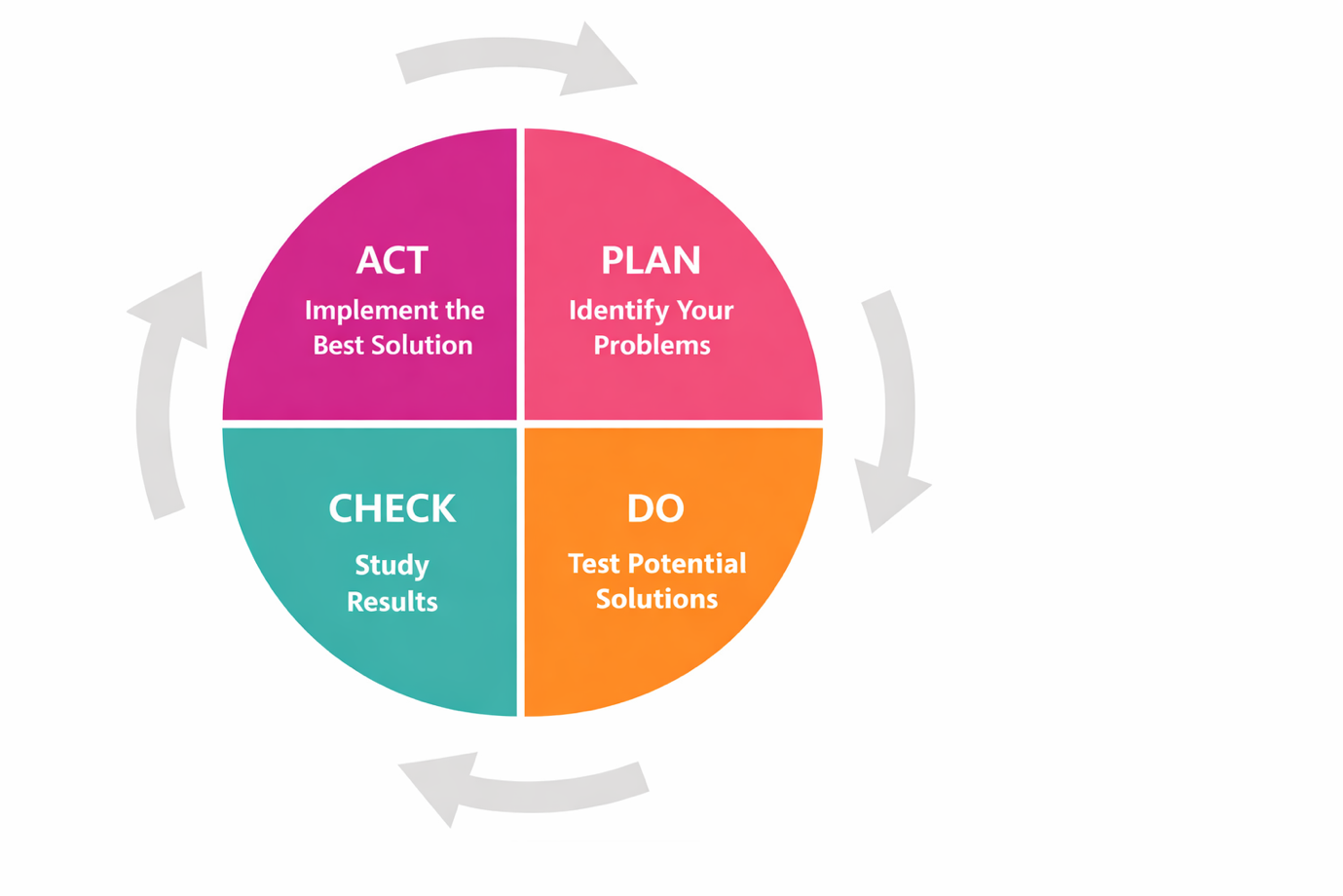
Learning never stops in product.
Final Thoughts
Building the right mindset is not a one-time action. It is daily practice.
• Put the customer at the center.
• Focus on outcomes, not just activity.
• Think long term while acting short term.
• Break complex problems into smaller parts.
• Accept uncertainty and manage risk carefully.
• Learn from failure and continue improving.
Skills may help you enter product. Mindset will help you grow in it.