Rome Travel Guide by Time For Travelling - HTML preview
Download the book in PDF, ePub, Kindle for a complete version.
part 2

City How to get there Map Orvieto
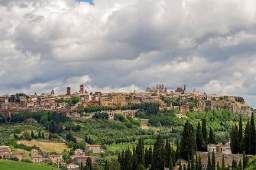
Perched on a volcanic tuff cliff in Umbria, Orvieto is a captivating day
Pixabay Map with pin outline trip from Rome. The town is famous for its stunning Gothic cathedral, By train: from Roma Termini to with its intricate facade and beautiful frescoes. Orvieto's underground Orvieto tunnels and caves, along with its rich Etruscan heritage and delicious
local wines, offer a unique and immersive experience, blending history,
art, and gastronomy.
Civita di Bagnoregio
This small town stands on a hill overlooking the valleys of the two
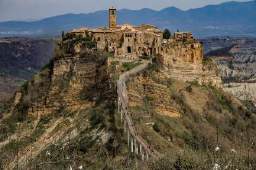
Pixabay streams, Torbido and Chiaro. The reason why this village is so famous Map with pin outline is its location in the valley and its isolation from other towns, due to the By car clay hill on which the city was built. It has been subjected to severe
erosion from atmospheric phenomena for centuries, slowly and
inexorably crumbling away: that’s why it has been called "The Dying City," as its future is already written.

Site Map Via San Giovanni in Laterano

This street in Rome, located in the heart of the historic district near the Lateran Map with pin outline
Pixabay Basilica, is often associated with the city's LGBTQIA+ community, earning the
informal nickname "Gay Street.“. It has become a hub for LGBTQIA+ culture and nightlife in Rome. It's home to a number of popular bars, clubs, and restaurants that cater to a diverse crowd, offering a lively mix of entertainment options.
Tuba Bazar
Located in the same street as above, Tuba Bazar serves as a central hub for
y queer culture and activism in the city. It’s not just a bar or nightclub, but it
baMap with pin outline functions as a community space that hosts a variety of events, including drag
Pixa shows, LGBTQIA+ themed parties and cultural activities. It was founded years
ago as a women’s bookstore. Over time, it evolved into a queer venue where people from the LGBTQ+ community can feel comfortable whether they are browsing through a book or enjoying a drink with friends.




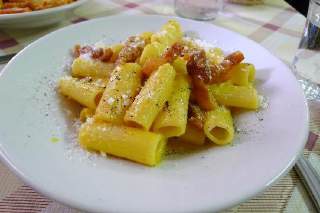
Ready to dive into Roman pasta traditions? Let's explore four iconic dishes: Cacio e Pepe,

Pixabay Carbonara, Amatriciana and Gricia, the essence of Roman cuisine.
Name Description
Cacio e Pepe is the simplest of the four dishes, made by mixing freshly cracked
Cacio e Pepe black pepper and finely grated pecorino romano with hot pasta water to
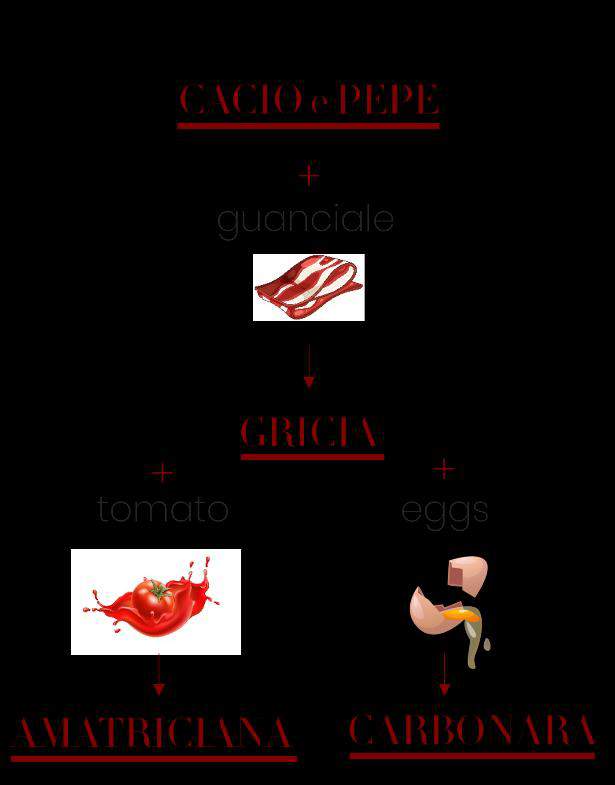
create a creamy sauce that coats the pasta.
Carbonara pasta, beaten eggs, grated pecorino romano and black pepper. The heat of the pasta gently cooks the eggs, creating a rich and creamy sauce without the Carbonara is made by cooking guanciale until crispy, then tossing it with hot
use of cream.

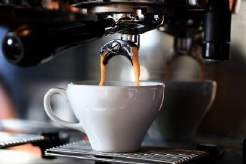
In Rome, coffee isn't just a drink, it's a cherished ritual, an essential part of daily life that brings people together.

y Understanding the nuances of Italian coffee culture will enhance your Roman adventure. Here’s how to navigate the
ba delightful world of Italian coffee like a local: Pixa
Name Description
When you order "un caffè" in Rome, you're served a shot of espresso, a small beverage with a
Espresso rich and aromatic burst of flavor. Italians typically enjoy their espresso while standing at the bar,
in a few quick sips before diving back into their daily routines
The classic cappuccino is a perfect balance of espresso, steamed milk and velvety froth.
y Cappuccino Romans usually indulge in a cappuccino only before 11 AM, and for an ideal morning start, pair
ba your cappuccino with a cornetto, an Italian croissant that complements the coffee beautifully

Pixa If you enjoy a hint of milk in your espresso, but find a cappuccino too creamy, the caffè
Caffè Macchiato macchiato is your perfect choice. This "stained" coffee consists of a shot of espresso with just a
small amount of steamed milk
Caffè Latte Similar to a cappuccino but with a greater proportion of steamed milk and less foam, the caffè latte is ideal for those who prefer a milder coffee experience


Pixabay Studies have been conducted to better understand the diet of ancient

Romans: researchers have analyzed the flora of Italy and archaeological evidence to identify the plant and animal species, both wild and domesticated, that were likely part of their diet.
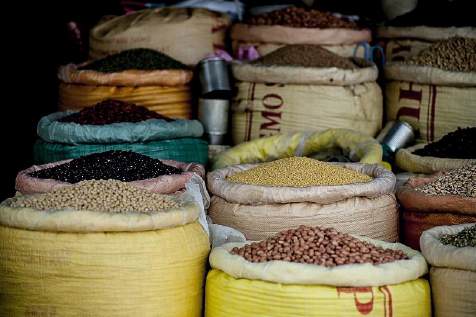
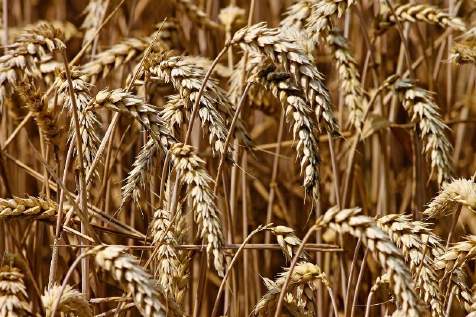
Romans' diet primarily consisted of cereals and legumes, often accompanied by vegetables, cheese, and occasional meat. These meals were enhanced with sauces made from fermented fish, vinegar, honey, herbs and spices. Although some refrigeration existed, their diet was heavily influenced by seasonal and local availability. Meat and fish, considered luxuries, were mainly accessible to the upper and middle classes.
Pixabay