

Move to Mexico: A Guide For Families by Scott Paton - HTML preview
Download the book in PDF, ePub for a complete version.
Guadalajara: Creative Energy and a Thriving Expat Family Scene
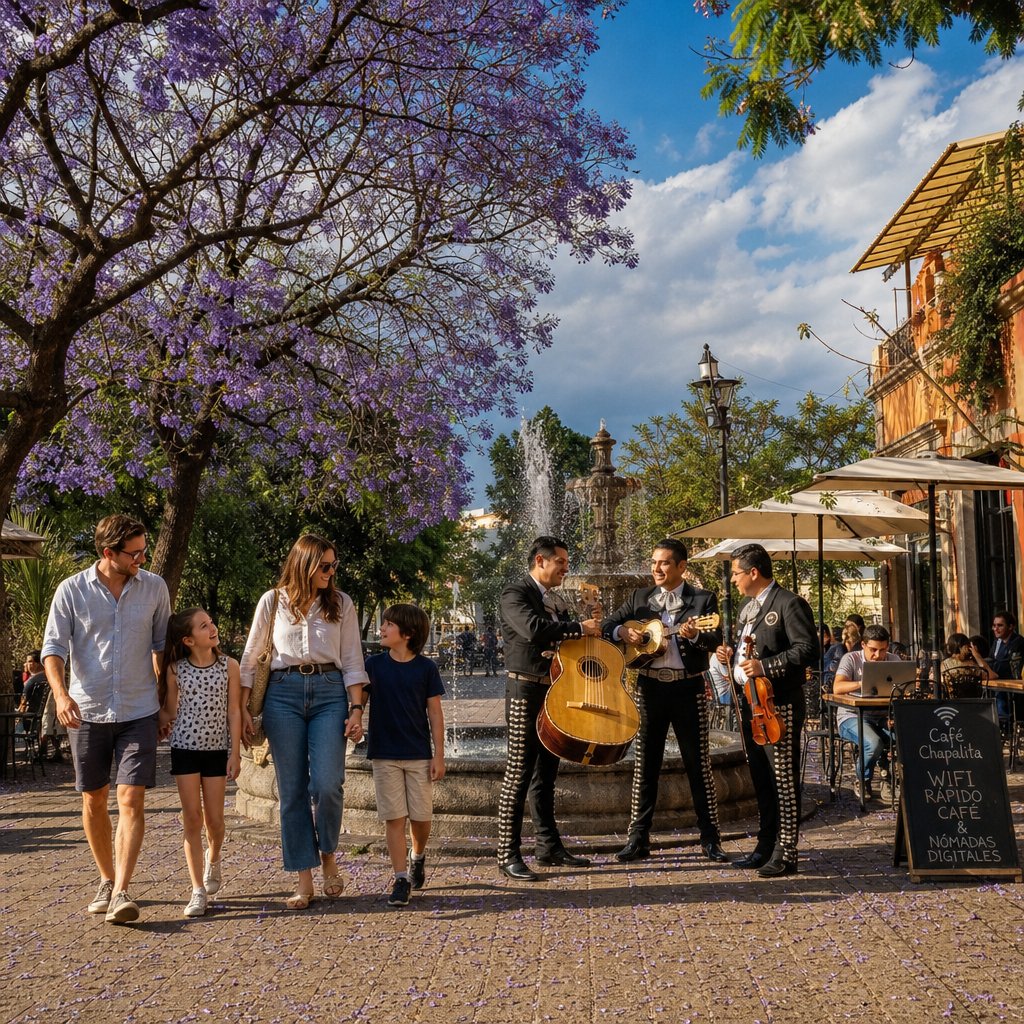
Why Families Choose Guadalajara
If Monterrey is Mexico's boardroom and Mérida its sun-drenched porch, Guadalajara is the city that manages to be both relaxed and ambitious at once. As the country's second-largest metropolis, it carries real urban heft—museums, concert halls, a Michelin-recognized food scene—yet its layout stays surprisingly legible. Families tend to orbit a handful of well-defined zones (Zapopan, Providencia, Chapalita, Tlajomulco), so once you choose a corridor, daily life rarely requires crossing the whole city. That zoned geography makes school runs and weekend errands feel manageable in a way Mexico City never could.
The climate is the quiet headline. Guadalajara sits at roughly 1,560 meters, giving it a near-perfect average of about 23°C year-round—warm, dry winters and a rainy season (June to October) that delivers dramatic late-afternoon storms and then clears. After Mérida's punishing April heat, parents often exhale here. Kids can play outside most of the year without the midday retreat the Yucatán demands.
Guadalajara has also become Mexico's tech capital, nicknamed the "Silicon Valley of Mexico" for the cluster of multinationals and startups in Zapopan. That economy has pulled in a steady stream of remote workers and relocating families, and the community infrastructure shows it. Active Facebook groups ("Expats in Guadalajara," "Guadalajara Families") and neighborhood WhatsApp chats make it genuinely easy to find a pediatrician recommendation, a used bunk bed, or a Saturday playdate within your first week.
Then there's the weekend escape valve: Lake Chapala and the lakeside village of Ajijic, about 45 minutes south. Home to one of North America's largest retiree-expat enclaves, the area offers lakefront malecón strolls, cafés, and a gentle pace that works beautifully for a family day trip. Add Guadalajara's mariachi birthright—free plaza concerts, tequila-country excursions, charro culture—and you get a city that educates children simply by living in it.
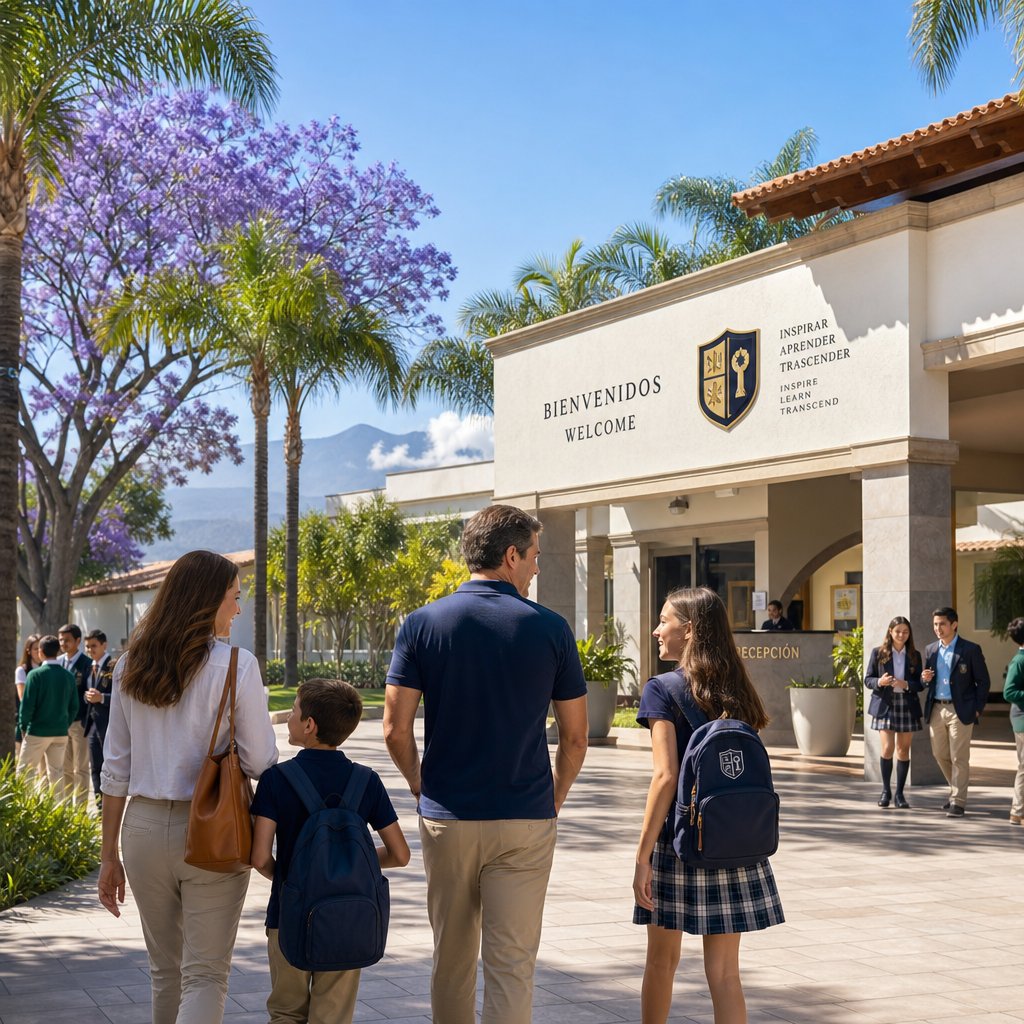
Schools in Guadalajara: International and Bilingual Options
Guadalajara's school market is both deep and geographically clustered, which makes life simpler once you've narrowed your search to a family corridor. The overwhelming majority of English-medium and top bilingual options sit in the western municipalities—Zapopan above all, with a handful in Providencia and the leafier edges of Tlaquepaque. If you plan to live and school in the same zone, as we advise throughout this guide, the Zapopan corridor is where most expat families concentrate.
The long-established anchor is the Colegio Americano de Guadalajara, widely known as AmSchool. Founded in 1943, it delivers a US-accredited (AdvancED) college-prep program from preschool through high school, and its diploma is recognized at universities across the US and Mexico alike. It's the default first phone call for North American families, so expect waiting lists and apply early.
In the strong bilingual mid-market, two names come up again and again. Instituto Cervantes offers a rigorous SEP-accredited bilingual curriculum with a solid academic reputation and multiple campuses, while Colegio Finlandés has carved out a niche with its Finnish-inspired, play-and-inquiry pedagogy that appeals to parents wary of high-pressure rote learning. Both deliver roughly half their instruction in English and are considerably more affordable than the full international tier.
Families specifically seeking the International Baccalaureate will find several IB World Schools in the Zapopan corridor offering the full continuum or the Diploma Programme for upper secondary—verify current authorization status directly, since IB programs are added and renewed periodically.
Tuition across this range runs from roughly MXN 55,000 to MXN 200,000 per year, with bilingual colegios at the lower end and flagship international and IB schools at the top. Budget separately for enrollment fees, uniforms, and annual re-enrollment, which can add meaningfully to the sticker price.
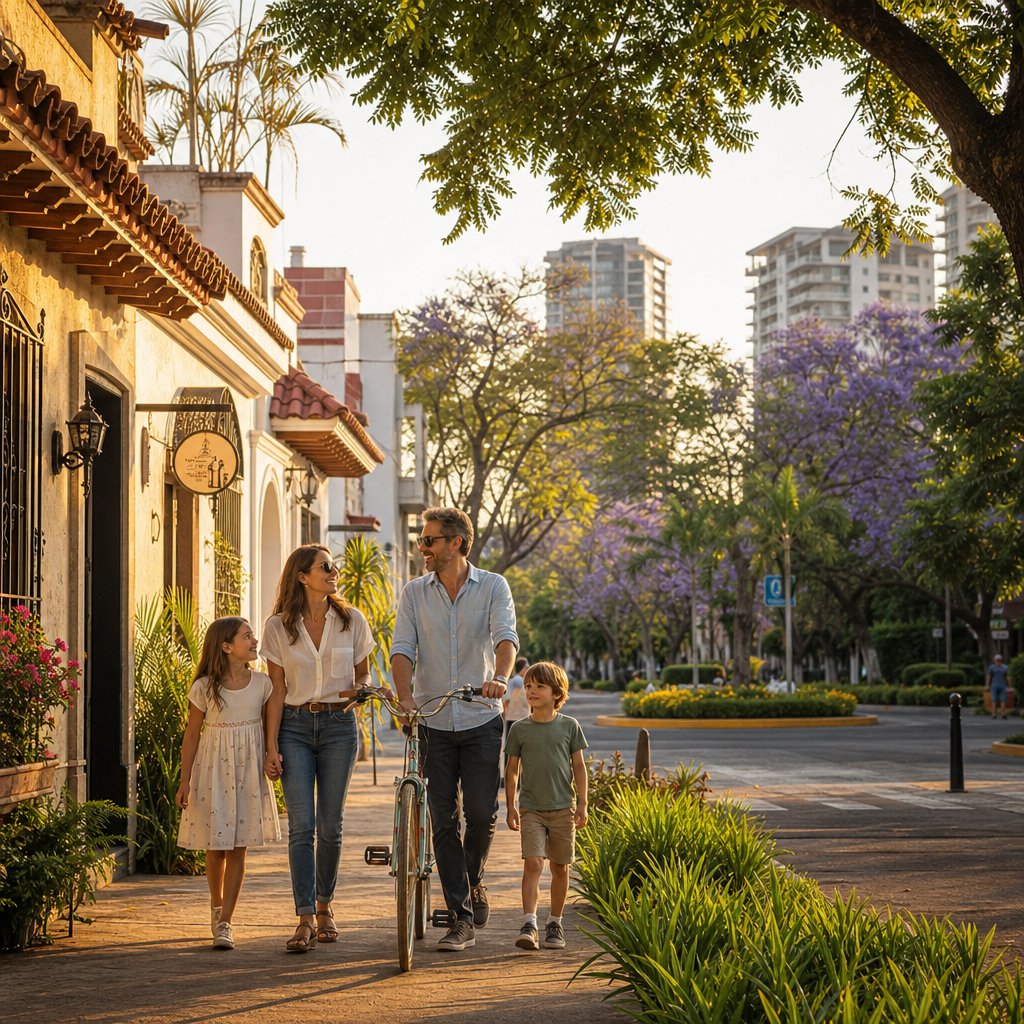
Family-Friendly Neighborhoods and Housing in Guadalajara
Guadalajara's family life concentrates in the western crescent that runs from Zapopan through Providencia, and knowing these four areas will save you weeks of aimless scrolling.
Zapopan (Puerta de Hierro and Andares) is the undisputed expat family hub. This is Guadalajara's polished, newer face: high-rise condos, gated fraccionamientos, and the Andares shopping center with its cinema, international grocers, and weekend kids' events. It sits closest to the IB World Schools and Colegio Americano, keeping morning commutes short. Expect the top end of the market here—three-bedroom homes and modern condos run USD 1,500–2,200/month.
Providencia and Chapalita suit families who want tree-lined streets and a lived-in feel rather than brand-new towers. Both are established, leafy, and genuinely walkable—a rarity in Mexican cities. Chapalita's Sunday tianguis (open-air market) is a neighborhood institution, and children can bike the glorieta's central park. Rentals here cluster around USD 1,100–1,800/month, often in charming older houses with gardens.
Tlaquepaque, southeast of the center, rewards families drawn to arts and a village atmosphere. Its cobbled streets, pottery workshops, and mariachi plazas make it feel like a small town folded into the metro. It's farther from the main school corridor, so factor in a longer drive, but you'll find character-filled homes from USD 900/month—the best value on this list.
A few practical notes: furnished rentals command a premium, most landlords expect a one-month deposit plus a Mexican guarantor (a fiador) or an insurance policy in lieu of one, and the best family homes move fast in July and August before the school year. Budget USD 900–2,200/month for a three-bedroom across these areas, and prioritize proximity to your chosen school—Guadalajara traffic, while gentler than Monterrey's, still turns a 15-minute hop into 40 at pickup time.
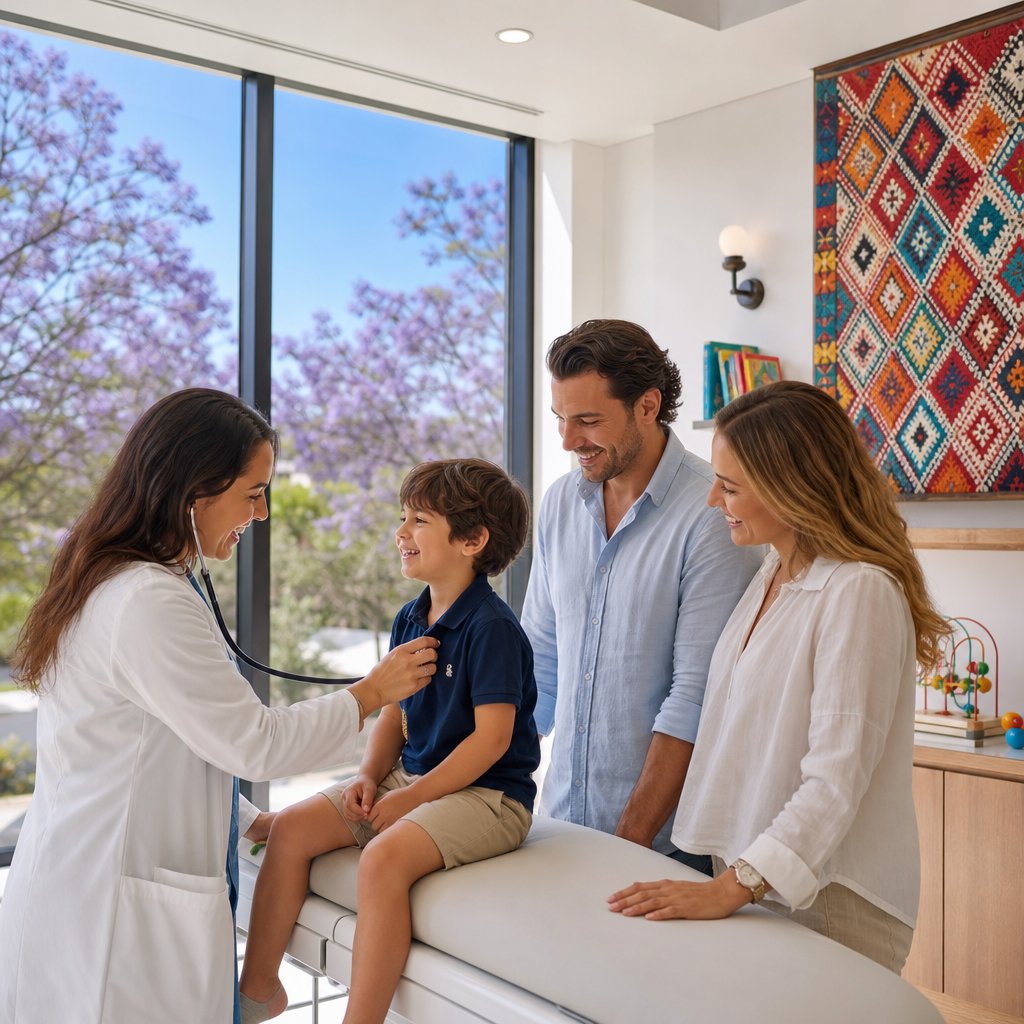
Pediatric Healthcare and Family Safety in Guadalajara
As Mexico's second-largest city, Guadalajara carries medical infrastructure to match, and for families the private-hospital picture is reassuring. Hospital Country 2000, in the Country Club area near the border with Zapopan, and Hospital Puerta de Hierro, in the upscale Puerta de Hierro district, are the two names expat parents mention most. Both run full pediatric emergency departments, neonatal units, and pediatric specialty clinics, and both sit conveniently close to the western neighborhoods where most relocating families settle.
English-speaking pediatric specialists are accessible through these private networks, though you'll often find them faster via referrals from other expat parents than through a hospital switchboard. The Guadalajara expat Facebook and WhatsApp groups mentioned earlier are gold here—ask for a recommended pediatra who speaks English, and you'll get a shortlist within hours. A standard private pediatric consultation runs roughly MXN 700–1,200, and private insurance keeps larger bills manageable. Keep your IMSS registration as a backstop, but expect to rely on private care day to day.
On safety, the geography is clear and consistent with the housing map. Zapopan—particularly the Puerta de Hierro, Andares, and Providencia corridors—is where family safety is strongest, with gated developments, visible security, and low violent-crime rates. Central Guadalajara and the eastern zones (toward Tonalá and the far periphery) warrant more awareness; they're fine to visit by day but not where you'd house young children. Normal urban vigilance against petty theft applies everywhere.
Two environmental notes round out the picture. Air quality is generally good thanks to the 1,560-meter elevation and steady breezes, with only occasional dips during dry-season agricultural burning in spring. Earthquake risk exists—Jalisco sits in a seismically active region—but damaging quakes are low-frequency. Teach kids the basic drill, note your building's safe spots, and otherwise let it stay a background consideration rather than a daily worry.