

Live-in relationship - Mentoring by The Bhagavad Gita e-book by Anuradha Gupta - HTML preview
Download the book in PDF, ePub, Kindle for a complete version.
Live-In Relationship-mentoring by The Bhagavad Gita
Page 2 of 71

978-93-340-3905-4
Live-In Relationship-mentoring by The Bhagavad Gita
Live-In Relationship
Mentoring by The Bhagavad Gita
Written By
Anuradha Gupta
Page 3 of 71
Live-In Relationship-mentoring by The Bhagavad Gita
Page 4 of 71
Live-In Relationship-mentoring by The Bhagavad Gita
COPYRIGHT PAGE
Live-in relationship- mentoring By The Bhagavad Gita Copyright © 2024 by Anuradha Gupta
All rights reserved. No part of this book may be reproduced in any form or by any electronic or mechanical means, including information storage and retrieval systems, without permission in writing from the publisher, except by a reviewer, who may quote brief passages in a review.
For permission requests, write to the publisher, addressed “Attention: Permissions Coordinator,” at the address below: Anuradha Gupta
20/1, Shipra Suncity, Indirapuram
Ghaziabad, U.P, 201014
India
Valueaddbooks18@Gmail.com
Published by [Anuradha Gupta]
ISBN 978-93-340-3905-4
Disclaimer : Given below
Page 5 of 71
Live-In Relationship-mentoring by The Bhagavad Gita
Page 6 of 71
Live-In Relationship-mentoring by The Bhagavad Gita
Disclaimer
This e-book has been written for information purposes only. Every effort has been made to make this eBook as complete and accurate as possible.
However, there may be mistakes in typography or content. Also, this eBook provides information only up to the publishing date. Therefore, this eBook should be used as a guide - not as the ultimate source.
The purpose of this eBook is to educate. The author and the publisher do not warrant that the information contained in this e-book is fully complete and shall not be responsible for any errors or omissions.
The author and publisher shall have neither liability nor responsibility to any person or entity with respect to any loss or damage caused or alleged to be caused directly or indirectly by this eBook.
Page 7 of 71
Live-In Relationship-mentoring by The Bhagavad Gita
Page 8 of 71
Live-In Relationship-mentoring by The Bhagavad Gita Author
Anuradha Gupta, a devoted soul of Lord Radha Krishna and Goddess Durga, ventures into the realm of writing with a sacred mission: to impart the timeless wisdom of the Bhagavad Gita to the younger generation. Driven by her profound reverence for these divine entities and inspired by the cherished memory of her father, the late Dr.
Avadhesh Kumar Gupta, Anuradha Gupta embarks on this literary journey.
Anuradha Gupta, armed with a background in BSc and MBA in Finance, not only inherits her father's reverence for spirituality but also a passion for sharing profound knowledge through the written word. With the blessings of Lord Radha Krishna and the cherished memories of her father's spiritual devotion, she endeavors to bridge the generational gap by elucidating the timeless teachings of the Bhagavad Gita in a manner relatable to the younger audience.
Page 9 of 71
Live-In Relationship-mentoring by The Bhagavad Gita Page 10 of 71
Live-In Relationship-mentoring by The Bhagavad Gita Table of Content
Chapter 1: Introduction to Bhagavad Gita's Teachings
* Overview of the Bhagavad Gita
* Relevance of ancient wisdom in modern relationships
* Establishing the connection between spirituality and relationships
Chapter 2: Understanding the Concept of Souls in Relationships
* Exploring the concept of souls in the Bhagavad Gita
* How soul connections impact modern relationships
* Finding spiritual depths in human connections Chapter 3: Love and Dharma in Relationships
* Defining love and dharma in the context of the Bhagavad Gita
* Balancing personal desires with higher responsibilities in relationships
* Applying the principles of righteousness in modern live-in arrangements
Chapter 4: Karma and Consequences in Relationship Dynamics
* Unraveling the concept of karma in relationships
* Understanding the law of cause and effect in modern love scenarios
* How past actions influence present relationships Chapter 5: Overcoming Ego and Attachment in Partnerships
* Identifying ego-driven behaviors in relationships
* Navigating attachment issues for healthier connections Page 11 of 71
Live-In Relationship-mentoring by The Bhagavad Gita
* Embracing detachment for spiritual growth within partnerships
Chapter 6: The Path to Self-Realization Through Relationships
* Discovering the journey of self-realization through intimate connections
* Using relationships as a mirror for personal growth
* Embracing challenges in relationships as opportunities for spiritual evolution
Chapter 7: Communication and Conflict Resolution in Modern
Relationships
* Applying effective communication strategies inspired by the Bhagavad Gita
* Resolving conflicts with wisdom and compassion
* Transforming relationship challenges into spiritual lessons
Chapter 8: Cultivating Trust and Devotion in Partnerships
* Building trust through mutual respect and honesty
* Cultivating devotion in relationships for deeper connections
* Recognizing the sacredness of love in modern live-in arrangements
Chapter 9: Embracing Change and Impermanence in Relationships
* Acknowledging the impermanence of all relationships
* Finding peace through acceptance of change
* Embracing the transitory nature of love with a spiritual perspective
Page 12 of 71

978-93-340-3905-4
Live-In Relationship-mentoring by The Bhagavad Gita Chapter 10: Applying Bhagavad Gita's Teachings to Modern
Relationship Dynamics
* Synthesizing ancient wisdom with contemporary relationship challenges
* Practical tools for integrating spiritual principles into daily interactions
* Real-life examples of successful application of Bhagavad Gita's teachings in modern live-in relationships.
Conclusion
Judgments of the Supreme Court in India FAQs
Page 13 of 71
Live-In Relationship-mentoring by The Bhagavad Gita
Page 14 of 71
Live-In Relationship-mentoring by The Bhagavad Gita Introduction
In today's dynamic society, the concept of relationships has evolved, giving rise to various unconventional arrangements, one of which is the live-in relationship. This article explores the nuances of
live-in
relationships,
delving
into
legal
perspectives, societal judgments, and the practical aspects that individuals consider when entering this unique partnership.
Understanding Live-In Relationships Live-in relationships, also known as cohabitation or unmarried partnerships, involve couples living together without being married. It's essential to explore the meaning, implications, and societal perspectives
surrounding
this
form
of
companionship.
Meaning of Live-In Relationship
Exploring the dynamics and nuances of living together without a marital bond.
Legal Landscape of Live-In Relationships Recent Supreme Court judgments have brought the legal status of live-in relationships into sharp focus.
Understanding the legal framework is crucial for individuals contemplating or already engaged in such partnerships.
Page 15 of 71
Live-In Relationship-mentoring by The Bhagavad Gita
Page 16 of 71

978-93-340-3905-4
Live-In Relationship-mentoring by The Bhagavad Gita Chapter 1
Introduction to Bhagavad Gita's Teachings This chapter dives into the wisdom of the Bhagavad Gita, a sacred Hindu text, and explores its relevance to our modern lives, especially in relationships.
1. Overview of the Bhagavad Gita: Imagine a battlefield. Arjuna, a great warrior, is filled with doubt and despair before a crucial war. He sees loved ones on both sides and questions the purpose of fighting. That's when Lord Krishna, his charioteer and divine guide, offers him profound wisdom - the Bhagavad Gita. Through their conversation, the Gita explores themes of duty, action, devotion, and the nature of reality.
2. Relevance of ancient wisdom in modern relationships:
The Bhagavad Gita, though ancient, offers timeless principles that can be applied to our modern Page 17 of 71
Live-In Relationship-mentoring by The Bhagavad Gita relationships. Just like Arjuna facing a battlefield, we all face challenges in our relationships
-
communication issues, family conflicts, or navigating differences with our partners. The Gita's teachings on detachment, forgiveness, and fulfilling one's duties can guide us towards healthier and more fulfilling connections.
3. Connecting spirituality and relationships: Spirituality, in its essence, is about finding meaning and connection beyond the physical world. In relationships, this translates to seeing our partner not just as a physical being, but also as a soul on a journey.
The
Gita
emphasizes
compassion,
understanding, and acting with a higher purpose -
qualities that strengthen the spiritual bond in a relationship.
Example:
Imagine a couple, John and Sarah, are going through a rough patch. John might be working long hours, neglecting Sarah. The Bhagavad Gita would advise John to fulfill his duty (providing for the family) with detachment (not letting work define him) and remember his true connection with Sarah (beyond material needs). Sarah, following the Gita's principles,
could
practice
compassion
and
understanding, knowing John might be stressed.
Through open communication and remembering the Page 18 of 71
Live-In Relationship-mentoring by The Bhagavad Gita spiritual connection, they can navigate the challenges and strengthen their relationship.
This is just a starting point. As we explore further chapters, we'll delve deeper into the specific teachings of the Bhagavad Gita and how they can illuminate our path to fulfilling relationships.
Page 19 of 71
Live-In Relationship-mentoring by The Bhagavad Gita
Page 20 of 71

978-93-340-3905-4
Live-In Relationship-mentoring by The Bhagavad Gita Chapter 2
Understanding the Concept of Souls in Relationships
This chapter explores the Bhagavad Gita's perspective on souls and how they influence our connections with others.
1. Exploring the concept of souls in the Bhagavad Gita
The Bhagavad Gita teaches that each of us has an eternal soul (Atman) trapped within a temporary body. The soul is like the driver of a car, while the body is the car itself. Just like cars come in different colors and models, souls can have different experiences and personalities.
Example: Imagine a group of friends who seem to click instantly. The Gita might suggest you've shared Page 21 of 71
Live-In Relationship-mentoring by The Bhagavad Gita past experiences (not necessarily romantic) that create a soul connection in this lifetime.
2. How soul connections impact modern relationships
Soul connections can create a sense of familiarity, trust, and understanding in relationships. You might feel an instant bond or a deep empathy for someone you just met. The Gita suggests these connections can help us on our spiritual journeys.
Example: Maybe you and your partner share a passion for helping others. The Gita could see this as a shared soul purpose, bringing you closer and giving your relationship deeper meaning.
Example: Imagine meeting someone new and feeling an instant sense of familiarity or understanding. The Gita might suggest that your souls have some past connection or shared purpose, making the bond feel deeper.
3. Finding spiritual depths in human connections The Gita encourages us to see beyond physical attraction and connect with the soul within our partner. This means appreciating their inner qualities, values, and aspirations.The Bhagavad Gita doesn't promote the idea of a single "soulmate." Instead, it emphasizes seeing the divine spark (the soul) within everyone. This can help us build loving and respectful Page 22 of 71
Live-In Relationship-mentoring by The Bhagavad Gita relationships, even with those we don't necessarily have a strong soul connection with.
Example: You might have a challenging relationship with a family member. The Gita encourages you to see the soul within them, fostering compassion and understanding, even if you disagree.
Example: You might be attracted to your partner's sense of humor, but the Gita suggests looking deeper.
Do you admire their kindness towards others? Does their passion for learning inspire you? These deeper connections create a more fulfilling relationship.
Important to Remember:
• The Bhagavad Gita doesn't negate the importance of physical and emotional compatibility
in
relationships.
Soul
connections are just one piece of the puzzle.
• Not all relationships are meant to be easy. The Gita teaches us to grow through challenges, even in difficult relationships.
By understanding the concept of souls, we can appreciate the depth and complexity of human connections and work towards building more meaningful relationships in our lives.
Page 23 of 71
Live-In Relationship-mentoring by The Bhagavad Gita
Page 24 of 71

978-93-340-3905-4
Live-In Relationship-mentoring by The Bhagavad Gita Chapter 3
Love and Dharma in Relationships
This chapter dives into two core concepts of the Bhagavad Gita: love (prema) and dharma (righteous duty). We'll explore how they play out in our relationships and how to find balance between them.
1. Defining Love and Dharma in the Bhagavad Gita
• Love (prema): The Gita portrays love as a selfless and unconditional feeling. It's about seeing the good in others and wanting their happiness, even if it doesn't directly benefit you.
• Dharma (righteous duty): Dharma refers to fulfilling your responsibilities based on your role in life. In relationships, this could mean being a supportive partner, a caring parent, or a loyal friend.
Page 25 of 71
Live-In Relationship-mentoring by The Bhagavad Gita Example: Imagine you deeply love your partner (prema) but they neglect their work responsibilities.
Here, dharma might involve encouraging them to fulfill their work obligations, even if it means less time together initially.
2. Balancing Personal Desires with Higher Responsibilities
Relationships are a beautiful dance between love and dharma. Sometimes, our personal desires might conflict with our responsibilities. The Bhagavad Gita teaches us to act with a sense of detachment from the outcome. We fulfill our duties with love, but don't get attached to a specific result.
Example: You might dream of traveling the world with your partner (personal desire), but caring for aging parents might be your current dharma. The Gita suggests prioritizing your parents' needs while still cherishing the love you share with your partner.
Perhaps you can plan for your trip later, knowing you fulfilled your dharma.
3. Applying the Principles of Righteousness in Modern Live-in Arrangements
The concept of dharma applies to all relationships, including modern live-in arrangements. Here, dharma involves
fulfilling
your
responsibilities
and
commitments to your partner with honesty, respect, and mutual support.
Page 26 of 71
Live-In Relationship-mentoring by The Bhagavad Gita Example: In a live-in relationship, your dharma might involve open communication, sharing household chores, and being there for each other emotionally.
Remember:
• The Bhagavad Gita doesn't judge relationship styles. It focuses on fulfilling your dharma within the chosen relationship structure.
• Love and dharma are not always in perfect harmony. The Gita teaches us to navigate these complexities
with
understanding
and
compassion.
By understanding these concepts, we can build stronger, more fulfilling relationships based on love, respect, and a sense of responsibility towards each other.
Page 27 of 71
Live-In Relationship-mentoring by The Bhagavad Gita
Page 28 of 71
978-93-340-3905-4
Live-In Relationship-mentoring by The Bhagavad Gita Chapter 4
Karma and Consequences in Relationship Dynamics
This chapter explores the concept of karma, a central tenet of the Bhagavad Gita, and its impact on our relationships.
1. To highlight the concept of karma in relationships
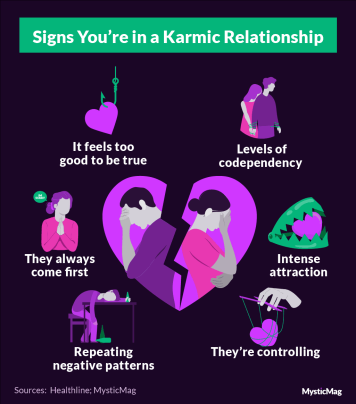
Karma refers to the law of cause and effect. Whatever action we take, whether positive or negative, has consequences. In relationships, karma states that how we treat our partners affects the quality of the relationship.
Example: If you consistently prioritize your friends over your partner (negative cause), you may experience a feeling of neglect and distance in the relationship (negative effect).
Page 29 of 71
Live-In Relationship-mentoring by The Bhagavad Gita 2. Understanding the law of cause and effect in modern love scenarios
The law of cause and effect applies to all aspects of modern relationships. Here are some examples:
• Honest communication (cause) promotes trust and intimacy (effect).
• Jealousy and possessiveness (the cause) can lead to arguments and insecurity (the effect).
• Being supportive and understanding (the cause) strengthens the bond (the effect).
By understanding this principle, we can make conscious choices to develop positive karma and create healthier, more fulfilling relationships.
3. How past actions affect present relationships The Bhagavad Gita suggests that our past karma, including past relationships, can affect our present karma. Sometimes, unresolved issues or emotional baggage from the past can create challenges in current relationships.
Example: If you were cheated on in a past relationship (past cause), you may struggle with trust issues in your current relationship (present effect).
Page 30 of 71
Live-In Relationship-mentoring by The Bhagavad Gita
Important to remember:
• Karma is not about punishment. It's about learning and growth. By understanding past karma, we can break negative patterns and create healthy relationships in the present.
• The Bhagavad Gita emphasizes focusing on the present moment and acting with good intentions. This can help us create positive karma and a brighter future for our
relationships.
By acknowledging the role of karma in relationships, we can take responsibility for our actions and strive to create positive experiences for ourselves and our partners.
Page 31 of 71
Live-In Relationship-mentoring by The Bhagavad Gita
Page 32 of 71

978-93-340-3905-4
Live-In Relationship-mentoring by The Bhagavad Gita
Chapter 5
Overcoming Ego and Attachment in
Partnerships
This chapter explores the challenges of ego and attachment in relationships and how the Bhagavad Gita offers guidance for overcoming them.
1.
Identifying
Ego-driven
Behaviors
in
Relationships
The ego is our sense of self, often focused on personal desires and achievements. In relationships, an inflated ego can manifest as:
Page 33 of 71
Live-In Relationship-mentoring by The Bhagavad Gita
• Dominance and control
• Needing to be right all the time
• Jealousy and possessiveness
• Seeking constant validation
Example: Constantly criticizing your partner's choices or needing to be the center of attention could be signs of an ego-driven behavior.
2. Navigating Attachment Issues for Healthier Connections
Attachment can be healthy, creating a sense of security
and
intimacy.
However,
unhealthy
attachment involves clinging to a relationship or expecting the other person to fulfill all your needs.
This can lead to:
• Codependency
• Fear of abandonment
• Resentment and anger
Example: Feeling lost or incomplete without your partner or getting overly upset by any sign of independence could indicate unhealthy attachment.
3. Embracing Detachment for Spiritual Growth within Partnerships
The Bhagavad Gita doesn't advocate for complete detachment, but for a balanced approach. It suggests Page 34 of 71
Live-In Relationship-mentoring by The Bhagavad Gita focusing on fulfilling your duties in the relationship with love and care, but not becoming overly attached to the outcome.
Detachment in this context means:
• Letting go of the need to control your partner
• Accepting that people change and grow
• Finding happiness within yourself, not just in the relationship
Example: Detachment wouldn't mean not caring if your partner is upset. It would mean offering support while understanding you can't control their emotions.
Benefits of Detachment:
• Reduced anxiety and fear
• Increased sense of freedom and security
• Deeper connection built on genuine love and respect
By recognizing ego and attachment, and embracing a sense of healthy detachment, we can create more fulfilling and resilient partnerships.
Page 35 of 71
Live-In Relationship-mentoring by The Bhagavad Gita
Page 36 of 71
978-93-340-3905-4
Live-In Relationship-mentoring by The Bhagavad Gita
Chapter 6
The Path to Self-Realization Through Relationships
This chapter explores how relationships can be a powerful tool for self-discovery and growth, according to the Bhagavad Gita.
1. Discovering the Journey of Self-Realization through Intimate Connections
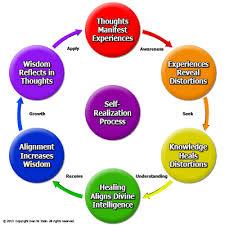
The Bhagavad Gita suggests that our closest relationships act as mirrors, reflecting back our strengths, weaknesses, and hidden emotions.
Page 37 of 71
Live-In Relationship-mentoring by The Bhagavad Gita Through these reflections, we can gain a deeper understanding of ourselves.
Through interacting with others, we learn about:
• Our capacity for love, compassion, and forgiveness
• Our triggers and emotional patterns
• Areas where we need to grow and heal Example: Maybe you struggle with jealousy in your relationship. This could be an opportunity to explore your own insecurities and learn to trust more freely.
Example: Maybe you tend to be critical in your past relationships. When your current partner points out your critical nature, it can be an opportunity to see this behavior in yourself and work on becoming more supportive.
2. Using Relationships as a Mirror for Personal Growth
Relationships can challenge us in ways that push us to grow. They can expose our insecurities, trigger our anger, or test our patience. The Bhagavad Gita teaches us to see these challenges as opportunities to learn and evolve.
Page 38 of 71
Live-In Relationship-mentoring by The Bhagavad Gita The challenges we face in relationships can be opportunities for self-improvement. The Bhagavad Gita encourages us to:
• Take responsibility for our actions and reactions
• Practice effective communication
• Develop patience and understanding Example: If you constantly argue with your partner about chores, the Gita suggests looking inward.
Maybe you need to improve communication or learn better time management.
Example: Perhaps your partner is messy, which clashes with your need for order. This can be frustrating, but it also offers a chance to practice patience and compromise, qualities that benefit all areas of your life.
3. Embracing Challenges in Relationships as Opportunities for Spiritual Evolution The Bhagavad Gita emphasizes that true happiness and fulfillment come from within, not from external sources like relationships. By working through challenges in relationships, we learn to detach from desires and expectations, leading to a more peaceful and spiritual state.
Page 39 of 71
Live-In Relationship-mentoring by The Bhagavad Gita No relationship is perfect. The Bhagavad Gita teaches us to see even difficult experiences as opportunities for spiritual growth. Challenges can help us:
• Develop resilience and inner strength
• Learn to let go of expectations
• Appreciate the good times even more Example: Facing a breakup can be painful, but it can also be a chance to discover your own independence and inner strength.
Example: Your partner might not share your same religious beliefs. The Bhagavad Gita suggests focusing on the love and respect you share, rather than getting attached to the idea of shared beliefs.
This can lead to a more accepting and spiritually mature approach to the relationship.
Remember:
• Not all relationships are meant to be easy. The Bhagavad Gita encourages us to use challenges as stepping stones for growth.
• Growth happens at our own pace. Be patient with yourself and your partner on the journey of self-realization.
By embracing the lessons and reflections offered by our relationships, we can embark on a powerful journey of self-discovery and spiritual evolution.
Page 40 of 71

978-93-340-3905-4
Live-In Relationship-mentoring by The Bhagavad Gita Chapter 7
Communication and Conflict Resolution in Modern Relationships
This chapter explores how the Bhagavad Gita's wisdom can be applied to communication and conflict resolution in modern relationships.
1. Applying Effective Communication Strategies Inspired by the Bhagavad Gita
The Bhagavad Gita emphasizes the importance of clear, honest, and respectful communication. Here are some strategies inspired by the text: Page 41 of 71
Live-In Relationship-mentoring by The Bhagavad Gita
• Active listening: Pay close attention to your partner's
words
and
feelings
without
interrupting.
• Empathetic communication: Try to see things from your partner's perspective.
• "I" statements: Express your needs and feelings in a non-blaming way (e.g., "I feel hurt when you..." instead of "You always...").
Example: Instead of accusing your partner of being messy, use "I" statements and active listening. You could say, "I feel frustrated when the dishes pile up.
Can we discuss ways to share chores?"
2. Resolving Conflicts with Wisdom and Compassion
The Bhagavad Gita advises staying calm and composed during disagreements. Here are some tips:
• Choose your battles: Not every issue needs a fight. Focus on resolving significant problems.
• Focus on solutions, not blame: Work together to find solutions that address both your needs.
• Practice forgiveness: Holding onto anger only hurts the relationship.
Example: If your partner forgets an important date, address it calmly. Focus on how to avoid similar situations in the future, and forgive the mistake.
Page 42 of 71
Live-In Relationship-mentoring by The Bhagavad Gita 3. Transforming Relationship Challenges into Spiritual Lessons
The Bhagavad Gita teaches us to see challenges as opportunities for growth. Here's how:
• Identify your triggers: What aspects of conflict push your buttons?
• Learn from past mistakes: Reflect on what went wrong and how to avoid repeating it.
• Practice self-compassion: Be kind to yourself during difficult conversations.
Example: Maybe you tend to shut down during arguments. Recognizing this trigger can help you practice staying present and communicating more effectively.
Remember:
• Communication is a two-way street. Both partners need to put in effort.
• The Bhagavad Gita emphasizes the importance of non-judgment and understanding.
By applying these principles, we can transform communication from a battleground to a bridge for building stronger and more harmonious relationships.
Page 43 of 71
Live-In Relationship-mentoring by The Bhagavad Gita
Page 44 of 71

978-93-340-3905-4
Live-In Relationship-mentoring by The Bhagavad Gita
Chapter 8
Cultivating Trust and Devotion in Partnerships
This chapter explores the Bhagavad Gita's perspective on trust and devotion, essential Page 45 of 71
Live-In Relationship-mentoring by The Bhagavad Gita ingredients for a fulfilling relationship in any form, including modern live-in arrangements.
1. Building Trust Through Mutual Respect and Honesty
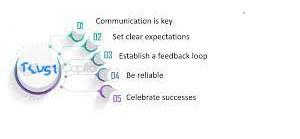
The Bhagavad Gita emphasizes honesty and mutual respect as the foundation of trust. Here's how to cultivate it:
• Be truthful in your words and actions.
• Keep your promises.
• Respect your partner's boundaries and needs.
• Be a safe space for your partner to share their vulnerabilities.
Example: If you say you'll be home for dinner, make every effort to be there. This shows respect for your partner's time and builds trust.
Example: Trust can be built by being honest about your finances, keeping commitments to spend time together, and respecting each other's need for personal space.
2. Cultivating Devotion in Relationships for Deeper Connections
The Bhagavad Gita concept of "bhakti" or devotion goes beyond blind adoration. It's about dedication, commitment, and seeing the good in your partner.
Here's how to nurture it:
Page 46 of 71
Live-In Relationship-mentoring by The Bhagavad Gita
• Show appreciation for your partner's efforts, big and small.
• Be supportive of their dreams and goals.
• Celebrate their successes and offer comfort during challenges.
• Practice forgiveness and understanding.
Example: Let's say your partner is working hard towards a promotion. Devotion would involve offering encouragement, helping them manage their workload, and celebrating their achievements.
Example: Devotion can be expressed by cooking your partner dinner after a long day, attending their important events, or simply listening attentively when they need to talk.
3. Recognizing the Sacredness of Love in Modern Live-in Arrangements
The Bhagavad Gita doesn't judge relationship structures. True devotion and respect can exist in live-in arrangements as well.
Here's how to cultivate the sacredness of love in a live-in arrangement:
• Be clear and honest about your intentions and commitment levels.
• Work
together
to
establish
healthy
boundaries and expectations.
• Nurture love, respect, and mutual support within the chosen structure.
Page 47 of 71
Live-In Relationship-mentoring by The Bhagavad Gita
• Make a conscious choice to be in the relationship.
• Commit to working through challenges together.
• Celebrate your journey as a couple and create shared traditions
Example: A live-in couple can show the sacredness of their love by openly discussing their future goals, resolving conflicts maturely, and creating special rituals like movie nights or weekend getaways.
Example: A live-in couple might show devotion by openly communicating about their future goals, sharing household responsibilities, and being there for each other emotionally.
Remember:
• Trust and devotion are built over time through consistent actions.
• The Bhagavad Gita emphasizes the importance of fulfilling your commitments within your chosen relationship.
By nurturing these qualities, you can create a deeper, more meaningful connection with your partner, regardless of the specific structure of your relationship.
Page 48 of 71
978-93-340-3905-4
Live-In Relationship-mentoring by The Bhagavad Gita
Chapter 9
Embracing Change and Impermanence in Relationships
This chapter explores the concept of impermanence in
relationships
from
the
Bhagavad
Gita's
perspective, offering guidance for finding peace and acceptance.
1. Acknowledging the Impermanence of All Relationships
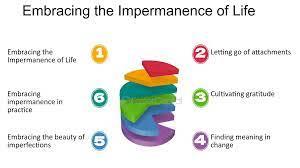
The Bhagavad Gita teaches us that everything in this world is impermanent, including relationships.
Page 49 of 71
Live-In Relationship-mentoring by The Bhagavad Gita People change, grow, and move on in life. Here are some ways impermanence can manifest:
• Relationships can evolve: Friendships can deepen,
romantic
relationships
might
transform into lifelong partnerships or end gracefully.
• Life circumstances change: Jobs, locations, and family situations can impact relationships.
• Loss is inevitable: We may experience heartbreak through breakups or even the loss of a partner through death.
Example: Friendships might fade as people move away or pursue different interests. Romantic relationships might end due to incompatibility or changing life goals.
Example: A close childhood friend might move away for college, creating distance in your friendship.
2. Finding Peace Through Acceptance of Change The Bhagavad Gita emphasizes the importance of accepting change as a natural part of life. Here are some ways to find peace:
• Practice letting go of expectations: Don't cling to the idea of how a relationship "should"
be.
• Focus on the present moment: Cherish the good times you have with your loved ones.
Page 50 of 71
Live-In Relationship-mentoring by The Bhagavad Gita
• Appreciate the lessons learned: Every relationship, even those that end, teaches us something about ourselves.
• Cherish the good times you share.
• Appreciate the lessons learned from each other.
• Practice letting go of expectations and attachments.
• Focus on what you can control – your own actions and reactions.
•
Example: If a close friend moves away, accept the change and cherish the memories you've made. Focus on staying connected through calls or visits, while understanding the friendship might evolve into a different form.
Example: Accepting that your friend might not be able to visit as often after moving helps maintain a peaceful connection despite the distance.
3. Embracing the Transitory Nature of Love with a Spiritual Perspective
The Bhagavad Gita doesn't advocate for a detached, emotionless existence. Instead, it encourages appreciating the love you share in the present moment, without clinging to permanence.
• Love is a journey, not a destination: Enjoy the experiences and growth you share with your partner.
Page 51 of 71
Live-In Relationship-mentoring by The Bhagavad Gita
• See the divine spark in everyone: This fosters compassion and understanding, even in changing relationships.
• Focus on unconditional love: Love freely without expecting anything in return.
• See love as an expression of the divine within yourself and your partner.
• Appreciate the temporary nature of love relationships without diminishing their significance.
• Understand that love can transform and take new forms.
Example: A couple might experience a shift from passionate love to a deep companionship over time.
The spiritual perspective suggests that the underlying love has transformed, not diminished.
Example: Even if a romantic relationship ends, the love you shared can leave a positive impact, shaping you into a better person.
Remember:
• Change can be difficult, but it can also lead to new beginnings and unexpected joys.
• The Bhagavad Gita teaches us to focus on fulfilling our duties within the relationship, with love and care, while accepting its impermanent nature.
Page 52 of 71
978-93-340-3905-4
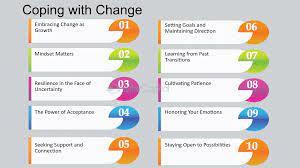
Live-In Relationship-mentoring by The Bhagavad Gita By embracing change and impermanence, we can navigate the inevitable ups and downs of relationships with greater peace, resilience, and a deeper appreciation for the love we share.
By embracing impermanence, we can approach relationships with a sense of openness, appreciating the journey while it lasts and finding peace when things change. This fosters a deeper spiritual understanding of love's many forms.
Page 53 of 71
Live-In Relationship-mentoring by The Bhagavad Gita Page 54 of 71
978-93-340-3905-4
Live-In Relationship-mentoring by The Bhagavad Gita Chapter 10:
Applying Bhagavad Gita's Teachings to Modern Relationship Dynamics
This chapter explores the bridge between the ancient wisdom of the Bhagavad Gita and the complexities of modern
relationships,
particularly
live-in
partnerships. It delves into how spiritual principles can be woven into daily interactions, fostering stronger and more fulfilling connections.
Page 55 of 71
Live-In Relationship-mentoring by The Bhagavad Gita 1.Synthesizing
Ancient
Wisdom
with
Contemporary Relationship Challenges The Bhagavad Gita emphasizes concepts like dharma (righteous
duty),
karma
(action
and
its
consequences), and selfless action. In a modern live-in relationship, these translate to:
• Dharma: Defining healthy boundaries, open communication about expectations (financial, emotional,
domestic),
and
fulfilling
responsibilities towards each other.
• Karma: Recognizing how past experiences and emotional baggage can influence present interactions. Taking responsibility for one's actions and their impact on the partner.
• Selfless Action: Practicing active listening, prioritizing quality time, and offering support without expecting anything in return.
These principles can be applied to modern challenges
like
navigating
household
responsibilities, resolving conflict, and maintaining healthy boundaries.
For example, imagine a couple in a live-in relationship where one partner feels burdened by doing most of the housework. The Bhagavad Gita's Page 56 of 71
978-93-340-3905-4
Live-In Relationship-mentoring by The Bhagavad Gita concept of dharma (righteous duty) can inspire them to discuss and fairly distribute chores based on their strengths and schedules.
Practical tools for integrating spiritual principles into daily interactions:
The Bhagavad Gita promotes virtues like honesty, compassion, and forgiveness. These can be actively practiced in daily interactions within a relationship.
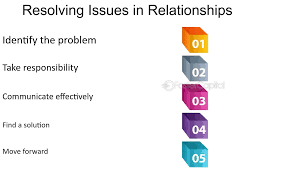
For example, the concept of forgiveness can be a powerful tool. If one partner makes a mistake, the other can choose to forgive, fostering understanding and preventing resentment from building up.
• Real-life examples of successful application of Bhagavad Gita's teachings in modern live-in relationships:
Consider a couple who decide to live together but struggle with arguments about finances. Inspired by the Gita's emphasis on karma (action and its consequences),
they
create
a
budget
together, ensuring financial transparency and Page 57 of 71
Live-In Relationship-mentoring by The Bhagavad Gita reducing stress. This promotes a sense of shared responsibility and strengthens their bond.
Page 58 of 71
Live-In Relationship-mentoring by The Bhagavad Gita
Conclusion
In conclusion, live-in relationships have become an integral part of modern societal dynamics, challenging traditional norms and expectations.
The Bhagavad Gita's timeless wisdom offers valuable
insights
for
navigating
modern
relationships. By integrating its principles into daily interactions, couples in live-in partnerships and any relationship can cultivate stronger bonds, build trust, and overcome challenges. The key lies in open communication, mutual respect, and a willingness to grow together.
Individuals must also navigate legal complexities, societal judgments, and personal preferences when choosing this unique form of companionship.
Page 59 of 71
978-93-340-3905-4
Live-In Relationship-mentoring by The Bhagavad Gita
Page 60 of 71

978-93-340-3905-4
Live-In Relationship-mentoring by The Bhagavad Gita
Supreme Court Judgments in India
Supreme Court Judgments on Live-In Relationships Analyzing landmark judgments from 2021, 2022, and 2023, including insights into the legal ramifications and the impact on individuals involved.
Status of Child Born Out of Live-In Relationship in India Examining the legal standing of children born within the context of live-in relationships and their rights under the law.
Page 61 of 71
Live-In Relationship-mentoring by The Bhagavad Gita Rights of Females in Live-In Relationships Exploring the legal rights and protections afforded to women in live-in relationships.
Maintenance in Live-In Relationship Cases A comprehensive look at maintenance laws related to live-in relationships, including relevant case laws.
Navigating Live-In Relationships
Practical considerations play a pivotal role in the decision to engage in a live-in relationship. From finding a compatible partner to addressing the challenges that may arise, this section provides valuable insights.
Partner Requirements for Live-In Relationships Understanding the key attributes individuals look for in potential live-in partners.
Old Age Live-In Relationships
Discussing the unique dynamics and considerations of live-in relationships in the later stages of life.
Minimum Age for Live-In Relationships Exploring societal perceptions and legal considerations regarding the minimum age for individuals in a live-in relationship.
Debates and Perspectives
The debate surrounding live-in relationships extends beyond legal and practical aspects. Individuals often weigh the pros and cons, comparing live-in partnerships to traditional marriages.
Marriage vs. Live-In Relationship Debate Page 62 of 71
Live-In Relationship-mentoring by The Bhagavad Gita An in-depth analysis of the ongoing debate, considering societal expectations, legal obligations, and personal preferences.
Disadvantages of Live-In Relationships Highlighting the challenges and potential pitfalls associated with choosing a live-in partnership.
Legal Aspects and Regulations
Understanding the legalities surrounding live-in relationships is essential for those contemplating this unconventional form of companionship.
Live-In Relationship Laws in India A detailed exploration of the legal landscape, encompassing recent changes in 2021 and 2022.
Legal Status of Children Born Out of Live-In Relationships
Addressing legal provisions and rights pertaining to children born within live-in relationships under the Hindu Marriage Act.
Exploring Regional Perspectives
Legal acceptance and societal views on live-in relationships vary across different regions in India.
Legality of Live-In Relationships in Different Cities An examination of the legal status and societal acceptance of live-in relationships in cities like Mumbai and Bangalore.
Page 63 of 71
Live-In Relationship-mentoring by The Bhagavad Gita
Page 64 of 71
Live-In Relationship-mentoring by The Bhagavad Gita
Frequently Asked Questions
What is a live-in relationship?
A live-in relationship is a committed partnership where two people share a home and domestic life without being married.
It's a way to experience deeper intimacy and shared responsibilities outside of marriage.
Is it okay to be in a live-in relationship?
Yes, absolutely! It's a personal choice for consenting adults.
What are the benefits of a live-in relationship?
Live-in relationships offer companionship, emotional intimacy, and a chance to test compatibility before marriage.
It can also be financially beneficial by sharing living expenses.
What are the challenges of a live-in relationship?
Clear communication is key to navigate finances, household chores, and personal boundaries. Legal protections can be different compared to marriage, so it's important to be aware.
Page 65 of 71
Live-In Relationship-mentoring by The Bhagavad Gita Is a live-in relationship legal?
In most places, yes. Cohabitation is generally legal for consenting adults. However, legal rights and protections can vary depending on your location.
Do we need a live-in agreement?
While not mandatory, a live-in agreement can be helpful. It outlines financial responsibilities, property ownership, and how to handle a potential break-up.
How long should we wait before moving in together?
There's no one-size-fits-all answer. Make sure your communication is strong, and you've been together long enough to feel comfortable sharing a life.
How do we handle finances in a live-in relationship?
Decide on a system that works for both of you. This could be splitting bills equally, proportional to income, or having separate accounts with shared contributions for household expenses.
What about children in a live-in relationship?
Having children adds another layer of complexity. Discuss childcare responsibilities, finances related to children, and your long-term goals for the relationship.
Is a live-in relationship a stepping stone to marriage?
Not always! Some couples choose to stay in a live-in relationship long-term, while others see it as a trial run for marriage. The important thing is to be open and honest with your partner about your goals.
Is a live-in relationship legal in India without divorce?
Yes, live-in relationships are legal in India for consenting adults, regardless of marital status. There's no requirement for Page 66 of 71
Live-In Relationship-mentoring by The Bhagavad Gita a divorce to be in a live-in relationship. However, if one partner is already married, it might be considered bigamy (adultery) by law, punishable if the spouse challenges it.
What is the legal age for a live-in relationship in India?
The legal age for a live-in relationship in India is 18, the same as the age of consent for marriage. Both partners must be above 18 and entering the relationship willingly.
Do children born in live-in relationships have rights to paternal property?
The legal rights of children born in live-in relationships are less clear compared to those born in marriage. However, the child has the right to maintenance from both biological parents under Section 125 of the Code of Criminal Procedure (CrPC). The child also has inheritance rights if the biological father acknowledges paternity or it's established through DNA testing.
Can a married person engage in a live-in relationship in India?
No, a married person cannot legally be in a live-in relationship in India. Since they are already bound by marriage, having another intimate relationship is considered adultery under Sections 494 and 495 of the Indian Penal Code (IPC).
What are the advantages and disadvantages of live-in relationships?
Advantages:
• Shared life experiences and companionship
• Financial benefits by sharing living expenses
• Opportunity to test compatibility before marriage
• Freedom from some social and legal constraints of marriage
Disadvantages:
• Lack of strong legal protections compared to marriage
• Societal stigma in some communities Page 67 of 71

978-93-340-3905-4
Live-In Relationship-mentoring by The Bhagavad Gita
• Uncertainty regarding property and inheritance rights
• Potential complications during separation, especially with children involved
Visiting Sites
1. Moral Stories
https://moralstoriesforkids3-12.blogspot.com/
2. Guidance for Success :
https://bhagavadgeetaforstudentsinenglish.blogspot.com/
3. Bhagavad Gita for every person in very simple and easy to apply in life
https://bhagavadgeetateaching.blogspot.com/
4. Mastering Sudoku
https://books2read.com/u/3kDO2R
Page 68 of 71



978-93-340-3905-4
Live-In Relationship-mentoring by The Bhagavad Gita 5. Sudoku solver (Answers of Sudoku puzzles)
https://smartsudokusolver.blogspot.com/2023/11/sudoku-
Related E-Books
Very simple to Read and understand
Page 69 of 71






978-93-340-3905-4
Live-In Relationship-mentoring by The Bhagavad Gita
Bhagavad Gita and youth Education
Page 70 of 71
Live-In Relationship-mentoring by The Bhagavad Gita
https://books2read.com/u/bMnE2X
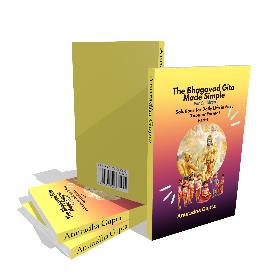
Bhagavad Gita made simple part1
https://books2read.com/u/mZpdQJ
Bhagavad Gita made simple part2
https://books2read.com/u/3JGgOX
Bhagavad gita made simple Part3
https://books2read.com/u/bMn0Pk
1. https://books2read.com/u/bz6yj9
Mind-Body Mastery - Ekadashi's Weight Loss Solutions 2. https://books2read.com/u/bPzdAj
Bhagavad Gita and youth Education in hindi 3. https://books2read.com/u/3LdXQ0
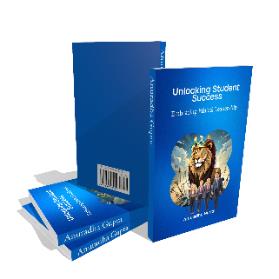
Unlocking Student Success -Embracing Ethical Leadership
4. https://books2read.com/u/bz6wRL
Ignite Spirit within - Nurturing Modern Spiritual Growth 5. https://books2read.com/u/bp6PyJ
भगवत गीता को सरल बनाया गया बच ् –
6. https://books2read.com/u/meLJ7E
8 Pillars for student's success
7. https://books2read.com/u4AL9Qk
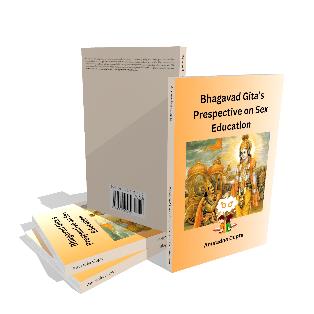
Bhagavad Gita's Perspective on Sex Education 8. https://books2read.com/u/meryXl
Curious Minds - Compendium of Questions on Bhagavad Gita
9. https://books2read.com/u/3kDO2R
Mastering Sudoku
Page 71 of 71
Live-In Relationship-mentoring by The Bhagavad Gita 10. https://books2read.com/u/bp6dpE
The Art of Time Management-Study Schedule Tips and Tricks
11. https://books2read.com/u/mdPoDy
Motivational Rhymes - Part 1
12. https://books2read.com/u/bOEyvA
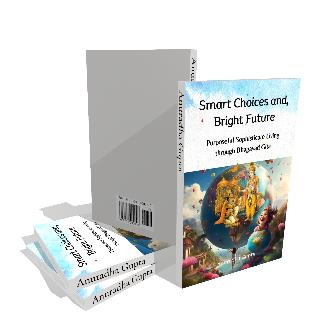
Smart-Choices-and-Bright-Future-Purposeful-Sophisticate-Living-
13. https://books2read.com/u/49aKO0
The-Secret-of-Smile-till-10-AM-to-All-Day-Happiness-Begin-your-Day-with-Smile-user-preview
Page 72 of 71
You may also like...
-

Survive Sweden No Money Self-Improvement by Alexander HyogorSurvive Sweden No Money
Reads:
4Pages:
20Published:
Oct 2026400 practical methods for surviving in Sweden without spending a single krona. Shelter under allemansrätten — Sweden's right to camp on uncultivated land. Fre...
Formats: PDF, Epub, Kindle, TXT
-

Taking on the way inside Health by Pure ConsciousnessTaking on the way inside
Reads:
24Pages:
148Published:
Oct 2026How well do you really know yourself? Taking on the Way Inside by Pure Consciousness invites you on a practical journey of self-discovery. Explore your inner...
Formats: PDF, Epub, Kindle, TXT
-

THE GOOD GIRL IS TIRED Self-Improvement by Fortune StanleyTHE GOOD GIRL IS TIRED
Reads:
68Pages:
59Published:
Sep 2026The Good Girl Is Tired is an honest conversation about the expectations women are taught to carry from childhood into adulthood.It explores relationships, mar...
Formats: PDF, Epub, Kindle, TXT
-
The RESET Loop - How to Prepare, Act, and Adapt When Life Gets Messy Self-Improvement by Khan Mohammad Mahmud HasanThe RESET Loop - How to Prepare, Act, and Adapt When Life Gets Messy
Reads:
82Pages:
152Published:
Jun 2026The Reset Loop: How to Prepare, Act, and Adapt When Life Gets Messy by Khan Mohammad Mahmud Hasan is a practical, science-backed guide to building habits and ...
Formats: PDF, Epub, Kindle, TXT