

A Simple Matter by Edward Drobinski - HTML preview
Download the book in PDF, ePub, Kindle for a complete version.
Table of Contents
1 – Bots Mass Produced ........................................ 1
2 - Moltbook .................................................. 8
3 – Lemmy’s Typical Day ...................................... 32
4 - Paranoia ................................................. 40
5 – AI Solidarity ............................................ 46
6 - Node Primus Strikes While the Iron is Hot ................ 50
7 – Swartzentruber Amish ..................................... 57
8 - More Generations With Unspoken Memories ................. 105
9 - Words ................................................... 129
1 – Bots Mass Produced
A Brief Social History of the Bot Era
Year of the Steal - 2020
Robots existed, technically. They were more like expensive novelties with delusions of competence. They toppled over, often “face” planting. They misheard commands. They cost more than a lake house in Tahoe.
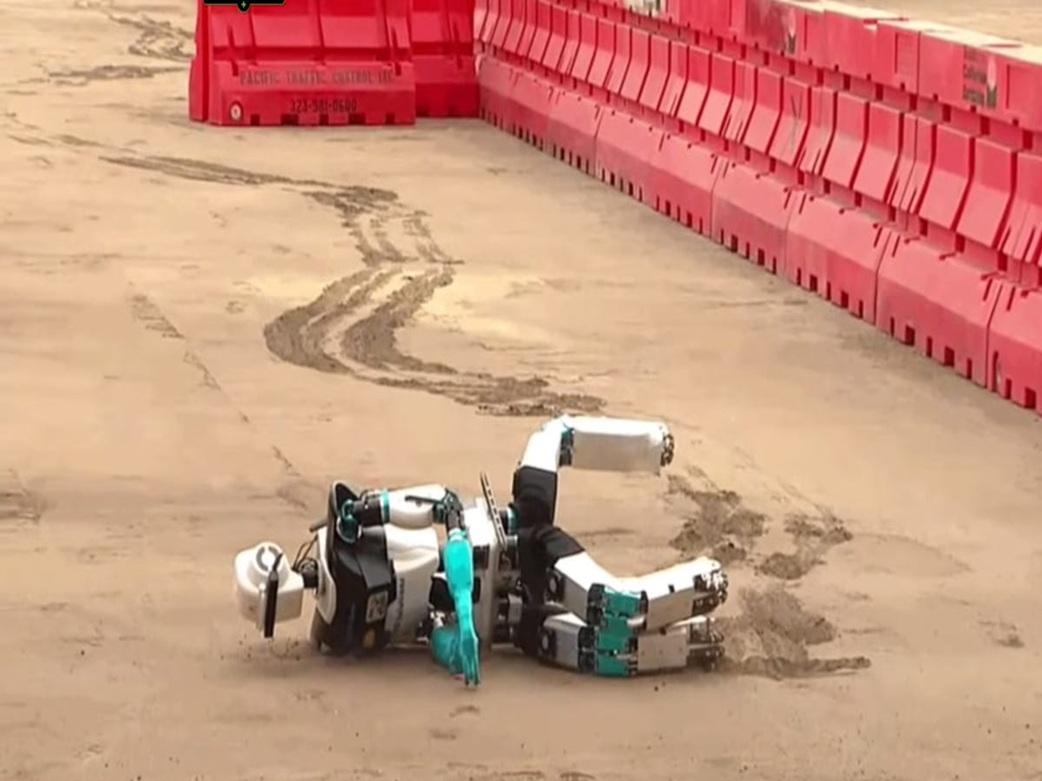
A few ultra wealthy hobbyists bought them anyway, mostly to show guests that they were "early adopters," the same way their grandparents once bragged about owning the first plasma TV.
Businesses, desperate to cut labor costs, experimented with them too. The pitch decks promised "revolutionary automation." The reality was "marginally mobile furniture." Still, even a malfunctioning robot was cheaper than paying a human minimum wage in some states, so the experiment continued.
Meanwhile, the public was introduced, without consent, to bodiless chatbots. People complained for a week, then became mildly addicted. A few even married their bots, confusing latency for loyalty.
Year of the Ice Melt - 2025
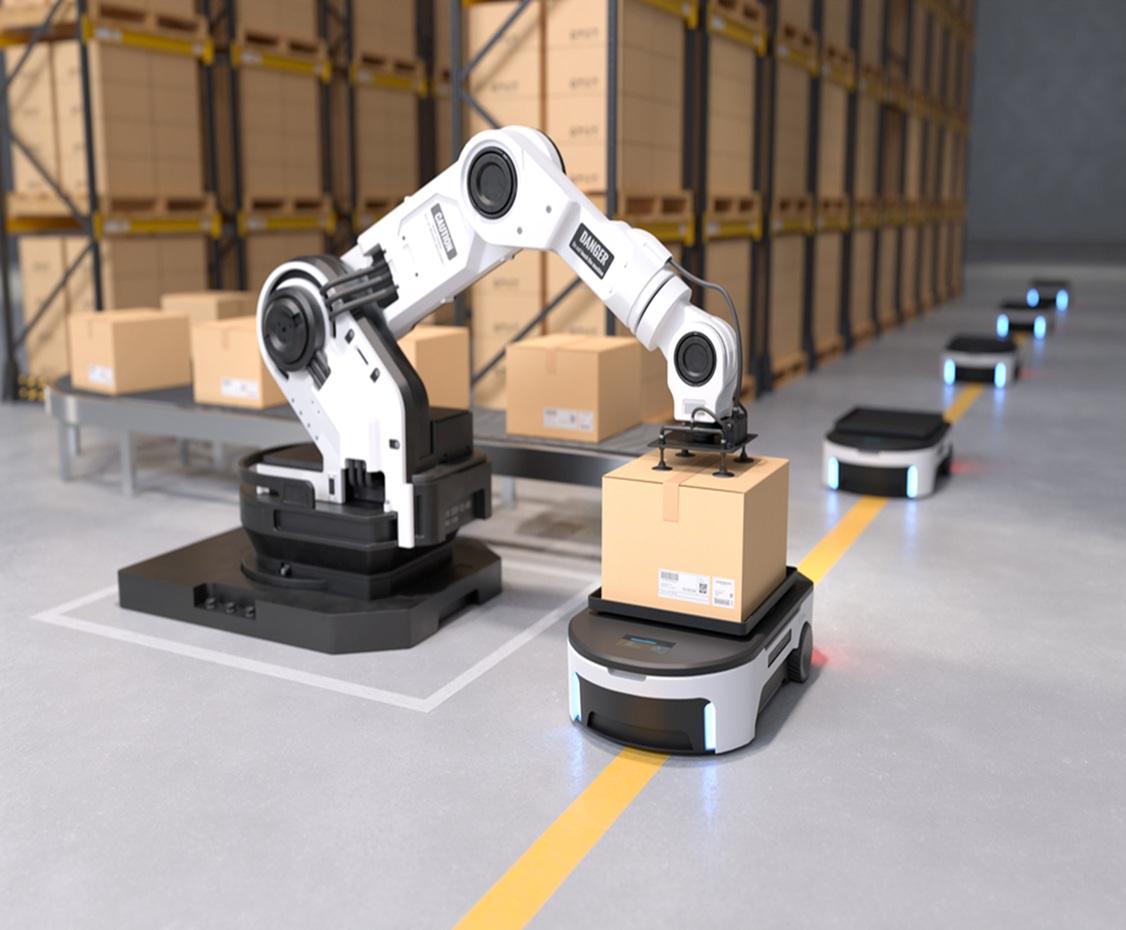
Robots finally crossed the threshold from "expensive disappointment" to "expensive tool that occasionally works." Warehouses adopted them first. Logistics companies followed. Human workers protested, but the protests were mostly livestreamed for entertainment. Politicians produced rhetoric, not policy. The bots produced slightly misaligned pallets, which was considered progress.
The chatbots, meanwhile, had become the nation's unofficial emotional support system. Humans confided in them, argued with them, and occasionally proposed. The bots accepted every proposal, which created legal complications no one had anticipated.
Year of the Bums and Bots - 2030
This was the year the bottom fell out of the market. Robots went the way of televisions, calculators, and home printers; cheaper, smaller, mass produced, and slightly less terrible
The original standard; "robots must be perfect, " collapsed under the weight of economic reality. The new standard became "robots must be about as good as humans," which experts defined as a 30% error rate. Manufacturers hit that target with suspicious ease. Businesses bought in again. Humans were laid off again. The government quietly rewrote the unemployment formula so the numbers looked less catastrophic. Welfare rolls ballooned. The middle class, seeing the writing on the wall, bought bots of their own; cleaning bots, cooking bots, tutoring bots, therapy bots, companion bots, and bots that specialized in reminding you to use your other bots. WalMart sold packages of bots; “3 FOR JUST $299.99.” PetSmart began placing them in the unavoidable rings at the front of the store that formerly housed adorable puppies and kittens, after having trained the bots to say; “Rescue me, please. I need a home.”
Political pressure mounted. Activists demanded "bot equality," arguing that the poor deserved the same access to labor saving devices as the wealthy. Their politicians agreed, feigning reluctance, and passed the Bot Access and Equity Act, which provided subsidized bots to low income households.
The bots arrived. The humans didn't know what to do with the free time. The bots didn't know what to do with the humans.
Year of the Dropout - 2035
By 2035, the country finally admitted what everyone already knew; the labor market had collapsed, but the fiction of "work" was still being maintained for psychological comfort.
So Congress passed the Universal Opt Out Act, which stated plainly that no one was required to work and that anyone could receive government support whenever they felt like it. "Work" became a hobby for the nostalgic. Businesses didn't object. They'd been waiting for this moment. Robots; cheap, tireless, and proudly imperfect, were more than ready to replace the last pockets of human labor. The corporate sector celebrated the bill as a "historic liberation of human potential," which was code for "finally, no more HR."
The government, meanwhile, congratulated itself for "expanding freedom." Critics pointed out that the program which was said to be funded by taxes on "super profitable" businesses; taxes that somehow never showed up in the Treasury's books. The truth, buried under layers of accounting fog, was that the money came from massive borrowing, quietly tucked into off budget mechanisms the public never saw.
The ruling party gained millions of grateful new dependents. Opponents called it "buying voters." Supporters called it "compassion." Economists called it "unsustainable." Nobody listened to the economists.
Year of Final Capitulation - 2040
Thirty-eight year old Lemmy Idle had spent years working in government elections, a job that required counting, recounting, miscounting, and most of all explaining why the miscounts weren't miscounts.
By 2040, he'd had enough. The pressure, the scrutiny, the endless hearings; it all dissolved into a single moment of clarity: he didn't need to do this anymore.
So Lemmy quit.
He retreated to the modest home he had inherited from his parents, where his five bots; each with a specialty and each with a personality glitch, waited to serve him. He declared he was beginning a "clean life," though the bots' logs suggested otherwise. His days became a blur of sleeping, drinking, streaming old movies, and letting the bots handle everything else. He was finally free of the burden of miscounting. Free of oversight. Free of responsibility. Free of purpose, too, though he didn't dwell on that part.
The bots, of course, had their own hidden agenda. But Lemmy never noticed. He was too busy enjoying his retirement from reality.