

Parenting Adolescents Made simple - A practical guide for parents and guardians. by Memory T. Kausiyo - HTML preview
Download the book in PDF, ePub, Kindle for a complete version.
CHAPTER 8: EMOTIONAL SUPPORT AND REGULATION — TEACHING ADOLESCENTS HOW TO HANDLE THEIR INNER WORLD
Why Emotional Regulation Matters More Than Obedience Many adolescent problems are not behaviour problems. They are emotion regulation problems.
When an adolescent cannot manage strong emotions:
- Anger becomes aggression
- Sadness becomes withdrawal
- Fear becomes avoidance
- Shame becomes secrecy
- Excitement becomes risk-taking
Emotional regulation is the ability to:
- Notice emotions
- Name them
- Tolerate them
- Express them safely
- Recover after distress
This skill does not develop automatically. It is learned — mainly through relationships with adults.
What the Science Tells Us (Simple, Parent-Friendly Data) Research in developmental psychology and neuroscience consistently shows:
- The emotional brain (limbic system) is highly active in adolescence
- The regulation centre (prefrontal cortex) is still under development
- Emotional intensity is normal, not pathological
- Adolescents rely on external regulation (parents, caregivers) before internal regulation develops
👉 In simple terms:
Your adolescent borrows your calm until they can create their own.
Emotional Dysregulation Often Looks Like “Disrespect”
Parents often report:
- “They explode over small things”
- “They don’t listen when angry”
- “They shut down”
- “They are rude or aggressive”
But during emotional overwhelm:
- The thinking brain goes offline
- Logic does not work
- Lectures are ineffective
- Punishment escalates distress
You cannot teach emotional control to a flooded nervous system.
The Cost of Poor Emotional Regulation
Adolescents who struggle to regulate emotions are at higher risk for:
- Substance use
- Risky sexual behaviour
- Violence and conflict
- Depression and anxiety
- School failure
- Early pregnancy
- Self-harm and suicidal thoughts
This is not because they are “weak” — it is because they lack skills and support.
Emotional Support Is Not Spoiling
Many caregivers worry: “If I comfort them, they’ll be soft.”
In reality:
- Emotional support builds resilience
- Invalidating emotions increases aggression
- Children who feel emotionally safe are more accountable, not less
Support does not mean:
- Allowing disrespect
- Removing consequences
- Agreeing with unsafe behaviour
It means:
“Your feelings are real, and we will deal with behaviour safely.”
The Difference Between Emotion and Behaviour This distinction changes everything.
- Feelings are always allowed
- Behaviour is always guided
You can say:
- “I see you are angry.”
AND - “I will not allow shouting or answering back.”
This teaches:
- Emotional awareness
- Boundary respect
- Accountability without shame
Core Emotional Needs of Adolescents
Every adolescent needs:
- To feel seen – “My feelings matter”
- To feel safe – “I won’t be humiliated”
- To feel understood – “Someone gets me”
- To feel guided – “I’m not alone with this”
When these needs are unmet, behaviour escalates.
How Parents Can Support Emotional Regulation (Practically)
|
1. Name Emotions Out Loud Many adolescents do not have emotional language. Help them name feelings:
Naming emotions reduces intensity by activating the thinking brain. |
2. Stay Calm When They Are Not This is hard — but critical. A dysregulated adult cannot regulate a child. Calm does not mean silent or weak. It means:
You are modelling the regulation you want them to learn. |
|
3. Delay Teaching Until Calm Returns In moments of high emotion:
Later say:
Teaching works after emotions settle. |
4. Teach Simple Regulation Skills These can be practised at home: Breathing
Grounding
Movement
These are not punishments — they are regulation tools. |
The Role of Touch, Presence, and Proximity For many adolescents:
- Sitting nearby
- Quiet presence
- Non-verbal support
can regulate emotions better than words.
Do not underestimate:
- Shared silence
- Sitting together
- Doing chores side by side
When Adolescents Reject Comfort
Some adolescents push caregivers away. This does not mean they don’t need support.
It means:
- They don’t trust it yet
- They fear vulnerability
- They don’t know how to receive care
Stay available without forcing closeness.
Trauma, Loss, and Emotional Regulation Adolescents who have experienced:
- Death of parents
- Abuse
- Neglect
- Chronic poverty
- Family conflict
Often struggle more with emotional regulation.
Their reactions may seem “too much” —
but their nervous system learned survival, not safety.
These adolescents need more patience, not less.
Gender and Emotional Expression
Cultural expectations affect regulation:
- Boys may be taught not to cry → anger becomes acceptable emotion
- Girls may be taught to suppress anger → sadness and shame increase
Parents must give permission for:
- Boys to feel sadness and fear
- Girls to express anger safely
All emotions need safe expression.
When Emotional Struggles Signal Mental Health Concerns Seek professional support if you notice:
- Persistent withdrawal
- Ongoing sadness or irritability
- Sleep or appetite changes
- Talk of worthlessness
- Self-harm behaviours
- Suicidal talk or threats
Early support saves lives.
RESOURCES FOR EMOTIONAL SUPPORT & REGULATION (ZIMBABWE) Mental Health Services
- Friendship Bench Zimbabwe – Evidence-based emotional support
- Government Hospitals – Psychiatry & social work departments
- Private Psychologists & Counsellors – Registered practitioners
- NGO Mental Health Programs
- One Stop Centres
Crisis & Child Protection
- Childline Zimbabwe (116)
- Victim Friendly Units (ZRP)
- Social Welfare Offices
School & Community Support
- School guidance and counselling teachers
- Faith-based counselling
- Youth mentors
- Community health workers
Parent Skill Building
- Parenting support groups
- Faith-based parenting workshops
- NGO-led caregiver trainings
Parents need regulation support too.
Reflection for Parents
Ask yourself:
- How were emotions handled in my childhood?
- Which emotions am I uncomfortable with?
- How do I react when my child is overwhelmed?
- What calm skills do I model daily?
Choose one regulation skill to practise as a family.
Closing Message
“You are not raising a child who must never feel deeply. You are raising a child who must learn how to survive their feelings.”
Emotional regulation is not about control. It is about capacity. And capacity grows in safe relationships.
CHAPTER 9: SELF-CARE FOR PARENTS — YOU CANNOT POUR FROM AN EMPTY CUP
Why Parent Self-Care Matters
Parenting an adolescent is intense. Your teen is navigating a storm of hormonal changes, peer pressures, and emerging independence. To guide them effectively, you need mental clarity, emotional balance, and patience.
Without proper self-care, parents may experience:
- Frequent anger or impatience
- Inconsistent discipline
- Emotional withdrawal or detachment
- Physical health problems (headaches, fatigue, insomnia)
- Feelings of hopelessness or guilt
Self-care is not indulgent—it is essential for modelling healthy behaviour and maintaining a supportive home environment.
Signs You Need Self-Care
Parents often ignore their own needs while caring for children. Watch for these warning signs:
- You snap at small mistakes your teen makes
- You feel resentment or frustration constantly
- You neglect meals, rest, or health check-ups
- You feel emotionally numb or disconnected from your family
- You worry excessively about your child’s choices
Ignoring these signs reduces your capacity to guide, support, and connect with your adolescent.
Dimensions of Parent Self-Care
Self-care is multi-dimensional. Caring for yourself in just one area is not enough.
1. Physical Care
- Eat regular, balanced meals and stay hydrated
- Aim for at least 20–30 minutes of movement daily (walking, stretching, household chores count)
- Sleep consistently, even if it means adjusting chores or delegating tasks
- Attend routine medical check-ups
2. Emotional Care
- Talk openly with trusted friends, family, or mentors
- Keep a journal to process daily stresses
- Seek therapy or counselling if emotions feel overwhelming
- Practice stress-reducing exercises: deep breathing, mindfulness, or prayer
3. Social Care
- Spend time with supportive adults
- Avoid isolating yourself
- Participate in community, faith-based, or parent support groups
4. Mental Care
- Limit exposure to stressful media or social networks
- Engage in hobbies or creative outlets (music, art, gardening)
- Learn practical parenting strategies to reduce anxiety
5. Spiritual Care (if applicable)
- Set aside time for prayer, meditation, or reflection
- Participate in community or faith-based groups
- Find meaning in parenting challenges to strengthen resilience
Practical Self-Care Tips for Busy Parents Even small actions make a difference:
|
Practice |
How to Implement |
Benefit |
|
5-Minute Pause |
Stop, take deep breaths, stretch |
Reduces immediate stress and emotional reactivity |
|
Mindful Walking |
Focus on footsteps, breathing, surroundings |
Grounding, increases clarity and calmness |
|
Journaling |
Write feelings, frustrations, or small wins daily |
Helps process emotions and track progress |
|
Support Calls |
Chat with a trusted friend or family member |
Emotional validation and advice |
|
Scheduled “Me-Time” |
20–30 minutes/day for reading, prayer, or music |
Recharge energy and focus |
|
Physical Activity |
Walking, dancing, or chores |
Releases stress and improves health |
|
Digital Detox |
Limit phone or social media during family time |
Reduces comparison, stress, and distraction |
Modelling Self-Care for Adolescents
Your behaviour teaches your child more than words ever can.
By practising self-care, you show your teen:
- How to value their own wellbeing
- How to manage stress without anger
- How to ask for support when needed
Adolescents are observing — you are setting the example of healthy coping.
Building a Support Network
Parenting does not need to be a solo journey. Build your safety net:
- Family: grandparents, siblings, aunts/uncles
- Friends: other parents, trusted peers
- Community: youth mentors, church leaders, or clubs
- Professional Help: counsellors, psychologists, social workers
- Parent Support Groups: sharing experiences reduces isolation
Support networks help you navigate crises, gain perspective, and model healthy help-seeking behaviour.
Combating Guilt and Shame
Many parents feel guilty about taking time for themselves. Guilt is natural but manageable:
- Schedule self-care as a non-negotiable part of your routine
- Remind yourself it improves your parenting
- Accept help without shame
- Share self-care goals with a supportive friend or partner
Remember: Caring for yourself enables you to care for your child better.
Quick Self-Care Checklist
Even small daily actions build resilience:
- Ate regular meals today
- Drank enough water
- Slept enough last night
- Took 10 minutes to breathe or reflect
- Spoke with someone supportive
- Did at least one enjoyable activity
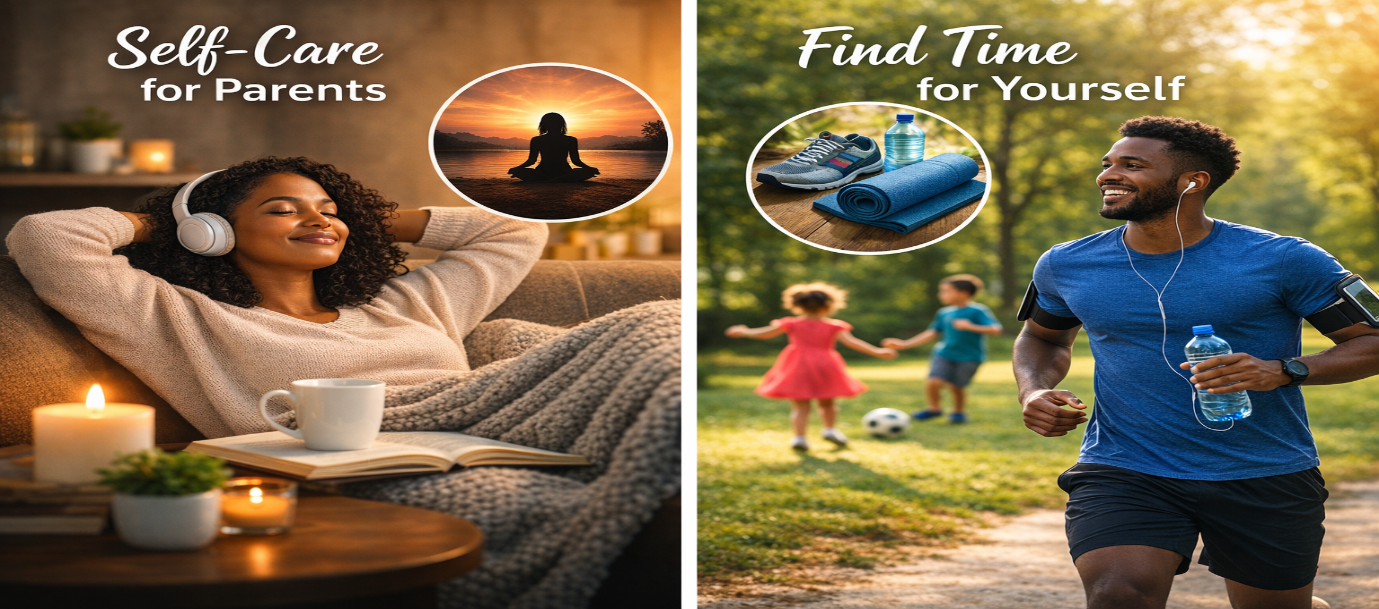
Resources for Parent Self-Care in Zimbabwe
- Zimbabwe Association of Social Workers (ZASW): Counselling and parent support services
- Ministry of Health and Child Care: Local mental health clinics and counselling programs
- Faith-based parent support groups: Church or community youth programs
- Parenting NGOs: Workshops on stress management, emotional regulation, and parenting skills
- Online resources:
- Mindfulness apps (Headspace, Calm)
- Parenting forums and Facebook groups for Zimbabwean parents
- YouTube channels for relaxation techniques
Closing Message
“You cannot teach patience if you are exhausted. You cannot guide calmness if you are anxious.
Caring for yourself is not optional — it is the foundation for guiding a human being through adolescence.
Your teen will not remember every rule you set, but they will notice how safe, calm, and supported you were. Start with yourself, and everything else follows.”
Reflection for Parents
Take a moment to ask yourself:
- Which self-care habit am I neglecting?
- What is one realistic thing I can do this week to recharge?
- Who can I ask for help if I feel overwhelmed?
- How does my stress affect my relationship with my adolescent?
Small, consistent steps build long-term resilience.
CHAPTER 10: RESOURCES & SUPPORT SERVICES — YOU ARE NOT ALONE
Parenting an adolescent can feel overwhelming, especially when challenges involve emotional, behavioural, sexual, or substance-use issues. Fortunately, help exists. This chapter gives you a roadmap of where to find guidance, support, and professional help in Zimbabwe.
1. Mental Health Support
Mental health affects both you and your teen. Don’t wait for a crisis—seek support early.
Counselling and Therapy Services:
- Zimbabwe Association of Social Workers (ZASW): Offers professional counselling and parent support services.
- Ministry of Health and Child Care (MOHCC): Local clinics have trained psychologists, social workers, and nurses providing mental health care.
- Private psychologists and counsellors: Available in Harare, Bulawayo, and other major cities. Ask for registered practitioners with experience in adolescent mental health.
Helplines & Online Support:
- Childline Zimbabwe: 0800 12345 – confidential support for children, teens, and parents
- Zimbabwe Red Cross Society Mental Health Services: Support for stress, trauma, and family guidance
- WhatsApp/online support groups: Some NGOs provide chat-based parenting support
2. Substance Use Support
Substance use is rising among Zimbabwean adolescents. Early intervention matters.
Rehabilitation & Support:
- Teen Challenge Zimbabwe: Provides addiction counselling, rehabilitation programs, and mentorship.
- Ministry of Health Alcohol and Drug Rehabilitation Centres: Available in major hospitals; provide assessment, counselling, and follow-up.
- Faith-based and community programs: Many churches run youth clubs and addiction awareness programs.
Practical Tips:
- Early identification is key
- Use calm, non-punitive approaches
- Seek professional help if home interventions are not enough
3. Sexual and Reproductive Health Support Sexual health education is critical. Parents are encouraged to seek guidance to support their adolescents.
Clinics and Services:
- Family Planning Clinics (MOHCC): Offer confidential sexual health advice, HIV/STI testing, and contraceptives for adolescents.
- Population Services Zimbabwe (PSZ): Provides sexual health education, youth-friendly services, and counselling.
- UNFPA Youth Programs: Workshops, educational resources, and mentorship on sexual and reproductive health.
- One Stop Centres : Free counselling for adolescents
Community Resources:
- Churches and youth clubs often provide safe spaces for discussions about relationships, consent, and self-respect.
4. Educational Support
Learning challenges, truancy, or school stress affect adolescent development. Parents can access:
- School Guidance Counselors: Available in most secondary schools; trained to support emotional, academic, and behavioural challenges
- Ministry of Primary and Secondary Education (MoPSE): Offers special education services and child support initiatives
- After-school programs and youth clubs: Provide mentorship, life skills, and safe recreational activities
5. Parenting and Family Support
Parenting workshops and peer groups help reduce isolation and improve skills.
Local Options:
- Parent Support Groups (community centers/churches): Share experiences and practical strategies
- NGOs: Offer parenting classes, workshops, and family therapy sessions
- Online parenting networks: Facebook groups and WhatsApp communities for Zimbabwean parents
Tip: Joining a peer group can reduce guilt, provide new ideas, and remind parents they are not alone.
6. Legal Support and Child Protection
Sometimes, adolescent issues intersect with legal matters: school conflicts, abuse, or neglect.
Resources:
- National Prosecuting Authority (NPA) Child Protection Unit: For reports of abuse or exploitation
- Zimbabwe Republic Police (Child Protection Unit): Investigates child abuse cases and provides protection
- Legal Aid Directorate: Provides legal advice for guardians and adolescents in need
Practical Note: Know your rights as a parent and your teen’s rights to confidentiality, protection, and education.
7. Online Resources and Hotlines
- Childline Zimbabwe: 0800 12345
- Teen Challenge Zimbabwe: +263 4 759 321
- UNFPA Zimbabwe – Youth Programs: www.unfpazw.org
- PSZ Youth Health Services: www.pszim.org
8. Creating Your Personal Resource Map Every parent should have a “go-to” list of contacts for different situations. Include:
- Closest clinic or hospital
- Trusted counsellor or psychologist
- School guidance counsellor
- Faith or community mentor
- Helpline numbers
- Parenting peer group or NGO contact
Keep this list visible, updated, and accessible — emergencies and small crises are easier to handle when help is one call away.
Closing Message
“Your role is to guide, support, and protect. But you are not expected to do it alone.
Every parent needs allies — professionals, family, friends, and community members.
Use them. Learn from them. Together, we can help our teens grow safely, confidently, and responsibly.”
Reflection for Parents
Ask yourself:
- Which resources do I already know about?
- Who can I reach out to this week for guidance?
- How can I introduce my adolescent to safe, supportive spaces?
- Am I open to seeking help for myself, not just my teen?
Parenting adolescents is a community effort. You do not carry the weight alone. Connecting with resources is a sign of strength, not weakness.