

The Definitive Guide to Protecting Kids Online by Jack Hughes - HTML preview
Download the book in PDF, ePub, Kindle for a complete version.
Chapter 6: Building A Lasting, Tech-Healthy
Family Culture
A Framework for Long-Term Digital Well-Being
The journey to fostering a tech-healthy family begins with understanding that technology, though indispensable, must be carefully managed. A framework that emphasizes boundaries, gradual freedoms, and consistent maintenance can help parents navigate this evolving landscape.
Progressive Levels of Freedom
The first step in creating a healthy digital environment is establishing clear rules. One effective strategy is designating “No-Phone” Zones, such as bedrooms and bathrooms. Bedrooms, particularly, should be technology-free to promote better sleep hygiene and reduce the temptation of late-night scrolling. Similarly, avoiding devices in the bathroom prevents opportunities for misuse, like excessive screen time or inappropriate content consumption.
Age-appropriate benchmarks for social media introduction are another cornerstone of this framework. Younger children benefit from exposure to simpler, non-social platforms first, such as educational apps. Gradual introductions, beginning with platforms that prioritize learning and creativity, allow kids to develop digital literacy before encountering the challenges of social media. By the time a child reaches their mid-teens, they’re often better equipped to understand the nuances of online interactions, provided there’s ongoing parental guidance.
A crucial element in this progression is rewarding digital responsibility. When children demonstrate an understanding of the rules and respect for limitations, parents can grant incremental privileges, such as extended screen time on weekends or access to new apps. These privileges should be tied to their ability to self-regulate and adhere to boundaries, reinforcing positive behavior.
Consistent Rules and Boundaries
Consistency is vital when introducing technology into family life. A practical starting point is to develop a Family Tech Mission Statement—a shared vision of how technology will be used within the home. For example, families can agree on rules like “No phones at the dinner table” or “Screen-free Sundays.” Having everyone, including parents, abide by these rules sets a powerful example and eliminates double standards.
Managing new devices also requires clear protocols. Whether it’s a child’s first smartphone or a new tablet, introducing firm guidelines for updates and renewals is essential. For instance, parents should supervise device setup, enabling necessary restrictions and disabling features like unrestricted browsing. As software updates are released, ensuring that privacy settings remain intact is equally important.
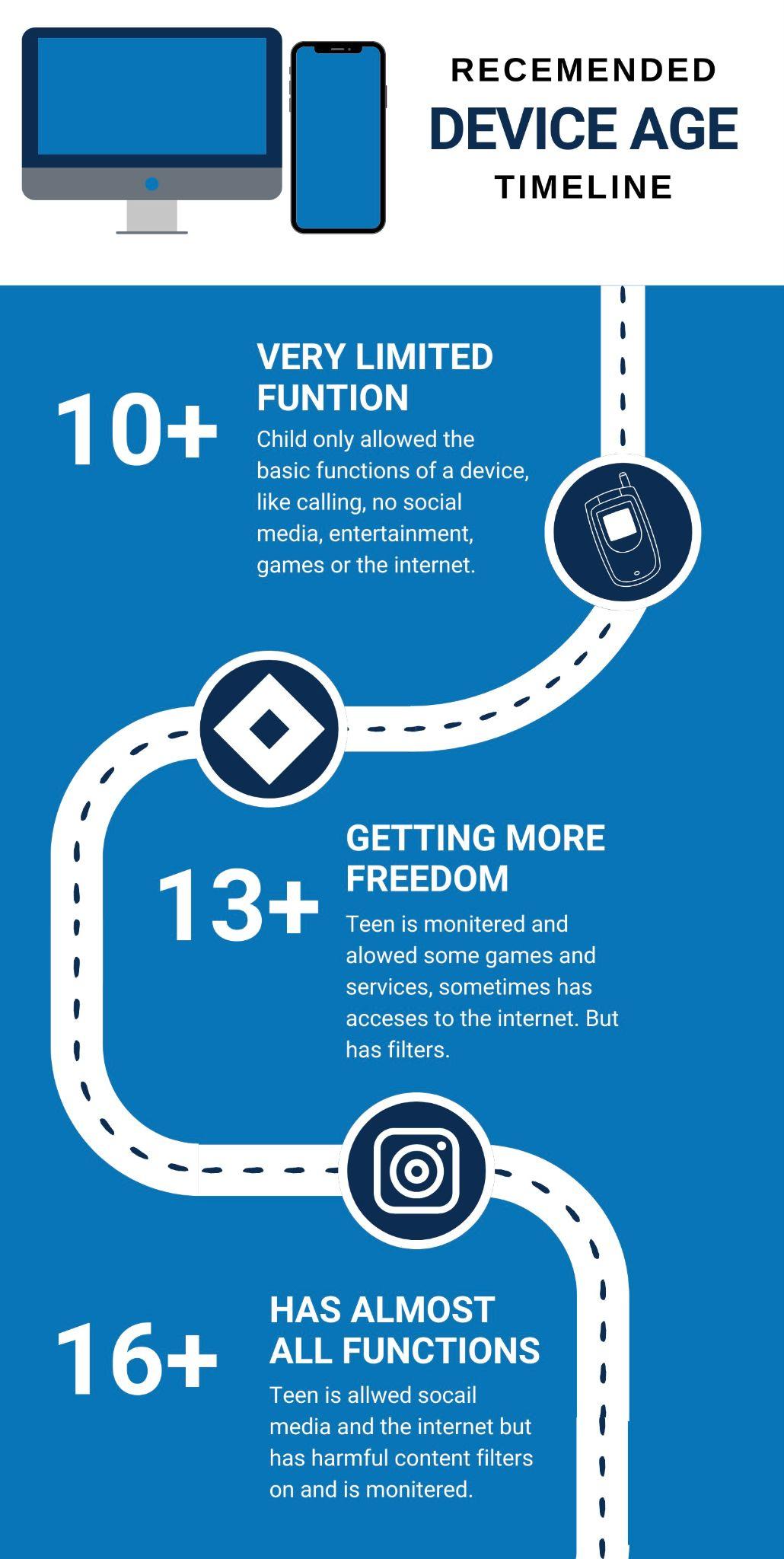
As children grow older, it’s natural for them to seek more autonomy. This is where parents must routinely reevaluate limits based on the child’s maturity and ability to handle new freedoms. For example, while a 10-year-old might not need access to social media, a 16-year-old may benefit from learning how to navigate these platforms responsibly. Regular conversations about evolving rules encourage open dialogue and build trust.
Strategies for Ongoing Maintenance
Maintaining a healthy digital environment isn’t a one-time effort—it requires consistent oversight. One effective approach is conducting a Quarterly Device Audit to identify any new apps that may pose risks. Children often experiment with downloading apps, and these audits help parents stay informed about their digital activity. During the audit, parents can review app usage and explain why certain apps may or may not be appropriate.
Promoting off-screen hobbies provides balance in a tech-centric world. Activities like sports, music lessons, or creative arts not only help children develop skills but also give them an outlet for expression. These hobbies often become a natural deterrent to excessive screen time as children find fulfillment in real-world achievements.
Practical Advice for Parents
Building a tech-healthy culture requires patience and persistence. Start small by identifying one or two changes you can implement immediately, such as establishing a family charging station where all devices are stored overnight. Gradually introduce more comprehensive strategies, always prioritizing open communication and adaptability.
Most importantly, involve children in the process. Discuss the reasons behind the rules and invite their input when setting boundaries. This collaboration fosters a sense of ownership and helps children internalize the importance of healthy tech habits.
By implementing these strategies, families can navigate the challenges of technology while fostering an environment of growth, trust, and mutual understanding
Fostering Open Communication: Building Trust in the Digital Age
As parents strive to protect their children in an increasingly digital world, fostering open communication is a cornerstone for long-term success. Shielding kids from the dangers of the internet requires more than rules; it necessitates an ongoing dialogue that empowers them to make informed decisions. This section focuses on creating a safe space for discussions about online experiences, helping children navigate the complexities of the digital landscape without fear or shame.
Talking About Online Dangers Without Shame
Age-Appropriate Conversations on Sex & Violence
One of the most critical aspects of open communication is addressing sensitive topics like sex and violence in a manner suited to your child’s age and maturity level. Younger children might not fully grasp the nuances, but they can understand basic safety principles, such as not sharing personal information online. As they grow older, conversations can expand to include discussions about the implications of explicit content, sexting, and the potential for exploitation.
Instead of presenting these topics as taboo, frame them as essential life lessons. Explain that encountering inappropriate content isn’t their fault but emphasize the importance of sharing these experiences with you. When children feel safe discussing uncomfortable situations, they are more likely to seek guidance rather than hiding issues out of fear of punishment.
Cultivating Honesty & Trust
Let Your Child Show You Their Online World
Building trust begins with showing genuine interest in your child’s online activities. Instead of monitoring their every move, invite them to share their favorite apps, games, or social media accounts. Ask them to explain what they enjoy about these platforms and what challenges they face.
This approach positions you as a collaborator rather than an enforcer. By allowing your child to take the lead, you’ll gain insight into their digital habits while demonstrating that their opinions and experiences matter. Over time, this mutual respect fosters an environment where honesty thrives.
Model Responsible Tech Use as a Parent
Children learn by example, and your tech habits can significantly influence theirs. If you preach the importance of screen limits but frequently scroll through your phone during family meals, your message loses credibility. Model behaviors such as setting boundaries for device use, prioritizing face-to-face interactions, and disengaging from screens before bedtime.
When you make mistakes, such as overusing your phone, acknowledge them openly. Admitting your shortcomings teaches children that imperfection is normal and provides an opportunity to discuss strategies for improvement together.
Recognizing Signs of Anxiety, Depression, or Self-Harm
Open communication isn’t just about talking; it’s also about listening and observing. Pay attention to changes in your child’s behavior, such as withdrawing from family activities, losing interest in hobbies, or experiencing sudden mood swings. These signs could indicate that their online experiences are taking a toll on their mental health.
Approach these concerns with empathy rather than judgment. For example, say, “I’ve noticed you seem upset lately. Is there anything happening online that you’d like to talk about?” If your child is reluctant to share, consider involving a trusted counselor or therapist who can provide additional support.
Integrating Faith, Morals, and Ethical Values
For families with strong religious or moral foundations, integrating these principles into conversations about technology can provide additional guidance. Discuss how your faith or values inform the way you interact with others and consume content. For example, emphasize kindness, honesty, and respect as non-negotiable standards for online behavior.
Share stories from your faith or cultural traditions that highlight the importance of integrity and compassion. These narratives can serve as powerful reminders of the values you hope to instill in your child and provide a moral compass for navigating digital spaces.
Taking the First (and Next) Steps
Establishing a tech-healthy family culture requires more than just intention—it demands deliberate actions and an openness to adapt as your child grows and technology evolves. Parents can make immediate changes to safeguard their children’s digital lives and build a resilient foundation for long-term success. The following strategies provide actionable insights to help navigate this journey.
Practical Action Plans
The first step in fostering a safer digital environment is implementing a quick-start checklist for immediate wins. Begin by ensuring all devices in your home have updated parental controls. This includes enabling features such as app usage limits, content filters, and activity monitoring. If these tools are new to you, prioritize familiarizing yourself with their functionalities, as understanding how they work ensures they are set up effectively.
Parents often feel torn between being overly controlling or lenient. Striking the right balance can be thought of as transitioning from a “prison warden” to a “mentor parent.” Instead of merely enforcing restrictions, use these controls to guide conversations. Explain to your child why certain limits are in place and how these boundaries aim to protect them rather than punish them. This approach fosters trust and helps children understand the importance of self-regulation.
Celebrate milestones to reinforce progress. For example, if your child successfully stays within their daily screen time limits for a week, acknowledge their achievement. Small rewards or positive affirmations build their confidence in making responsible choices and motivate them to stay on track.
The Road Ahead
Adapting to technology’s constant evolution is an ongoing task for parents. Devices, apps, and platforms change rapidly, introducing new opportunities and risks. Staying informed about emerging trends, such as popular apps among teens or new features on existing platforms, ensures that your protective measures remain effective. Regularly update your knowledge and tech setups to keep pace with the digital world.
While external tools and rules are essential, the ultimate goal is to empower your child to self-regulate. Teach them to critically evaluate their online behavior and understand the potential consequences of their actions. Engage in conversations about ethical technology use and encourage them to seek balance between their online and offline lives.
Finally, reflect on the broader mission of protecting kids in a digital world. The goal isn’t just about shielding them from harm but also equipping them with the skills and values they need to thrive in a connected society. As they grow, your guidance will help them navigate technology responsibly and contribute positively to their communities.
I can help you!
To parents feeling overwhelmed, remember: you’re not alone. As Mike Johnson, a father, said:
“Kudos to you, keep it up... I definitely appreciate you being a resource.”
Throughout this book, we’ve explored the challenges of raising children in a digital world and the strategies parents can use to protect their kids online. But sometimes, setting up parental controls and monitoring systems can feel overwhelming, especially with ever-changing technology. That’s where ParentTech.Support comes in.
At ParentTech.Support, I specialize in helping parents take control of their child’s digital safety with expert setup and ongoing tech support. Whether you need help configuring parental controls on an iPhone, setting up screen time limits, or securing a home network against inappropriate content, my service makes it easy.
What I Offer:
● Personalized Setup: I walk you through the entire setup process for parental
controls,ensuring your child’s devices are properly secured.
● Multi-Device Protection: I configure protections across all the Apple devices,
including iPhones, iPads, and Macs.
● Ongoing Support: Technology evolves, and so do kids. My Ongoing Tech
support plan ensures you have expert guidance whenever you need it.
● Education for Parents: I don’t just set up the controls I also anser any
questions you might have.
If you’re overwhelmed with everything going on and just want a quick and easy solution let me do the hard work for you!
Get started today at ParentTech.Support
Conclusion:
The digital world is no longer a fringe environment that children stumble upon—it has become a central feature in their social lives, education, and personal development. As we’ve explored throughout this book, it’s also a realm fraught with risks: inappropriate content, addictive social platforms, cyberbullying, and even predatory behavior. Yet these dangers need not leave parents feeling helpless. On the contrary, effective digital parenting involves a thoughtful balance of vigilance, clear boundaries, empathetic guidance, and open dialogue. It is a continuous, evolving process that requires a willingness to stay informed, adapt to new technologies, and maintain a trusting relationship with your child. This conclusion revisits the core lessons we’ve learned and explores how they coalesce into a forward-looking vision for protecting—and empowering—children online.
Embracing the Multi-Layered Mindset
One of the recurring themes in this book is the importance of a multi-layered approach to digital safety. Think of your home’s internet as the starting line: router-level controls can filter out explicit websites across all connected devices and set time constraints for overall usage. Device-based controls, such as Apple’s Screen Time or similar Android features, serve as the next layer—limiting app usage, blocking certain types of content, and setting daily screen-time schedules. Then come third-party applications like Bark, Net Nanny, and Qustodio. These augment built-in controls by offering specialized monitoring of texts, social media apps, and even email communications.
Why so many layers? Because children, especially tech-savvy ones, will look for cracks. They might install VPNs, discover hidden browser features, or even find ways around parental controls by downloading alternate apps. Each layer of defense serves as a safety net for the others. If one fails—or a child outsmarts it—another is there to catch them. This stacking method is not about instilling paranoia; it’s about recognizing that the digital environment is vast and dynamic. As parents, we need more than a single shield.
The Shift from “Warden” to “Mentor”
Throughout the book, we’ve examined the delicate balance between enforcing rules and nurturing independence. You may start off feeling like a “prison warden,” meticulously locking down devices, blocking websites, and monitoring every tap. While such rigor may be necessary for very young children or those struggling to follow guidelines, the ultimate goal is to guide them toward self-regulation.
A critical step is inviting them into the rule-making process. Sit down together: discuss why certain social media apps are off-limits for now, or why nightly screen time must end at a specific hour. Collaboratively drafting these boundaries does two things. First, it demystifies your decisions and shows your child you trust them to understand. Second, it encourages them to take ownership of their own habits. Over time, as they demonstrate they can handle freedoms responsibly, you can relax certain restrictions—a powerful, confidence-building transition from “warden” to “mentor.”
Communication: The Heart of Digital Parenting
If there is one overarching lesson in every chapter, it is the indispensable role of open communication. Setting up technical safeguards is critical, but it must be paired with conversations that help your child understand why those safeguards exist. In an era where kids can quickly encounter adult content—even accidentally—an environment where they feel no shame in talking about what they’ve seen is paramount. The same holds true for situations involving cyberbullying or uncomfortable interactions with strangers. If they fear retribution or scorn, they’ll bury the problem, leaving you unaware until it spirals out of control.
Frequent check-ins, informal or scheduled, make communication routine rather than a panic measure. Ask your child what is happening in their online world, what trends or challenges they’re seeing, and whether anything has upset them. Also be ready to answer their questions.
Building Empathy and Ethical Awareness
Technology is often maligned for encouraging superficial engagement, but it can also be an avenue for teaching empathy. When guiding your child through social media etiquette, emphasize the real emotional impact behind every profile picture or post. Remind them that behind every username is a person with feelings, vulnerabilities, and the potential for hurt. Talk them through scenarios: “What if your friend posted something embarrassing about you? How would you feel?” or “How do you respond when you see someone else being bullied in a group chat?”
Similarly, moral values do not cease to exist online. Whether you draw these values from faith, cultural traditions, or personal principles, integrating ethics into conversations about online conduct encourages compassion, kindness, and responsibility. Empowering children with the confidence to speak out against bullying—or to distance themselves from harmful online groups—is a vital form of digital resilience.
Community, Advocacy, and Collective Responsibility
Parents do not need to shoulder this burden alone. Schools, community organizations, faith institutions, and local government initiatives can provide complementary support. Consider joining or initiating groups where parents share experiences and resources. Encourage your child’s school to hold digital literacy workshops or collaborate on consistent tech-use policies. Collective efforts create environments where digital responsibility and safety are seen as community values rather than just individual household concerns.
Final Encouragement
Raising children in the internet era isn’t easy. The challenges are persistent, often complicated, and constantly changing. However, it is equally true that a thoughtful, informed, and compassionate approach can profoundly shape your child’s online journey. By leveraging multiple layers of protection—technical tools, open communication, and consistent moral guidance—you provide them with both the safety net and the wings to become responsible digital citizens.
In the end, digital parenting is less about imposing rigid control and more about guiding children to recognize their own power. It’s about instilling self-respect, critical thinking, and empathy so they can thrive online—and offline—well into adulthood. The conversations you initiate, the boundaries you set, and the trust you cultivate will resonate in their lives far beyond the screen. Whether your child is five or fifteen, your continued dedication to creating a tech-healthy culture makes all the difference. By walking beside them on their digital journey, you illuminate the path toward a future in which technology is a tool for growth, connection, and positive impact rather than a realm of hidden threats.
This is the hope and vision that will carry your family forward—empowered, informed, and ready to face the adventures and adversities of the digital world, together.
You may also like...
-

From Mine and Yours to Ours: A Guide to Blended Family Success Parenting/Children by MaxineFrom Mine and Yours to Ours: A Guide to Blended Family Success
Reads:
18Pages:
127Published:
Jul 2025Blending families is hard. You're trying to create something beautiful from the pieces of what came before, but nobody prepared you for the reality of merging...
Formats: PDF, Epub, Kindle, TXT
-

Henry The Magpie - Childrens Picture Book Parenting/Children by Tony VinckxHenry The Magpie - Childrens Picture Book
Reads:
10Pages:
32Published:
May 2024Henry The Magpie is a children's picture book that will help expand their understanding about Australian magpies.
Formats: PDF, Epub, Kindle, TXT
-

Raising Children Who Succeed Parenting/Children by Angelia GriffithRaising Children Who Succeed
Reads:
215Pages:
30Published:
Nov 2023"Raising Children Who Succeed" is a comprehensive guide for parents, offering invaluable insights and strategies to nurture a child's development and pave the...
Formats: PDF, Epub, Kindle, TXT
-

Child Care Provider Plan Parenting/Children by Ella LuChild Care Provider Plan
Reads:
58Published:
Oct 2022A look at choosing a child care provider.There are many things you need to consider when choosing a child care provider. You may not know where to start with ...
Formats: PDF, Epub, Kindle, TXT