The Art by Dr Ved Prakash Bhardwaj - HTML preview
Download the book in PDF, ePub, Kindle for a complete version.
The Art
develop a visual language in which Western techniques figures, he preferred to create groups of figures.
were visible externally, but the spirit of the paintings From the beginning, Samant’s art involved
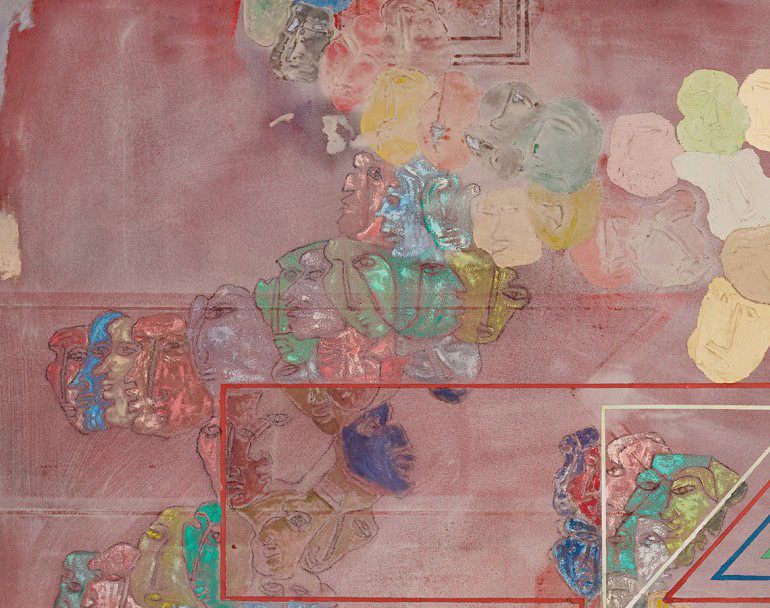
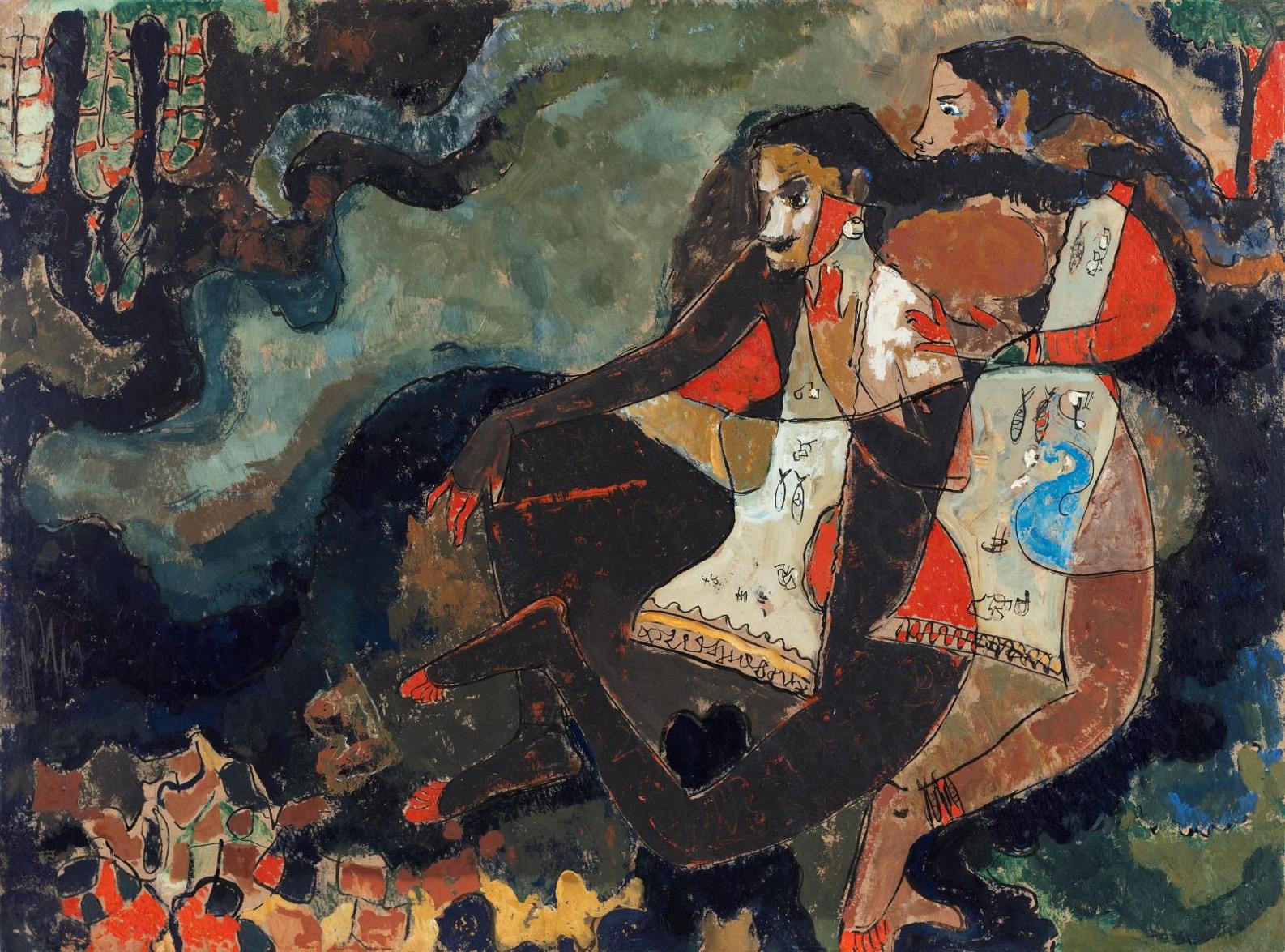
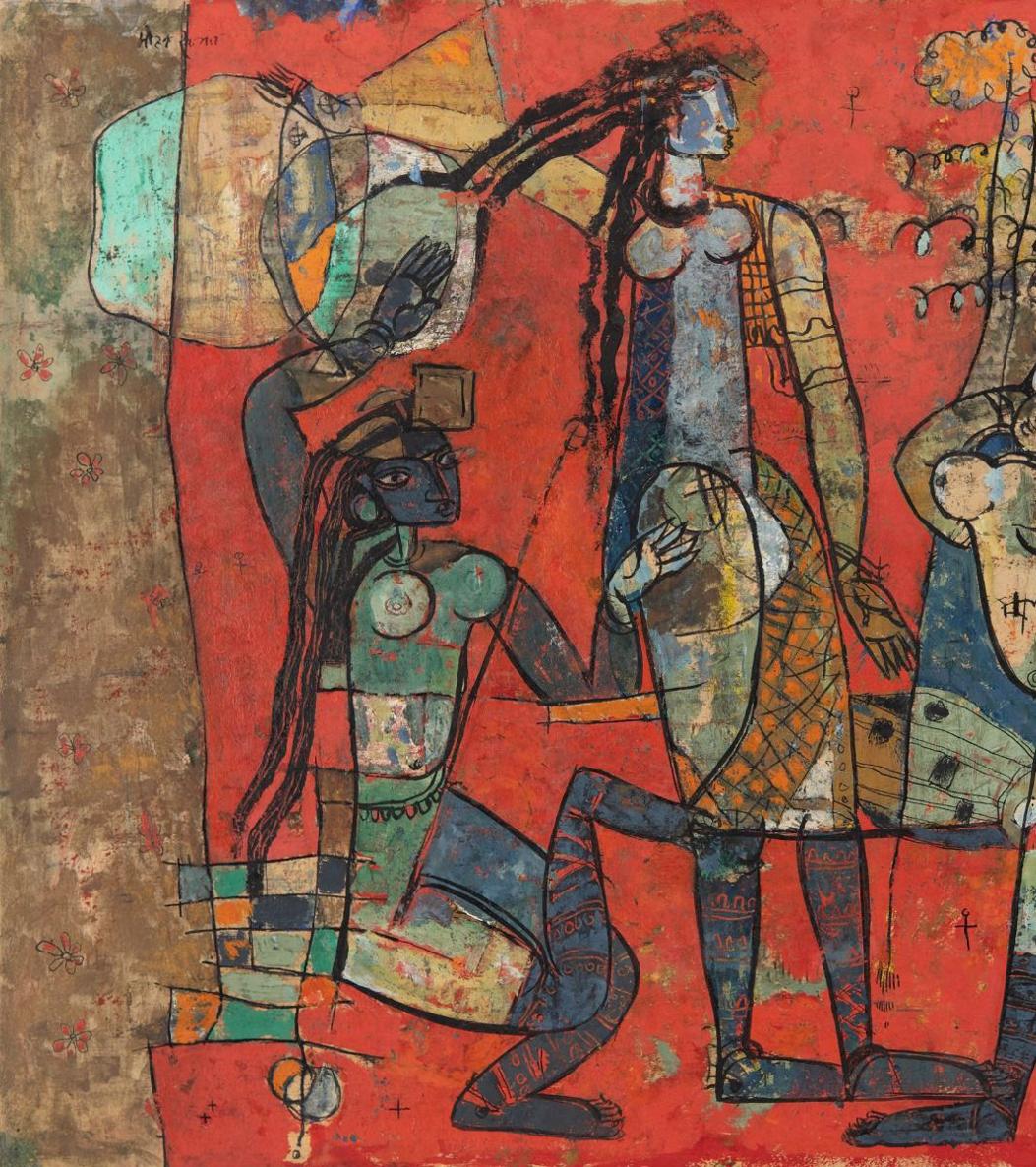
remained Indian. The influence of Cubism can be seen combining multiple mediums. Along with merging in his works, though he used it in a distinct way. His decorative and abstract art, in the 1960s he experimented compositions show only a partial use of Cubism. He with textures by mixing sand and glue with paint. In created Indian themes by applying Cubist structures the 1970s, he pasted pieces of paper onto canvas. In the sometimes to human figures and sometimes to 1980s, he began creating forms using wire, attaching compositional elements.
them to the canvas to complete the artwork. In this Samant settled permanently in New York in way, he developed a unique mode of expression by 1968. In an interview, he mentioned spending hours at integrating various materials. Abstraction appears both the Metropolitan Museum of Art, where he continued in the main forms and in the background of his works, to find powerful symbols in the collection of cultural making them multidimensional.
heritage from around the world. He described his art as Samant was not only a painter but also deeply interested somewhat like “installation art”—“the only difference in music. The sarangi was his favorite instrument, is that my installation exists within the frame.” This which he practiced regularly. In this context, he said, approach shows a strong inspiration from the murals “I do not practice the sarangi. I play it every day as if of Ajanta and Ellora, as his works often depict an I am performing in a concert—sometimes very good, expanded narrative around a theme. Instead of single sometimes very bad.” Similarly, he did not rehearse 76