The Art by Dr Ved Prakash Bhardwaj - HTML preview
Download the book in PDF, ePub, Kindle for a complete version.
The Art
a new way of looking at their time and society. We activities. Initially, she worked mostly with
can see the development of this critical vision in watercolours on paper.
her later works as well. Arpita Singh, who initially In the 1990s, she began working with oil
created abstract landscapes, used this same paints on canvas, which brought about a major critical perspective to create human landscapes transformation in her work. From this point
that bring out various aspects of contemporary
onward, not only did the scale of her canvases
life. After Arpita Singh, one can compile a long list expand, but the range of subjects in her art also of women painters who may be described as alert, widened. During this period, she created some conscious, and intellectually engaged artists. It paintings in which women were depicted nude.
would not be an exaggeration to say that Arpita
However, she emphasised their softness and
Singh broke the boundaries of decorative and
sensitivity, and there was no sense of nudity
hobby-oriented art for women artists and opened
or eroticism in them. Thereafter, nude female
up a new path for them.
figures continued to appear in many of her
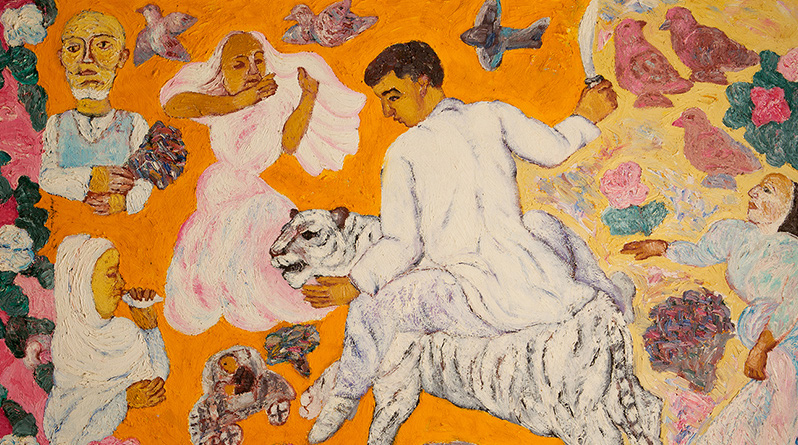
Born in 1937 into a Bengali family in paintings, but the meaning of the naked body West Bengal, Arpita moved to Delhi for family gradually expanded into a critical commentary
reasons. It was here that she studied art at
on the condition of women in her time as well as the School of Art, Delhi Polytechnic. Here she
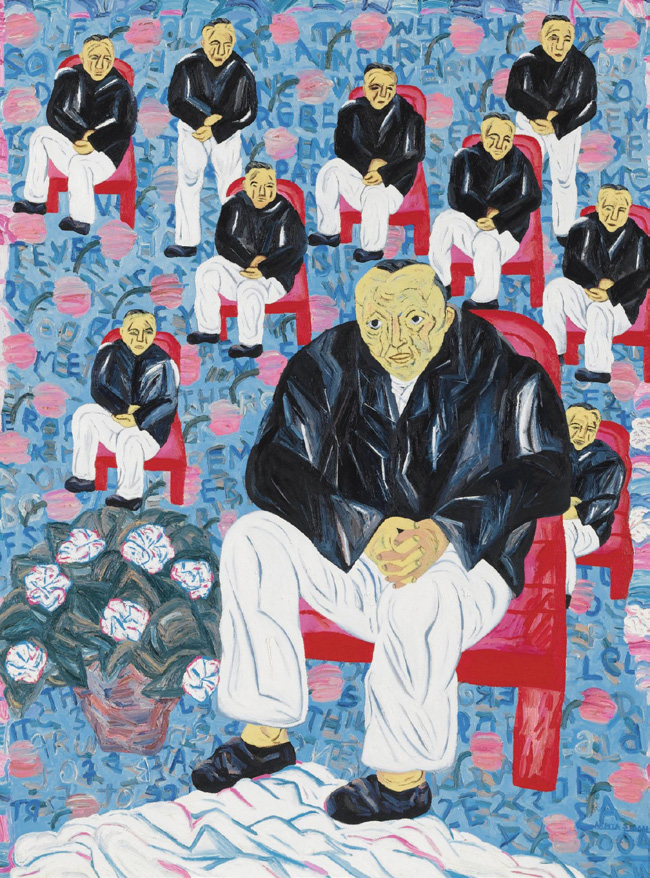
the increasing violence in human affairs. It would met Paramjit Singh, and after a long friendship, therefore not be wrong to say that her artistic their relationship developed into a lifelong world moved from the private sphere into public partnership, and she became Arpita Singh. After life.
completing her art education in 1959, she joined Once, she created a cover illustration for
the Government of India, working in the Cottage
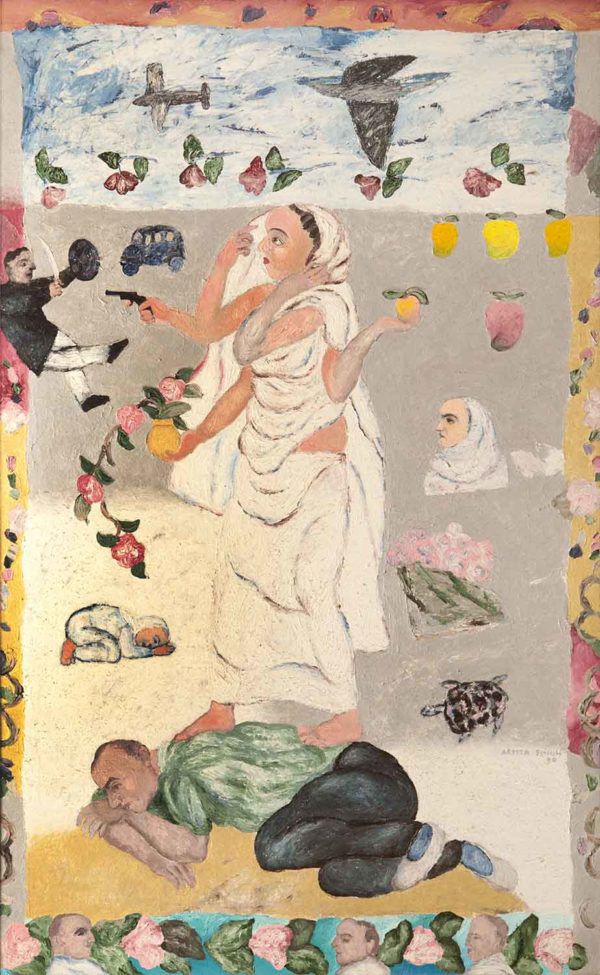
the Puja issue of a Bengali magazine in which she Industries Restoration Programme. There she
depicted a pistol and other weapons in the hands came into contact with traditional artists and
of Goddess Durga. This caused considerable
weavers, and it is said that this experience also controversy. Through that image, Arpita Singh had influenced her work. During that period, however, symbolically expressed the violence prevalent her paintings were largely monochromatic and
in her time. In fact, when we examine her later
abstract. In the 1980s, she began creating works works, we consistently find a critical commentary influenced by the folk art of Bengal, with women on the increasing violence in society. At the same as their central subject. In these paintings, she time, she has also targeted the contradictions of depicted women engaged in private and everyday metropolitan life and political and administrative 21