

An Introduction to Essential Dental Photography in Daily Practice - Free Version by Dr. Shadi S. Samawi - HTML preview
Download the book in PDF, ePub, Kindle for a complete version.
LIGHTING
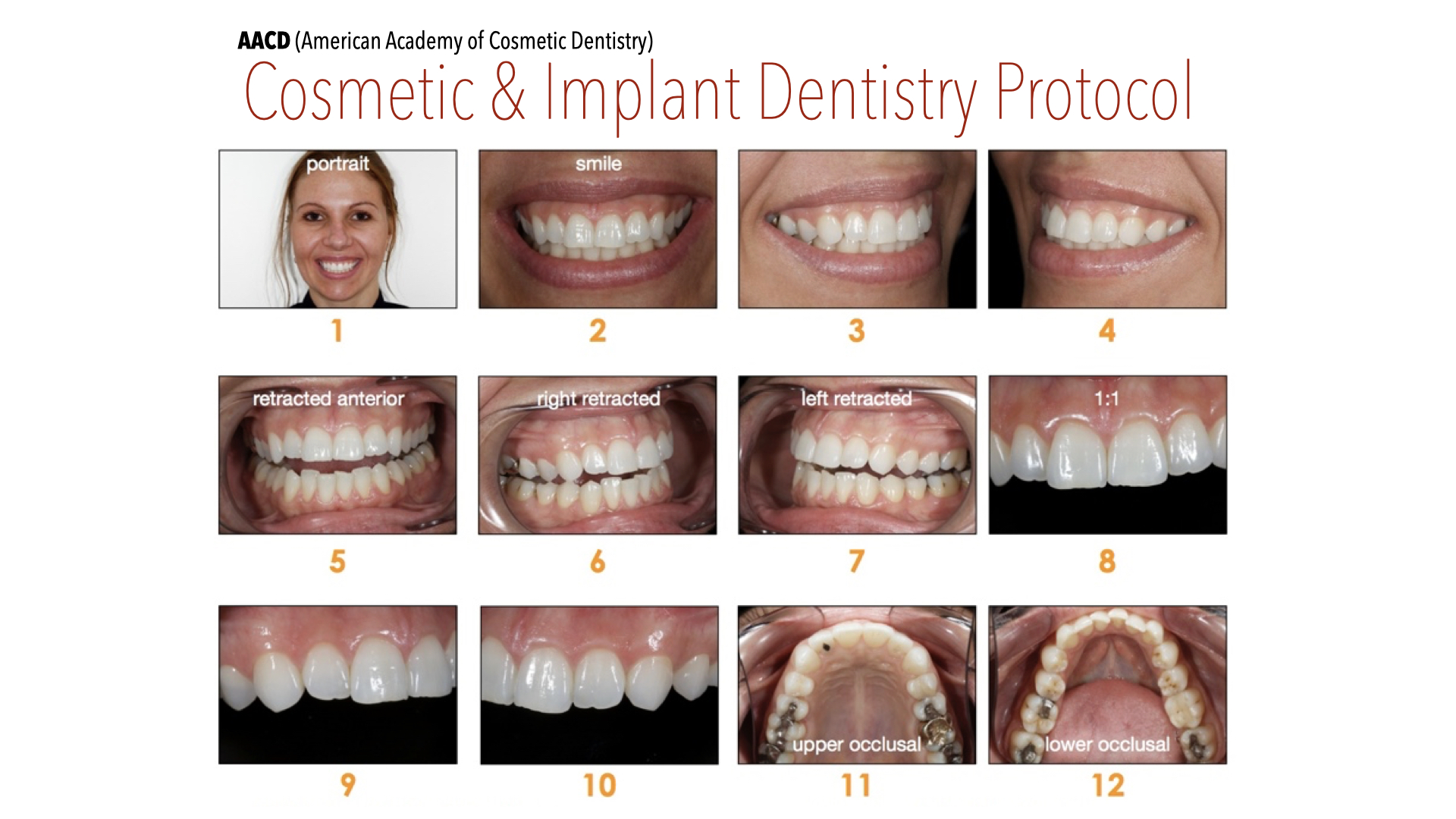
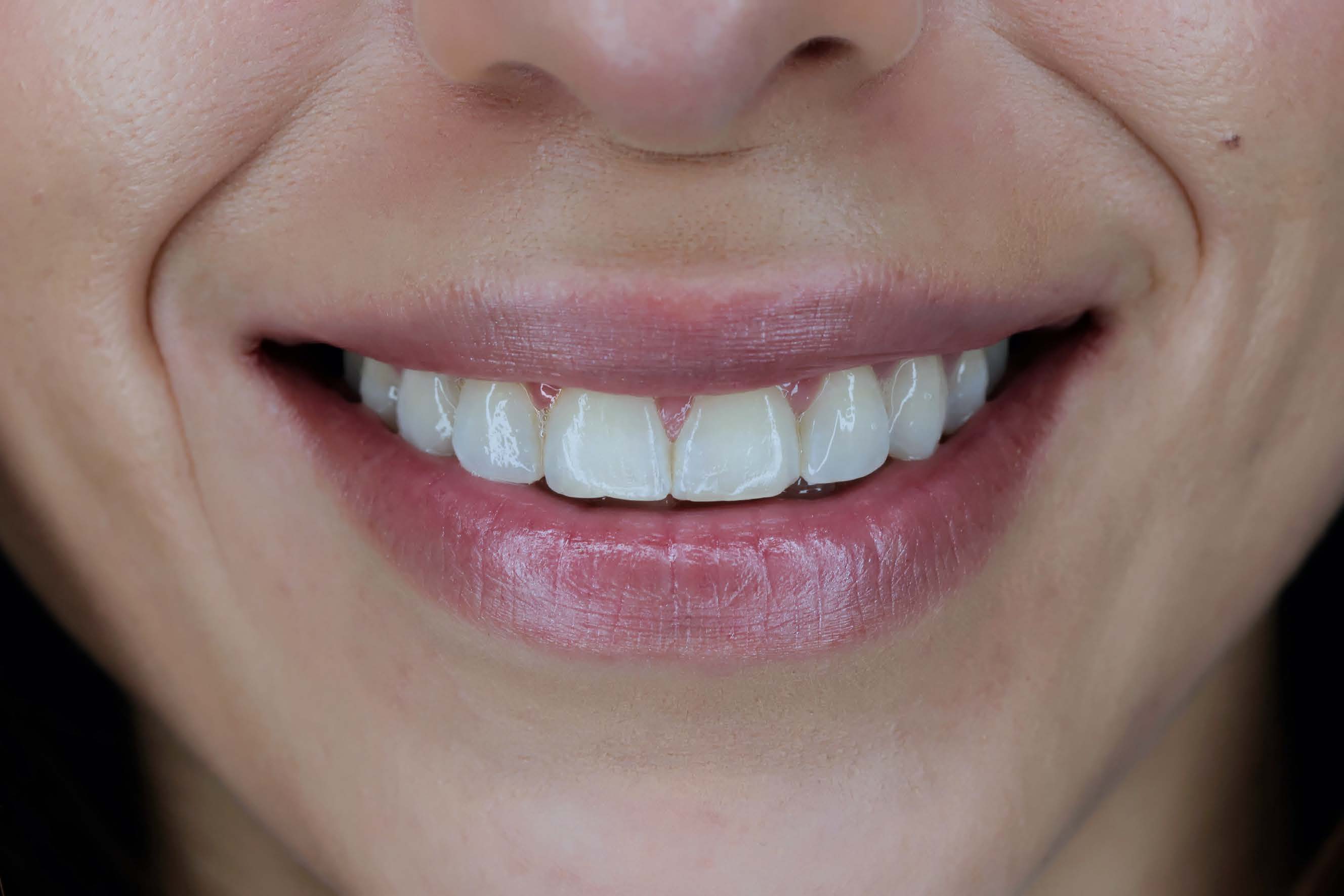
Extra-Oral
Photographs
With Twin-Flash
It is recommended that the patient stands a couple of feet in front of a plain,
dark or white-colored wall or background when taking all extra-oral shots.

LIGHTING This is to ensure maximum clarity of facial features and outlines without the
presence of distracting objects in the background.
© Shadi Samawi | 2024. All Rights Reserved.
© Shadi Samawi
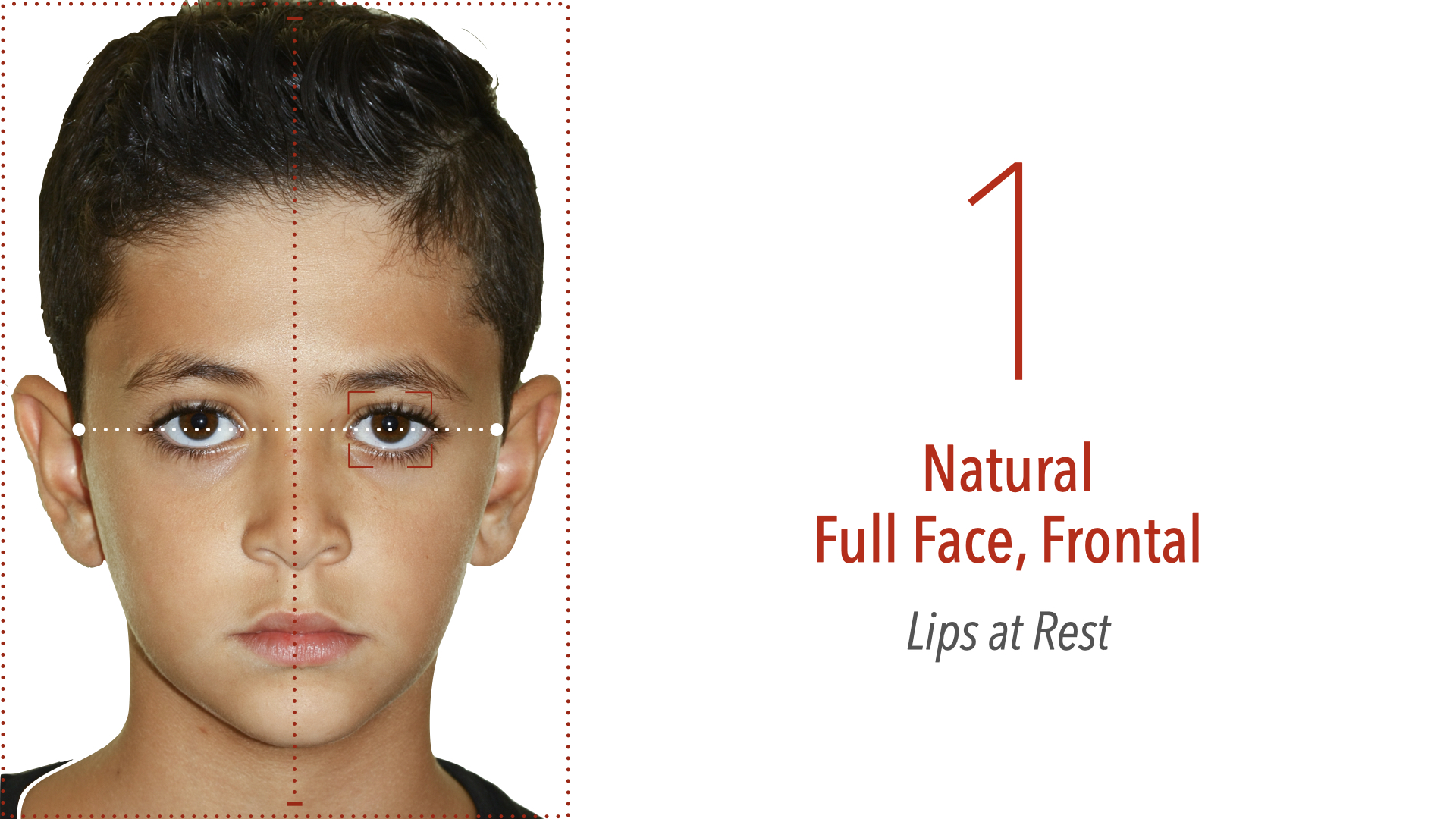
• The background used for taking
photographic records should be
either a solid-white background (or a
back-lit light-box), or a solid-dark color
such as Dark Blue. Taking extra-oral
photos with the patient sitting on the
dental chair or with multiple
distracting objects in the background
does not give a professional end-
result and should be avoided.
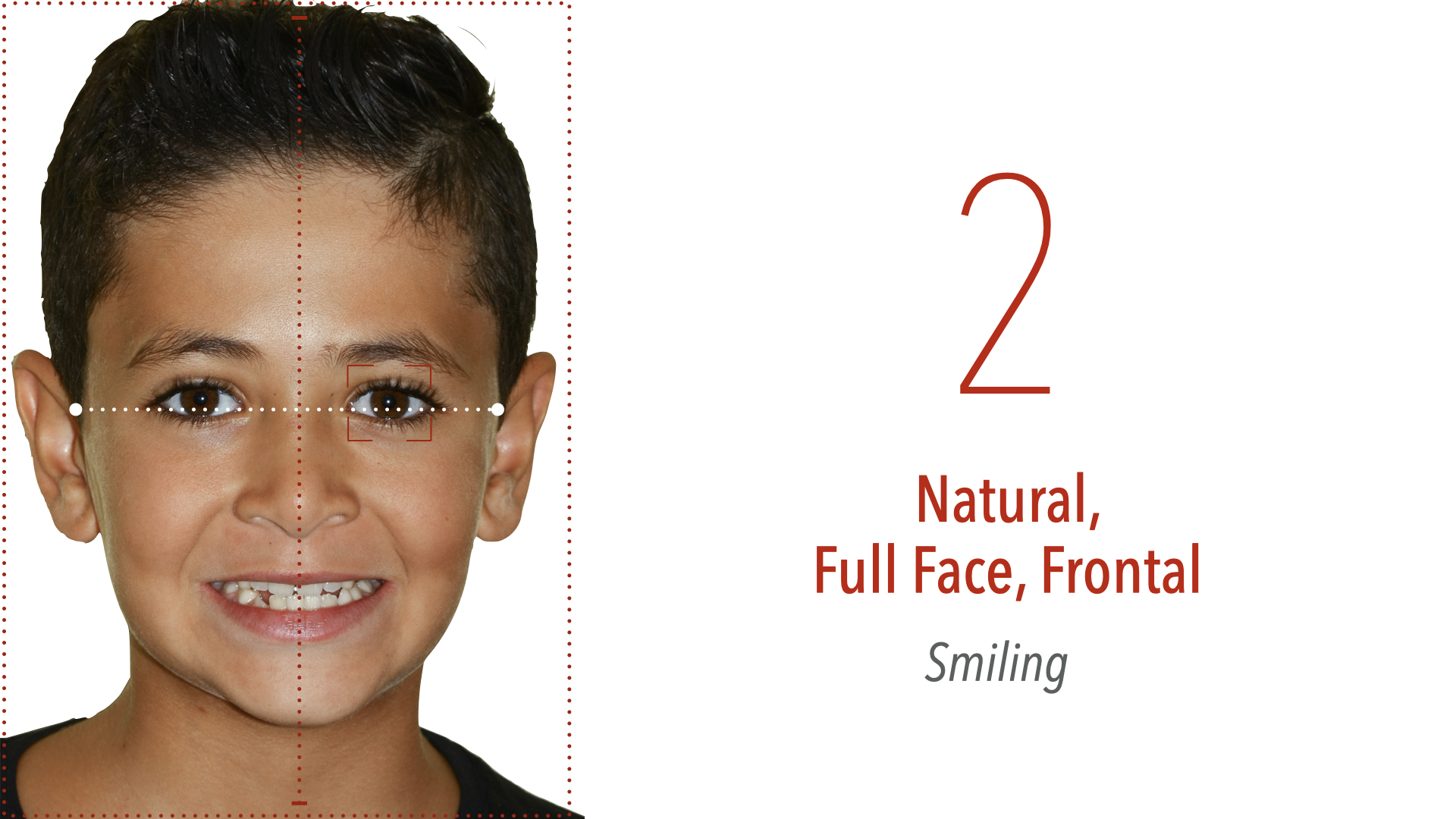
• The clinician’s positioning for these
photos would be standing a few feet
away from the patient, until the head
and neck of the subject fill the frame,
and at the same eye level if possible.
Younger and shorter patients can
stand on a special stand to get them
to reach a suitable height if needed,
or the clinician can sit on a chair to get
to their eye level.
© Shadi Samawi | 2024. All Rights Reserved.
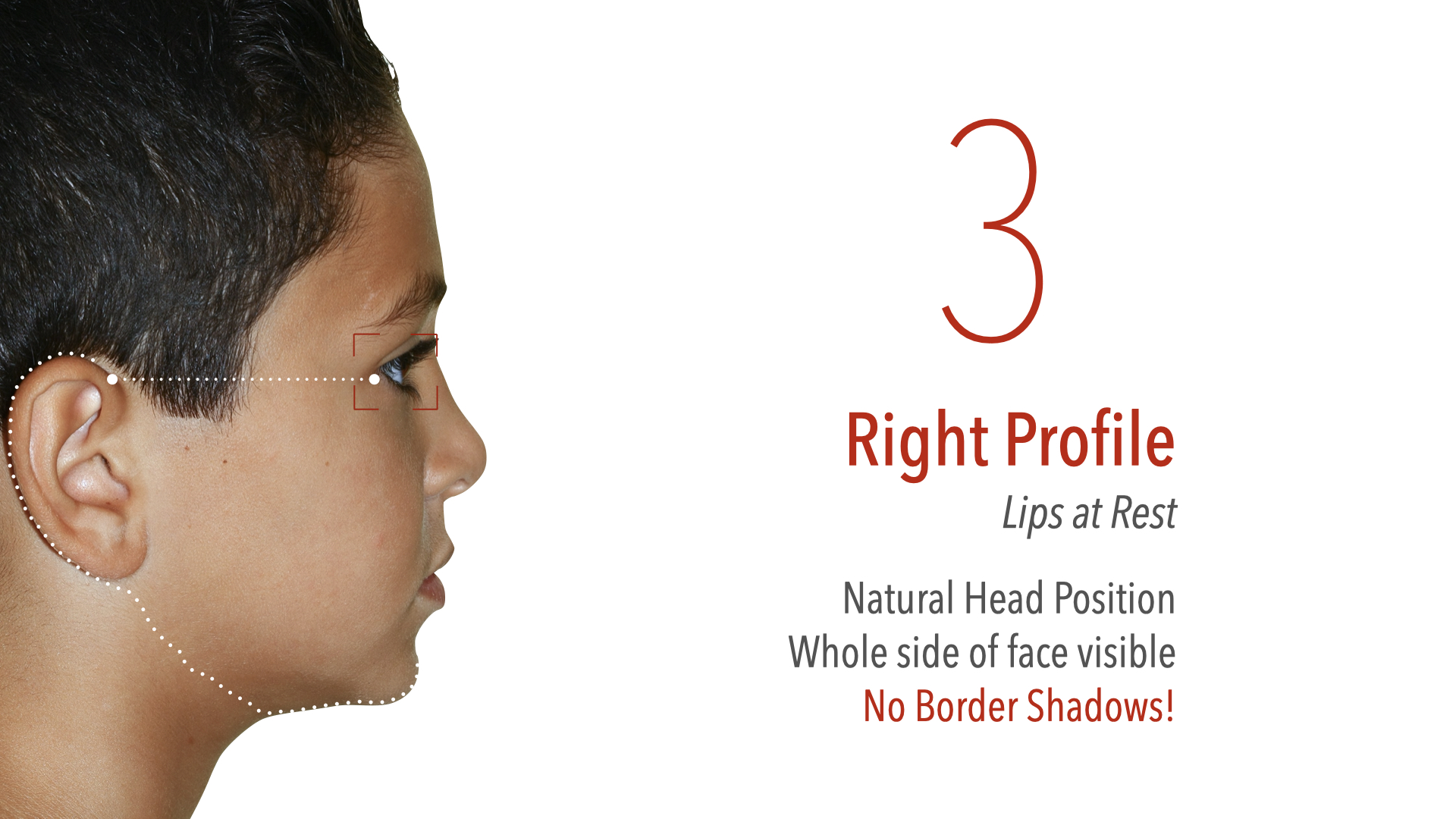
© Shadi Samawi | 2024. All Rights Reserved.
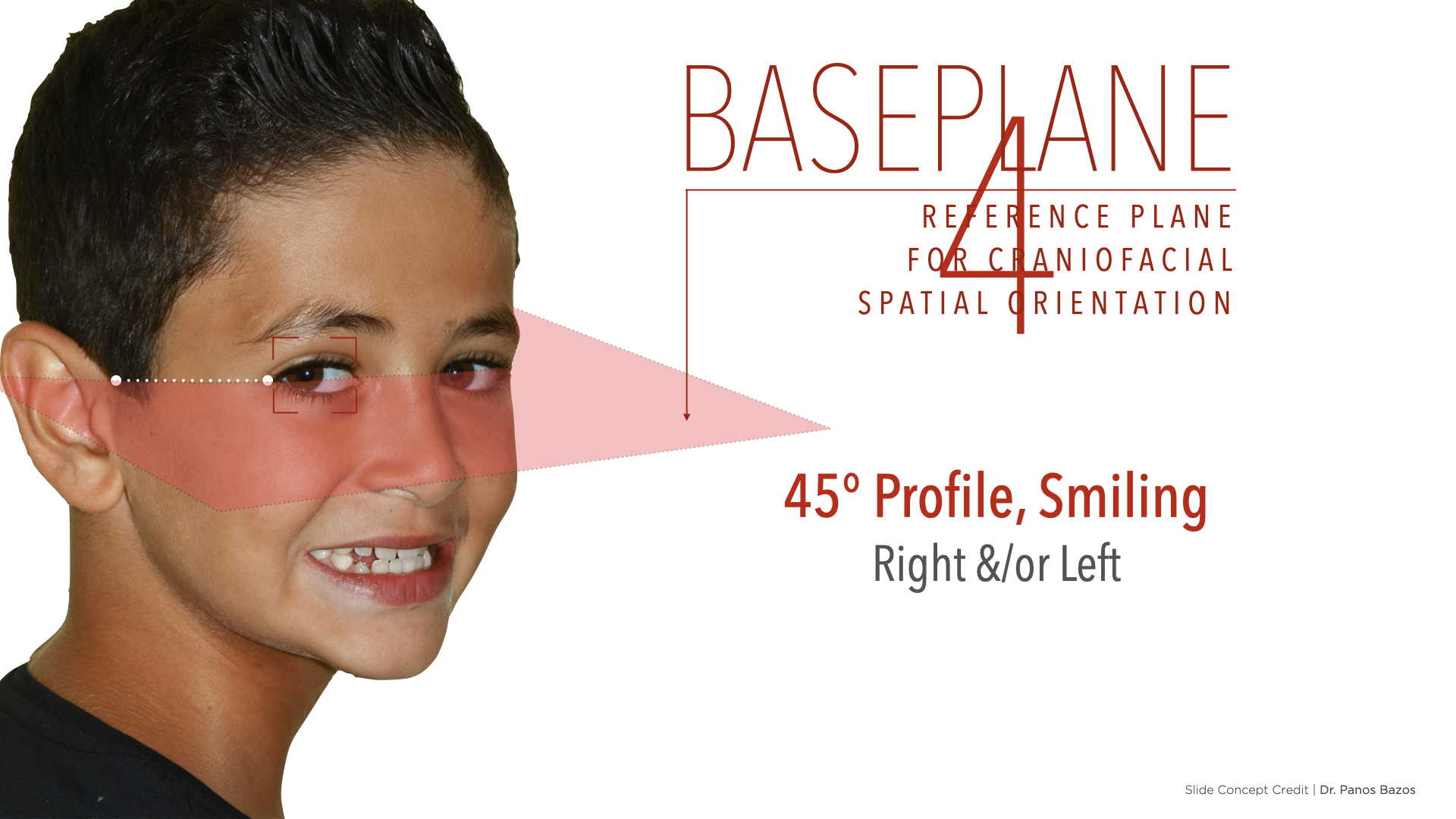
Reference Plane 4
BASEPLANE FOR CRANIOFACIAL SPATIAL ORIENTATION
BASELINE Horizontal Reference Line [OPERATOR-GUIDED POSITION]
© Shadi Samawi | 2024. All Rights Reserved.
© Shadi Samawi
Intra-Oral
Photographs
With Twin-Flash
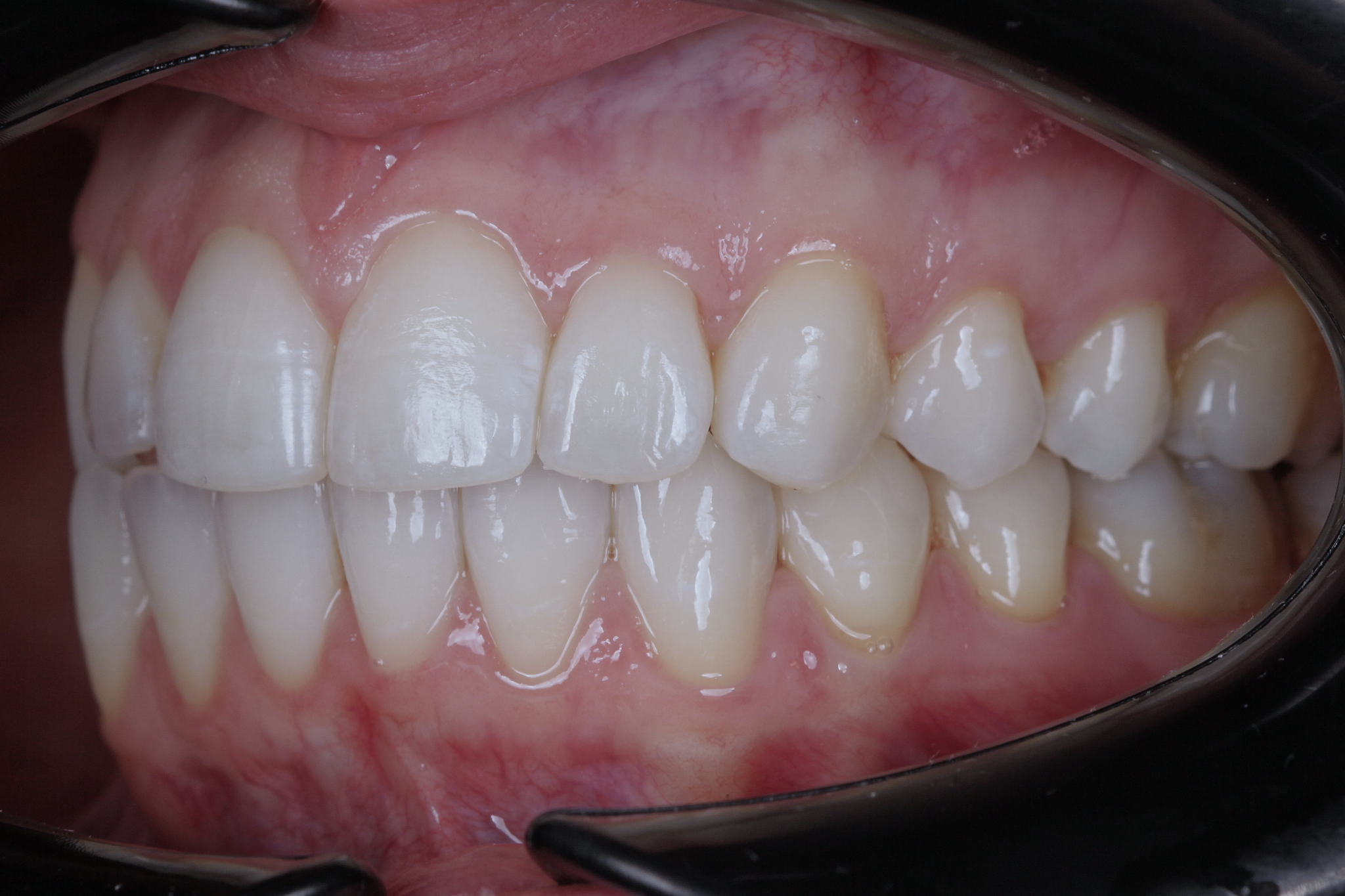
Intra-oral photographs require more attention to detail to
produce good results. For these shots, the use of the

LIGHTING special photographic retractors and dental mirrors will be
required, and ideally with help from a dental assistant.
© Shadi Samawi | 2024. All Rights Reserved.