

Core Concepts of Marketing by John Burnett - HTML preview
Download the book in PDF, ePub, Kindle for a complete version.
CHAPTER 10
CHANNEL CONCEPTS: DISTRIBUTING THE PRODUCT
customers. In short, organizations attempt to get their products to their customers in the most
effective ways. Further, as households find their needs satisfied by an increased quantity and
variety of goods, the mechanism of exchange-i.e., the channel-increases in importance.
THE EVOLUTION OF THE MARKETING CHANNEL
As consumers, we have clearly taken for granted that when we go to a supermarket the
will be filled with products we want; when we are thirsty there will be a Coke machine
bar around the corner; and, when we don ' t have time to shop, we can pick-up the telephone
and order from the J.e. Penney cataiog or through the Internet. Of course, if we give it
thought, we realize that this magic is not a given, and that hundreds of thousands of peo-
ple plan, organize, and labor long hours so that this modern convenience is available to you,
the consumer. It hasn't always been this way, and it is still not this way in many other coun-
tries . Perhaps a little anthropological discussion will help our understanding.
The channel structure in a primitive culture is virtually nonexistent. The
or
tribal group is almost entirely self-sufficient. The group is composed of ;ndividuals who
are both communal producers and consumers of whatever
and services can be
available. As economies evolve, people begin to specialiLe in some aspect of economic activ-
ity. They engage in farming, hunting, or fishing, or some other basic craft.
specialized skill produces excess products, which
exchange or trade for needed goods
that have been produced by others. This exchange process or barter marks the beginning
of formal channels of distribution. These early channels involve a series of exchanges between
two parties who are producers of one product and con:mmers of the other.
Wi th the growth of specialization, particularly industrial specialization, and
improvements in methods of transportation and communication, channels of distribution
become longer and more complex. Thus, corn grown in Illinois may be processed into corn
chips in West Texas, which are then distributed throughout the
States. Or, turkeys
grown in Virginia are sent to New York so that they can be shipped to supermarkets in Vir-
ginia. Channels don't always make sense.
The channel mechanism also operates for service products. In
case of medical
care, the channel mechanism may consist of a local
specialists, hospitals, ambu-
lances, laboratories, insurance companies, physical therapists, home care professionals, and
so forth. All of these individuals are interdependent, and could not operate
with-
out the cooperation and capabilities of all the others.
Based on this relationship, we define a marketing channel as' 'sets of interdependent
organizations involved in the process of making a product or service available for use or
consumption, as well as providing a payment mechanism for the provider."
This definition implies several important characteristics of the channel. First, the chan-
nel consists of institutions, some under the control of the producer and some outside the producer's control. Yet all must be recognized, selected, and
into an efficient chan-
nel arrangement.
Second, the channel management process is continuous and requires cons
mon-
itoring and reappraisal. The channel operates 24 hours a day and exists in an environment
where change is the norm .
Finally, channels shou ld have certain distribution objectives guiding their activities.
The structure and management of the marketing channel is thus in part a function of a firm's
distribution objective. It is also a part of the marketing objectives, especially the need to
an acceptable profit. Channels usually represent the largest costs in marketing a product.







FLOWS IN MARKETING CHANNELS
255
FLOWS IN M A RKETING CHANNELS
One traditional framework that
been used to express the channel mechanism is the con-
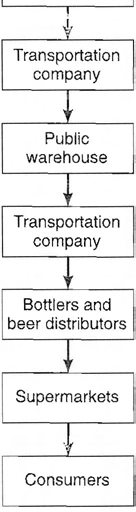
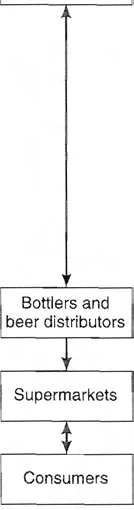
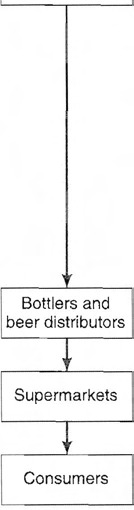
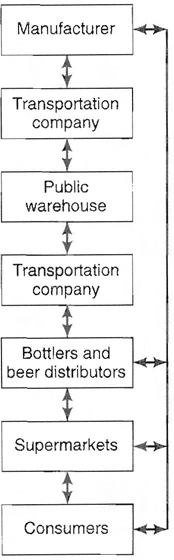
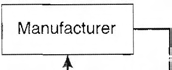
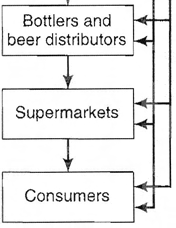
cept of flow. These fl ows, touched upon in Figure 10.2, reflect the many linkages that tie channel members and other agencies together in the distribution of goods and services. From
the perspective of the channel manager, there are five important flows.
1. Product flow
2. Negotiation flow
3. Ownership flow
4. Information flow
5. Promotion flow
These fl ows are illustrated for Perrier Water in Figure 10.2.
The product flow refers to the movement of the
product from the manufac-
turer through all the parties who take physical possession of the product until it reaches the
ultimate consumer.
negotiation flow encompasses
institutions that are associated
with
actual exchange processes. The ownership flow
the movement of title through
the channel. information flow identifies the individuals who participate in the flow of infor-either up or down the
Finally, the promotion flow
to the flow of
Product
Negotiation
Ownership
Information
Promotion
flow
flow
flow
flow
flow
Manufacturer
Manufacturer
Manufacturer
I
I
I
I
Advertising
Agency
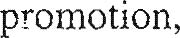
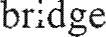
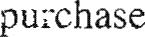
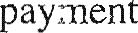
FIGURE 10-2
Five flows in the marketing channe: for Perrier Water
Sou rc e: Bert Rosenbloom , Marketing Channels: A Management View, Dryden Pres s, Chicago, 1983, p. 11.'



















256