

Introduction: Product Management Essentials by RK Oluwasanmi - HTML preview
Download the book in PDF, ePub, Kindle for a complete version.

PRODUCT
MANAGEMENT ESSENTIALS
OLUWASANMI .K. RAPHAEL

Table of
Contents
01
Introduction to Product Management
02
Understanding the Role of a Product Manager 03
The Product Lifecycle : Idea to Market
05
Market Research - Understanding Your Customers 07
Product Vision & Strategy
09
Creating a Product Roadmap
10
Agile Product Management and Development 11
Prioritization: Making the Tough Decisions 14
Col aborating with Teams : Engineers, Designers, and Stakeholders 15
Launching a Product : What You Need to Know 16
Monitoring Success : KPIs and Metrics
17
Iteration and Continuous Improvement
18
Handling Product Failure

Table of
Contents
19
The Future of Product Management
20
Conclusion and Final Tips
21
Product Management Glossary
23
About the Author & Book
24
References
00
“Fundamentals of Product Management : A Beginner's Guide" is a simple and practical book for anyone curious about what product management is and how it works. Whether you're new to the concept or considering a career change, this guide breaks down everything in an easy-to-understand way.
Think of a Product Manager as the person who makes sure the right product gets built, keeps everyone on the same page, and makes sure the product is successful in the market.In this book, you'l learn the basics of what a Product Manager does, how products are developed from start to finish, and how to work with different teams to get things done. I wil walk you through, the basics of how to take an idea, understand customer needs, work with engineers and designers, and successful y launch and improve a product.
Some of the key concepts covered include: Understanding the Product Lifecycle (from idea to market) Market research and figuring out what customers real y need Creating a product vision and roadmap
Working with teams using Agile development Launching products and measuring their success The book also includes helpful analogies and examples to make everything clear, such as thinking of a Product Manager like the captain of a ship. They may not be building the ship, but they guide it, keep the crew aligned, and ensure the ship reaches its destination.
By the end, you’l understand what it takes to manage a product, work with various teams, and make decisions that drive success—al explained in plain language.
Note: To keep things simple, Product Manager, wil sometimes be referred to as PM.
01
INTRODUCTION TO PRODUCT MANAGEMENT
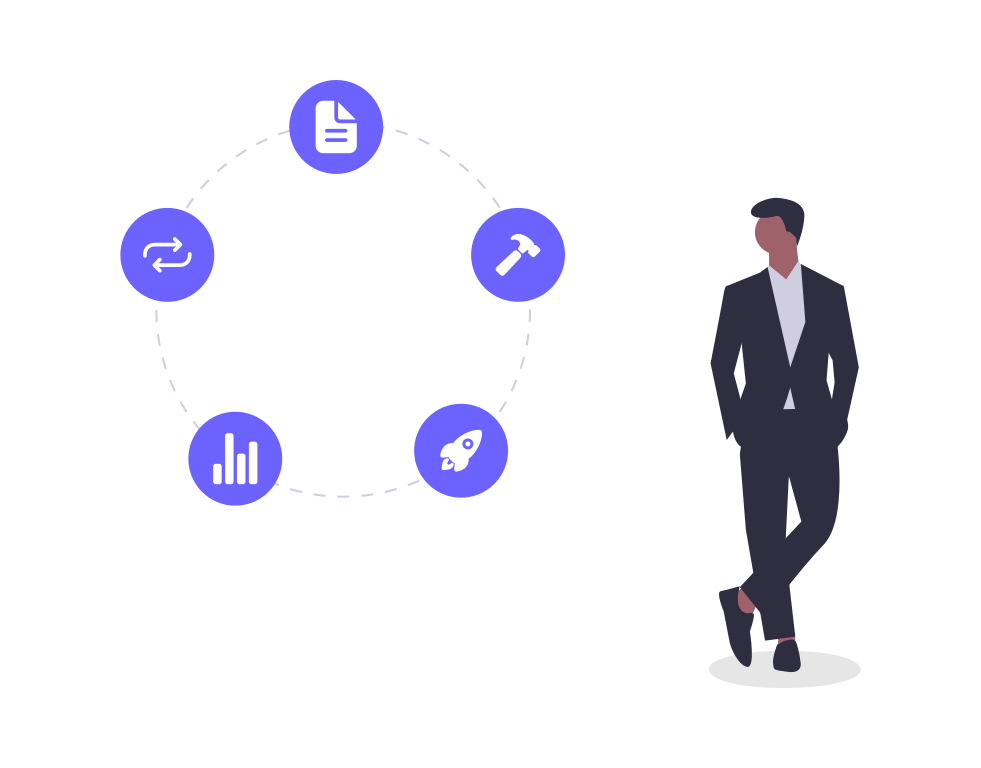
A PM’s role involves several key responsibilities. Initial y, they conduct market research to understand what customers truly need and identify gaps in the current offerings. This might involve surveys, interviews, or analyzing market trends. Based on these insights, the PM creates a product vision and strategy, outlining what the product wil achieve and how it wil stand out in the market.
Once the strategy is set, the PM works closely with cross-functional teams, including designers, developers, and marketers. They translate the product vision into actionable plans, ensuring that each team understands their role and the project’s objectives. Throughout the development process, the PM monitors progress, resolves any issues that arise, and makes adjustments as needed to stay on track.
After the product is developed, the PM oversees testing and quality assurance to ensure it meets the required standards and performs wel in real-world scenarios. They also coordinate the product launch, working with marketing teams to craft compel ing messages and promotions that resonate with the target audience.
Ultimately, a successful PM not only delivers a product that meets customer needs but also drives the product’s growth and success in the market. Their work involves a blend of strategic thinking, team leadership, and problem-solving, al aimed at creating valuable solutions that enhance people’s lives.
UNDERSTANDING THE ROLE OF A PRODUCT
02
MANAGER
The Product Manager (PM) is like the glue that holds various teams together: engineers, designers, marketers, and customers. Think of them as the central hub in a wheel, with spokes connecting to different functions within the organization. While a PM doesn’t need to be an expert in coding or design, they must possess a broad understanding of these areas to make informed decisions and guide the team effectively.
Key Responsibilities:
Define the Product Vision: The PM is responsible for setting a clear and compel ing vision for the product. This means they articulate what the product aims to achieve, how it wil solve problems for users, and why it matters. This vision acts as a north star, guiding every decision and action taken throughout the product’s lifecycle.
Prioritize Features and Tasks: With a clear vision in mind, the PM must prioritize which features to build and what tasks to tackle first. This involves balancing customer needs, business goals, and resource constraints. They use various tools and frameworks to assess the value and feasibility of each feature, ensuring that the most important tasks are completed on time.
Ensure Alignment with Customer Needs and Business Goals: The PM
constantly checks that the product aligns with what customers want and the business objectives. This involves gathering feedback from users, analyzing market trends, and ensuring that the product delivers on its promises and contributes to the company’s success.
Communicate with All Teams: Effective communication is crucial. The PM
must keep everyone—from engineers to marketers—on the same page.
They facilitate meetings, share updates, and address concerns, ensuring that al teams are working towards the same goals and that potential issues are resolved promptly.
PMs are problem solvers. Their role involves engaging with customers to understand their pain points, analyzing data to inform decisions, and coordinating with various teams to create the best possible version of the product.
THE PRODUCT LIFECYCLE : FROM IDEA TO MARKET
03
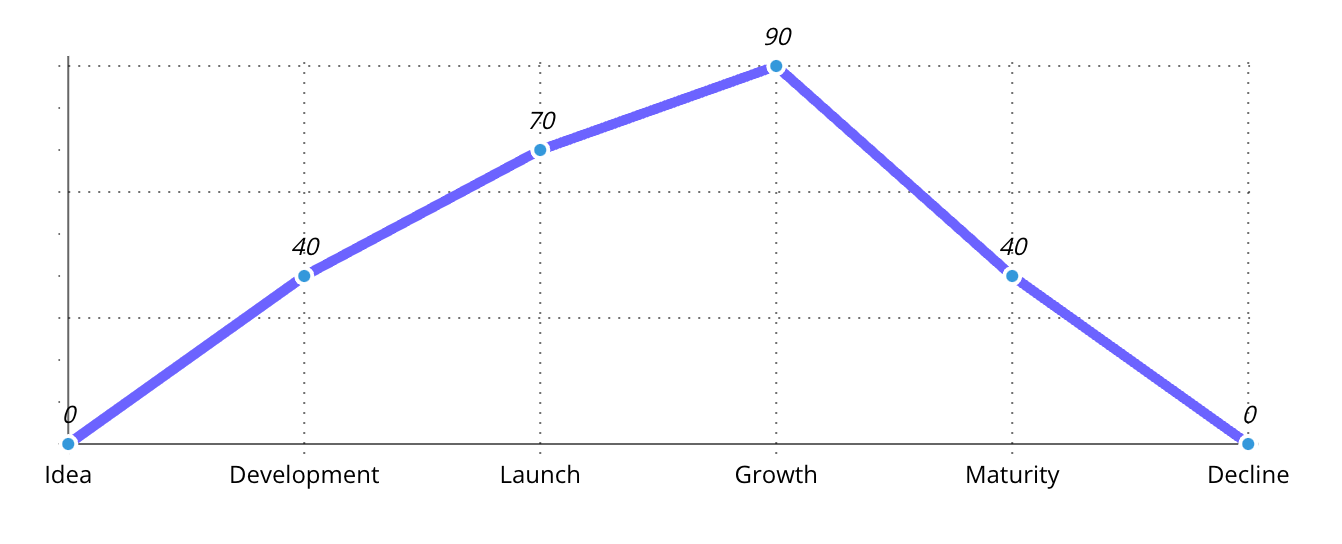
Every product fol ows a journey cal ed the product lifecycle, which helps teams understand how a product evolves over time and what actions are needed at each stage:
Idea: The journey begins with identifying a problem or opportunity in the market. This is where brainstorming and research come into play. Product managers gather insights from users, analyze market trends, and consider innovative solutions that could address unmet needs or create new value.
Development: Once an idea is validated and deemed feasible, the development phase starts. Teams work on designing, building, and testing the product. This involves creating prototypes, coding software, and refining designs based on user feedback. The goal is to transform the concept into a tangible product that meets the defined requirements.
Launch: After development, the product is introduced to the market. This phase includes preparing marketing materials, setting up distribution channels, and executing a launch strategy. The aim is to generate awareness and attract early adopters who wil provide feedback and help refine the product.
Growth: During the growth phase, the product gains traction as more users adopt it. This is often the most exciting phase, with increasing sales, expanding market reach, and positive user feedback. Product managers focus on scaling operations, optimizing features, and enhancing user experience to support sustained growth.
Maturity: As the product becomes established, growth slows and stabilizes. It reaches its peak market potential, and competition may intensify. The focus shifts to maintaining market share, optimizing profitability, and making incremental improvements to keep the product relevant.
Decline: Eventual y, interest in the product may decline due to changes in technology, customer preferences, or market saturation. At this stage, product managers must decide whether to update the product with new features, reposition it in the market, or consider developing a replacement.
THE PRODUCT LIFECYCLE : FROM IDEA TO MARKET
04
As a product manager, you guide this lifecycle, ensuring the product evolves with market demands and adapts to shifting trends. Your role is crucial in navigating each phase, making strategic decisions that drive the product’s success and longevity.
MARKET RESEARCH - UNDERSTANDING YOUR
05
CUSTOMERS
Before you build a product, you need to know who you’re building it for. This is where market research comes in. Market research is the process of gathering and analyzing information about your target audience to ensure that your product meets their needs and stands out in the market. It helps you understand: Who Your Customers Are: Market research identifies the characteristics of your target audience, such as their age, gender, occupation, and interests.
This demographic information helps you tailor your product to fit the specific needs and preferences of your potential users.
What Problems They Face: Understanding the chal enges and pain points your customers encounter is crucial. Market research uncovers these issues, al owing you to design a product that effectively addresses and solves their problems.
What Solutions They Currently Use: Researching existing solutions, including competitors' products, helps you understand what’s already available and how it meets or fal s short of customer needs. This insight al ows you to identify gaps in the market that your product can fil .
Whether They Would Pay for a New Solution: It’s important to assess if customers are wil ing to spend money on a new product. Market research provides insights into their wil ingness to pay and the perceived value of your product compared to existing alternatives.
There are two main types of market research: Qualitative Research: This involves talking directly to users through interviews, focus groups, or observations to gain in-depth insights into their needs, behaviors, and motivations. For example, conducting an interview to understand why users prefer one feature over another.
Quantitative Research: This involves col ecting numerical data through surveys, questionnaires, and statistical analysis to identify trends and patterns. For instance, surveying a large group of people to determine how many would use a new feature gives you concrete numbers to guide decisions.
MARKET RESEARCH - UNDERSTANDING YOUR
06
CUSTOMERS
Quantitative Research Example: "50% of people in this market use the existing product" provides specific, measurable data about product usage.
Qualitative Research Example: "Half of the people in this market use the existing product" provides a general understanding of user behavior, but without detailed context.
In summary, market research combines qualitative and quantitative methods to provide a comprehensive view of your target audience. By understanding who your customers are, what problems they face, and how they currently solve these problems, you can develop a product that truly meets their needs and stands out in the competitive landscape.
07
Every successful product begins with a vision. This vision is the product's “big picture” idea—a guiding light that defines what the product aims to achieve. Your product vision should answer three key questions: What problem are we solving? This focuses on identifying the specific pain points or needs of your target audience. Understanding the problem is the foundation of your vision because it drives the purpose behind the product.
Who are we solving it for? Knowing your audience is crucial. Are you designing this product for busy professionals, students, parents, or a specific niche market? Defining your target users helps shape features, design, and messaging that wil resonate with them.
Why is our solution better? Here, you articulate what makes your product unique. Is it more user-friendly, cost-effective, or faster than existing solutions? Highlighting these differentiators in your vision helps guide the direction of product development and marketing efforts.
Once the vision is clear, the next step is to develop a strategy to make it a reality.
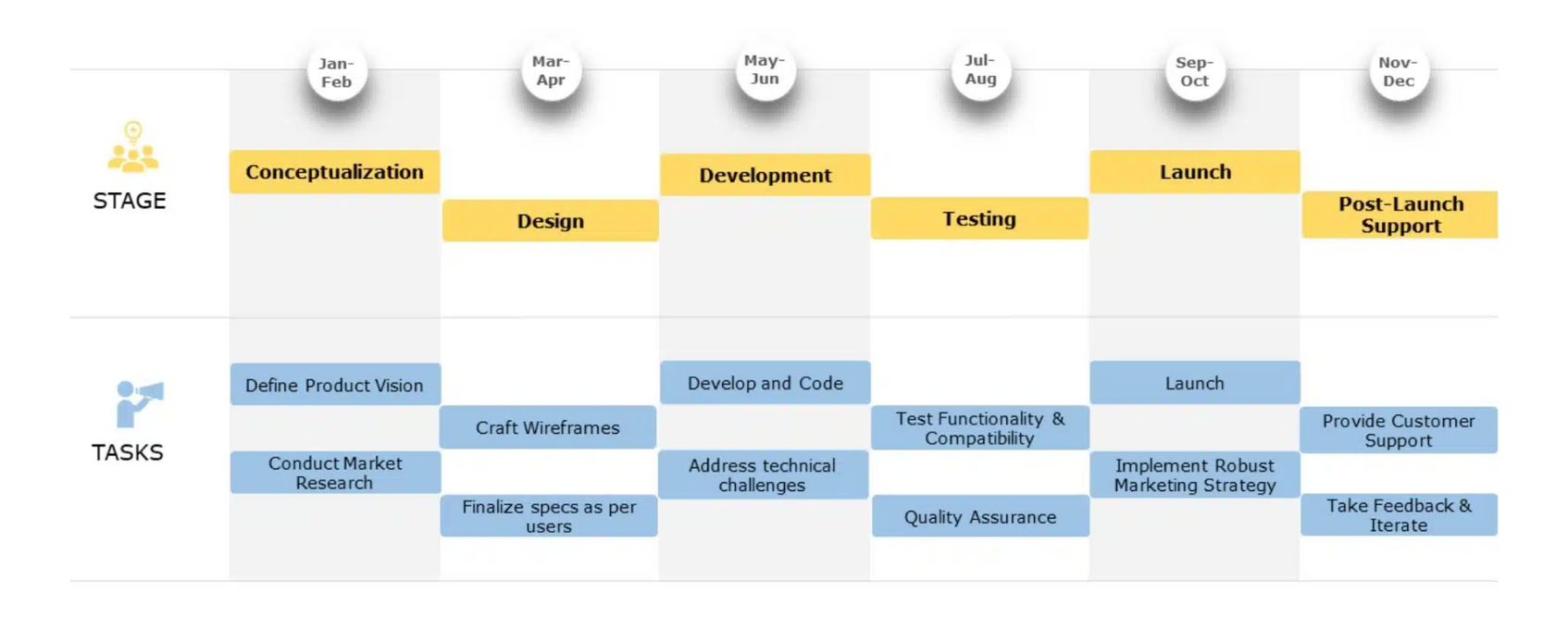
A strategy is essential y your roadmap—it outlines the path you’l take to turn the vision into an actual product. This strategy includes several key components: Steps: Break down the work into actionable steps. For example, research customer needs, create design prototypes, develop features, test for quality, and launch the product. This step-by-step approach ensures progress is made systematical y.
Timeline: Define a realistic timeline for each phase of development. Having clear milestones helps the team stay on track and provides a sense of urgency and direction.
Resources: Identify the resources needed to execute the strategy. This includes budget, personnel (like developers, designers, marketers), and tools.
Al ocating resources effectively is crucial to avoid delays and keep the project within budget.

PRODUCT VISION AND STRATEGY
08
A wel -defined product vision and strategy keep everyone focused and aligned, ensuring the team knows what they are building, why it's important, and how they wil achieve the desired outcome. With a clear vision and a solid strategy, you set the foundation for product success.
CREATING A PRODUCT ROADMAP
09
A product roadmap is a high-level plan that shows how your product wil evolve over time. It provides a strategic overview, outlining key features and goals for the upcoming months or years. Roadmaps aren’t set in stone, but they give teams direction and keep everyone aligned on priorities.
Key components of a roadmap include:
Features: What you plan to build, such as new tools, updates, or improvements.
Goals: The specific objectives you aim to achieve (e.g., boost user engagement, reduce support tickets).
Timeline: When features wil be released, helping teams manage expectations and track progress.
A wel -crafted roadmap helps communicate the product’s vision and ensures focus on delivering the most valuable features.
10
AGILE PRODUCT MANAGEMENT AND DEVELOPMENT
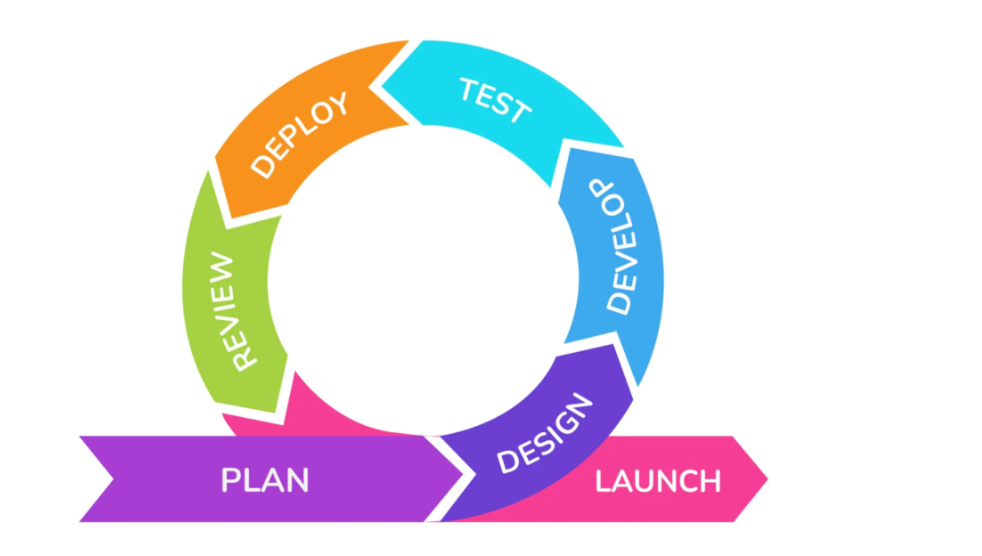
Many teams use a process cal ed Agile to develop products because it promotes flexibility, col aboration, and continuous improvement. Unlike traditional methods that plan everything upfront, Agile breaks work into smal , manageable chunks cal ed sprints, which typical y last 2-4 weeks.
During each sprint, the team focuses on specific tasks or features, al owing them to deliver parts of the product incremental y. At the end of each sprint, teams review progress, gather feedback, and adjust the plan as needed.
The key principles of Agile:
Collaboration: Agile emphasizes continuous communication with teams and users. Product managers, developers, designers, and stakeholders regularly meet to share updates, discuss chal enges, and ensure everyone is aligned.
Flexibility: Agile teams adapt to changes quickly, whether it's shifting market demands, new user feedback, or unexpected technical issues. This flexibility helps in refining the product to better meet user needs.
Iteration: Instead of aiming for a perfect product right away, Agile focuses on improving the product step by step. Each sprint delivers a usable version of the product, which is then enhanced based on user feedback and testing.
By using Agile, product managers can ensure that the product evolves efficiently, responds to user needs, and delivers value at every stage of development.
PRIORITIZATION: MAKING THE TOUGH DECISIONS
As a product manager, you’l encounter more ideas, feature requests, and improvements than you can realistical y execute. This is where prioritization becomes essential. Not every idea can or should be pursued right away, so you need to make tough decisions to focus on what wil deliver the most value. You have to careful y decide:
What features to build first: Which features align with the product vision and offer the highest value to users? These should be prioritized to meet immediate needs or capitalize on market opportunities.
What can be delayed: Some features might be useful but aren't urgent.
These can be scheduled for later, once core functions are in place.
What might never get done: Not every idea is worth pursuing. Some may require too many resources or provide little benefit, and it’s okay to set these aside.
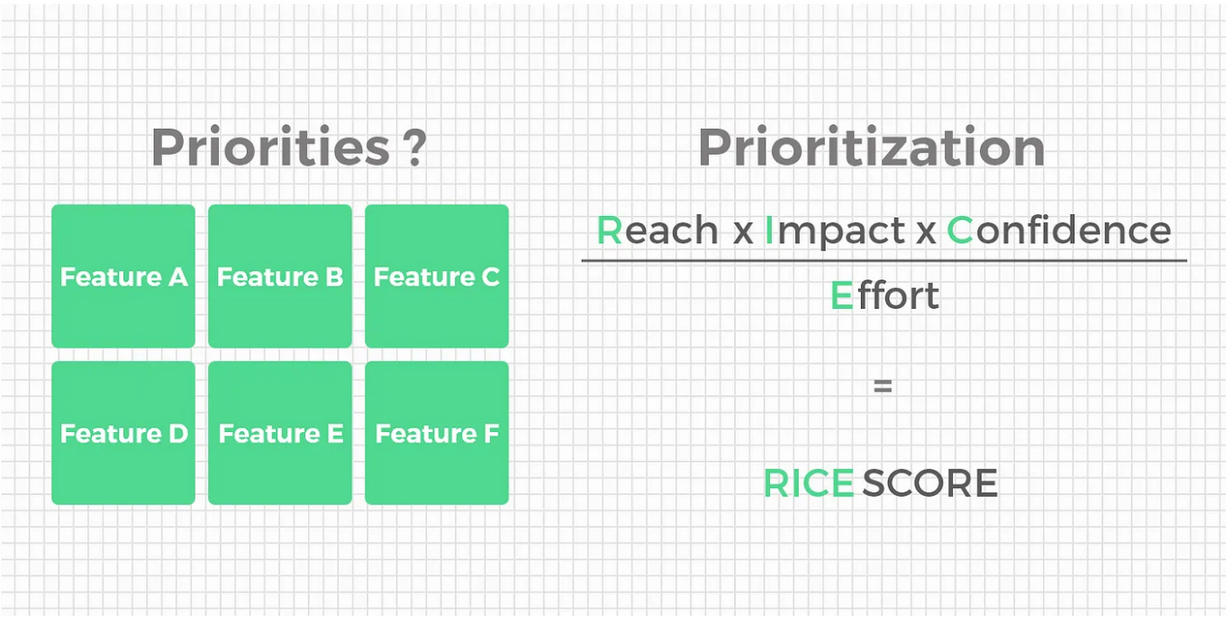
A popular framework for prioritizing is RICE: The RICE framework helps product managers prioritize features or initiatives by evaluating four key factors: Reach, Impact, Confidence, and Effort. The formula for calculating a RICE score is:
Where:
Reach: The number of people or events this wil affect in a given timeframe (measured in users per month, sign-ups, etc.) Impact: How much this initiative wil contribute to your goal (measured on a scale, typical y from 0.25 = minimal to 3 = massive).
Confidence: How sure you are about your estimates of Reach and Impact (expressed as a percentage, with 100% being absolute confidence).
Effort: The total time the team wil take to complete this task (usual y measured in person-months or weeks).

12
PRIORITIZATION: MAKING THE TOUGH DECISIONS
Using the RICE framework helps you make objective, data-driven decisions, ensuring you focus on what truly matters for product success.
Example of RICE Score Calculation
Let's say you are considering three features for your product, and you estimate the fol owing values for each:
Feature 1: User Onboarding Tutorial
Reach: 500 new users/month
Impact: 3 (massive impact)
Confidence: 80% (0.8)
Effort: 2 person-weeks
Feature 2: Dark Mode
Reach: 300 users/month
Impact: 2 (high impact)
Confidence: 90% (0.9)
Effort: 3 person-weeks


PRIORITIZATION: MAKING THE TOUGH DECISIONS
13
Feature 3: Performance Optimization
Reach: 1000 users/month
Impact: 1.5 (medium impact)
Confidence: 70% (0.7)
Effort: 5 person-weeks
How to Use These Scores
Based on the RICE scores, you would prioritize the features in this order: 1.User Onboarding Tutorial (600)
2.Performance Optimization (210)
3.Dark Mode (180)
This calculation helps product managers focus on features that offer the highest potential impact relative to the effort involved, ensuring resources are used efficiently.
COLLABORATING WITH TEAMS : ENGINEERS, DESIGNERS, 14
AND STAKEHOLDERS
Product management is a team sport that thrives on col aboration. As a product manager, you'l work closely with engineers, designers, and stakeholders, each playing a vital role in bringing the product vision to life.
Engineers, like Software developers, Devops specialist and so on focus on building the product's functionality,
Designers ensure it's user-friendly and visual y appealing, and stakeholders, such as executives, sales teams, and customers have a vested interest in the product’s success.
Tips for successful collaboration:
Clear communication: Clearly define the product goals and expectations from the beginning. Use tools like roadmaps, documentation, and visual aids to ensure everyone is on the same page. Regular updates help avoid misunderstandings and keep the team aligned.
Empathy: Understand the unique chal enges each team faces. Engineers may struggle with technical limitations, while designers might need more time for creative processes. Listening to their concerns and working together to find solutions builds trust and respect.
Regular check-ins: Hold weekly or bi-weekly meetings to discuss progress, roadblocks, and changes in priorities. This keeps everyone informed and al ows for quick adjustments if things aren't going as planned.
Effective col aboration ensures the product is not only built efficiently but also aligns with user needs and market demands, setting it up for success.

LAUNCHING A PRODUCT : WHAT YOU NEED TO KNOW
15
Launching a product is one of the most exciting phases in product management, but it comes with its own set of chal enges. A successful launch not only means that the product is technical y ready, but also that users are aware of it, and the team is prepared to handle feedback and support.
Steps for a successful launch:
Beta testing: Before the official launch, release a beta version to a smal group of users. This al ows you to gather valuable feedback on product performance, usability, and any bugs that might need fixing. Beta testing helps ensure that the product meets user needs and reduces the risk of major issues post-launch.
Marketing and communication: Start building buzz around your product wel before the launch date. Use social media, email campaigns, blog posts, and even launch events to spread the word. Clearly communicate the product's benefits and how it solves user problems. A solid marketing strategy can make the difference between a quiet launch and a successful one.
Prepare for support: A product launch often brings a flood of user questions and potential issues. Make sure your support team is ready to handle inquiries, troubleshoot problems, and provide guidance. Preparing FAQs, tutorials, and support channels in advance wil help users have a smooth experience.
By fol owing these steps, you set the stage for a launch that not only introduces the product but also builds excitement and trust with your users.
16
MONITORING SUCCESS : KPIS AND METRICS
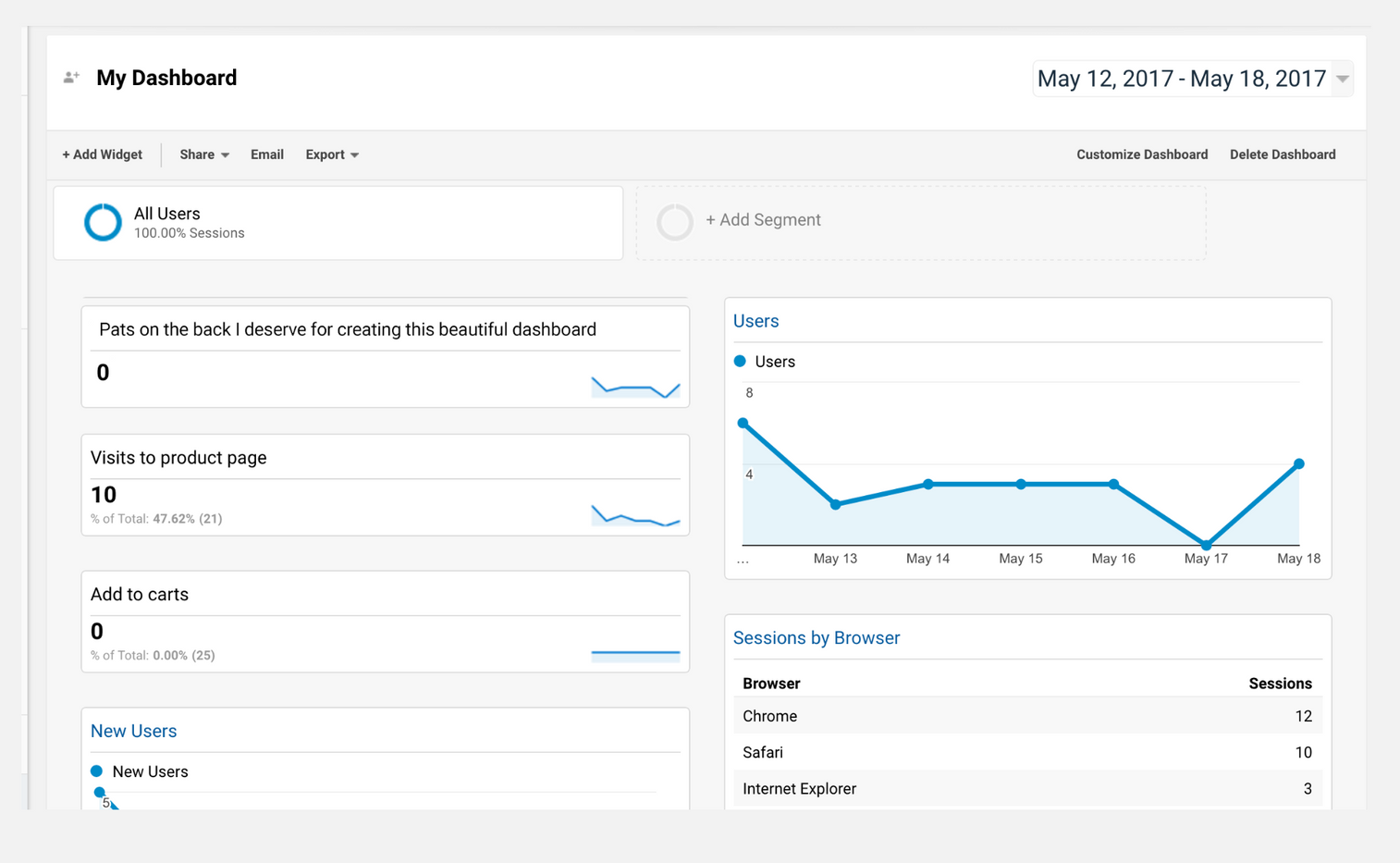
Once your product is live, tracking its performance is crucial to understand if it meets your goals. The key performance indicators (KPIs) you track wil vary depending on your product type and objectives, but common ones include: User engagement: Are people using your product regularly? High engagement indicates your product is providing value.
Customer satisfaction: Are users happy with your product? Col ect feedback through surveys and Net Promoter Score (NPS) to gauge user satisfaction.
Revenue: Is the product generating income? Monitor sales, subscriptions, or in-app purchases to assess profitability.
Use tools like Google Analytics, Mixpanel, and surveys to gather these metrics.
Regularly reviewing this data helps you identify areas for improvement and guide future product decisions.
ITERATION AND CONTINUOUS IMPROVEMENT
17
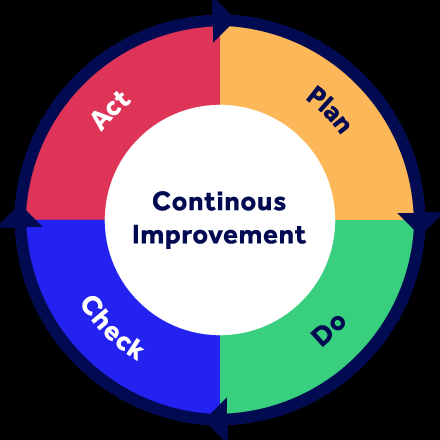
Even after the launch, your job as a product manager is far from over. In fact, it’s just the beginning. Iteration and continuous improvement are ongoing processes where you refine and enhance your product based on user feedback, market trends, and performance data. By regularly col ecting insights from real users, you can identify what works wel , what needs fixing, and what new features could add value.
Iteration helps ensure that your product stays relevant and competitive in a constantly changing market. For example, if user feedback indicates a confusing feature, you can redesign it in the next update. If data shows that users are dropping off at a particular stage, you can investigate and make adjustments to improve user flow.
Continuous improvement isn’t just about fixing problems; it’s about adding new value. You might introduce new features, optimize performance, or enhance usability to keep users engaged and satisfied. This process al ows you to adapt to evolving user needs and market demands.
Remember, successful products aren’t built overnight. They are shaped and perfected through continuous learning and iteration. As a product manager, being open to change and using feedback to drive improvements wil keep your product growing and thriving.
18
Not every product wil succeed, and that's okay. Failure is a natural part of the product management journey and can provide valuable learning experiences.
Sometimes, the market changes unexpectedly, competition becomes too fierce, or the product simply doesn’t align with customer needs. These setbacks are not the end but an opportunity to grow and adapt.
As a product manager, it's crucial to approach failure with a mindset geared toward learning and improvement. Here’s how to handle product failure effectively:
Analyze what went wrong: Dive deep into the reasons behind the failure.
Was there a misjudgment of market demand, poor timing, or issues with execution? Use data, customer feedback, and team insights to identify the root causes. This analysis wil inform your future decisions, helping you avoid similar pitfal s.
Communicate openly with your team: Transparency is key. Address the failure as a learning opportunity for everyone involved. Discuss what worked, what didn’t, and what could be done differently. This open dialogue encourages a culture of continuous improvement and innovation within your team.
Remember, failure is not a reflection of incompetence but a step towards building better products. Each setback provides lessons that can lead to future success.
THE FUTURE OF PRODUCT MANAGEMENT
19
Product management is evolving rapidly as new technologies like AI and automation reshape the landscape. While the core responsibilities of understanding user needs and guiding product development remain fundamental, the tools and processes available to product managers are becoming increasingly sophisticated.
AI is transforming how product managers analyze data and make decisions.
Advanced analytics and machine learning algorithms can provide deeper insights into user behavior, predict trends, and automate repetitive tasks. This al ows PMs to focus more on strategic thinking and innovation rather than manual data crunching.
Automation is also streamlining various aspects of product management, from project tracking to user feedback col ection. Automated systems can handle routine tasks like updating project statuses or generating reports, improving efficiency and reducing the likelihood of errors.
Furthermore, col aboration tools and product management platforms are evolving to offer more integrated solutions. These tools facilitate real-time communication, seamless project management, and better alignment across teams, enhancing overal productivity.
Despite these advancements, the essence of product management empathizing with users, defining clear goals, and ensuring successful product delivery remains unchanged. The future of product management wil likely involve a blend of traditional skil s and new technological capabilities, enabling PMs to create even more impactful and user-centric products. Embracing these changes wil be key to staying ahead in the field and delivering value in an increasingly complex environment.
CONCLUSION AND FINAL TIPS
Becoming a great product manager takes time and practice, but anyone can master the basics with dedication and a wil ingness to learn. As you embark on this journey, keep these final tips in mind: Stay customer-focused: The foundation of successful product management lies in understanding and meeting the needs of your users. Regularly seek out customer feedback, conduct user research, and stay attuned to market trends.
This customer-centric approach ensures that your product remains relevant and valuable.
Prioritize wisely: With limited resources and countless ideas, prioritization is crucial. Use frameworks like RICE or MoSCoW to evaluate and rank features based on their potential impact, reach, and effort required. Effective prioritization helps you al ocate resources efficiently and deliver features that wil drive the most value.
Collaborate openly with teams: Product management is inherently col aborative. Foster open communication and strong relationships with engineers, designers, marketers, and stakeholders. Regular check-ins and feedback loops ensure everyone is aligned and working towards a common goal, which enhances the overal quality and success of the product.
Be adaptable and open to learning from failures: The path to successful product management is rarely linear. Embrace an iterative approach, where feedback and failures are seen as opportunities for growth. Learn from setbacks, refine your strategies, and stay flexible in your approach to evolving market conditions and user needs.
By integrating these practices into your daily routine, you'l develop a solid product management foundation and enhance your ability to create impactful and user-centered products.
PRODUCT MANAGEMENT GLOSSARY
Here's a comprehensive glossary of common terms used in product management:
Backlog: A prioritized list of features, improvements, and bugs that need to be addressed in a product.
Beta Testing: A phase where a product is released to a limited audience outside the development team to gather feedback before the final release.
Buyer Persona: A detailed profile of an ideal customer, based on market research and real data, used to guide product development and marketing.
Feature: A specific function or capability of a product that provides value to the user.
Goal: A specific, measurable outcome that a product or feature aims to achieve.
KPI (Key Performance Indicator): Metrics used to evaluate the success of a product or feature in achieving its goals.
MVP (Minimum Viable Product): The most basic version of a product that can be released to test its core functionality and gather user feedback.
Product Roadmap: A high-level plan outlining the vision, strategy, and timeline for a product’s development and release.
Product Vision: A clear and compel ing statement describing the long-term goals and purpose of a product.
RICE Framework: A prioritization method assessing Reach, Impact, Confidence, and Effort to determine the value of features or initiatives.
Scrum: An Agile framework that organizes work into time-boxed iterations cal ed sprints, with regular meetings to review progress and adapt plans.
Stakeholder: Individuals or groups with an interest or investment in the product, including customers, team members, and executives.
PRODUCT MANAGEMENT GLOSSARY
User Journey: The path a user takes from first encountering a product to achieving their goals, including al interactions and touchpoints.
User Story: A brief, informal description of a feature or functionality from the perspective of the user, often used in Agile development.
Wireframe: A low-fidelity visual representation of a product’s interface, used to design and plan the layout and functionality.
Iteration: The process of making incremental improvements to a product based on feedback and testing.
Pivot: A significant change in product direction or strategy based on feedback or market conditions.
Market Research: The process of gathering and analyzing information about market needs, customer preferences, and competitive landscape.
Agile: A methodology that emphasizes iterative development, flexibility, and col aboration, often using frameworks like Scrum or Kanban.
Benchmarking: Comparing a product’s performance or features against competitors or industry standards to assess its relative position.
These terms form the foundation of product management and help ensure clear communication and effective practices within product teams.
23
ABC of Product Management: A Beginner's Guide is an essential handbook for anyone looking to navigate the dynamic world of product management. Written in a straightforward and practical manner, this guide breaks down the fundamentals of product management, making it accessible for beginners and professionals alike. From understanding customer needs to developing a roadmap for successful product delivery, this book provides a comprehensive introduction to the tools and techniques necessary for driving product success.
About the Author :
Raphael O. began his career over a decade ago as a software engineer before transitioning into a certified product manager. With a solid foundation in technical expertise, Raphael has evolved through various roles – from building products to leading teams and ultimately steering them toward delivering innovative, customer-centric solutions. Think of him as a captain of a ship: starting as an engineer who built the ships, progressing to a supervisor who led engineers, and now acting as the captain who guides the entire team, ensuring that every
"voyage" meets the users' needs and expectations.
Raphael's unique blend of technical knowledge, academic discipline, and a deep passion for innovation places him at the critical juncture of research, product development, and strategic management. He excels in driving product initiatives from concept to launch, always with a focus on delivering maximum value to the end users. His mission is clear: to help businesses achieve sustainable growth while reducing waste through rigorous research, market intel igence, and strategic product management.
With a commitment to making the business world—and the world at large—a better place, Raphael continues to push the boundaries of what’s possible in product development. He looks forward to col aborating with organizations to realize their product vision.
Connect with Raphael for insights, discussions, and guidance on product management:
LinkedIn: https://www.linkedin.com/in/raphaelosanmi/
Email: raphaelosanmi@gmail.com
24
Cagan, M. (2017). Inspired: How to Create Products Customers Love (2nd ed.).
Wiley.A foundational text for understanding how to create successful products with a focus on customer needs and product development strategies.
Pichler, R. (2010). Agile Product Management with Scrum: Creating Products that Customers Love. Addison-Wesley Professional. This book provides an in-depth look into how agile methodologies can be effectively applied in product management, particularly through the Scrum framework.
Horowitz, B. (2014). The Hard Thing About Hard Things: Building a Business When There Are No Easy Answers. Harper Business. A key resource on the chal enges product managers face, including business management and strategic decision-making.
Cooper, R. G. (2001). Winning at New Products: Accelerating the Process from Idea to Launch (3rd ed.). Perseus Publishing. This book explores the complete lifecycle of product development, offering insights into research, ideation, and go-to-market strategies.
Blank, S., & Dorf, B. (2012). The Startup Owner's Manual: The Step-by-Step Guide for Building a Great Company. K&S Ranch. A reference for product managers looking to understand lean product development, customer discovery, and iterative product processes.
Olsen, D. (2015). The Lean Product Playbook: How to Innovate with Minimum Viable Products and Rapid Customer Feedback. Wiley.
Provides a clear roadmap for applying lean principles to product development, emphasizing user feedback and agile iterations.
Ries, E. (2011). The Lean Startup: How Today's Entrepreneurs Use Continuous Innovation to Create Radical y Successful Businesses. Crown Business.
Focuses on the principles of lean methodology and agile development for building products more efficiently with less waste.
25
Gibson, P. (2019). Mastering Product Management: A Step-by-Step Guide.
Product Coalition Press. A practical guide that breaks down the key skil s and responsibilities of a product manager in today's digital age.
Klement, A. (2020). When Coffee and Kale Compete: Become Great at Making Products People Wil Buy. Self-published. Explores Jobs-to-be-Done theory, helping product managers understand how to build products that align with customer needs and motivations.
Goodman, C. (2016). Design Thinking for Product Managers: An Applied Guide to Prioritizing Customer Needs. Springer.
You may also like...
-

Engineering Mindset for Early-Career Developers Technology by Moyinoluwalogo O. MayowaEngineering Mindset for Early-Career Developers
Reads:
23Pages:
98Published:
Mar 2026Start thinking like an engineer - not just a coder. Engineering Mindset for Early-Career Developers shows how to approach problems, systems, and collaboration...
Formats: PDF, Epub, Kindle, TXT
-

Mobile App Development with WordPress Backend: A Practical Guide to REST API Integration Technology by SanjayMobile App Development with WordPress Backend: A Practical Guide to REST API Integration
Reads:
28Pages:
40Published:
Aug 2025Build high-performance mobile apps using WordPress as a powerful backend system with this actionable guide. Whether you're working with React Native or Flutte...
Formats: PDF, Epub, Kindle, TXT
-

What’s This Thing Called A Quantum Computer? Technology by Michael McNaughtWhat’s This Thing Called A Quantum Computer?
Reads:
37Pages:
31Published:
Jul 2025"What is this Thing Called a Quantum Computer?" offers a clear and engaging introduction to quantum computing. It explains core quantum mechanics principles, ...
Formats: PDF, Epub, Kindle, TXT
-

AGI Blueprint Visual Thought, Meta-Cognition & Human-Level Architecture - 2025 Technology by Derek Van DervenAGI Blueprint Visual Thought, Meta-Cognition & Human-Level Architecture - 2025
Reads:
17Pages:
46Published:
May 2025This document presents a complete blueprint for an advanced multimodal cognitive architecture designed to enable true Artificial General Intelligence (AGI).Th...
Formats: PDF, Epub, Kindle, TXT