

Ponitka's Pierogi by Edward Drobinski - HTML preview
Download the book in PDF, ePub, Kindle for a complete version.
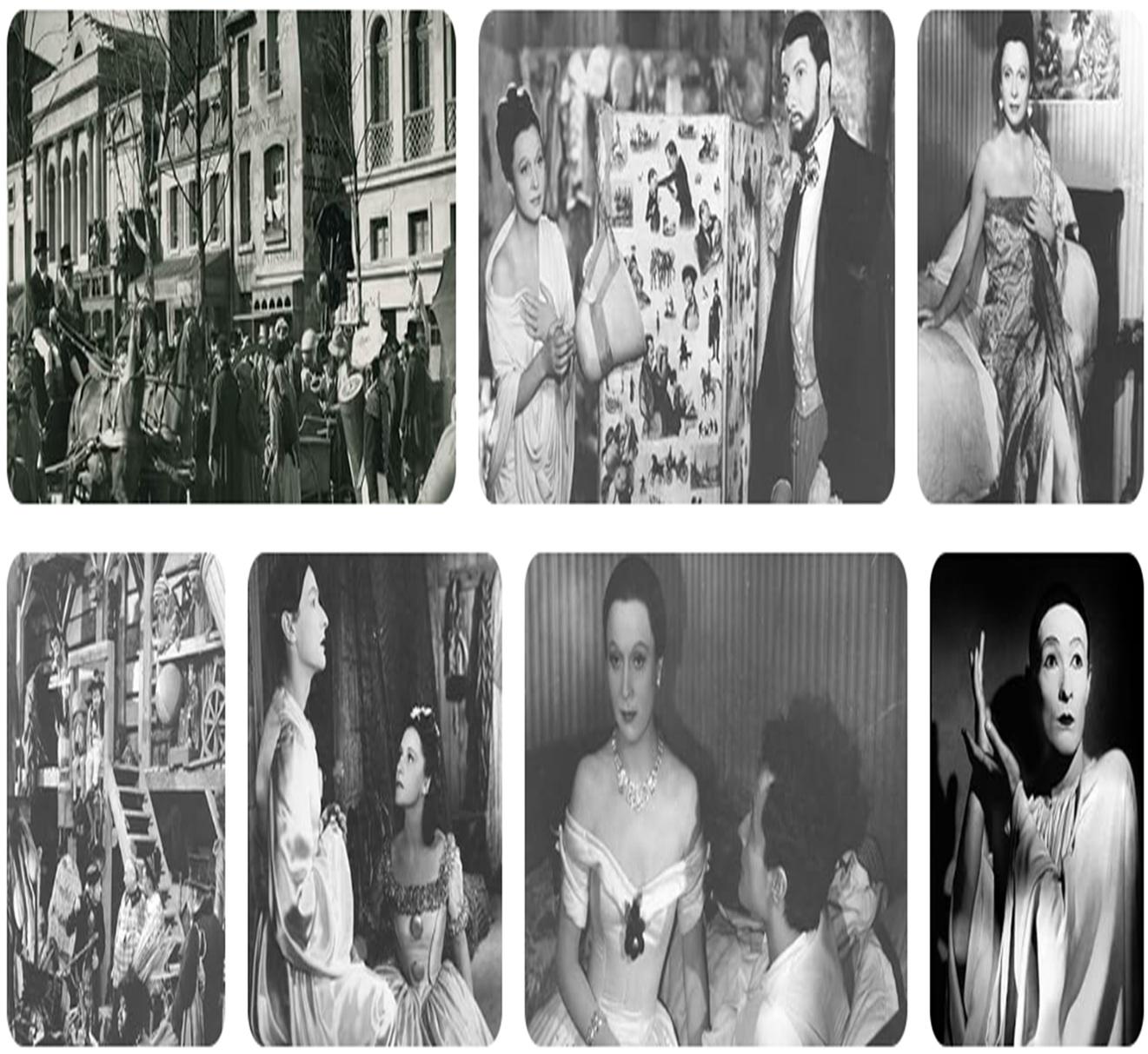
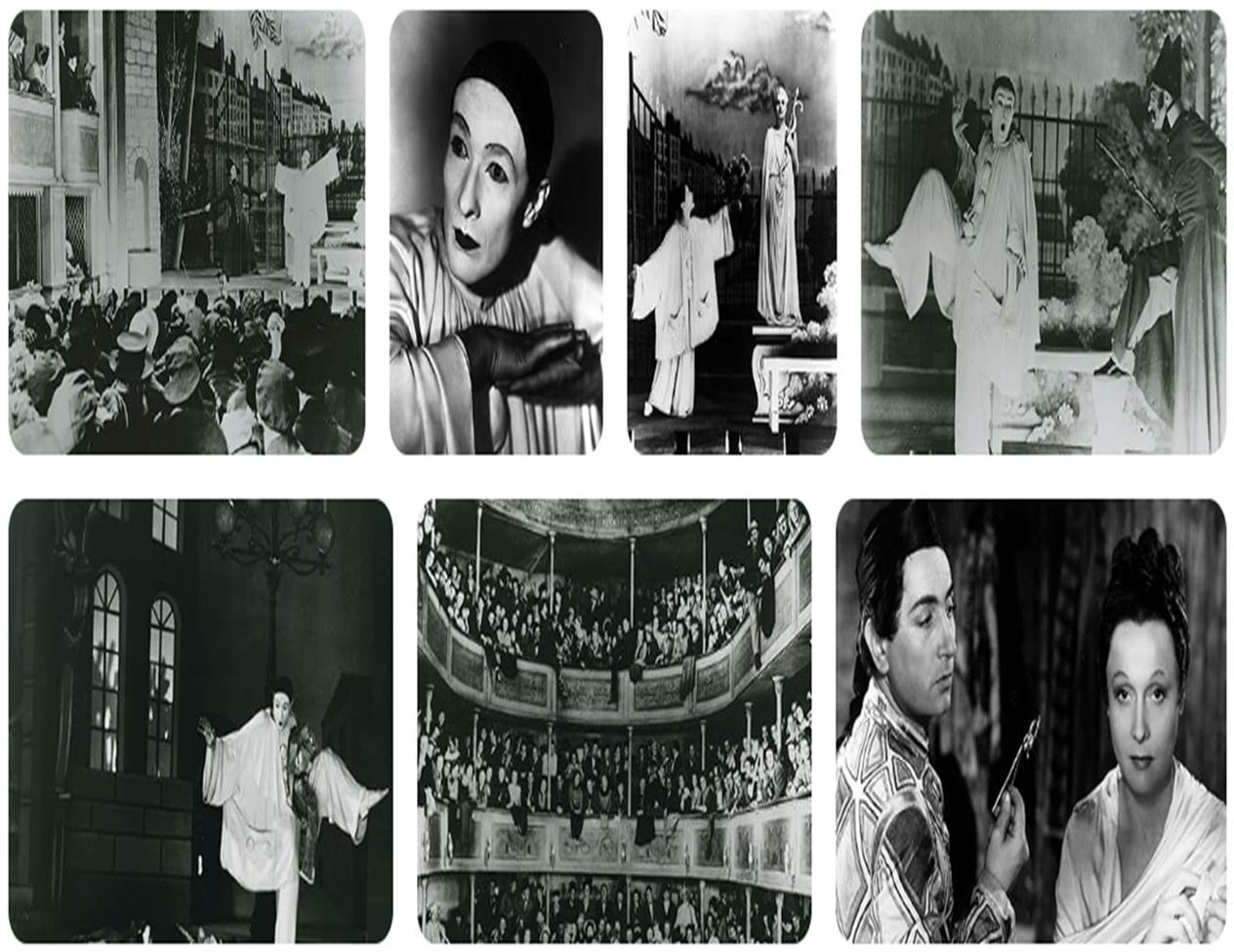
This is a film about performance, longing, illusion, and the way people misread each other's gestures. It's romantic without being sentimental, theatrical without being artificial. For Ada, this is the world she thinks she and Wladyslaw once lived in; the high school sweethearts for whom sex with the right person was initially everything; deliciously necessary, but soon adjusted to the greater recognition that sex was only 5% of love at the best; the idea of a life with shape and grace was the other 95%, and the belief that love is a kind of stagecraft you can perfect only through constant improvisation from two unscripted parties. Ignore that which makes it sound infinitely more difficult than it actually is, whatever specific stylized event comes to your mind.
Can't Find My Way Home
Blind Faith
Come down off your throne
And leave your body alone
Somebody must change
You are the reason I've been waiting so long
Somebody holds the key
Well, I'm near the end
And just ain't got the time
And I'm wasted and I can't find my way home
Come down on your own
And leave your body alone
Somebody must change
You are the reason I've been waiting all these years
Somebody holds the key
Well, I'm near the end
And just ain't got the time
Oh-oh, and I'm wasted
And I can't find my way home
But I can't find my way home
But I can't find my way home
But I can't find my way home
But I can't find my way home
Still I can't find my home
And I ain't done nothing wrong
But I can't find my way home
Written by Steve Winwood.
For Wladyslaw, it's a joyous, contrarian reminder of the life he had and also never quite had; the personal hidden flourish coupled with the NBA career that was more journeyman than star, the sense that he was always performing competence, the quiet ache of being almost, but not quite, the protagonist.
It's a film that lets them talk about themselves without talking about themselves.
After the credits roll, late evening, dishes still in the sink, the room quiet in that way it gets after a long film, the conversation ensues.
Ada: It’s funny in a way; for a film that long, it never felt slow to me. Everything moves, but sideways. No one gets what they want, but they keep circling the same few desires like it’s a job they can’t quit.
Wladyslaw: That’s what struck me too. Everyone’s performing, even when they’re alone. Especially Baptiste. The way he can’t say anything directly, so he turns everything into a gesture. Like he trusts the mime more than the man.
Ada: Maybe because gestures don’t argue back. Words complicate things. A gesture is clean. You can pretend it means whatever you need it to mean.
Wladyslaw: Unless someone else decides it means something else. Then you’re stuck with their version.
He doesn’t push the point. She doesn’t ask him to.
Ada: I kept thinking about Garance. How she moves through the world like she’s allergic to being claimed. Not cold; just ..... unwilling to be defined by anyone else’s idea of her.
Wladyslaw: She’s honest in a way that makes everyone else dishonest. They want her to be a symbol. She just wants to be a person.
Ada: And the men keep mistaking that for mystery. It’s not mystery. It’s boundaries.
A small silence. Not tense; just thoughtful.
Wladyslaw: You know what I liked? The backstage scenes. The cramped hallways, the quick changes, the chaos. Everyone pretending to be larger than life while tripping over laundry baskets.
Ada: That felt real to you?
Wladyslaw: More real than the big speeches. The backstage is where you see what people are actually made of. No audience, no applause. Just the work.
Ada And the compromises.
Wladyslaw: Those too.
Another pause. She shifts on the couch, pulling her feet under her.
Ada: What did you make of the ending?
Wladyslaw: It felt inevitable. Not tragic, not triumphant; just the only way it could go. Everyone ends up exactly where their nature puts them.
Ada: Yes. That’s what I admired. No one is punished. No one is rewarded. They just ..... arrive at themselves.
Wladyslaw: Even if it’s not where they thought they were going.
Ada: Especially then.
She smiles, not at him, but near him; the way people do when they’re thinking about something they’re not ready to say.
Wladyslaw: It’s a generous film. Even when it hurts. Ada: That’s why it works. It doesn’t judge anyone for wanting too much, or too little. It just shows the cost.
They sit with that. The room feels different now; not heavier, just clearer.
Ada: Soon we re-watch “Network.” That one won’t be generous.
Wladyslaw: No. But it’ll be honest.
Ada: Honesty is fine. As long as it’s not weaponized.
Wladyslaw: We’ll see.