Plumbing Guide For Easton Homeowners by Salvatore Sciorta - HTML preview
Download the book in PDF, ePub, Kindle for a complete version.
Chapter 1: Understanding Your Easton Home’s
Plumbing System
Easton homeowners face unique plumbing challenges. Many local homes mix older systems with modern upgrades. This chapter helps you understand your plumbing’s ins and outs so you can prevent costly repairs and know when to call in a trusted local pro.
In Easton, you’ll find a blend of traditional and modern plumbing. Older homes
often feature cast iron or outdated PVC pipes, while newer constructions use copper or PEX. Understanding your system’s age and layout helps you spot potential issues before they become disasters.
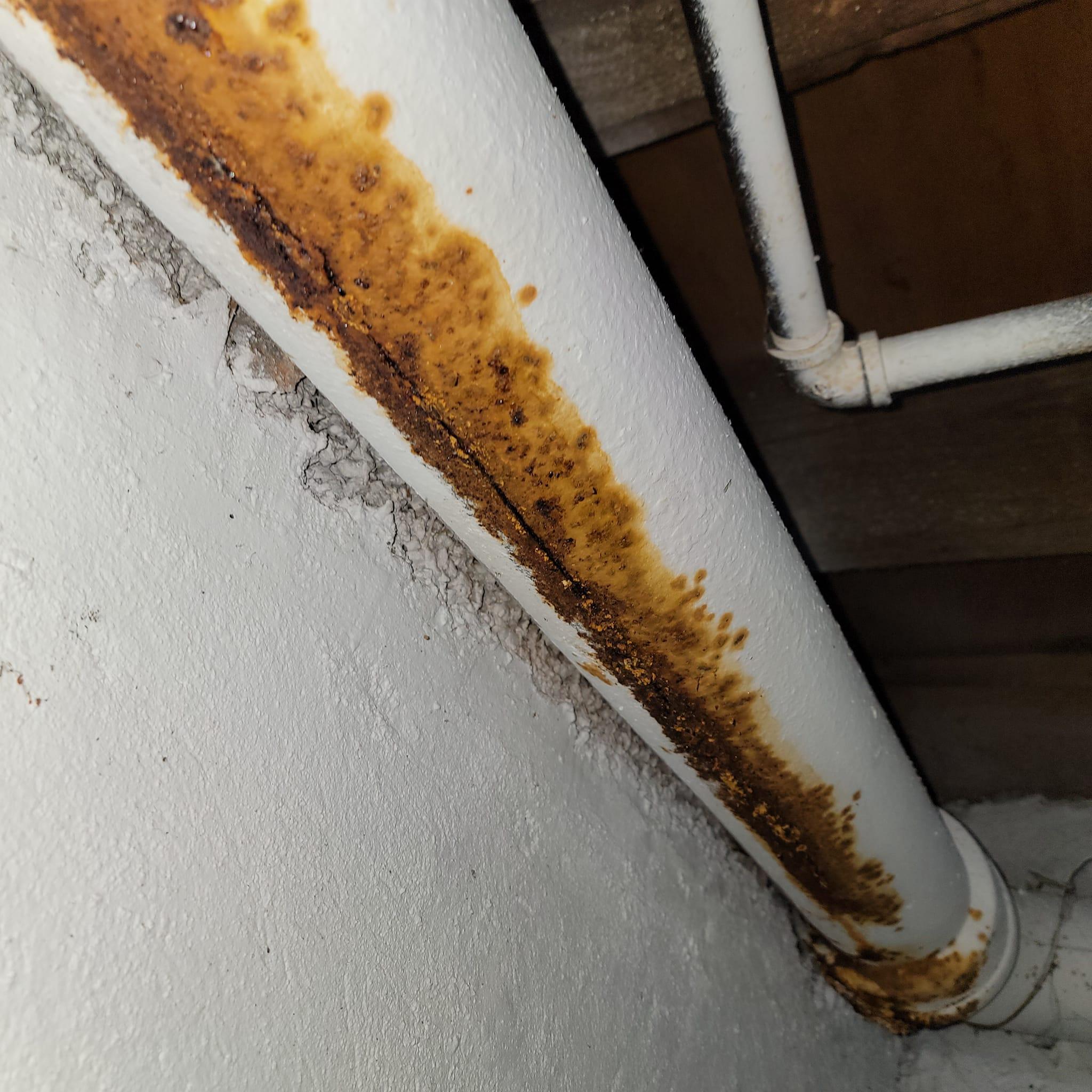
● Older Homes: Many properties built decades ago have cast iron pipes
that served well in their time. Over the years, these pipes can develop leaks, rust, or blockages.
● Modern Installations: Today, plumbers often install PEX or copper piping,
which resists corrosion and lasts longer. However, even modern systems need regular checks.
Easton homes often showcase a mix of materials. Here’s a quick look at what you might find:
● Cast Iron Pipes:
These durable pipes were standard in older homes. They carry water reliably but can corrode or develop cracks over time.
● PVC and CPVC Pipes:
Used in many renovations, these plastic pipes are lighter and easier to install. They perform well but can become brittle with age.
● Copper and PEX Pipes:
Common in newer setups, these materials resist corrosion and are flexible. They help maintain steady water pressure and temperature.
Understanding the type of pipes in your home helps you schedule the right maintenance and upgrades.
Easton’s weather plays a big role in your plumbing’s performance. Cold winters and warm, humid summers stress your system in different ways:
● Winter Challenges:
When temperatures drop, water inside pipes can freeze. Frozen pipes risk bursting, which leads to expensive water damage. Homeowners should insulate pipes and check for drafts that might cause cold spots.
● Summer and Humidity:
The summer heat and high humidity cause pipes to expand and contract. This movement can weaken joints and lead to slow leaks. Hard water in the area also tends to deposit minerals inside your pipes, reducing flow and efficiency.
By understanding these local impacts, you can take preventive measures that fit Easton’s climate.
I’ve seen firsthand how local plumbing challenges affect homeowners. For example:
● A Leaky Cast Iron Pipe:
An Easton homeowner noticed low water pressure during the winter. I discovered that a section of the old cast iron pipe had developed a leak due to ice buildup. Replacing the pipe with a modern alternative not only fixed the issue but also boosted water flow.
● PVC Deterioration in a Renovated Basement:
In another case, a renovated basement used outdated PVC that started to crack under repeated thermal expansion. Upgrading to a more robust material helped prevent further leaks and saved the homeowner from recurring repairs.