

Myths and Truths About Erectile Dysfunction: The Complete Guide for Men’s Sexual Health by William Lion - HTML preview
Download the book in PDF, ePub, Kindle for a complete version.

PREMIUM TVPUTICORA BOOK ➔


Half of What You've Heard About
Erections Is Wrong
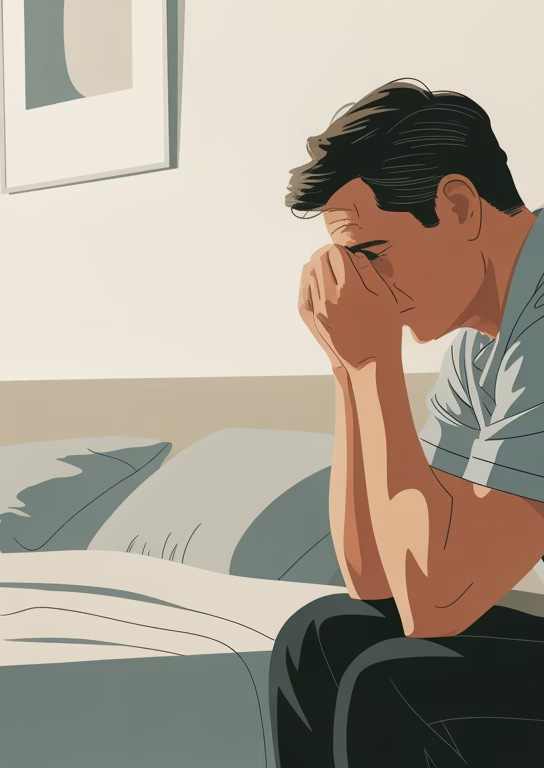
David, 42, is an executive who has always lived life with energy. One day, amid a stressful routine, he noticed something was different: erections, which once seemed automatic, started failing at important moments. At first, he thought it was just fatigue. Later, he began avoiding intimacy for fear of "disappointing." Soon, it wasn't just a bedroom problem 4 his confidence, mood, and even work productivity started to suffer. If you've experienced something similar 4 or know someone who has 4 know that you are not alone. Erectile Dysfunction (ED) is far more common than most people think and is not always a sign that your sex life is over. In many cases, it's a warning from the body that something needs attention: stress, cardiovascular issues, hormonal imbalances, or even medication side effects. The real problem is that, in this area, myths and truths get mixed together. And that mix is not harmless: it can delay diagnoses, lead to ineffective treatments, and even worsen health. For example: Myth: "ED is all in your head." Truth: Body and mind work together 4 and often the cause is physical. Myth: "Low testosterone is always to blame." Truth: Hormones are just one piece of the puzzle.
This Ebook was created to lay all the cards on the table. Here you will find: Simple, science-based explanations of what ED is 4 and what it isn't.
The difference between occasional episodes and persistent problems.
Main causes and when to seek medical help.
Practical and safe strategies for prevention and treatment.
Interactive tools, such as checklists, "Myth or Truth" quizzes, and habit trackers.
All presented in straightforward language, avoiding unnecessary medical jargon, while being careful not to promise miracles 4 just clear, evidence-based, and useful information so you can make better decisions about your intimate health. Important: This material is educational and
does not replace medical evaluation. If you notice warning signs, consult a qualified healthcare professional.
What Erectile Dysfunction Is (and What
It Isn't)
Imagine an erection as an extremely sophisticated "engineering project" involving the brain, nerves, blood vessels, hormones, and emotions 4 all working in harmony. Erectile Dysfunction (ED) occurs when something in this system prevents an erection from happening satisfactorily or being maintained long enough for sexual activity. ED is not just "being unable to get an erection." It involves three elements: Frequency 3 it's not about a single isolated episode; occasional failures can happen to any man.
Consistency 3 the problem repeats in most attempts.
Impact 3 it affects sexual life, emotional well-being, and often overall health.
Simple Definition: Erectile Dysfunction is the persistent or recurring difficulty in achieving or
maintaining a firm enough erection for satisfactory sexual activity. When It Is NOT ED: A single episode after a stressful day or a poor night's sleep.
Temporary loss of erection due to anxiety on a first date.
Moments of low sexual desire due to situational factors (illness, grief, acute stress).
In these cases, erectile function usually returns to normal once the stressful situation or temporary factor resolves. When to Seek Medical Help: If difficulties persist for more than 3 months, or if there are warning signs such as pain, sudden penile deformity, drastic loss of libido, or heart-related symptoms, seek professional evaluation. Often, ED is an early indicator of cardiovascular or metabolic issues. Why This Definition Matters: Knowing how to differentiate a one-time episode from a persistent condition is the first step to avoiding unnecessary anxiety and seeking the right solution. By recognizing early signs, you not only improve your sexual life but can also prevent more serious complications related to cardiovascular, metabolic, and mental health.
Visible Symptoms
Immediate Signs
Contributing Factors
Physiological Causes

Systemic & Psychological Roots Myths vs. Truths About Erectile








Problems
Misinformation is one of the biggest obstacles for men who want to manage Erectile Dysfunction (ED) effectively. Here, we highlight some of the most common myths and what science really says about each. Myth vs. Truth #1 Myth: "ED is all in the head." Truth: Erections depend on both physical and psychological factors. Vascular, hormonal, neurological issues, or certain medications can be the main causes.
ä Explanation: Emotional factors are often emphasized because they are visible (anxiety,
nervousness). But in practice, over 70% of cases have a physical basis according to clinical studies. Emotional factors can still worsen the situation 4 and addressing both tends to be more effective. Myth vs. Truth #2 Myth: "Low testosterone is always to blame." Truth: Low hormone levels can influence sexual function but are not the cause in most cases. ED is usually multifactorial.
ä Explanation: Testosterone is important for sexual desire, but erections involve circulation,
nerves, and mental stimulation. Hormone replacement alone often does not resolve ED if other factors are not addressed. Myth vs. Truth #3 Myth: "If it happened once, my sex life is over." Truth: An isolated episode is normal and does not indicate a chronic problem.
ä Explanation: Stress, fatigue, alcohol, or lack of sleep can temporarily affect erections. The
condition is only considered ED if it persists for three months or longer. Myth vs. Truth #4 Myth: "Porn improves performance." Truth: It can create unrealistic expectations, alter arousal patterns, and increase performance anxiety.
ä Explanation: Excessive pornography consumption can desensitize the brain, making real-life
arousal more difficult. In extreme cases, it has been linked to "porn-induced erectile dysfunction." Myth vs. Truth #5 Myth: "Natural supplements solve the problem." Truth: Except for a few exceptions, most have limited or unproven effectiveness. Some may even be dangerous.
ä Explanation: Products sold as "natural" may contain undeclared substances, including
controlled medications in uncertain doses. Using them without medical guidance can pose health risks. Later in this Ebook, I will introduce a natural supplement that, in my assessment, stands out: each capsule combines carefully balanced vitamins and plants, produced under strict quality and sterility standards in FDA- and GMP-certified facilities. Myth vs. Truth #6 Myth: "Exercise doesn't make a difference." Truth: Regular physical activity improves circulation, reduces stress, and supports hormonal function 4 all factors linked to erections.
ä Explanation: Aerobic and strength training support cardiovascular health and reduce risks
associated with ED. Pelvic floor exercises can also be helpful in some cases. Chapter Summary: Most myths oversimplify a multifactorial problem.
Understanding the real causes helps find faster and safer solutions.
Avoid miracle claims and follow evidence based guidance to restore confidence and sexual performance.
MYTH MYTH MYTH
"ED is all in the head." "Low testosterone is "If it happened once, my
TRUTH always to blame." sex life is over."
Erections depend on both TRUTH TRUTH
physical and Low hormone levels can An isolated episode is
psychological factors. influence sexual function normal and does not
Vascular, hormonal, but are not the cause in indicate a chronic
neurological issues, or most cases. ED is usually problem.
certain medications can multifactorial.
be the main causes.
Common Causes and Risk Factors
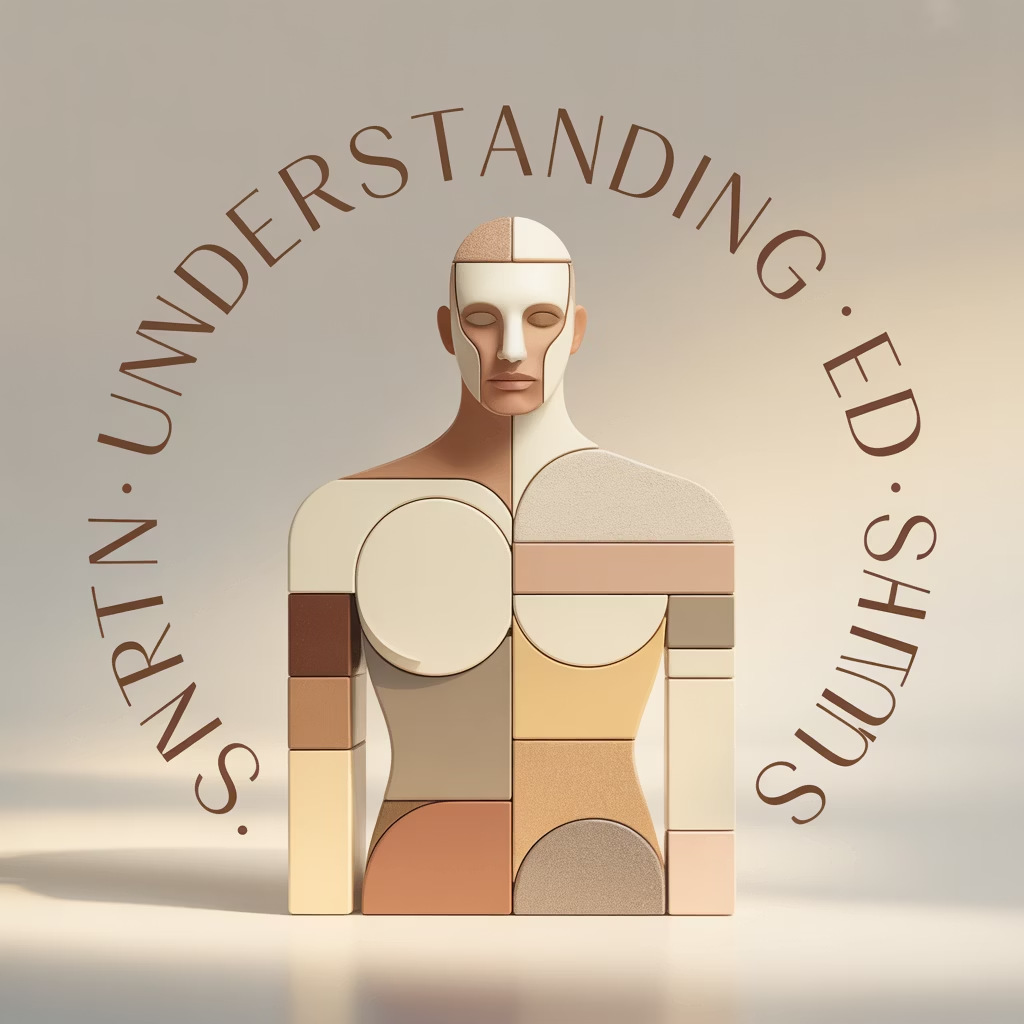
An erection results from a team effort between the brain, hormones, nerves, blood vessels, and emotions. When one or more of these systems are not functioning properly, erectile function can be compromised. Understanding the most frequent causes and risk factors helps you recognize what might be affecting your situation4and, more importantly, what you can do to improve it. Main Physical Causes Cardiovascular problems 3 hypertension, atherosclerosis, heart failure.
Diabetes 3 damage to blood vessels and nerves can impair blood flow to the penis.
Hormonal disorders 3 low testosterone, thyroid disease, excess prolactin.
Neurological diseases 3 multiple sclerosis, spinal cord injuries, peripheral neuropathy.
Medication side effects 3 some blood pressure, antidepressant, and prostate medications can affect erectile function.
Sleep disorders 3 sleep apnea and chronic insomnia are linked to reduced testosterone and sexual performance.
Main Psychological Causes Performance anxiety
Depression
Chronic stress
Relationship problems
Habits and Lifestyle Factors That Increase Risk Smoking
Excessive alcohol consumption
Sedentary lifestyle
Diet high in saturated fats and sugar
Insufficient sleep