

A Plumbing Survival Guide Before It Bursts by Salvatore Sciorta - HTML preview
Download the book in PDF, ePub, Kindle for a complete version.
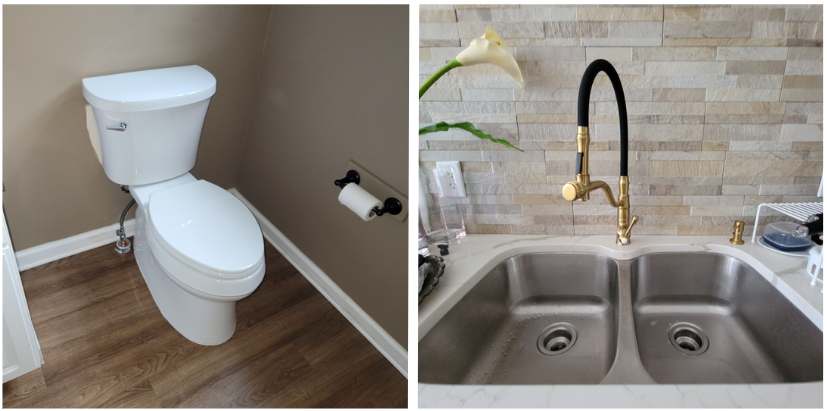
2. Clogged Drains and Slow Water Flow
Hard water is common in Easton, and over time it can leave mineral deposits in your drains. Grease, hair, and debris can combine with these deposits to form stubborn clogs.
● DIY Fixes: Use a plunger for minor clogs. A mixture of baking soda and
vinegar followed by hot water can help break down mineral buildup. In
stubborn cases, a drain snake can remove debris from deep within the
pipes.
● When to Call a Pro: If the drain remains clogged despite your efforts or
if multiple fixtures are affected, it might indicate a blockage further down
the line or issues with the main sewer line. Professional cleaning or
video inspection may be necessary.
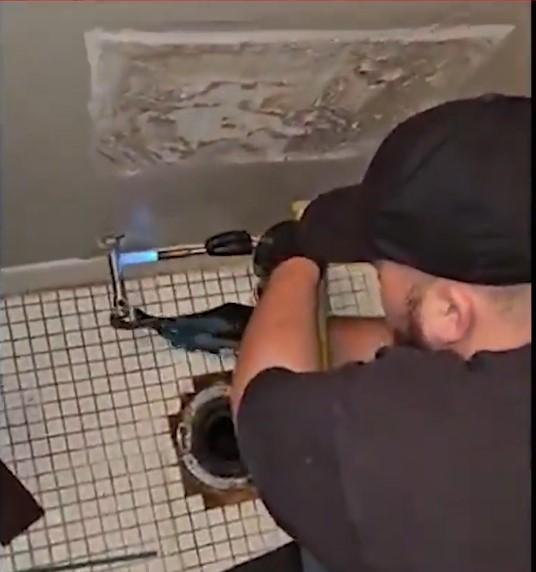
3. Low Water Pressure
Low water pressure in a single fixture might be a simple clog, but if your whole house suffers, it could signal broader problems. In Easton homes, mineral buildup from hard water or aging pipes can reduce water flow.
● DIY Fixes: Clean aerators on faucets and showerheads to remove
sediment and mineral deposits. Check for leaks that could be lowering the pressure.
● When to Call a Pro: Persistent low pressure across multiple fixtures
may require a professional assessment to determine if pipe
replacement or system upgrades are needed.
4. Leaking Pipes and Corrosion
Older Easton homes may have pipes that show signs of corrosion or even leaks due to age and environmental stress. Cast iron and older copper pipes are especially vulnerable.
● DIY Fixes: For minor leaks, you can apply epoxy putty or a pipe clamp
as a temporary fix. However, these solutions are only short-term
measures.
● When to Call a Pro: If you notice rust-colored water, persistent leaks,
or if the pipe appears severely corroded, it’s best to call a professional.
A comprehensive evaluation can prevent sudden pipe bursts and water
damage.
5. Water Heater Troubles
An aging water heater can be inefficient and even dangerous. Issues like strange noises, inconsistent water temperature, or leaks around the tank are common.
● DIY Fixes: Regularly flush your water heater to remove sediment
buildup. Check the pressure relief valve and thermostat settings to
ensure safe operation.
● When to Call a Pro: If you notice significant leaks, rust on the tank, or if
the water isn’t heating properly despite your efforts, it may be time to
repair or replace the unit with professional guidance.
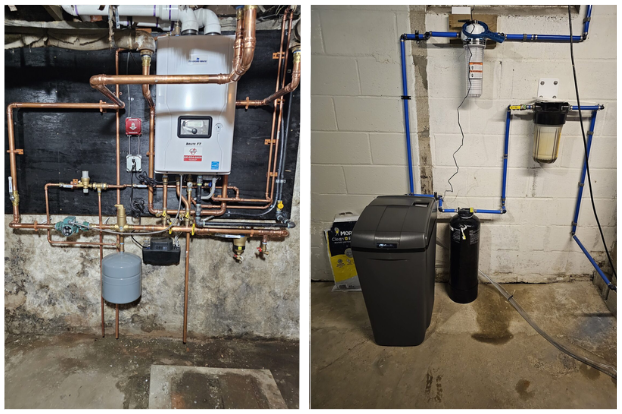
6. Faucet and Fixture Repairs
Faucets and fixtures in older homes might develop leaks or become inefficient over time due to worn seals or mineral buildup.
● DIY Fixes: Disassemble the faucet, inspect the seals and O-rings, and
replace any worn components. Soaking parts in vinegar can help dissolve mineral deposits before reassembly.
● When to Call a Pro: If disassembly and cleaning don’t resolve the
issue, or if you’re not comfortable with the process, contacting a local plumber can prevent further damage.
7. Well Tank Issues and Low Water Pressure
Many Easton homeowners experience low water pressure, often due to an undersized or aging well tank. A small tank forces the pump to cycle too frequently, causing inconsistent water flow and added wear on the system.
● DIY Fixes: Check the tank size and inspect for signs of wear, such as
rust, leaks, or frequent pump cycling. Adjusting the pressure switch
settings may help in some cases.
● When to Call a Pro: If your well tank is too small for your home’s water
demands, upgrading to a larger tank can improve pressure and extend
the pump’s lifespan. We recently helped a homeowner with a
four-bathroom house struggling with poor water pressure due to a
22-gallon well tank—far too small for their needs.
We upgraded them to a 36-gallon A.O. Smith tank with a five-year
factory warranty, significantly improving water flow and reducing pump
strain.
To enhance durability and efficiency, we also replaced key components:
✔ Stainless steel manifolds (resist corrosion better than brass). ✔ Oil-filled pressure gauge (provides accurate, long-lasting readings). ✔ 40/60 PSI pressure switch (optimizes water pressure). ✔ Check valve, boiler drain, and ball valve (ensure smoother operation).
A properly sized well tank prevents frequent cycling, protects your pump, and maintains consistent water pressure throughout your home. If you notice pressure fluctuations, it may be time for a professional assessment.
8- Expansion Tanks and Pressure Regulation: Ensuring System Longevity
Another common issue we see involves expansion tanks. These tanks contain a bladder that holds air to allow for water expansion when heated. If the expansion tank isn’t properly pressurized, it can fail, causing unnecessary strain on the system.
Most plumbers overlook the importance of setting the expansion tank pressure to match the home’s water pressure. In a recent job, we installed a pressure-regulating valve set to 60 PSI—what I consider the ideal residential water pressure. Using a Milwaukee air pump, we adjusted the expansion tank pressure to align with the home's system. This adjustment helps prevent:
● Expansion tank failure
● Malfunctioning temperature and pressure (T&P) relief valves
● System inefficiencies
By taking a few extra steps, we ensure that the entire plumbing system works as intended, avoiding costly repairs and improving performance.