

The Career Switch Playbook into Product Management by Nkeonye Akumah - HTML preview
Download the book in PDF, ePub, Kindle for a complete version.
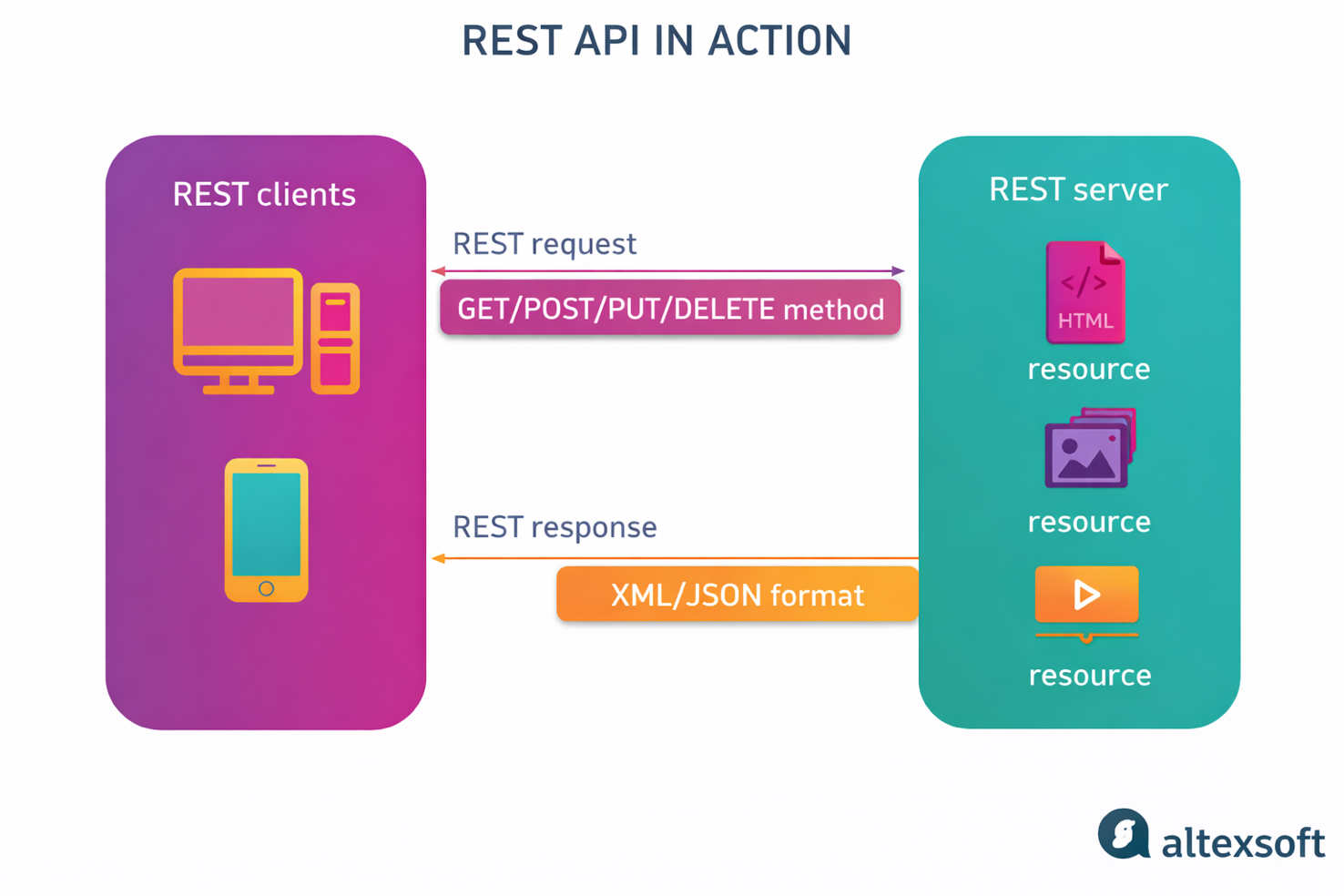
Databases
A database stores information such as:
• User profiles
• Orders
• Transactions
• Product details
Understanding databases helps you:
• Ask better data questions
• Define reporting needs
• Understand data limitations
You do not need to build databases. But you must know that data structure affects reporting and performance.
How Software Is Built
Software development generally follows stages:
1. Requirement definition
2. Design
3. Development
4. Testing
5. Deployment
6. Maintenance
Understanding this cycle helps you set realistic timelines.
Agile Methodology
Many product teams use Agile methodology. Agile breaks work into short cycles called sprints.
Instead of planning everything at once, teams:
• Plan small tasks
• Build quickly
• Review progress
• Adjust
Agile encourages flexibility and continuous improvement.
Basic Agile cycle:
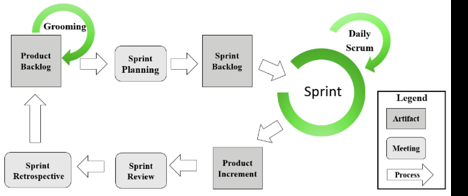
Agile supports fast learning and better adaptation.
4. UX and Customer Understanding
A product succeeds when users find it useful and easy to use.
User Research Basics
User research helps you understand:
• What users need
• What frustrates them
• How they behave
• Why they make decisions
Common research methods:
• Surveys
• Interviews
• Usability testing
• Behavioral analytics
Good research avoids assumptions.
Customer Interviews
Customer interviews provide deep insights.
Best practices:
• Ask open-ended questions
• Avoid leading questions
• Listen more than you speak
• Focus on past behavior, not future guesses
Instead of asking:
“Would you use this feature?”
Ask:
“Tell me how you currently solve this problem.”
Real stories provide better insight than opinions.
User Journeys
A user journey maps the steps a customer takes while interacting with your product.
It includes:
• Awareness
• First interaction
• Core usage
• Repeat use
• Support
Mapping the journey helps identify friction points.
5. Business Fundamentals
Product professionals must understand business logic.
Without business knowledge, great features may fail financially.
Revenue Models
Revenue models define how a product earns money.
Common models:
• Subscription (monthly or yearly fee)
• One-time purchase
• Freemium (free basic, paid premium)
• Advertising
• Transaction fees
Choosing the right model affects pricing, marketing, and user expectations.
Cost Structure
Costs may include:
• Development salaries
• Infrastructure and servers
• Marketing
• Customer support
• Licensing
Understanding cost helps you prioritize profitable features.
For example:
If server costs rise due to heavy usage, optimization becomes a priority.
Market Competition
No product exists alone. Competitors influence pricing, features, and strategy.
Market analysis includes:
• Direct competitors
• Indirect alternatives
• Strengths and weaknesses
• Unique value proposition
Understanding competition helps you define what makes your product different.
Final Thoughts
To grow in product, you must build balanced capability:
• Communicate clearly
• Think analytically
• Understand technology basics
• Study user behavior
• Learn business fundamentals
You do not need perfection in all areas at once. Build step by step.
Over time, these skills combine into strong product judgment. And strong judgment is what separates average product professionals from exceptional ones.