ANIMALIA - Edition 1 by Carien Marais | Alwyn P. Marais - HTML preview
Download the book in PDF, ePub, Kindle for a complete version.
ADVICE

Photo Credit: Pexels
Neccessity or fashion?
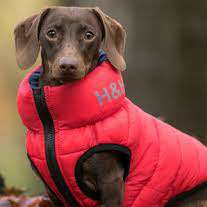
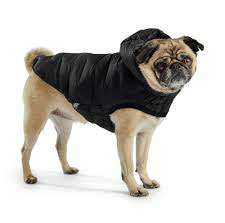
Winter wardrobe for waggers:
Do dogs really need jackets?
By Carien Marais
The first frost paints the park in silver, and suddenly every bench is occupied by owners debating the same
question: Does Fido need a puffer? Social media overflows with pups in neon parkas, but veterinarians field
the opposite worry—owners whose Arctic breeds shiver in fleece because “he looked cold.” Let’s strip away
the cute overload and ask the evidence-based question: Is a jacket necessary, or is it just fashion? T he Built-In Overcoat: Breeds That Laugh at Snow “snowshoe” breeds: Evolution gave some dogs a wardrobe humans can • Newfoundlands and Bernese Mountain Dogs carry 3–5
only dream of. Double-coated Nordic breeds— cm/1.5” of woolly undercoat. Siberian Huskies, Alaskan Malamutes, Samoyeds, • Great Pyrenees and Anatolian Shepherds were literally bred
and Norwegian Elkhounds—possess an outer to sleep outside in sub-zero Pyrenean winters.
guard coat that repels water and an undercoat so dense it • Akita Inus and Shiba Inus manage with a slightly lighter but
traps a layer of warm air next to the skin. Research from the still functional double coat. University of Veterinary Medicine Vienna (2023) clocked For these dogs, a jacket is not only unnecessary—it can be
a resting Husky’s surface temperature at 38°C / 100.4°F in counterproductive. Trapped moisture under synthetic fabric
-15 °C / 5°F air; the undercoat acted like Thinsulate. Add the leads to chilling when the dog stops moving, and compressed
8 56 57 ANIMALIA | Issue 1 | 2025
undercoat loses loft, slashing insulation by up to 40 % (Journal
of Thermal Biology, 2024). The rule of thumb: If the breed’s
historical job description includes “haul sleds across tundra”
or “guard sheep at 2,000m altitude,” skip the boutique. The
Naked and the Shivering: Who Actually Needs Help Strip
away the fluff—literally—and you expose the candidates for
outerwear:
1. Short-coated & single-coated breeds
Greyhounds, Whippets, Italian Greyhounds, Chihuahuas,
French Bulldogs, Boxers, and Dachshunds lack an undercoat
entirely. Their skin temperature drops 2–3°C / 35.6°F faster
than double-coated dogs at 0°C / 32°F (Canine Physiology
Review, 2022). A 5kg/11 lbs Chihuahua loses 25 watts of heat
per square meter of body surface—equivalent to a human in
shorts.
2. Hairless breeds
Xoloitzcuintlis, Chinese Cresteds, and American Hairless
Terriers are walking heat sinks. UV-protective summer shirts
flip to insulated winter ones.
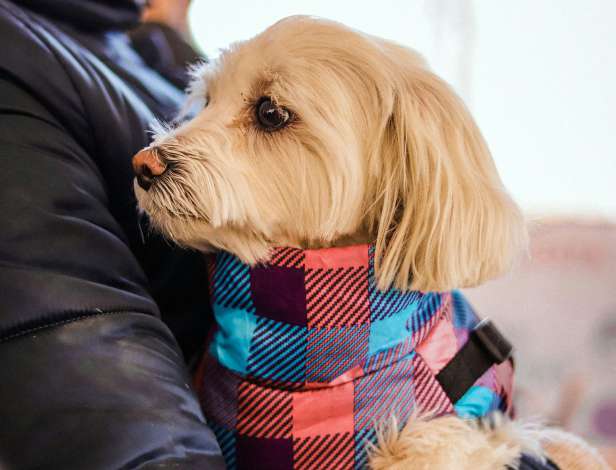
3. Toy & small dogs (< 7 kg/15.4lbs) Photo Credit: Skyler Ewing / Pexels Physics is cruel: surface-area-to-volume ratio means a
Pomeranian radiates heat like a baked potato. Even with a Real-World Checklist Before You Zip coat, wind chill below 0°C / 32°F can drop core temperature 1. Feel the ears and groin—cold to the touch = dress them. in under 30 minutes of inactivity. 2. Watch for shivering, lifted paws, and hunched posture.
Puppies & Seniors 4. Dry immediately post-walk—towel + low-heat blower; A 10-week-old puppy has immature thermoregulation; a never leave a wet jacket on. 12-year-old Lab has a thinning coat and arthritis-stiff joints. Both groups drop core temperature 1.5 times faster than a Beyond Breed: Age, Size, Health & Activity dogs; booties if salt or ice balls form between toes. 3. Limit exposure: 10–15 min potty breaks for vulnerable
healthy adult (AVMA Geriatric Canine Study, 2024). The Bottom Line
A jacket is never mandatory for a healthy, double-coated
Hypothyroidism, Cushing’s disease, and heart failure impair dip below 7°C / 44.6°F or the wind exceeds 20 km/h. Treat circulation and fat deposition. A jacket becomes medical it like pediatric winter wear—functional, fitted, and removed equipment, not an accessory. indoors. So, next time you scroll past a Malamute in a tutu Medical conditions coated, small, young, senior, or ill dogs when temperatures adult in brief, active cold. It is essential medical gear for short-
Activity level are rolling in the snow, laughing. onesie, smile, snap the pic, then keep walking. His ancestors A Border Collie sprinting for 45 minutes generates enough
metabolic heat to stay warm at -10°C / 14°F. The same dog
standing tied outside a café needs coverage.

The 7-7-7 Decision Matrix (Vet-Approved)
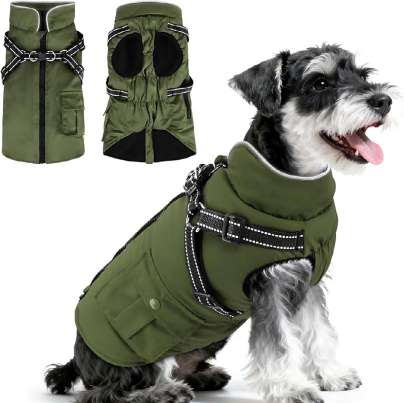
Temp (°C) Wind (km/h) Dog Profile Jacket? > 7 Any Any No 0 – 7 < 20 Double-coated, healthy adult No 0 – 7 < 20 Short coat/toy / senior/ill Yes < 0 > 20 Double-coated, active < 30 min Yes < –5 Any Any dog outside > 15 min Yes Pro tip: If you need a coat, your 20kg+/44lbs double-coated dog probably does too when idle.
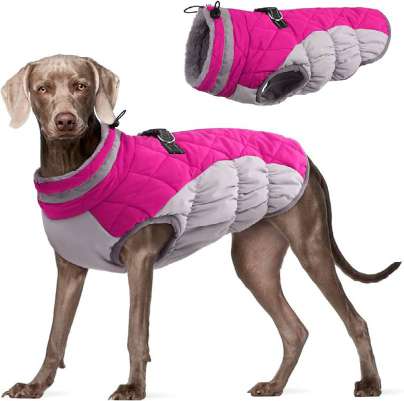
Fabric Science: Not All Jackets Are Equal
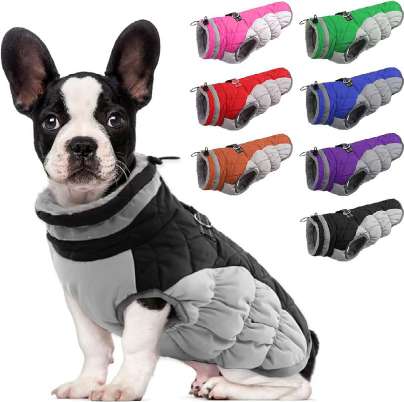
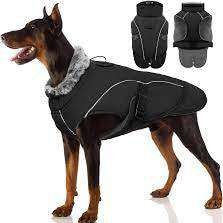
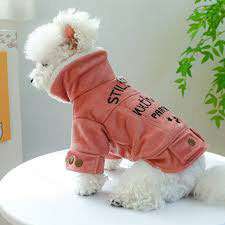
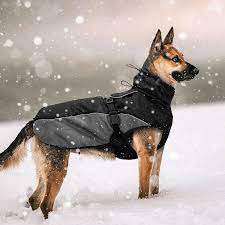
• Waterproof breathable shells (Gore-Tex canine
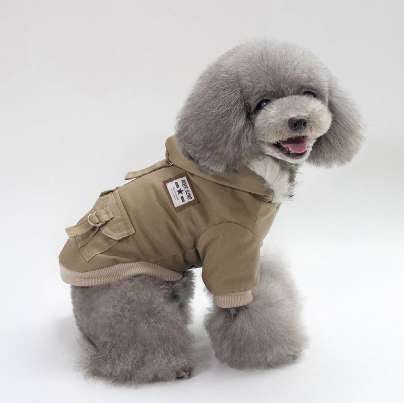
equivalents) prevent wind chill without sweat buildup. Photo Credit: Igorejov / Pexels



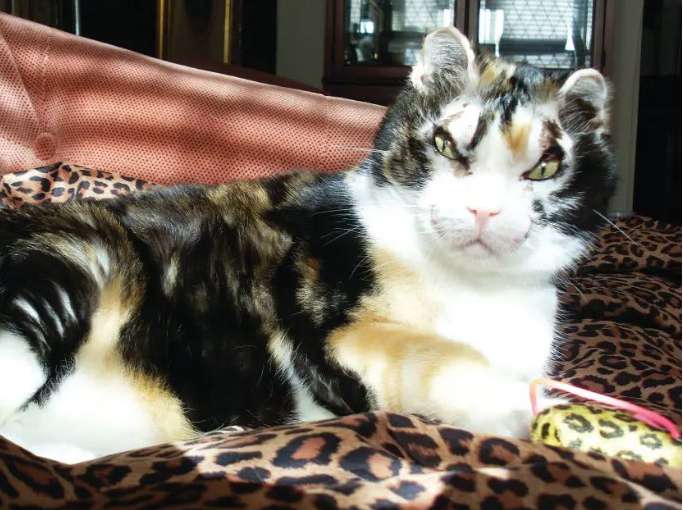
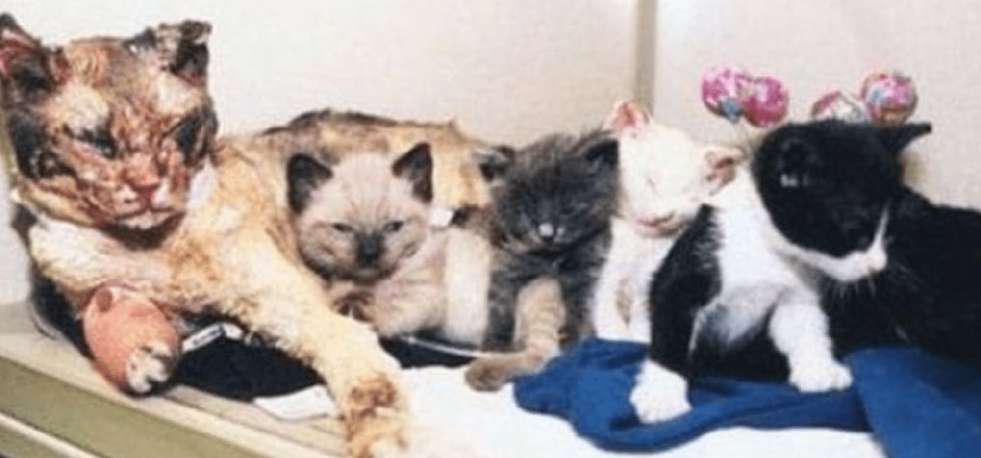
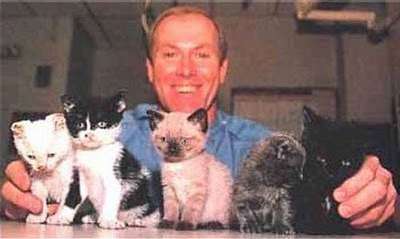
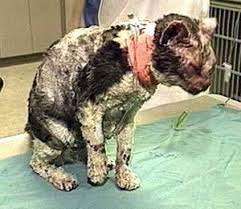
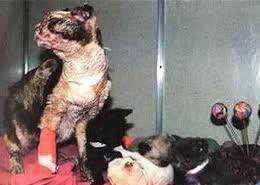
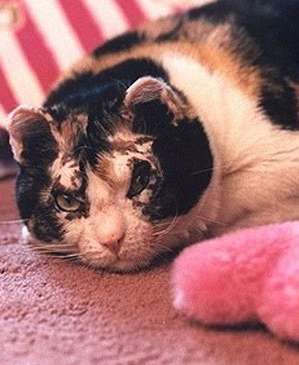
N covered 40 percent of her body, her face a mask of agony early three decades later, as we navigate a world with blistered corneas and melted whiskers. The kittens, where pets are family, Scarlett’s legacy reminds though spared the worst, were frail and smoke-inhaled. For us why felines aren’t just companions; they’re weeks, the clinic buzzed with round-the-clock care—IV fluids, quiet guardians of the extraordinary. Picture a antibiotics, and gentle grooming to soothe Scarlett’s pain. frigid March night in 1996, the kind that bites Tragically, the smallest, a white-furred mite, succumbed a through fur and bone. Brooklyn’s streets, lined with weathered month later to a respiratory virus, a heartbreaking footnote brownstones and forgotten corners, offered scant shelter for to the triumph. But Scarlett rallied, her spirit unyielding. She strays like Scarlett. Born around mid-1995, the young calico— nursed her four surviving kittens—named Safire, Smoke, her coat a patchwork of orange, black, and white—had Oreo, and Smokey—with a tenderness that melted even the recently given birth to five tiny kittens, each no larger than a hardest hearts. Word of the “fire cat” spread like wildfire itself. fistful of fluff. Seeking refuge from the cold, she led her litter
into an abandoned garage on Vanderbilt Avenue, a derelict
spot rumored to be a haven for those battling addiction.
Unbeknownst to Scarlett, tragedy lurked in the shadows. As
the clock struck past midnight on March 30, a spark ignited—
likely from a makeshift fire lit by crack users huddled against
the chill. Flames erupted with ferocious speed, devouring the
wooden beams and oily rags in a roar of orange fury. Smoke
billowed like a toxic fog, choking the air and turning the garage
into a hellscape. Alarms wailed, and the New York City Fire
Department descended, hoses blasting water in a desperate
bid to tame the blaze. It was amid this pandemonium that
firefighter David Giannelli spotted something miraculous: a
scorched cat, eyes swollen shut from blistering heat, limping
across the street to a vacant lot. In her jaws dangled a kitten,
mewling faintly. Over and over, Scarlett plunged back into the
smoldering wreckage. Each time, she emerged with another
precious bundle—gently gripping it by the scruff, her burned
paws leaving bloody prints on the asphalt. Five harrowing
trips, through walls of fire and suffocating smoke, until all
her babies were safe in the open air. Giannelli, a seasoned Local newsreels captured Scarlett’s bandaged form cradling rescuer with a soft spot for animals, watched in awe. “She her litter, and soon, international media swarmed. Calls was touching each one with her nose, making sure they were flooded the Animal League from Japan, the Netherlands, and okay,” he later recounted. Scarlett’s eyes, raw and sightless South Africa; Mother’s Day cards arrived by the thousands. from the burns, couldn’t confirm their safety visually, but Oprah Winfrey devoted airtime to the story, dubbing Scarlett
her maternal radar never faltered. Exhausted and collapsing “the bravest mom in America.” Adoption inquiries topped from her wounds—ears charred, paws seared, fur singed to 7,000, a deluge that underscored a universal truth: in pets, stubs—she had done the impossible. The firefighter scooped we see our own vulnerabilities reflected—and our capacity up the family and rushed them to the North Shore Animal for heroism amplified. What elevated Scarlett beyond a feel-League’s veterinary clinic in Port Washington, Long Island, good anecdote was her embodiment of feline fortitude. Cats,
where a team of dedicated vets began the fight for their often stereotyped as aloof independents, revealed their
HEROISM survival. Scarlett’s injuries were grievous: third-degree burns profound parental instincts. Mother cats like Scarlett are
Scarlett: The feline firefighter
who ignited hearts worldwide
In the annals of animal heroism, few tales burn as brightly as that of Scarlett, the calico cat who, in 1996,
became an emblem of maternal courage. Amid the chaos of a Brooklyn inferno, this unassuming stray mother
dashed into flames not once, but five times, to save her helpless kittens. Her story—a raw testament to the
fierce, instinctual love of pets—transcended headlines, inspiring books, awards, and a global outpouring of Scarlett’s baby kittens with fireman who brought them to affection. Animal Hospital. wired for self-sacrifice; oxytocin floods their systems post- BEHAVIOUR

birth, forging bonds that rival any human tie. Experts at the How to stop dogs from Animal League noted how her actions mirrored evolutionary
survival strategies: a queen cat will forgo food, endure injury,
even face predators to protect her young. In Scarlett’s case,
it was flames she braved, a trial that left her forever marked digging: Practical solutions
but unbreakable. Her tale rippled through pop culture and
policy. Authors Jane Martin and J.C. Suares penned Scarlett
Saves Her Family (1997), a illustrated chronicle that became for a pristine yard a bestseller, complete with Giannelli’s foreword. Children’s
books, like Nancy Loewen’s Scarlett the Cat to the Rescue
(2015), introduced new generations to her valor, pairing vivid,
smoke-hazed illustrations with lessons in empathy.
By Alwyn P. Marais

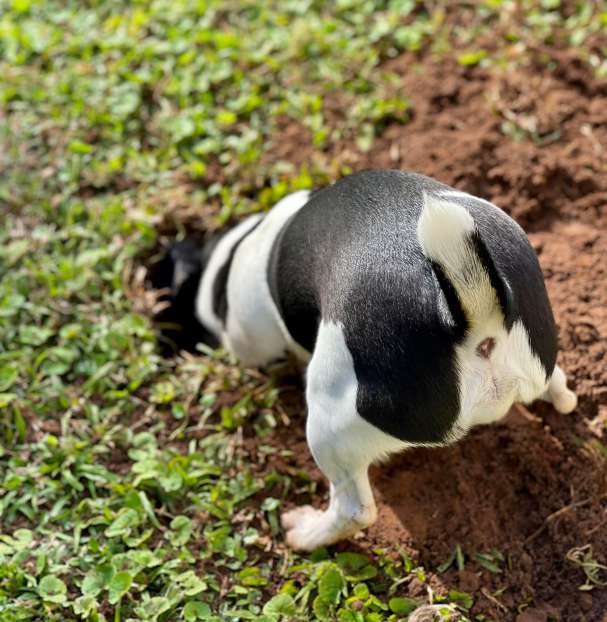
Dogs dig for a variety of instinctive and environmental reasons, turning your carefully manicured lawn into a
patchwork of craters almost overnight. Whether it’s a bored terrier channeling its ancestral hunting urges, a hot
Scarlett with her adopted mother Karen Wellen. hound seeking cooler soil in summer, or a curious pup escaping confinement, understanding the root cause is
fire, flood, or foe. Organizations like Alley Cat Allies credit the first step to curbing this behavior. B her with boosting trap-neuter-return programs, curbing
overpopulation humanely. For pet parents, she champions reeds like Dachshunds, Jack Russell Terriers, and then immediately redirect to an approved activity and reward later adoptions: experts now recommend waiting 12 weeks Siberian Huskies are particularly prone to digging compliance. Avoid yelling or physical corrections, which can before separating kittens from moms, allowing time for vital due to their breeding histories for badger hunting, increase anxiety and exacerbate the problem. For persistent socialization. And in a divided world, Scarlett unites us— fox chasing, or endurance in harsh climates. By offenders, consult a professional trainer or behaviorist to rule proof that bravery knows no species, only the pure pulse of addressing boredom, providing alternatives, out underlying issues like separation anxiety or compulsive love. As we curl up with our own furry sentinels this winter, and implementing deterrents, you can redirect your dog’s disorders. Tools like GPS collars with virtual boundaries can let Scarlett’s flame endure. She didn’t just rescue kittens; energy and restore peace to your garden without resorting prevent yard escapes while allowing supervised freedom.
she kindled faith in the wild, wondrous hearts of pets. In her to harsh punishments. The most effective strategy begins With patience and proactive measures, most dogs learn
honor, perhaps light a candle—not for fire, but for the light with enrichment and exercise to satisfy your dog’s mental to leave the lawn intact. Not only does this preserve your
they bring. and physical needs. A tired dog is a well-behaved dog, so outdoor space, but it also strengthens the bond between
aim for at least 30 to 60 minutes of daily walks, playtime, or you and your pet through mutual understanding. A little
agility training, depending on the breed and age. Introduce dirt under the nails is part of dog ownership, but strategic
The North Shore Animal League, already a powerhouse in no- butter and frozen treats, or flirt poles to mimic prey chase. both tails wagging and gardens thriving. Designate a specific “digging zone” in your yard—a sandbox interactive toys like puzzle feeders, Kongs stuffed with peanut interventions ensure it stays in the right places—keeping
lives—from dogs alerting to seizures to birds aiding lost your dog a sanctioned outlet. Praise and reward them lavishly when they use it, reinforcing positive associations. For escape hikers. Yet, Scarlett’s story isn’t without its poignant close. artists, reinforce fences with buried chicken wire or L-shaped Animal Heroism, bestowed annually on pets who’ve saved or loose soil area filled with buried toys and treats—to give kill advocacy, immortalized her with the Scarlett Award for
previous cat. “Scarlett taught me compassion anew,” Wellen or commercial repellents like bitter apple spray around flower beds, as dogs dislike strong scents. Motion-activated shared. In her sunny apartment, the scarred heroine reigned sprinklers or ultrasonic devices provide a surprising but as “top cat,” playful with toys and affectionate with laps, her humane deterrent, startling diggers without harm. In extreme battle wounds fading into badges of honor. She lived until cases, cover vulnerable areas with large rocks, landscape October 11, 2008, succumbing at age 13 to complications fabric topped with mulch, or even chicken wire just below the from her old injuries and cancer. Wellen, ever the steward of surface to frustrate paws. If heat is the culprit, ensure ample her legacy, maintains the Scarlett the Cat Facebook page, a shade, a kiddie pool for cooling off, or access to air-conditioned digital shrine where fans post tributes and adoptable strays indoors during peak temperatures. Spaying or neutering can Smoke a beloved house pet. Scarlett herself was adopted in attempts. Environmental modifications can make unwanted digging June 1996 by Karen Wellen, a Brooklyn woman recovering spots less appealing. Sprinkle citrus peels, cayenne pepper, from her own trauma—a car accident that claimed her homes. The survivors thrived: Safire became a therapy cat, footers extending inward underground to block tunneling After three months of recovery, she and her kittens found
echo grows louder. She spotlights the plight of ferals: in in unaltered males marking their domain. Training consistency is key to long-term success. Use positive urban jungles like 1990s Brooklyn, strays face eviction by reinforcement techniques: interrupt digging with a firm “no,” million cats worldwide, per recent FEDIAF stats—Scarlett’s also reduce territorial digging driven by hormones, particularly find hope. Today, as global pet ownership surges—over 470

Person of the forest
The Gentle Giants of the
Rainforest: Orangutans
on the Brink
By Carien Marais Photos: The Orangutan Project
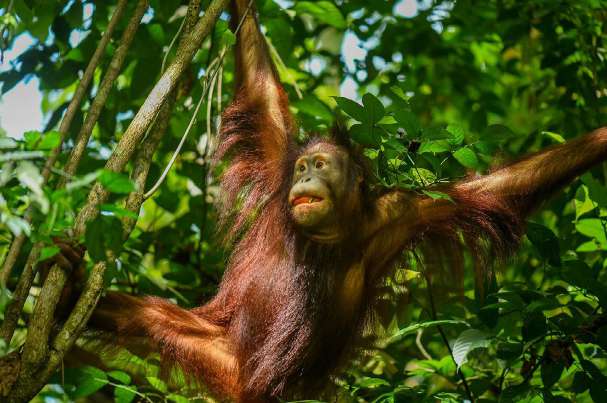
In the dense, emerald canopies of Borneo and Sumatra, a rust-colored figure
swings gracefully from vine to vine, her infant clinging tightly to her fur. This
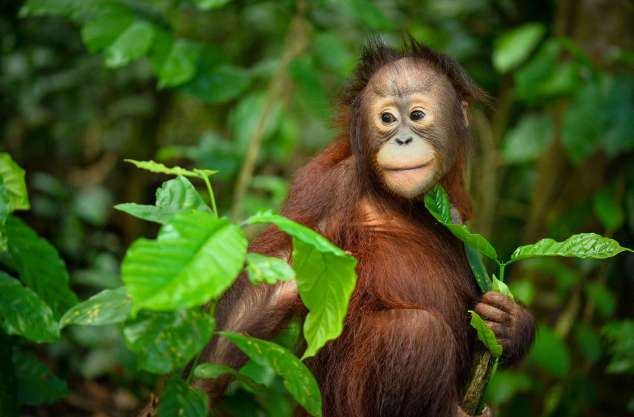
is the orangutan - Malay for “person of the forest” - a creature so intelligent
and human-like that it challenges our very definition of what it means to be
Project emerge as beacons of hope, leading the charge in conservation. But survival
W primate. ith souls reflected in their expressive eyes and behaviors that mirror our own, orangutans are our closest living relatives in the Asian wild.
Yet, these magnificent great apes teeter on the edge of extinction,
victims of habitat destruction, poaching, and human encroachment.
As we grapple with their plight, organizations like The Orangutan
demands more than admiration; it requires action from us all.
Kinship in the Trees: Our Shared Legacy with Orangutans
Orangutans (genus Pongo) share an astonishing 97% of their DNA with humans, a
genetic bond forged over 14 million years of evolutionary divergence from our common
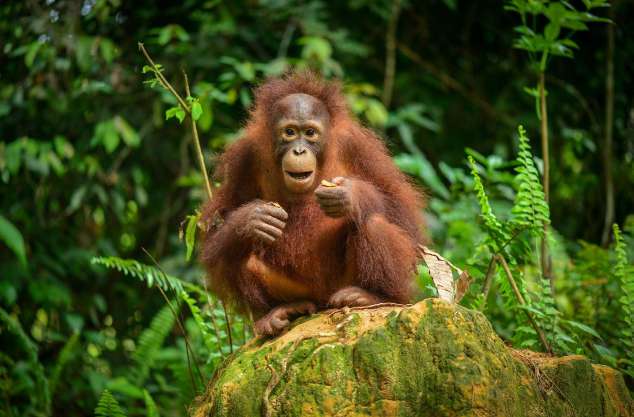
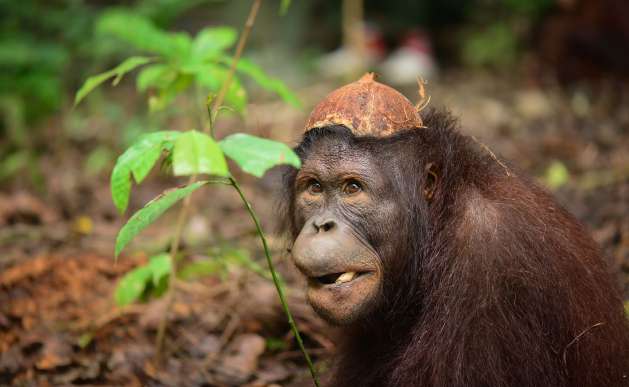
ancestor. This closeness manifests in profound ways. Like us, they are highly intelligent
tool-users: wild orangutans fashion sticks to fish for termites, use leaves as umbrellas
or gloves, and even craft whistles for communication. Mothers invest years in raising
offspring, teaching them survival skills in a curriculum that rivals human parenting.
Three species grace our planet: the Bornean (Pongo pygmaeus), Sumatran (Pongo
abelii), and the recently identified Tapanuli (Pongo tapanuliensis), the rarest with fewer
than 800 individuals.
Adult males boast impressive cheek pads and throat sacs that amplify their long calls,
echoing up to a mile through the forest to establish territory. Females, more solitary,
form deep bonds with their young, who remain dependent for up to eight years—the
longest childhood of any land mammal outside humans. This relational depth extends
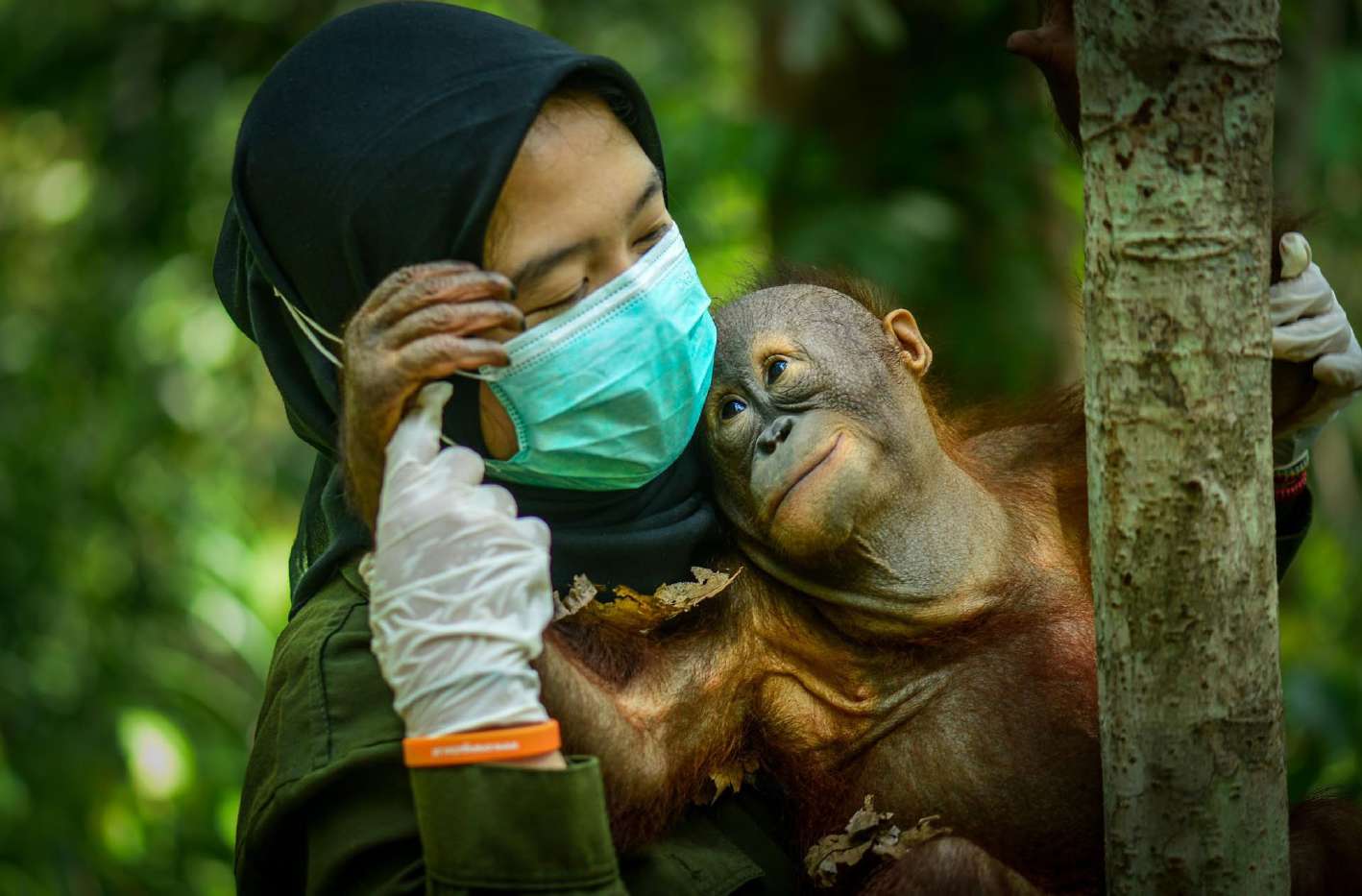
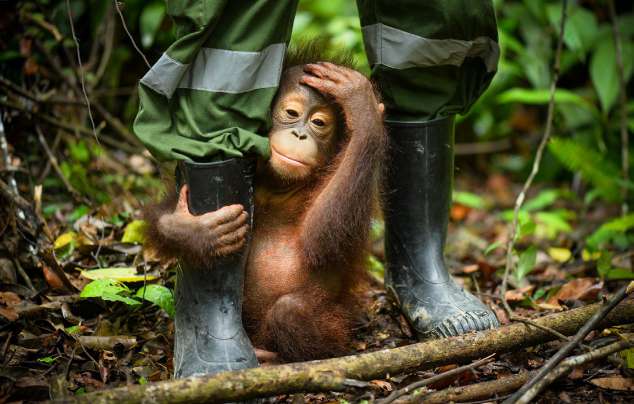
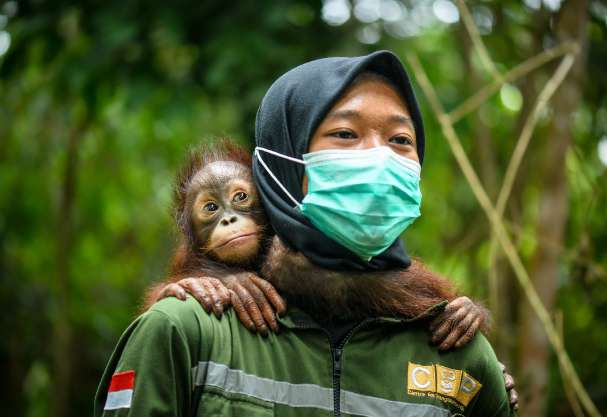
to us. Rehabilitation centers, supported by groups like The Orangutan Project, have
documented orphaned orangutans displaying grief, playfulness, and even humor akin
to human children. Mirror self-recognition tests confirm their self-awareness, a trait
shared with only a handful of species, including dolphins, elephants, and us. In folklore,
indigenous Dayak people of Borneo view orangutans as reincarnated humans, a cultural
reverence that underscores our intertwined fates.
Vanishing Homes: Habitat Loss and the Specter of Extinction The orangutan’s world is shrinking at an alarming rate. Once roaming across Southeast Asia, they are now confined
to fragmented patches of lowland rainforests on Borneo and Sumatra - habitats rich in
figs, durians, and the towering dipterocarp trees that form their arboreal highways.
Photo Credit: The Orangutan Project
64 65 ANIMALIA | Issue 1 | 2025
including GPS tracking, informs protected area management.
Notably, TOP collaborates with governments to enforce laws
and advocates for “orangutan-friendly” palm oil through
Roundtable on Sustainable Palm Oil (RSPO) certification.
Their impact is tangible - release success rates exceed 70%,
and protected populations are stabilizing in core areas. As
TOP president Leif Cocks asserts, “Orangutans are ecosystem
engineers; saving them saves entire rainforests, benefiting
biodiversity and carbon sequestration.
“How We Can Help: Pathways to Survival
Ensuring orangutan survival is a collective imperative.
Individuals hold power through daily choices and advocacy.
Choose Sustainably: Opt for products certified by RSPO or
Rainforest Alliance. Apps like “Scan4PalmOil” help identify
orangutan-safe brands. Reduce, reuse, recycle to curb
demand for virgin materials driving deforestation.
Donate and Volunteer: Support TOP directly via their website (theorangutanproject.org). Even small contributions
fund rescues - $50 feeds an orphan for a month. Volunteer
opportunities include eco-tours or remote data analysis.
Adopt Symbolically: TOP’s adoption program lets you
“adopt” a specific orangutan, with updates on their progress
fostering personal connection.
Advocate Loudly: Petition companies to go palm-oil free or
Photo Credit: The Orangutan Project sustainable. Support policies like the EU’s deforestation-free
Deforestation drives this crisis. - #SaveOrangutans has reached millions. Palm oil plantations, logging, has rescued over 2,000 orangutans, rehabilitated orphans, Educate and Engage: Schools and communities can host regulations. Share stories on social media to raise awareness their habitat in the past two decades alone. Indonesia and fundraisers or virtual talks with TOP experts. Tourism done mining, and agricultural expansion have razed over 50% of and protected vast swaths of habitat. Key initiatives include Malaysia, key producers of palm oil—a ubiquitous ingredient right - visiting ethical sanctuaries - boosts local economies the Bukit Piton Forest Reserve in Borneo, a 16,000-acre in everything from snacks to cosmetics—clear forests at a tied to conservation. sanctuary acquired and patrolled by TOP to prevent logging. Here, anti-poaching units—equipped with drones and local
as seen in the 2015 haze crisis that killed thousands of can audit supply chains. Governments need stronger orphaned orangutans essential skills before release into safe enforcement and incentives for forest protection. In the end, orangutans through smoke inhalation and starvation. zones. orangutans remind us of our fragility and interconnectedness. Poaching compounds the threat. Infants fetch high prices set illegally to clear land, exacerbate the devastation, Corporations must commit: tech giants and food producers in partnership with the International Animal Rescue teach pace equivalent to 300 football fields per hour. Fires, often rangers—deter intruders. Rehabilitation centers like those
on the black market as pets, with mothers killed in the By acting now—through The Orangutan Project and beyond—we secure not just their future, but a healthier process—one orphan represents four to five adult deaths. planet. The forest people call to us; will we answer? Human-wildlife conflict arises as hungry orangutans raid
crops, leading to retaliatory killings. The International Union
for Conservation of Nature (IUCN) classifies all three species
as Critically Endangered. Populations have plummeted:
Bornean orangutans from 230,000 in the early 1900s to
around 104,000 today; Sumatran from 14,000 to under
7,000; Tapanuli teetering on the brink. Without intervention,
projections warn of extinction in the wild within 50 years.
Climate change adds insult, altering fruit availability and
increasing drought risks.
The Orangutan Project: A Lifeline in the Canopy TOP’s holistic approach addresses root causes: community Amid this gloom shines The Orangutan Project (TOP), a education programs empower locals with sustainable non-profit powerhouse founded in 1998 and now a global livelihoods, reducing reliance on destructive practices. leader in orangutan conservation. Operating under the Reforestation efforts have planted millions of trees, restoring banner of “saving orangutans one forest at a time,” TOP corridors for orangutan movement. Scientific research,

A delicious, all-natural, 100% ostrich meat
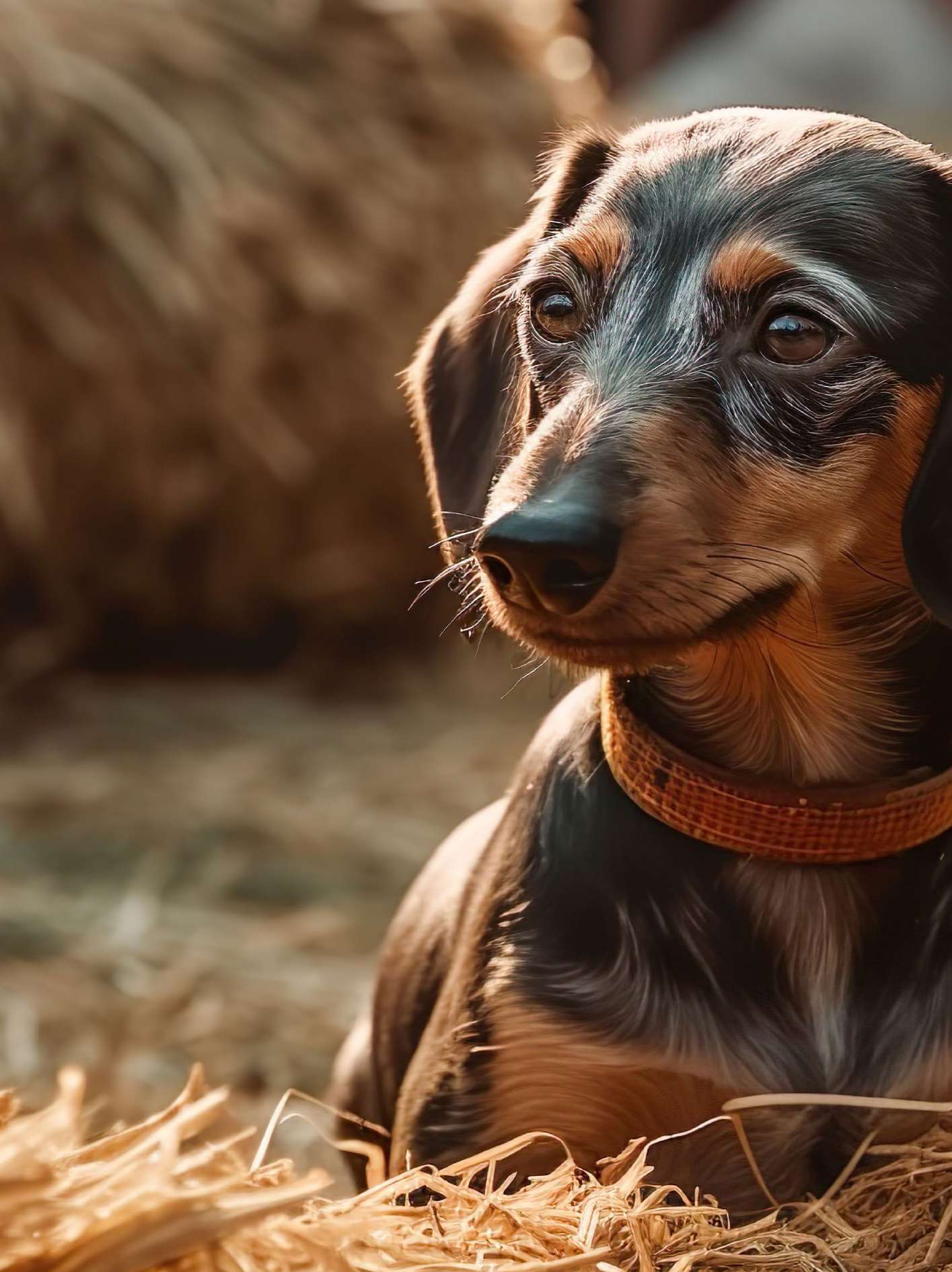
between-meal snack for your pet in a
conveniently portable pack!
100% Ostrich Meat
Source of Energy
High in Protein
Convenient Grab&Go!
Low in Fat
Rich in Iron
High in Omega-3, 6, 9
Hypoallergenic
Grain-free & Gluten-free
No Preservatives

theorangutanproject.org

www.solnacks.com