

ANIMALIA - Edition 1 by Carien Marais | Alwyn P. Marais - HTML preview
Download the book in PDF, ePub, Kindle for a complete version.
MILITARY DOGS
Partners in combat: Power,
precision, and loyalty in
action
By Alwyn P. Marais
In the shadowed valleys of Afghanistan’s Helmand Province, where dust swirls like smoke from an unseen
fire, a Belgian Malinois named Cairo moves ahead of his U.S. Navy SEAL handler. The year is 2011, and the
mission is the raid on Osama bin Laden’s compound in Abbottabad, Pakistan. Cairo’s nose, capable of detecting
explosives at concentrations as low as parts per trillion, clears rooms faster than any human could with a handheld detector. His presence allows the team to advance with confidence, knowing that hidden threats—
T improvised explosive devices (IEDs) buried in the earth or wired into doorframes—will not go unnoticed. his is not a story of a single dog but of a global German Shepherd, Dutch Shepherd, or Belgian Malinois—can
partnership: from the frozen tundras of Norway run at 40 kilometers per hour, leap over obstacles two meters
to the humid jungles of Colombia, military high, and bite with a force of 1,400 newtons, enough to crush
working dogs and their handlers form a tandem bone. Yet brute strength is only the beginning. Their olfactory
that multiplies combat efficiency in ways no system contains up to 300 million scent receptors, compared
technology has yet replicated. The power of these animals to a human’s six million, enabling them to discriminate
lies first in their physiology. A typical military dog—usually a between thousands of odor molecules in real time. In Iraq,
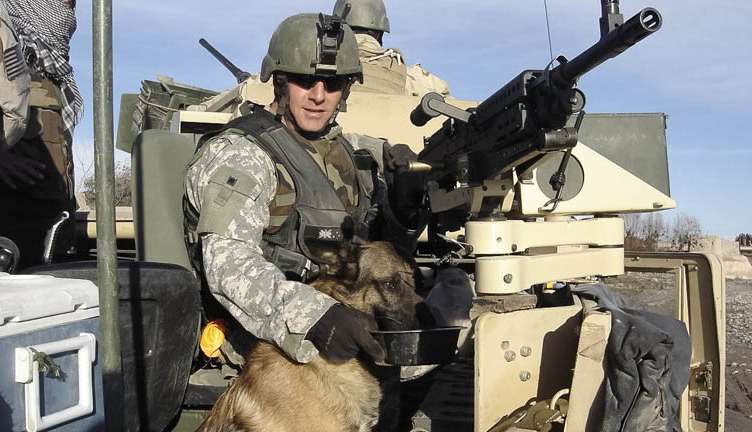
Photo Credit: AP Photo -/ Kirsty Wigglesworth
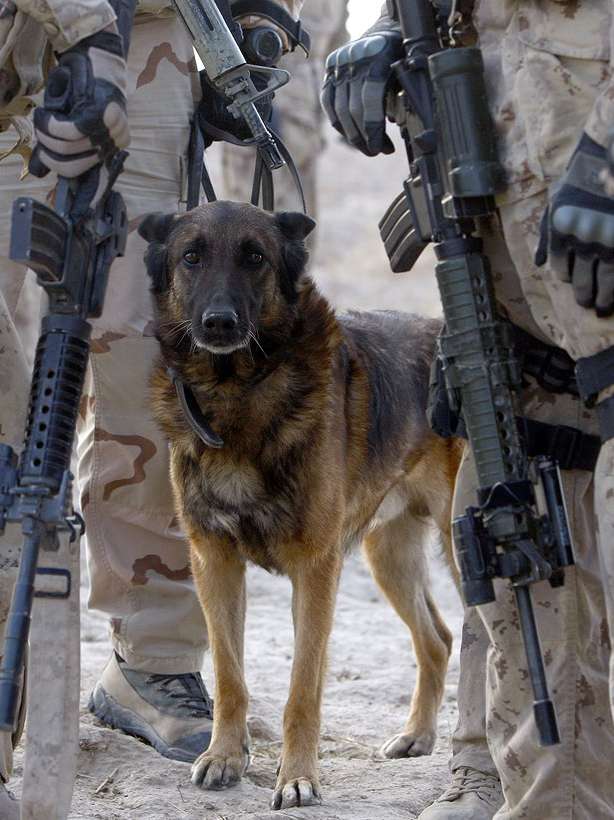
Photo Credit: US Military
between 2003 and 2011, the U.S. military credited dogs with Loyalty, the intangible force, binds the partnership. Dogs detecting over 12,000 IEDs, preventing an estimated 3,000 do not calculate risk; they act on instinct honed by trust. In casualties. In Mali, French forces deployed Malinois teams 2018, during Operation Inherent Resolve, a U.S. Marine Corps to screen convoys along the Gao–Ménaka road, reducing dog named Lucca completed over 400 patrols in Iraq and ambush losses by 60 percent in 2019 alone. These statistics Afghanistan without a single civilian casualty caused by her are not anomalies; they reflect a consistent pattern across alerts. On her final mission, she located an IED but triggered theaters where terrain, climate, and enemy tactics vary wildly. a secondary device, losing her left leg. Her handler, Corporal Precision, the second pillar, emerges from rigorous training Juan Rodriguez, carried her two kilometers to the medevac and the unbreakable bond between dog and handler. helicopter. Lucca retired to California, awarded the Dickin Puppies enter programs as early as eight weeks old, selected Medal—the animal equivalent of the Victoria Cross. Similar for drive, focus, and resilience. In the Netherlands, the stories echo globally: in India, a Labrador named Misa saved Royal Netherlands Air Force runs a 14-week basic course at 14 soldiers during the 2020 Galwan Valley clash by detecting Woensdrecht Air Base, followed by specialized modules in Chinese incursions; in Israel, an Oketz Unit dog named Django explosives detection, patrol, or search-and-rescue. absorbed shrapnel meant for his handler during a Gaza tunnel
operation in 2021. These acts are not programmed; they are
Handlers—often soldiers who have already proven themselves the product of a relationship where the dog views the handler in combat—spend up to six months learning to read micro- as pack leader and the handler views the dog as a sentient expressions in their dogs: a slight ear twitch, a freeze in gait, extension of his own senses.
the angle of a tail. This communication is bidirectional. In
Colombia’s Caquetá region, where FARC dissidents plant anti- The contribution to military efficiency is quantifiable across personnel mines in dense rainforest, a handler’s whispered four domains: force protection, intelligence collection, “Busca” (search) sends the dog forward, but the dog’s alert—a psychological operations, and logistics. In force protection, sit or a stare—dictates the patrol’s next move. The result is a dogs reduce the need for large cordon-and-search teams, decision loop measured in seconds, not minutes, and with an allowing smaller units to cover more ground. A single dog-accuracy rate that electronic sensors still struggle to match in handler pair can screen a kilometer of road in 20 minutes— humid, root-tangled environments. work that would require a squad of 12 soldiers with metal
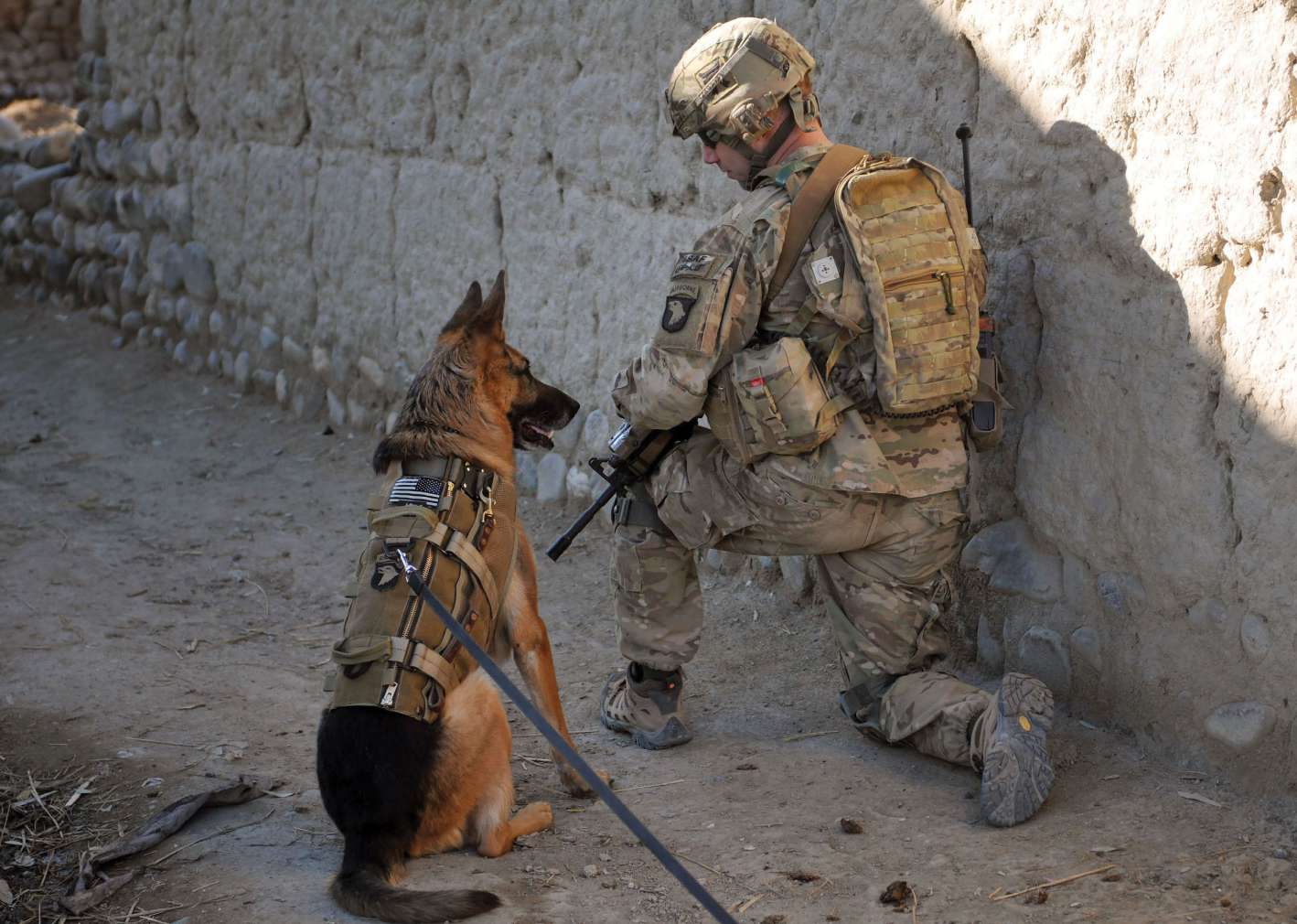
Photo Credit: Adobe Stock
detectors and two hours. In intelligence, dogs locate cache Foreign Legion handler stationed in the Sahel: “My dog does

sites that satellite imagery misses; in Ukraine’s Donbas, not replace technology; he makes technology possible.” From
Belgian Malinois teams attached to the 92nd Mechanized the Arctic patrols of Norwegian Border Guard shepherds to
Brigade uncovered Russian ammunition depots hidden in the anti-poaching missions of South African trackers, the
civilian basements, enabling precision artillery strikes that message is the same. Power, precision, and loyalty remain the
destroyed millions of dollars in materiel. Psychologically, the triad that no battlefield innovation has yet surpassed.
mere presence of a military dog deters loitering and suicide
attacks—insurgents know that a dog will detect explosives
long before a checkpoint guard sees a bulge beneath clothing.
Finally, in logistics, dogs lighten the load: one Malinois
replaces multiple electronic detection systems, each weighing
15 kilograms and requiring batteries that fail in extreme cold.
Yet the partnership is not without cost. Dogs suffer from post-
traumatic stress, heat exhaustion, and blast-wave injuries
to lungs and ears. Handlers grieve when their partners are
killed—often more acutely than for human comrades, because
the bond defies rank or species. Retirement programs vary:
the U.S. Military Working Dog Program adopts out 90 percent
of its retirees to former handlers; in contrast, some nations
euthanize dogs deemed unadoptable, a practice increasingly
criticized. In 2023, Belgium became the first NATO member to
mandate lifetime care for all military dogs, setting a precedent
that Germany and Canada are now studying.
As warfare evolves—drones, cyber, hypersonics—the role
of the military dog endures. No algorithm can replicate the
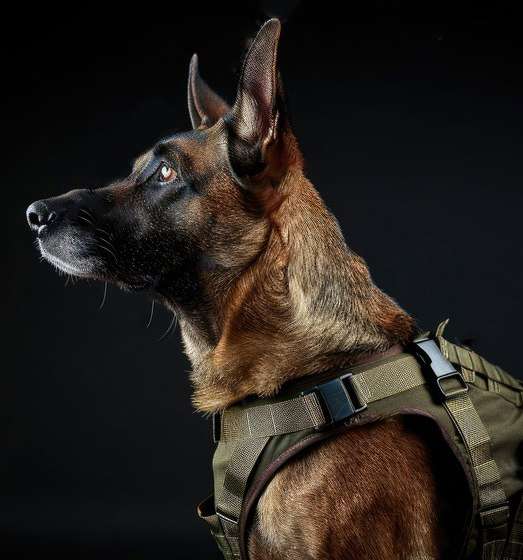
Photo Credit: U.S. Army fusion of scent, instinct, and loyalty that allows a 35-kilogram Photo Credit: Adobe Stock
animal to turn the tide in a firefight. In the words of a French Ostrich is the new Beef! Footprint Network, producing one kilogram of ostrich meat
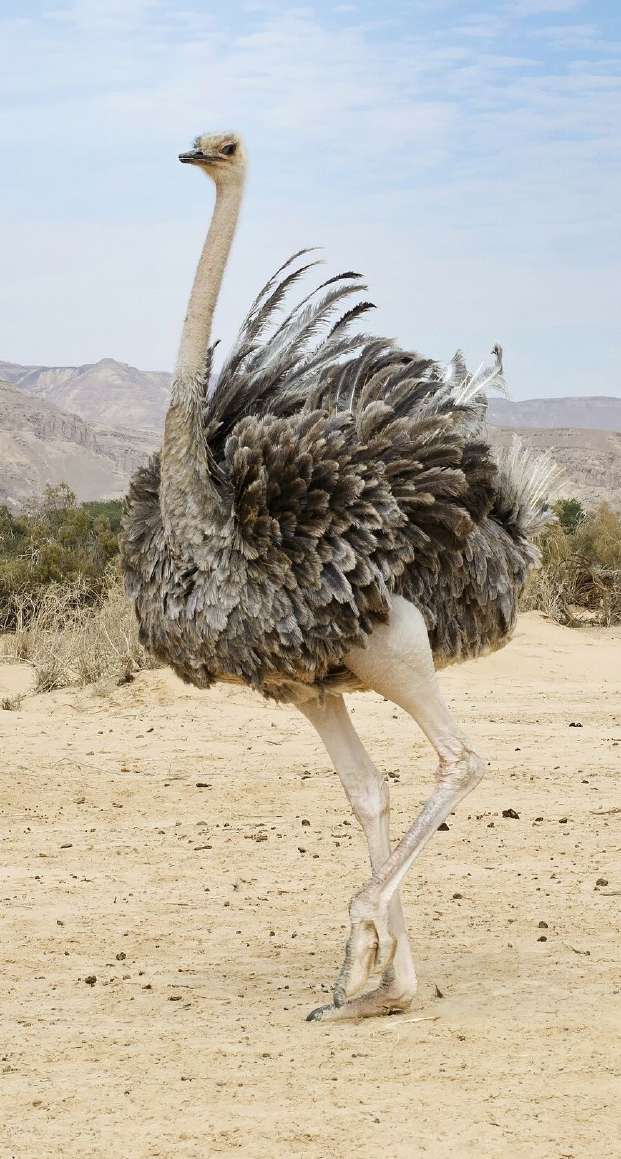
Ostrich farming: A model of requires approximately 1,200 liters of water—less than a thirtieth of the 15,400 liters needed for the same amount
of beef. This low water footprint makes ostrich farming
particularly viable in drought-prone regions like South Africa’s
low-impact, high-efficiency Karoo, where water scarcity is a constant challenge. Feed efficiency further underscores the sustainability of
ostrich production. Ostriches achieve a feed conversion ratio
protein production of about 2.5:1—meaning 2.5 kilograms of feed produce 1 kilogram of live weight—surpassing broiler chickens and
dramatically outperforming beef cattle, which require 6 to 10
kilograms of feed per kilogram of gain. Up to 70 percent of an
ostrich’s diet can consist of roughage such as lucerne, grass,
By Carien Marais pellets. Moreover, ostriches are rarely treated with routine or native shrubs, with only 30 percent needing concentrated
antibiotics or growth hormones, thanks to their robust natural
Ostrich farming has emerged as one of the most sustainable livestock systems in the world, producing high- immunity, reducing the risk of antimicrobial resistance and quality protein with a fraction of the environmental impact associated with traditional meat sources like beef, chemical runoff into ecosystems. One of the most compelling
U pork, or chicken. aspects of ostrich farming is its near-zero methane emissions. As non-ruminants, ostriches do not produce significant
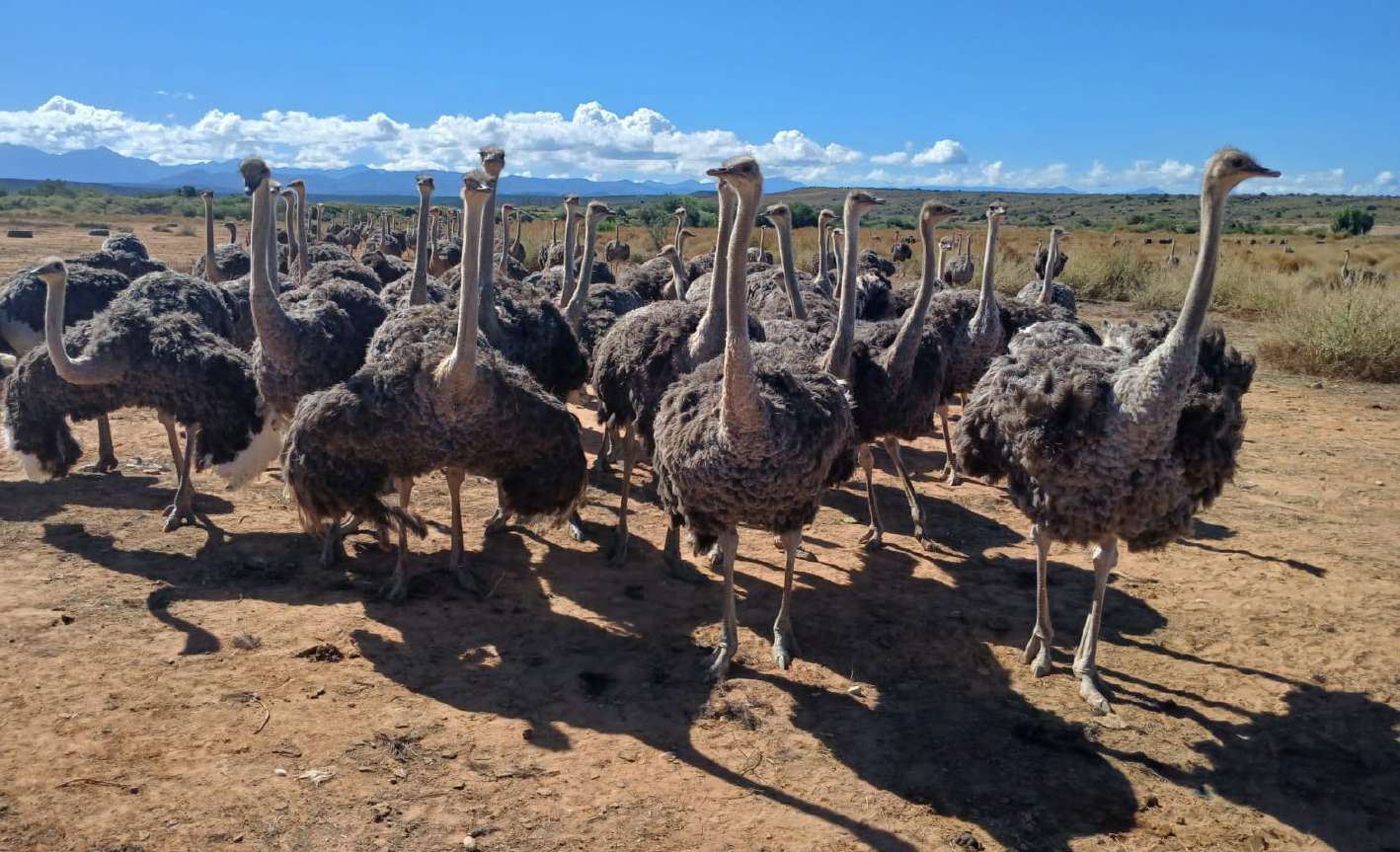
nlike cattle, which require vast expanses of overlooked by other livestock. This selective diet prevents amounts of methane during digestion, unlike cattle, which land for grazing, ostriches thrive in semi-arid soil compaction, reduces erosion, and allows the land to be release 70 to 120 kilograms of this potent greenhouse gas environments on remarkably little space. A used for mixed purposes, including wildlife conservation and per animal annually. Their hindgut fermentation process single hectare can sustainably support 80 crop rotation. Water conservation is another area where generates minimal methane, aligning ostrich meat production to 100 ostriches compared to the 10 to 20 ostrich farming shines. An adult ostrich consumes only 2 to with global goals to reduce agricultural carbon emissions. A
hectares needed for just one beef animal. This efficiency 4 liters of water per day, even in temperatures exceeding 2024 lifecycle analysis by the Ostrich Business Chamber of stems from the ostrich’s natural browsing behavior; rather 40°C, thanks to highly efficient kidneys that minimize water South Africa reported a carbon footprint of just 2.9 kilograms than grazing grass down to the root like cattle, ostriches loss through concentrated urine. In contrast, a single beef of CO₂ equivalent per kilogram of ostrich meat—compared to feed on shrubs, succulents, and forbs—plants that are often cow may drink 40 to 100 liters daily. According to the Water 27 kilograms for beef, 7 kilograms for pork, and 6 kilograms
for chicken.
Perhaps the most remarkable feature of ostrich farming is
its zero-waste model. Every part of the bird is utilized: the
muscle meat becomes premium, low-fat, hypoallergenic
protein (as seen in SOLNACKS treats); the skin yields durable,
high-value leather (one hide covers 1.5 square meters and
is stronger than cowhide); feathers are transformed into
dusters, fashion accessories, or bedding; fat is rendered into
cosmetics and joint supplements; bones and offal become exclusion of wildlife, ostrich camps integrate seamlessly with
pet food, collagen, or fertilizer; and even eggshells are ground native species. Springbok, meerkats, and birds of prey often
into calcium powder or used in crafts. This comprehensive share the landscape, as ostriches neither jump fences nor dig
utilization eliminates the need for rendering plants or landfill under them. Perimeter fencing is sufficient, reducing habitat
disposal, creating a truly circular economy. On the land fragmentation. In some regions, ostrich farms double as eco-
itself, ostrich farming supports regeneration rather than tourism destinations, generating additional income while
degradation. Farms employ rotational grazing to prevent educating visitors about sustainable agriculture.
overgrazing, allowing perennial grasses and shrubs to recover
between cycles. Ostrich manure is dry, pelletized, and low in In essence, ostrich farming is not merely sustainable—it
odor, making it an ideal compost material with minimal risk of is regenerative. It delivers lean, iron-rich, allergen-friendly
nutrient runoff or water contamination. In the Karoo, where protein using a fraction of the land, water, and feed required by
overgrazing by cattle has historically led to desertification, conventional livestock, while producing virtually no methane
introducing ostriches has reversed soil degradation by giving and leaving no waste behind. For environmentally conscious
the veld time to heal. Many farms now report increased consumers—and for dogs enjoying treats like SOLNACKS—
plant diversity and improved soil carbon storage—effectively every bite of ostrich represents a meaningful step toward a
turning protein production into a form of land restoration. lighter planetary footprint, proving that responsible protein
Photo Credit: Alwyn P. Marais Ostrich farming also harmonizes with biodiversity. Unlike production can be both innovative and deeply rooted in
intensive poultry or pig operations that require complete ecological wisdom.
ingredient list, as these offer little nutritional value and can

contribute to allergies or digestive issues in sensitive pets.
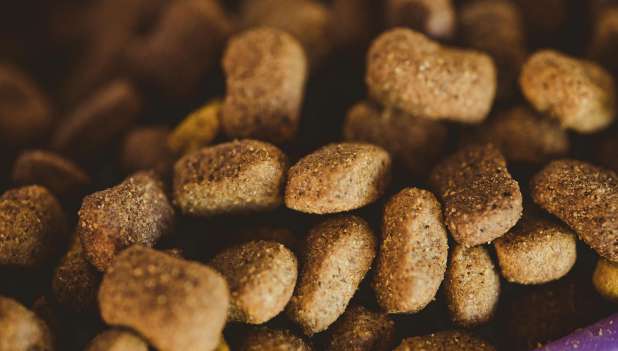
Essential nutrients like taurine (crucial for cats), omega fatty
acids, and a balance of vitamins and minerals should also be
present to support overall health.
Evaluate Ingredient Quality
Not all proteins are created equal. The quality of ingredients
directly impacts your pet’s ability to digest and absorb
nutrients. Opt for foods that use whole, named protein
sources (e.g., “ostrich” or “lamb” rather than vague terms
like “meat meal” or “poultry by-products”). High-quality dry
colors, and excessive fillers, which can harm long-term health. amino acids and nutrients to support muscle maintenance, Novel proteins like ostrich and lamb are particularly beneficial foods avoid artificial preservatives (like BHA or BHT), artificial for pets with sensitive stomachs. They also provide essential
skin health, and a shiny coat, regardless of life stage.
for pets with food sensitivities or allergies, as they are less
are also highly digestible, ensuring your pet gets maximum brands that adhere to high manufacturing practices, such as nutrition from every bite. those approved by the Association of American Feed Control Officials (AAFCO), which ensures the food meets nutritional reducing the likelihood of allergic reactions. These proteins The pet food industry is regulated, but standards vary. Choose commonly used in pet foods compared to chicken or beef, Check for Manufacturing Standards
Consider Your Pet’s Life Stage and Health Needs standards for your pet’s life stage. Reputable brands are
Puppies and kittens require higher levels of protein and fat transparent about their sourcing and production processes,
to support growth, while adult pets need balanced nutrition often providing details on their websites or packaging. Foods
to maintain energy and health. Senior pets may benefit from made in facilities with rigorous quality control are less likely
foods with joint-supporting ingredients like glucosamine or to be affected by recalls or contamination. lower calorie content to prevent weight gain. If your pet has
specific health concerns—such as skin allergies, digestive Balance Cost and Quality
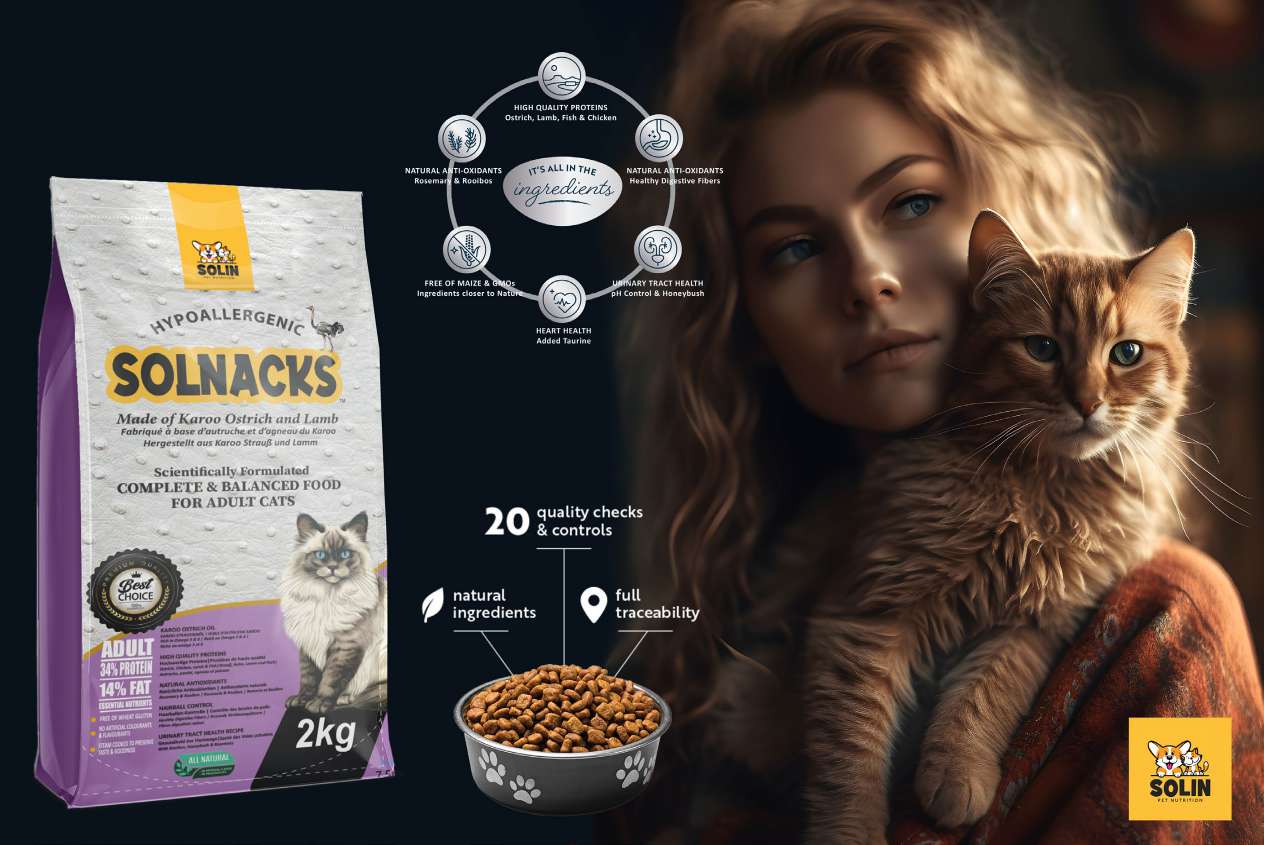
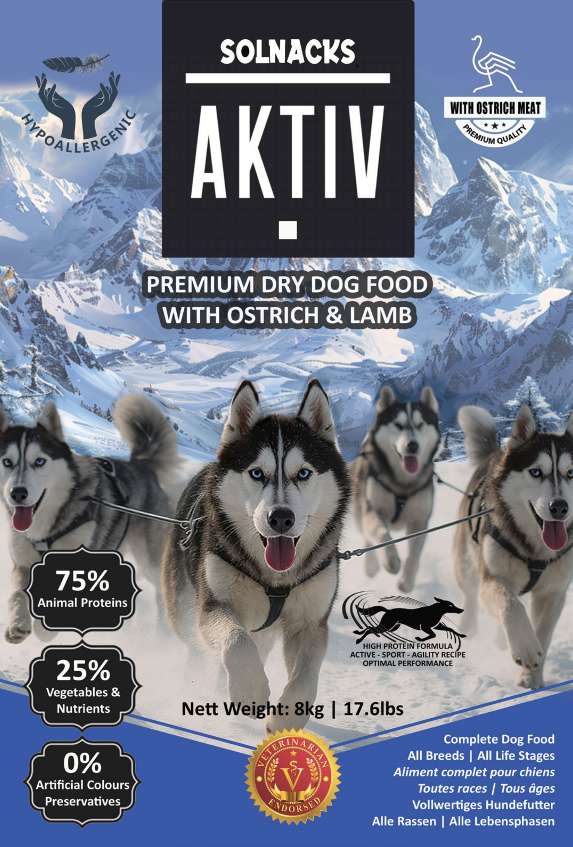
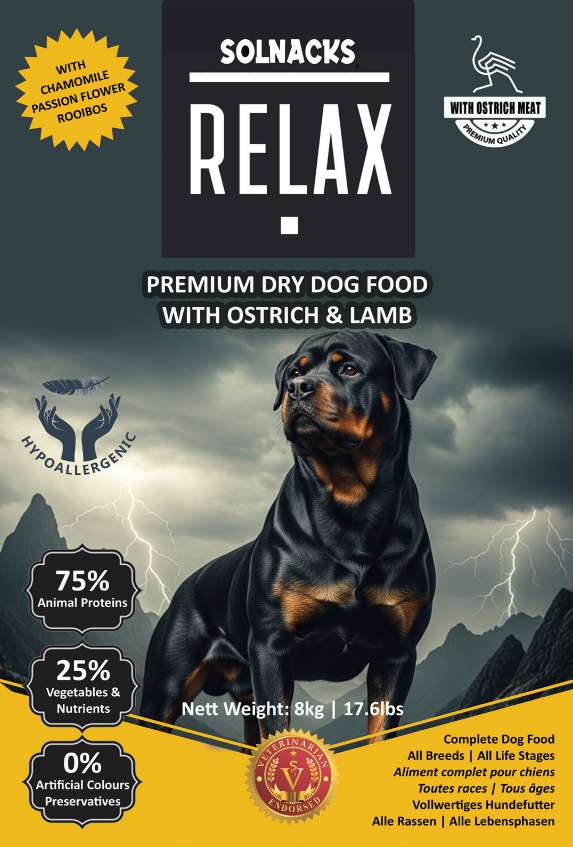
SOLNACKS - Understanding your pet’s nutritional needs issues, or weight management—look for formulas tailored to While it’s tempting to opt for budget-friendly options, cheap
Choosing the best dry pet those needs. For example, ostrich and lamb are lean proteins pet foods often cut corners with low-quality ingredients or
that are easier on the digestive system, making them ideal excessive fillers, which can lead to health issues over time.

food for your dog or cat can
be a challenge!
By Carien Marais
As pet owners, we want the best for our furry companions, and nutrition is at the heart of their health
and happiness. With countless dry pet food options lining store shelves, choosing the right one can feel
overwhelming. Dogs and cats have unique dietary needs, and selecting a high-quality dry food tailored to
those needs can make a world of difference in their vitality, coat health, and longevity. This article will guide
you through the key factors to consider when choosing dry pet food and explain why ostrich and lamb-based
D formulas stand out as the top choice for your pet’s well-being.
ogs and cats are carnivores by nature, though derived proteins and fats, with minimal carbohydrates. When their specific requirements differ. Dogs are evaluating dry pet food, prioritize formulas that align with omnivorous carnivores, thriving on a diet rich these biological needs. Look for a food that lists a high-quality
carnivores, require a diet predominantly composed of animal-select plant-based ingredients. Cats, as obligate fish, or, as we’ll discuss later, ostrich or lamb. Avoid products Photo Credit: Vlada Karpovich / Pexels in animal proteins but also benefiting from animal protein as the first ingredient, such as chicken, beef, where grains or fillers like corn, wheat, or soy dominate the
pet foods often cut corners with low-quality ingredients or
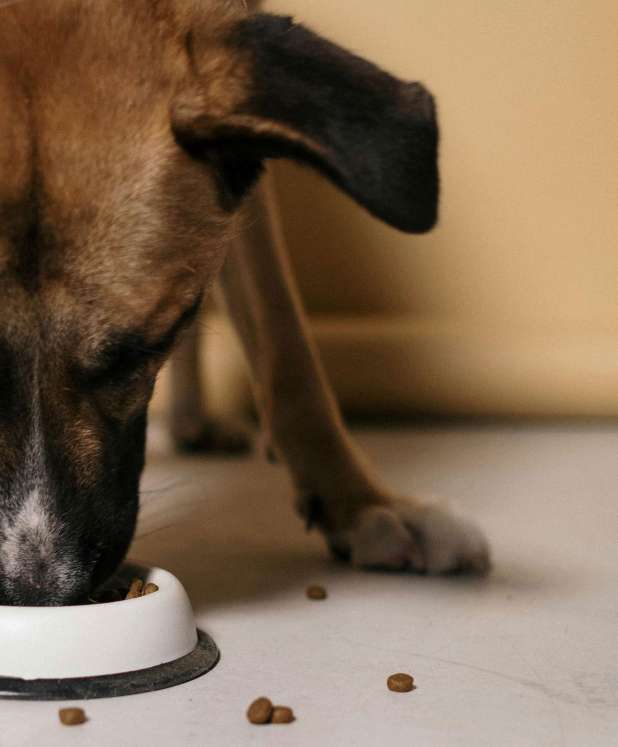
excessive fillers, which can lead to health issues over time.
Investing in a premium dry food may cost more upfront but
can save you money on vet bills by promoting better health.
Ostrich and lamb-based foods, while sometimes pricier due
to their novel protein status, offer exceptional value through
their digestibility and health benefits, reducing the risk of
costly conditions like allergies or obesity.
The Case for Ostrich and Lamb Dry Pet Food
After considering the key factors—nutritional alignment,
ingredient quality, life stage appropriateness, manufacturing
standards, and cost—one type of dry pet food rises above the
rest: ostrich and lamb formulas. Here’s why this combination
is the best choice for your dog or cat.
1. Novel Proteins for Allergy-Prone Pets
Ostrich and lamb are considered hypoallergenic proteins
because they are less likely to trigger food sensitivities
compared to common proteins like chicken or beef. Many
pets develop allergies to frequently used proteins over
time, leading to symptoms like itching, ear infections, or
gastrointestinal upset. Ostrich and lamb provide a fresh
protein source, reducing the risk of allergic reactions and
making them ideal for pets with sensitive skin or stomachs. Photo Credit: Cottonbro / Pexels
2. High Digestibility for Optimal Nutrition Making the Switch
that allow your pet to absorb nutrients efficiently. Ostrich, mixing a small amount of the new food with your pet’s current in particular, is low in fat and rich in iron, supporting energy food, slowly increasing the proportion. Monitor your pet for levels and muscle health without contributing to weight gain. Both ostrich and lamb are lean, highly digestible proteins gradually over 7–10 days to avoid digestive upset. Start by When transitioning to an ostrich and lamb dry food, do so Lamb provides essential amino acids and is a rich source of are often noticeable within weeks of switching to a high-improvements in energy, coat condition, and digestion, which
zinc, which promotes skin and coat health. This combination quality formula. ensures your pet gets maximum nutrition without the
of omega-3 and omega-6 fatty acids, which support healthy and your budget. After evaluating the options, ostrich and lamb dry pet food emerges as the superior choice, offering skin, a glossy coat, and cognitive function. These formulas unmatched benefits for pets of all ages and health conditions. typically include high-quality carbohydrates like sweet Its hypoallergenic properties, high digestibility, and nutrient-potatoes or peas, which provide energy without spiking blood rich profile make it a standout option for promoting vibrant sugar, making them suitable for growing puppies and kittens, health, from a shiny coat to a strong immune system. By active adults, and even seniors with slower metabolisms. 3. Balanced Nutrients for All Life Stages Choosing the best dry pet food requires careful consideration of your dog or cat’s nutritional needs, ingredient quality, Ostrich and lamb dry foods are often formulated with a balance digestive strain caused by lower-quality ingredients. Conclusion
choosing ostrich and lamb, you’re giving your pet the gift of
Many brands offering ostrich and lamb pet foods prioritize y sustainable sourcing, as these proteins are often derived from aba regions with environmentally conscious farming practices. For 4. Sustainable and Ethical Sourcing nutrition that supports a long, happy, and healthy life.ix
pet owners who value ethical production, this adds an extra e / P layer of appeal. üc
t Y
ve
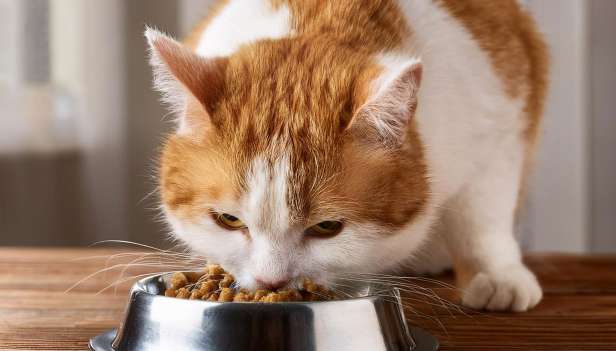
5. Palatability for Picky Eaters er Cats and dogs can be notoriously picky, but the rich, savory luer S flavor of ostrich and lamb is highly appealing to even the t: U
receiving top-tier nutrition. to CrediPho fussiest eaters. This ensures your pet enjoys their meals while