ANIMALIA - Edition 1 by Carien Marais | Alwyn P. Marais - HTML preview
Download the book in PDF, ePub, Kindle for a complete version.


PROUDLY BROUGT TO YOU BY:

www.solnacks.com Note from the
Publishers: Carien Marais | Alwyn P. Marais Publishers Graphic Design/ Page Layout: Carien Marais
Contact email: marketing@solnacks.com Dear Reader,
ANIMALIA is free to download. Welcome to the inaugural edition of ANIMALIA, a magazine born from an unwavering passion for the creatures that share our
planet and enrich our lives. As publishers, we are thrilled to present a collection of stories that celebrate the beauty, resilience,
Advertising space is available for upcoming issues. and wonder of the animal kingdom—from the domesticated companions who greet us at the door to the wild souls thriving
Please feel free to contact us to book your space. in distant ecosystems.
In these pages, you will discover practical guidance on dressing your pet for winter’s chill and ensuring feral cats find warmth
and safety through the cold months; marvel at the intelligent orangutans swinging through rainforest canopies; trace the
*DISCLAIMER* storied legacy of the Siberian Husky and the disciplined bravery of military dogs in combat; explore the surprising world of All views and ideas expressed in articles published in the magazine reflect the point of views of the author(s), not ostrich farming and the vibrant responsibilities of parrot ownership; and learn essential tips for maintaining your pet’s dental that of the Publisher of ANIMALIA Magazine. The Publisher assume no responsibility or liability in such cases. health, among many other captivating features.
The publisher does not give any warranty and representation to the accuracy or completeness of the contents
and data published in the magazine. All responsibility of the contents, articles and information published in the ANIMALIA is more than a publication—it is an invitation to deepen our connection with nature and nurture compassion for
magazine belongs to the authors. all living beings. Best of all, this magazine is entirely free to download and share with friends, family, and fellow animal lovers,
The publisher and the authors cannot be held responsible for any damages resulting from the use of the whole because knowledge and inspiration should flow as freely as the wind across open plains. We hope these stories spark curiosity,
or part of the content of the magazine. encourage stewardship, and remind us that every creature, great or small, plays a vital role in the tapestry of life.
Many of these articles were submitted by dog lovers, and the source’s origin, authorship, and copyright status Thank you for joining us on this journey. Together, let us champion the wild and the wonderful. Be kind. are unknown. It is not our intention to infringe on anyone’s copyright, and if it has occurred, it was done
unknowingly. We would be happy to remove the offending content.
Warmly,
*PRIVACY*
The publisher of ANIMALIA Magazine, attaches importance to the protection of personal data. Your personal Carien & Alwyn Marais data collected by subscription or direct communication can be used within the scope of announcement and The Publishers marketing activities of ANIMALIA and its brands. The said data is not shared or sold with third parties. ANIMALIA
2 3 ANIMALIA | Issue 1 | 2025 Contents 78
32
6 38 17

20 56 64 28
Features Health & Wellness Lifestyle & Behaviour Wildlife & Nature Regulars Write to us!
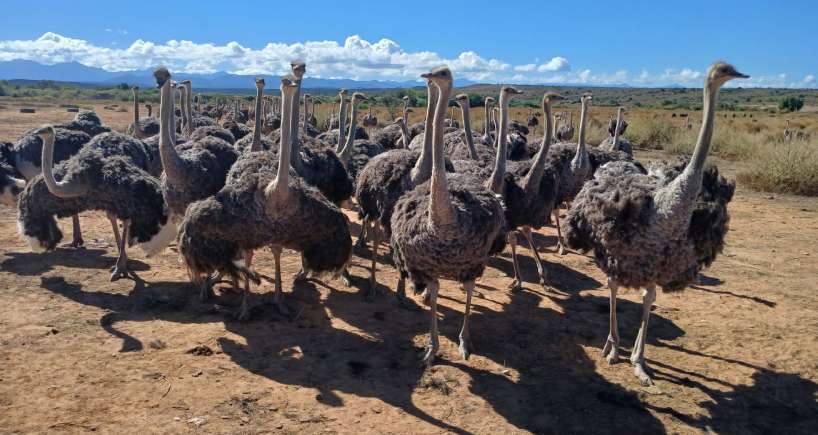
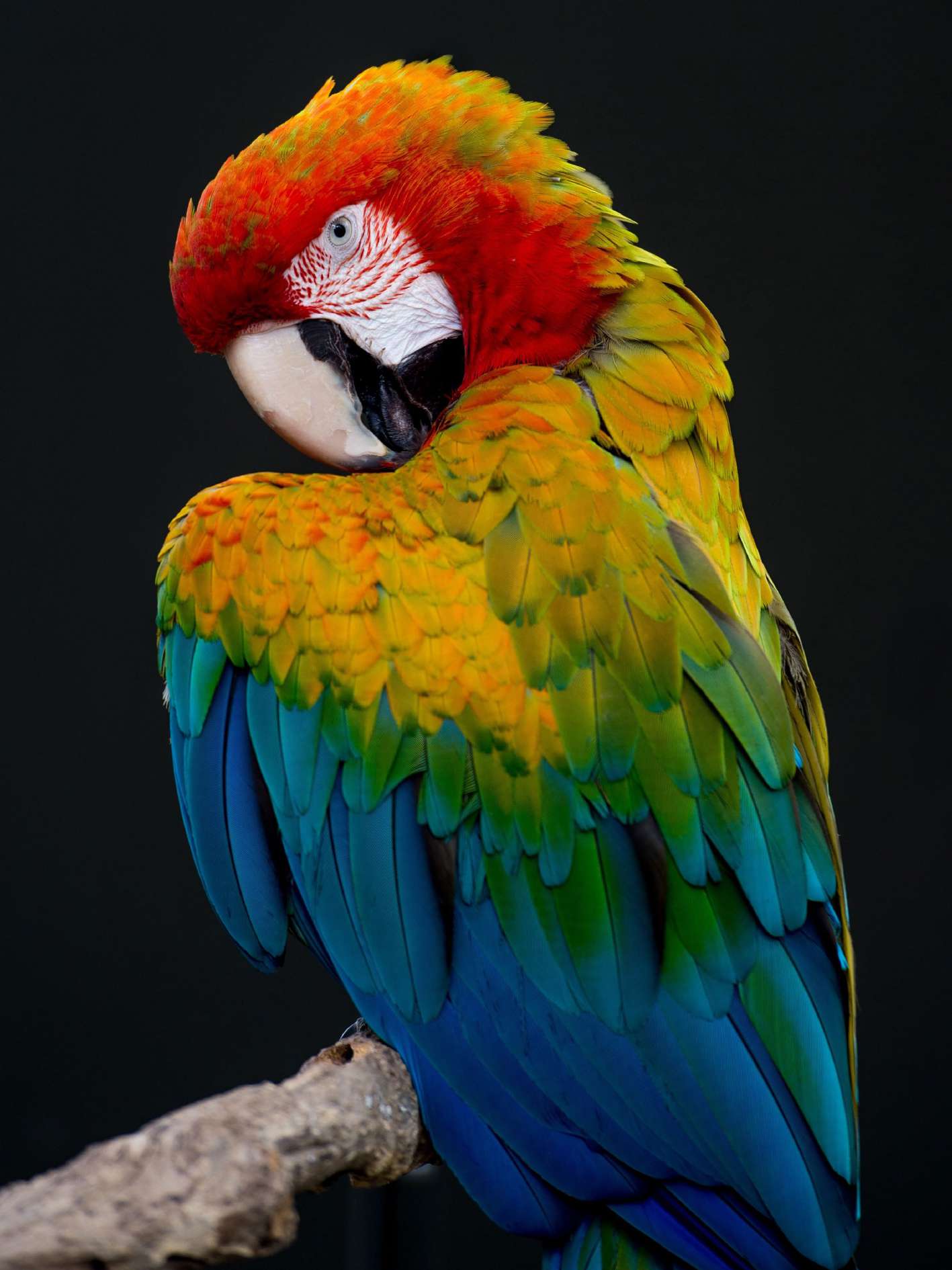
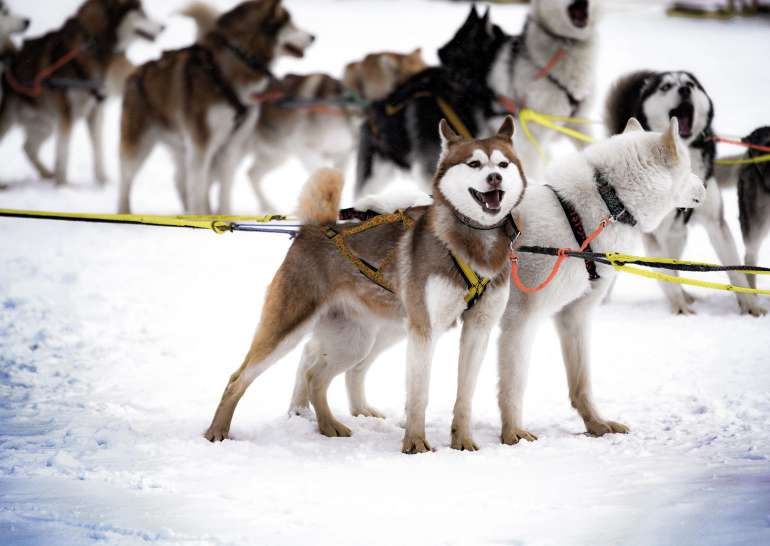
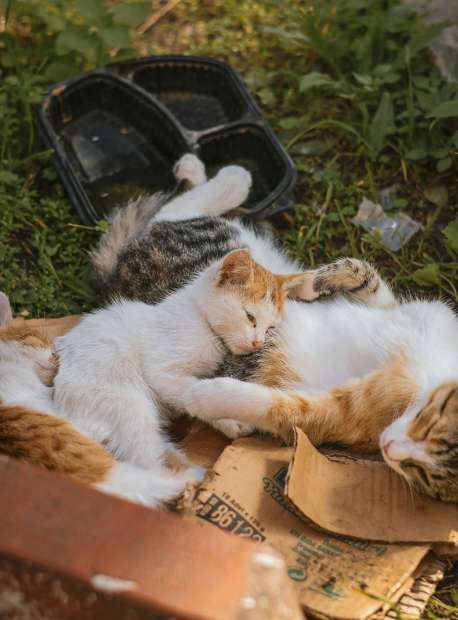
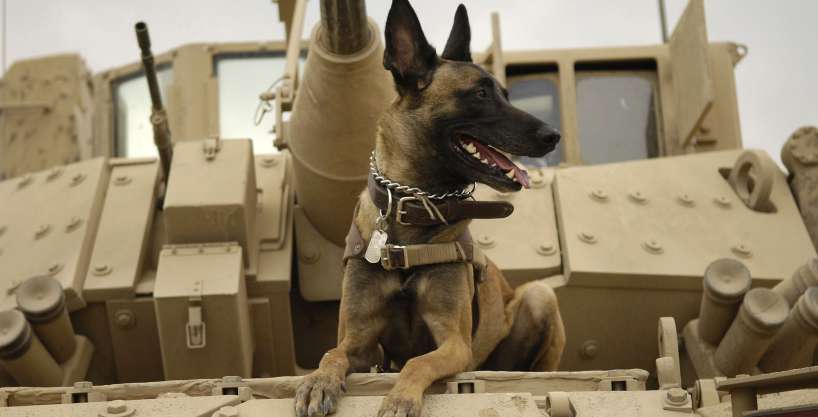
06 We would love to hear feedback from The Siberian Husky - A look at 34 Dietary needs - Choosing the best 46 Beagle Freedom Project 32 Ostrich farming - A model of 80 Sarah’s Kitchen - our readers! Do you have a question this magnificient breed dry food for your pet can be a low-impact, high efficiency Recipe: Homemade sweet or a comment? Or would you like to challenge! potato dog treats (baked) 48 Royal Adoption - Prince Harry, protein production. share a special or exceptional animal 17 Winter warriors - Safeguarding Meghan adops rescue Beagle incident with us? feral cats in the frost 13 Paws and hydration - Why from testing plant 82 Crossword Puzzle 50 Owl Who Fell into Concrete fresh water is your pet’s lifeline Advertising space is available for Mixer Finds Hope at Best 56 Winter wardrobe for waggers 20 Parrot ownership - Discovering 83 The last laugh - How to give a upcoming issues. Please feel free to Friends Animal Sanctuary the advantages of this remarkable 38 - Do dogs really need jackets? Dental care - A bright smile for a cat a pill contact us to book your space. companions. happier life 60 Scarlet - The feline firefighter 64 Gentle giants of the rainforest - Email: marketing@solnacks.com who ignited hearts worldwide. Orangutans on the brink 28 Partners in combat: Power, 42 Superfood for your pet - Why precision and loyalty in action. ostrich treats are taking the world 63 by storm How to stop dog from digging - 71 Panthera Africa - How two Practical solutions for a pristine lion’s journey inspired a big cat 78 Remembering Jane Goodall . yard sanctuary 52 Functional pet treats - The ostrich revolution in ostrich dog treats 76 Why adopt? A few reasons to 4 5 ANIMALIA | Issue 1 | 2025 adopt your next pet.
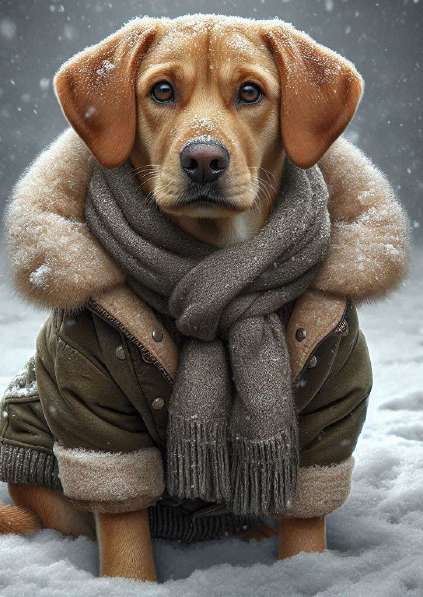
Huskies - A lifestyle choice
The Siberian Husky: A look
at this magnificent breed
By Alwyn P. Marais
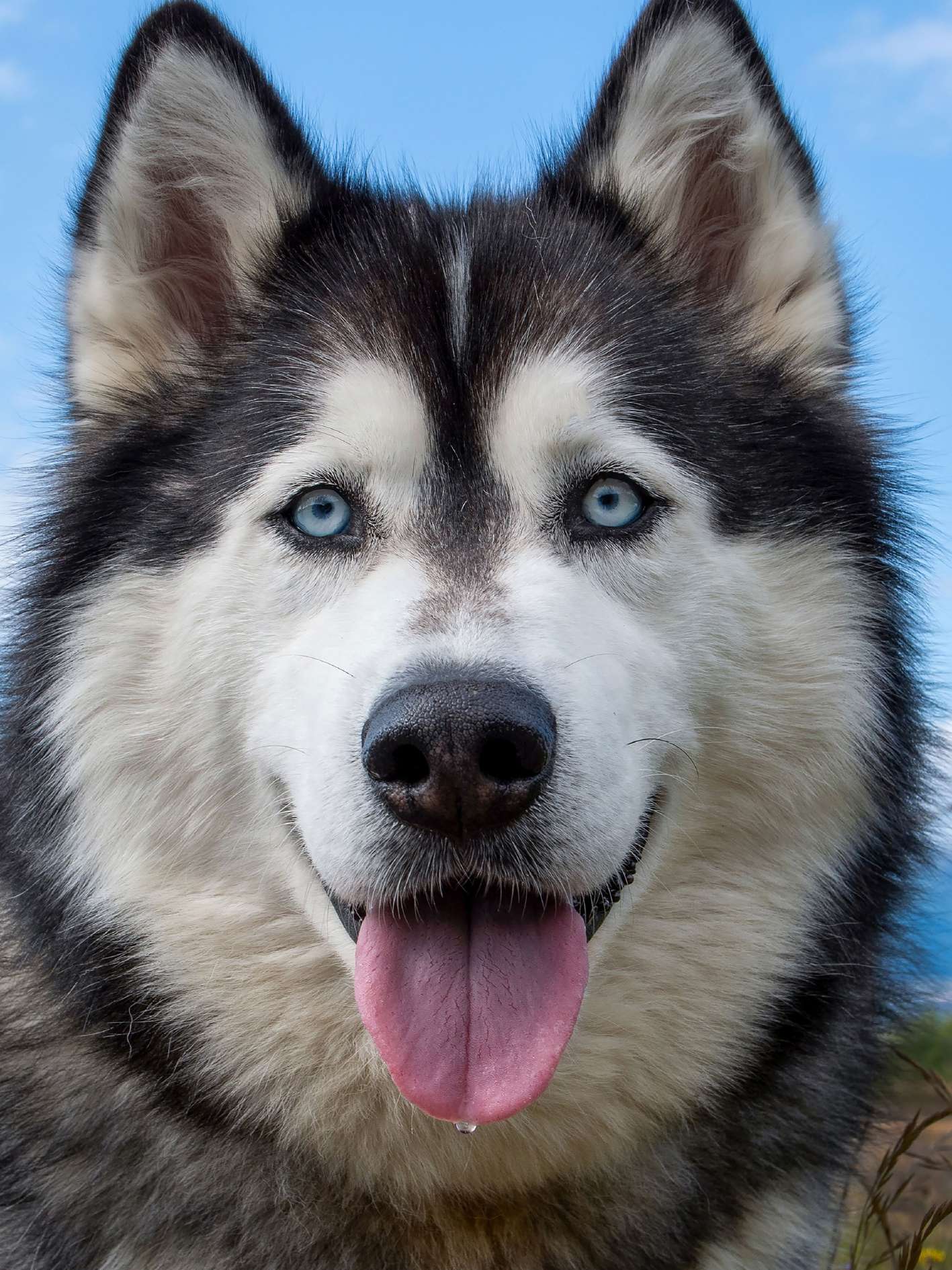
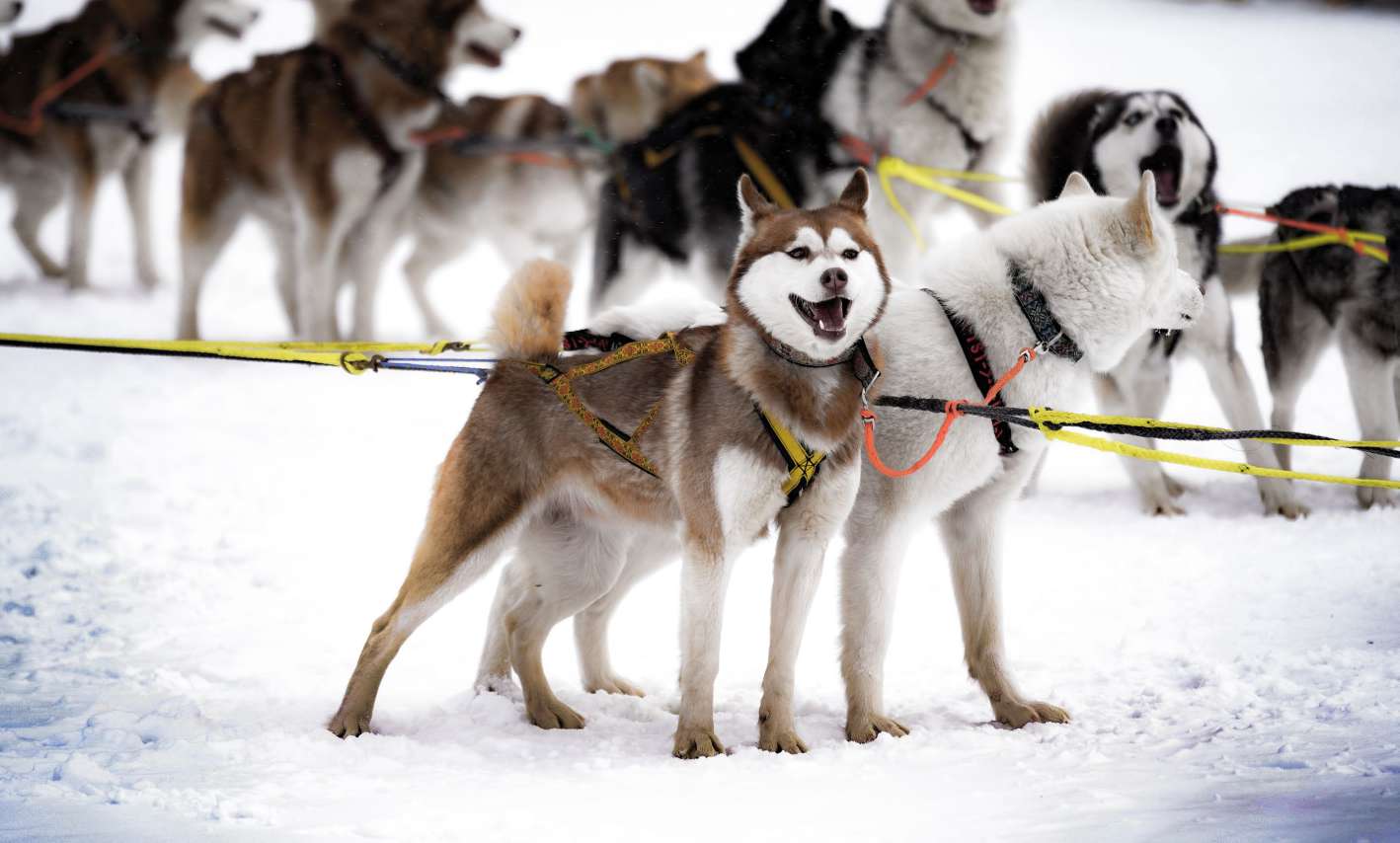
With their striking blue eyes, wolf-like appearance, and thick double coat, Siberian Huskies capture hearts wherever they go. Originally bred by the Chukchi people of northeastern Asia to pull sleds across vast frozen
expanses, these dogs have evolved from working animals into beloved family companions. However, the transition from sled dog to household pet reveals both remarkable qualities and significant challenges that
potential owners must carefully consider. Understanding both the good and bad attributes of this breed is
T essential for determining whether a Husky is the right fit for your lifestyle. he Good: Exceptional Qualities of the Husky making them excellent dogs for households with multiple
Remarkable Companionship people. Their sociable nature extends beyond the immediate
Huskies are fundamentally pack animals, bred to family. Huskies are generally friendly with strangers, greeting
work closely with both humans and other dogs visitors with enthusiasm rather than suspicion. This open,
in harsh Arctic conditions. This heritage translates welcoming personality makes them delightful companions
into dogs that genuinely enjoy being part of a family unit. in social settings and ensures that guests feel comfortable in
They’re friendly, affectionate, and typically love spending your home. Many Husky owners report that their dogs seem
time with their human companions. Unlike some breeds to genuinely smile, with their expressive faces radiating joy
that bond primarily with one person, Huskies usually form during playtime and interactions.
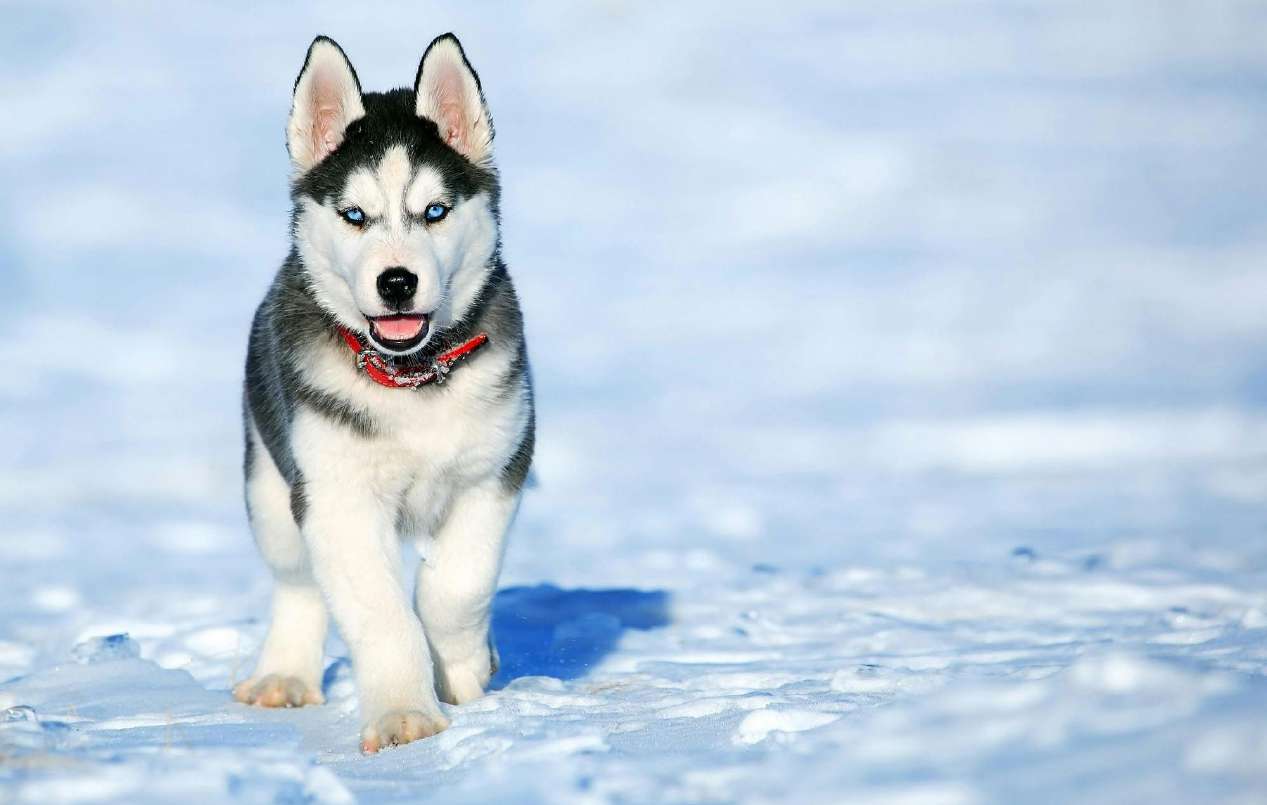
Photo Credit: Zachtleven fotografie / Pixabay Photo Credit: Pexels / Pixabay
temperaments. This history means modern Huskies usually get for pets than with any protective behavior. Huskies typically
along well with other dogs, enjoying canine companionship don’t bark at suspicious sounds or alert owners to unusual
and playmates. Their lack of territorial aggression extends occurrences. They lack the territorial instincts that drive many
to strangers and new situations. Unlike guard breeds that breeds to protect their homes and families. If home security
may view unfamiliar people with suspicion, Huskies typically or personal protection is a priority, a Husky is definitively
greet everyone as a potential friend. This friendly disposition the wrong choice. They might look intimidating to those
reduces many behavioral concerns that plague more unfamiliar with the breed, but any actual threat would likely
aggressive or reactive breeds. be met with friendly curiosity rather than defensive behavior.
Clean and Relatively Odor-Free Extreme Independence and Stubbornness Despite their thick coats, Huskies are remarkably clean dogs. The intelligence that makes Huskies capable learners
They’re often compared to cats in their self-grooming habits, also manifests as profound stubbornness. These dogs are
spending time cleaning themselves and maintaining their independent thinkers, bred to make decisions while pulling
coats. Unlike some breeds that develop strong “dog odor,” sleds across Arctic expanses where blind obedience could
Huskies typically have minimal smell, even when their coats be dangerous. This independence translates into dogs
are wet. Additionally, Huskies are generally easy to housetrain that question commands, ignore instructions they find
and maintain good bathroom habits once properly trained. unreasonable, and generally operate on their own agenda.
Their cleanliness extends to their eating habits as well, as Training a Husky requires exceptional patience, consistency,
many Huskies are surprisingly neat eaters compared to other and often professional assistance. Even well-trained Huskies
breeds. may choose not to obey commands if they don’t see the point
or if something more interesting catches their attention. Off-
The Bad: Significant Challenges of Husky Ownership leash reliability is nearly impossible to achieve with this breed,
Complete Lack of Protection and Guard Dog Abilities as their prey drive and independent nature can override even
Perhaps the most significant disappointment for those seeking the best training when they spot something worth chasing.
Photo Credit: Оксана Макокина from Pixabay a protective companion is the Husky’s complete lack of guard
dog instincts. Despite their wolf-like appearance that might Escape Artists and Wandering Tendencies
Outstanding with Children Intelligence and Problem-Solving dogs. Their friendly nature toward strangers means they’re suggest fierce protection, Huskies are notoriously poor guard Huskies are legendary escape artists, using their intelligence
One of the Husky’s most celebrated attributes is their typically Huskies are highly intelligent dogs capable of learning more likely to greet an intruder with tail wags and requests system. They can jump six-foot fences, dig under barriers gentle and patient nature with children. Their pack mentality and physical abilities to breach virtually any containment commands, solving problems, and figuring out complex
means they often view children as members of their family situations. This intelligence manifests in various ways, from group, tolerating the sometimes rough handling that young quickly mastering basic obedience to finding creative solutions children may inadvertently inflict. Huskies generally have high to obstacles. Many Husky owners are amazed by their dog’s energy levels that match well with active children, making ability to manipulate latches, open doors, and navigate them excellent playmates for outdoor adventures, games, challenges that would stump less clever breeds. This cognitive and exercise. ability means that with proper training, Huskies can learn an
impressive array of commands and tricks. They’re capable of
Their size - medium to large, typically weighing 35-60 pounds— understanding nuanced communication and responding to is substantial enough to handle enthusiastic play without subtle cues from their owners.
being so large as to accidentally overwhelm small children.
Combined with their typically non-aggressive temperament, Minimal Aggression and Excellent with Other Dogs
this makes them wonderful family dogs in households with One of the Husky’s most positive traits is their typically low kids of various ages. aggression toward both humans and other dogs. They were
bred to work in teams, requiring cooperative, non-aggressive
Exceptional Endurance and Athletic Ability
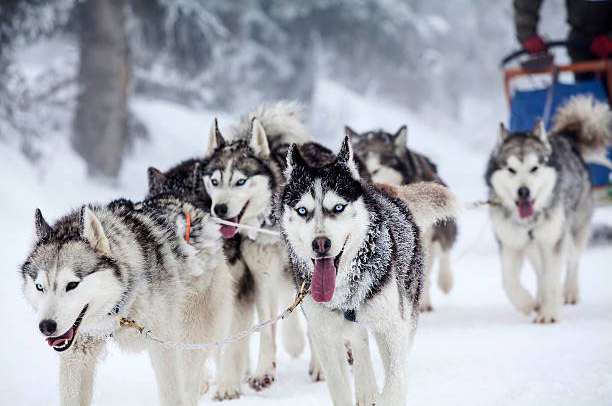
For active individuals and families, the Husky’s legendary
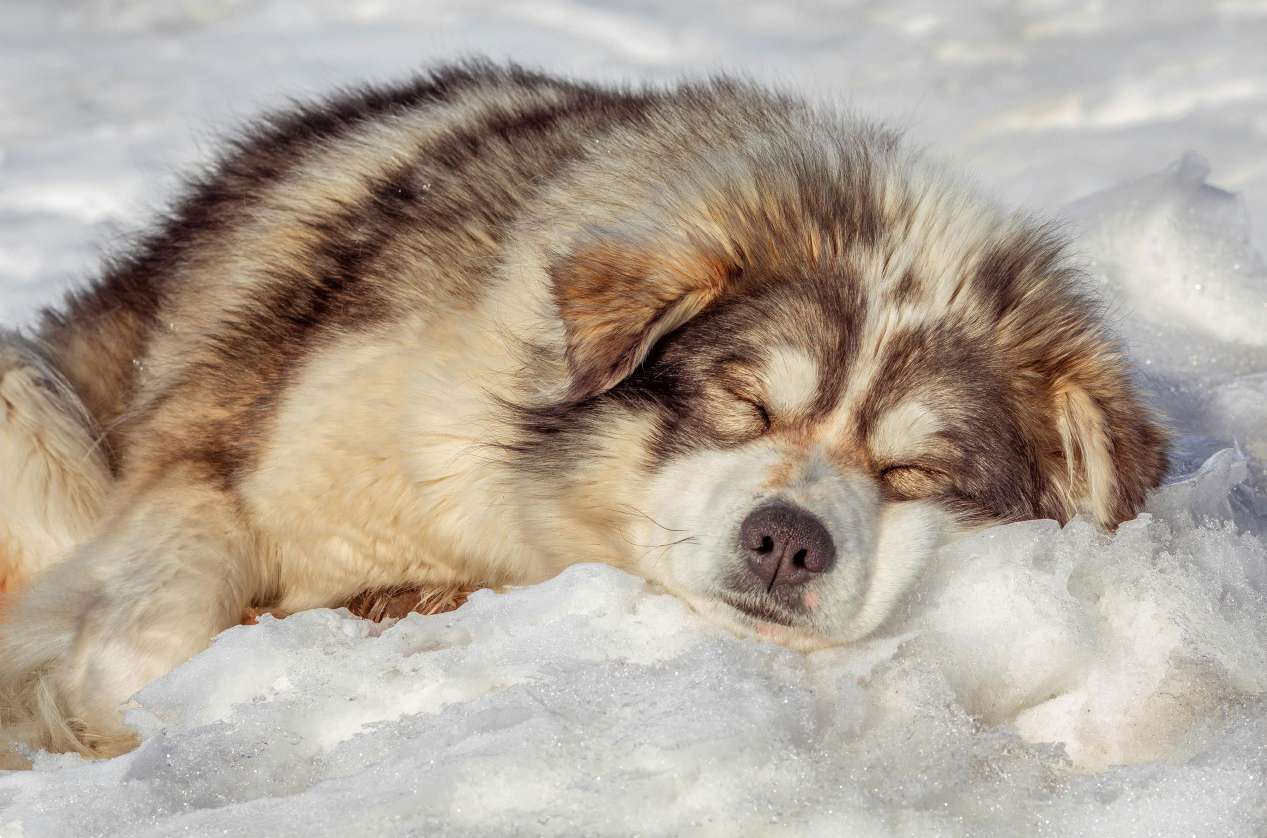
stamina is a tremendous asset. These dogs were bred to pull
sleds for hours across frozen tundra, and that endurance
remains deeply ingrained in the breed. A Husky can easily
accompany you on long runs, extensive hikes, bikejoring
sessions, or any outdoor adventure you can imagine. This
athletic prowess makes them ideal companions for people
who enjoy outdoor activities and want a four-legged partner
to share their adventures. Their love of exercise means
they’re always ready for the next activity, whether it’s a
morning jog, an afternoon hike, or a weekend camping trip.
For fitness enthusiasts, a Husky provides built-in motivation
to stay active. Photo Credit: Павел Гавриков / Pexels in minutes, chew through materials, manipulate gates and Destructive Behavior
latches, and find weak points in any enclosure. Their strong Under-exercised or bored Huskies are incredibly destructive. prey drive and desire to run mean that once free, they may They can destroy furniture, chew through walls, shred travel miles from home, putting themselves at risk of injury, belongings, dig up yards, and cause thousands of dollars in getting lost, or causing traffic accidents. damage. Their intelligence means they can open containers,
access supposedly secure areas, and find creative ways to
This escape tendency requires significant investment in secure occupy themselves when left alone—usually with expensive fencing (typically at least six feet high with buried barriers consequences. Even well-exercised Huskies may exhibit to prevent digging), constant vigilance, and acceptance that destructive behaviors, particularly during their first few years. your Husky may never be trustworthy off-leash in unfenced Separation anxiety and boredom combine with strong jaws areas. Many Husky owners live with persistent anxiety about and problem-solving abilities to create perfect storms of their dog’s safety, knowing that a single momentary lapse in household destruction. Many Husky owners return home security could result in an escaped dog. to scenes of chaos that would be comical if they weren’t so
costly.
Extreme Exercise Requirements
While the Husky’s endurance is an asset for active owners, Excessive Shedding
it becomes a serious liability for those unprepared for the Huskies have thick double coats that shed heavily year-round breed’s extreme exercise needs. A Husky requires at least and “blow” their undercoats twice annually in spectacular one to two hours of vigorous exercise daily—not a casual fashion. During shedding season, you can fill garbage bags walk around the block, but running, hiking, or other intense with fur daily while still finding hair on every surface of your physical activity. Without adequate exercise, Huskies become home. Furniture, clothing, food, and every corner accumulate destructive, hyperactive, and difficult to manage.This fur despite regular vacuuming and grooming. This shedding requirement doesn’t diminish with age as quickly as in other requires constant maintenance, including regular brushing breeds, and it persists regardless of weather, your schedule, (daily during heavy shedding periods), frequent vacuuming, or your energy levels. For people with demanding jobs, and acceptance that your home and belongings will always physical limitations, or preferences for sedentary lifestyles, have dog hair on them. For people who value pristine meeting a Husky’s exercise needs can become an exhausting homes or have allergies, the shedding alone can make Husky daily burden rather than an enjoyable activity. Photo Credit: Pixabay ownership untenable.
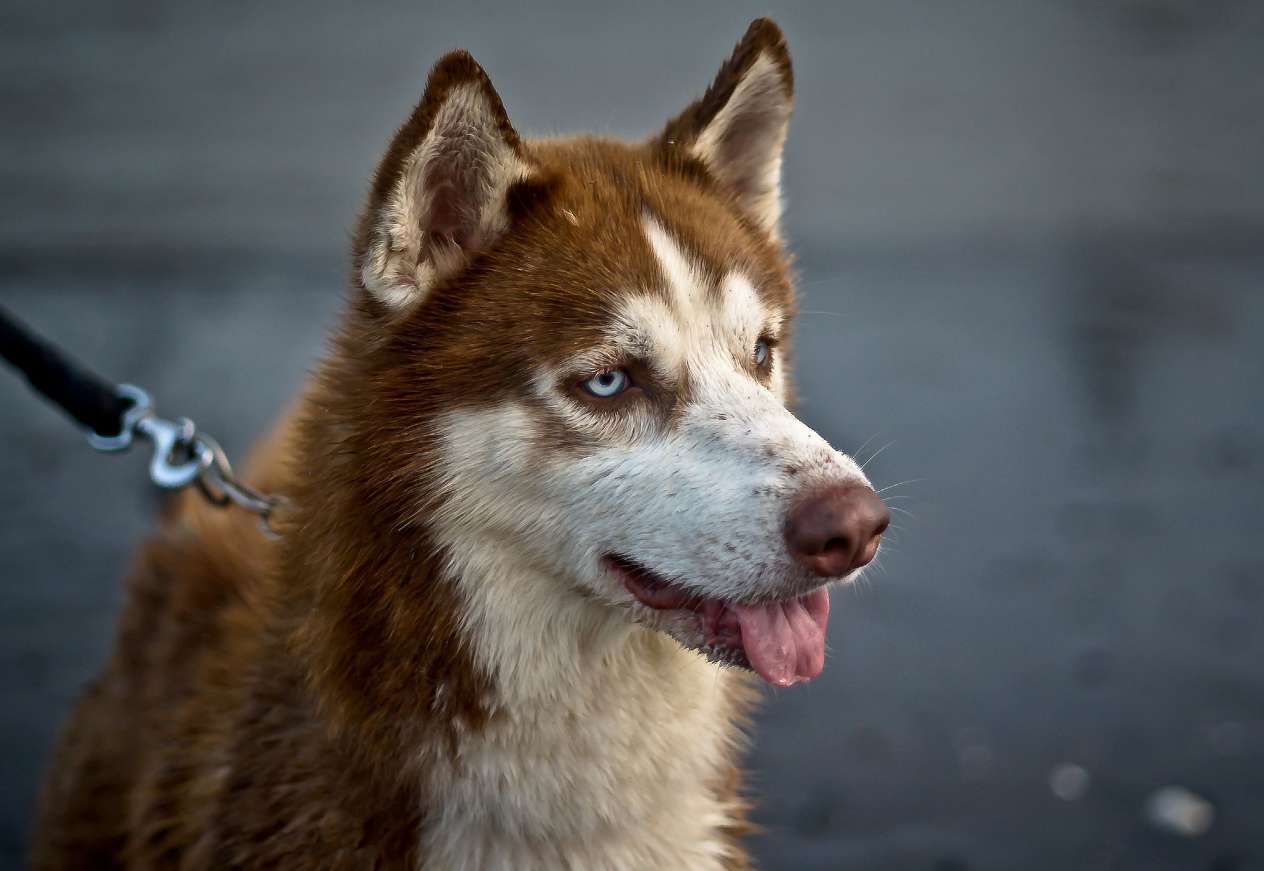
Vocalization and Noise If you can meet their needs and accept their limitations, a
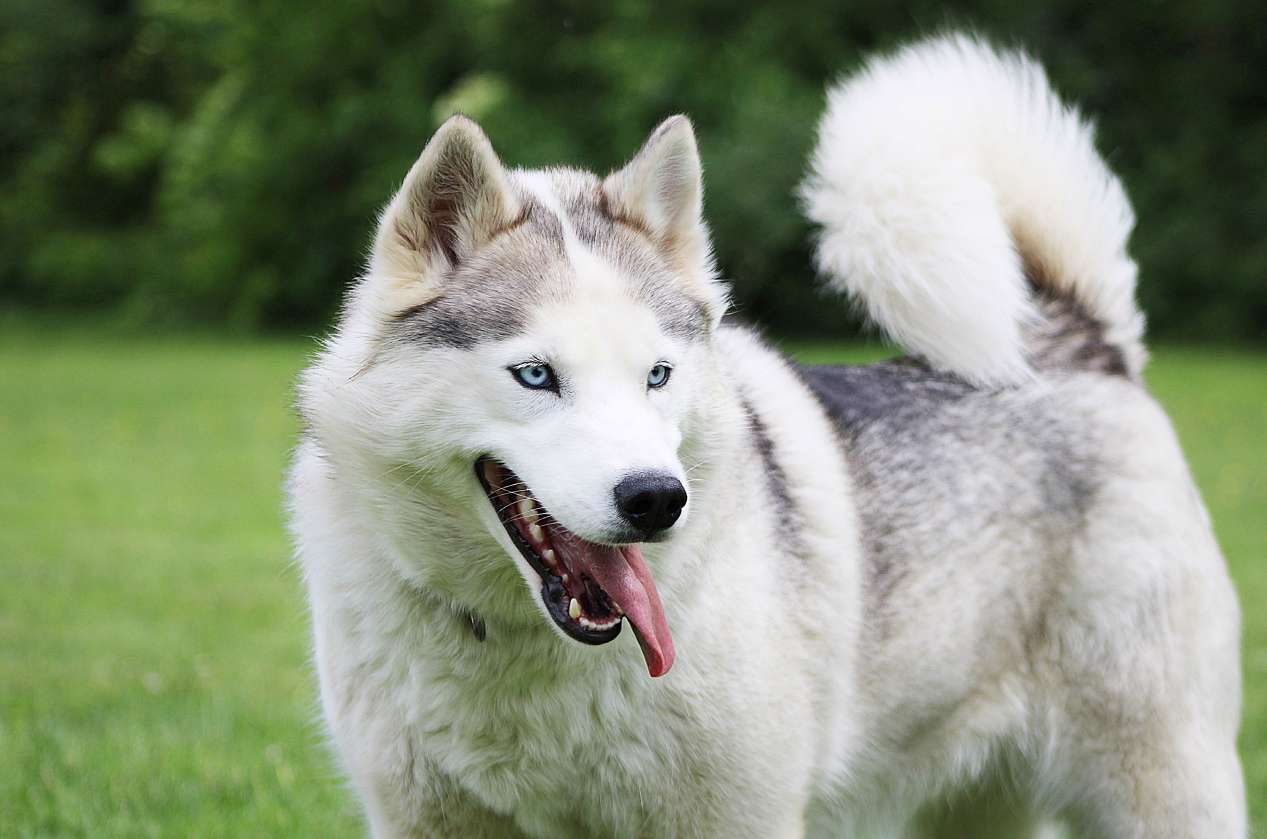
Huskies are famously vocal, though they bark less than many Husky provides unparalleled companionship and joy. If you
breeds. Instead, they howl, “talk,” whine, and make various cannot, choosing a different breed will result in a happier
vocalizations that can be loud, persistent, and annoying outcome for both you and the dog. The key to successful
to neighbors. Their howling can trigger noise complaints, Husky ownership lies not in managing their challenging
particularly in apartments or neighborhoods with close traits but in honestly assessing whether your lifestyle truly
quarters. While some owners find the “talking” charming, accommodates this remarkable but demanding breed.
others find it excessive and difficult to manage, especially
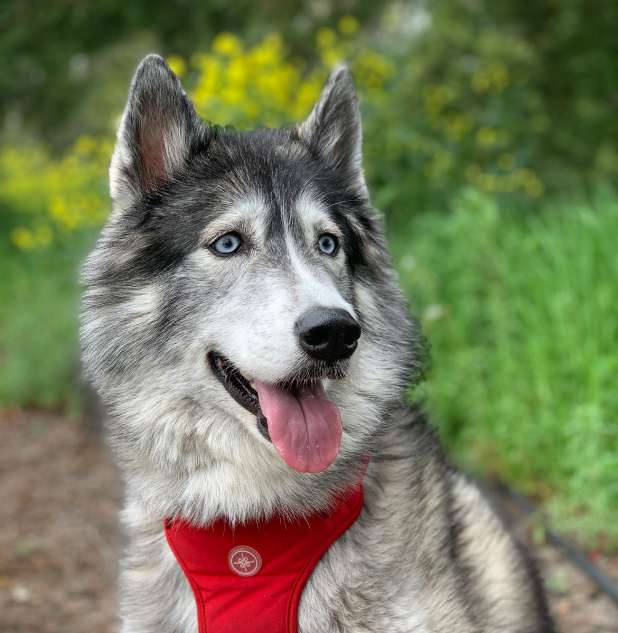
when the dog decides to vocalize at inconvenient times.
Conclusion: Know What You’re Getting
The Siberian Husky is a magnificent breed with remarkable
qualities—wonderful companionship, excellent temperament
with children and other dogs, impressive athletic abilities, and
striking beauty. However, these positives come packaged with
significant challenges that make Huskies unsuitable for many
households.They offer no protection or guard dog capabilities
despite their imposing appearance. Their independence and
stubbornness make training frustrating. Their escape artistry
and exercise requirements demand constant vigilance and
time commitment. Their destructive potential and shedding
create ongoing management challenges. Huskies thrive
with active, patient owners who have secure properties,
time for extensive daily exercise, tolerance for shedding and
vocalization, and no need for protective instincts. They’re
poor choices for first-time dog owners, apartment dwellers
without significant exercise options, people wanting guard
Photo Credit: Inno Kurnia / Pixabay dogs, or anyone unable to commit to their demanding Photo Credit: Christopher Burress / Pixabay
requirements.
Water is a lifeline
Paws & Hydration: Why fresh
water is your pet’s lifeline
By Carien Marais
Imagine sprinting a marathon with zero water breaks. That’s what even mild dehydration feels like to your dog
or cat—except they can’t raid the cooler. We lavish them with gourmet kibble and squeaky toys, yet the one
thing their bodies crave most, fresh, clean water available around the clock, often sits stagnant in a corner bowl.
E A dog’s body is eighty percent water; a cat’s is seventy. very heartbeat, every playful pounce, every
midnight zoomie relies on it. Skimp on hydration
and you’re not just making them thirsty—you’re
stressing organs from brain to kidneys in mere
hours. A twenty-pound pup needs fourteen to
twenty ounces daily (one ounce per pound, plus extra for
heat or hijinks); a ten-pound feline demands eight to ten.
Double those numbers when the thermostat climbs or the
kibble bag says “crunchy.” Pets are masters of disguise. By
the time a dog pants like a steam engine or a cat retreats to
the coolest tile, they’ve already lost five to ten percent of
their body water. Early clues hide in plain sight: gums that
feel tacky and refill slowly when pressed, skin that tents and
lingers when pinched at the scruff, eyes that sink like setting
suns, energy that fizzles mid-zoomie, urine the color of strong
tea. Perform the scruff test daily—if the skin snaps back in
under a second, cheers; longer than two and you’re racing
the vet clock. Stale water is a bacteria rave waiting to happen.
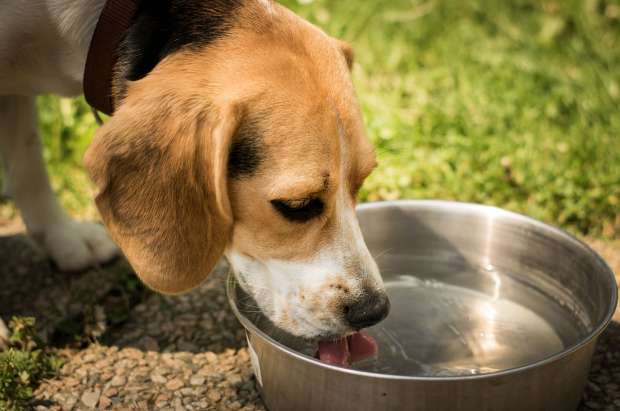
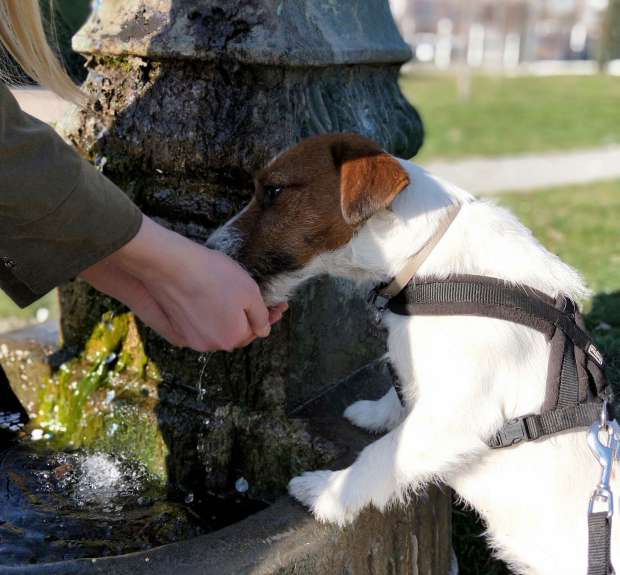
Dogs slurp one to two ounces per lap; cats sip like royalty. Photo Credit: Fulvio Aniello / Pixabay Either way, yesterday’s bowl is today’s science experiment.
Dump and refill morning and night, then scrub with hot, contamination), and stainless steel or glass bowls—plastic
soapy water weekly—dishwashers can’t scour the biofilm scratches turn into microbial motels. On scorching days, toss
hiding in ceramic pores. Elevate the experience with running in ice cubes; big breeds gulp less and stay cooler. Dry kibble
fountains (cats treat moving water like reality TV), multiple delivers a measly ten percent moisture; canned food gushes
stations on every floor (far from litter and kibble to dodge seventy-eight. Swap even one meal and you’ve gifted fifty to a
hundred extra milliliters of hydration. For cats prone to urinary
crystals, wet food isn’t optional - it’s armor. Blend a can of
low-sodium tuna in its juice with warm water, freeze in cubes,
and watch picky princes lap luxury. Meet Max, a six-year-
old Golden who crumpled post-hike. Bloodwork screamed
hemoconcentration; two days of IV fluids revived him. His
human? “I filled the bowl every morning…”—in blazing sun.
Then there’s Luna, an indoor cat who quit eating. Bladder
stones traced to one grimy bowl. A twelve-dollar fountain
and wet food erased crystals in six months. Make it routine:
two bowls minimum, refreshed twice daily, scrubbed weekly
with vinegar, intake tracked with a sharpie line on the bowl,
weight monitored at every vet visit—three percent drop is an
ambulance siren.
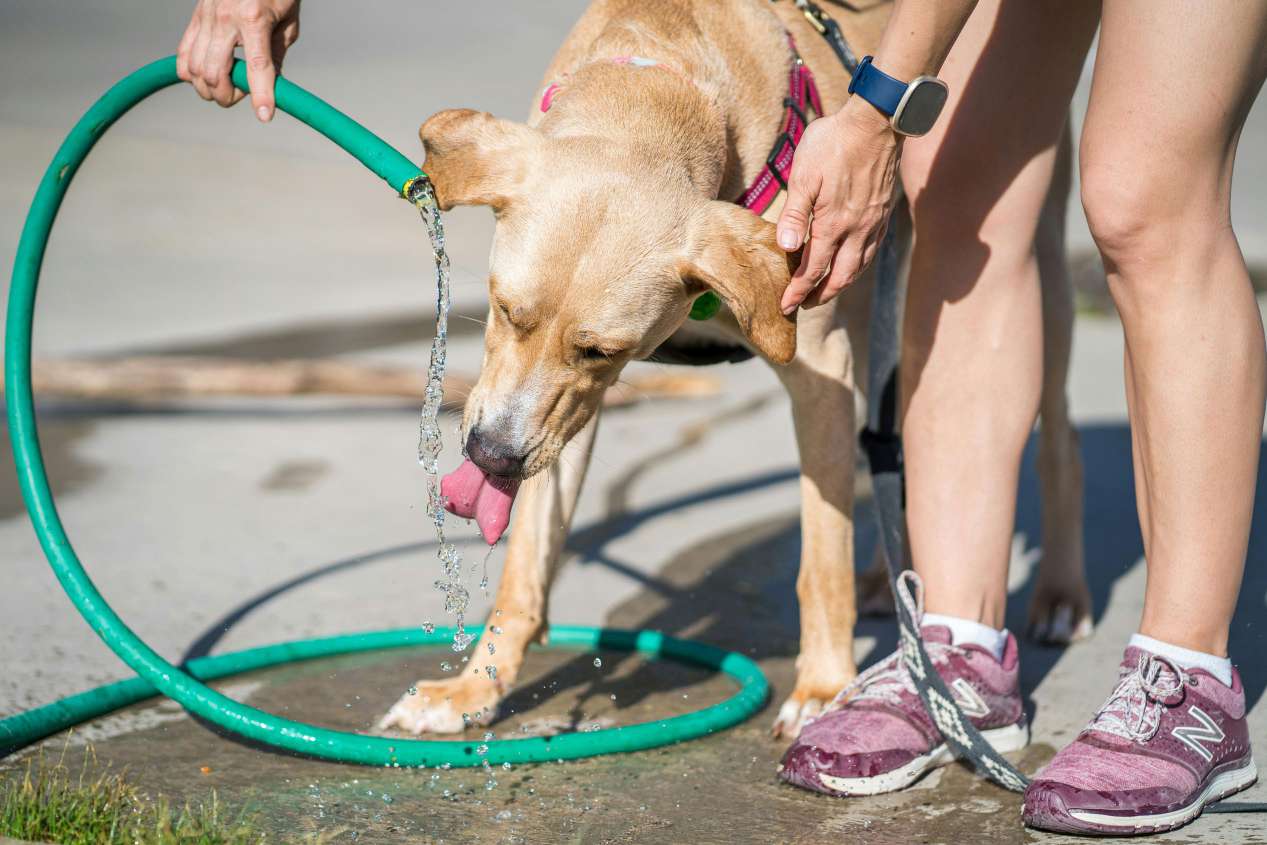
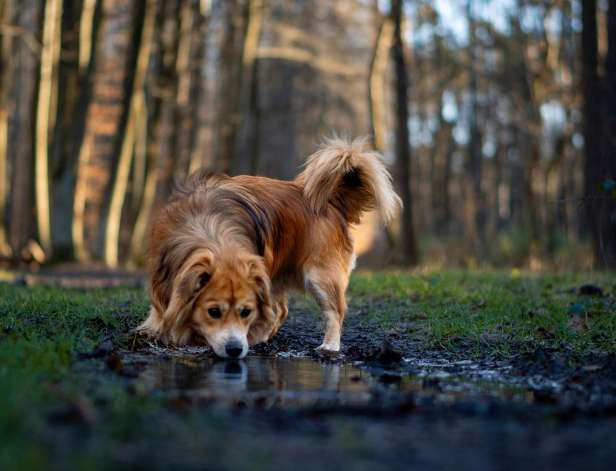
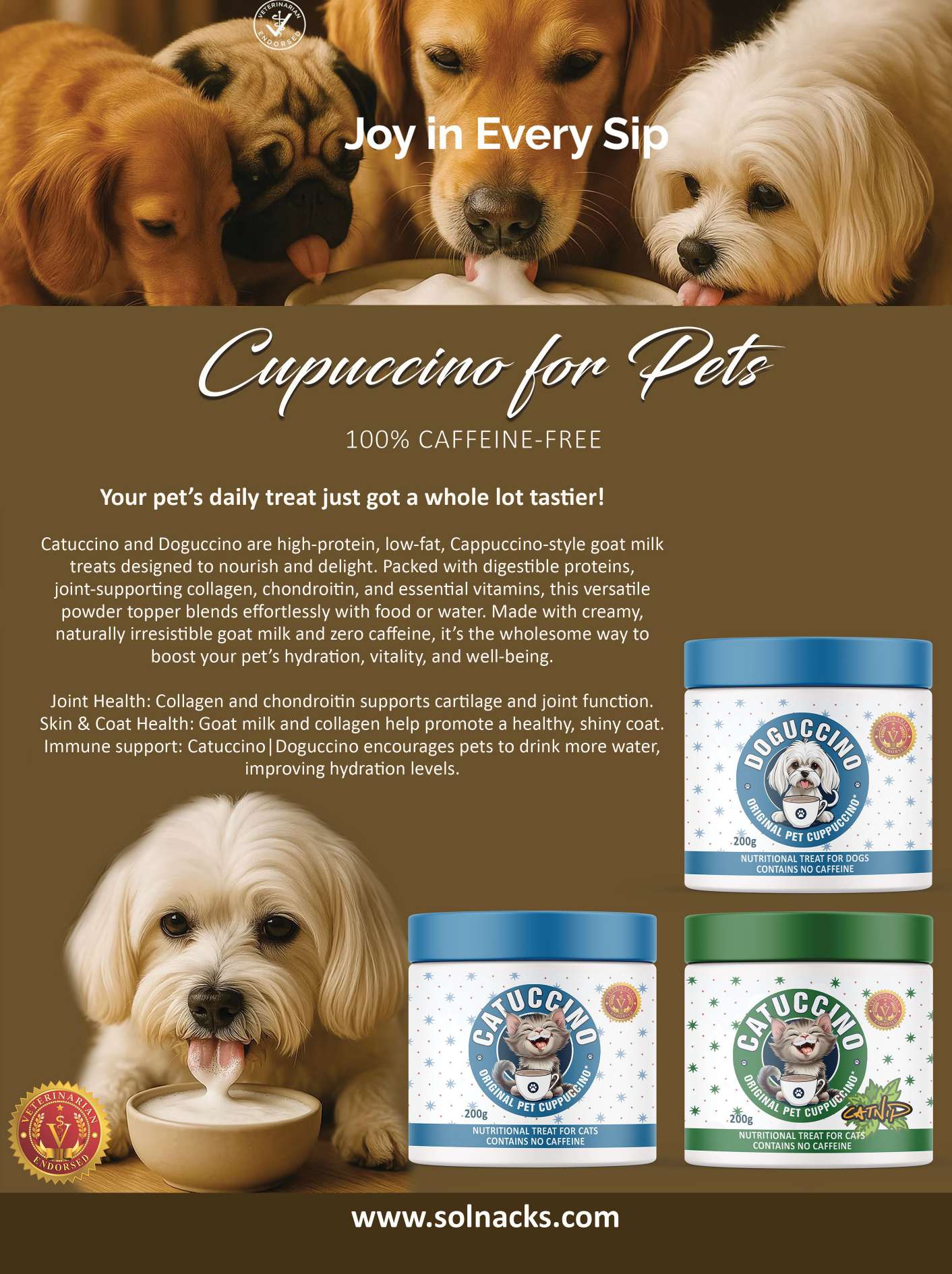
Hydration Hacks That’ll Make Your Pet Beg for Water your vet (one hundred milliliters under skin equals two safe Senior pets are hydration rock stars who forgot the encore. Past bowls), and never touch sports drinks—xylitol courts liver seven, kidneys slack and thirst signals fade; a twelve-year-old failure. Pin this calendar to the fridge: January, flip half the Lab may drink thirty percent less yet need more to flush meds meals to wet food for sixty bonus milliliters daily; April, drop and waste. Arthritis turns a floor bowl into Everest; dementia a second fountain upstairs and slash UTI odds forty percent; hides the water dish in plain sight. Serve lukewarm water July, freeze broth into licky mats to conquer heat waves; (eighty-five degrees mimics body temp and boosts intake October, pair senior bloodwork with a water diary to snag twenty-five percent), elevate bowls to hip height with foam kidney decline early. Water isn’t mundane—it’s the plot twist risers, spike with a tablespoon of low-sodium broth (kidney that turns survival into swagger. One sparkling bowl, one check first), and scatter three-ounce shot glasses in every nap clever hack, one vigilant glance: that’s the margin between nook. Ammonia-scented urine? Kidney red alert—book the vet panic and victory laps. Overfill it, splash it, celebrate it. blood panel. Road-trips are dehydration conspiracies: cortisol Your pet’s been thirst-trapping you forever. Swipe right on from stress, dry AC blast, motion sickness spewing precious hydration and watch the tail wags write the sequel.
fluids. Pack a collapsible silicone bowl, a frozen solid water
bottle (ice pack by morning, drink by lunch), unflavored
Pedialyte (one teaspoon per eight ounces, vet-approved), and
enforce sip stops every ninety minutes on pee-pad islands.
Flying? Freeze a bowl overnight—TSA waves solid ice through;
it melts into twelve ounces mid-flight.
Cats wage psychological warfare on water. Too deep and
whiskers revolt; too still and its suspect; chlorine whiff and
they ghost. Offer wide, shallow pie plates, filter tap through
a Brita, tempt with a single drop of tuna juice, and install
motion-sensor fountains—prey drive plus twenty percent
more intake, per Cornell. One in three indoor cats battles
crystals; your fountain is cheaper than surgery. Panic mode:
skin tent dangling like wet laundry, eyes raisin-dry. Skip the
bowl—risk choking. Offer ice chips, learn sub-Q fluids from COMPASSION Winter Warriors:
Safeguarding feral
cats in the frost
By Carien Marais
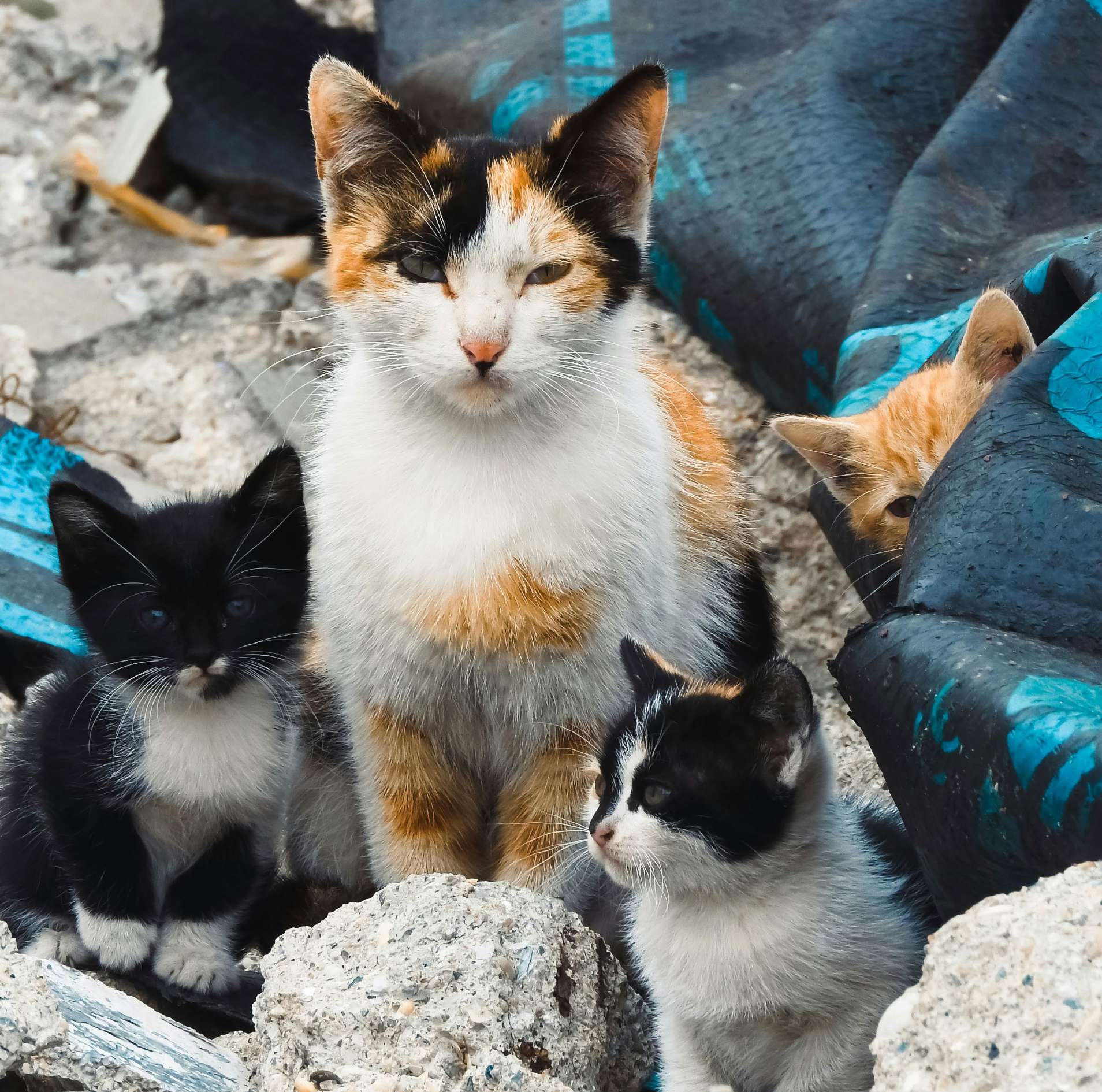
As autumn fades into the biting chill of winter, streets and alleys
worldwide become battlegrounds for unsung survivors: feral cats. These
elusive felines - descendants of once-domesticated pets or born wild
-face plummeting temperatures, icy winds, and snow-covered grounds
that turn survival into a daily ordeal. Yet, with a few thoughtful actions,
even the most casual observer can become a lifeline. Small gestures
- providing shelter, food, or water - can mean the difference between
life and a frozen end. This winter, let’s explore how to care for these
U independent spirits without disrupting their wild nature. nderstanding the Harsh Reality
Feral cats are not stray pets longing for a home; they are adept
survivors adapted to outdoor life. However, winters with
temperatures dipping below freezing pose severe threats.
Hypothermia sets in quickly for undernourished cats, while wet fur
from rain or snow exacerbates the cold. Food becomes scarce as rodents burrow
deeper, and water sources freeze solid. Kittens and elderly cats are especially
vulnerable, with survival rates dropping sharply in sub-zero conditions. Spotting a
feral cat is often fleeting—a shadow darting from a dumpster or a pair of glowing
eyes in the headlights. But when you do see them, intervention doesn’t require
capture or adoption. The key is Trap-Neuter-Return (TNR) programs, which
humanely control populations while allowing cats to remain in their territories.
Animal welfare organizations around the world promote TNR, and individual
efforts complement these initiatives beautifully.
Building Simple Shelters: A Cozy Haven from the Cold
One of the most impactful gestures is creating insulated shelters. Feral cats seek
warmth instinctively, but urban and rural environments offer little protection. A
DIY shelter can be assembled in under an hour with everyday materials, providing
a dry, windproof space that raises their body temperature by several degrees. Start
with a large plastic storage bin (at least 2x2x2 ft / 60x40x40 cm for multiple cats).
Cut a 6-inch (15 cm) diameter hole in one side, about 4 inches (10 cm) from the
bottom, to prevent drafts. Line the interior with straw—not hay, which molds—or
Mylar blankets for insulation. Place another bin inside for double-wall protection,
and elevate the whole structure on bricks or wood to avoid flooding. Camouflage
it with leaves or position it in quiet spots like under porches, behind sheds, or in
alleyways where cats already congregate. In snowy regions, ensure the entrance
faces away from prevailing winds. Community cat colonies thrive with 2-3 shelters
per group, spaced to reduce territorial fights. Volunteers in cities from New York to
Tokyo have reported colonies surviving -10°C / 14°F nights thanks to these setups.
Photo Credit: Furkan Aktan / Pexels Remember: no blankets or towels inside—they absorb moisture and freeze. Nourishing Bodies Against the Bite Photo Credit: Igorejov / Pexels Hunger amplifies winter’s cruelty. Feral cats burn extra calories just
to stay warm, needing up to 50% more food than in summer. Dry
kibble is ideal—it’s less likely to freeze than wet food—and should
be placed in sheltered areas to stay dry. Feed at consistent times,
ideally dusk or dawn when cats are active, to avoid attracting pests.
A simple automated feeder with a timer can dispense portions if
you’re away. In icy conditions, scatter food on elevated surfaces to
prevent snow burial.
Water is equally critical; use heated bowls (solar-powered ones are
affordable and widely available online) or add a ping-pong ball to
non-heated bowls to prevent full freezing by creating movement.
Check local regulations on feeding feral cats—many areas
encourage humane care but may have guidelines. Pair feeding
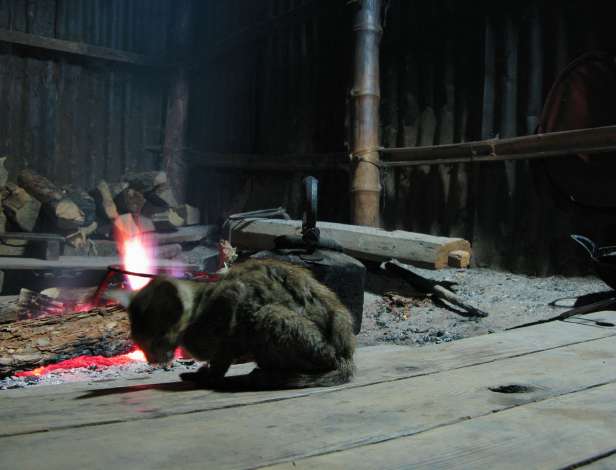
with TNR to prevent overpopulation; neutered cats focus energy Photo Credit: Kalaw Myanmar -Burmese feral cat near the flames,
on survival rather than reproduction. Village life in the Shan Hills
Health Checks and Emergency Aid
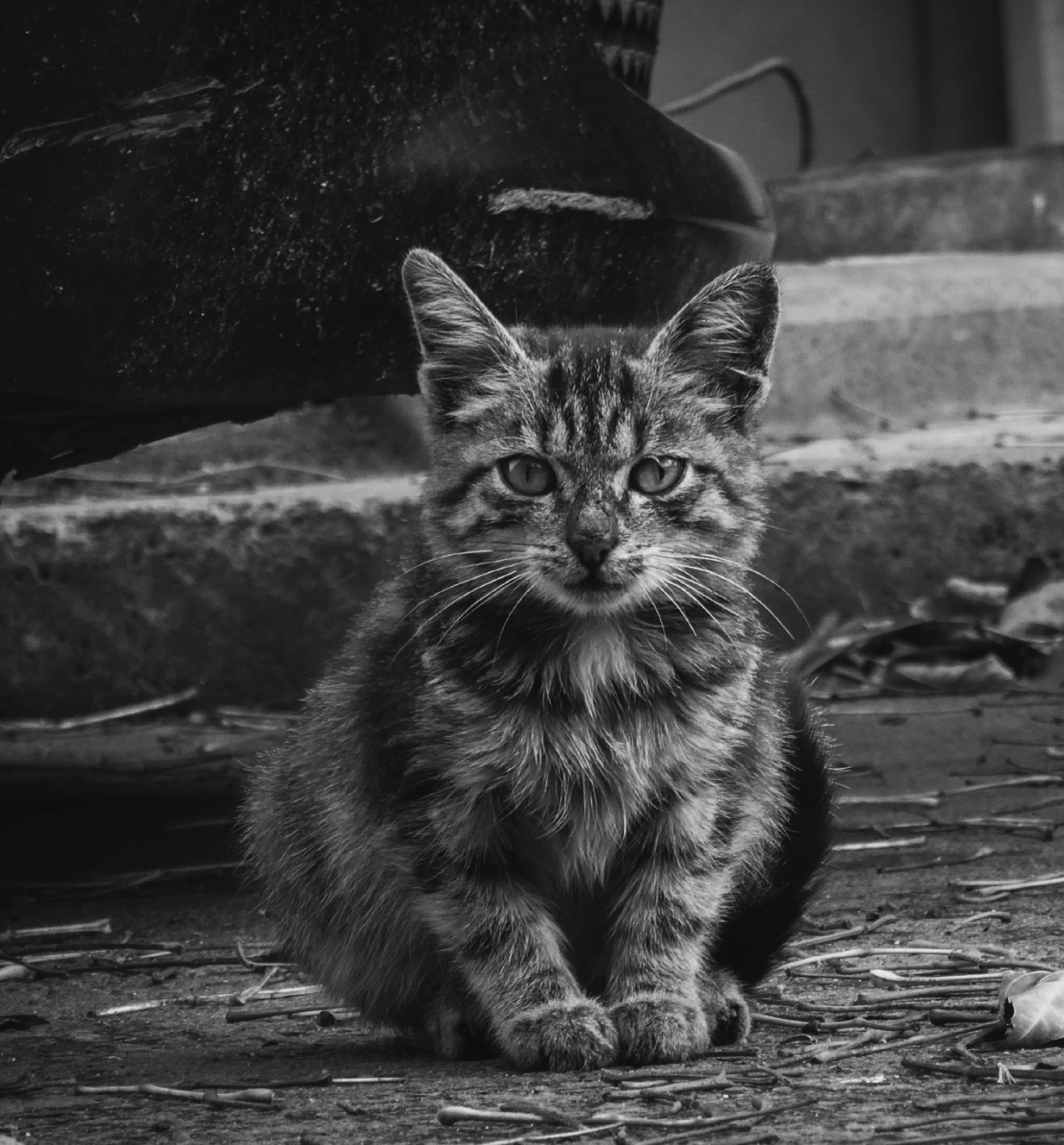
When you spot a feral cat, observe from afar. Signs of distress
include limping, excessive sneezing, or matted fur, indicating injury
or illness. Frostbite appears as pale ears or tails; if safe, provide
extra fatty foods like tuna in oil for quick energy. For hands-on help,
contact local animal rescues or vets offering low-cost TNR. Never
attempt to handle ferals yourself—stress can harm them more
than the cold, and rabies risk, though low, exists in some regions.
Small gestures extend to clearing ice from feeding areas or leaving
garage doors cracked for temporary refuge (with an escape route).
During extreme weather events—like blizzards or polar vortexes—
community networks save hundreds by coordinating shelters.
The Ripple Effect of Compassion
Caring for feral cats isn’t about taming the wild—it’s about
coexistence. Research from universities worldwide shows that
well-fed, sheltered colonies reduce nuisance behaviors like yowling
or scavenging. Your actions inspire neighbors; one shelter project
in a single neighborhood can grow into a city-wide movement.
This winter, as snow falls on city skylines or frost glazes rural fields,
remember: a feral cat’s glance might be gratitude. With straw-
stuffed bins, timely meals, and vigilant eyes, we ease their burden.
In a season of harshness, our small kindnesses forge unbreakable
bonds with nature’s resilient roamers. Photo Credit: Farfalina / Pexels
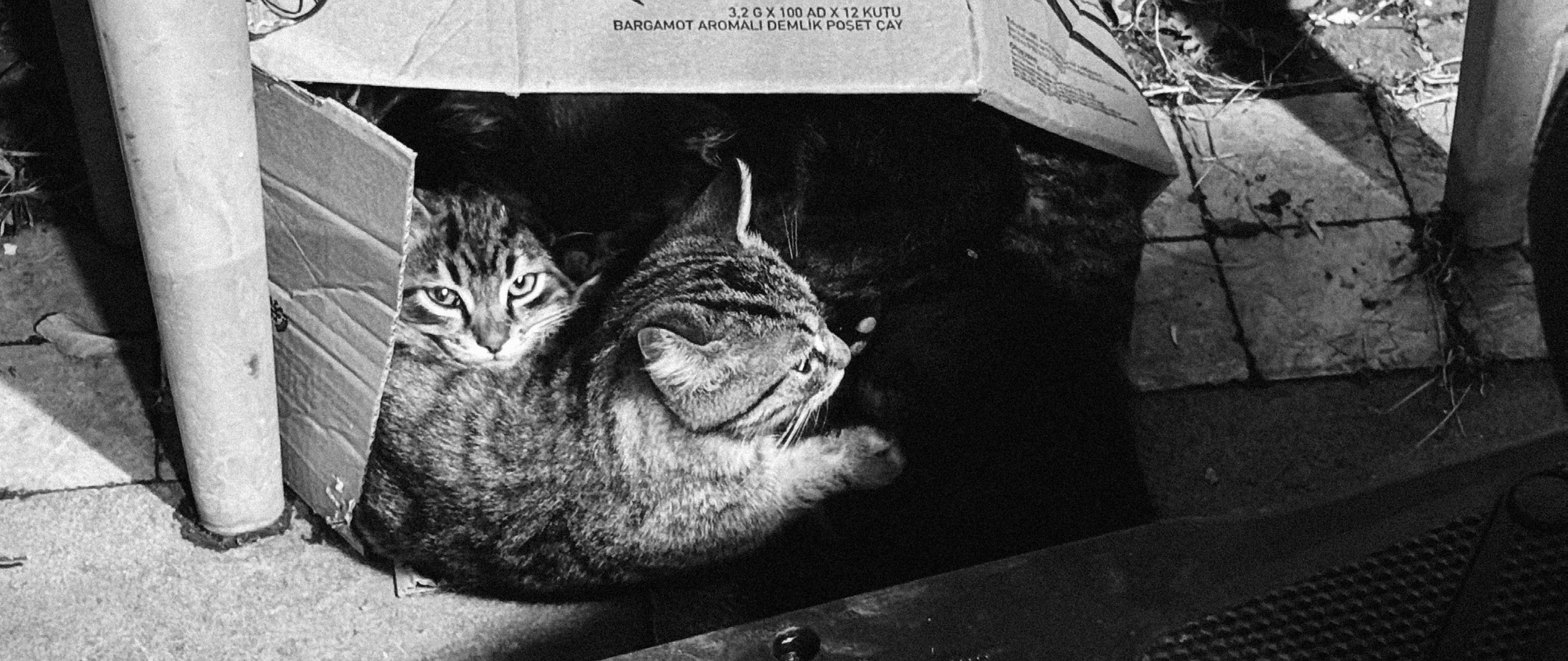
Photo Credit: Hakan Kayahan / Pexels Photo Credit: Serdar Balpetek / Pexels
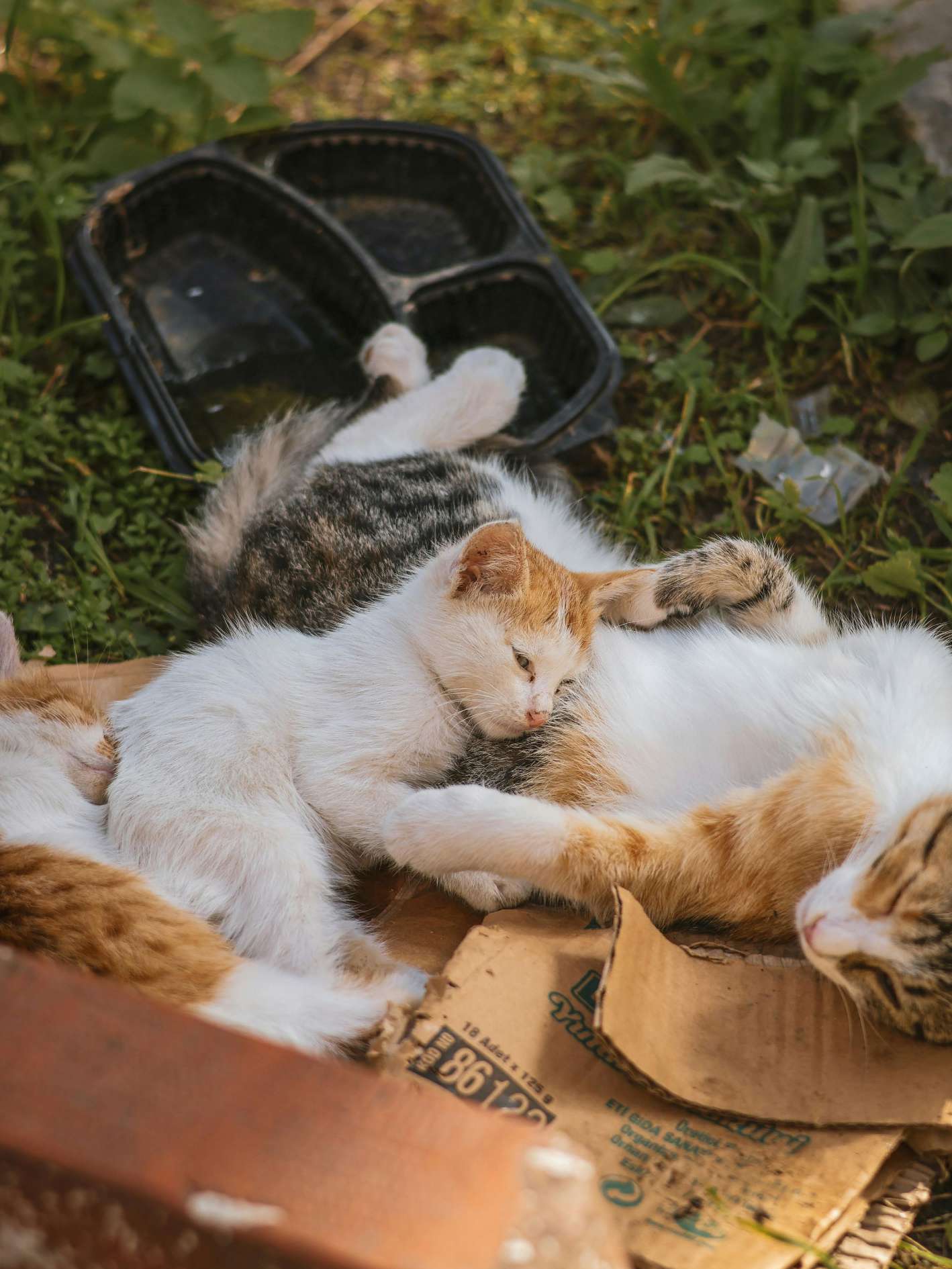
16
18 19 ANIMALIA | Issue 1 | 2025